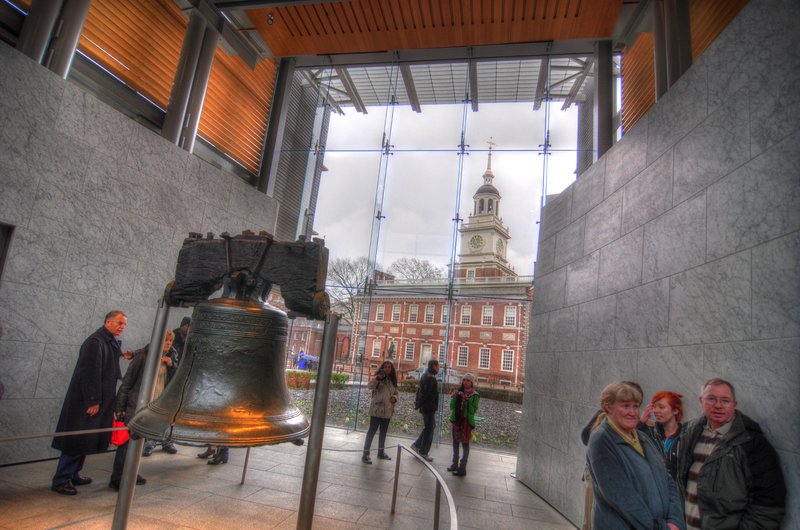
The 2,080-lb bronze bell that rang on July 8, 1776 for the first public reading of the Declaration of Independence. The crack and the inscription "Proclaim LIBERTY" made it a global symbol of freedom movements for two centuries.
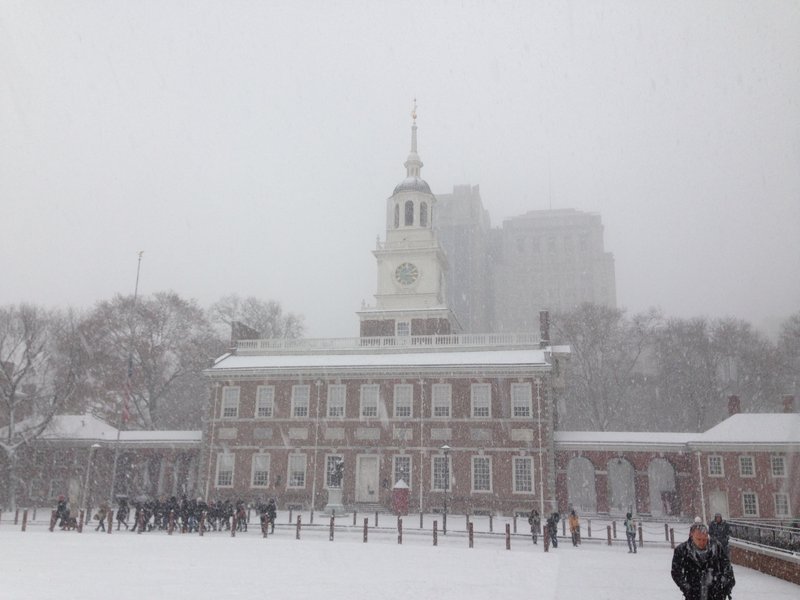
The red-brick Georgian building where the Declaration of Independence was adopted in 1776 and the US Constitution was drafted in 1787. Guided tours run every 20 minutes through the Assembly Room. Timed-entry tickets are required and sell out; book in advance.
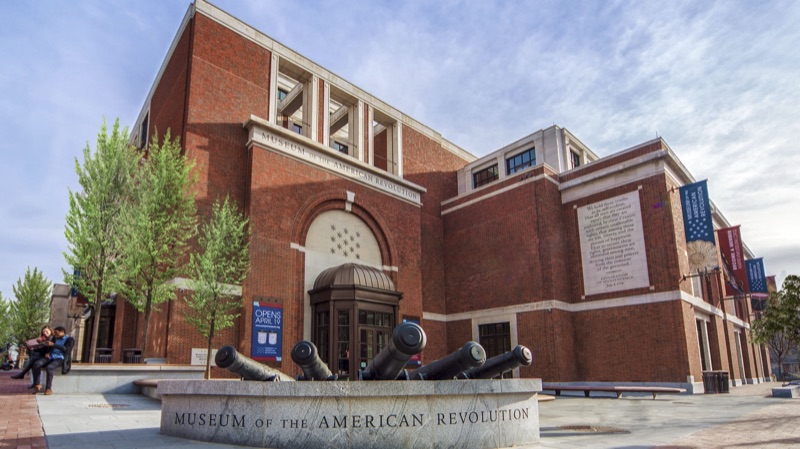
Opened in 2017, this museum tells the story of the Revolution through 500 objects, immersive galleries, and a dramatic theater reveal of George Washington's actual campaign tent, used in every major engagement of the war. One of the finest Revolutionary-era collections anywhere.
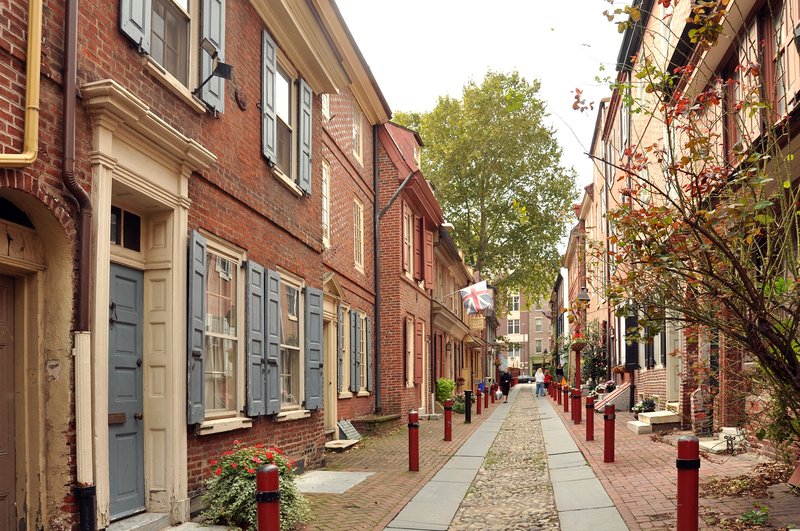
America's oldest continuously inhabited residential street, dating to 1702. The cobblestone block holds 32 preserved colonial and Federal-era houses, now a National Historic Landmark. The alley is free to walk anytime; the small museum at houses 124 and 126 offers guided tours on weekends.
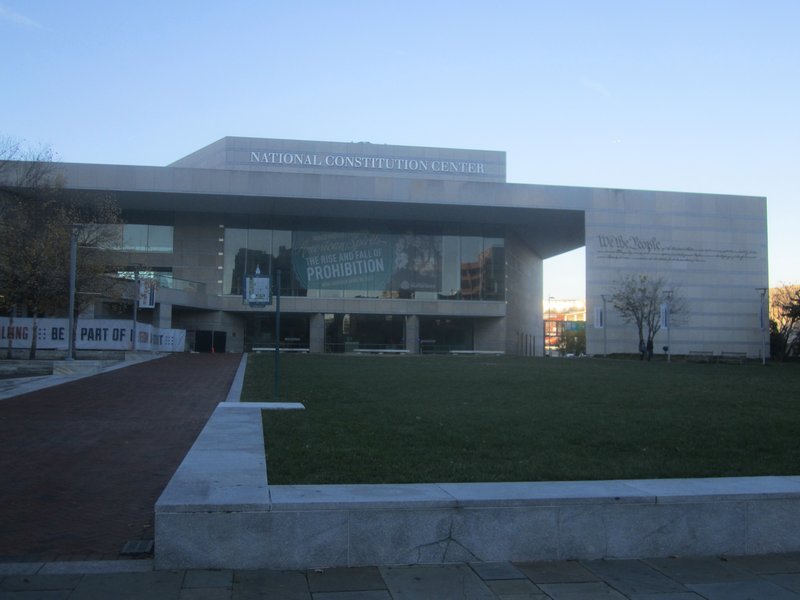
The only museum in the United States dedicated solely to the US Constitution. Features the Freedom Rising theater show, Signers' Hall with life-size bronze statues of the 39 signers, and interactive exhibits on two centuries of constitutional history.
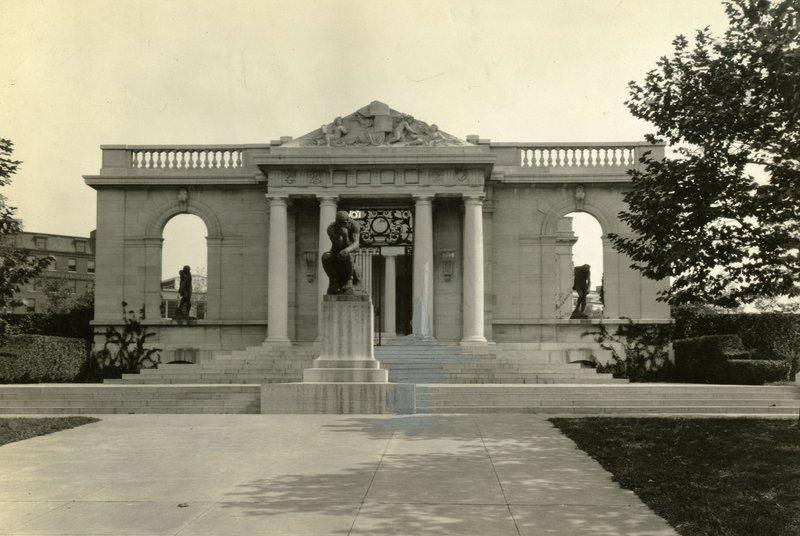
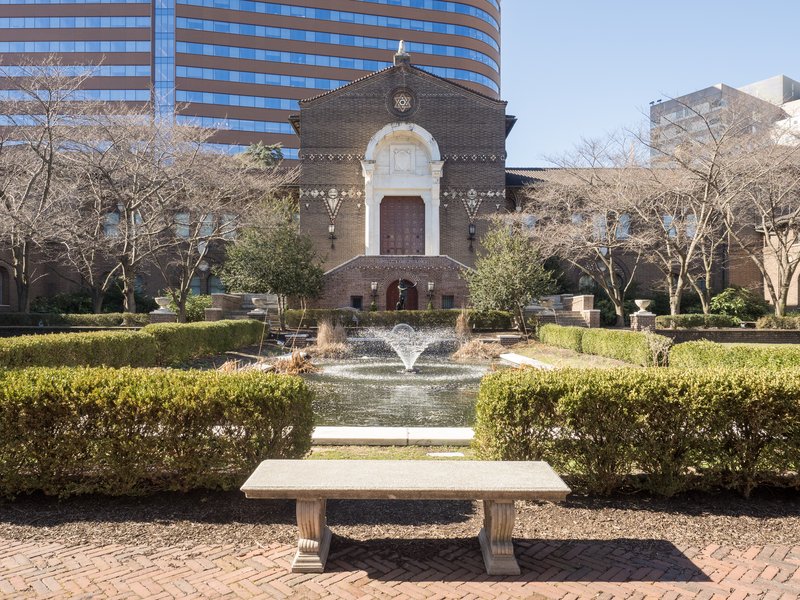
The largest collection of Rodin's sculpture outside France, including The Thinker in the garden and The Gates of Hell indoors. Entry is Pay What You Wish when visiting independently, and included with a Philadelphia Museum of Art ticket.
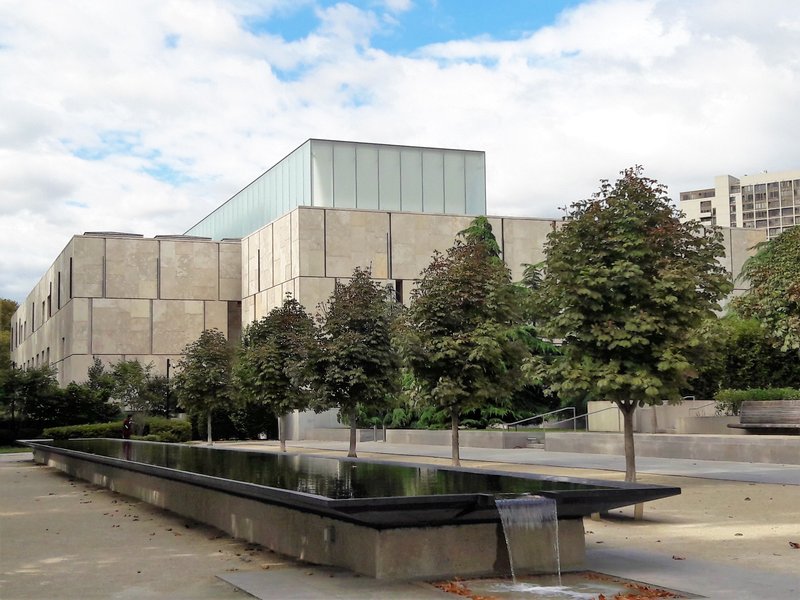
Albert C. Barnes assembled one of the world's finest collections of Post-Impressionist paintings — 181 Renoirs, 69 Cézannes, 59 Matisses — displayed exactly as he arranged them, floor-to-ceiling alongside ironwork and furniture. Advance booking strongly recommended.
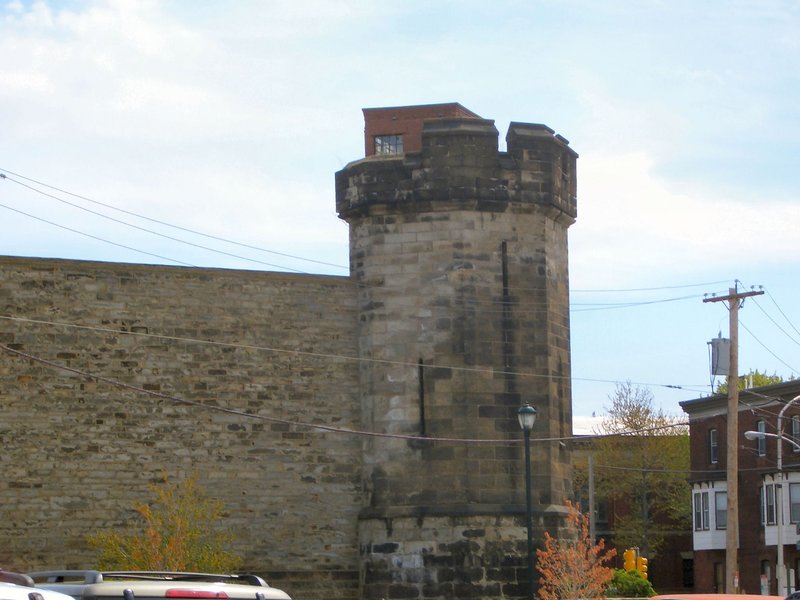
A now-ruined Gothic castle of a prison built in 1829, once the most expensive building in the United States. Al Capone did time here. The Steve Buscemi-narrated audio tour leads through cellblocks, solitary confinement cells, and art installations set against crumbling stone walls.
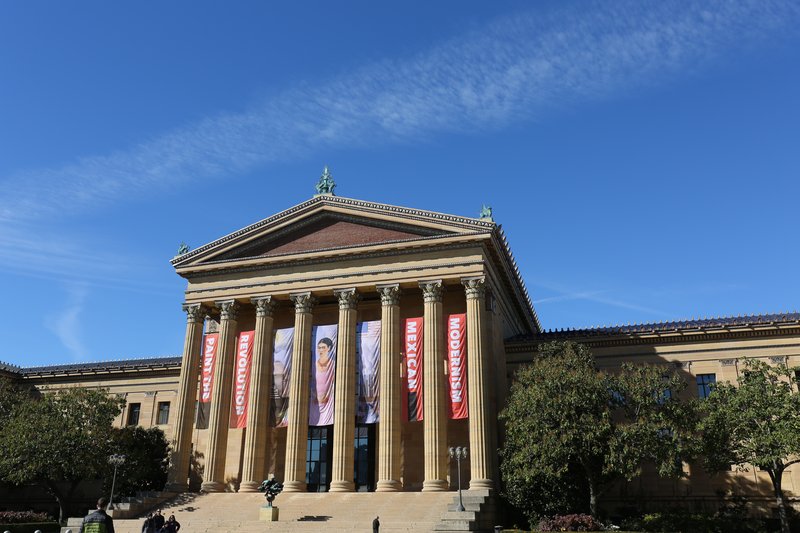
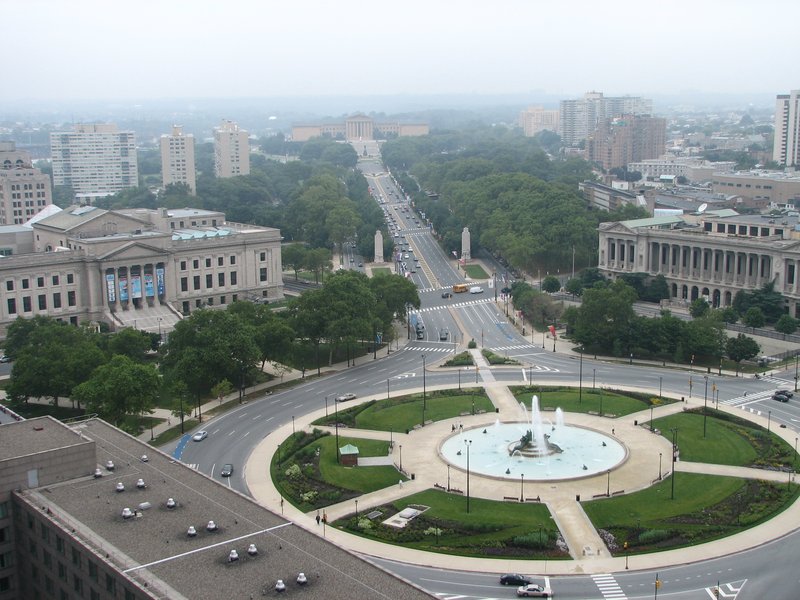
One of the largest art museums in the United States, with more than 240,000 works spanning 2,000 years. The 72 steps out front are the "Rocky Steps" from the 1976 film. Your ticket covers two consecutive days and includes the Rodin Museum.
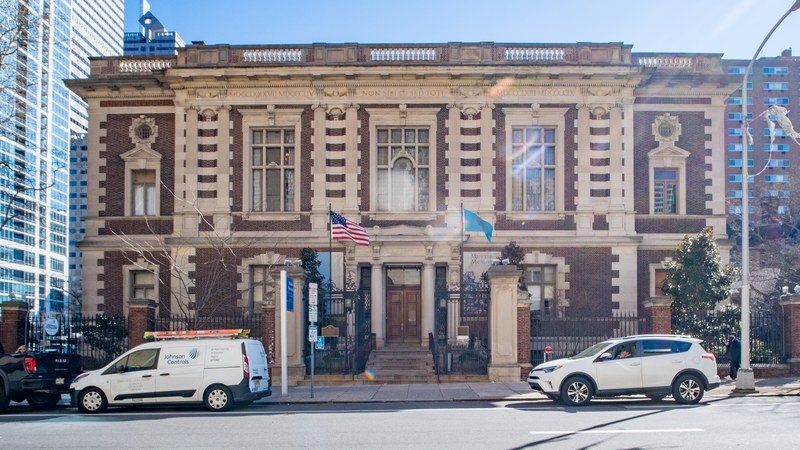
A medical history museum at the College of Physicians displaying 37,000 anatomical and pathological specimens — the Hyrtl Skull Collection of 139 skulls, a 7.5-foot colon, and the preserved liver shared by the conjoined twins Chang and Eng. Genuinely extraordinary; not for the squeamish.
The University of Pennsylvania Museum of Archaeology and Anthropology holds one of the world's great collections of human history — 1 million objects from Egypt, Mesopotamia, the Americas, and Asia. Highlights include the Great Crystal Ball and objects from the Royal Cemetery of Ur.
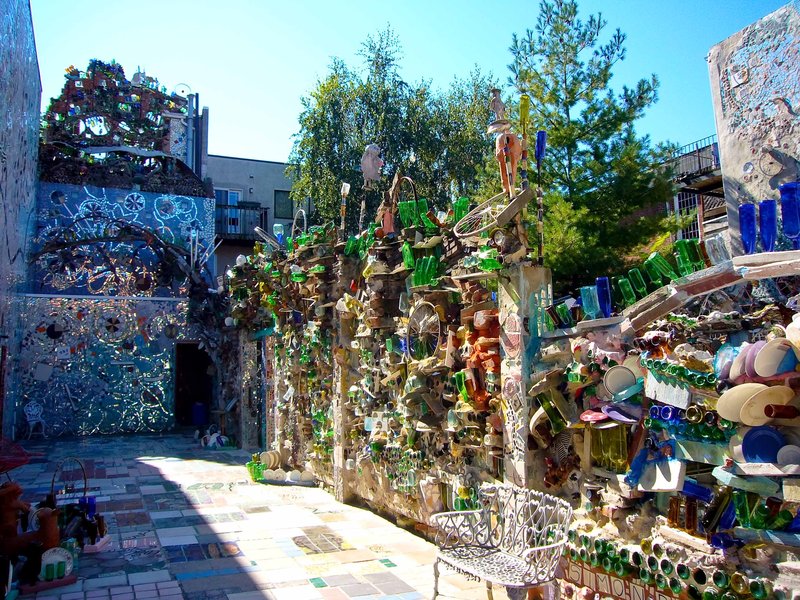
Artist Isaiah Zagar spent 14 years covering a vacant lot and adjacent buildings on South Street in mosaics of shattered glass, mirror, tile, bicycle wheels, and folk art. The result is a labyrinthine outdoor and indoor gallery unlike anything else in the city. Book in advance — it sells out.
From Hotel: 4 min · 6 min → Philadelphia Masonic Temple
1.Philadelphia Masonic Temple~1 hr
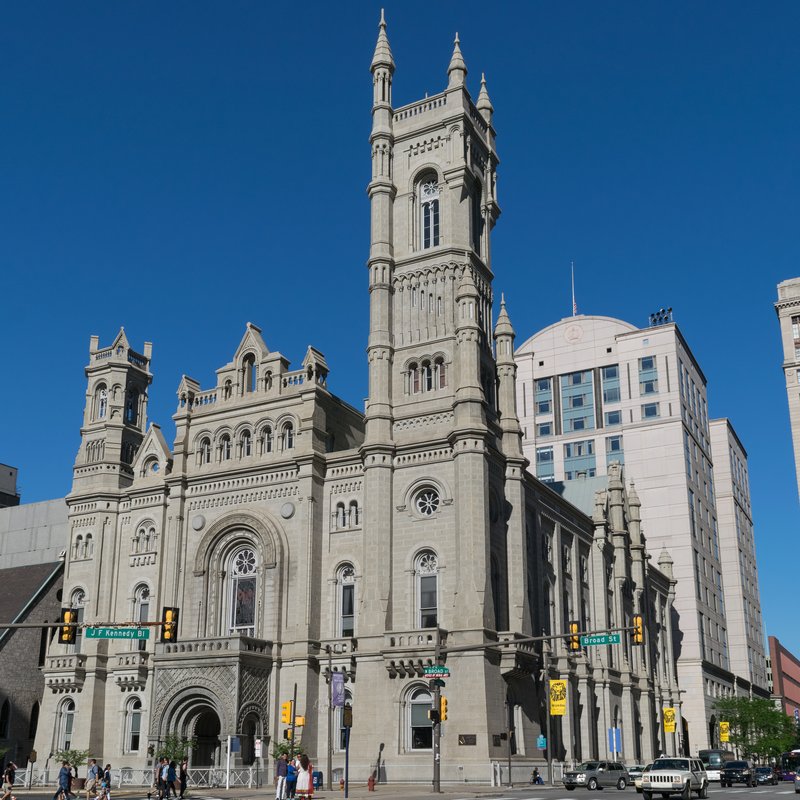
The Grand Lodge of Pennsylvania, completed in 1873. Seven lodge rooms each adopt a different historic style — Egyptian, Norman, Gothic, Ionic, Corinthian, Romanesque, and Renaissance. Guided tours run several times daily Wednesday through Saturday and cover the building's remarkable history and Masonic symbolism.
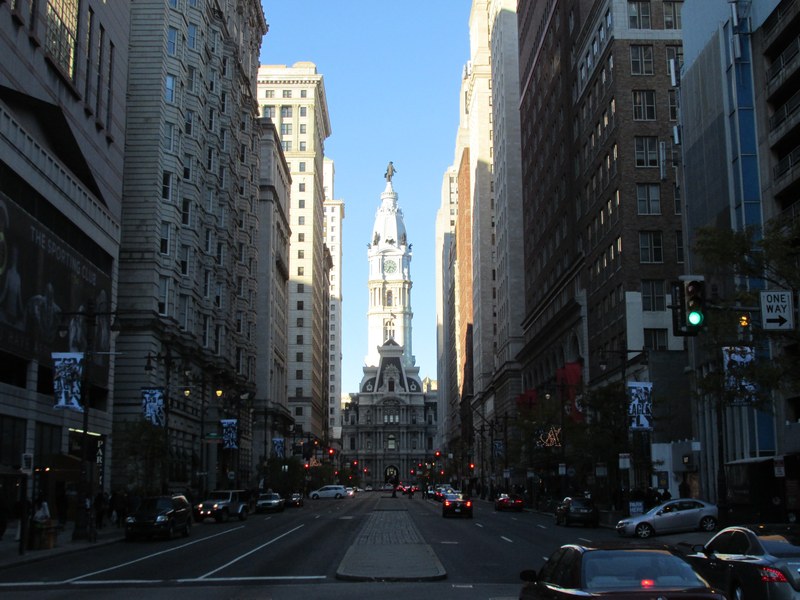
The largest municipal building in the United States and the tallest habitable building in the world when completed in 1901. Alexander Milne Calder's sculpture of William Penn crowns the tower at 548 feet. The free tower tour takes visitors to the base of Penn's statue for an open-air view over the entire city.
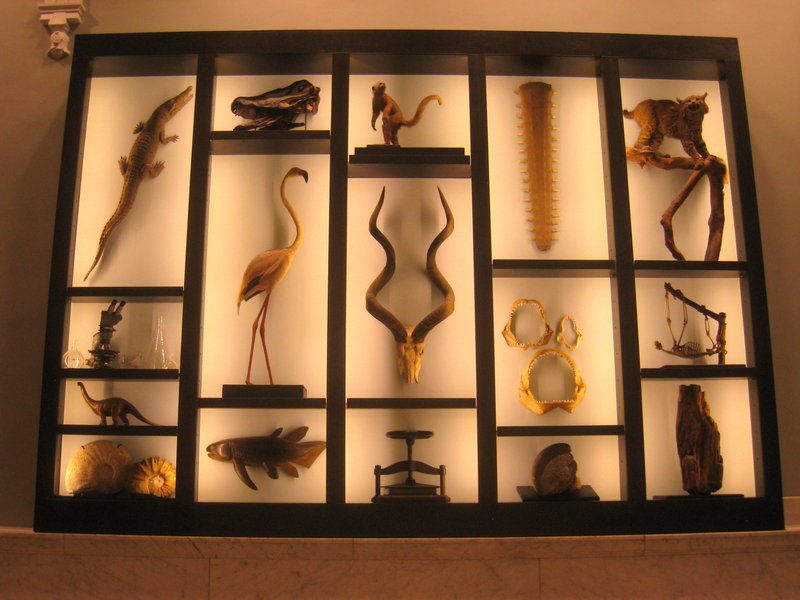
The oldest natural history museum in the Western Hemisphere, founded in 1812. Dinosaur Hall features mounted T. rex and Giganotosaurus skeletons. A live butterfly garden fills a greenhouse with hundreds of tropical species. The collection holds 17 million specimens.
One of the oldest science museums in the United States, founded 1824. The walk-through human heart — large enough to crawl through — has been a fixture since 1954. Benjamin Franklin Memorial Hall holds a 20-foot marble statue. Hands-on exhibits span physics, astronomy, and engineering, plus the Fels Planetarium.
A 90-minute stroll through Old City led by a former stand-up comedian and history teacher. Covers every major landmark including Independence Hall, Liberty Bell, and Betsy Ross House.
A 2.5-hour small-group deep dive through Old City including a visit to the Museum of the American Revolution to see George Washington's actual campaign tent. Every guide holds a history degree.
A 2-hour walking tour covering the Liberty Bell, Independence Hall, and multiple Founding Father sites. Every guide holds a history degree and the tour caps at 15 people.
A 105-minute tour telling the stories Philadelphia history usually skips — Hannah Callowhill Penn, Ona Judge, the Red Rose Girls, and LGBTQ leaders in the Gayborhood. Wheelchair accessible on request.
A 75-minute outdoor walking journey through more than 20 historic sites in Independence National Historical Park, including the Liberty Bell and Independence Hall.
Shaved ribeye on an Amoroso roll with Whiz, American, or provolone — invented in the 1930s at Pat's in South Philly. The rivalry between Pat's and Geno's on Passyunk Avenue is legendary.
The city-style soft pretzel is long and twisted into a figure-eight — chewier and saltier than the mall variety, sold from street carts and at Reading Terminal Market since the 19th century.
Foreign number: accepted. — the SMS code reaches a foreign number with roaming on, and an email code is offered if it does not arrive.
The widest roster in Philadelphia — Reading Terminal Market stalls, Italian Market and cheesesteak shops, the Center City chains and grocery runs — with live tracking and DashPass for fee-free delivery; couriers hand over at the lobby, so add the room number to the note.
Foreign number: accepted. — it is the same Uber account as the ride app, so a foreign number already verified there signs straight in.
Thinner than DoorDash here but strong on the Center City and Rittenhouse chains, and the app shows the real delivery fee before checkout; late in the evening the list shrinks fast outside the centre.
Foreign number: not accepted. — the sign-up form only takes a US or Canadian number and no code is sent abroad; support confirms drivers cannot call an international one.
Philadelphia is one of Grubhub's strongest cities, with many family-run Italian Market and South Philly places that sit on no other app, but it is closed to a foreign number; a traveller with a US eSIM number can use it, otherwise DoorDash covers most of the same kitchens.
Foreign number: accepted. — the verification code arrives by SMS on a foreign carrier, and an existing Uber account from home signs straight in.
Dense coverage across Center City, Old City and the Parkway museums, with a car at the Residence Inn in two or three minutes most of the day; fares surge around Eagles and Phillies games and late on weekend nights, when a SEPTA subway hop along Market or Broad is quicker.
The Metropolitan Museum, Central Park, Brooklyn Bridge, and Times Square are all within reach on a comfortable day trip via the Acela or Northeast Regional.
Philadelphia is the only city in the world where you can stand between the room where the Declaration of Independence was signed, the room where the Constitution was drafted, and the bell that rang to announce both — all within a three-minute walk of each other. Most cities have one founding moment. Philadelphia has the entire founding era compressed into a single square mile.
What struck me during research is how the Barnes Foundation mirrors this compression. Albert C. Barnes, a doctor who made his fortune selling an antiseptic, spent decades assembling 181 Renoirs and 69 Cézannes and then refused to loan a single work or allow photographs. His arrangement — floor-to-ceiling, grouped by compositional principle rather than chronology — was so idiosyncratic that courts spent years after his death debating whether anyone could legally move the collection. The collection is now in its third building. The arrangement inside has not changed by one inch.