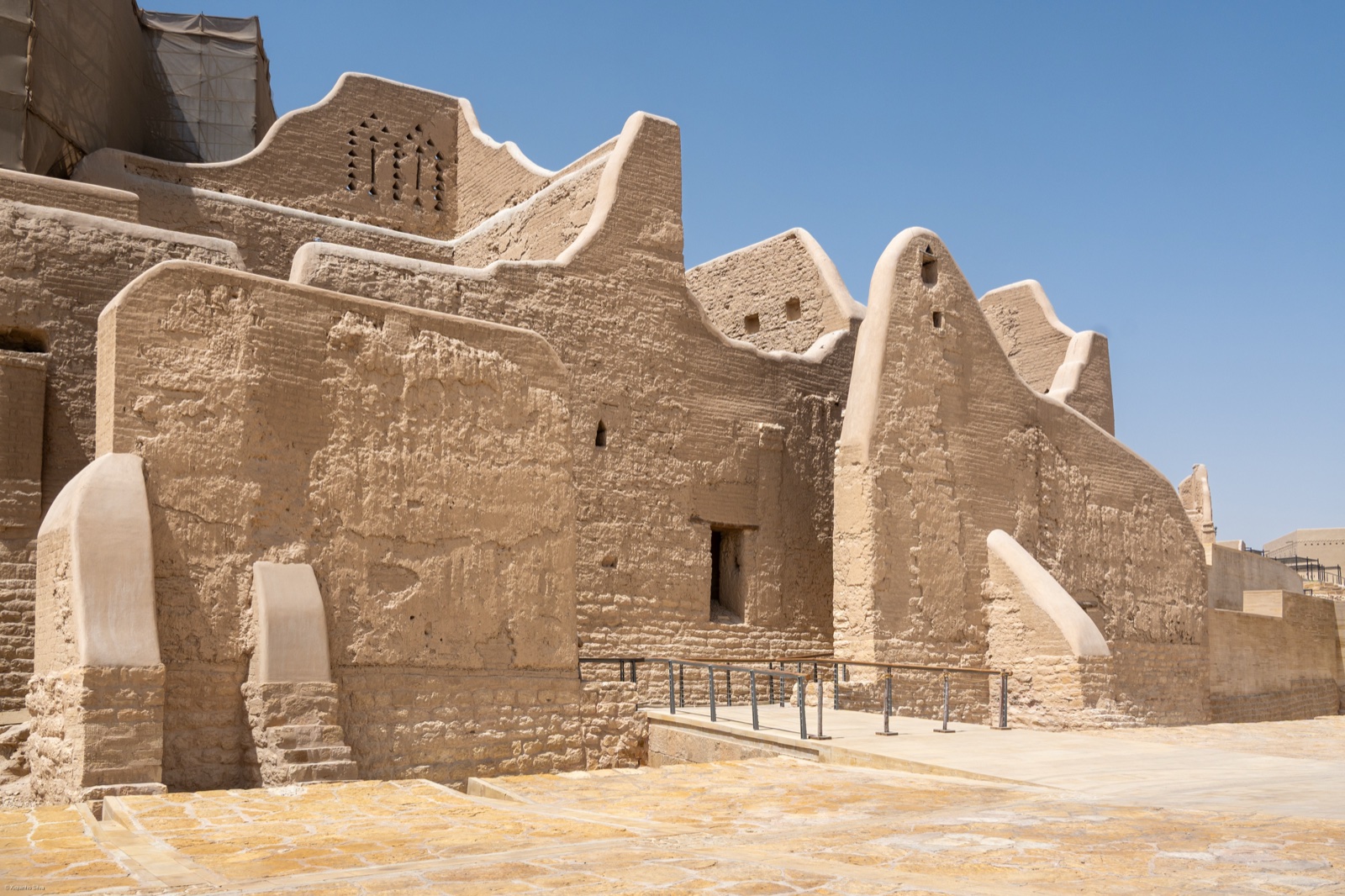
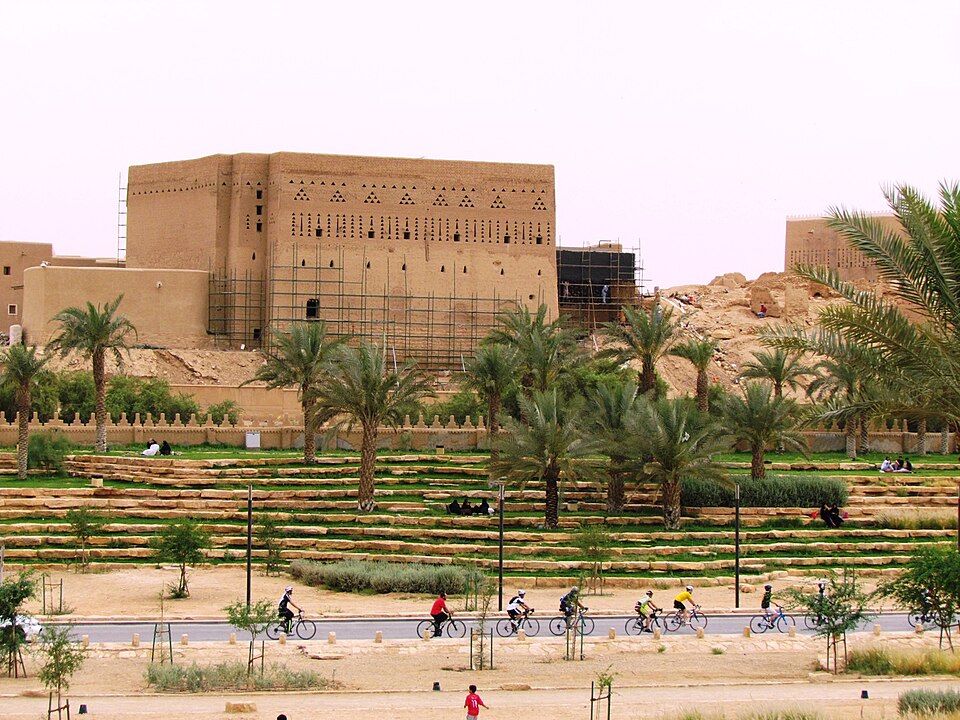
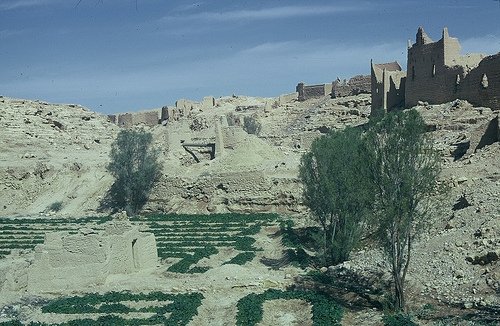
The original seat of the Al Saud dynasty — a UNESCO World Heritage-inscribed citadel of mud-brick palaces, mosques and civic buildings crowning the plateau above Wadi Hanifah, abandoned after an Ottoman siege and now the largest mudbrick complex on earth, its four-metre-thick walls and carved Najdi plasterwork still intact.
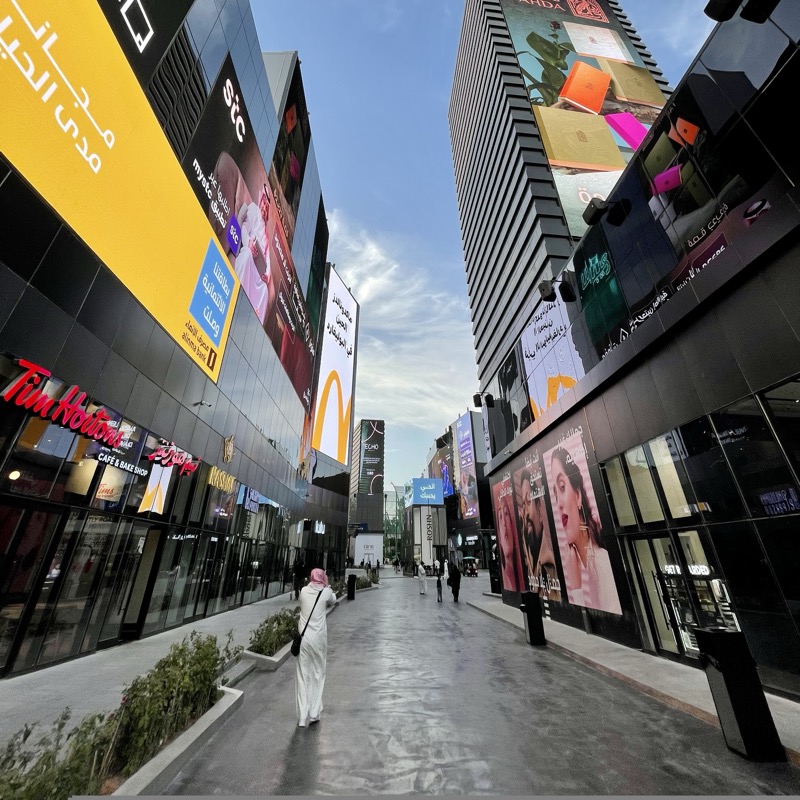
A 550,000 sq m open-air entertainment city in northern Riyadh with a pedestrian boulevard, 200+ restaurants, cinemas, a ski slope and live event stages — Saudi Arabia's most visited leisure destination, at its best from sundown when the crowds and the lighting come alive.
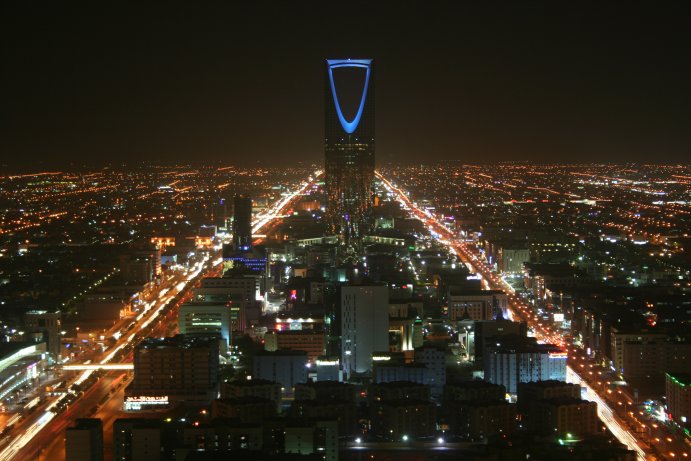
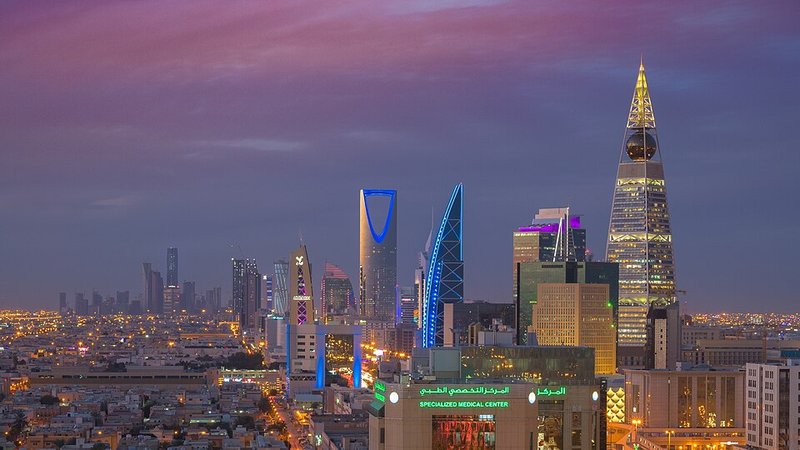
Riyadh's defining landmark — a 302-metre tower whose inverted parabolic arch frames the sky over Olaya, with the Sky Bridge observation deck spanning the arch at the 99th floor for a 360-degree view of the desert city spreading to every horizon.
Saudi Arabia's first skyscraper — a 267-metre tapered obelisk capped by a golden sphere called The Globe, which houses a lounge bar and restaurant at 200 metres with an unobstructed panorama of the Olaya skyline.
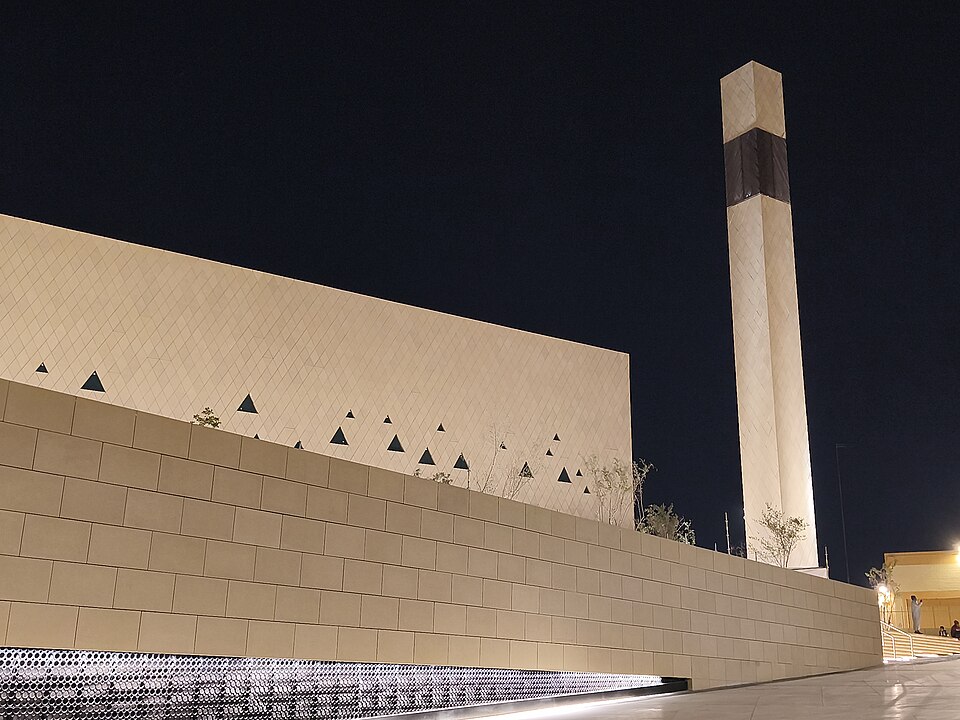
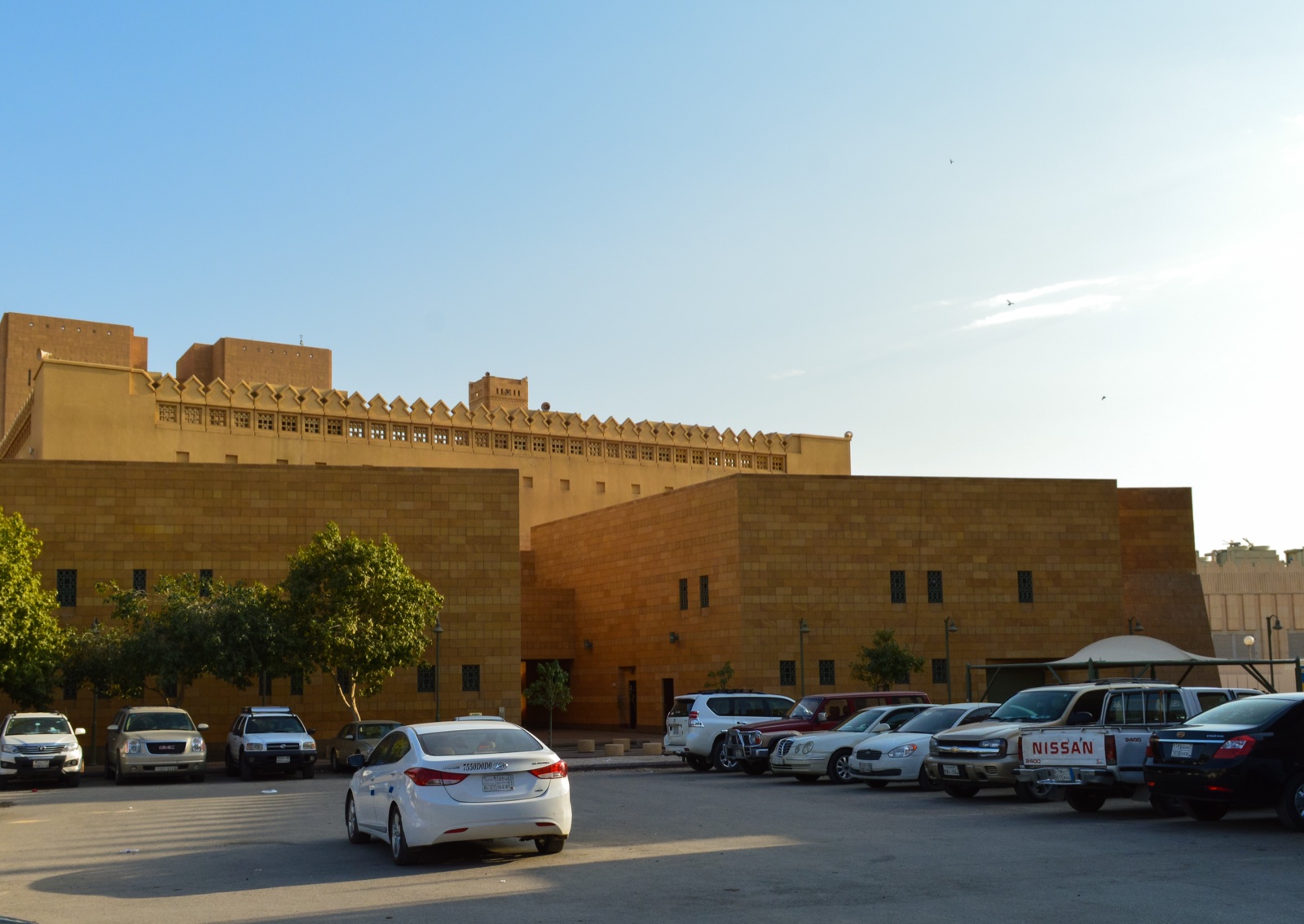
The historic government palace complex at the centre of Old Riyadh — a Najdi-revival ensemble of the Grand Mosque of Riyadh and the adjacent civic palace, their facades of carved limestone set around a wide public plaza where Riyadh residents gather in the evenings; the architectural and civic centrepiece of Al Dirah district.
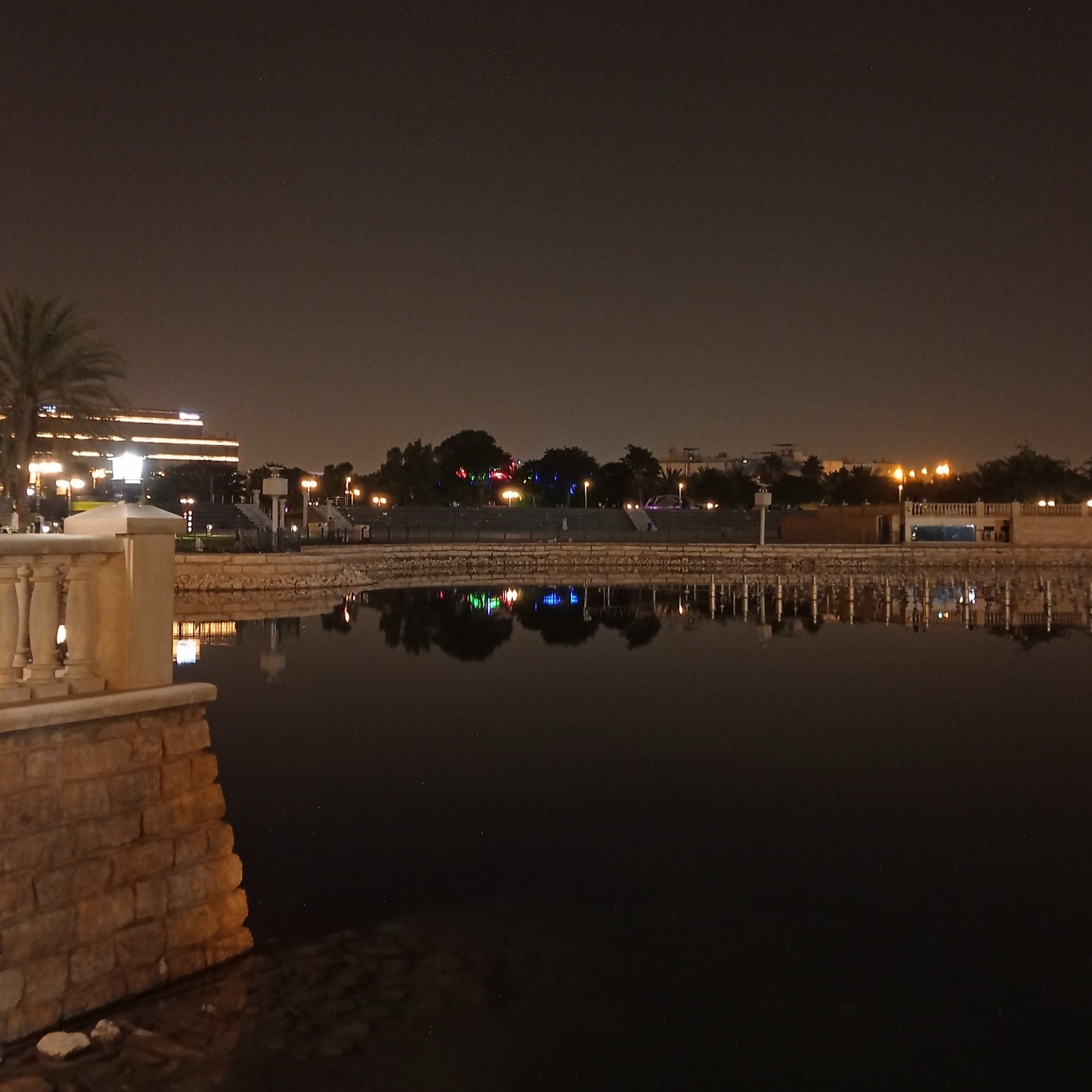
A large landscaped park in central Riyadh with an artificial lake, walking paths, fountains and a small amusement area — the city's main green relief within the business district, best visited in the cooler late afternoon when families fill the lakeside paths.
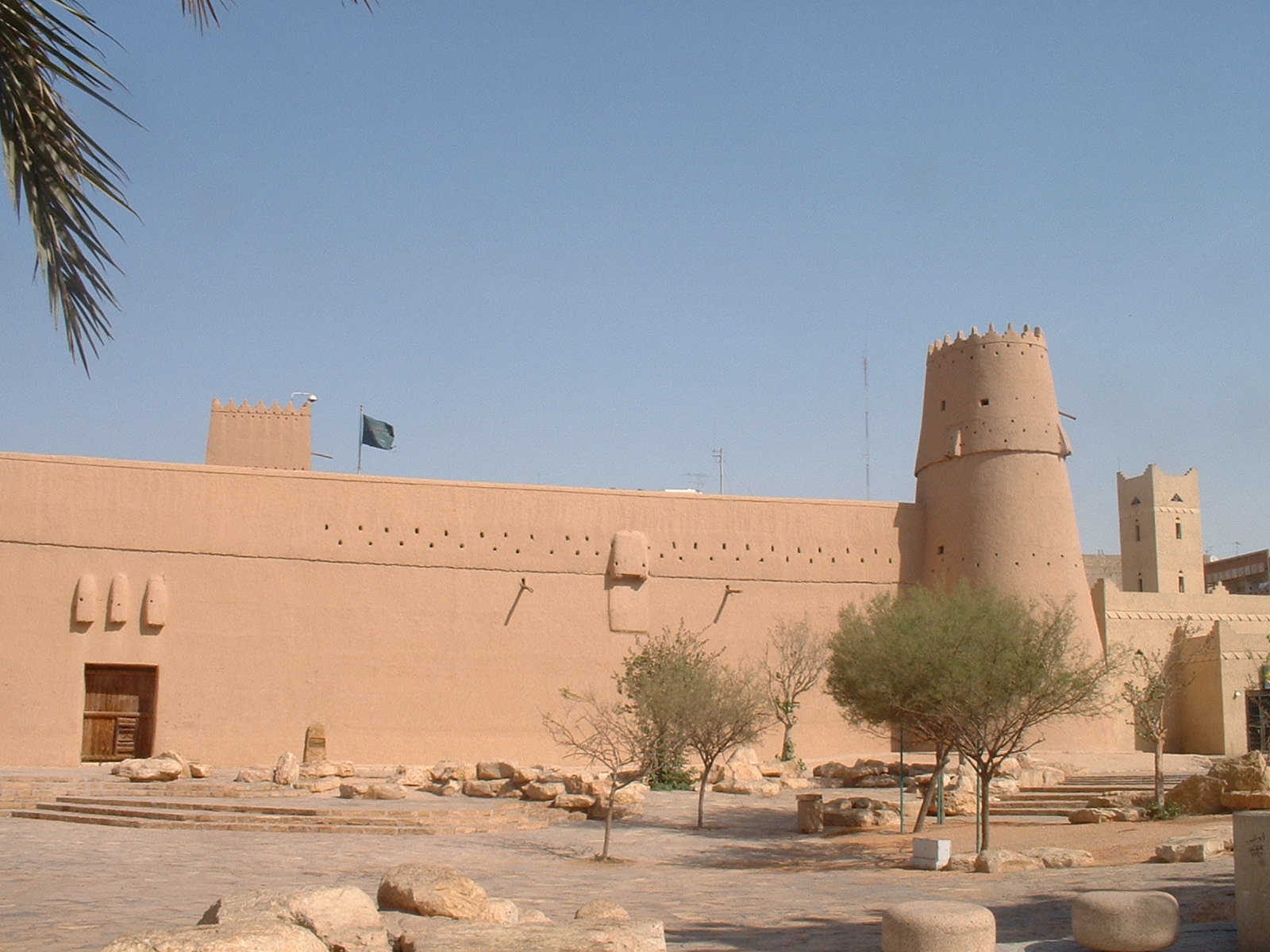
The mud-brick citadel where Abdulaziz ibn Saud and forty followers stormed the gates to recapture Riyadh and begin the unification of Saudi Arabia — the fort's original teak doors still carry the broken spear tip from that assault.
A 30-hectare heritage campus anchored by Al Murabba Palace — the mud-brick royal residence built by Abdulaziz ibn Saud — where the original reception halls, private quarters and throne room are preserved in the form he knew them, with a museum charting the modern Saudi state's founding decades.
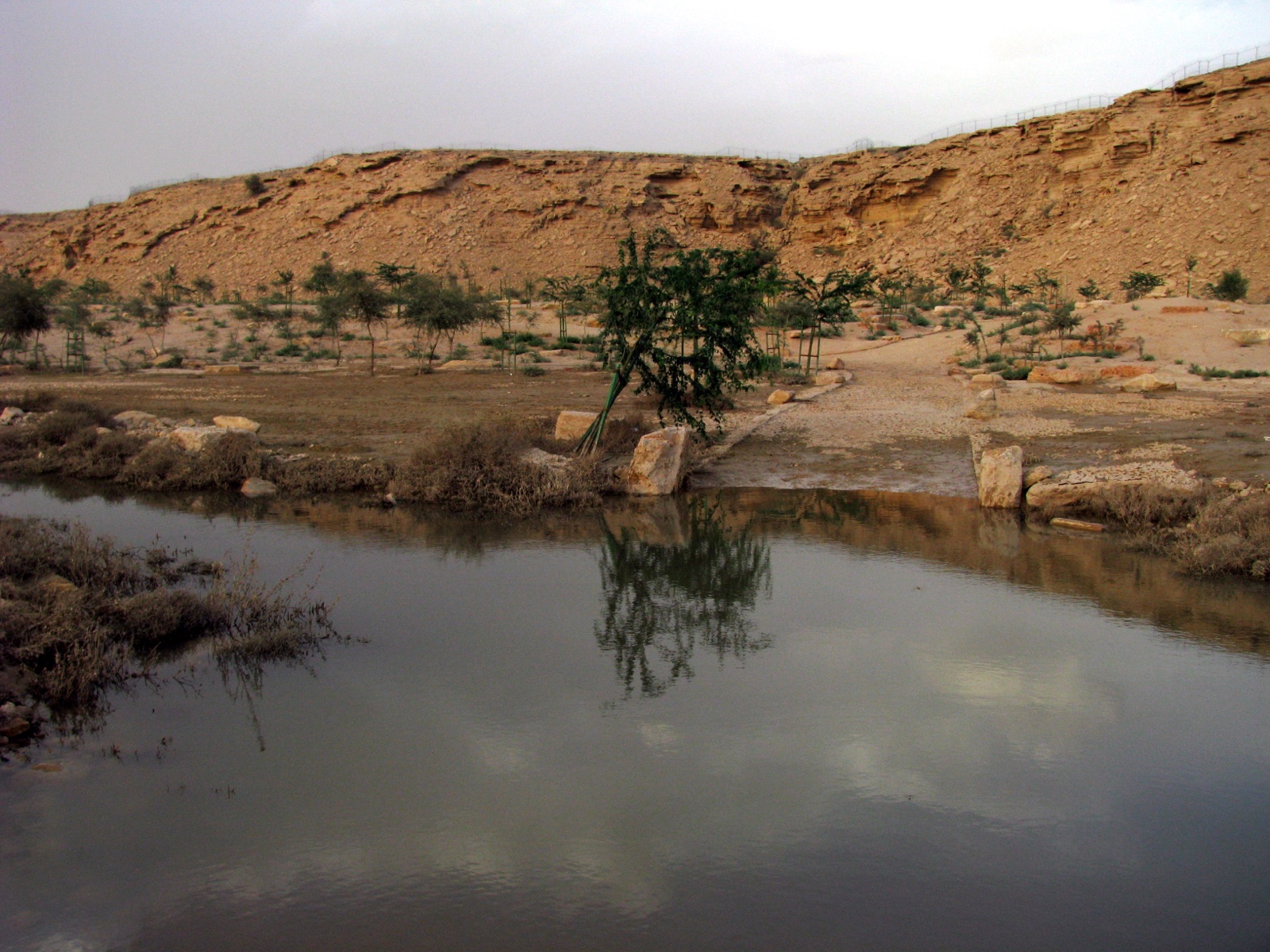
The ancient seasonal river valley that cradles Dir'iyah — restored over the past two decades into a 120-kilometre urban greenway of shaded walking paths, heritage farms, traditional allotments and date-palm groves running beneath the UNESCO site's limestone bluffs.
Eight interconnected thematic halls spanning four billion years of Arabian history — from pre-Cambrian geology to the founding of the Kingdom — housed in a dramatic curvilinear building; the Hall of the Prophet's Era and the Hall of the Arabian Peninsula are among the most comprehensive collections of Islamic-era artefacts in the world.
The restored residential quarter on the western bank of Wadi Hanifah — a pedestrianised cluster of traditional Najdi mud-brick buildings now holding artisan workshops, Saudi craft galleries, heritage restaurants and a performance stage — the accessible entry point to the Dir'iyah UNESCO World Heritage Site.
The grand ceremonial entrance to the Dir'iyah development — a monumental portal and visitor-experience centre that frames the view down into Wadi Hanifah and across to At-Turaif, with a roof terrace offering one of the best overview angles on the entire UNESCO site.
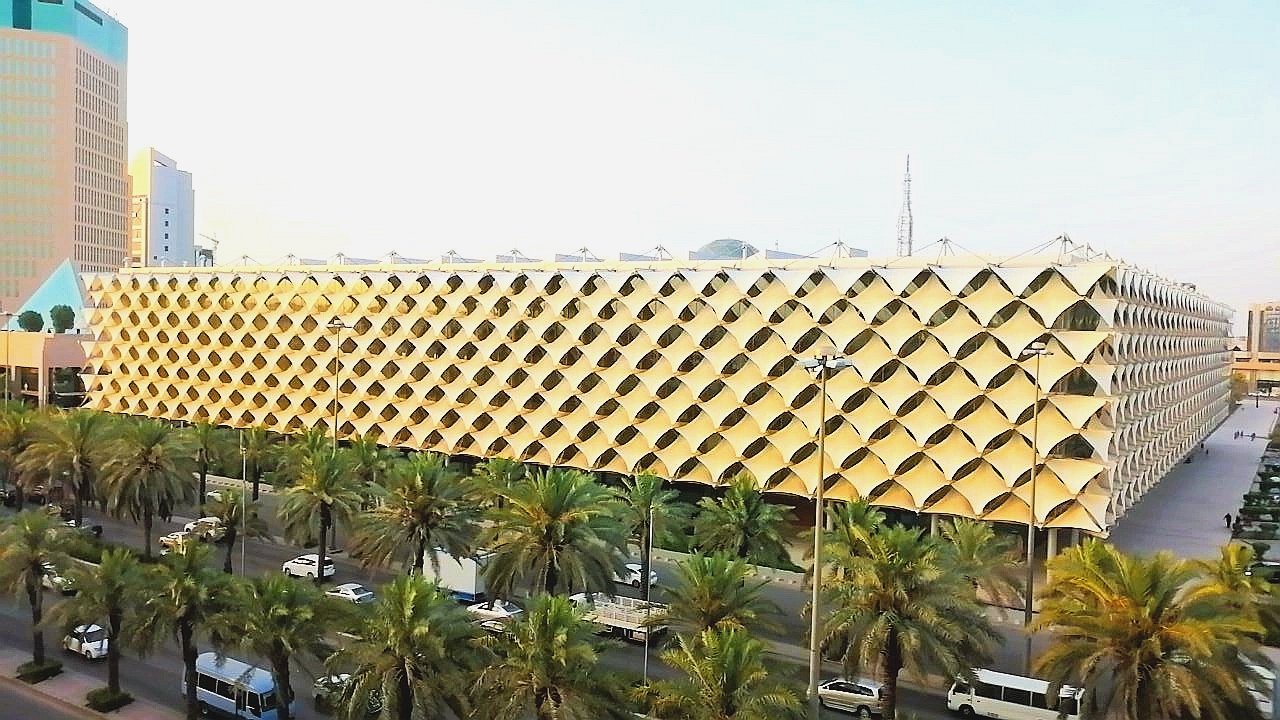
From Hotel: 10 min · 5 min → King Fahad National Library
1.King Fahad National Library~1 hr
Saudi Arabia's largest public library — a landmark building by Gerber Architekten where a glass cube is draped in a white tensile-fabric membrane that filters the desert light, its four floors holding over 1.4 million volumes alongside permanent exhibition galleries on the Kingdom's heritage and manuscripts.
A 9-square-kilometre planned enclave built in the 1980s to house the world's embassies — notable for its pedestrian-friendly streets, shaded parks, heritage-style architecture and the concentration of international restaurants and specialty cafés that have made it one of the most distinctive and walkable districts in the city.
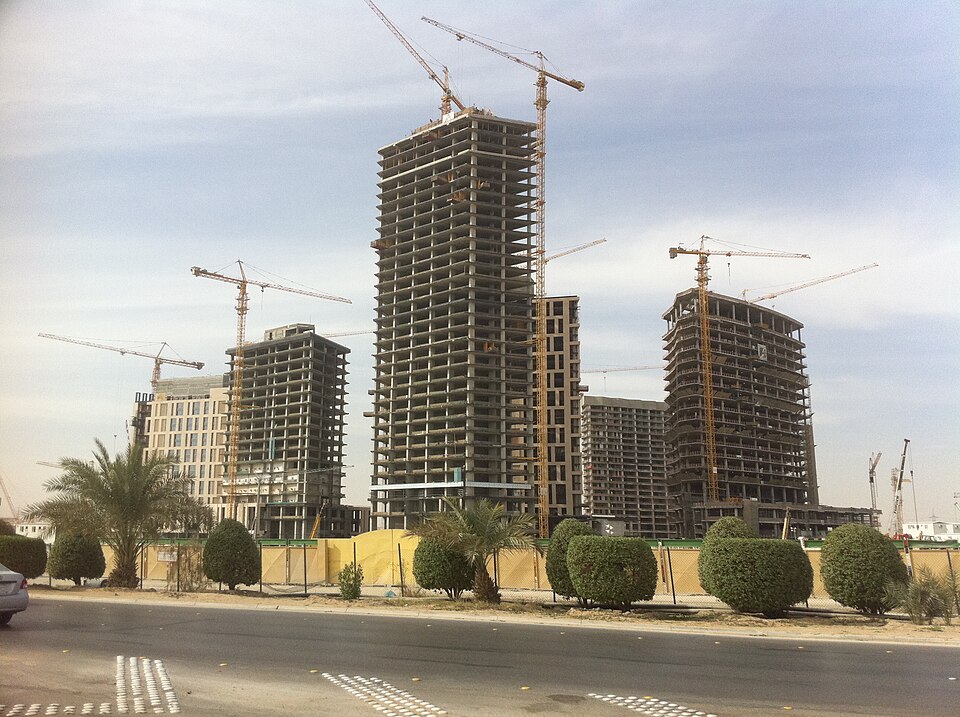
A 1.6 million square metre purpose-built financial city of 59 signature glass towers designed by international architects including Henning Larsen, HOK and Zaha Hadid, linked by a driverless metro loop; the public plazas, hotel lobbies, and the open-air KAFD Grand Mosque are accessible to all visitors.
One of the world's largest urban parks — 16 square kilometres of gardens, cycling paths, public art installations and a 120,000-seat outdoor amphitheatre under development as part of Riyadh's Saudi Vision transformation, with substantial grounds already open to the public and new areas opening each season.
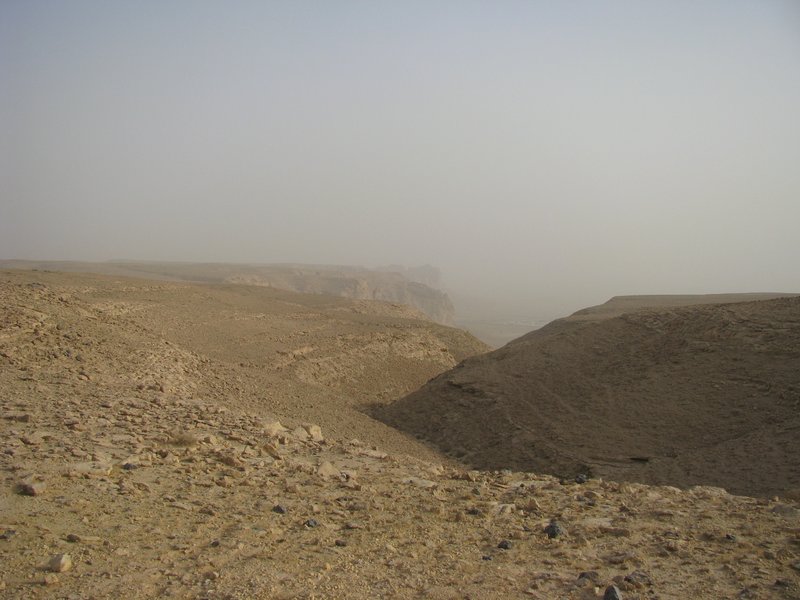
A sheer 300-meter cliff on the Tuwaiq Escarpment, 100 km northwest of the city, where the plateau simply stops and the plain opens out to an unbroken horizon — one of Saudi Arabia's most photographed viewpoints, reached by a short hike from the 4x4 drop-off along a fossil-studded ridge, best timed for sunset.
A 4x4 vehicle is required for the final unpaved stretch; no railings at the cliff edge and no facilities on site — bring water, food and sun protection
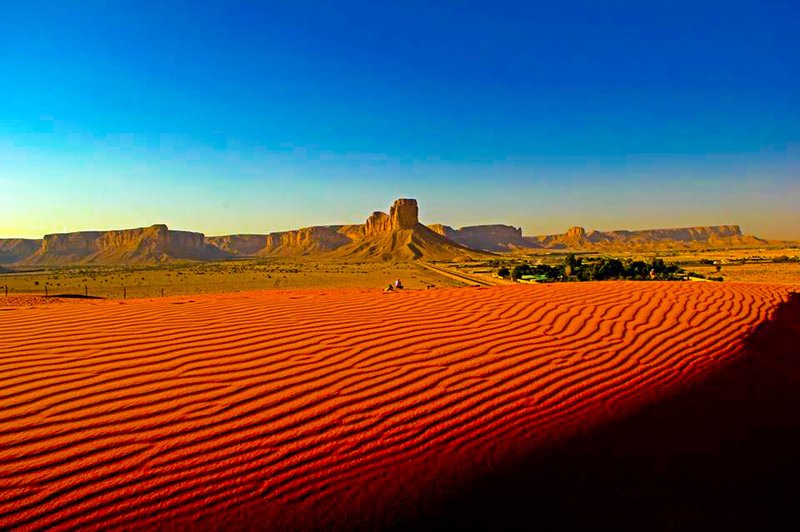
A field of iron-oxide-red dunes in the Al Thumama desert, 80 km northeast of the city, ringed by flat-topped sandstone buttes — the terrain for quad biking, dune-bashing 4x4 rides, sandboarding and camel rides, with the red sand glowing deepest at sunrise and sunset.
Full-day tour covering the city's landmarks — Kingdom Centre Sky Bridge, Dir'iyah UNESCO site, National Museum and a drive past the Riyadh skyline — with a licensed English-speaking guide included.
Focused half-day guided tour of At-Turaif District and the Dir'iyah heritage zone, with a historian guide covering the First Saudi State, the unification campaign and the site's UNESCO inscription.
A day trip to the Tuwaiq Escarpment — vertical cliffs dropping 300 m to a flat desert plain that stretches to the horizon, reached by 4WD, with a picnic lunch included and a Najdi coffee ceremony at the canyon rim.
A four-hour highlights tour covering Kingdom Centre Tower, the Masmak Fortress and a drive through old Al Dirah, bookended by a visit to a traditional Najdi coffee house — the fastest coherent introduction to the city.
Half-day tour of Dir'iyah, with an English-speaking heritage guide covering At-Turaif's palace ruins, Al Bujairi quarter and the wadi below, including skip-the-queue At-Turaif ticket.
Full-day small-group city tour combining the modern skyline with the historical core — Masmak Fortress and Al Dirah district — and Dir'iyah's UNESCO ruins, with an English-speaking guide throughout.
The cult-status Saudi fried chicken chain — broasted chicken and garlic toum with famously long queues; essential eating for the Saudi street-food experience.
Riyadh’s most consistent fine-dining table — Armenian and Middle Eastern cuisine, stuffed vine leaves, kebabs and slow-cooked dishes in a comfortable room.
Saudi Arabia’s national dish — basmati rice slow-cooked in spiced tomato broth with whole lamb or chicken, topped with the meat and garnished with fried onions, raisins and toasted nuts.
Lamb or chicken slow-cooked overnight in a pit until the meat falls from the bone, served over fragrant rice with the cooking broth — best eaten by hand at a traditional setting.
Saudi ceremonial coffee — lightly roasted beans ground with cardamom, saffron and cloves, brewed pale golden and served in handle-less cups with dates; the gesture of hospitality that opens every formal meeting.
Saudi Arabia produces hundreds of date varieties — the best Medjool and Sukkari are sold at the Tamr market beside Masmak Fortress and at shops throughout Al Dirah district.
Foreign number: accepted. — the OTP arrives by SMS; the platform also accepts Google and Apple sign-in, which bypasses the phone number step entirely.
The dominant food delivery platform in Saudi Arabia — enormous restaurant catalogue covering everything from shawarma counters to hotel fine dining across all Riyadh districts; the first app to open when locals want delivery, and the one most smaller restaurants are listed on exclusively.
Foreign number: accepted. — Saudi-launched platform that accepts international numbers at registration; code arrives by SMS.
The homegrown Saudi delivery rival to HungerStation — strong restaurant coverage in Riyadh and a slightly faster delivery model in central districts; useful if HungerStation shows long wait times, and the default choice among local tech-industry workers who prefer to support Saudi-founded companies.
Foreign number: not required. — registration runs on email alone; no phone verification is sent at sign-up.
Jahez restaurant delivery is available inside the noon app in Saudi Arabia. Useful for readers already using noon; set the hotel address first to see the restaurants and delivery options serving that location.
Foreign number: accepted. — any Uber account set up outside Saudi Arabia works directly in Riyadh with no re-registration; the app recognises the existing phone number on first launch.
Fully operational across Riyadh — upfront pricing, English-language interface, and international card support with no local SIM required. Surge pricing applies around prayer times and after major events at the Boulevard or Riyadh Season venues.
Foreign number: accepted. — the four-digit code arrives by SMS or WhatsApp, reaching international numbers reliably; Google and Apple sign-in also bypass phone verification.
The dominant ride-hailing app across the Middle East — higher driver density in outer districts where Uber coverage thins, fares shown upfront, international cards accepted. Useful backup during peak Uber demand.
A UNESCO World Heritage oasis city in the Eastern Province — the world's largest contiguous oasis, with 2.5 million date palms, the Jawatha Mosque, the Al-Ahsa National Museum and Hofuf Old Town. Saudi Rail runs the intercity route in approximately 3.5 hours on an early departure.
The Diriyah Pass covers both Bujairi Terrace and At-Turaif. Check the official pass before buying separate admission.
Worth Knowing
What I Noticed
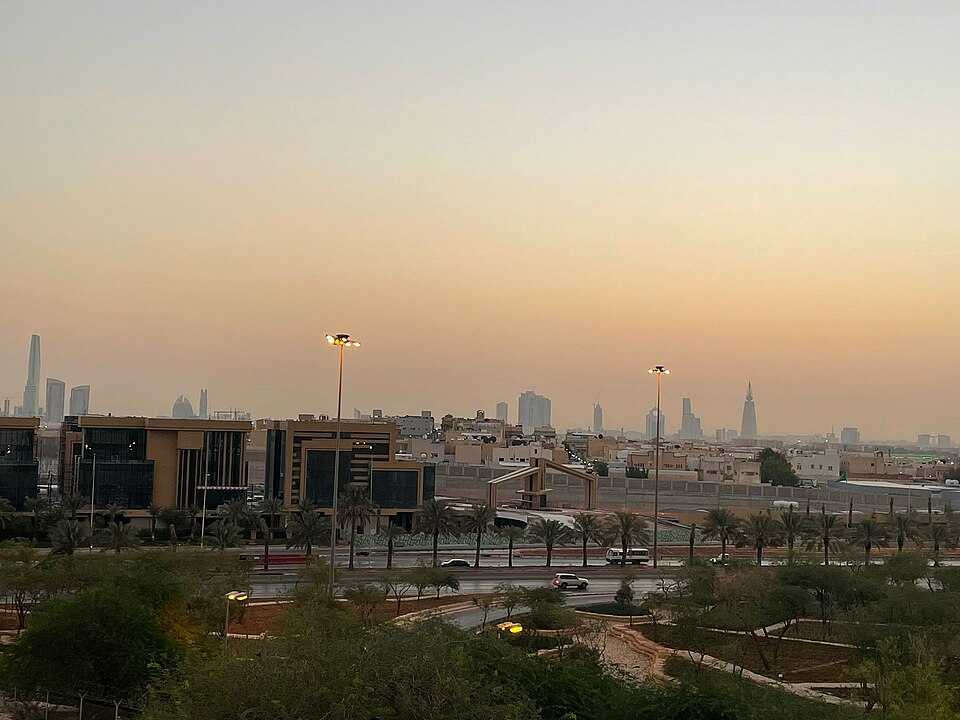
Riyadh keeps its history in very specific places and its present everywhere else. You can drive forty minutes from a glass-tower skyline to a mud-brick citadel where a twenty-one-year-old with forty men retook the entire Arabian Peninsula — and then walk ten minutes more to a UNESCO site where that dynasty's palace still stands, abandoned after an Ottoman siege, its carved plaster intact. The distance between the founding story and the city it became is navigable in a single afternoon.
A few things most guides underplay: the Diplomatic Quarter is genuinely walkable and worth an afternoon on its own, not just a point on a taxi route. The date market beside the Masmak Fortress has varieties most visitors have never encountered, and the vendors will open half a dozen for tasting without any expectation of a purchase. Prayer times pause activity five times a day — the rhythm is real, not a backdrop; you hear the call, the streets quiet, and then normal life resumes. And the Riyadh Metro, now fully operational, makes the city substantially easier to move around than first-time visitors expect.