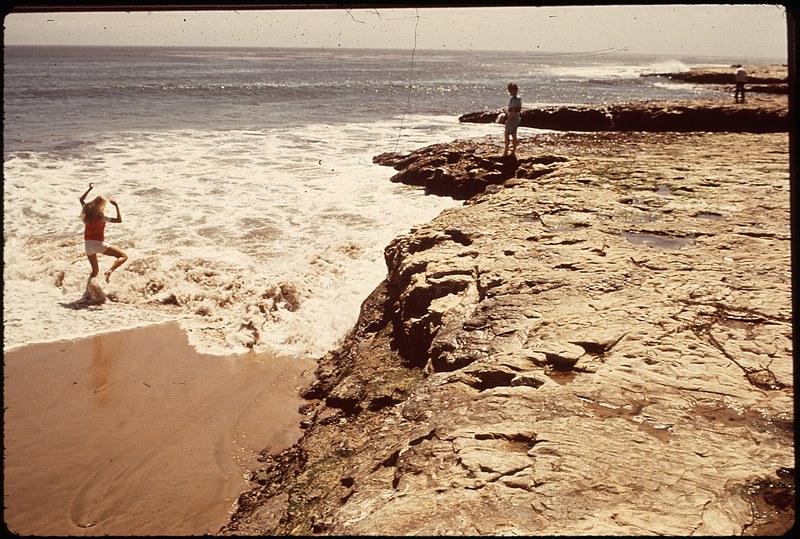
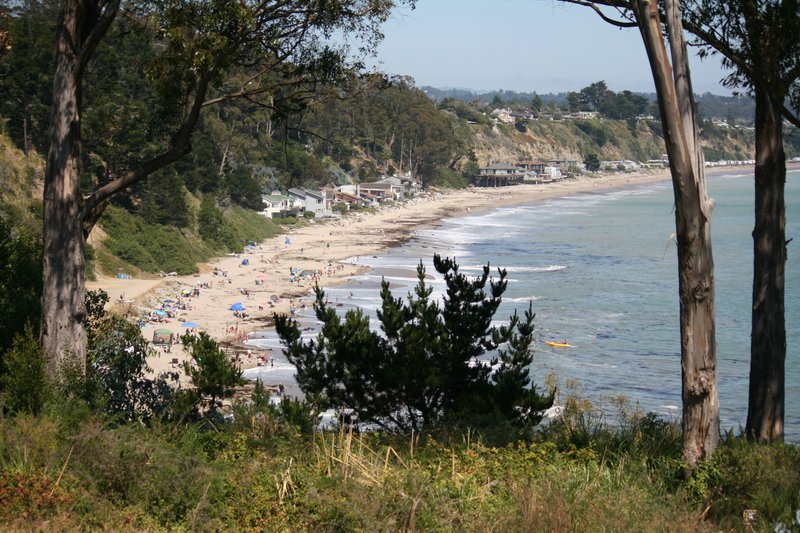
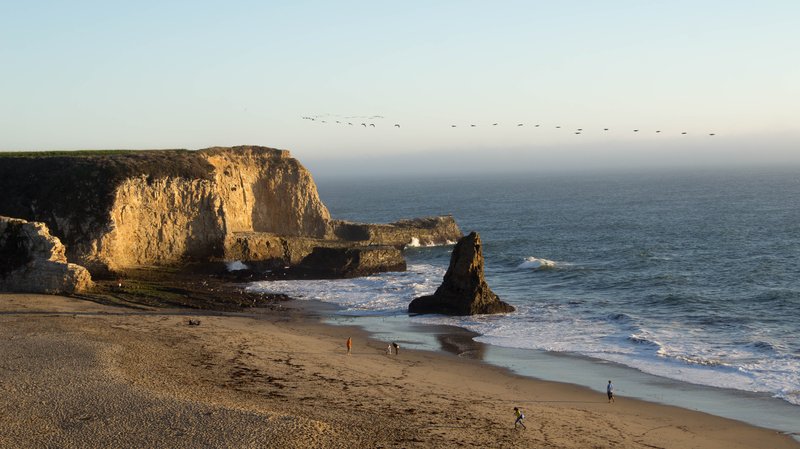
A sea-carved sandstone arch spans the cove — the last of three natural bridges that once stood here. From mid-October through mid-February, the eucalyptus grove hosts California's largest monarch butterfly overwintering colony, designated the state's only Monarch Preserve.
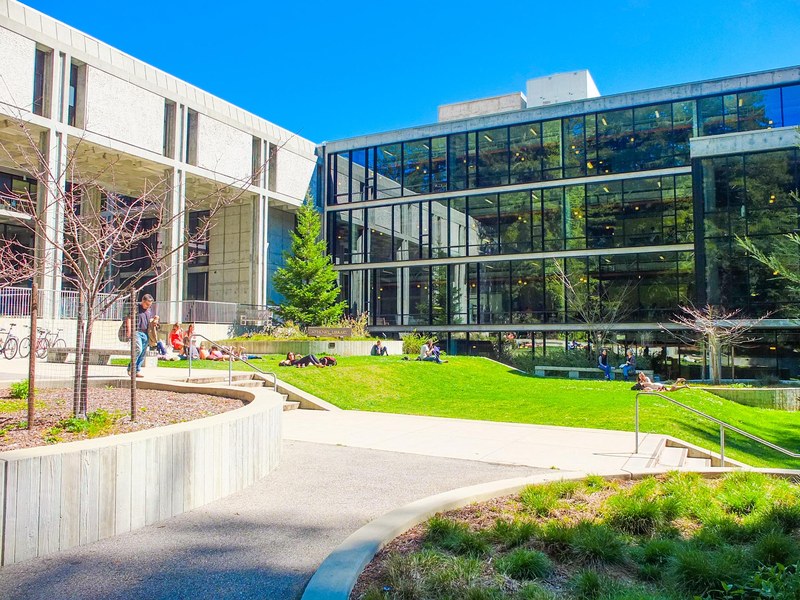
A 2,001-acre campus built directly into the redwood forest of the Santa Cruz Mountains. Kresge College's cascading "hill village" design by Charles Moore and the brutalist McHenry Library are the campus's best-known architectural landmarks.
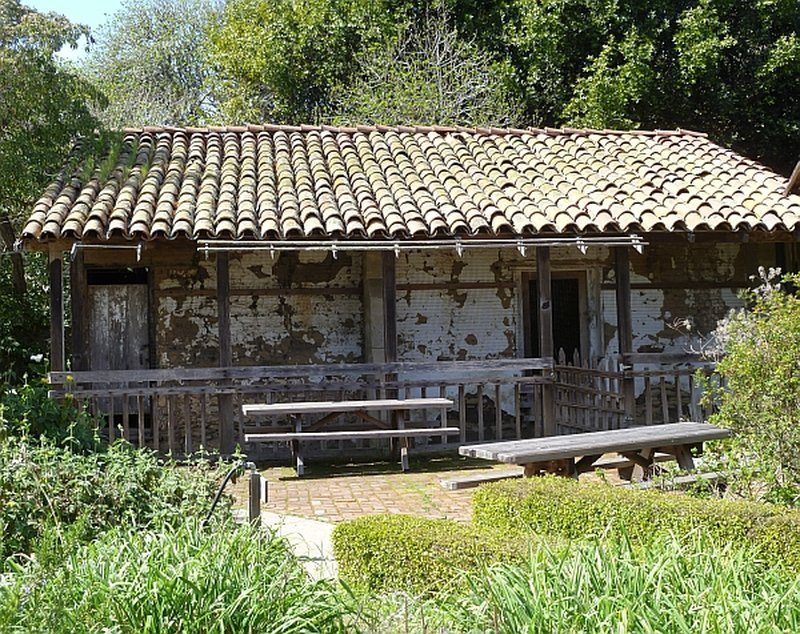
A 7,000-acre coastal property worked as a dairy ranch from 1871 to 1969 by Delos Wilder and partner L.K. Baldwin. The restored 1897 Victorian home and 1840s Bolcoff Adobe form a living-history complex above bluff and sea-cave trails.
From Hotel: 20 min · 3 min → Santa Cruz Surfing Museum
1.Santa Cruz Surfing Museum~45 min
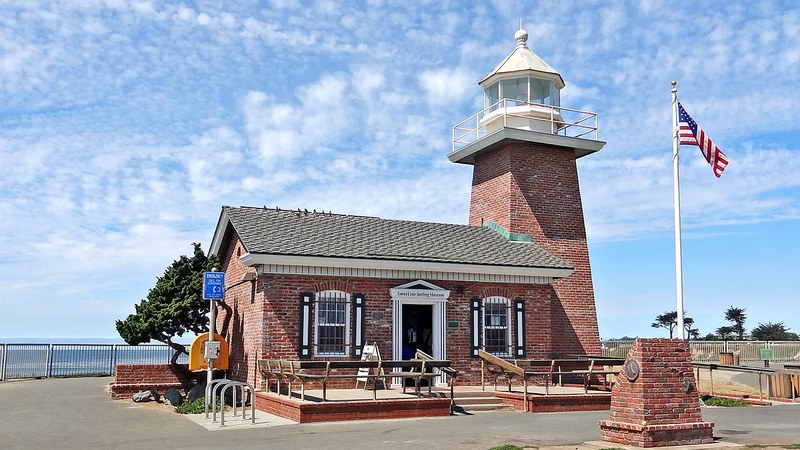
The world's first surfing museum, established in 1986 inside the Mark Abbott Memorial Lighthouse at Lighthouse Point. Photographs and boards trace a century of surf history, honoring the Hawaiian princes who surfed the San Lorenzo River mouth in 1885.
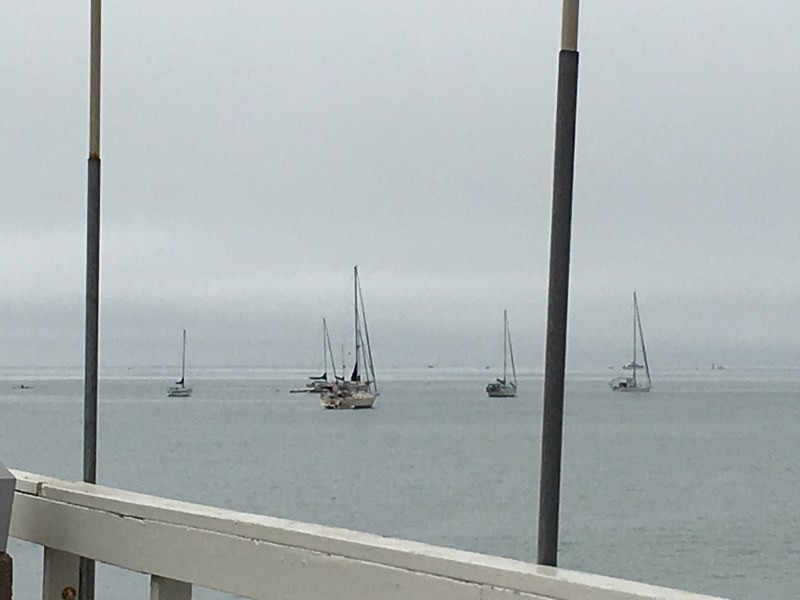
Opened December 5, 1914, the wharf stretches 2,745 feet into Monterey Bay. Sea lions haul out on floating platforms beneath the planks year-round — peer through the deck gaps to watch them directly below. Stagnaro Bros. has operated seafood here since 1937.
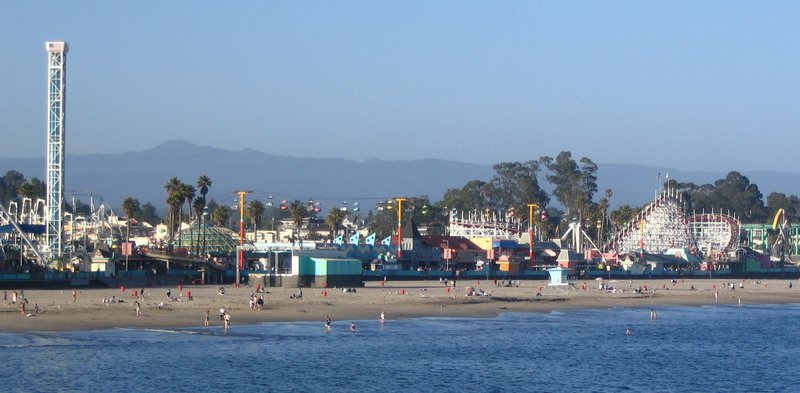
California's oldest surviving amusement park, open since 1907 on the shore of Monterey Bay. The Giant Dipper wooden roller coaster — built 1924 — and the Looff Carousel — built 1911 — are both National Historic Landmarks, the only dual-designated amusement park attractions in the US.
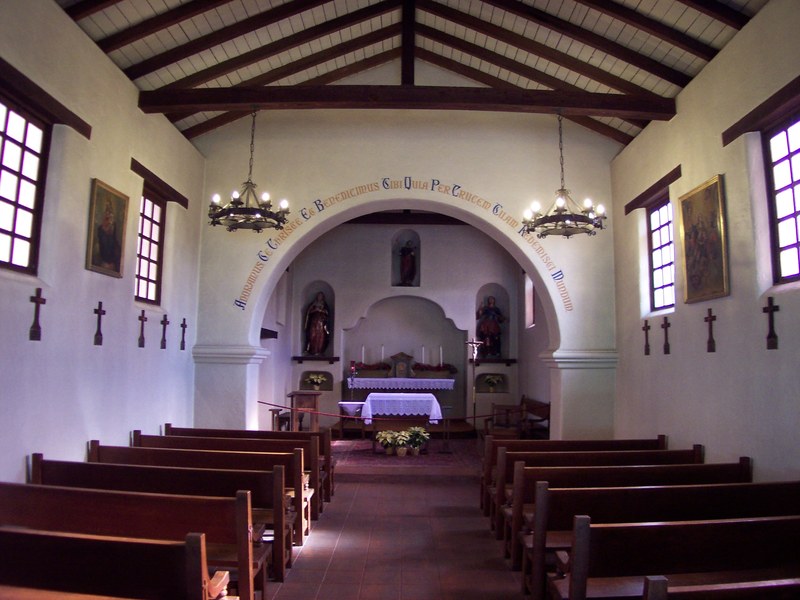
Founded August 28, 1791 by Father Fermín Francisco de Lasuén, the twelfth of California's Spanish missions. The adjoining adobe — built 1822-24 to house Ohlone and Yokuts neophyte families — is the oldest surviving structure in Santa Cruz County.
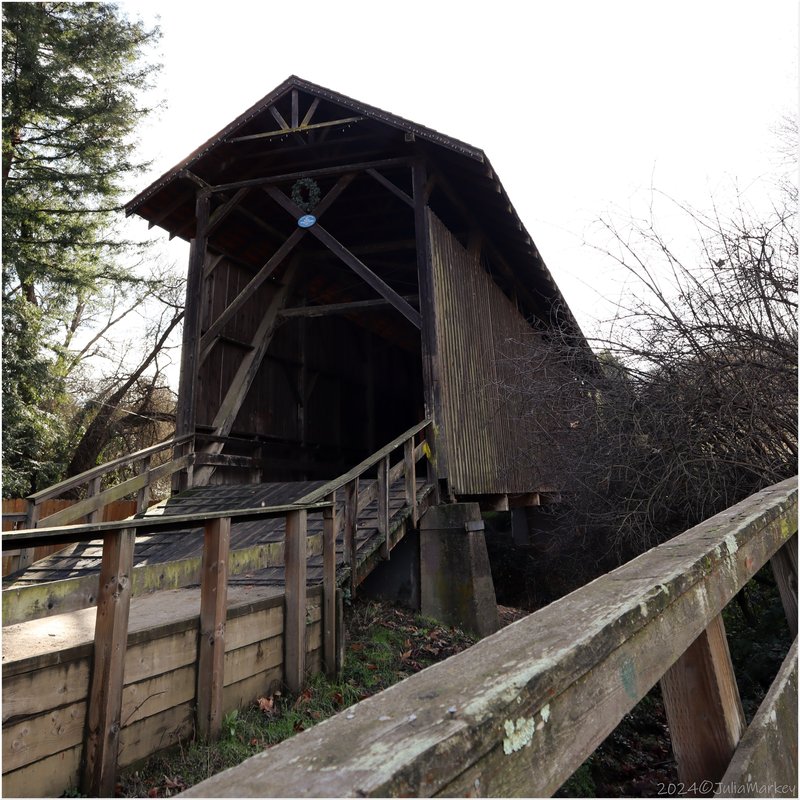
Built in 1892 over the San Lorenzo River using a Brown truss system, the 80-foot span is considered the tallest covered bridge in the United States and served as Felton's main entry point for 45 years.
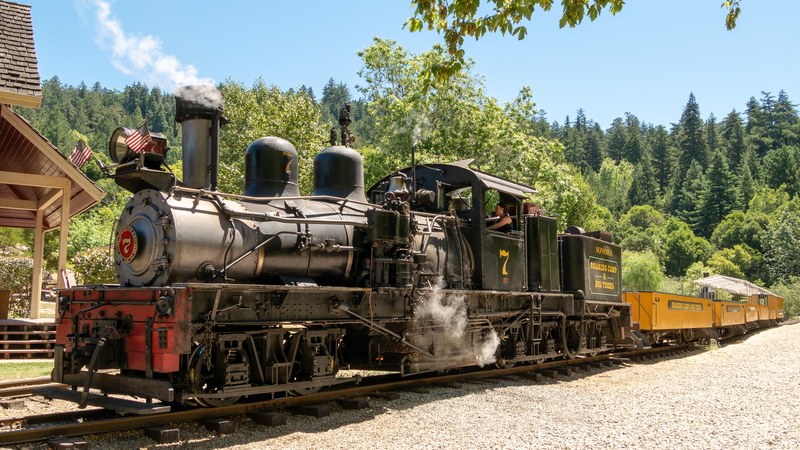
The Redwood Forest Steam Train runs a 75-minute round trip over trestles and through old-growth redwood groves to the summit of Bear Mountain, narrated by the conductor along the way.
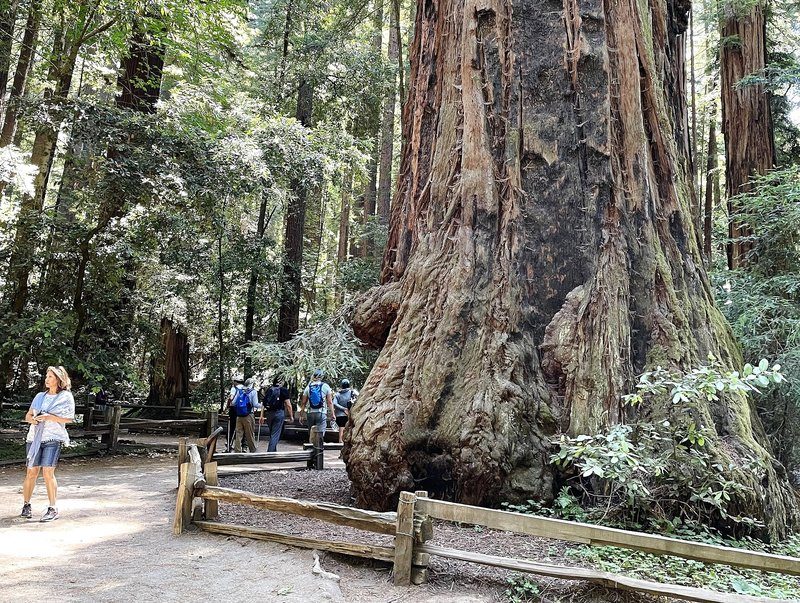
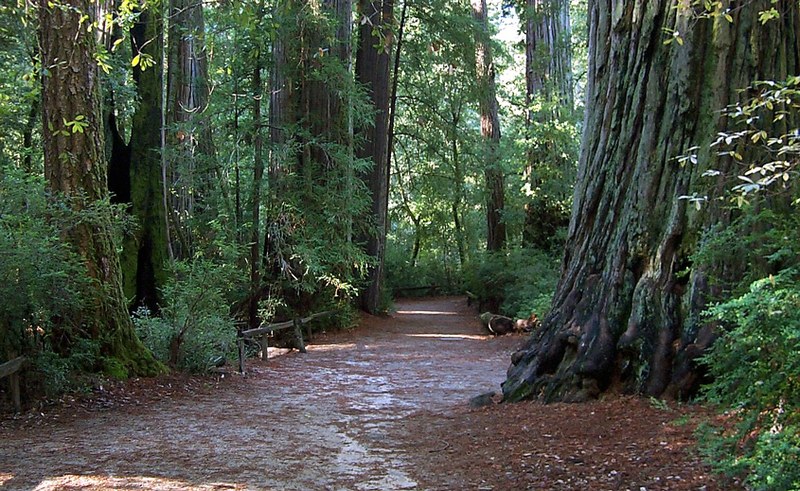
A 40-acre grove of old-growth coast redwoods in Felton. The tallest tree is 277 feet tall, 16 feet wide, and 1,500 years old. A photographer's visit here in the early 1900s sparked the Sempervirens Club and the California redwood preservation movement.
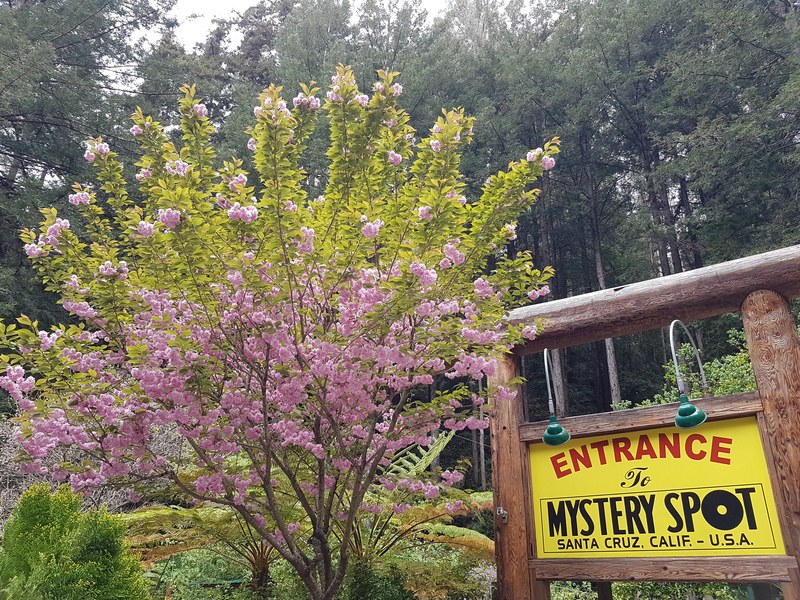
Opened to the public in June 1941 by electrician George Prather, the first gravity-hill illusion attraction built in California. A guided tour walks a steep pathway and a wooden building tilted 20 degrees, tricking the eye into perceiving impossible balance and height.
Originally called China Beach for the Chinese fishermen who settled the cove in the 1850s, the site was later developed as the Camp San Jose resort and renamed New Brighton in 1882. Cypress-lined bluffs drop to the sand via a dramatic staircase.
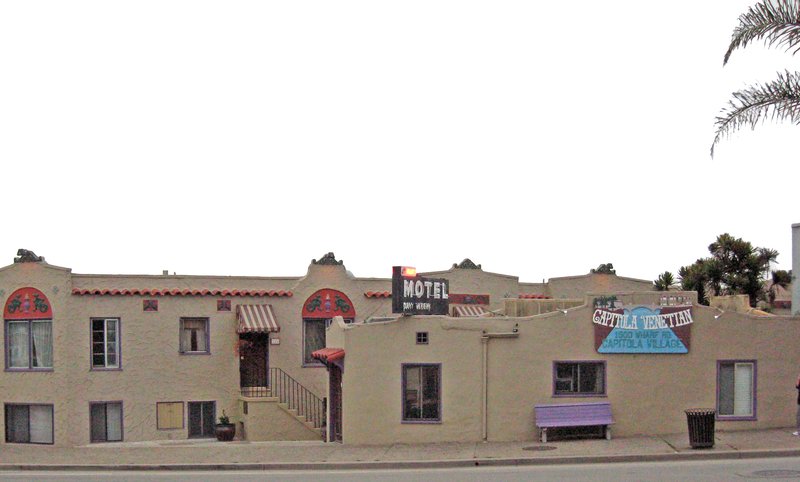
Built 1924-25 in Mediterranean, Spanish Colonial, and Mission Revival styles facing Capitola Beach, Venetian Court is recognized as one of the first condominium seaside developments in California.
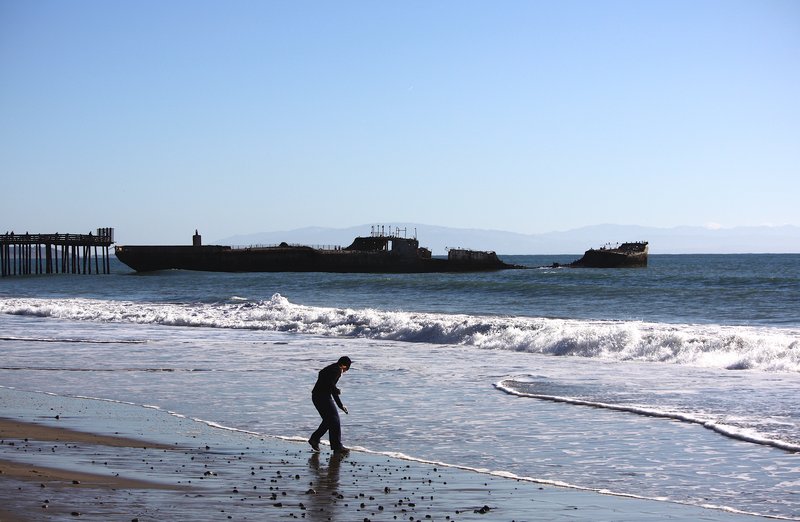
Home to the SS Palo Alto, a WWI-era concrete tanker launched in 1919 as the first concrete tanker and the largest concrete ship built at the time, grounded here in 1930 as an amusement pier and later a fishing pier.
17 min · 11 min → The Forest of Nisene Marks State Park
4.The Forest of Nisene Marks State Park~2 hr
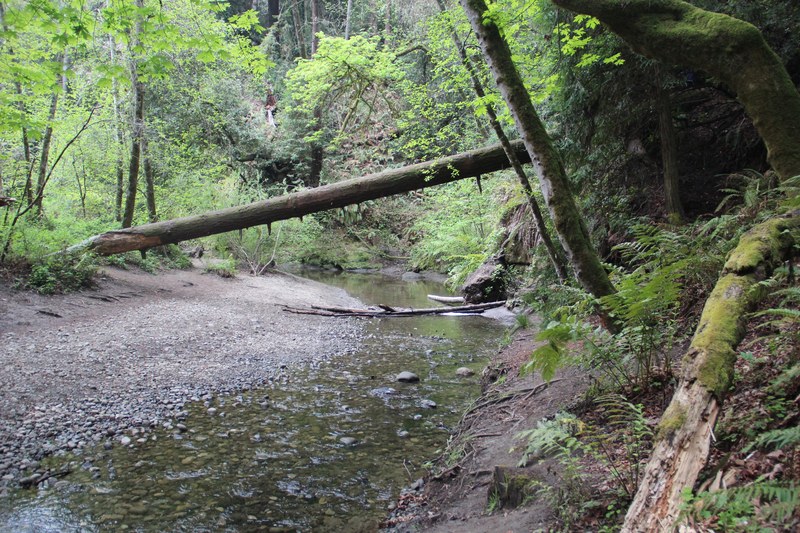
Over 10,000 acres of second-growth redwood forest in the Aptos Creek watershed, the park's best-known landmark is the marked epicenter of the October 17, 1989 Loma Prieta earthquake.
A coastal hamlet of under 400 residents nine miles up Highway 1, ringed by dramatic bluffs and sea cliffs. Whaling captain John Pope Davenport built a 400-foot wharf here in 1867 to ship lumber.
California's oldest state park protects the largest continuous stand of ancient coast redwoods south of San Francisco. A wildfire burned most of the park's structures; the headquarters area and a portion of the trail network have since reopened for day use while long-term rebuilding continues.
The defining dish of the Municipal Wharf. The Clam Chowder Cook-Off at the Boardwalk every February draws thousands of competitors. Stagnaro Bros. and Riva Fish House serve their versions on the pier.
Foreign number: accepted. — the code arrives by SMS on an international number, though a US number avoids the occasional verification delay.
The deepest list in Santa Cruz — downtown, the Westside and Capitola kitchens are all on it, with delivery to the Paradox in 20–30 minutes and options past 11pm on Pacific Avenue. Fees stack up on small orders; DashPass only pays off if you order more than twice.
Foreign number: accepted. — it runs on the same Uber account, so the code comes by SMS to any international number, with a voice call as the fallback.
Runs on the Uber account you already have, so there is nothing extra to set up, and coverage downtown and by the Boardwalk is close to DoorDash's with a shorter list of Westside taquerias. Couriers are scarce in Felton and Aptos, where an order can sit unclaimed.
Foreign number: not accepted. — Grubhub's own policy is US numbers only, and the verification code is texted only to a US number.
Worth a look for the handful of downtown pizza and Thai counters that list only here, and its Grubhub+ trial waives delivery fees for a first visit. Unusable without a US number, and its driver pool in Santa Cruz is the thinnest of the three.
Foreign number: accepted. — the code comes by SMS to any international number, and "Call me with code" reads it out if the SMS is blocked.
The more reliable of the two apps in Santa Cruz — a car reaches Ocean Street in a few minutes and the hops to the Boardwalk, Natural Bridges and Capitola are short. The pool thins badly up in Felton and at Big Basin, so keep the driver waiting or book the return before you lose signal.
Foreign number: not accepted. — Lyft's own help says the number must be a US, Canadian or Puerto Rican one, and the code is texted only to that number.
Popular with the UC Santa Cruz crowd, so it is busiest and cheapest around campus and downtown and a useful backup when Uber surges on Boardwalk weekends. Thin on the coast north of town and in the San Lorenzo Valley, and unusable without a North American number.
Full daily ride operation runs mid-June through Labor Day only. Off-season the rides open weekends and holidays only.
Hwy 17 — Weekend Traffic Jams
Highway 17 over the Santa Cruz Mountains backs up severely on Friday afternoons and Sunday evenings.
Boardwalk Parking — First Come First Served
Boardwalk lots have no in-and-out privileges and fill by late morning on summer weekends.
Natural Bridges Butterflies — October to February Only
The monarch butterfly grove is empty in summer. Natural Bridges is still worth visiting for the arch and beach.
Henry Cowell — No Public Transit
No bus serves the park in Felton. A rideshare is required for the 20-minute drive from downtown.
Big Basin — Limited Post-Fire Access
Only the headquarters area and part of the trail network are open for day use after wildfire damage; a parking reservation is recommended.
Worth Knowing
First Wave, Old Trick
The Santa Cruz Surfing Museum honors three teenage Hawaiian princes — David Kawānanakoa, Edward Keliʻiahonui, and Jonah Kūhiō Kalanianaʻole — who rode the San Lorenzo River mouth on a Sunday in July 1885, nearly three decades before Duke Kahanamoku popularized the sport anywhere else on the mainland. The princes, spending their summer away from a nearby boarding school, had local redwood milled into massive o'lo boards — a shape traditionally reserved for Hawaiian royalty, each board weighing up to 175 pounds. Two of the original boards survive in a Hawaiian museum collection today, donated decades later by one of the princes' widows.
The Mystery Spot's origin story is a promotional legend as old as the attraction itself: property surveyors supposedly grew dizzy and watched their compasses spin wildly on this exact hillside, convincing electrician George Prather he'd found a genuine gravitational anomaly worth turning into a business. What's verifiable is more mundane, and in its own way cleverer — Prather built his gravity house a few years after a similar roadside attraction became a sensation to the north, using the same trick: a small structure tilted at an angle, which throws off the brain's sense of level far more effectively than any compass ever could. The disorientation visitors feel is real. The magnetism was never anything but marketing.