From Hotel: 4 min · 3 min → Historic Centre of São Luís
1.Historic Centre of São Luís~2 hr
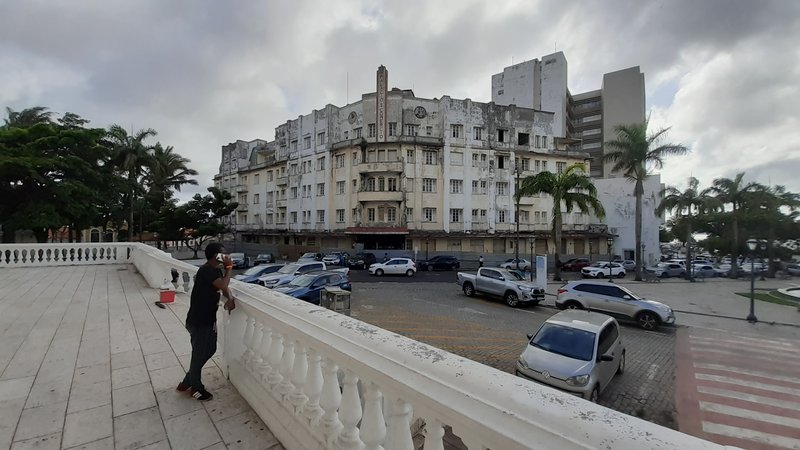
The UNESCO-listed colonial core holds thousands of sobrados with the largest concentration of Portuguese exterior azulejos in Brazil. Walk Rua Portugal and Rua do Giz, then drop down the Beco Catarina Mina steps to the Praia Grande waterfront.
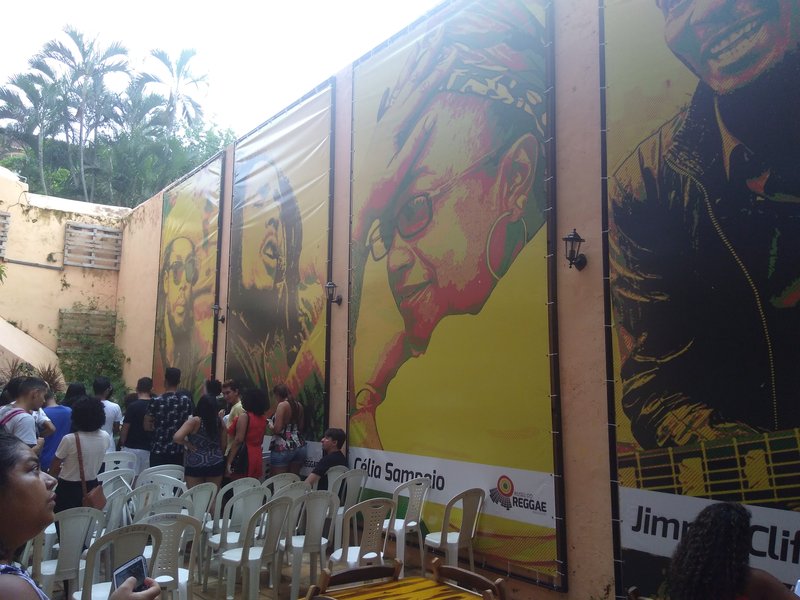
São Luís is called the reggae capital of Brazil, and this 2018 museum in a colonial Praia Grande townhouse explains why. Five rooms carry rare records, original radiola equipment, a Hall of Immortals and the story of how Jamaican rhythms became the city's soundtrack.
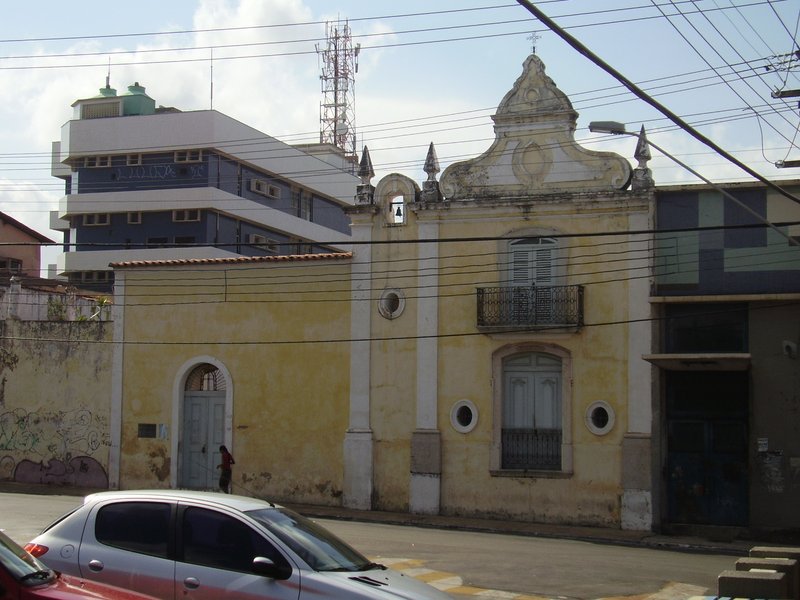
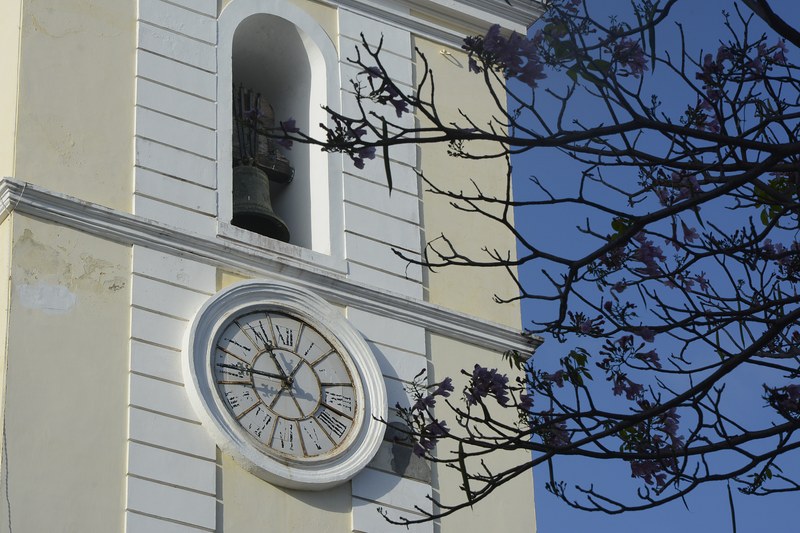
A late-baroque colonial chapel completed in 1815 on the site of a former citrus farm estate. The whitewashed façade leads to a restored interior: a barrel-vaulted nave, a chancel arch and a neoclassical altar holding a 17th-century Portuguese statue of Saint Joseph with glass eyes.
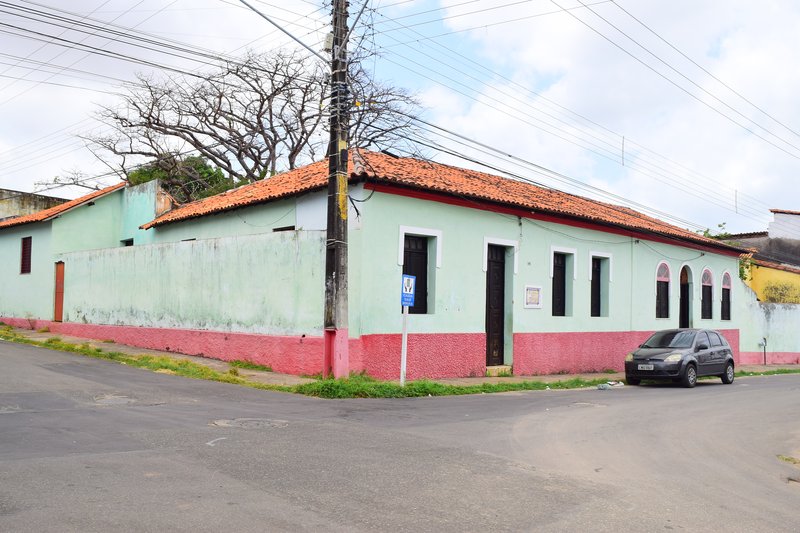
The oldest terreiro of the Tambor de Mina tradition, an Afro-Brazilian temple founded by enslaved West African women in the 19th century. It preserves a Dahomean-rooted line of worship carried to Maranhão and still holds active ceremonies.
The city's metropolitan cathedral on Praça Dom Pedro II, begun by Jesuit priests in 1622. Its gilded main-altar retable, executed by Portuguese carver Manuel Manços, ranks among the finest Baroque altarpieces in colonial Brazil.
5 min · 3 min → Museu Histórico e Artístico do Maranhão
2.Museu Histórico e Artístico do Maranhão~1 hr
The state's primary history museum, housed in a restored 19th-century mansion. Approximately 10,000 pieces span colonial furniture, azulejos, sacred art, 19th-century paintings and an African-origin collection across several period rooms.
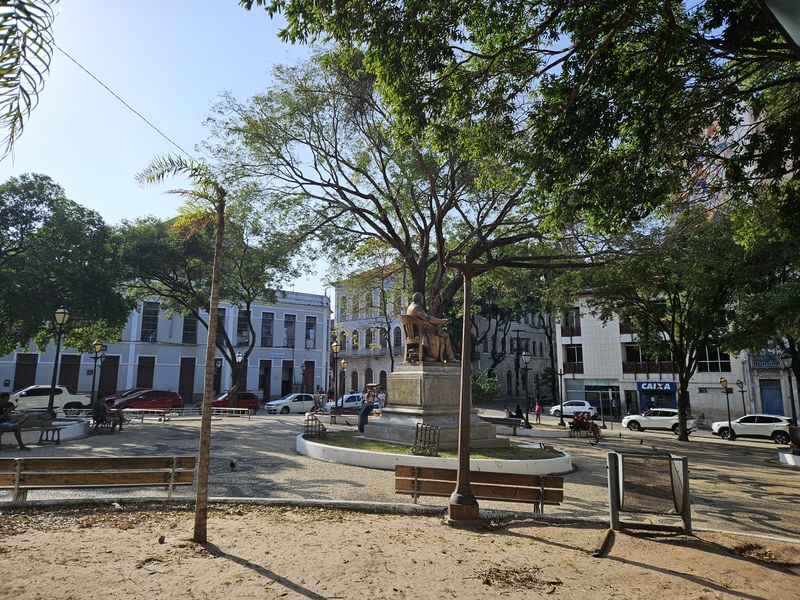
The historical heart of São Luís, framed by azulejo-tiled sobrados and the 18th-century Igreja de Nossa Senhora do Carmo. A 1911 bronze monument honours journalist João Francisco Lisboa. Mosaic-tiled walkways anchor the UNESCO World Heritage zone.
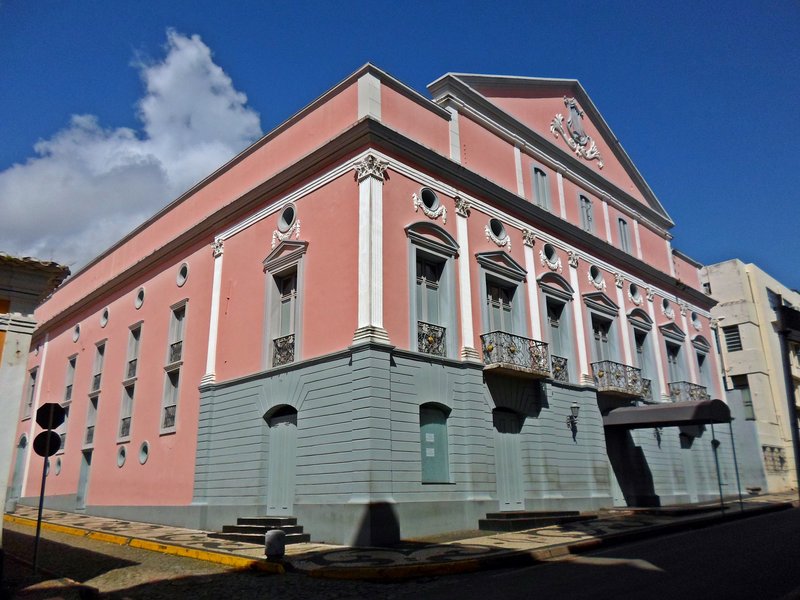
The second-oldest theatre in Brazil and the city's lone true neoclassical building. Free guided visits take in the horseshoe auditorium across four tiers, the stage and the dressing rooms.
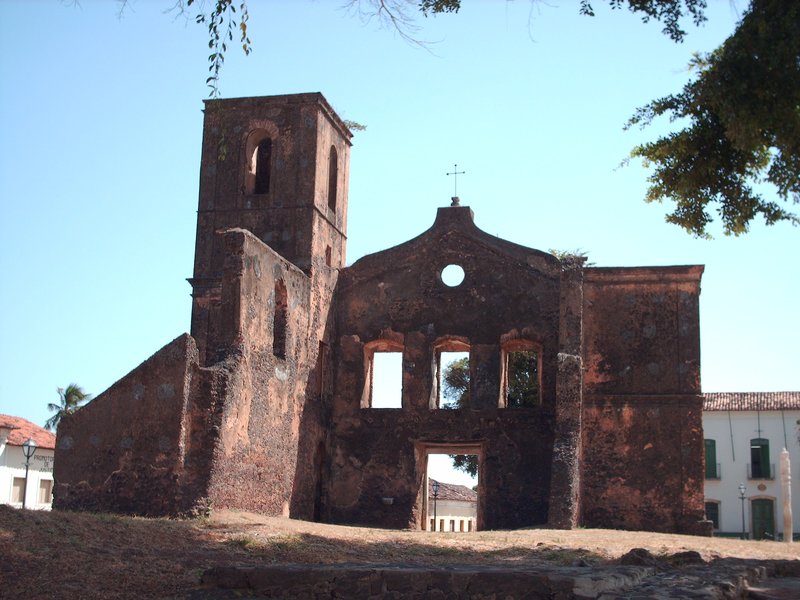
A colonial town across São Marcos Bay reached by a 60-minute catamaran from the Cais de São Francisco pier. Its centrepiece is Praça da Matriz — the roofless ruins of the Igreja de São Matias beside an original stone pelourinho. Check the return timetable before departing as schedules shift with the tide.
From Hotel: 4h → Lençóis Maranhenses National Park
1.Lençóis Maranhenses National Park~5 hr
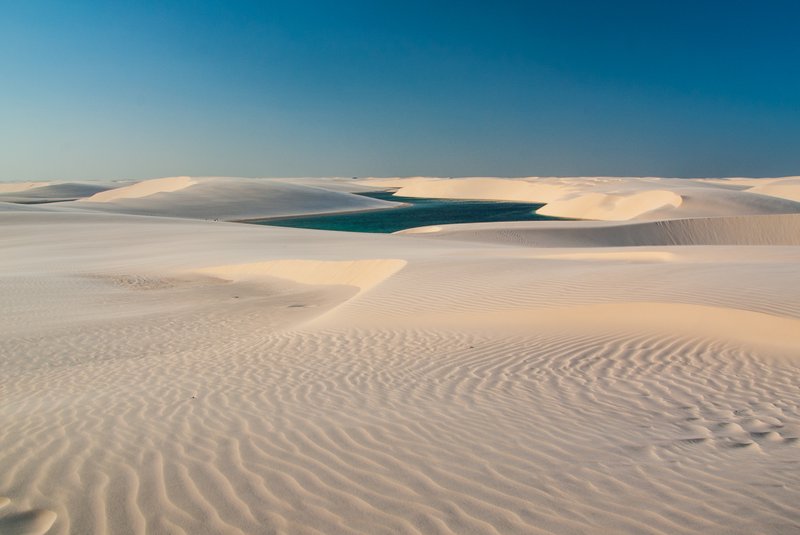
A vast field of white sand dunes laced with freshwater lagoons that fill between January and June, recognised as a UNESCO World Heritage Site. The gateway is Barreirinhas, about four hours east of São Luís, where 4×4 transfers run to the Lagoa Azul and Lagoa Bonita dune circuits.
A guided run through the waterfalls, canyons and tabletop mesas of Chapada das Mesas departing São Luís, with trails, river dips and 4×4 stretches across two days.
Foreign number: accepted. — verified with a foreign SIM, app downloaded and account registered without a Brazilian CPF.
Uber operates island-wide in São Luís with solid availability in the Praia Grande historic centre, Renascença and the beach districts; the 25-minute ride out to SLZ is a straight run along the waterfront road.
Foreign number: accepted. — the app installs and registers with a foreign number; no Brazilian documentation required at sign-up.
Bolt is available in São Luís as a lower-cost Uber alternative; coverage matches Uber across the main districts and availability is good in the historic centre and Renascença.
A Queen Sold Into Slavery, A Town Frozen at Its Peak
Casa das Minas traces back to a noblewoman named Maria Jesuína, brought to São Luís from the West African kingdom of Dahomey in the 1840s. Some historians, following research by the ethnologist Pierre Verger, believe she was Queen Nã Agontimé herself — wife of one Dahomean king and mother of another — sold into slavery after a palace power struggle put a rival king on the throne. Whether or not she wore the crown, the temple she founded still runs on a matriarchal tradition unbroken since her arrival, led only by women to this day.
Alcântara looks the way it does because its wealth collapsed almost overnight. Cotton and sugar prices crashed in the early 1800s, and by the time slavery was abolished in Brazil in 1888, the plantation families who'd built ornate townhouses across the hilltop simply walked away from them. The roofless mansions never got demolished or replaced — they just stood as the town emptied out. Today those same colonial ruins share a small peninsula with something built for the opposite reason: a rocket launch site, drawn to Alcântara because its near-equator location makes it one of the most efficient places on Earth to reach geostationary orbit.