From Hotel: 20 min · 10 min → Marie Selby Botanical Gardens
1.Marie Selby Botanical Gardens~2 hr 30 min
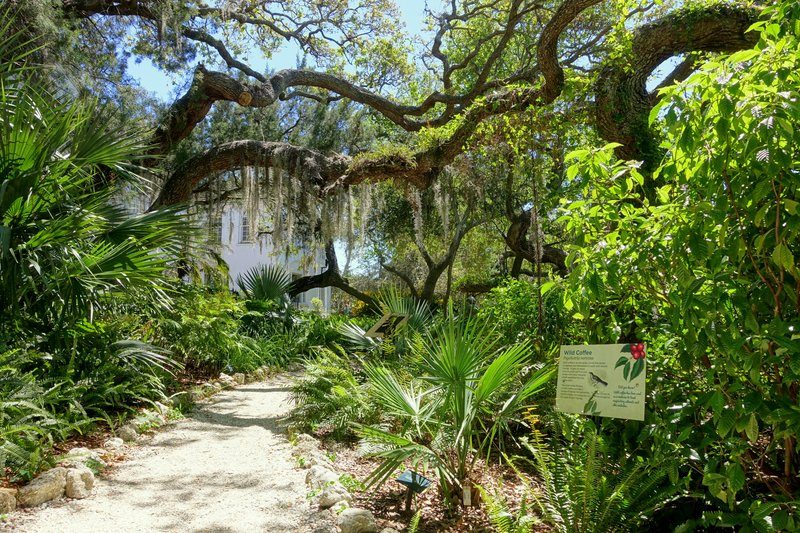
Forty acres with 20,000 orchids, bromeliads, and tropical plants. Lagoons, bamboo groves, rain forest sections, and a banyan grove with cathedral-like canopy. Waterfalls and walking paths throughout. The orchid conservatory is world-renowned. One of the finest botanical gardens in North America.
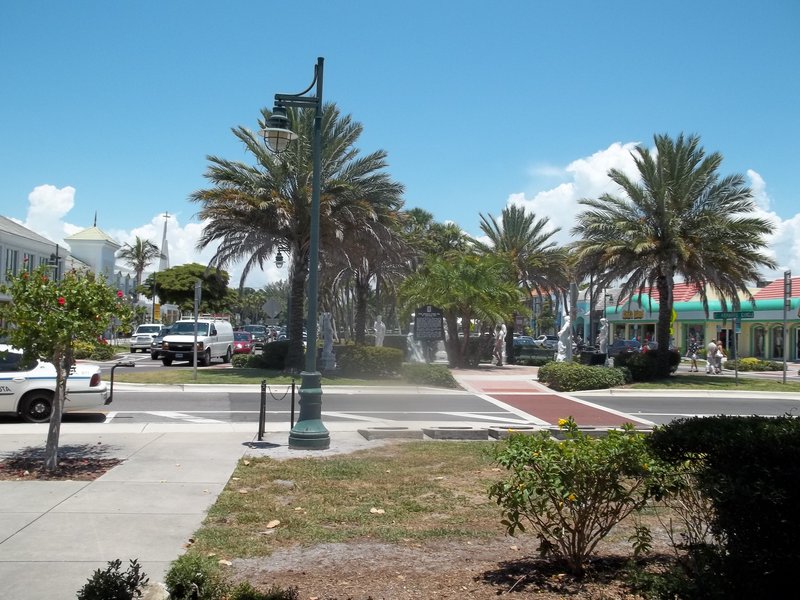
Charming roundabout shopping and dining district between Lido and Siesta Keys. Independent boutiques, art galleries, and world-class restaurants line the circular promenade. Palm-lined streets and elegant storefronts. Perfect for an evening stroll and dinner after the beach.
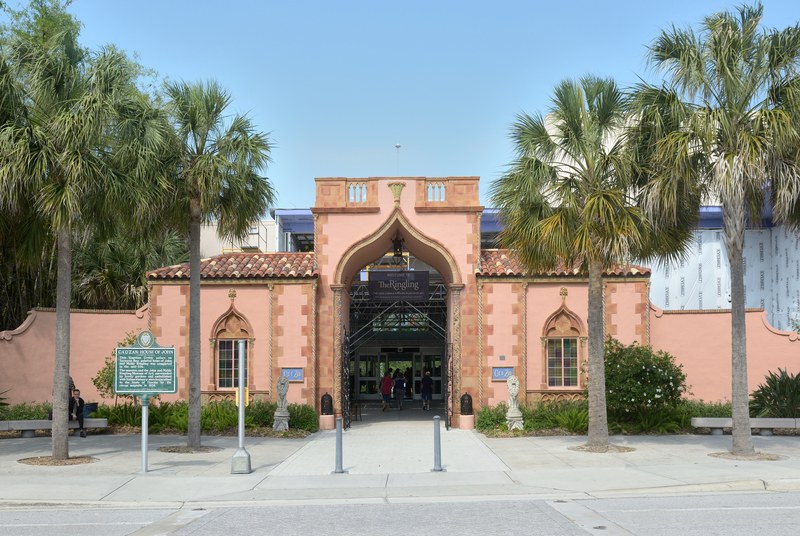
Florida's state art museum, founded by John Ringling in 1927. The permanent collection spans 21 galleries of Old Masters, Dutch and Flemish paintings, tapestries, and decorative arts. The grounds house the Circus Museum, Ca' d'Zan Mansion, and Historic Asolo Theater.
John and Mable Ringling's 1924 Venetian Gothic mansion on Sarasota Bay. The 36-room winter estate features a 61-foot tower, marble terraces, and elaborate tile work. The great hall and loggia showcase original furnishings. Bayfront views from the terrace are exceptional. Ca' d'Zan requires a separate ticket tier from base Ringling Museum admission.
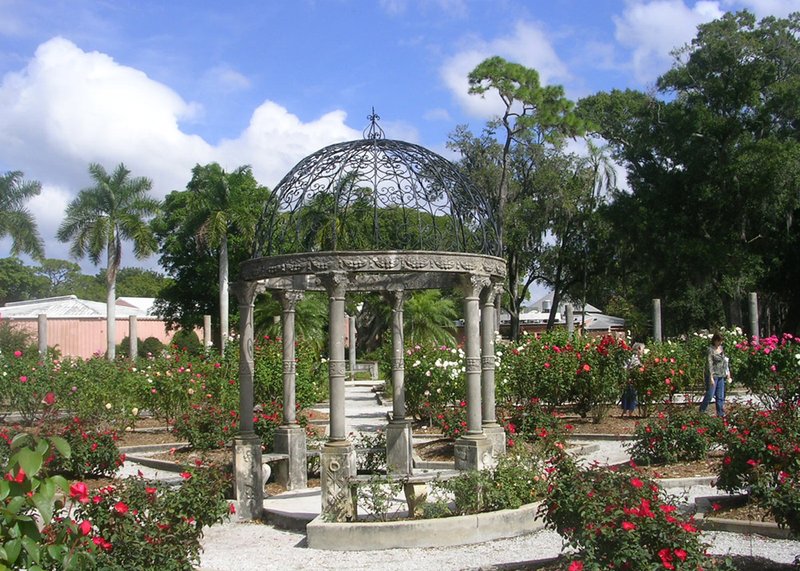
Sixty-six acres surrounding the Ringling estate. The gardens feature massive banyan trees, a rose garden, and bayfront walking paths. Outdoor sculptures throughout. Sunset views over the bay from the Ca' d'Zan terrace are outstanding.
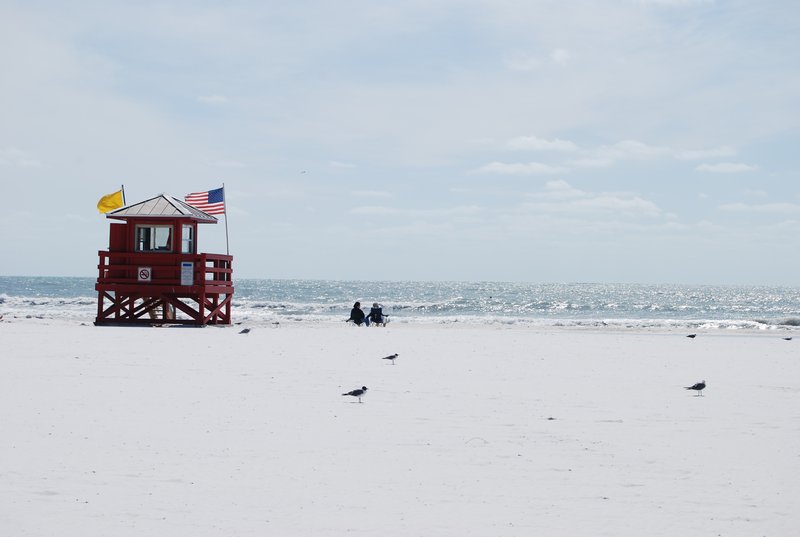
Consistently ranked among America's best beaches. Two miles of fine white quartz sand, shallow warm gulf waters, and excellent sunset views. The beach is wide, family-friendly, and backed by parks with lifeguards. The sand squeaks when you walk on it. Beach bars and casual restaurants line the shore.
From Hotel: 20 min · 12 min → Spanish Point Historic Preserve
1.Spanish Point Historic Preserve~1 hr 30 min
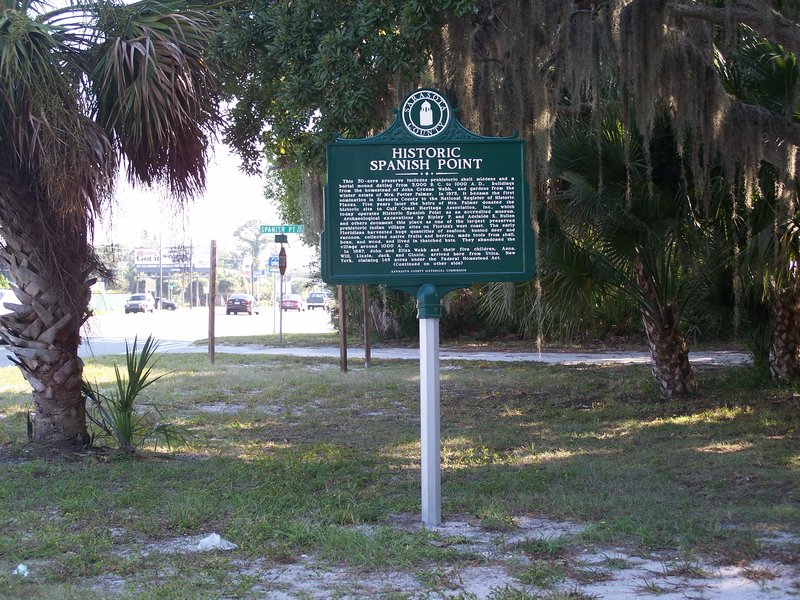
Fifteen acres preserving Sarasota's human and natural history. The historic site includes the Guptill House, native plant gardens, and walking trails. Kayak rental available for exploring the shoreline and mangrove channels. The property showcases native Florida ecosystems and archaeology.
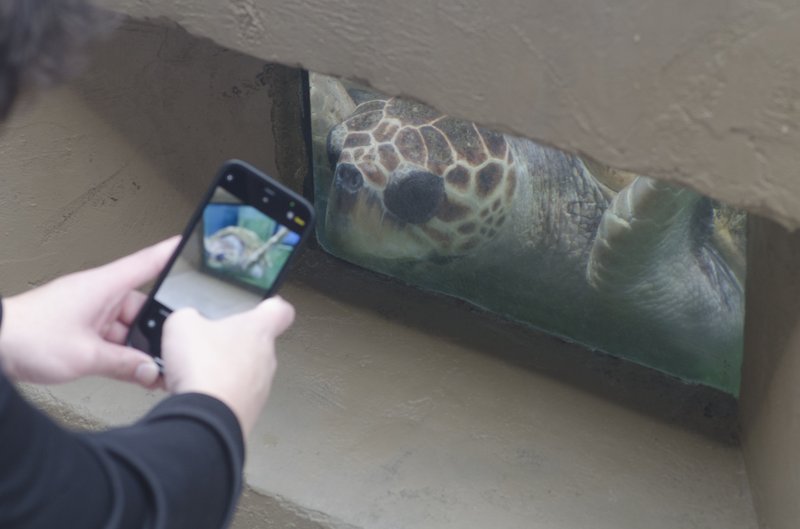
Nonprofit research institute with a public aquarium, "Mote SEA," a 146,000-square-foot building near UTC Mall. The Shark Reef Aquarium features a 135,000-gallon tank with nurse and sawfish sharks. Exhibits showcase sea turtles, seahorses, and Gulf of Mexico marine life. Interactive touch pools and educational presentations run throughout the day.
Cultural hub centered on Main Street with galleries, theaters, and public art. Street-level galleries feature contemporary local artists. Van Wezel Hall and Asolo Repertory Theatre are world-class institutions. Boutiques and cafes line walkable streets. Excellent for evening culture and dining.
Foreign number: not accepted. — Lyft's own help says the number must be a US, Canadian or Puerto Rican one, and the code is texted only to that number.
Available in Sarasota with coverage similar to Uber; useful as a backup when Uber surges. Requires a US phone number to create an account.
Sarasota's cultural identity traces almost entirely to one person: John Ringling, co-owner of Ringling Brothers and Barnum & Bailey Circus. Ringling arrived in 1911 and over the following decades transformed what was a modest fishing and agricultural town into one of Florida's wealthiest and most culturally ambitious cities. He built Ca' d'Zan — his Venetian Gothic winter mansion on the bay — along with the John and Mable Ringling Museum of Art and the Circus Museum. He platted neighborhoods, built causeways, and moved his circus's winter headquarters to the area, bringing thousands of workers and performers. When Ringling died in 1936, deeply in debt, he bequeathed his entire estate — the mansion, the museum complex, and the art collection — to the state of Florida.
That art collection turned out to be remarkable. The Ringling Museum houses one of the largest collections of Peter Paul Rubens paintings outside of Europe, including five enormous canvases from the Triumph of the Eucharist series that Rubens painted for a Brussels convent in the 1620s. Ringling purchased them in 1930 from a Belgian convent during the Depression when prices for major works collapsed. The paintings are each roughly 15 feet tall and were never intended to be moved — they were originally tapestry cartoons, painted oversize to be copied by weavers. That a circus mogul in Sarasota ended up with them is one of those genuinely strange turns in the history of collecting.