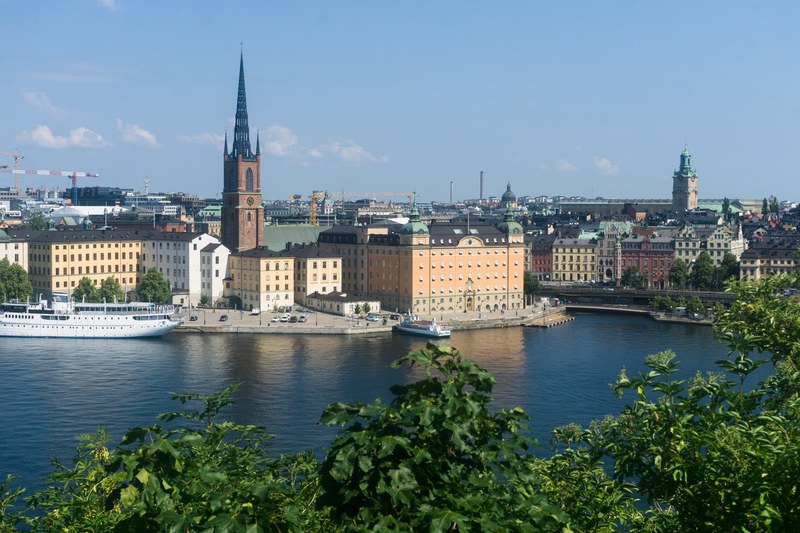
A 500-meter clifftop path along Södermalm's northern edge with the classic panorama of Stockholm: Riddarfjärden below, City Hall and Riddarholmen's spires across the water. Best light at golden hour.
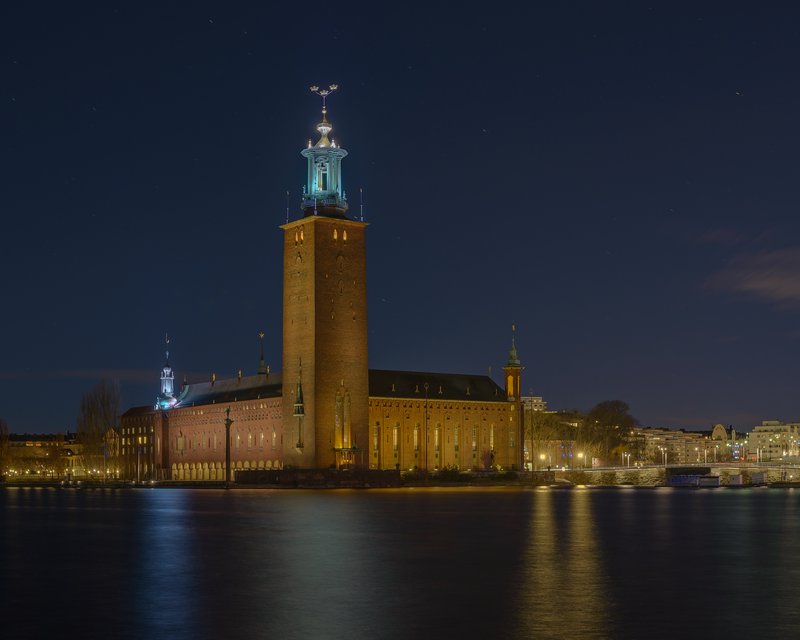
Stockholm's brick landmark from 1923, crowned by the Three Crowns spire — home of the Blue Hall where the Nobel Prize banquet is held each December and the gold-mosaic Golden Hall with 18 million tiles.
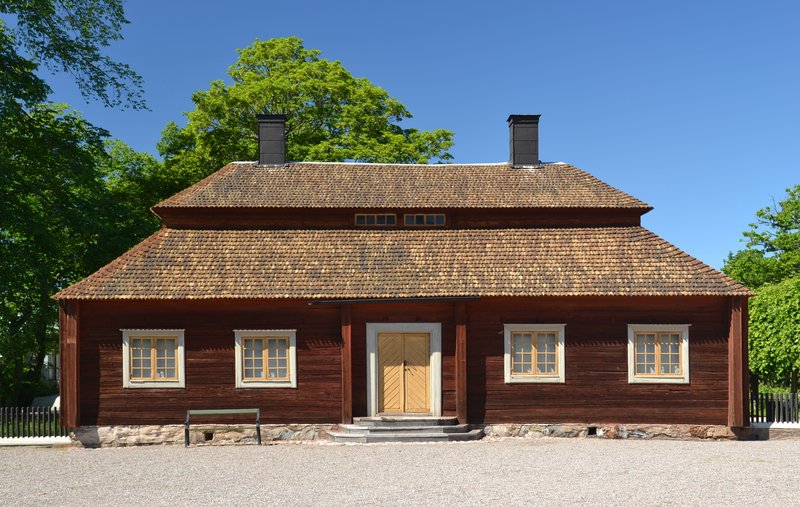
The world's oldest open-air museum, founded 1891 — 160 historic buildings moved here from across Sweden, working craftspeople, and a Nordic zoo with elk, lynx, brown bears, and wolves on the heights of Djurgården.
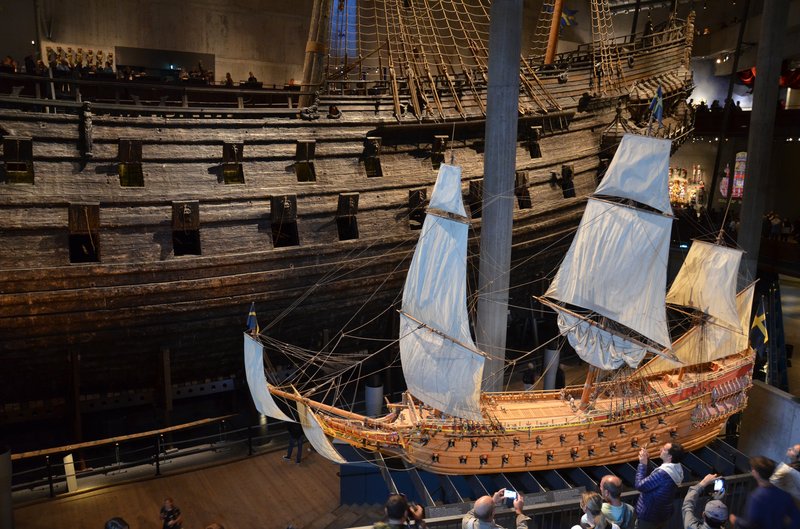
The only preserved 17th-century warship in the world. The Vasa sank on her maiden voyage in 1628, was raised in 1961, and now fills a purpose-built hall — 98 percent original wood, 64 meters of carved Baroque ambition, the most visited museum in Scandinavia.
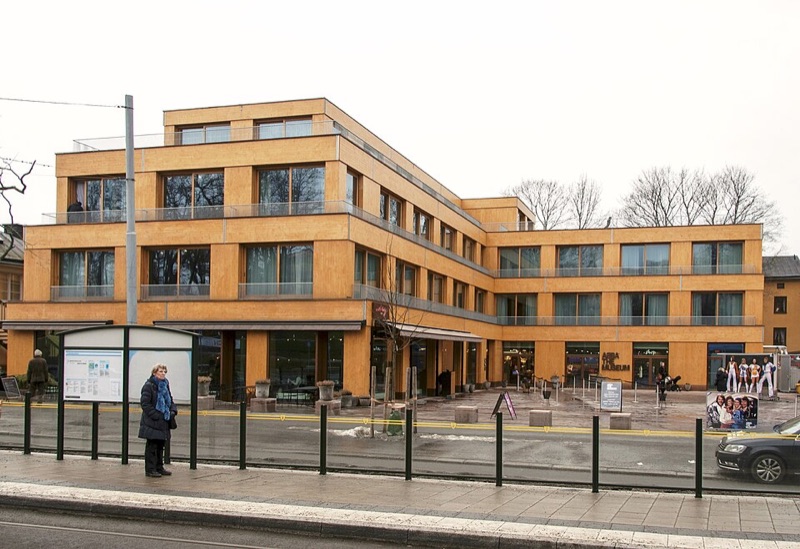
An interactive ABBA museum on Djurgården with original costumes, instruments, Polar Studios equipment, and a hologram stage where visitors perform alongside virtual ABBA. Timed entry required — book a 30-minute window; GetYourGuide tickets carry the same price as direct booking.
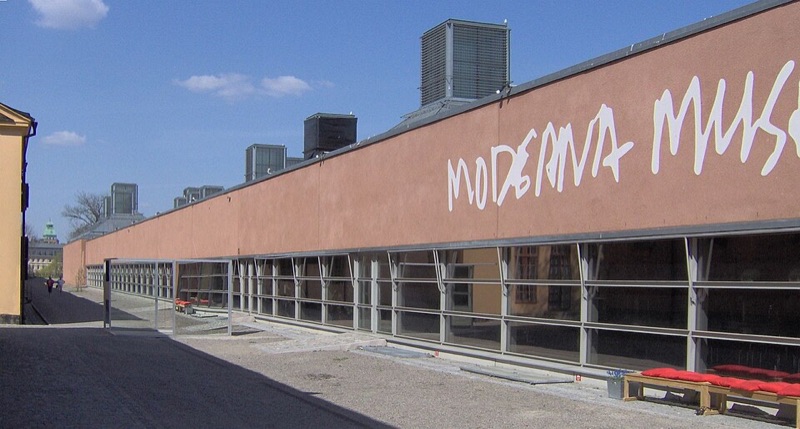
Sweden's national museum of modern and contemporary art on Skeppsholmen, with 6,000 paintings and 100,000 photographs including works by Picasso, Dalí, and Warhol. The bridge from Blasieholmen — five minutes past Nationalmuseum — is a pleasure, and the sculpture park wraps the waterfront edge.
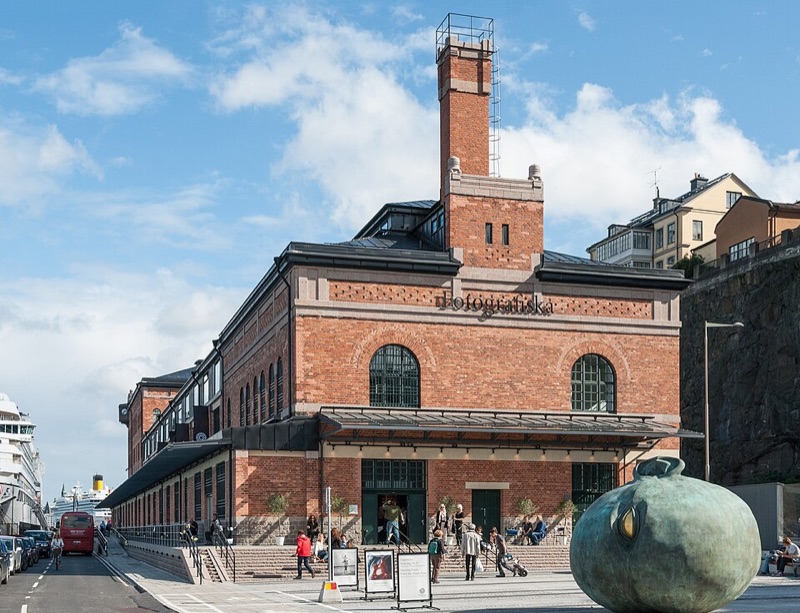
Internationally acclaimed contemporary photography museum in a 1906 customs building on Södermalm's waterfront, with 2,500 sq m of exhibition space and a rooftop bar over Stockholm's harbour. Open until 11:00pm — the only major Stockholm cultural institution that works as an evening destination.
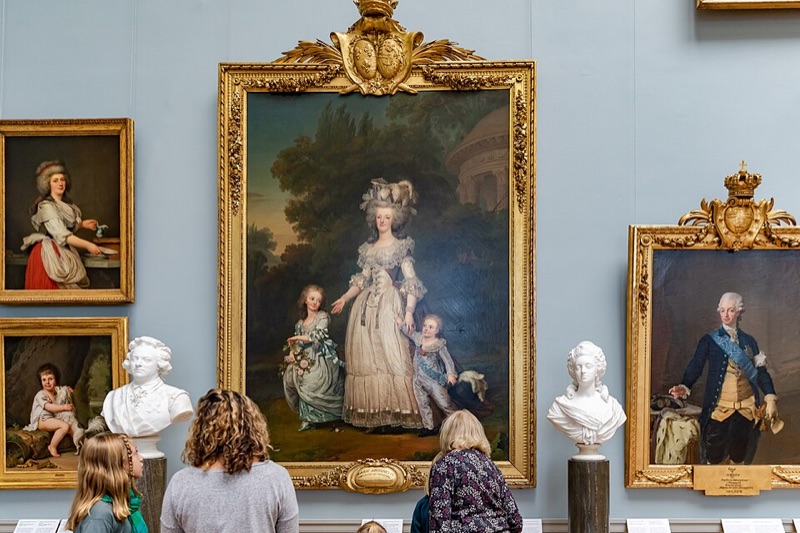
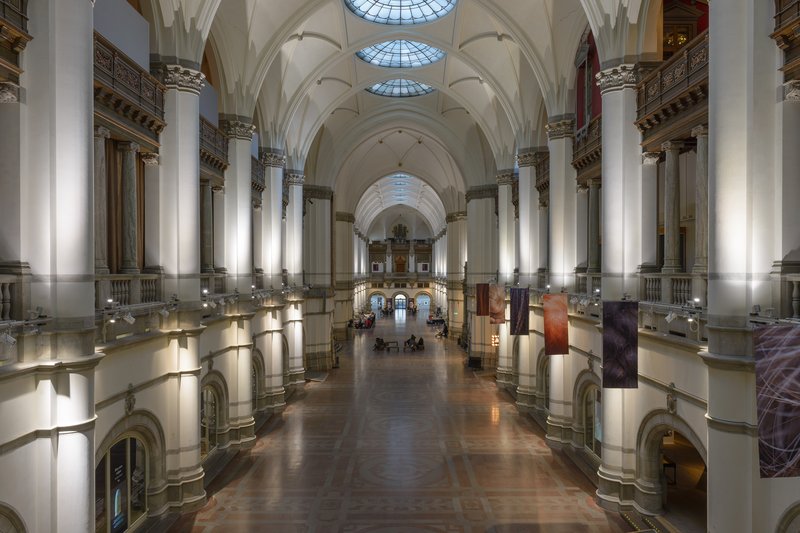
Sweden's national museum of art and design, opened in 1866 on Blasieholmen, housing 700,000 objects spanning Swedish and European painting, decorative arts, and design from the Middle Ages to the present. After a five-year closure, it reopened in 2018 with two new gallery wings — the Treasury and Design Depot.
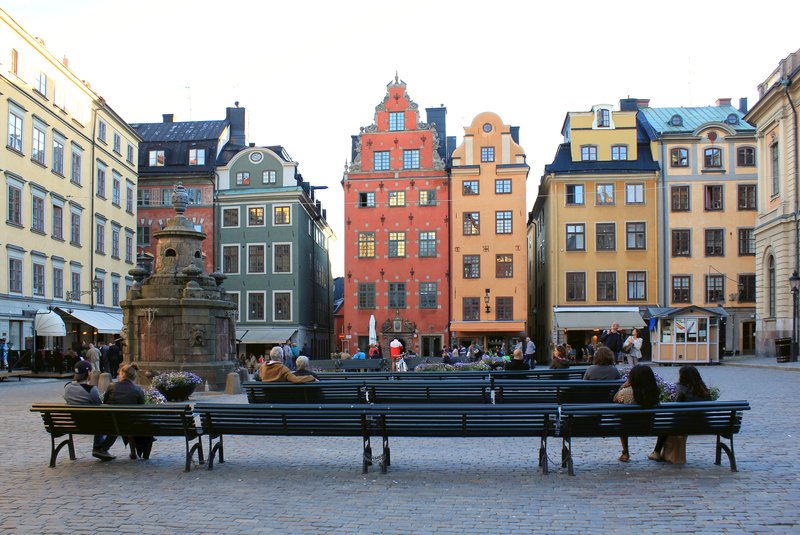
Stockholm's medieval old town — a knot of cobbled lanes, ochre and rust facades, and gas-lit corners dating to the 1200s. Anchor the wander at Stortorget, the oldest square, then drift down Västerlånggatan and find Mårten Trotzigs Gränd, the city's narrowest alley at 90 cm.
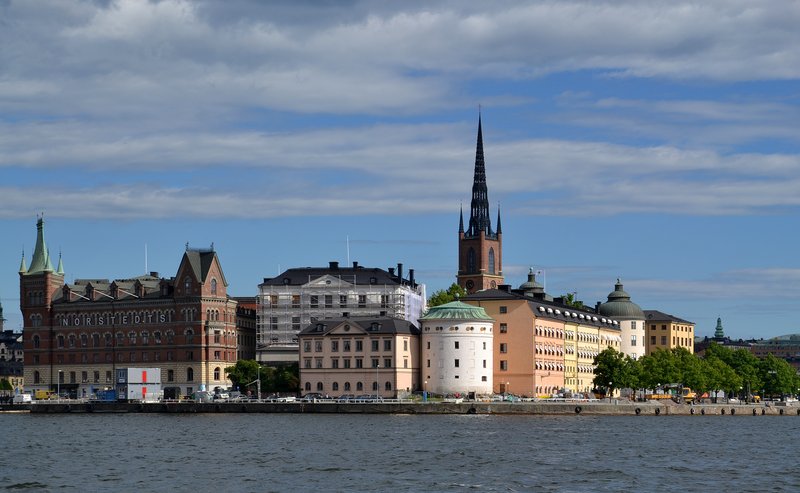
The "Knights' Islet" — a tiny, hushed island of 17th-century nobility palaces gathered around the cast-iron spire of Riddarholmen Church, burial place of Swedish monarchs. Evert Taubes Terrass at its western edge looks straight across the water to City Hall.
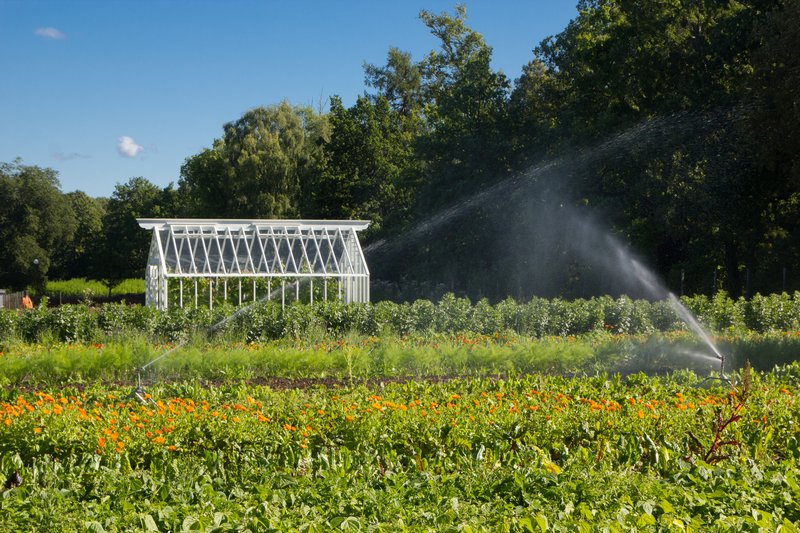
A biodynamic garden in royal Djurgården parkland — orchard, flower fields, and greenhouses around a wood-oven bakery and garden café where lunch is grown meters from the table. Free to wander.
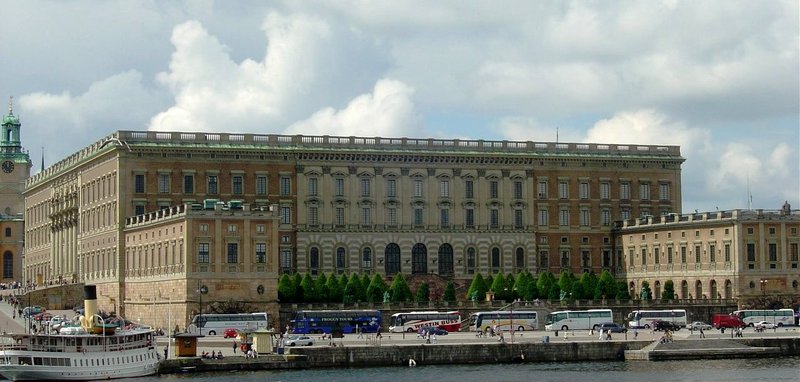
The Swedish monarch's official residence since 1754 — a Baroque palace of 600 rooms built to replace the medieval Tre Kronor Castle. Three museums inside: the Royal Apartments and Hall of State, the Treasury with the Crown Jewels, and the Tre Kronor Museum tracing the palace's medieval origins.
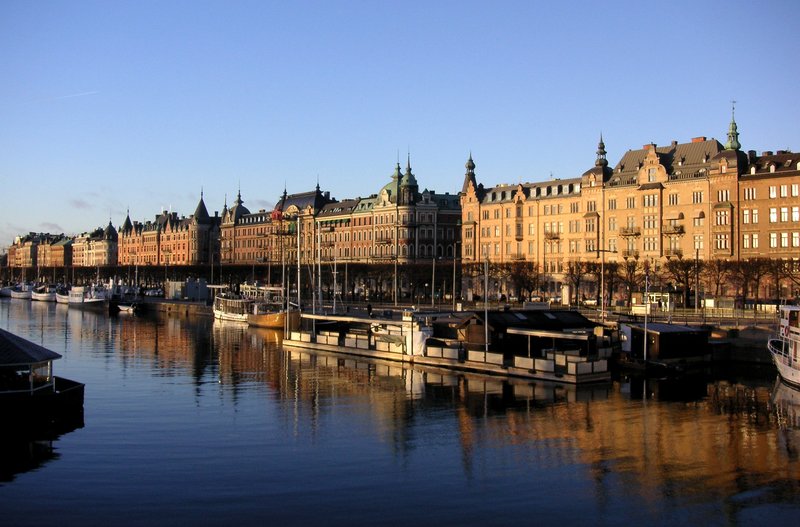
Stockholm's grandest boulevard — 1.2 km of late-19th-century stone palaces lining the north shore of Nybroviken, built for the 1897 Stockholm Exhibition. The uniform six-story limestone facades have stood unchanged since; a line of classic wooden vessels moors permanently along the quay.
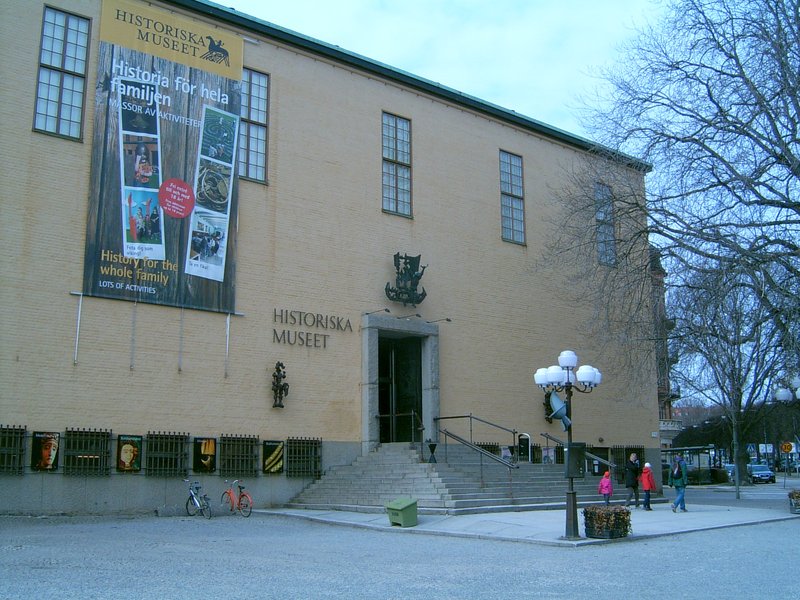
Sweden's national history museum, covering 7,000 years from the Stone Age to the Renaissance. The underground Gold Room holds 50 kg of prehistoric treasures — Migration-era gold torcs, Viking hoards, and reliquary art — making it one of Europe's richest collections of pre-medieval gold.
Sweden's largest museum of cultural history — 1.5 million objects spanning 500 years of Swedish life, from Sami culture and Viking-era artifacts to fashion, folk art, and domestic interiors. The castle-like Neo-Renaissance building on Djurgården, opened 1907, was designed to evoke a Nordic palace.
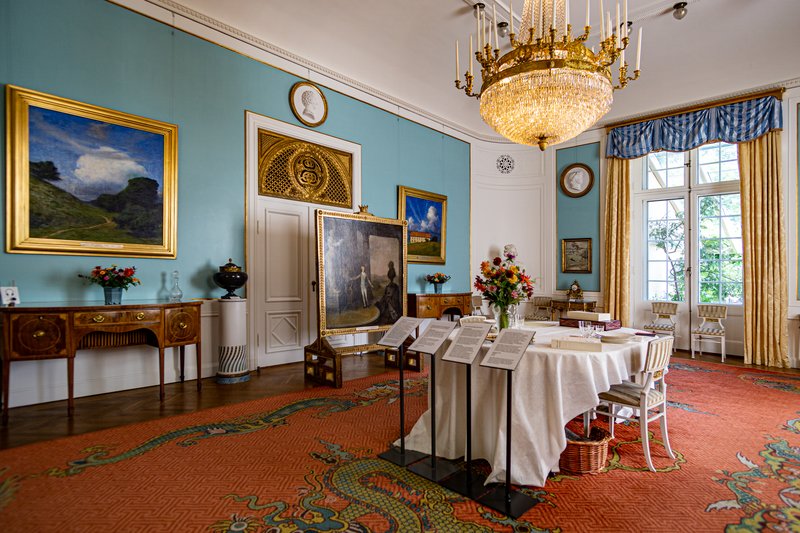
Prince Eugen's former waterfront villa on the southern tip of Djurgården — Sweden's most important landscape painter, preserved as he lived: his own canvases alongside works by Zorn and Larsson, with a terrace garden overlooking Strömmen.
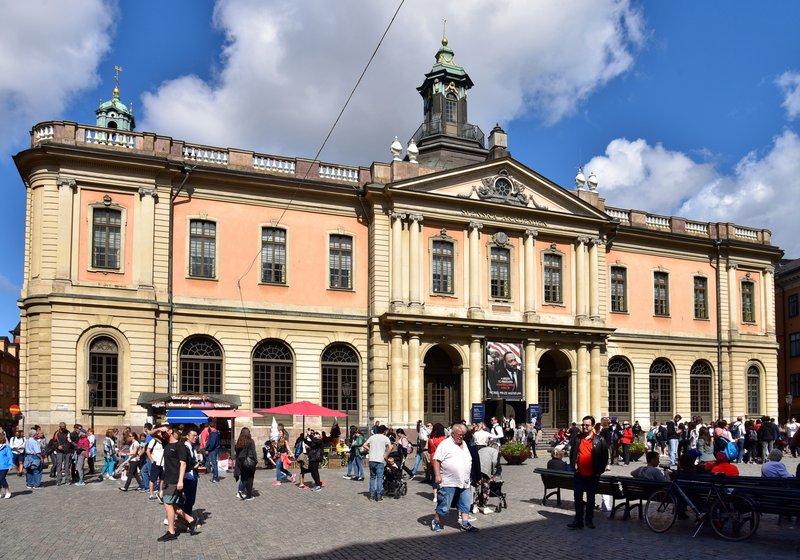
The world's only Nobel Prize museum, in the former Stock Exchange on Gamla Stan's Stortorget. Interactive displays trace laureate stories across physics, chemistry, medicine, literature, economics, and peace — from Marie Curie to Toni Morrison.
ARRIVE Uppsala C: 10 min · 3 min → Uppsala Cathedral
1.Uppsala Cathedral~1 hr
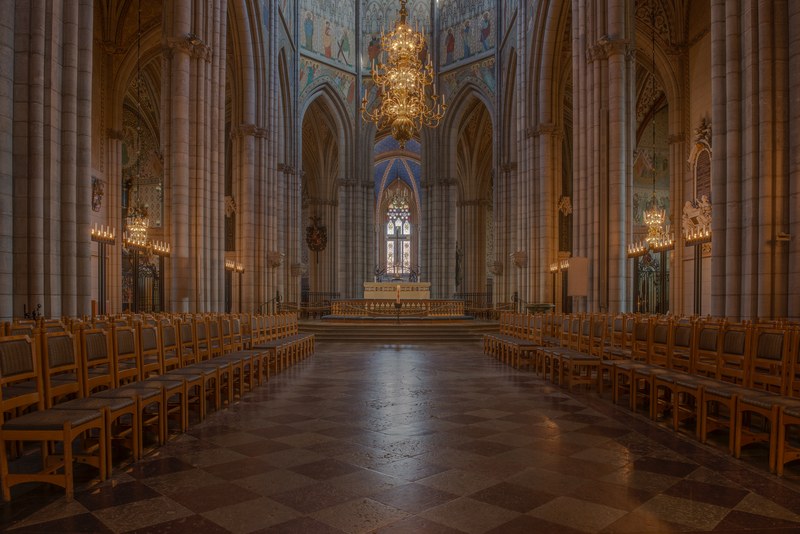
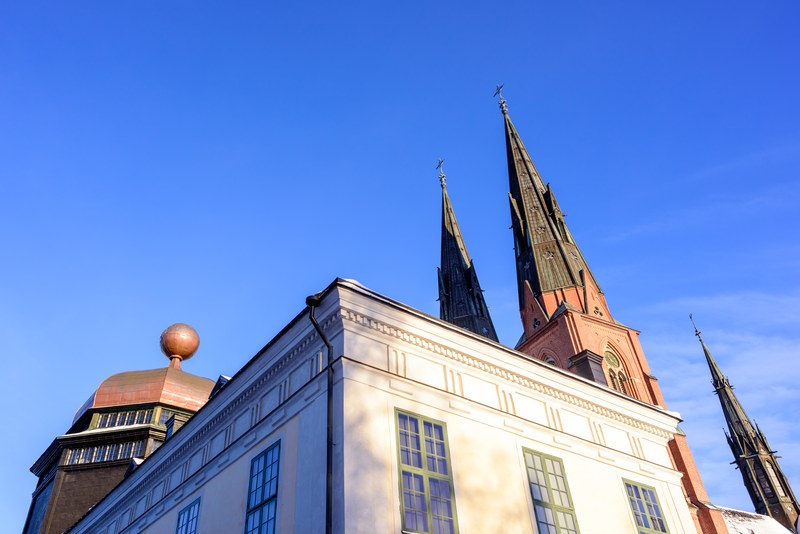
Scandinavia's largest cathedral — 127-metre Gothic twin spires founded in the 1270s and consecrated in 1435. Burial place of Gustav Vasa, King John III, and Carl Linnaeus; the nave and Archbishop's Chapel hold Sweden's most important medieval art and funerary monuments.
Uppsala University's museum in a 17th-century building crowned by the Theatrum Anatomicum — a circular dissection theatre from 1663, one of the world's best-preserved. Exhibits span Viking history, Egyptian antiquities, and the university's scientific instruments from the 16th–19th centuries.
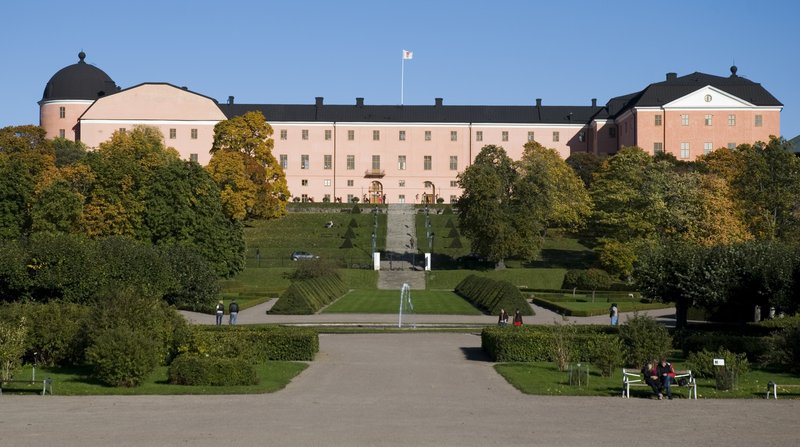
Gustav Vasa's 16th-century fortress on the ridge above Uppsala — the terrace commands the city's classic panorama: cathedral spires, university domes, and the Fyris river below. The Uppsala Art Museum inside spans Swedish and international works.
Rainbow Tours' flagship Gamla Stan walk — the Royal Palace, St. George and the Dragon, the city's narrowest street, and Stortorget's dark history, told by guides who mix the medieval past with modern Swedish life.
Three hours across the city's must-sees with no more than ten walkers — Stortorget, medieval Gamla Stan, the narrowest street, Stockholm's smallest statue, and a Viking rune stone hiding in a wall.
An hour-and-45-minute cruise on a classic wooden boat through the Djurgården Canal and Stockholm Archipelago — past the Royal Palace, National Museum, and Opera — with a live guide sharing stories of the city from the water.
Five to six hours by minibus to Sigtuna — Sweden's oldest town, founded around 980 AD — with runestones, medieval church ruins, and Viking burial mounds explained by a specialist guide.
Two hours cruising the Stockholm Archipelago with a live English-speaking guide past Fjäderholmarna and Tegelön — a classic way to understand how Stockholm's 30,000 islands frame the city.
Two hours on a classic archipelago ship to Fjäderholmarna island with live guide commentary, onboard music, and Swedish fika · coffee and pastry included — departing from Skeppsbron next to the Royal Palace.
An hour-and-45-minute tour on a handsome wooden boat through the Djurgården Canal and out into the archipelago — past the Royal Palace, National Museum, and Opera House — with live guide storytelling throughout.
A nine-hour small-group tour to Gamla Uppsala burial mounds and the runestone-lined streets of Sigtuna — Sweden's oldest town — with specialist commentary on Viking trade routes, mythology, and the transition to Christianity.
Four hours and six to seven tastings that add up to a full Nordic meal — starting inside the 1888 Östermalms Saluhall food hall and winding toward the Old Town with stories of Swedish food culture.
A five-to-six-hour small-group outing to Sigtuna — Sweden's oldest town and Viking heartland — with runestone walks, medieval church ruins, and a specialist guide who brings the Norse past to life. Hotel and cruise port pickup included.
Two-and-a-half hours aboard a scheduled archipelago boat with a live English-speaking guide sharing stories of the islands, the city's seafaring history, and the Swedish relationship with the sea — departing from Gamla Stan waterfront.
Sunday brunch aboard S/S Stockholm on a three-hour cruise through the inner archipelago — brunch buffet, welcome drink, and panoramic views of the islands, departing from Strandvägen berth 16 near Hotel Diplomat.
Pickled herring in a dozen marinades, and fresh-fried Baltic herring with mash and lingonberries — Stockholm's beloved quayside classic since the sail-boat days.
The cinnamon-cardamom bun at the heart of fika — Sweden's sacred coffee-break ritual, taken seriously enough to have its own national day on October 4.
The dome-shaped princess cake — sponge, vanilla cream, raspberry, and whipped cream under pale-green marzipan, invented in the 1920s for Sweden's royal princesses.
Foreign number: accepted. — it runs on the same Uber account as the ride app, so no second code has to arrive.
Wide restaurant selection across Stockholm's central neighbourhoods; covers Södermalm, Östermalm, Norrmalm and Vasastan, with most orders delivered within 25–40 minutes. Strong on international cuisine alongside Swedish classics.
Foreign number: accepted. — sign-up runs on email, Apple or Facebook with no phone field; the mobile number is added later for courier contact and its SMS code reaches foreign numbers.
Stockholm's most-used delivery platform with the deepest local restaurant coverage — strong on Swedish lunch spots, neighbourhood pizzerias and grocery delivery from ICA and Coop. The first platform to launch in Sweden, with broad suburb coverage beyond the inner city.
Foreign number: not required. — sign-up runs on Google, Apple, Facebook or email with no phone field at all, so no verification code is sent.
Helsinki-founded delivery platform with a curated restaurant selection in central Stockholm; tends toward higher-rated local spots and popular chains. Useful for quality delivery across Gamla Stan, Norrmalm and Södermalm when Foodora coverage thins.
Foreign number: accepted. — the code comes by SMS to any international number, and "Call me with code" reads it out if the SMS is blocked.
Widely available ride-hailing option across Stockholm with upfront fares confirmed before booking; reliable for trips between Gamla Stan, Östermalm and Södermalm. A practical alternative to taxis when the SL network requires multiple connections.
Foreign number: accepted. — the SMS code often fails to reach a non-European number until you are on a European network; a local eSIM number is the fallback.
European ride-hailing alternative to Uber operating across Stockholm; fares are typically 10–15% lower on comparable routes with upfront quotes before confirmation. Worth comparing both apps for longer hops to Djurgården or the Birka ferry terminal.
A storybook lakeside town beside Gripsholm Castle, Gustav Vasa's red-brick stronghold on Lake Mälaren. Ride Mälartåg to Läggesta, where the volunteer-run ÖSlJ narrow-gauge steam railway rolls you into town on century-old carriages May through September.
A medieval cathedral town on Lake Mälaren — the 13th-century Gothic cathedral holds royal regalia and the tombs of King Engelbrekt and King Charles IX. The cobblestoned old town's streets descend the cathedral ridge to the lakefront harbor.
A Viking-age capital on Lake Mälaren — the 13th-century cathedral with Sweden's tallest spire, the Anundshög burial mounds and runestone field just outside town, and a well-preserved medieval castle on the waterfront.
A quiet medieval town on the Baltic coast — 13th-century Nyköping Castle, a compact old town and a harbour waterfront, reachable in just over an hour on direct SJ trains along the main southern mainline.
Sweden's industrial-heritage showpiece — a riverscape of 19th-century textile mills turned museums, concert halls, and cafés along the Motala ström rapids, with around 35 direct trains a day.
Stockholm exists because of one geographic accident: this is the exact point where Lake Mälaren pours into the Baltic. Day 1 walks that seam — City Hall stands on the freshwater side, Monteliusvägen looks over it, and the locks at Slussen have been mediating the meeting of lake and sea since the 1600s. The city's very name — log islet — comes from the timber barriers medieval Stockholmers sank at this choke point to control who sailed in.
The Vasa never made it past that meeting of waters. On her 1628 maiden voyage she sailed barely 1,300 meters — capsizing in full view of the city, roughly opposite where the Grand Hôtel now stands. Walking from the hotel to the museum on Day 2 retraces almost exactly the distance the ship managed in her entire career, which makes the 64-meter giant in the hall feel less like a relic and more like a neighbor who never left.
The Royal Palace sits on the same island as Gamla Stan — Tre Kronor Castle burned there in 1697, and the monarchy lived without a permanent home for half a century while this Baroque replacement rose in its place. Strandvägen, a few bridges north, tells the opposite story: Sweden's gilded age, not its ruins. Built in six years for the 1897 Stockholm Exhibition, the avenue's uniform limestone facades have never been replaced by glass towers — so an afternoon walking from the palace to Östermalm covers four centuries of Swedish ambition in one direction.