TRIP OVERVIEW
Day 1 – Universeum · Liseberg · Göteborgs Konstmuseum · Götaplatsen
Day 2 – Feskekörka · Haga · Garden Society of Gothenburg · Ramberget
Day 3 – Kronhuset & Kronhusbodarna · Gothenburg Cathedral · Museum of Gothenburg · Älvsborg Fortress
Day 4 – Gothenburg Botanical Garden · Slottsskogen · Skansen Kronan
Day 5 – Röhsska Museum · Maritiman · Styrsö
Day 1
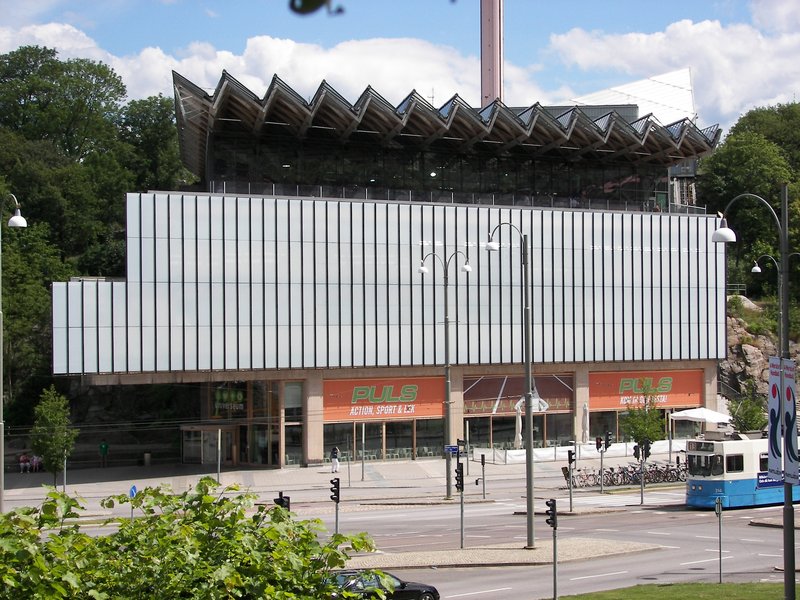
1. Universeum~2 hr
Sweden's national science discovery centre, opened in 2001 on Södra Vägen. Seven floors trace the universe from deep space to ocean depths, with a living tropical rainforest, shark tunnel and hands-on technology labs running the full height of the building.
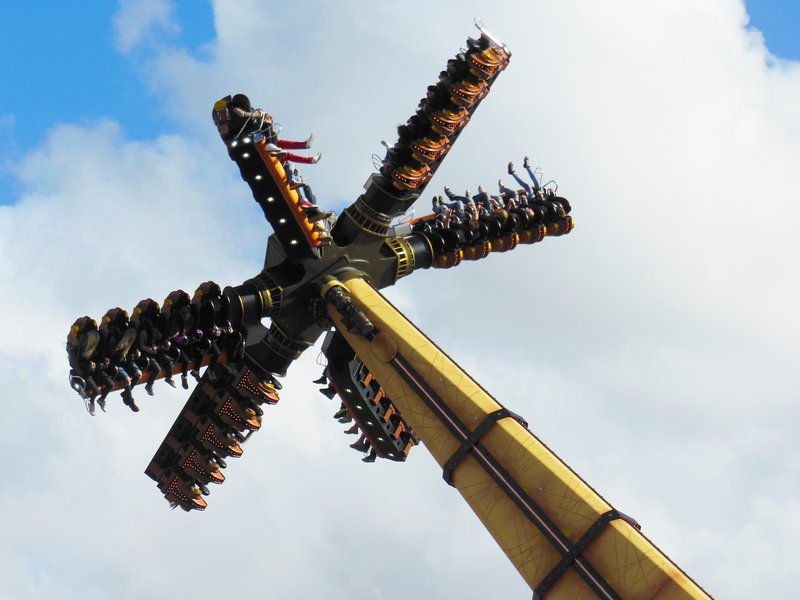
2. Liseberg~4 hr
Scandinavia’s most-visited amusement park, open since 1923. Wooden coaster Balder and the Helix launch coaster headline, but the flower-lined avenues, fountains and old-world charm are half the draw.
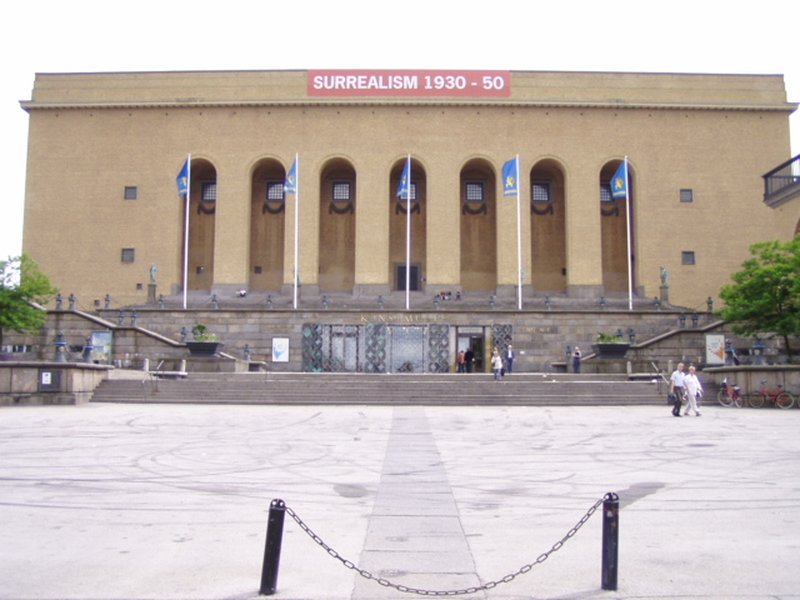
3. Göteborgs Konstmuseum~1 hr 30 min
The city's main art museum, occupying a 1923 neo-classical building at the head of Götaplatsen square. Its galleries hold Scandinavia's largest collection of Nordic art from the 1800s onward, alongside French Impressionists and Old Masters.
4. Götaplatsen~30 min
The monumental cultural square crowning Kungsportsavenyn, framed by the Concert Hall, City Theatre and Museum of Art. At its centre stands Carl Milles’ bronze Poseidon of 1931, the unofficial emblem of the city.
Open 24/7

Day 2
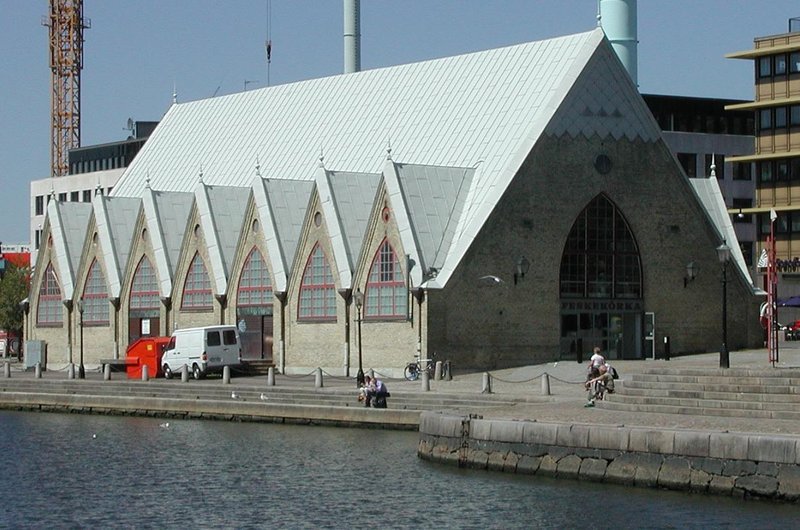
1. Feskekörka~45 min
A neo-Gothic hall of 1874 on the Rosenlundskanal, nicknamed the “fish church” for its pointed windows and steep white roof rather than any religious use. Recently reopened after a four-year renovation, it now houses a seafood restaurant beneath the original ironwork.
Tuesday - Thursday 10:00am - 6:00pm · Friday 10:00am - 6:30pm · Saturday 10:00am - 5:00pm
Closed Sunday & Monday
Free
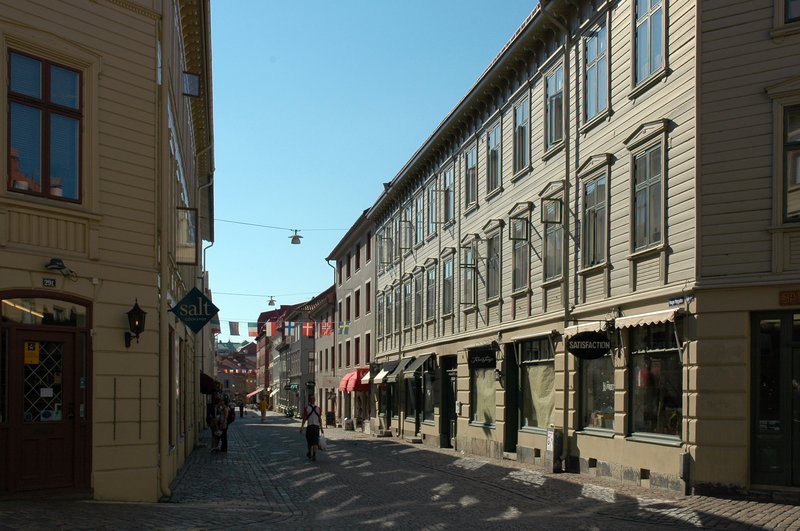
2. Haga~1 hr 30 min
Gothenburg’s oldest suburb, laid out in 1648 and now a cobblestoned quarter of timber-and-stone landshövdingehus lined with cafés, antikvariat and craft shops. Pedestrian Haga Nygata is the spine of the stroll.
Open 24/7
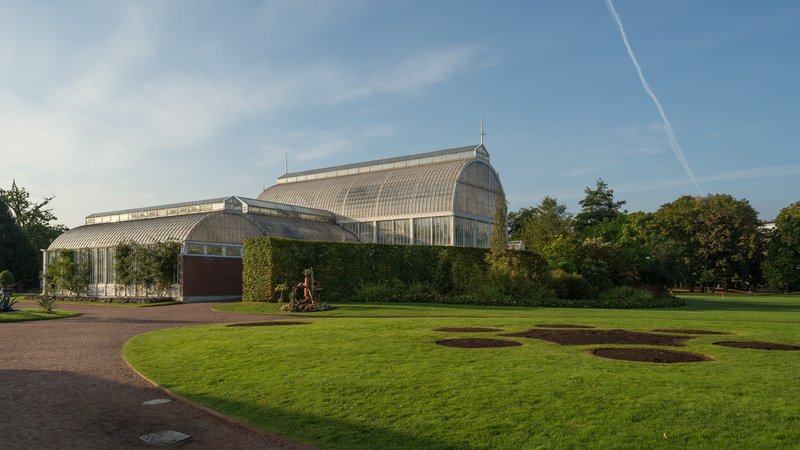
3. Garden Society of Gothenburg~1 hr
One of northern Europe’s best-preserved 19th-century parks, laid out in 1842 beside the moat. The 1878 cast-iron Palm House shelters Mediterranean and tropical plants, and the Rose Garden runs to some 4,000 bushes.
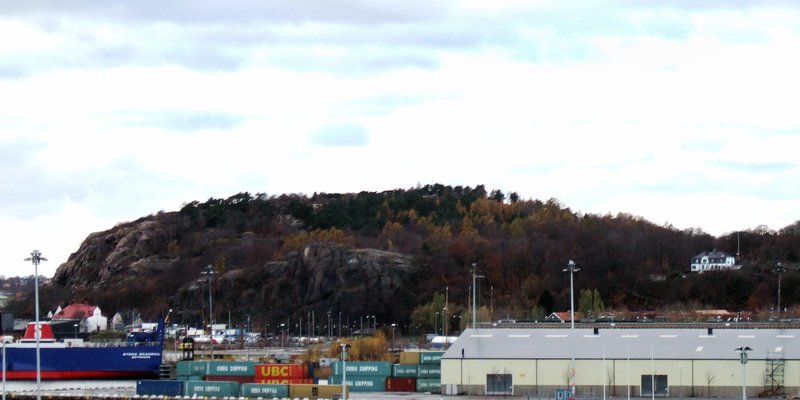
4. Ramberget~45 min
A granite hilltop on Hisingen island rising 85 metres above the Göta River, reached by a short path from the car park. The open rock platform gives an unobstructed 360° view across the river, the Gothenburg skyline, Älvsborg Bridge and the outer archipelago.
Day 3
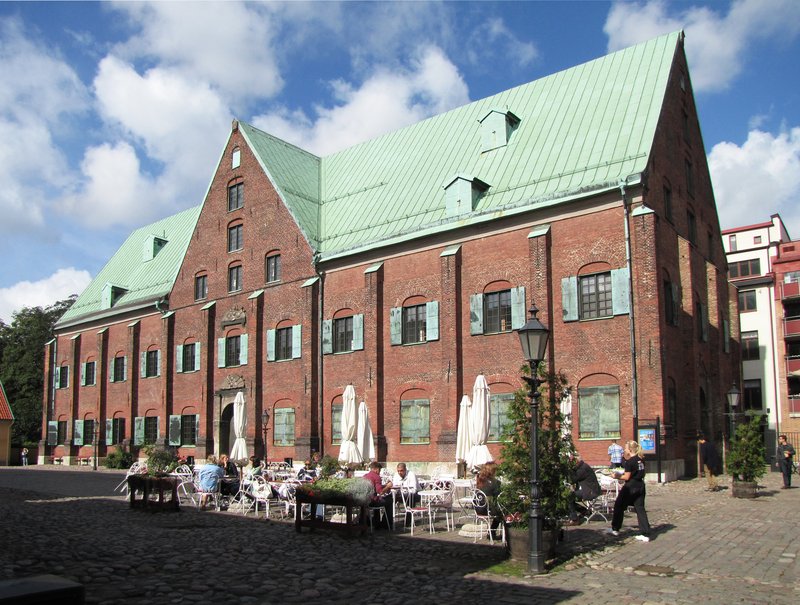
1. Kronhuset & Kronhusbodarna~1 hr
A Dutch-style red-brick arsenal of 1643–1654, Gothenburg's joint-oldest secular building, ringed by 18th-century sheds that have housed a craft quarter since the 1970s — potters, glassblowers, leatherworkers and chocolatiers work behind their own shopfronts.
Tuesday - Friday 10:00am - 5:00pm · Saturday 11:00am - 3:00pm
Closed Sunday & Monday
Free
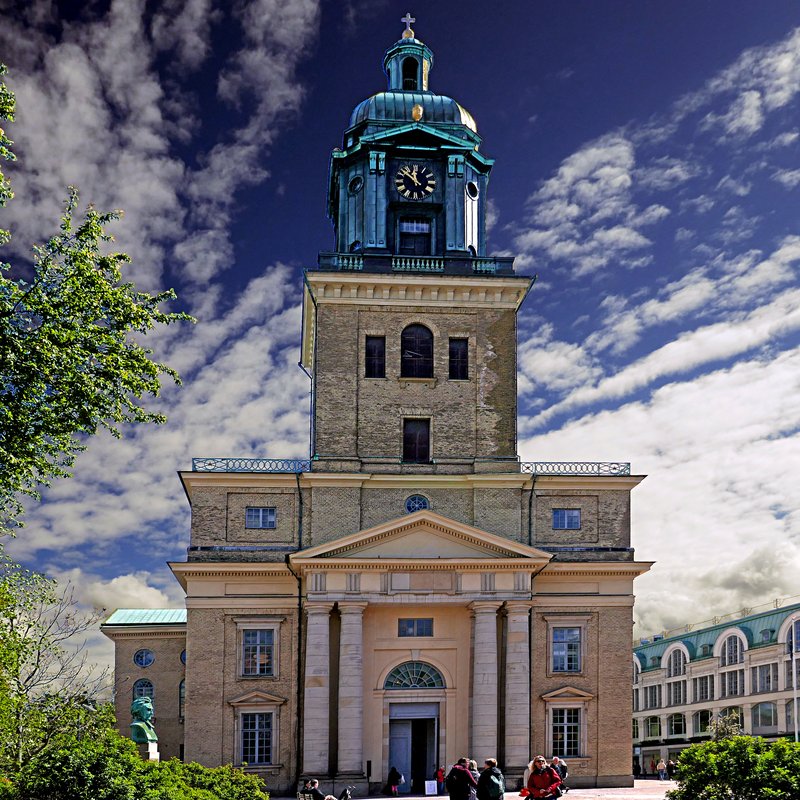
2. Gothenburg Cathedral~30 min
Gustavi Domkyrka, the seat of the Diocese of Gothenburg, rebuilt in Neoclassical style by Carl Wilhelm Carlberg after fire twice destroyed earlier churches on the site; consecrated in 1815 with a portico of six Ionic columns and a copper-domed clock tower.
Monday - Friday 10:00am - 6:30pm · Saturday - Sunday 10:00am - 4:00pm
Free
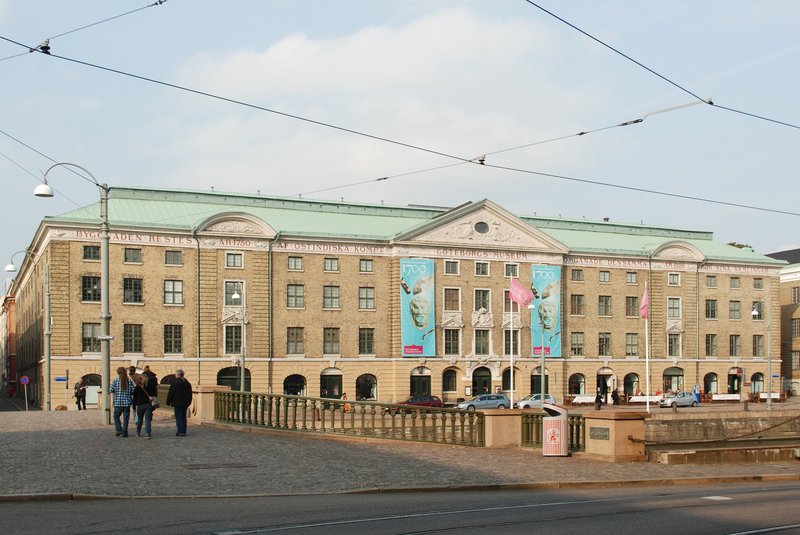
3. Museum of Gothenburg~1 hr
The city's history museum, housed since 1996 in the Ostindiska huset — the 1762 headquarters of the Swedish East India Company and one of Gothenburg's oldest secular buildings. Permanent exhibitions trace some 12,000 years of Western Sweden's history, from Viking-age finds to the 18th-century trade that built the house itself.
Tuesday 10:00am - 5:00pm · Wednesday 10:00am - 8:00pm · Thursday - Sunday 10:00am - 5:00pm
Closed Monday
Free
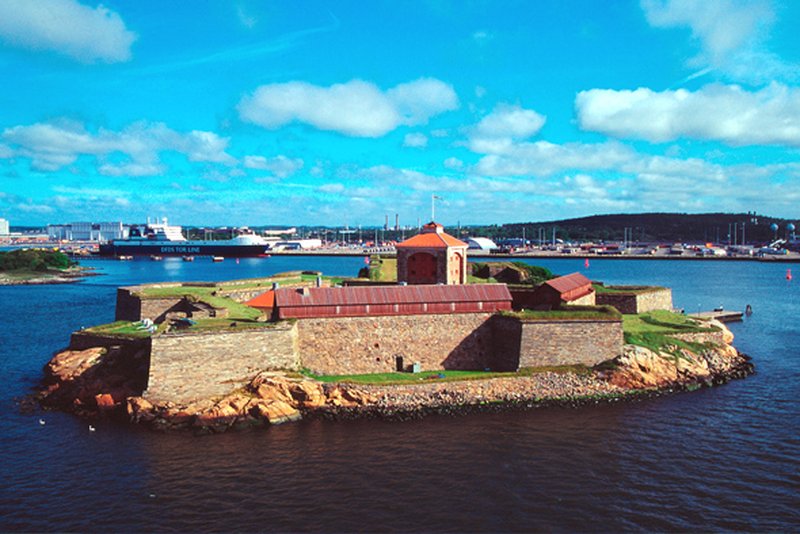
4. Älvsborg Fortress~2 hr
A star-shaped artillery fortress built on a rocky island at the mouth of the Göta River in 1670, replacing an earlier castle that Sweden twice ransomed back from Denmark. The boat trip from the city docks takes 25 minutes and guided tours cover the battlements, towers and the prison cells cut into the rock.
Daily 10:00am - 5:00pm (summer season)
Day 4
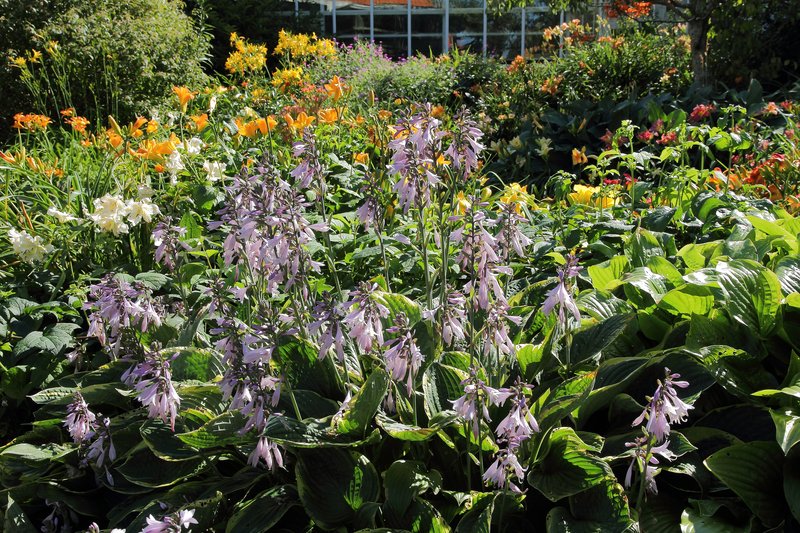
1. Gothenburg Botanical Garden~1 hr 30 min
One of Europe’s largest botanical gardens, with some 16,000 species across 175 hectares of arboretum, valleys and a Rock Garden the Michelin Green Guide rates two stars. Admission to the grounds is voluntary.
Open 24/7
2. Slottsskogen~1 hr
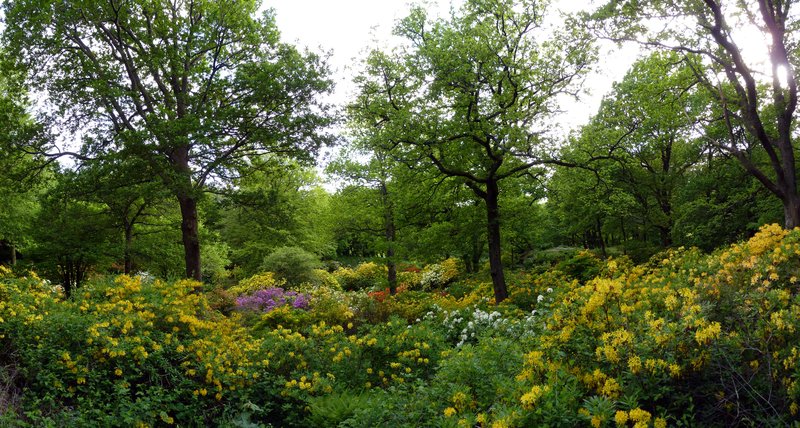
Gothenburg’s great green lung, an English-style landscape park opened in 1874 with open meadows, ponds, free-roaming Nordic farm animals and the blazing Azalea Valley in late spring. Entry is free.
Open 24/7
3. Skansen Kronan~45 min
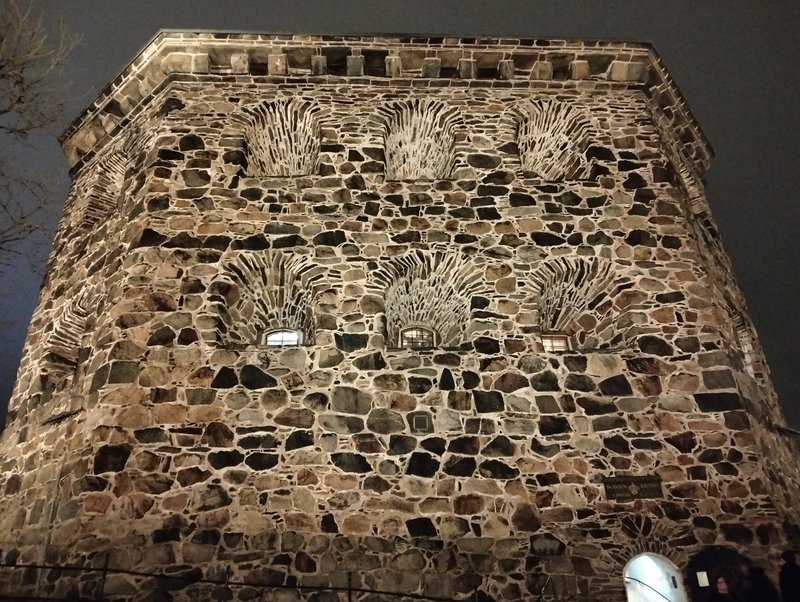
A squat octagonal crown-fortress of 1698 on the Risåsberget hill above Haga, built to repel a Danish attack that never came. The grassy ramparts give a free 360° panorama over the rooftops, harbour and cranes.
Open 24/7
Day 5
1. Röhsska Museum~1 hr
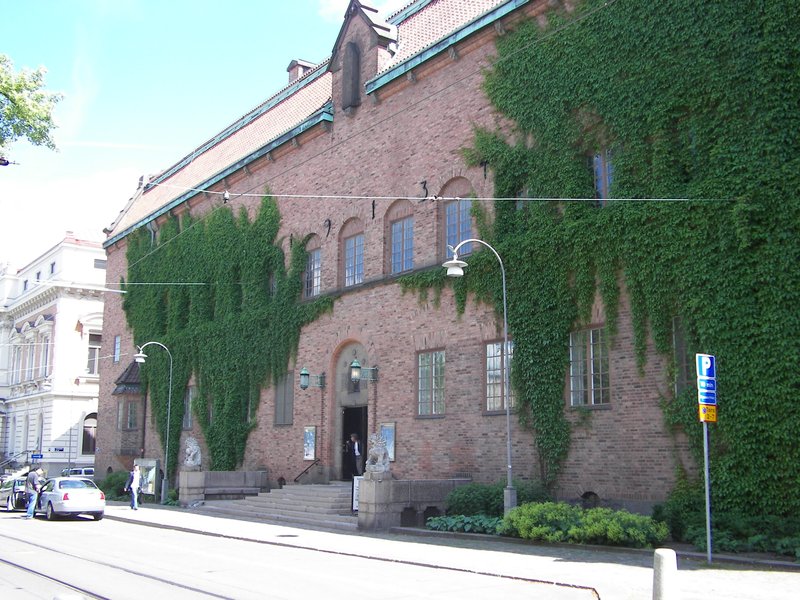
Sweden's only museum devoted to design and craft, opened in 1916 in a National Romantic brick building by architect Carl Westman. Some 50,000 objects range from 18th-century furniture and silverware to contemporary fashion, spanning the “Design Stories” permanent collection.
Tuesday 12:00pm - 8:00pm · Wednesday - Friday 12:00pm - 5:00pm · Saturday - Sunday 11:00am - 5:00pm
Closed Monday
2. Maritiman~2 hr
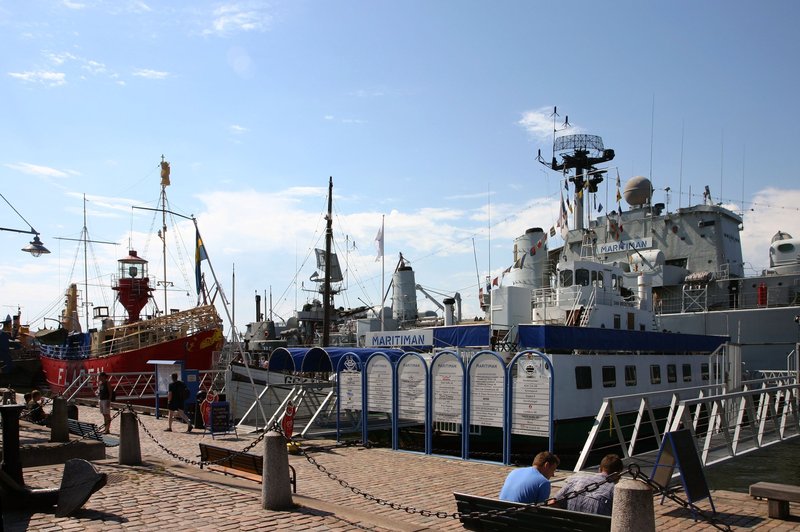
A floating fleet of nine historic vessels moored at Packhuskajen since 1978, the largest floating museum in the world. Climb through the submarine Nordkaparen, tour the destroyer Småland and the lightship Fladen, all lashed together along the Göta River quay.
3. Styrsö~1 hr 30 min
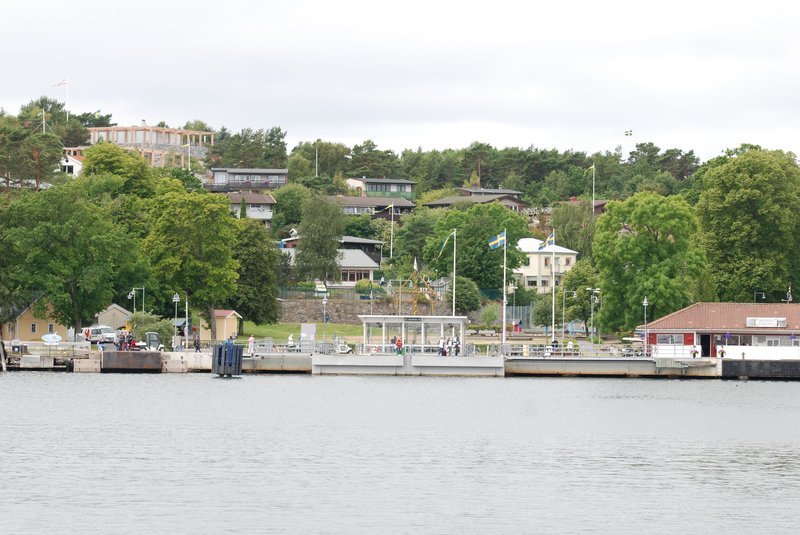
A car-free island in the southern archipelago, its Bratten harbour ringed by wooden fishermen's cottages and boathouses. Narrow lanes climb from the pier past the village church of 1752 to bare granite rocks with views back over the outer skerries.
Open 24/7
Weekly Closures
Museums · Closed Monday
Market Halls · Closed Sunday
Tours
Viator
A 35-minute tour through Gothenburg's oldest historic streets — from Gustaf Adolfs torg through historic alleys, past canals and along the old town's most fascinating places, with a guide who brings the city's history to life with dramatic storytelling.
35 min · Small group
Gothenburg's iconic flat-bottomed Paddan boat glides through the 17th-century moat and canals, ducking under 20+ low bridges and out past traditional shipyards to the harbour — live guiding in Swedish and English, departures every 30–60 min.
50 min · Group
A 2-hour guided fika experience through three of Gothenburg's best cafés — coffee roasters, award-winning bakeries and neighbourhood classics — with a local guide who explains the Swedish tradition of the unhurried coffee-and-pastry pause. Max 10 guests.
2 hr · Max 10
A 2-hour live-guided Paddan cruise beyond the moat and out through the Göta River into Säveån — Gothenburg's "Amazon" — where the landscape turns lush and beaver sightings are possible. Commentary in Swedish and English; a quieter, more scenic ride than the classic canal loop.
2 hr · Group
Pilot your own luxury electric boat through Gothenburg's 17th-century moat and canals at your own pace — no licence needed, no fixed route, just you and up to 11 friends exploring the waterways. Departs from the marina at the Opera House. Drinks and snacks welcome on board.
2 hr · Up to 12
GetYourGuide
The classic flat-bottomed Paddan boat threads the 17th-century moat and canals, ducking under 20 low bridges out to the harbour, with live guiding in Swedish and English.
50 min · Up to 88
A 90-minute guided walk through Haga — Gothenburg's best-preserved 19th-century quarter — exploring the cobblestoned lanes, the distinctive landshövdingehus timber houses, and the neighbourhood's history from working-class roots to today's café culture.
1 hr 30 min · Small group
A walking tour of Gothenburg's top-class cafés and award-winning bakeries with a local guide who shares the city's stories — finishing with a traditional Swedish fika break of coffee and a fresh pastry at one of Haga's best spots.
2 hr · Small group
A 3-hour small-group walk through Gothenburg's iconic neighbourhoods with stops at three curated eateries — West Coast seafood, traditional savoury dishes, and a classic Swedish fika of cake and coffee to finish.
3 hr · Small group
Gothenburg's unique Ocean Bus sightseeing tour drives past Poseidon, Avenyn and Feskekörka, then splashes into the harbour for a water circuit — a 1-hour land-and-sea loop with live commentary from your driver-captain guide.
1 hr · Group
TripAdvisor
The classic flat-bottomed Paddan boat threads Gothenburg's historic moat and 17th-century canals, ducking under 20+ low bridges out to the harbour with live guiding in Swedish and English. Departures every 30–60 minutes. A city essential that never gets old.
50 min · Max 80
Hire a luxury electric boat at the Opera marina and pilot yourself through Gothenburg's canals and moat at your own pace — no licence required, no guide, no fixed route. Up to 12 people per boat; drinks and snacks welcome on board.
6 hr · Up to 12
A 2-hour guided Paddan cruise beyond the city canals and out along Säveån — Gothenburg's "Amazon" — through wildlife-rich banks where beavers occasionally appear. Live commentary in Swedish and English; a quieter, greener contrast to the classic canal tour.
2 hr · Max 80
Cappuccino
Da Matteo Magasinsgatan · 4.4 · 1700+ reviews
Monday - Friday 8:00am - 6:00pm · Saturday 9:00am - 6:00pm · Sunday 10:00am - 5:00pm
Da Matteo Vallgatan · 4.3 · 1700+ reviews
Monday - Friday 11:00am - 5:00pm · Saturday 10:00am - 6:00pm · Sunday 10:00am - 5:00pm
Café Husaren · 4.4 · 4900+ reviews
Monday - Thursday 8:30am - 7:30pm · Friday - Sunday 8:30am - 7:00pm
Restaurants Near Hotel
The Barn · 4.5 · 6000+ reviews
American craft burgers, house schnapps and local beer.
Tuesday - Thursday 5:00pm - 11:00pm · Friday 4:00pm - 12:00am · Saturday 1:00pm - 12:00am · Sunday 1:00pm - 11:00pm
Closed Monday
Magazzino · 4.4 · 900+ reviews
Wood-fired Neapolitan pizza and Italian classics.
Monday - Thursday 5:00pm - 11:00pm · Friday - Saturday 4:00pm - 11:30pm
Closed Sunday
Tavolo · 4.1 · 2300+ reviews
Italo-American kitchen with New York swagger.
Sunday - Thursday 5:00pm - 11:00pm · Friday 5:00pm - 1:00am · Saturday 12:00pm - 1:00am
Toso · 4.3 · 4700+ reviews
Pan-Asian sharing plates beneath a giant Buddha.
Monday - Thursday 5:00pm - 11:00pm · Friday 5:00pm - 1:00am · Saturday 12:00pm - 1:00am · Sunday 12:00pm - 11:00pm
Downtown Restaurants
Bord 27 · 4.7 · 1600+ reviews
Reimagined Swedish small plates with Asian, French and Spanish accents.
Monday - Saturday 5:00pm - 11:00pm
Closed Sunday
Familjen · 4.4 · 1500+ reviews
Rustic west-coast Swedish bistro, a Michelin Bib Gourmand.
Tuesday - Saturday 5:00pm - 11:00pm
Closed Sunday & Monday
Vrå · 4.4 · 270+ reviews
Nordic-Japanese tasting menus with a deep sake list.
Wednesday - Saturday 6:00pm - 11:00pm
Closed Sunday, Monday & Tuesday
Local Tastes
Räkmacka
A west-coast open sandwich heaped with hand-peeled cold-water shrimp, egg, mayonnaise and lemon — a staple of Gothenburg’s fishing-port table.
Hagabulle
A plate-sized, sugar-crusted cinnamon bun unique to Haga — an outsized riff on the Swedish kanelbulle, baked big enough to share.
West-Coast Shellfish
Langoustine, oysters and blue mussels pulled from the cold Bohuslän waters, served as towering platters or a multi-course shellfish journey.
Fika
The Swedish ritual pause for coffee and a sweet bun — daily, unhurried and best taken in one of Haga’s wooden-house cafés.
Food Delivery
Uber Eats
Foreign number: accepted. — the verification code arrives by SMS to any international number.
The largest selection of the three apps in Gothenburg, with strong coverage across central districts; most restaurants deliver in 30–40 minutes.
Foodora
Foreign number: accepted. — the verification code arrives by SMS to any international number.
Sweden's market leader with the broadest local-restaurant catalogue; coverage is strong across central Gothenburg and the Haga district.
Wolt
Foreign number: not required. — sign-up runs on Google, Apple, Facebook or email with no phone field at all, so no verification code is sent.
Growing quickly in Gothenburg with a focus on quality independent restaurants; delivery times are competitive and the interface is clean.
Shows, Performances & Concerts
The Gothenburg Opera
Waterfront opera house at Lilla Bommen staging opera, ballet, musicals and contemporary dance.
Gothenburg Concert Hall
Functionalist 1935 hall at Götaplatsen, home of the Gothenburg Symphony and prized for its acoustics.
Stora Teatern
Canal-side 19th-century theatre staging music, dance, cabaret and contemporary stage shows.
Scandinavium
A 12,000-seat arena hosting major concerts, big touring productions and ice hockey.
Getting Around
Uber
Foreign number: accepted. — the verification code arrives by SMS to any international number.
Uber operates in Gothenburg and is the most widely known ride-hailing option, reliable across the city centre and for later evenings.
Bolt
Foreign number: accepted. — the verification code arrives by SMS to any international number.
Bolt competes with Uber and typically undercuts on price; shorter wait times are common in the city centre during busy evenings.
Tram
One of Europe’s largest tram networks and the easy, cheap way to reach the parks and Liseberg.
Gothenburg has a tram system — operated by Västtrafik. Lines used on this trip: 1.
Train Stations Near Hotel
Gothenburg Central Station
SJ high-speed → Stockholm and Malmö · Västtågen and Öresundståg → Varberg, Alingsås and Trollhättan.
Day Trips by Train
Trollhättan · 35 min
Industrial-heritage town on the Göta River known for its canal locks and waterfalls, released on scheduled summer days, plus the “Trollywood” film studios.
Alingsås · 40 min
Sweden’s self-styled café capital, famous for fika, cinnamon buns and a cozy wooden old town — a short, frequent commuter-rail hop east of the city.
Varberg · 42 min
Coastal Halland town with a dramatic 13th-century seafront fortress, a wooden kallbadhus cold-bath house and long sandy beaches — frequent regional trains make it an easy half-day.
Borås · 55 min
Sweden's textile capital turned street-art city — an outdoor sculpture museum with works by Yoko Ono and Antony Gormley scattered across the centre, a zoo famous for giant pandas, and a compact riverside old town. Frequent SJ regional trains throughout the day.
Malmö · 2h 20 min
Michelin Restaurants
Bhoga
New Nordic seasonal tasting menu; holds a Michelin Green Star.
28+
Classic French-Swedish fine dining in a vaulted cellar.
SK Mat & Människor
Modern Swedish-Danish cooking from a fully open kitchen.
Koka
Modern West-Swedish tasting menus under an ornate glass ceiling.
Project
Husband-and-wife bistro with a seasonal European tasting menu.
Not shown: 1 more in Gothenburg
Heads Up
Västtrafik — Buy Before Boarding
Buy the ticket before the journey in the Västtrafik To Go app. It also shows track-work disruptions and current travel information.
Taxis — Check the Fare
Taxi prices in Sweden are not regulated. Check the price information before accepting a ride.
Hiking
Änggårdsbergen Loop · Moderate
A signposted loop over rocky ridges and forest past the botanical garden.
6.9 km loop · 150 m ascent
2 hr
Stora Delsjön Circuit · Moderate
A gravel loop around a forest lake, popular with local runners and dog walkers.
10 km loop · 150 m ascent
2 hr 30 min
Worth Knowing
Notes from the Harbour City
Gothenburg was laid out by Dutch engineers in the 1620s, and the bones still show: the moat you glide along on the Paddan boat, the grid of canals, the street names ending in -hamn, the old word for harbour. Poseidon up on Götaplatsen does not face the city — he faces west, out toward the sea that built the place. Once you notice it, the whole town tilts toward the water.
The other thread is wood. Haga’s landshövdingehus — stone ground floor, two timber storeys above — were a clever dodge around a 19th-century fire law, and that same humane, low-rise scale carries straight into Slottsskogen and the Garden Society. For a shipping and industrial city, Gothenburg keeps choosing the garden over the tower.
Also on this site
Nearby Guides