TRIP OVERVIEW
Day 1 – Staatsgalerie Stuttgart · Stadtbibliothek Stuttgart · Bohnenviertel · Linden Museum
Day 2 – Mercedes-Benz Museum · Porsche Museum
Day 3 – Wilhelma · Fernsehturm Stuttgart · Grabkapelle Rotenberg · Schloss Solitude
Day 4 – Schillerplatz · Stiftskirche · Landesmuseum Württemberg · Schlossplatz · Stadtmuseum Stuttgart
Day 5 – Killesbergturm · Weissenhofmuseum · Kursaal Bad Cannstatt
Day 1
1. Staatsgalerie Stuttgart~1 hr 30 min
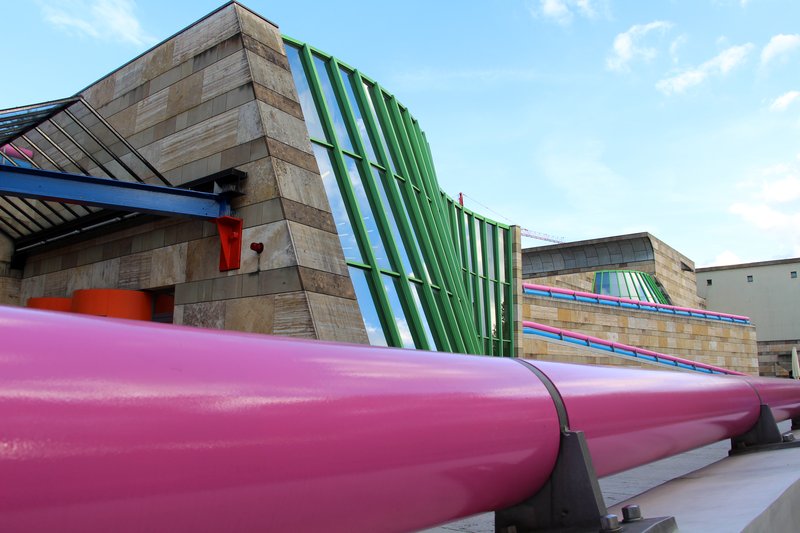
One of Germany's most loved art museums, paired with James Stirling's playful postmodern Neue Staatsgalerie of 1984. The collection runs from medieval altarpieces to Picasso, Monet and a famous trove of Oskar Schlemmer and modern masters.
Tuesday - Sunday 10:00am - 5:00pm
Closed Monday
2. Stadtbibliothek Stuttgart~45 min
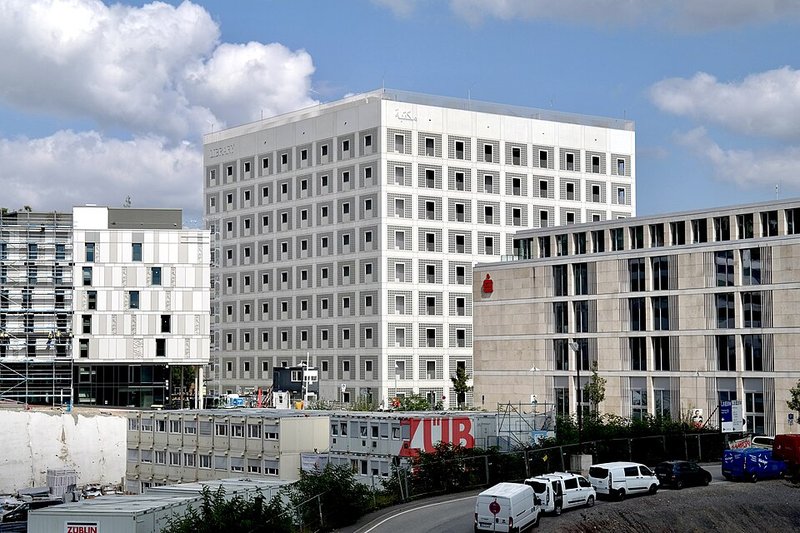
A monolithic glass-and-concrete cube of 2011 by Korean architect Eun Young Yi, its nine above-ground floors wrapped in a grid of glass-block windows that glow deep blue after dark. Inside, the five-storey “Herz” atrium — German for “heart” — rises in bare concrete and white light to a mirrored ceiling.
3. Bohnenviertel~1 hr 30 min
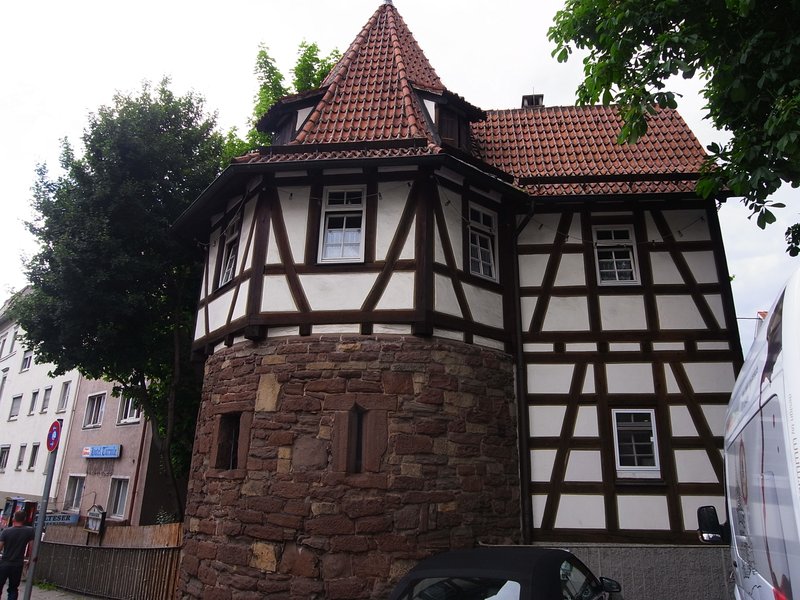
Stuttgart's only surviving fragment of the historic old town, laid out in the 14th century for craftsmen, wine growers and tradespeople too poor to afford the masonry districts — hence the name, from the beans they grew to eat. Cobbled lanes of half-timbered houses now hold wine taverns, galleries and antique shops, anchored by the round 1564 Schellenturm watchtower at the quarter's edge.
Open 24/7
4. Linden Museum~1 hr 30 min
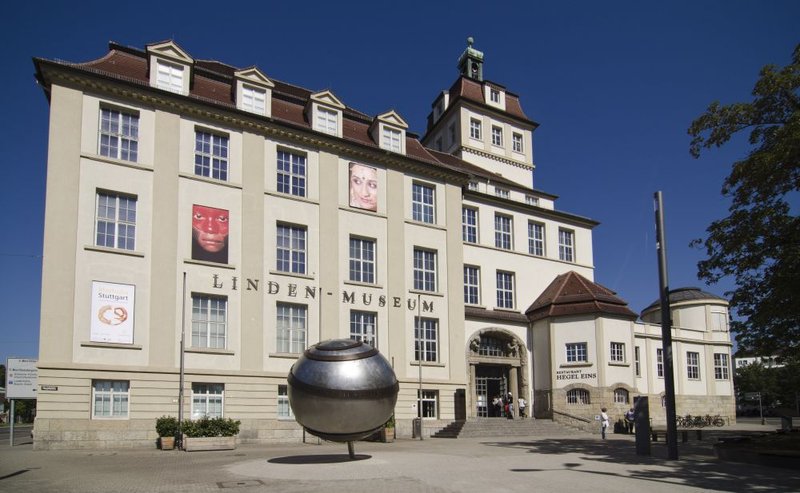
One of Europe's major ethnological museums, founded in 1882 in a purpose-built 1911 rotunda. Six permanent galleries cover Africa, the Islamic world, South and Southeast Asia, China and Japan, the Americas, and the Pacific — each presenting its culture from within, with objects spanning 5,000 years.
Day 2
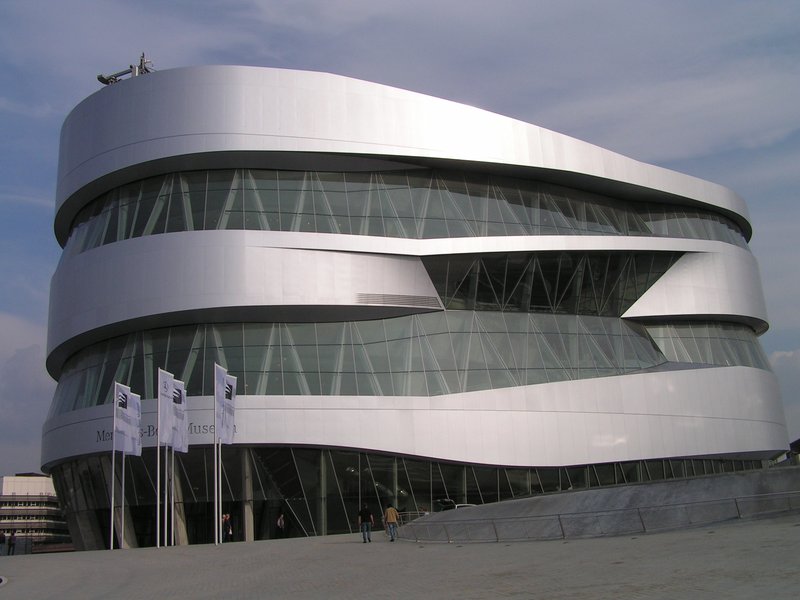
1. Mercedes-Benz Museum~2 hr
A spiralling double-helix building by UNStudio that walks you down through 135 years of the automobile — from Carl Benz's 1886 first car to Silver Arrow racers and the Popemobile. More than 160 vehicles across 16,500 square metres.
Tuesday - Sunday 9:00am - 6:00pm
Closed Monday
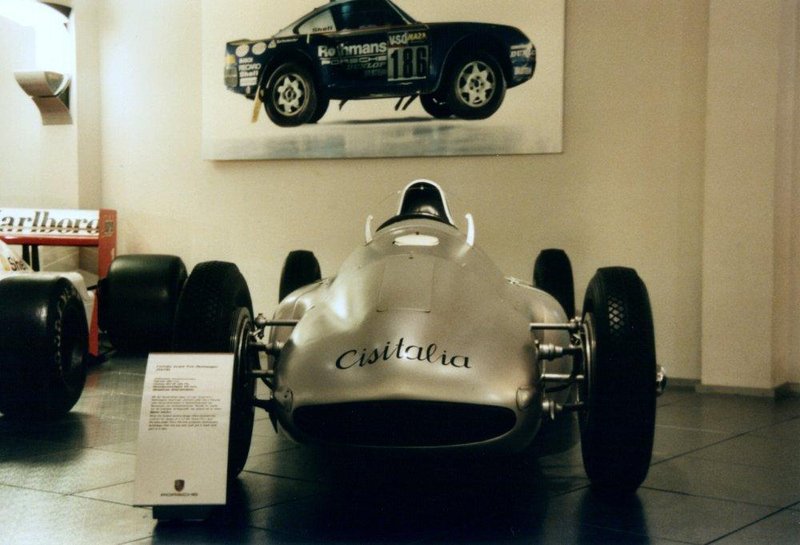
2. Porsche Museum~1 hr 30 min
A gleaming white monolith by Delugan Meissl that floats above three columns at the Porsche works in Zuffenhausen. Dozens of cars rotate through the hall — the 356, the 917 Le Mans winners, and the 911 in every generation.
Tuesday - Sunday 9:00am - 6:00pm
Closed Monday
Day 3
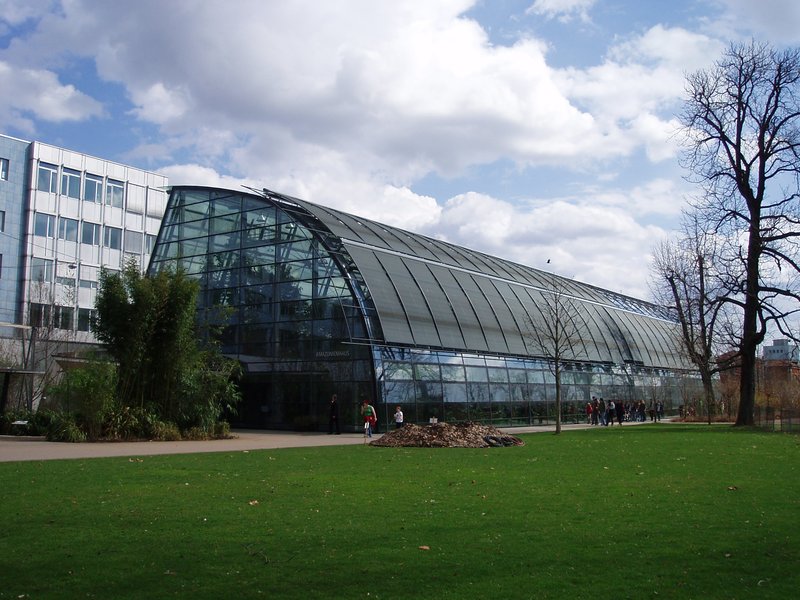
1. Wilhelma~1 hr 30 min
Germany's only combined zoological and botanical garden, created from 1842 as a private Moorish pleasure garden for King Wilhelm I, now open to the public across 30 hectares. Original Moorish buildings by Karl Ludwig Zanth survive amid 8,500 plant species and 11,000 animals of 1,200 species.
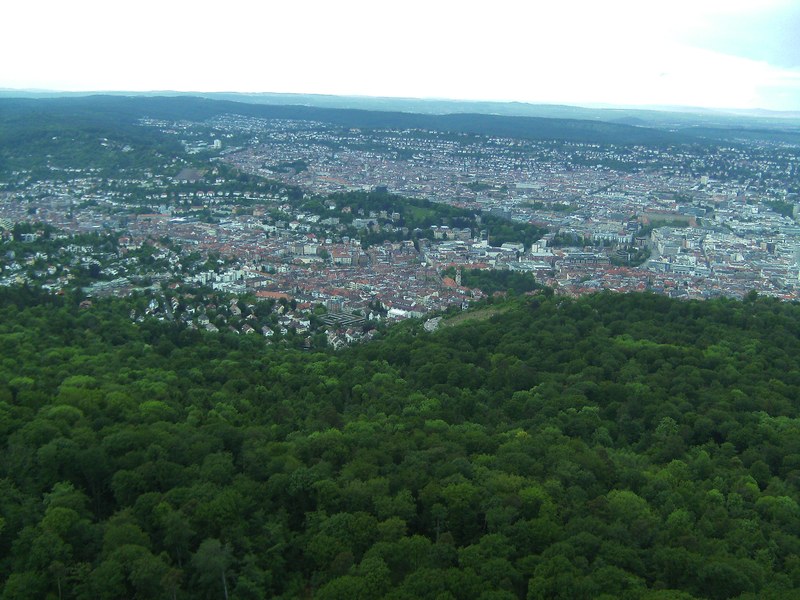
2. Fernsehturm Stuttgart~1 hr
The world's first reinforced-concrete television tower, opened in 1956 and the model for TV towers everywhere since. Two observation decks and a café at 150 metres look out over the city bowl, the vineyards and the Swabian hills.
Daily 10:00am - 10:00pm
3. Grabkapelle Rotenberg~45 min
A neo-classical royal mausoleum on a steep vineyard hill above the Neckar, built by King Wilhelm I of Württemberg in 1820 to house the heart of his wife Catherine, daughter of Tsar Paul I of Russia. The domed sandstone chapel stands where a medieval castle once rose, with panoramic views over the Neckar valley.
Tuesday - Sunday 10:00am - 5:00pm
Closed Monday
10 min uphill
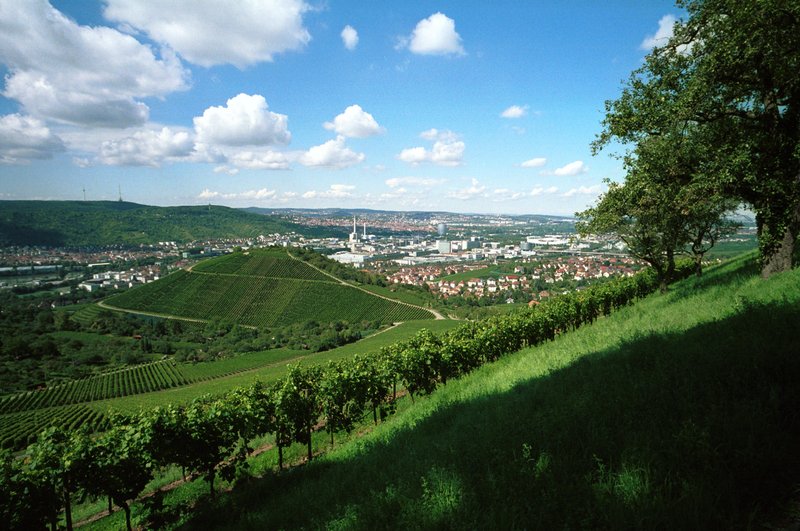
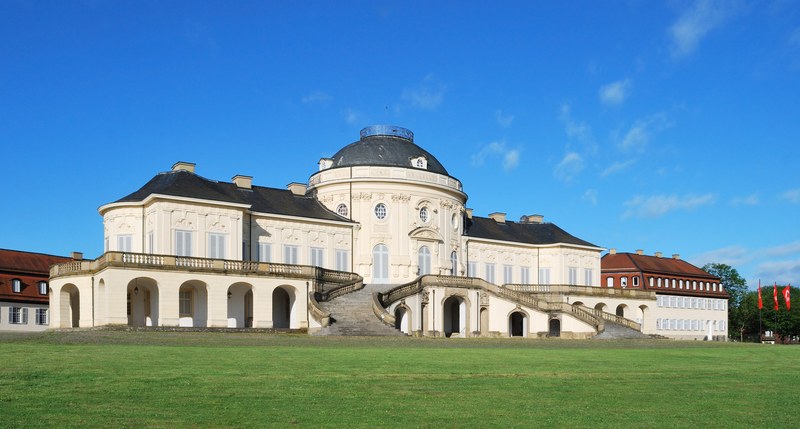
4. Schloss Solitude~1 hr
A gleaming white Rococo palace built by Duke Carl Eugen of Württemberg between 1763 and 1769 on a forested ridge. Its oval grand salon and intimate side wings are among the purest examples of South German late Baroque court architecture, with a linden allée stretching back toward the Ludwigsburg road.
Day 4
1. Schillerplatz~30 min
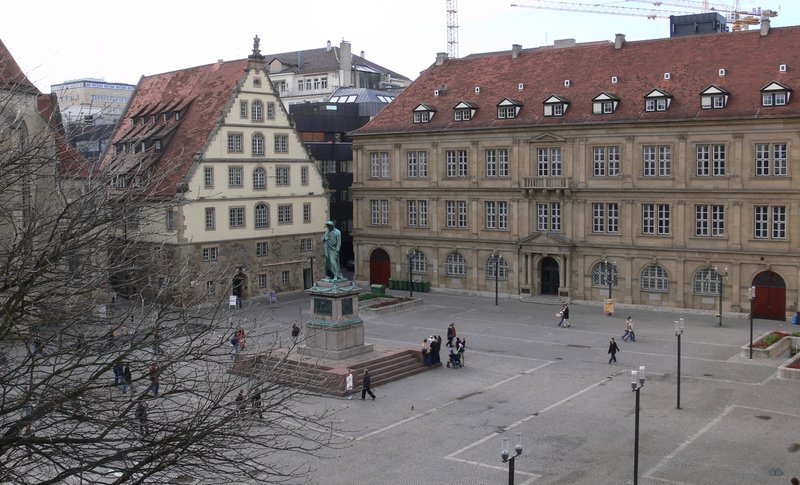
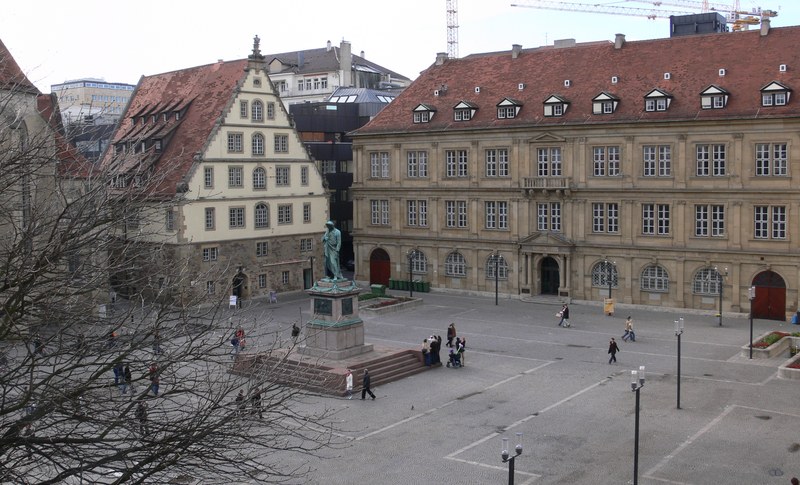
A cobbled square named for the poet Friedrich Schiller, whose 1839 bronze monument by Bertel Thorvaldsen stands at its centre. The Renaissance Altes Schloss, the gabled 1428 Fruchtkasten granary and the Alte Kanzlei enclose the space, a twice-weekly market square that becomes the heart of Stuttgart's Christmas market each winter.
Open 24/7
2. Stiftskirche~30 min
Stuttgart's main Protestant church, a Gothic landmark with two mismatched towers rising over Schillerplatz. Inside stands a celebrated Renaissance row of carved stone statues of the Counts of Württemberg, rebuilt after wartime damage.
3. Landesmuseum Württemberg~1 hr 30 min
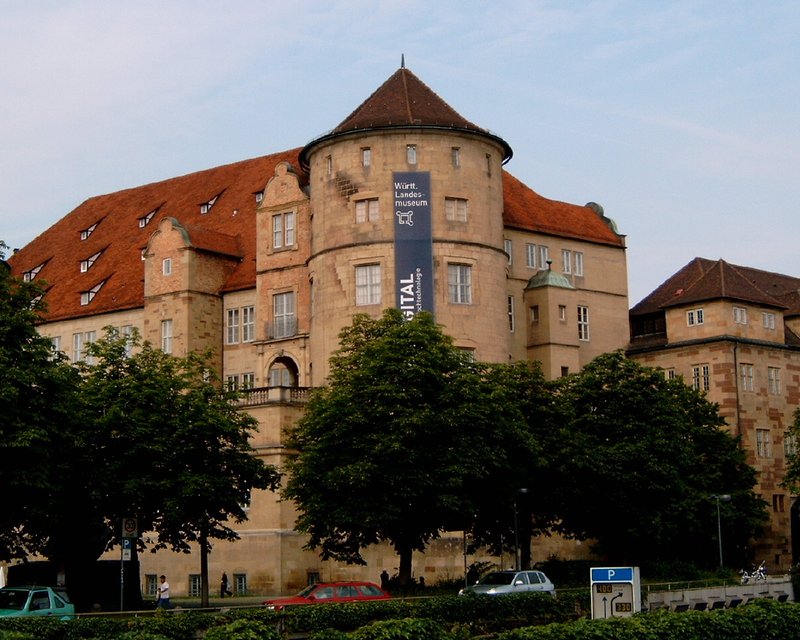
The moated Renaissance Old Castle, with a three-tiered arcaded courtyard that is one of Germany's finest. Inside, the Landesmuseum Württemberg traces the region from the Celts and Romans to the crown jewels of the Württemberg dukes.
Tuesday - Sunday 10:00am - 5:00pm
Closed Monday
4. Schlossplatz~45 min
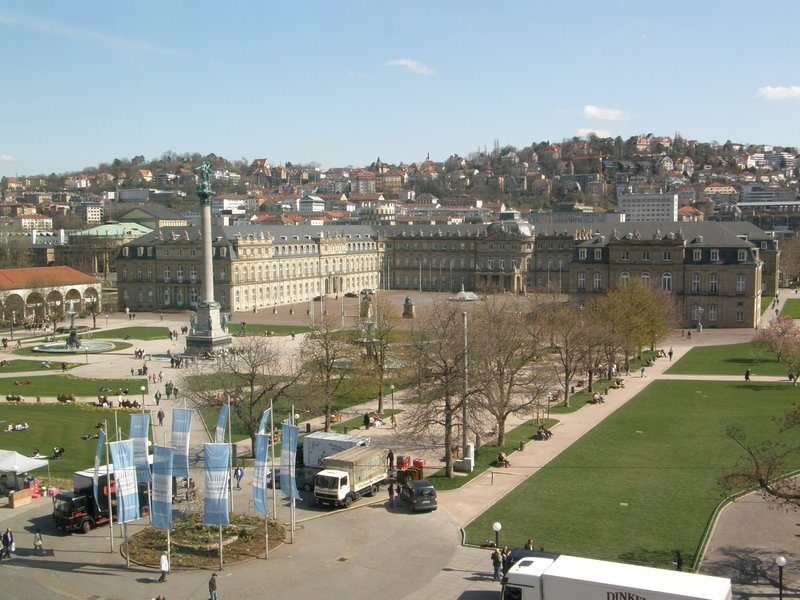
Stuttgart's grand central square, framed by the horseshoe-shaped Baroque Neues Schloss that Duke Carl Eugen built to rival Versailles. Manicured lawns, fountains and the 30-metre Jubilee Column make it the city's open-air living room.
Open 24/7
5. Stadtmuseum Stuttgart~1 hr
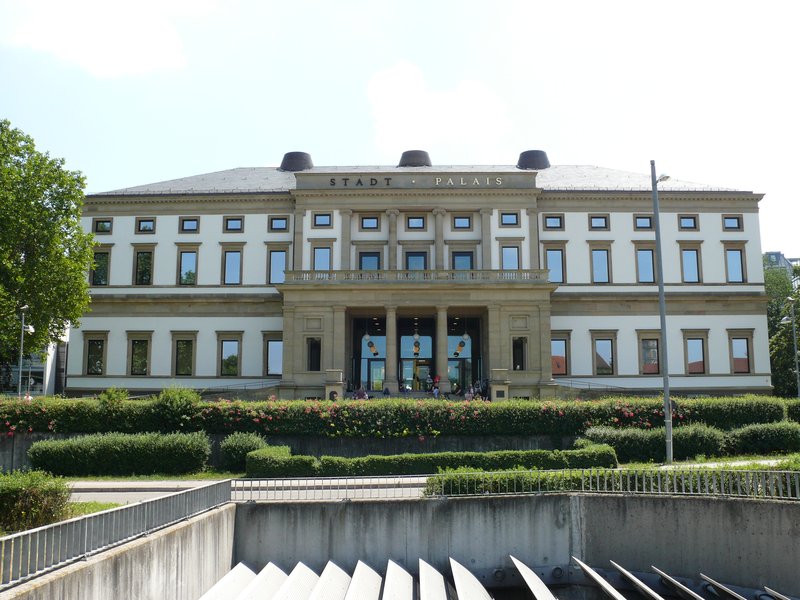
Stuttgart's city-history museum, opened in 2018 inside the Wilhelmspalais — the Neoclassical former residence of Württemberg's last king, Wilhelm II. Permanent galleries trace “Stuttgarter Stadtgeschichten,” the city's growth from a stud farm and royal seat into an industrial and automotive capital.
Day 5
1. Killesbergturm~45 min
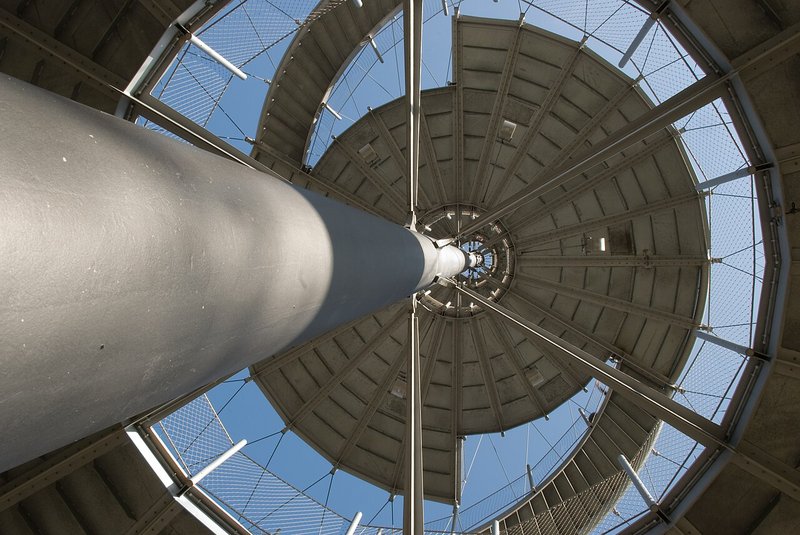
A 40-metre lattice steel tower of 2001 in Killesberg Park, its cable-net spiral staircase winding up through four open platforms to a panorama over the vineyards and rooftops of northern Stuttgart. Engineers Schlaich Bergermann und Partner won several design awards for the tower's tensile-structure engineering.
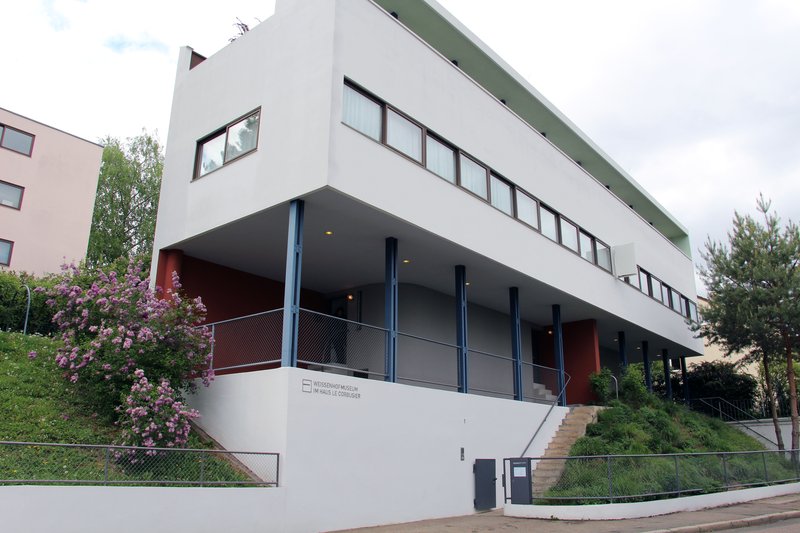
2. Weissenhofmuseum~1 hr
A 1927 semi-detached house by Le Corbusier and Pierre Jeanneret, built for the Deutscher Werkbund's showcase of modern housing and inscribed on the UNESCO World Heritage list in 2016 alongside sixteen other Le Corbusier works. The white cubic house demonstrates his Five Points of Architecture — pilotis, a ribbon window, a free facade — and now holds a museum on the estate's history.
Tuesday - Friday 11:00am - 6:00pm · Saturday 10:00am - 6:00pm
Closed Sunday & Monday
3. Kursaal Bad Cannstatt~45 min
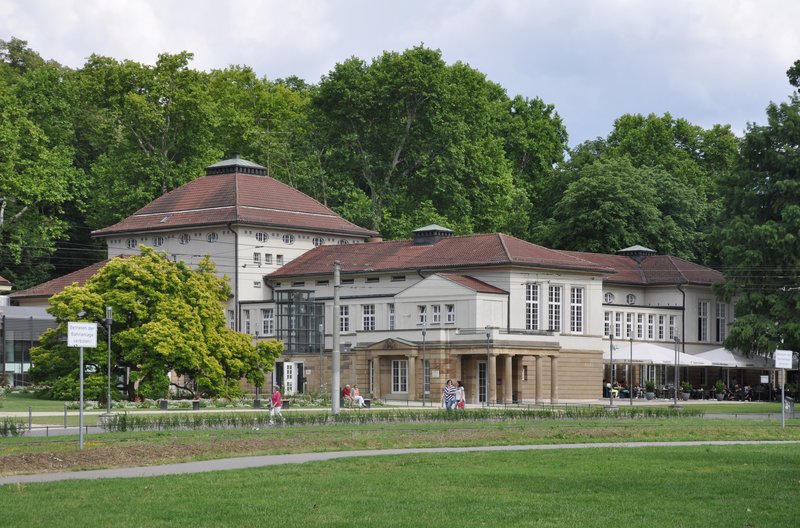
A Neoclassical spa hall built from 1825 to 1841 above the Gottlieb Daimler mineral spring, once a royal bathing establishment fed by Europe's second-largest mineral-water output after Budapest. Its fountain courtyard and colonnaded facade sit inside the Kurpark, a riverside garden laid out for the drinking-cure visitors who came here for two centuries.
Open 24/7
Weekly Closures
Museums · Closed Monday
Weinstuben · Closed Sunday
Tours
Viator
A two-hour walk through the centre with sharp, funny local guides — Schlossplatz, the palaces, Schillerplatz and the city's quieter corners, with history and odd facts along the way. English departures run Saturday and Sunday mornings.
2 hr · Small group
A 60-minute small-group introduction to Stuttgart with a local guide — Schlossplatz, the Old Castle, Schillerplatz and the city's market squares — moving quickly through the highlights with insider commentary.
1 hr · max 8
GetYourGuide
A 1-hour guided walk through Stuttgart's grandest spaces — the New Palace, the palace gardens, Schlossplatz and the art-museum facade — with a knowledgeable guide covering the city's Württemberg history and architecture.
1 hr · Small group
A 2-hour small-group tour with a local starting at the Kreuser'sche Apotheke — Schlossplatz, the New Palace, hidden courtyards and local food tastings, with maximum 8 participants for an intimate experience.
2 hr · max 8
A 2.5-hour shared wine tour through Stuttgart's Rotenberg vineyard district with VDP-certified winemakers Wöhrwag and Aldinger — three wines, a Swabian snack, and panoramic views over the Neckar Valley and the Grabkapelle chapel.
2 hr 30 min · Small group
A 2-hour guided hike through Stuttgart's scenic vineyard trails above the Neckar valley — two wine tastings at hilltop viewpoints, with a guide who explains the Württemberg wine region's varieties and history.
2 hr · Small group
TripAdvisor
Travellers' Choice — a 2-hour tip-based walking tour with local guides who are funny, knowledgeable and opinionated: Schlossplatz, the palace gardens, Schillerplatz and Stuttgart's hidden streets, with yellow-umbrella meet-up.
2 hr 10 min · max 20
A 1.5-hour self-guided smartphone audio tour of Stuttgart's Old Castle and surrounding historic squares — available in 7 languages, with interactive questions and local stories unlocking as you walk from point to point.
1 hr 30 min · Any size
A half-day guided tour of Stuttgart's main city highlights — Schlossplatz, the palace gardens, Schillerplatz, the covered market and the viewpoints above the Neckar Valley — with a local guide and small group format.
3 hr · Small group
A full-day small-group excursion combining two of Baden-Württemberg's great sights — the timber-framed villages of the Black Forest and Heidelberg's hilltop red-sandstone castle above the Neckar — with a local guide from Stuttgart.
10 hr · Small group
↔
Cappuccino
ConSafos · 4.6 · 294+ reviews
Wednesday - Sunday 12:00pm - 6:00pm
Closed Monday & Tuesday
Restaurants Near Hotel
Carls Brauhaus · 4.5 · 10473+ reviews
Lively Schlossplatz brewpub — Swabian plates, house beer and a big terrace.
Daily 11:00am - 11:00pm
Alte Kanzlei · 4.5 · 3630+ reviews
Swabian classics — Maultaschen and Zwiebelrostbraten — on Schillerplatz.
Daily 9:00am - 11:00pm
Downtown Restaurants
Weinstube Kachelofen · 4.5 · 2161+ reviews
Cosy old-town wine tavern for Swabian home cooking around a green-tiled stove.
Monday - Saturday 12:00pm - 12:00am
Closed Sunday
Dining Areas
Bohnenviertel
Local Tastes
Maultaschen
Swabia's signature filled pasta pockets — pork, spinach and herbs in a thin dough — eaten in broth, pan-fried, or geschmelzt with onions. Said to have been invented to hide meat during Lent.
Kässpätzle
Soft hand-scraped egg noodles layered with mountain cheese and crisp fried onions — the Swabian comfort dish, found on every traditional menu in the city.
Trollinger
Württemberg's easy-drinking light red, grown on the steep terraced vineyards that ring Stuttgart itself. Locally it is the everyday Viertele poured by the quarter-litre in the city's wine taverns.
Food Delivery
Uber Eats
Foreign number: accepted. — it runs on the same Uber account as the ride app, so no second code has to arrive.
Wide restaurant coverage across Stuttgart's Mitte, Bad Cannstatt and Vaihingen; strong on international cuisine and fast-casual options alongside German classics. Reliable for city-centre hotel delivery within 25–35 minutes.
Lieferando
Foreign number: accepted. — no SMS code is sent; sign-in is by email and the number is used only for delivery updates.
Germany's largest delivery aggregator · a Just Eat Takeaway company · with the broadest restaurant selection in Stuttgart; covers local Swabian restaurants, pizzerias, kebab spots and Asian cuisine across all districts. The go-to platform for local neighbourhood variety beyond the city centre.
Wolt
Foreign number: not required. — sign-up runs on Google, Apple, Facebook or email with no phone field at all, so no verification code is sent.
Helsinki-founded platform with a curated restaurant selection across Stuttgart's inner districts; tends toward higher-rated local spots and quality grocery delivery. Useful for Schlossgarten and Königstraße-area delivery when Lieferando coverage thins.
Shows, Performances & Concerts
Staatstheater Stuttgart — Opera & Ballet
Home of the world-renowned Stuttgart Ballet and the State Opera, in the Littmann opera house on the Schlossgarten.
Getting Around
Uber
Foreign number: accepted. — the code comes by SMS to any international number, and "Call me with code" reads it out if the SMS is blocked.
Widely available ride-hailing option across Stuttgart with upfront fares confirmed before booking; covers Mitte, Bad Cannstatt, Degerloch and the museum quarter. A practical supplement to the U-Bahn network for late-night trips or early-morning connections to the main station.
Free Now
Foreign number: accepted. — any mobile number that can receive an SMS code works; the code arrives on a foreign carrier.
Ireland-founded taxi-booking platform connecting riders with licensed Stuttgart taxi drivers; all vehicles operate at official metered rates with no surge pricing. Useful for short hops between Schlossplatz, the Mercedes-Benz Museum and Cannstatter Wasen when taxis are preferred over ride-hailing.
Train Stations Near Hotel
Stuttgart Hauptbahnhof
ICE & S-Bahn → Munich · Frankfurt · Zürich · Paris · regional lines across Baden-Württemberg.
Day Trips by Train
Ludwigsburg · 15 min
The Versailles of Swabia — one of Europe's largest surviving Baroque palaces, 452 rooms and the vast Blühendes Barock gardens. A 15-minute S-Bahn ride to the heart of town.
book at: Deutsche Bahn or Omio
Esslingen am Neckar · 15 min
A medieval town of 200-plus half-timbered houses, cobbled lanes and Germany's oldest sparkling-wine cellar, nicknamed Little Venice for its canals. Fifteen minutes by S-Bahn line S1.
book at: Deutsche Bahn or Omio
Tübingen · 45 min
A postcard university town on the Neckar — punts gliding past pastel houses, a hilltop Renaissance castle and one of Germany's prettiest old towns. A 45-minute regional train ride.
book at: Deutsche Bahn or Omio
Heidelberg · 45 min
Germany's most-visited town after Munich — a ruined red-sandstone castle looming above the old town, a Baroque Marktplatz, and the country's oldest university founded in 1386. Direct ICE trains run in under 45 minutes.
book at: Deutsche Bahn or Omio
Baden-Baden · 1h
Europe's grand thermal spa town — the Roman Caracalla Baths, the Belle Époque Kurhaus casino, and 18th-century colonnades set in the Black Forest foothills. Direct regional trains run hourly on the Mannheim–Basel mainline.
book at: Deutsche Bahn or Omio
Michelin Restaurants
Speisemeisterei
Refined, produce-driven modern cuisine in the Kavaliersbau of Schloss Hohenheim.
5
Seasonal modern tasting menus in Stuttgart's first-ever railway station.
Heads Up
City Museums — Closed Mondays
The Mercedes-Benz and Porsche museums, the Staatsgalerie and the Landesmuseum all close on Mondays — a Monday museum day leaves you locked out.
Hiking
Blaustrümpflerweg · Moderate
Signed hill-and-forest circuit from Marienplatz through Karlshöhe and Degerloch.
7.5 km loop · 250 m ascent
2 hr 30 min
Rote-Socken-Weg · Moderate
Waymarked circuit via Wernhalde landscape park and panoramic viewpoints.
7 km loop · 220 m ascent
2 hr 15 min
Worth Knowing
Notes from the Motor City
Stuttgart sits inside a steep green bowl locals call the Kessel — the kettle — and it is the only big German city ringed by working vineyards that climb right to the edge of downtown. The slopes you spot from the Fernsehturm are still planted with Trollinger, and the Viertele of red poured in the old wine taverns comes from grapes grown within sight of the office towers.
It is also, quite literally, where the car was invented — Gottlieb Daimler and Carl Benz both built their first vehicles here. That is why the two museums on Day 2 read less like corporate showrooms and more like the city's origin story; the double-helix Mercedes building even spirals like the twin strands of a history it is still writing.
Also on this site
Nearby Guides