From Hotel: 23 min · 11 min → Swiss National Museum
1.Swiss National Museum~2 hr
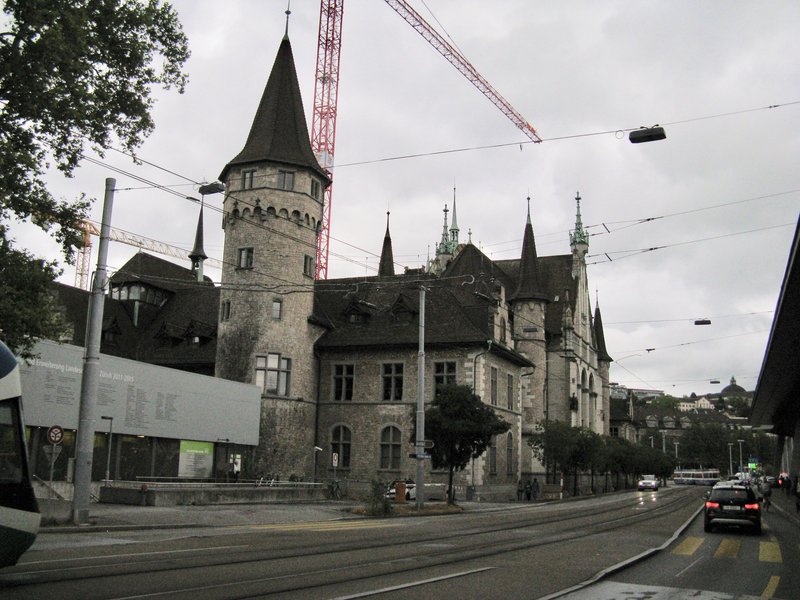
The largest historical museum in Switzerland occupies a neo-Gothic castle directly beside the main train station. Six permanent exhibitions trace Swiss history from the Stone Age to the present — arms collections, medieval artifacts, decorative arts, and the full sweep of Swiss cultural identity.
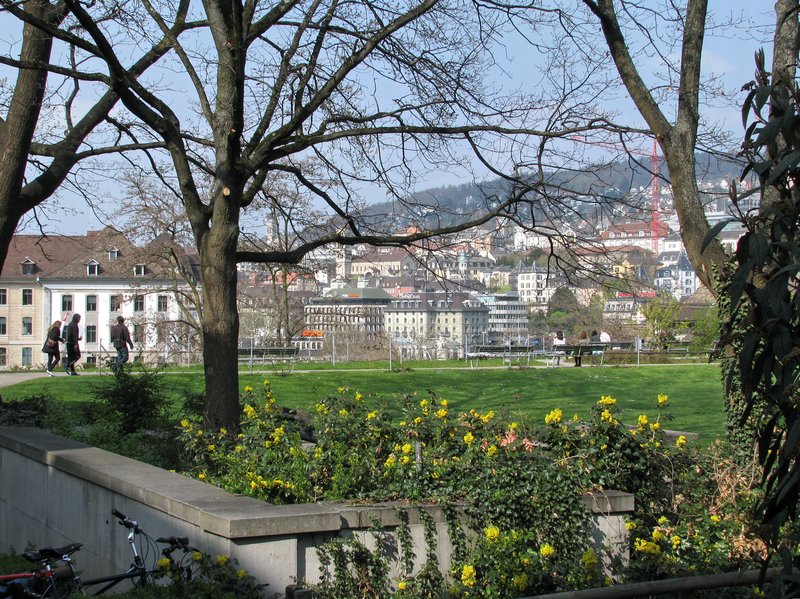
A hilltop square with nearly 2,000 years of history — a Roman fort stood here in 15 BC, a Carolingian imperial palace followed in the 9th century. Today a tranquil park where locals play chess under linden trees, with a wide view over the Limmat and the Grossmünster.
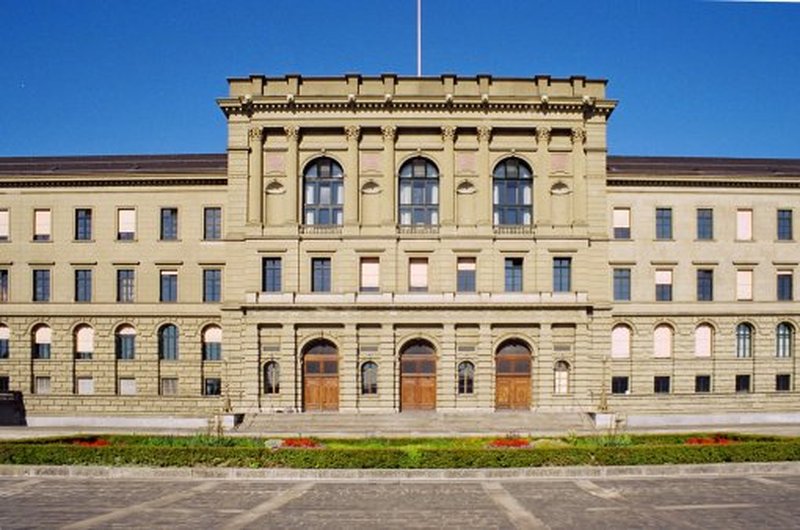
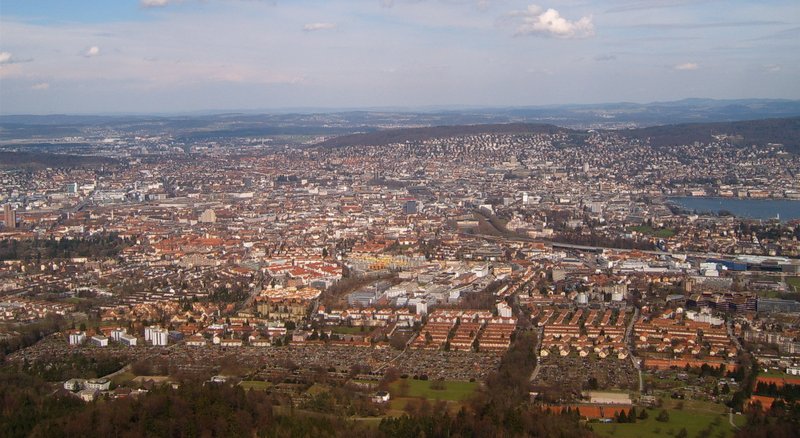
The stone terrace of ETH Zürich's main building sits on a wooded hill above the Kunsthaus and delivers Zurich's finest free panorama — the full span of the Old Town below, Lake Zurich stretching south, and the Alps as a white backdrop on clear days.
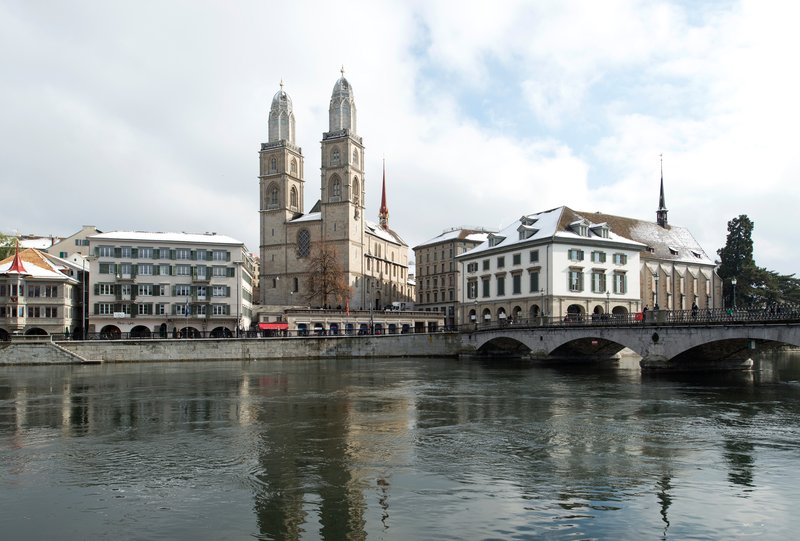
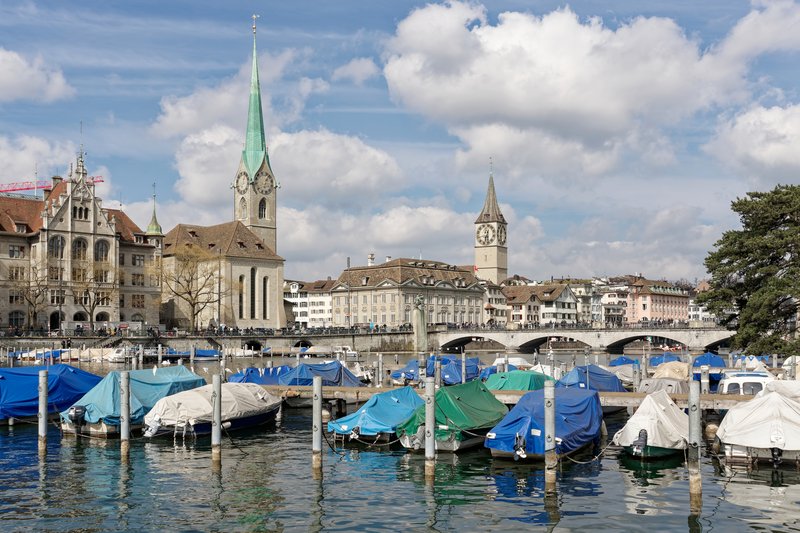
Zurich's defining landmark — a Romanesque twin-towered cathedral that anchors the east bank of the Limmat and gave birth to the Swiss Reformation under Ulrich Zwingli. Climb the Karlsturm for one of the best 360° views over the old city, the river, and on clear days the Alps.
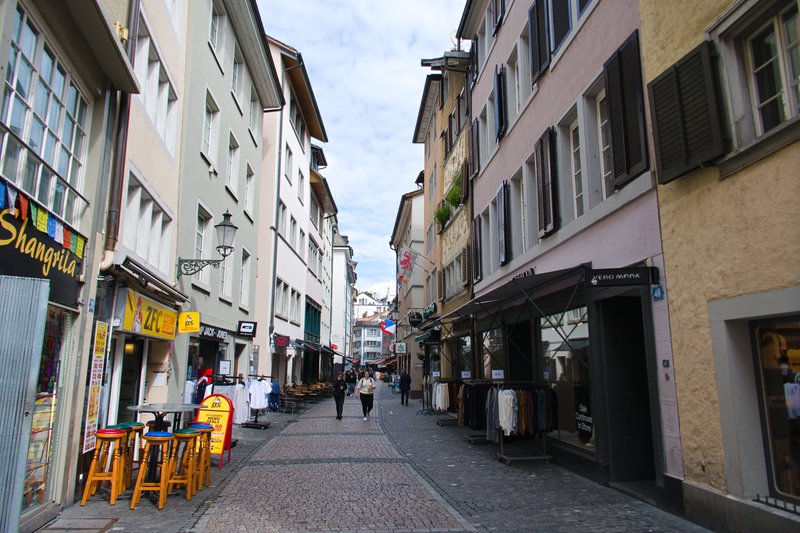
The medieval quarter north of the Limmat — pedestrianized alleys, guild houses, and open-front cafés that have been the social heart of Zurich's Old Town for centuries. Walk Niederdorfstrasse in the late afternoon when the terraces fill up with wine bars, bakeries, and neighbourhood bars.
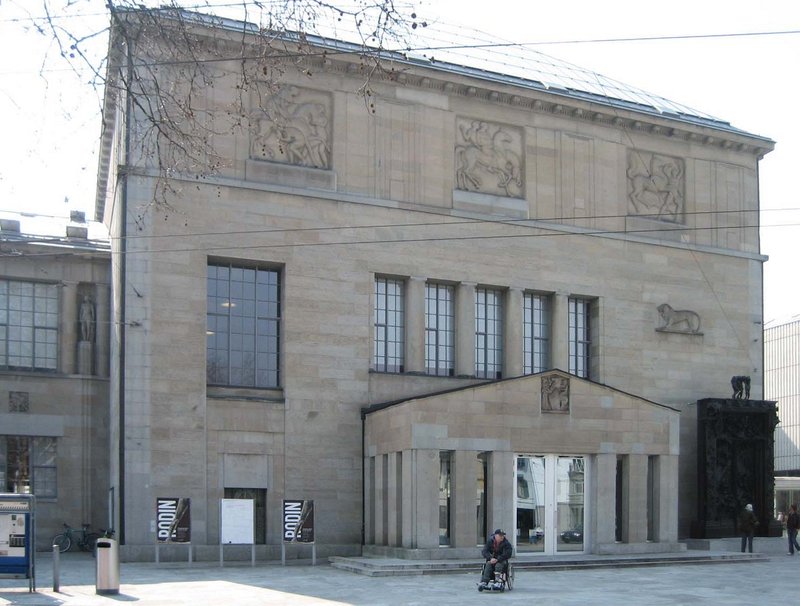
Switzerland's largest art museum and one of the finest in Central Europe — Monet, Van Gogh, Picasso, Giacometti — the largest collection anywhere, and a major modern wing that doubled the gallery space. Budget at least two hours; plan around the Giacometti Foundation rooms, which are without equal.
A 9th-century convent church transformed into one of Europe's most extraordinary stained-glass interiors. Marc Chagall designed five towering chancel windows — each 10 metres high, each a different dominant color, depicting a Biblical narrative in luminous jewel tones.
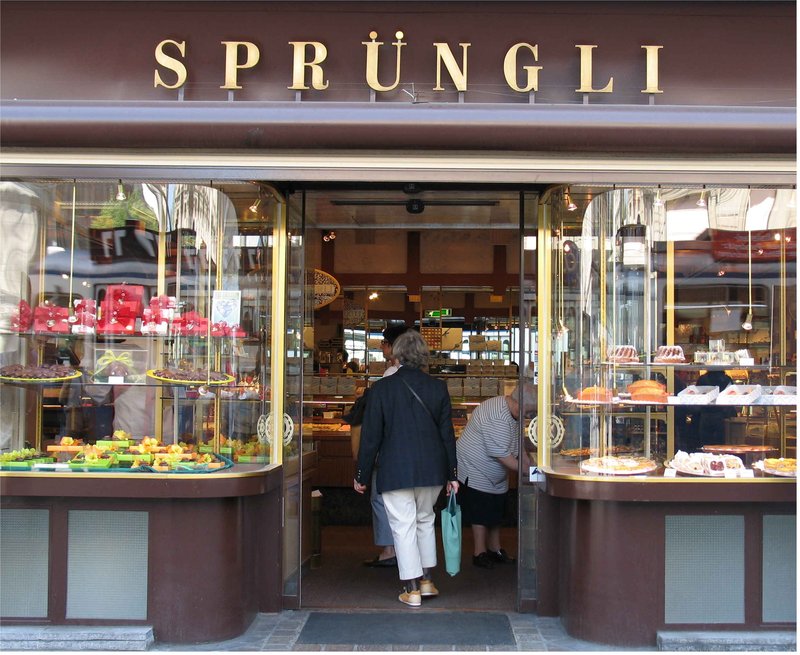
The most famous address in Swiss confectionery — founded at Paradeplatz, still in the same family, still making Luxemburgerli fresh each morning. The upstairs café is a Zurich institution: marble tables, pastry trolleys, and a ringside view over the city's financial heart.
The Zürichsee-Schifffahrtsgesellschaft has operated steamships and motor vessels on Lake Zurich. The long round-trip to Rapperswil passes vineyard slopes, orchard villages, and opens wide Alpine views on clear days.
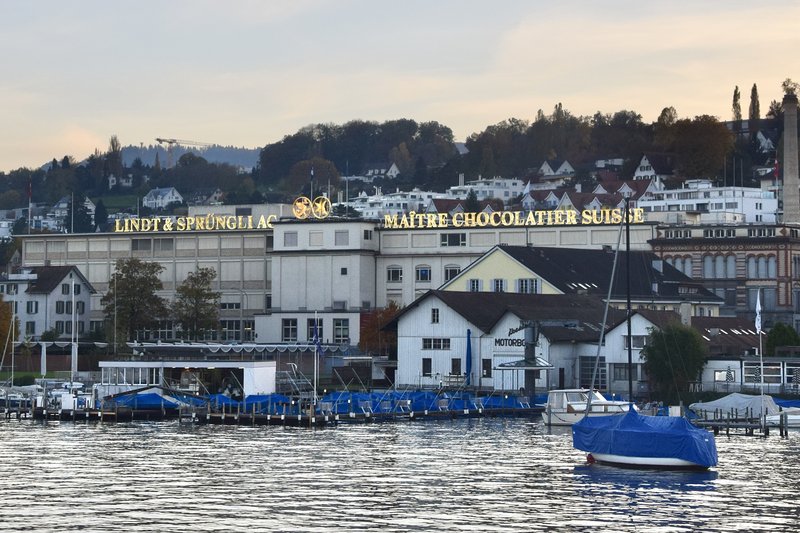
A genuinely immersive chocolate museum anchored by the world's largest Lindt chocolate fountain — a nine-metre flowing tower of couverture that greets you at the door. The museum traces 175 years of Swiss chocolate-making with interactive exhibits, tasting stations, and the largest Lindt shop on the planet.
The endpoint of the Planet Trail — a 7.5 km ridge walk from Uetliberg that passes scale models of the solar system in the forest path. Felsenegg at 805 metres has its own panoramic restaurant terrace and is the top station of the Luftseilbahn Adliswil–Felsenegg cable car, which drops to Adliswil in five minutes.
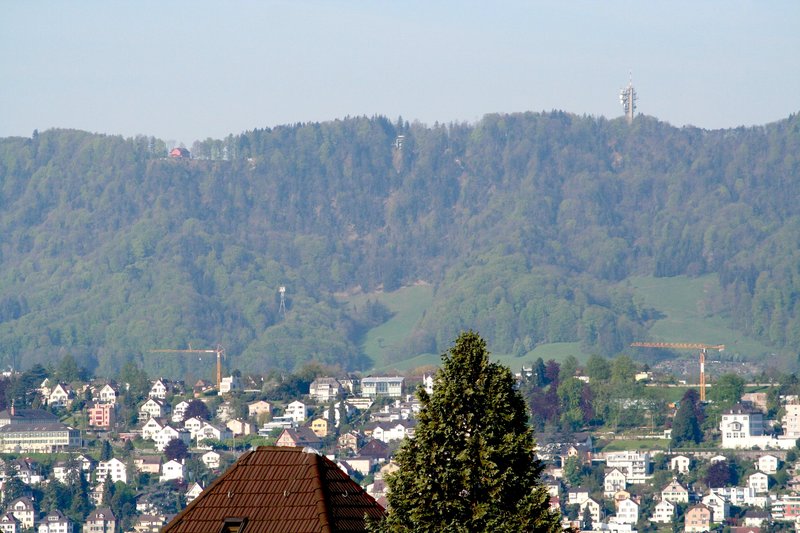
Zurich's home mountain at 870 metres — reachable in 25 minutes on the S10 from Hauptbahnhof. A viewing tower at the summit delivers a panorama spanning the full length of Lake Zurich, the city grid below, and on clear mornings the entire Alpine chain from Säntis to the Bernese Oberland.
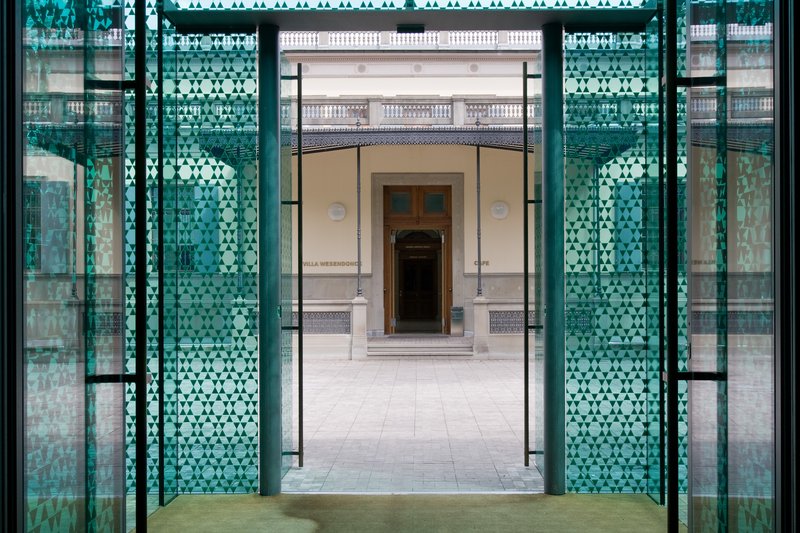
One of Europe's finest non-European art museums, housed in the 19th-century Villa Wesendonck — where Wagner composed Tristan und Isolde — in Rieterpark. Collections span Asia, Africa, the Americas, and Oceania: Indian Chola bronzes, Chinese jade, Japanese Nō masks, and Yoruba bronzes.
From Hotel: 40 min · 13 min → University Botanical Garden
1.University Botanical Garden~1 hr 30 min
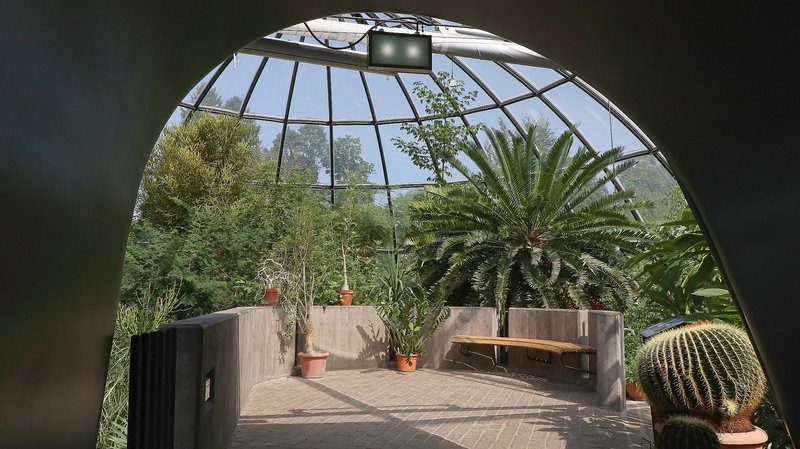
The University of Zurich's botanical garden on Zollikerstrasse holds more than 9,000 plant species across outdoor beds and three large climate-controlled glasshouses — tropical rainforest, succulent desert, and Victorian fern house.
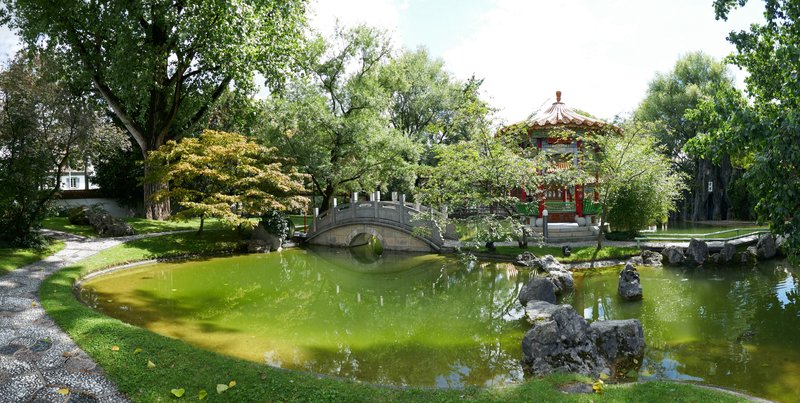
A gift from Zürich's partner city Kunming, this classical Chinese garden on the Zürichhorn lakefront is among the finest of its kind in Europe. Dragon-backed walls, lacquered pavilions, a koi pond, and a tea house sit within two enclosed acres — a complete tonal contrast to the Swiss city outside its gates.
ARRIVE Neuhausen am Rheinfall: 5 min · 2 min → Rhine Falls
1.Rhine Falls~1 hr 30 min
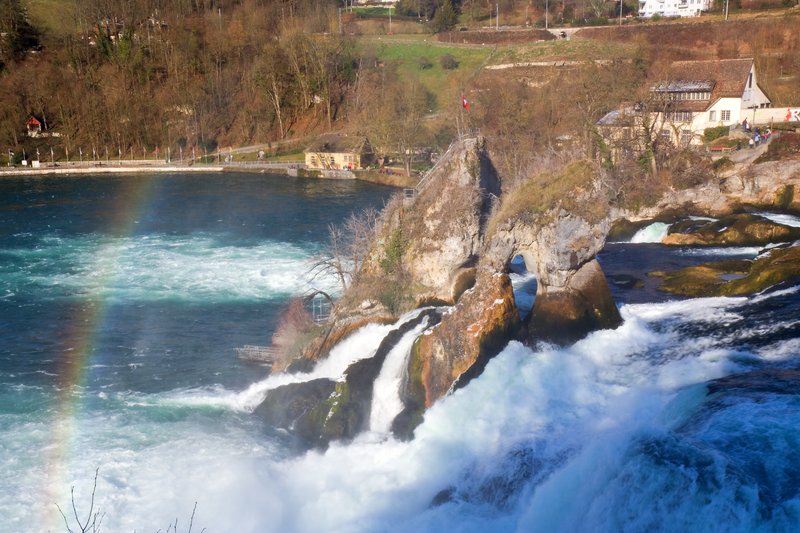
The most powerful waterfall in Europe — 150 metres wide, 23 metres high, with up to 600 cubic metres of water per second in summer. Walk the full network of viewing platforms on both banks; take the short boat ride to the central rock for a view straight up into the cascade.
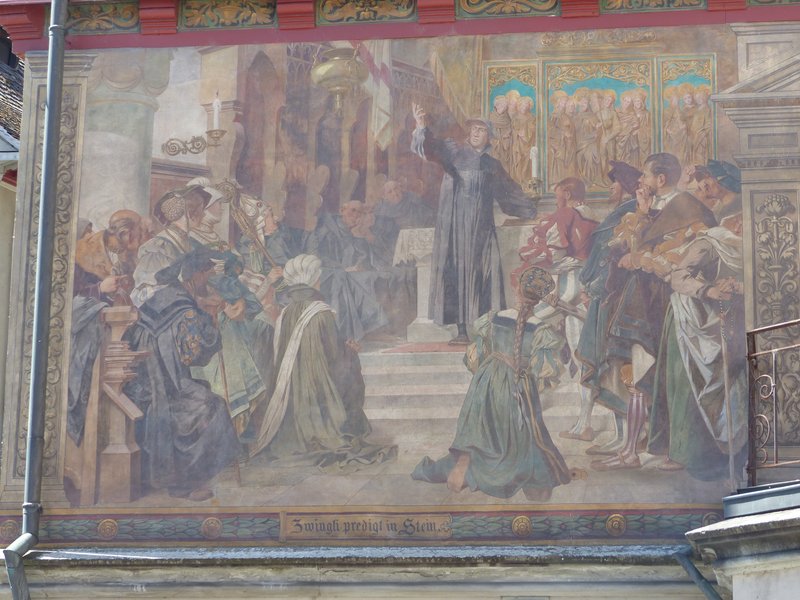
One of Switzerland's best-preserved medieval towns — the Rathausplatz is ringed by half-timbered houses whose entire façades are covered in painted murals depicting guild histories, biblical scenes, and heraldic ornaments. The cobblestoned square is unchanged since the 16th century.
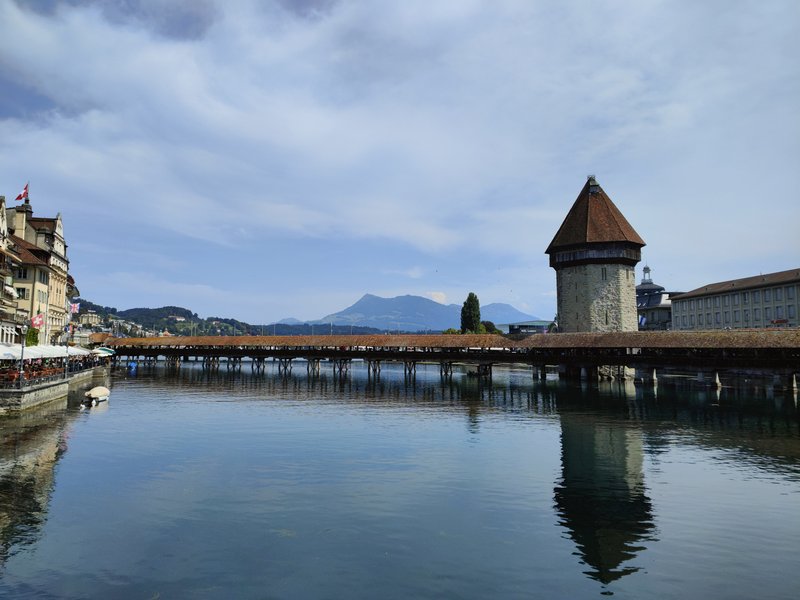
The Kapellbrücke is the most photographed bridge in Switzerland and the oldest surviving wooden covered bridge in Europe — still spanning the Reuss, decorated with 17th-century painted panels depicting Lucerne's history. Walk its full 204-metre length and look down into the clear green river.
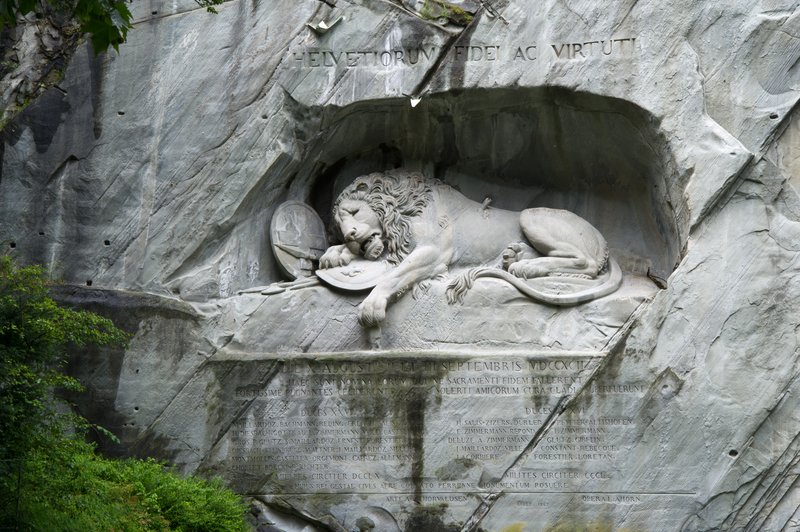
Carved directly from the sandstone cliff to a design by Bertel Thorvaldsen, the Löwendenkmal commemorates the 786 Swiss Guards who died defending the Tuileries. Mark Twain called it "the most mournful and moving piece of stone in the world."
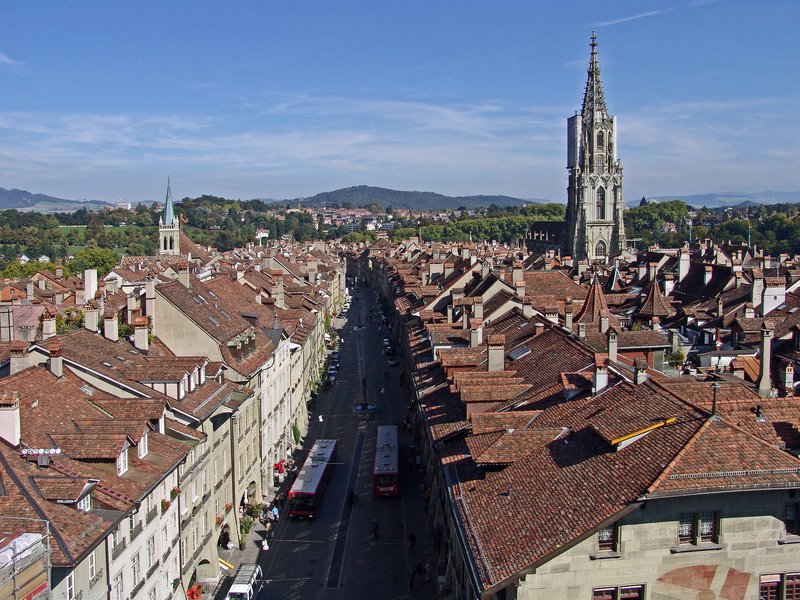
The UNESCO-listed medieval capital is defined by six kilometres of arcaded sandstone colonnades — the Lauben — that keep the city walkable in any weather. The Zytglogge clock tower, the Münster cathedral, the Bundeshaus, and the painted fountains of the Gerechtigkeitsgasse all fall within a short walk.
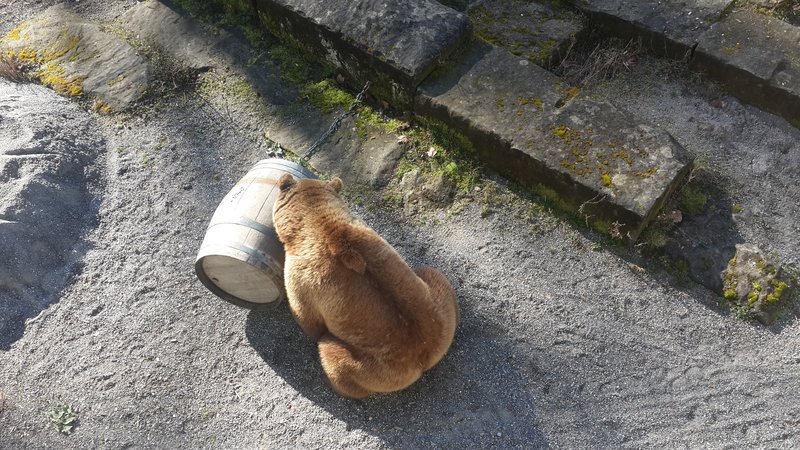
Berne takes its name from the bear and has kept live bears since the Middle Ages. The current Bärenpark — open below the Nydeggbrücke — gives four brown bears a forested hillside with a natural stream and an Aare bathing pool.
The Rosengarten sits on the ridge above the Old Town's Aare loop, and the panorama from its terrace is the classic Berne postcard — medieval rooftops and the Münster spire curving inside a broad river bend, the Bernese Alps beyond.
The town between two lakes — Thun and Brienz — with an unobstructed view of the Eiger, Mönch, and Jungfrau that stops you cold when you first see it. Walk the Höheweg promenade and find the framed three-peak view from the Kursaal gardens.
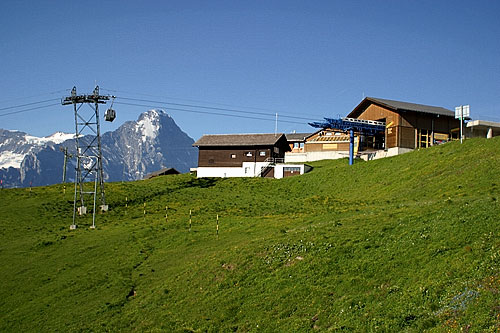
The gondola from Grindelwald village to First is a 25-minute ascent through increasingly vertiginous terrain, finishing with a direct facing view of the Eiger North Face. At the top: the First Cliff Walk, the First Flyer zipline, and easy trails to Bachalpsee lake with its mirror-image reflection of the Schreckhorn.
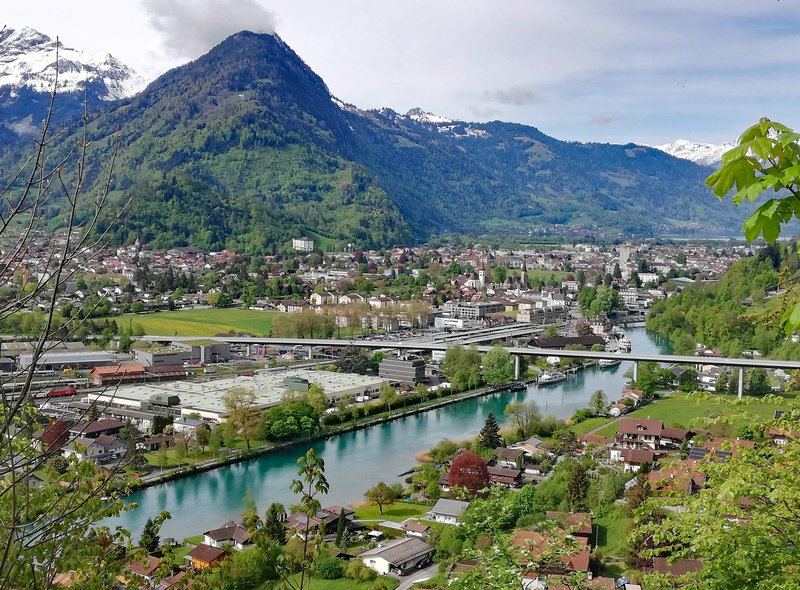
Full-day coach tour from Zurich through the Bernese Oberland to Interlaken, then gondola from Grindelwald and cogwheel train to the UNESCO-listed Jungfraujoch pass at 3,454 m — glaciers, Alpine peaks, and a snow plateau above the clouds.
Guided coach day trip over the Brünig Pass to Interlaken, then on to Grindelwald facing the Eiger North Face, finishing in Lauterbrunnen valley with its 72 waterfalls including the spectacular Staubbach Falls.
Old Town walk covering Grossmünster, Lindenhof, and hidden alleys with a local guide — includes a funicular ride to the ETH terrace for panoramic views over the city and lake, plus a Swiss chocolate tasting.
Half-day guided bus tour of Zurich's highlights followed by a 30-minute Lake Zurich cruise, then a guided tour of the Lindt Home of Chocolate museum with unlimited tasting at the world's largest chocolate fountain — Kilchberg.
Small-group walk with a Zurich local visiting the city's best chocolate boutiques — 13+ tastings of single-origin bars, ganaches and seasonal pralines, woven through Old Town history and the backstory of Swiss chocolate craftsmanship.
Old Town guided walk through hidden alleys and river views, a ferry across Lake Zurich, then a cable car ascent to a hilltop with panoramic city and Alpine views — three modes of transport and three distinct Zurich perspectives in one 6-hr outing.
Full-day guided trip from Zurich to the "Top of Europe" — coach through the Bernese Oberland, gondola up from Grindelwald, cogwheel train to Jungfraujoch at 3,454 m for glacier walks, snow terrace views, and the Sphinx Observatory lookout.
Full-day coach excursion from Zurich via Lucerne's Chapel Bridge to Mount Titlis at 3,020 m — the world's first rotating cable car, a glacier park, cliff walk, and panoramic deck over the Central Swiss Alps included in the day.
Coach trip from Zurich to Lucerne, lake cruise across to Alpnachstad, the world's steepest cogwheel railway to Pilatus Kulm at 2,132 m, then panorama gondola and cable car back to Kriens — a full Alpine round-trip loop with lake and mountain views.
Zurich's signature dish — thinly sliced veal with mushrooms in a cream-white wine sauce served on crisp rösti. Invented in Zurich and only truly found here.
Sprüngli's proprietary bite-sized macaron — lighter than the French original, with Swiss cream fillings in 20+ flavors. Made fresh daily; never exported.
Melted Gruyère swirled with wine and kirsch served with bread and potatoes; or raclette scraped over new potatoes and gherkins. Both served year-round.
Switzerland exports almost no wine — the finest bottles stay home. Chasselas is the white: dry and mineral. Valais Pinot Noir is the red worth knowing.
Foreign number: accepted — the same Uber account works globally.
Uber Eats covers Zurich's central districts and the main neighbourhoods around the lake; the same global Uber account you may already have works without modification and orders can be paid through the app.
Foreign number: not required. — the account is made with Google, Facebook or an email address — there is no phone field, so no code has to arrive.
Just Eat Switzerland has strong coverage across Zurich with a wide range of local restaurants; an international account and credit card work at checkout without a local phone number.
Foreign number: accepted — an existing Uber account works without modification.
Uber operates across Zurich and is a reliable option for getting between the city centre, Zürich HB, and the outer neighbourhoods; an international Uber account works without modification and rides can be paid through the app.
The "City of Roses" on the southern shore of Lake Zurich — a medieval castle above rose gardens, a compact hilltop old town, and lakefront cafés. Easy half-day.
Chapel Bridge, the Lion Monument, and the Museggmauer medieval walls. Cable cars to Pilatus or Mount Rigi for Alpine panoramas. Trains every 30 minutes.
Europe's most powerful waterfall at Neuhausen am Rheinfall — boat ride to the central rock — then 20 minutes by S9 to Stein am Rhein, one of the finest medieval towns in Central Europe.
UNESCO-listed capital with six kilometres of arcaded walkways, the Zytglogge astronomical clock, the Bear Park, and the Rose Garden panorama above the old town.
Home of the UNESCO-listed Abbey District — the Cathedral and the Stiftsbibliothek Abbey Library, one of the world's oldest libraries with a Baroque interior.
Zürich confounds first expectations. You arrive primed for a stiff, expensive banking city and instead find a place that has spent decades turning itself into one of the most liveable, most beautiful small cities in Europe. The lake is cleaner than a swimming pool. The trams run to the second. The old town is genuinely medieval. And then you turn a corner into a Chagall interior, or ride a century-old funicular up to a university terrace with the Alps spread out in front of you, and the city reveals itself properly.
The best version of Zürich is slow Zürich — the version you get when you stop trying to tick it off. Sit at a Niederdorf terrace at 6pm when the after-work crowd fills the square. Take the S10 on a weekday morning when the mist is still on the mountain and you have the Uetliberg tower almost to yourself. Find the table by the window at Zeughauskeller on a Tuesday night. The city rewards those who stay long enough to let it breathe.