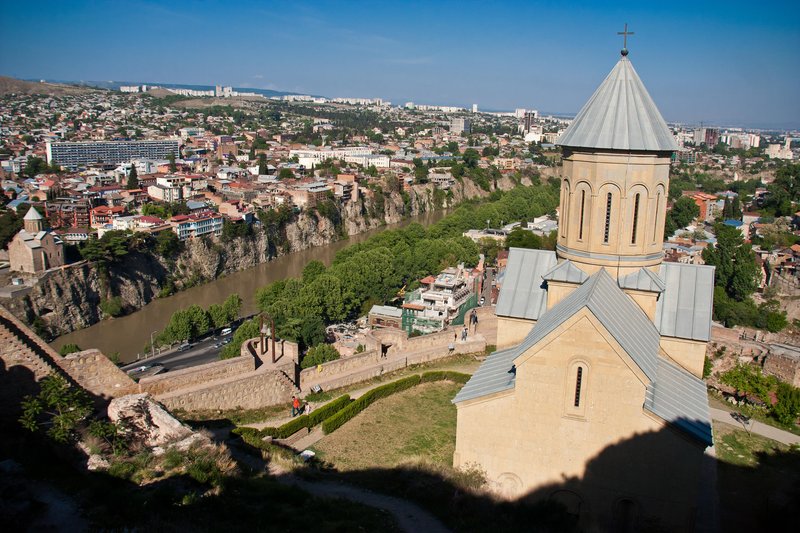
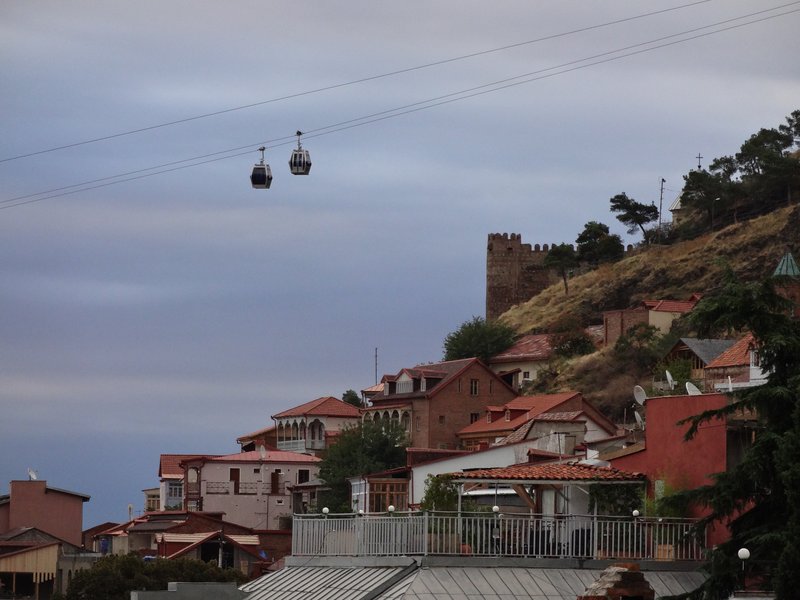
A 4th-century fortress above Old Town, expanded by Persians and Arabs and now a picturesque ruin threaded with walking paths. The walls enclose the restored St. Nicholas Church and offer commanding views over the sulphur bath district and the river.
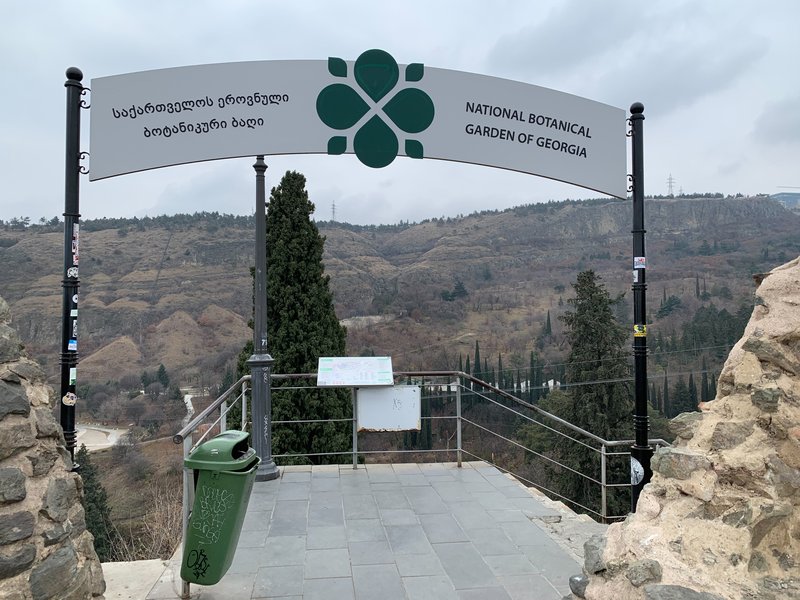
A 128-hectare hillside garden cascading through the ravine below Narikala — waterfall, rose gardens, exotic tree collections, stone pathways through dense woodland. Founded in the 17th century as the royal garden of the Kartli kingdom.
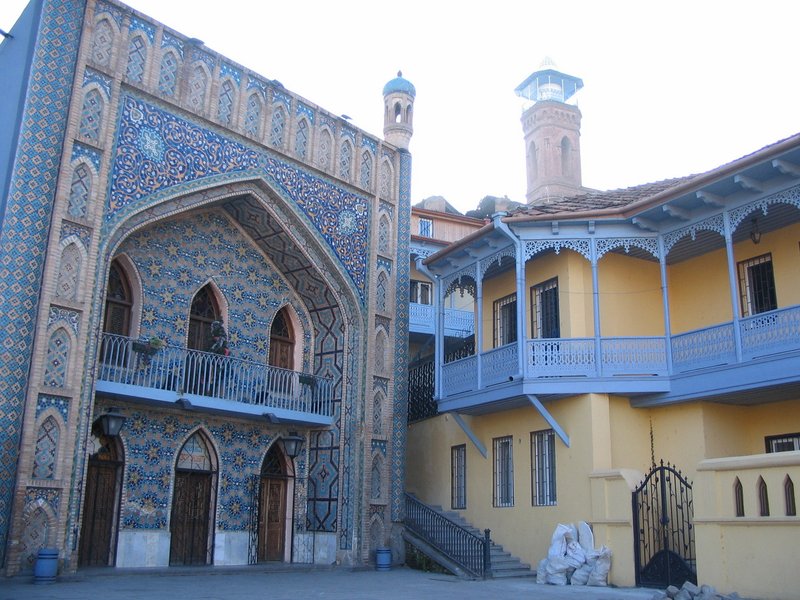
The sulphur bath district of Old Town — domed brick bathhouses channelling natural hot springs, grey-brown domes protruding from the hillside below Narikala. The city takes its name from the Georgian for warm waters.
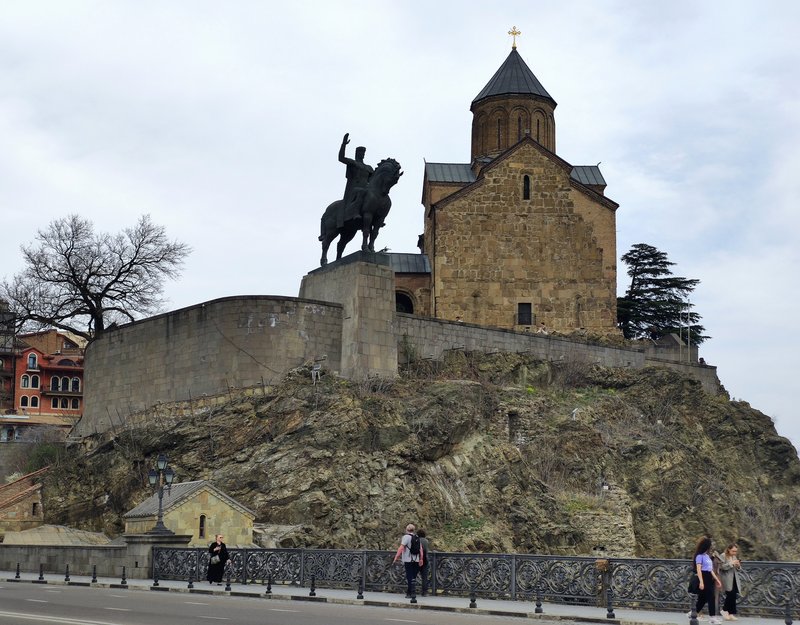
A 13th-century Georgian Orthodox church on a sheer cliff above the Mtkvari River, on a site with a church since the 5th century. Flanked by the equestrian statue of King Vakhtang Gorgasali — best seen from the opposite bank at Rike Park.
An aerial tramway crossing the Kura River gorge from Rike Park to the heights above Narikala — sweeping panorama of the Old Town rooftops, river, and forested cliffs. Requires a separate Mtatsminda card, purchased at the station.
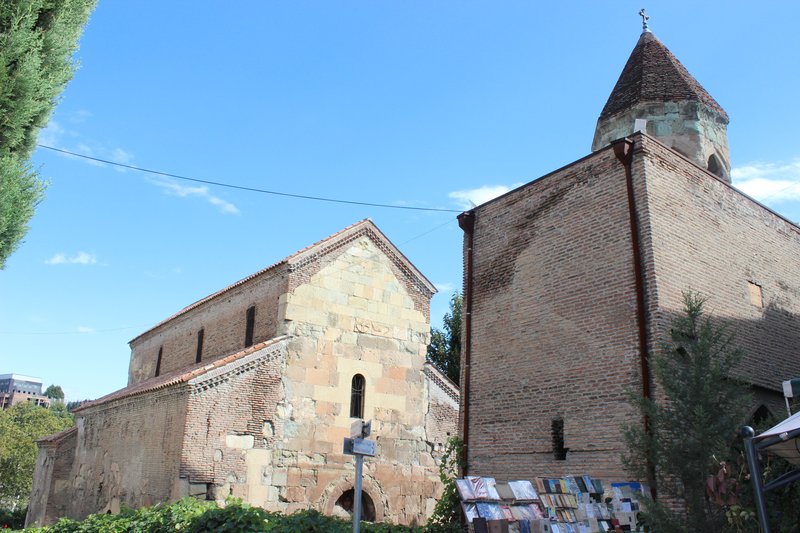
The oldest surviving church in the city — a 6th-century basilica built under King Dachi with warm brick walls, frescoed interiors, and a bell tower added in the 17th century.
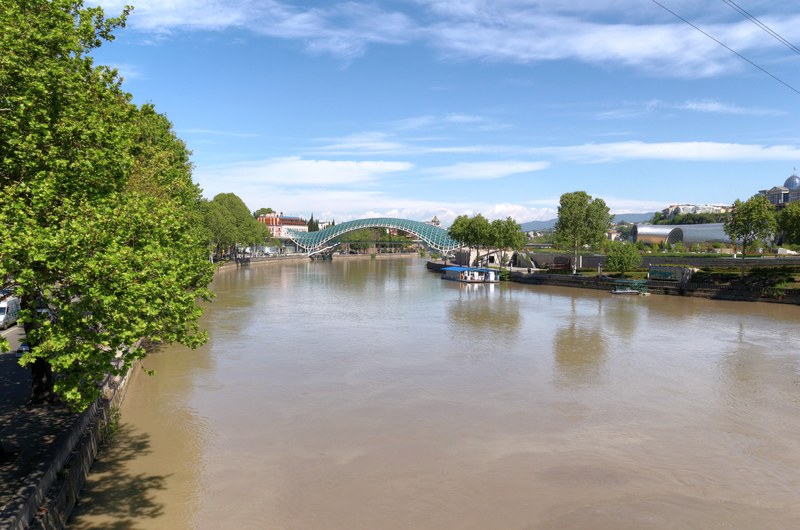
A glass-and-steel pedestrian bridge over the Mtkvari River connecting Rike Park to the Old Town embankment. Its LED canopy ripples after dark — the view from centre takes in the full panorama of Old Town cliffs and Metekhi Church across the water.
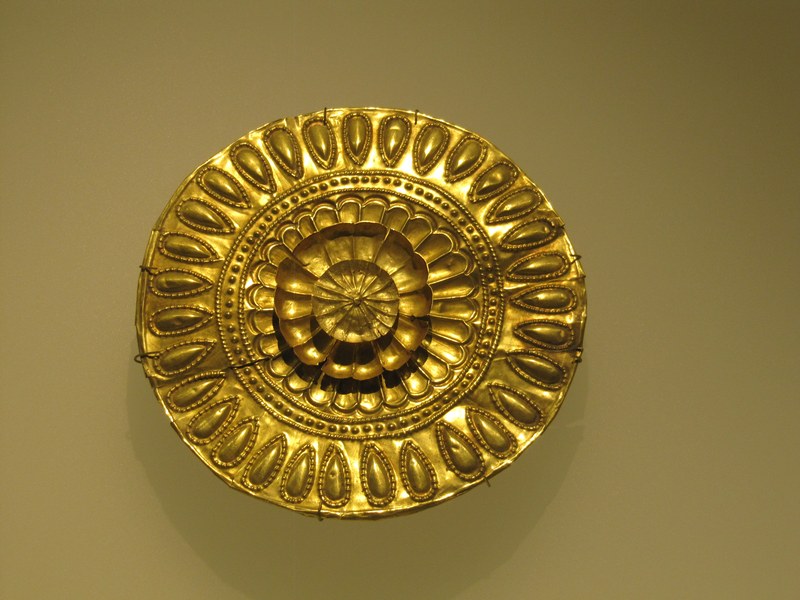
The national history museum housing the most significant archaeological collection in the Caucasus — Bronze Age to medieval, with highlights including a Colchian gold torque collection and ancient Greek coins from Black Sea trade routes.
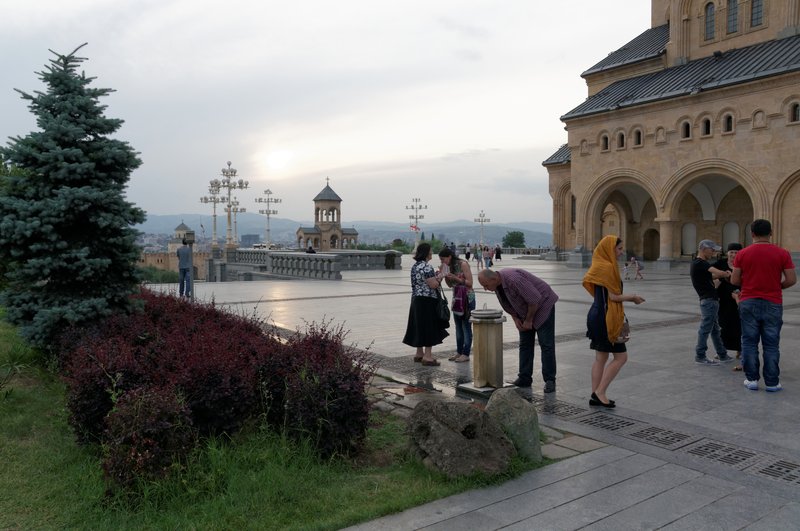
The largest cathedral in the Caucasus — completed in 2004 on a hilltop above Avlabari, its 87-metre gilded dome rising above the city skyline. Lavish mosaics, carved stone, and icons on a scale matching the exterior. The terrace looks out over the whole of Old Town.
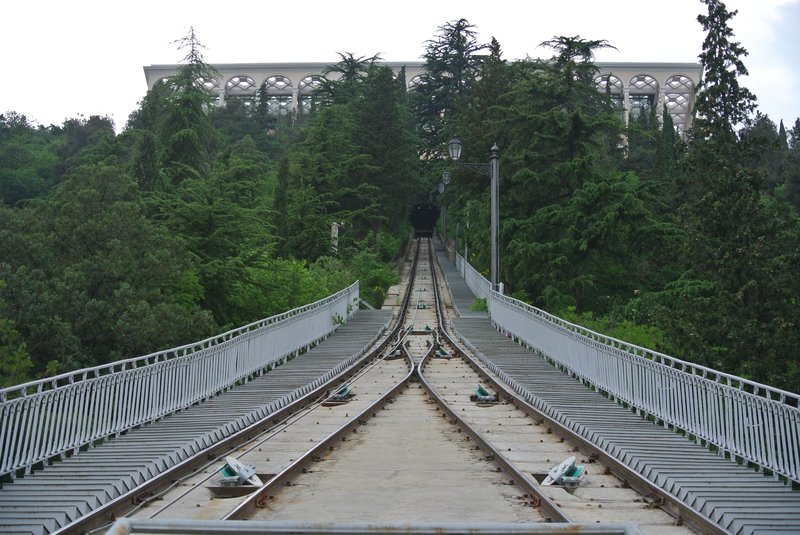
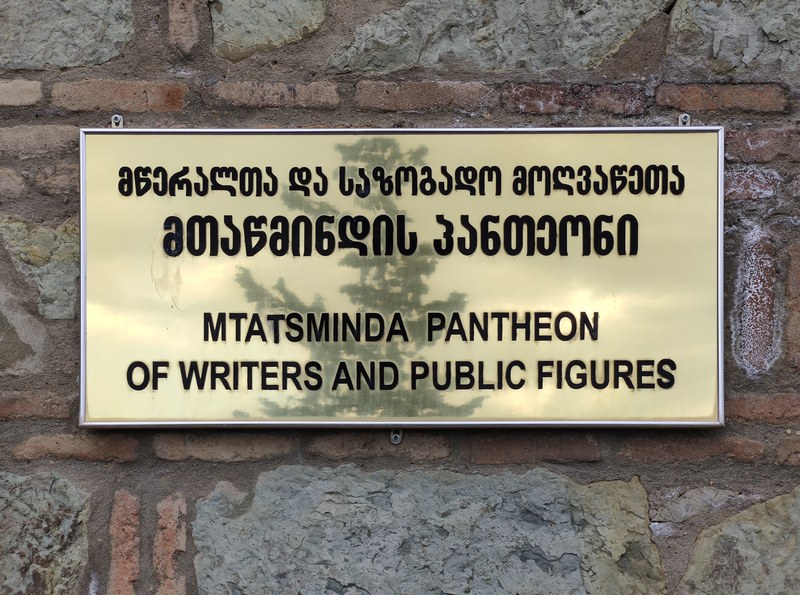
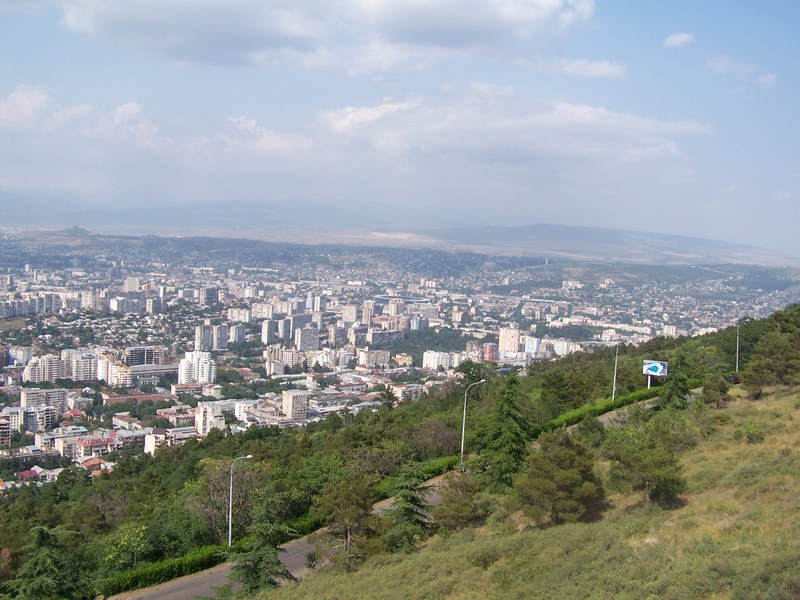
A century-old funicular railway climbing the forested slope of Mtatsminda to a hilltop park with commanding city panoramas. Requires a separate Mtatsminda card, purchased at the station. At the top, the Mtatsminda Pantheon sits just below the summit.
A hillside cemetery on the forested slopes of Mtatsminda where Georgia's most revered writers and public figures are buried. The graves of Ilia Chavchavadze, Akaki Tsereteli, and Niko Pirosani emerge from woodland paths in a setting as quiet as it is charged with meaning.
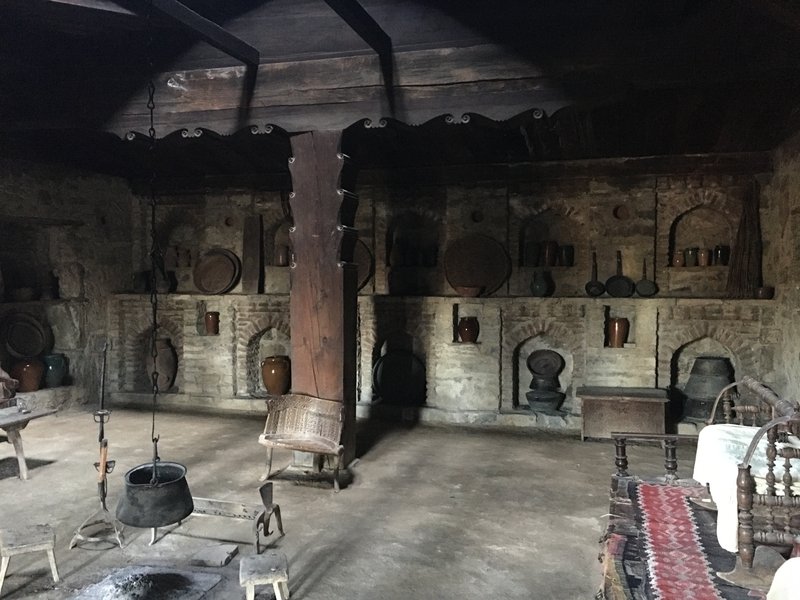
A 52-hectare open-air museum preserving over 70 relocated traditional dwellings — from the fortified stone tower-houses of Khevsureti to the carved wooden balconied homes of Adjara, spread across a forested hillside above the city.
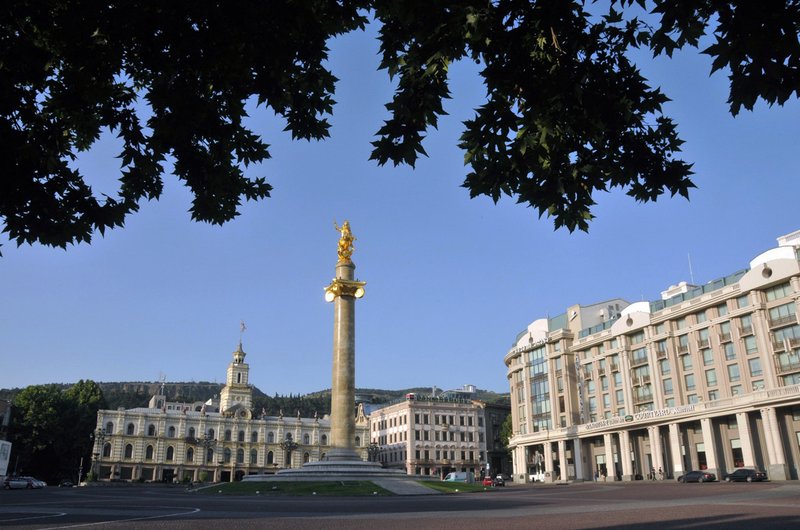
The historic heart of the capital — a formal square anchored by a tall column bearing a gilded statue of Saint George, erected in 2006 to mark independence. It connects Old Town with Rustaveli Avenue and has been the site of every major public event in Georgia's modern history.
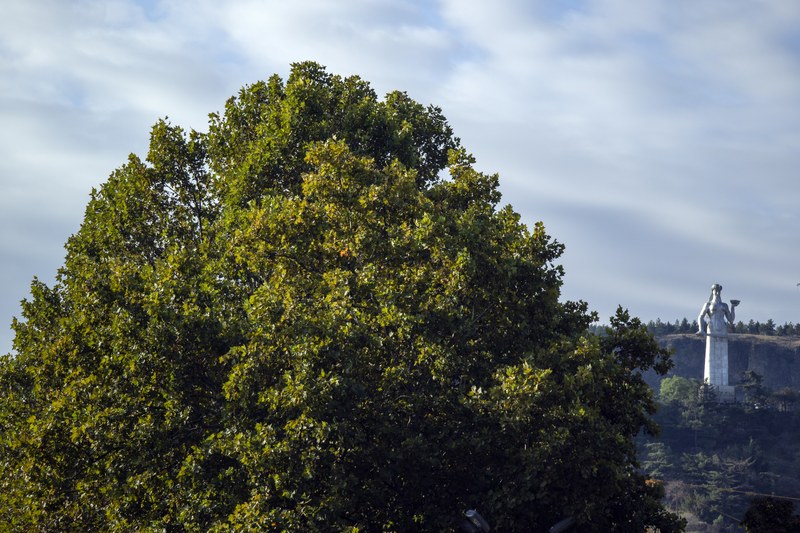
A 20-metre aluminium statue of a woman in Georgian national dress on the crest of Sololaki Hill, erected in 1958 for the city's 1500th anniversary. She holds a wine bowl for friends and a sword for enemies. The terrace delivers one of the widest panoramas over Old Town.
A monumental outdoor installation on the shore of a reservoir — 16 stone columns around 35 metres tall, carved top to bottom with bas-reliefs tracing Georgian history from biblical origins through to Soviet times. Staggering up close, extraordinary set against the water.
A natural mountain lake in the Vake hills, encircled by a 3-km forested walking path with open views across the valley. Accessible by cable car from Vake Park below — a complete contrast to the dense stone texture of Old Town, and a natural close to the last day.
A 4-hour Old Town walking tour taking in Metekhi Church and the Mother of Georgia viewpoint, followed by a cable car ride across the river gorge and a stop at a traditional Georgian bakery.
A guided walk through the Old Town's key landmarks paired with wine tasting at a local spot and a cable car crossing above the river. Small group with a flexible pace.
A petite industrial-chic coffee bar pulling espresso on a La Marzocca machine with rotating beans. Homemade pastries and RAF coffee are standouts. On the same street as the hotel.
A calm Old Town café mixing specialty espresso with natural Georgian wine. Daylight hours devoted to coffee with a relaxed pace that rewards lingering.
A former Persian candy shop turned vegetarian café with colourful walls and antique furniture. Serves espresso alongside Georgian vegetarian dishes in an eclectic interior.
Georgia's iconic soup dumpling — thick dough filled with spiced meat broth, twisted into a knot at the top. Eaten by hand, holding the knot while drinking the broth before biting through. The knot is left on the plate.
A boat-shaped cheese pastry in its Adjarian form — filled with sulguni cheese and finished with a raw egg cracked into the centre. Eaten by tearing the crust ends and stirring the egg into the molten cheese.
Strings of walnuts dipped into concentrated grape juice thickened with flour, forming candle-shaped sweets in vibrant reds and purples. Available at Old Town market stalls throughout the year.
Foreign number: accepted. — it runs on the same Bolt account as the ride app, so no second code has to arrive.
Tbilisi's busiest delivery platform with strong coverage of local Georgian restaurants, chains and cafés across the old city, Vake and Vera districts; delivery windows typically 30–40 minutes from central pickup points.
Foreign number: not required. — sign-up runs on Google, Apple, Facebook or email with no phone field at all, so no verification code is sent.
Reliable restaurant listing spanning traditional khinkali houses, Western chains and the brunch café scene around Fabrika; generally competitive fees with no subscription required.
Foreign number: accepted. — the code comes by SMS, but a non-European number often only receives it once on a local network; a Georgian eSIM is the fallback.
Tbilisi's dominant ride-hailing app with consistent coverage across the city centre, Vake and Mtatsminda; upfront fares quoted before booking and short wait times in busy areas.
Foreign number: accepted. — the code comes by SMS to any country code, and an existing Yandex account from home signs straight in.
Widely used ride-hailing service in Georgia with strong city-wide coverage; competitive rates on longer cross-city trips and available in both economy and comfort tiers.
The ancient capital of the Kingdom of Kartli — a UNESCO World Heritage Site at the confluence of the Mtkvari and Aragvi rivers, whose Svetitskhoveli Cathedral is one of the most revered churches in the Caucasus.
Birthplace of Stalin, with a Stalin Museum that remains one of the most unusual in the region — and the medieval Gori Fortress rising above the town on the Mtkvari River.
A resort town in a deep gorge of the Lesser Caucasus, famous across the post-Soviet world for its mineral water. The spa park at its centre has carbonated springs rising through the rock.
Georgia's second city and historical capital of Colchis — home to Bagrati Cathedral and Gelati Monastery, both UNESCO World Heritage Sites, in a landscape of deep gorges above the Rioni River.
A Black Sea resort city on the Turkish border — a striking mix of 19th-century European-style boulevards and a modern seafront with botanical gardens stretching along the coast.
The city doesn't announce itself. There are no marquee boulevards demanding attention, no single monument that organises the rest. Instead, it reveals itself gradually — in the texture of the sulphur-stained bathhouse domes, in the way the Old Town cliffs drop straight into the river, in the particular amber of late afternoon light on the carved wooden balconies.
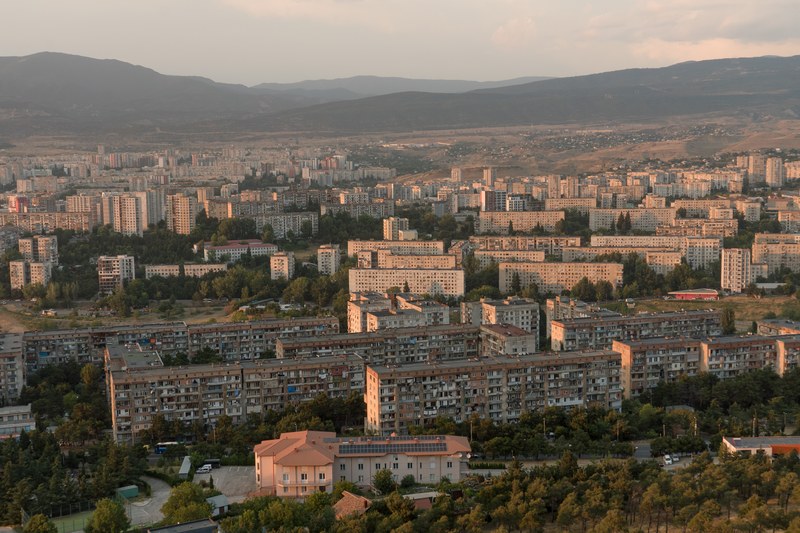
What makes it unusual is how many different eras coexist without apparent tension. Persian hammams next to Soviet housing blocks next to a glass pedestrian bridge lit by LEDs — and the city absorbs all of it. The Chronicle of Georgia columns stand at a reservoir outside the centre, enormous and largely unvisited, carved with a thousand years of history and left quietly to the elements.
The Caucasus is one of the world's most complicated crossroads, and this is where you begin to understand what that means on the ground.