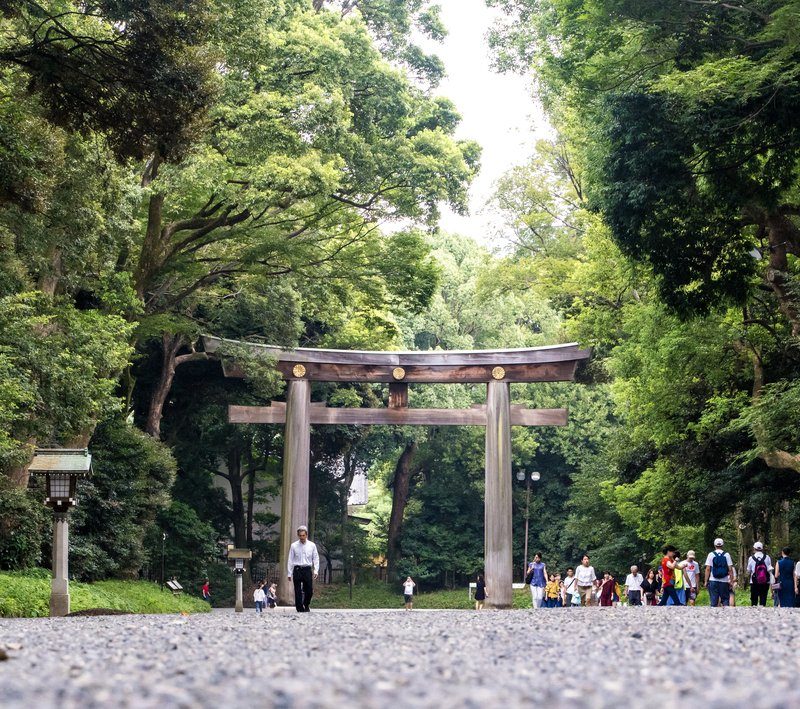
Japan's most visited Shinto shrine — Emperor Meiji enshrined in a forested precinct of 120,000 donated trees. The 700-metre approach is one of the great transitional walks: full street noise to near-silence within two minutes. The inner precinct holds the main shrine hall, a treasury, and the Iris Garden.
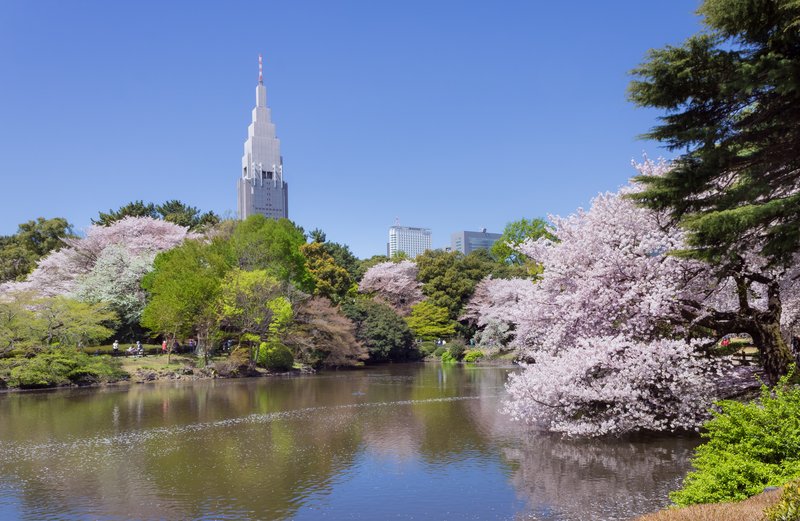
A 58-hectare former imperial garden with three landscaping traditions: a French formal parterre, an English landscape garden of rolling lawns and ornamental ponds, and a traditional Japanese garden with stone lanterns and a teahouse. The most celebrated sakura viewing garden in the city — spring crowds are extreme.
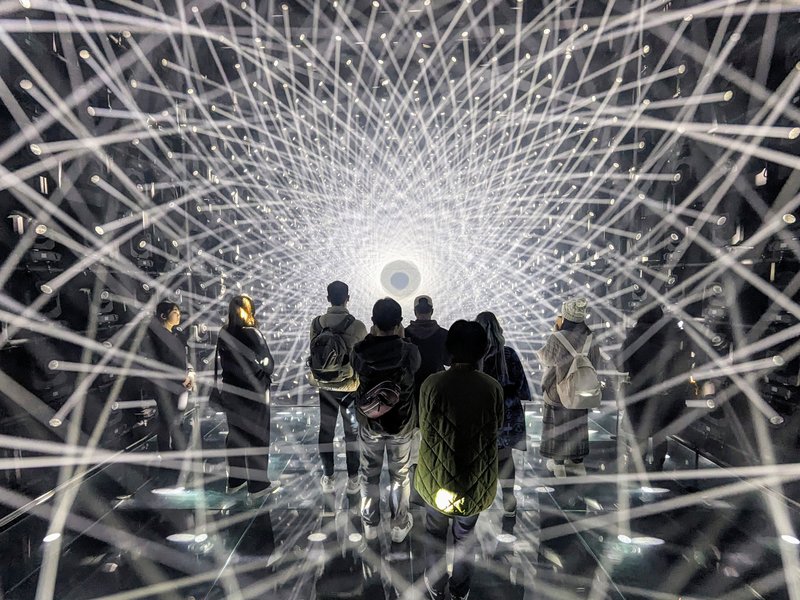
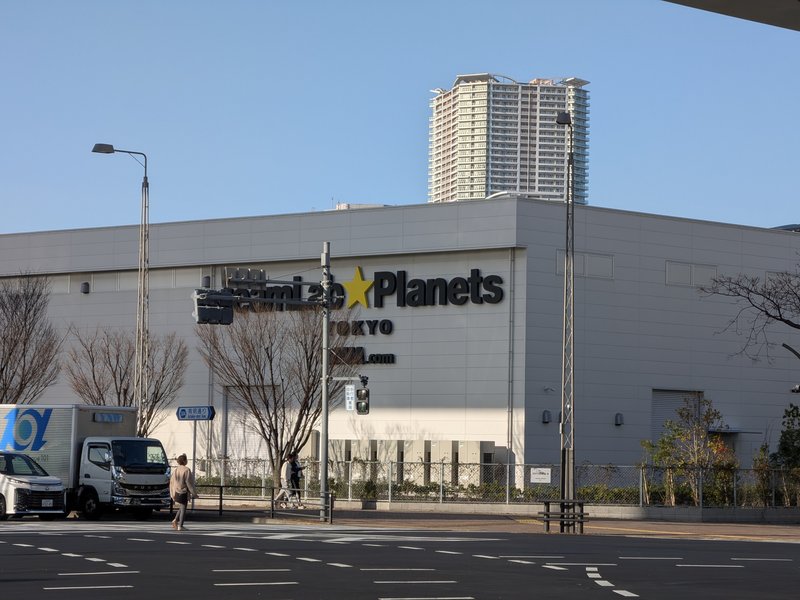
A boundless digital art museum — 65 immersive artworks where light, water, and projection bleed between rooms and respond to visitors. Unlike Planets, Borderless has no fixed route — each room evolves through the day. Azabudai Hills adds new installations. Tickets sell out weeks ahead.
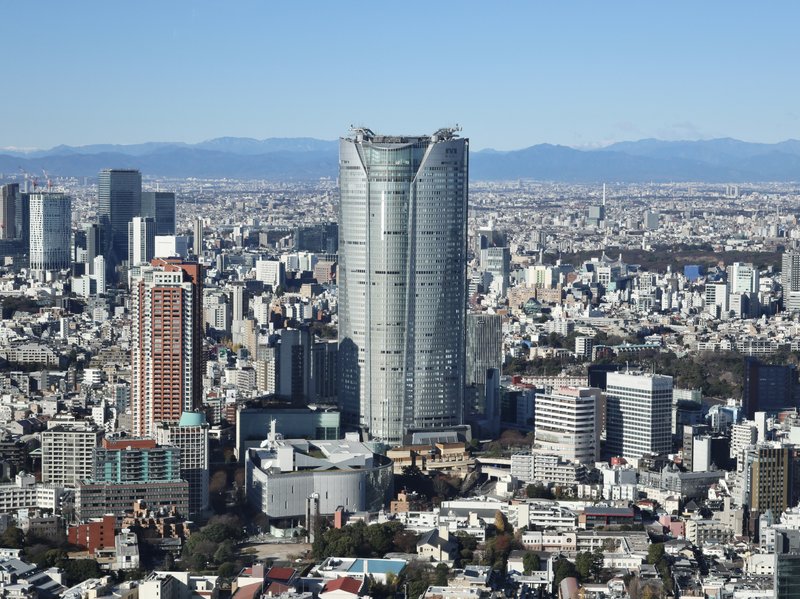
Contemporary art museum on the 53rd floor of Roppongi Hills Mori Tower, 250 metres above street level. Exhibitions rotate two to three times per year, focusing on Asian and international contemporary artists. Entry includes Tokyo City View — a 360-degree observation gallery looking out across the Kanto plain.
Four immersive installations in Toyosu where visitors move barefoot through the art — wading through water, lying on mirrored floors surrounded by crystalline spheres, stepping into a room that continuously blooms and dissolves in flowers. More physical and focused than Borderless. Timed entry required.
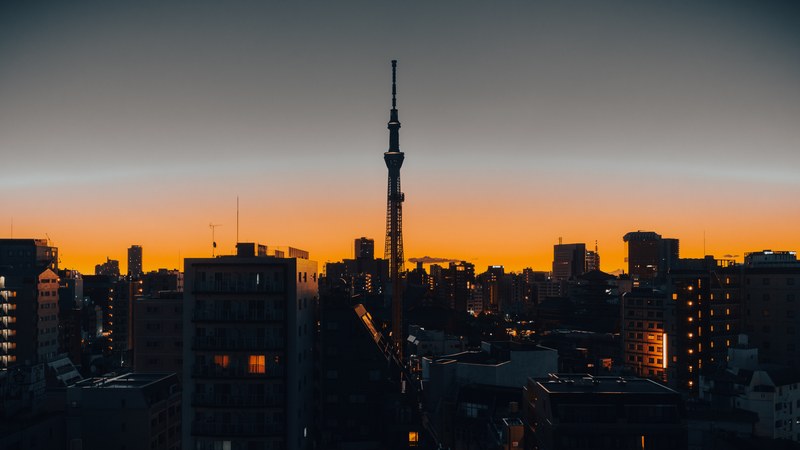
At 634 metres the world's tallest tower. Two observation decks: Tembo Deck at 350 metres and Tembo Galleria at 450 metres, connected by a glass-floored spiral walkway. At night the tower is illuminated in two alternating colour schemes — Iki and Miyabi. The base holds Solamachi, a 300-shop dining and retail complex.
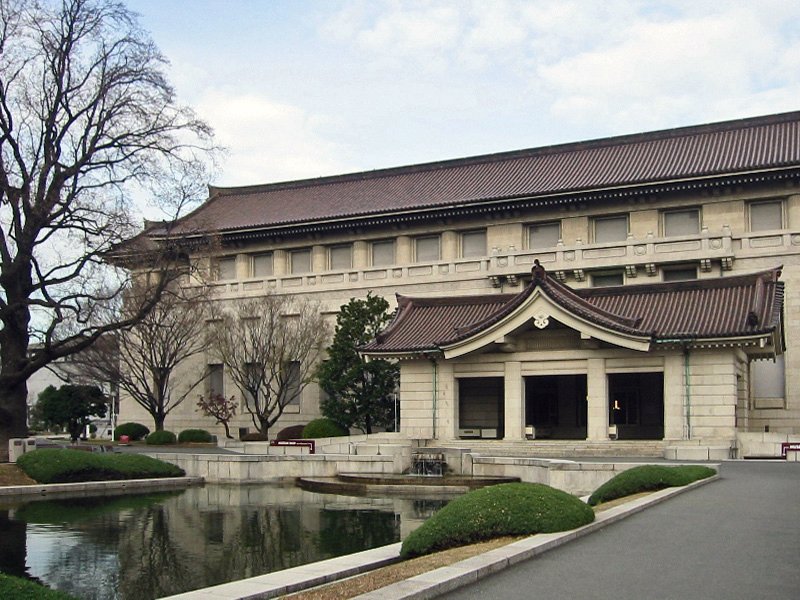
Japan's oldest and largest museum — 120,000 objects across five buildings in Ueno Park. The main Honkan traces Japanese art from Jomon to Edo: samurai armour, Buddhist sculpture, ukiyo-e prints, lacquerware, and ceramics. The Toyokan covers Asian art. The Heiseikan holds rotating archaeological exhibitions.
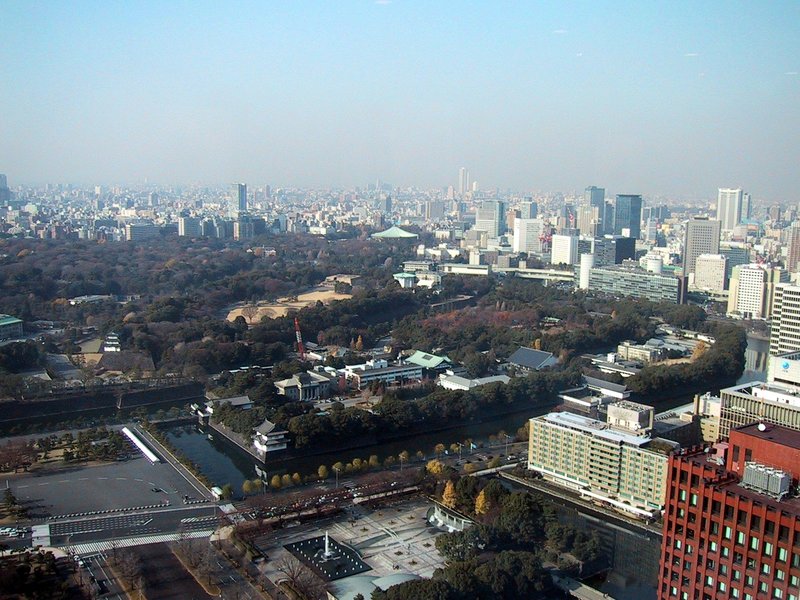
Former site of Edo Castle's innermost ward, redesigned as a landscape garden after the castle tower burned. Retains the massive stone foundations of Japan's tallest castle keep, three teahouses, and a landscape of ponds. The Ninomaru garden is planted with species from classical Japanese poetry. Free admission.
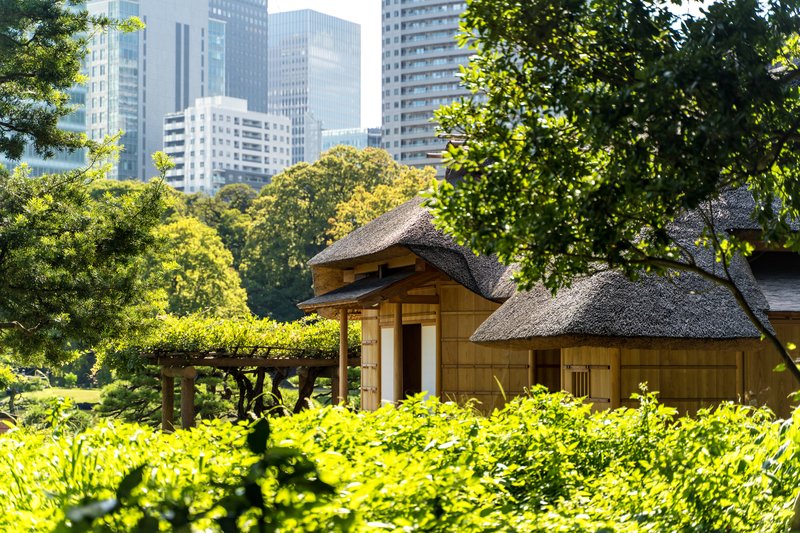
Tidal gardens at Tokyo Bay — former duckhunting grounds of the Tokugawa shoguns. Seawater fills the central pond at high tide, framing a teahouse on a small island. The garden is ringed by skyscrapers and elevated highways: the contrast between Edo-era stones and the glass towers is the entire point.
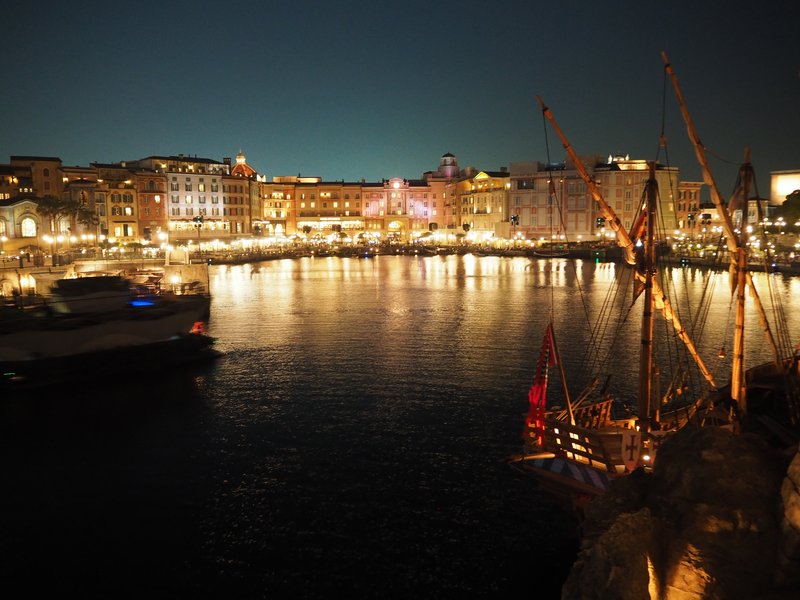
Seven themed ports around a Mediterranean harbour: American Waterfront, Mysterious Island, Arabian Coast, Mermaid Lagoon, Lost River Delta, Port Discovery, and Fantasy Springs. Disney's most architecturally ambitious park. Date-specific tickets required — book months ahead for peak dates.
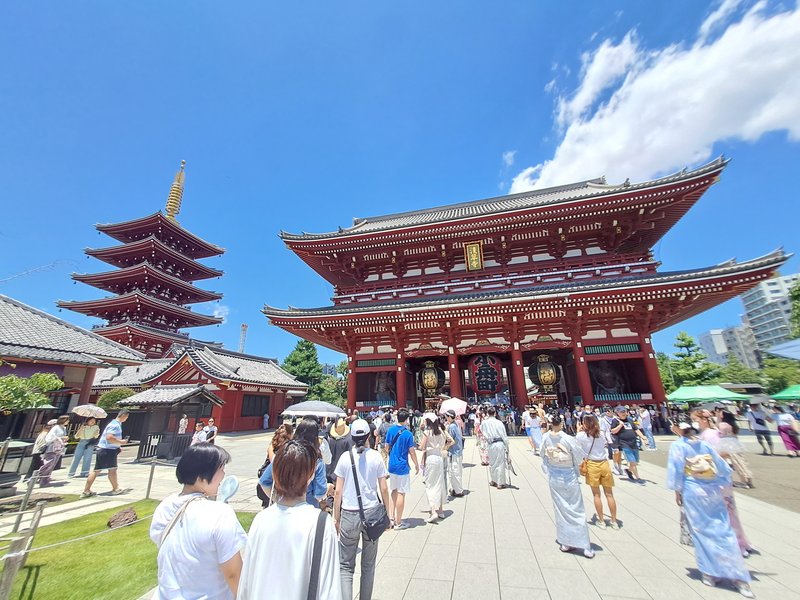
Tokyo's oldest Buddhist temple, founded in 628 CE. The approach begins at Kaminarimon — a 3.9-metre lantern gate flanked by Fujin and Raijin statues — then runs 250 metres along Nakamise-dori through 72 traditional shops to the main hall. The five-story pagoda stands to the left, illuminated until midnight.
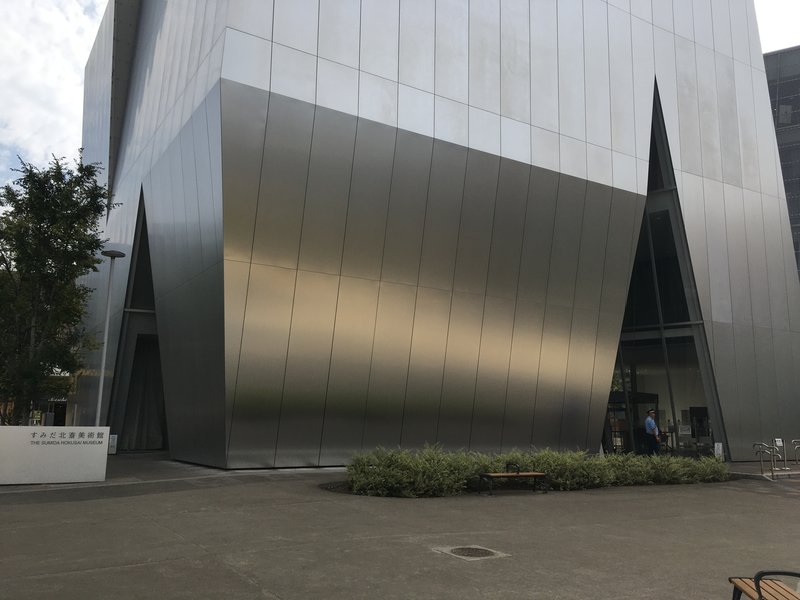
Designed by Pritzker laureate Kazuyo Sejima — five interlocking aluminium volumes that shift as you circle them. The permanent collection holds 1,800 works by Katsushika Hokusai, who was born in this ward, including the full Thirty-six Views of Mount Fuji. Temporary exhibitions rotate on the second floor.
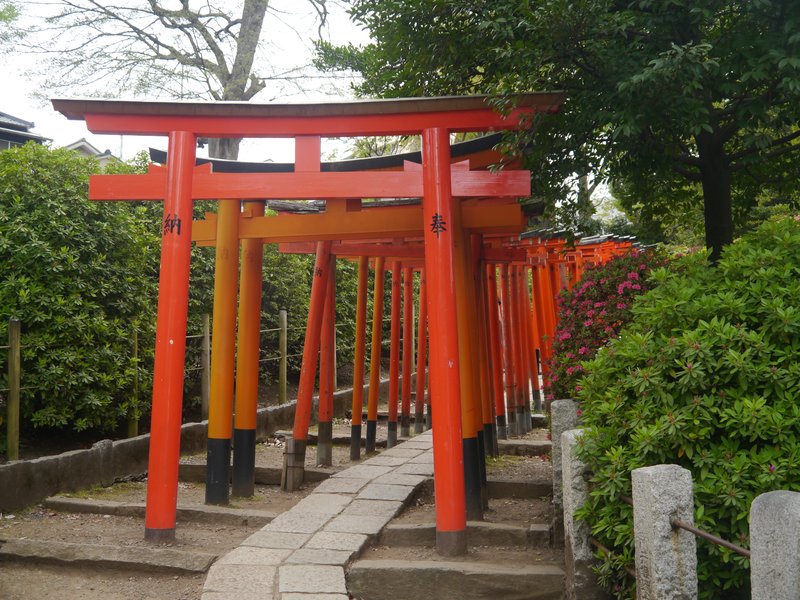
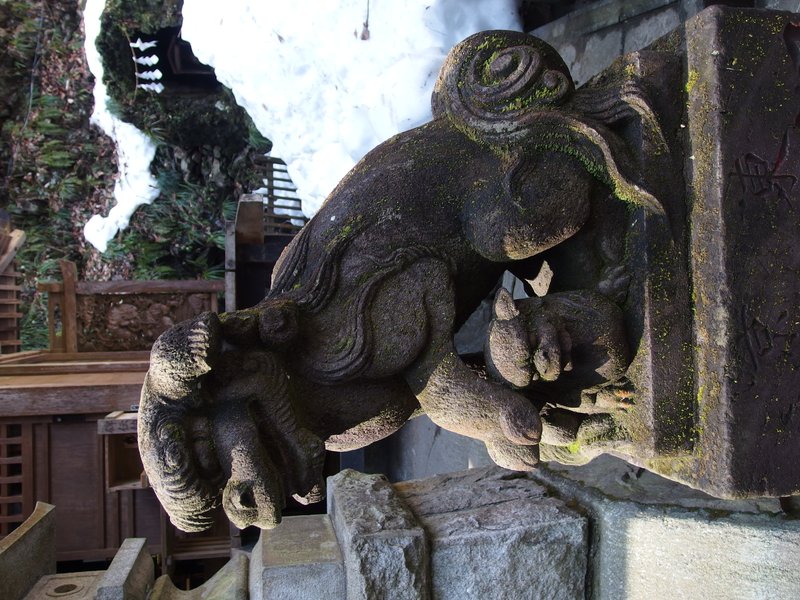
One of Tokyo's oldest shrines — buildings date to 1706, commissioned by the fifth Tokugawa shogun. A hillside tunnel of vermilion torii gates winds through the grounds, quieter than Fushimi Inari, opening onto a platform above a koi pond. The main hall and tower gate are designated Important Cultural Properties.
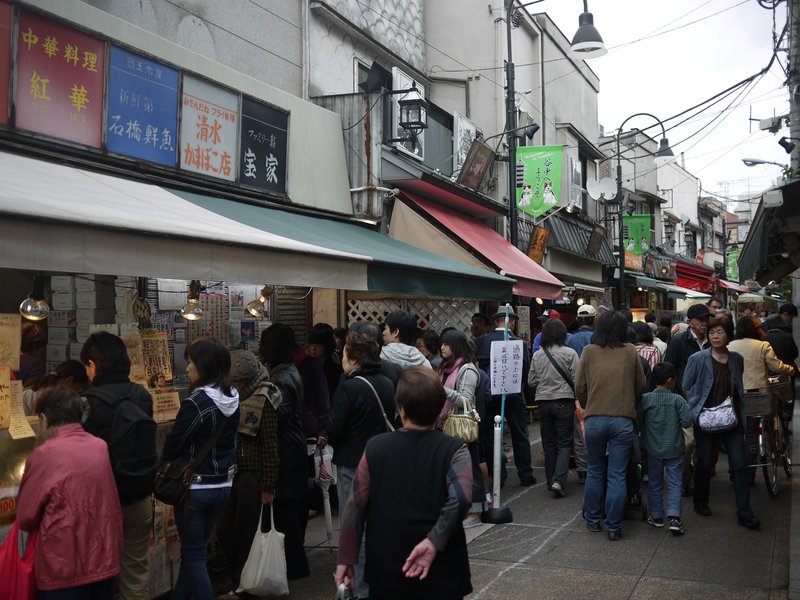
Tokyo's most intact shitamachi shopping street — 170 metres of family-run storefronts selling rice crackers, pickles, dried fish, and incense. The street survived the war intact. At the far end, the Yuyake Dandan staircase is where locals gather at dusk to watch the sun drop over Yanaka Cemetery.
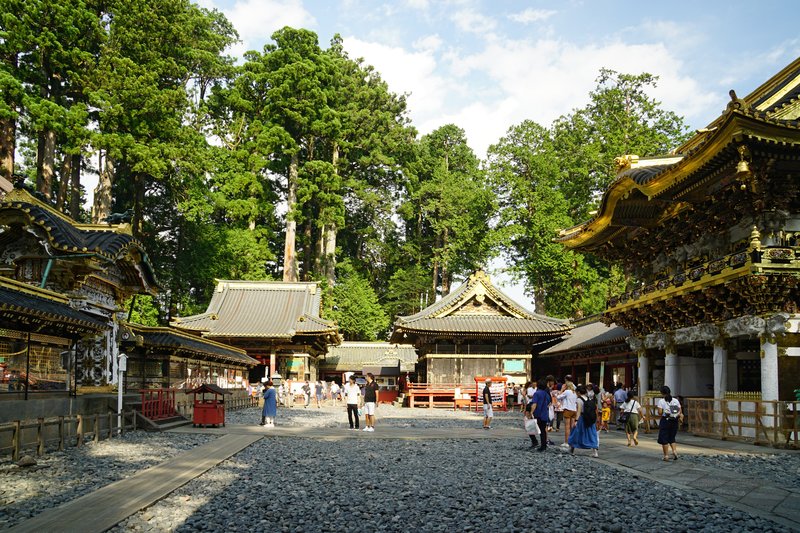
The ornate mausoleum of Tokugawa Ieyasu — Japan's most elaborately decorated shrine complex. Every surface is covered in polychrome lacquer, gold leaf, and wood carvings including the three wise monkeys on the Sacred Stable. The Yomeimon Gate holds 508 individual carvings. UNESCO World Heritage.
A local guide leads through Shinjuku's back-alley izakayas and specialist food stalls — 13 dishes across 4 establishments including yakitori, gyoza, and regional sake in venues that tourists rarely find on their own.
Small-group walking tour through Asakusa's merchant-quarter streets — the history of Edo's shitamachi district told through the surviving streetscape, with local snacks included along the way.
Local guide tour through Shibuya's neon-lit streets — Hachiko statue, the famous scramble crossing, hidden backstreets the crowds miss, and a secret elevated view spot overlooking the district at night.
A guided walk through Harajuku's Takeshita-dori and the surrounding streets with a local specialist in kawaii culture — fashion subcultures, street art, and the best crepe stops on the strip.
A specialist guide leads through Akihabara's multi-floor electronics and anime stores — the history of the district from post-war black market to global otaku capital, with recommended shops and an introduction to the collector culture.
A 90-minute sumo show performed by professional wrestlers in a Shinjuku theater — three bouts with explanations of the ritual, technique, and history, including a photo opportunity with the wrestlers and complimentary drinks.
A one-hour performance by maiko and geisha in an Asakusa venue — traditional dance, music on the shamisen, and a tea ceremony demonstration with English commentary throughout.
A combination show blending ninja martial arts demonstrations with kabuki theatrical performance — two distinct Japanese performance traditions presented back to back in an accessible format for first-time visitors.
Dress in a full kimono, take a tea ceremony lesson from a certified tea master, and walk in Asakusa dressed — includes dressing assistance, matcha preparation instruction, and a free-roaming period through the neighborhood.
The Tokyo style — nigiri formed to order with hand-pressed rice to a precise vinegar balance, topped with fish marinated, cured, or aged to Edo-era technique. Tsukiji Outer Market has the best walk-in cluster of sushi counters in the city.
Clear dark-brown soy broth on chicken and dashi — lighter than Sapporo miso or Hakata tonkotsu. Toppings: chashu pork belly, soft-boiled egg, bamboo shoots, nori. Ginza Kagari and Fuunji are the closest quality ramen counters.
Tokyo's own pancake — soupy flour batter with fillings, cooked on an iron plate until it forms a crispy lace around a soft liquid centre. Found almost exclusively in Tsukishima, which has over 70 restaurants on one street.
Chicken — every part of the bird — skewered and grilled over binchotan charcoal. Seasoned with salt or sweet soy tare. The alleys under the train tracks at Yurakucho Station have run for decades — a 10 minute walk from the hotel.
Traditional confections of bean paste, rice flour, and agar — designed around the seasons and paired with matcha. Namagashi change shape each season and are sold same-day. Toraya and Higashiya Ginza are two minutes from the hotel.
Foreign number: accepted — an existing Uber account works unchanged in Japan.
The largest delivery network in Tokyo; works seamlessly with an existing Uber account, no separate sign-up. Coverage is strongest in central wards — Shibuya, Shinjuku, and Minato — with thousands of restaurant and convenience store listings including 7-Eleven and FamilyMart.
Foreign number: not accepted — registration requires a Japanese mobile number.
The leading domestic delivery platform in Japan, operated by NHN; covers a broad range of local restaurants but requires a Japanese phone number to complete sign-up — registration is unavailable without a local Japanese SIM card.
Foreign number: not accepted — sign-up verification is sent by SMS to a Japanese-format mobile number.
A major Japanese delivery platform with wide coverage across central Tokyo wards; the SMS-based verification means foreign SIMs will not complete the sign-up process, limiting it to visitors with a local number.
Taiko drumming, bamboo flute, and traditional dance in a choreographed performance at Yurakucho's Alternative Theatre — an 8 minute walk from the hotel.
Tokyo's primary kabuki venue — daily full-day and evening programs. Single-act tickets available without advance booking, purchased at the theatre on the day.
Japanese traditional dance, geisha performances, and dinner in a garden setting in Omotesando — an atmospheric introduction to Japanese performing arts.
Foreign number: accepted — registration uses email and a foreign card is accepted for payment.
Japan's largest taxi-booking app, aggregating licensed metered taxis from multiple operators across the city. Covers all central wards reliably and is the standard alternative to flagging a cab on the street; drivers speak limited English so the in-app destination input handles communication.
Foreign number: accepted — an existing Uber account works without modification.
Uber operates in Tokyo through licensed taxi partners rather than private drivers, making fares slightly higher than in other markets but fully regulated. An existing account from any country works unchanged and the app defaults to in-app payment, avoiding cash.
A forested mountain on the western edge of the city — 599 metres with six marked trails including a paved cable-car-assisted path and a steep forest route. Summit views take in the Kanto plain and, on clear winter days, Mount Fuji. Keio Line · Shinjuku to Takaosanguchi · no transfer.
Coastal town that served as Japan's medieval capital — home to the Great Buddha seated outdoors, and Tsurugaoka Hachimangu shrine connected to the sea by a ceremonial cherry-tree avenue. JR Yokosuka Line · direct · no transfer.
Mountain resort in volcanic caldera country — hot spring onsen, an open-air sculpture museum, and the most reliable Mount Fuji view at Owakudani crater via ropeway. Hakone Freepass covers the Romancecar express, ropeway, and lake cruise. Odakyu Romancecar · Shinjuku to Hakone-Yumoto · advance reservation required.
Closes both Monday and Friday — unusual for a city where most sites close only on Monday. Easily missed when scheduling Day 4.
TeamLab Borderless and Planets — Book months ahead
Both venues require timed-entry tickets booked online. Weekend slots sell out 4–8 weeks ahead; peak months sell out faster.
Tokyo DisneySea — Date-specific tickets
Tickets are tied to a specific calendar date and sold on the official website only. Weekends and school holidays sell out months ahead.
Nikko Toshogu — Early closure in winter
The shrine closes at 4:00pm from November through March — one hour earlier than the rest of the year.
Mori Art Museum — Irregular Tuesday closures
Closes on select Tuesdays throughout the year for maintenance. The monthly schedule is on the museum website.
Worth Knowing
The Space Between
Tokyo is the only city I know where the most interesting thing is what isn't there. The Japanese call it ma 間 — the pause, the gap, the deliberately held silence. It is the principle behind a Noh stage with no set, a tea ceremony where the most important moment is before the bowl is raised, a garden designed around the view through the wall rather than what is in front of it.
Tokyo enacts ma at city scale. The hypermodern glass tower and the cedar shrine forest they built it around. The silence inside Meiji Shrine — 200 metres from the neon of Harajuku — that begins the moment you pass the torii. The tidal garden at Hamarikyu holding still at the centre of a ring of elevated highways. The way a yakitori alley under a train line in Yurakucho can feel more permanently itself than any monument in Europe.
This city doesn't ask you to choose between the ancient and the contemporary. It asks you to feel both at once and to notice what lives in the space between them.