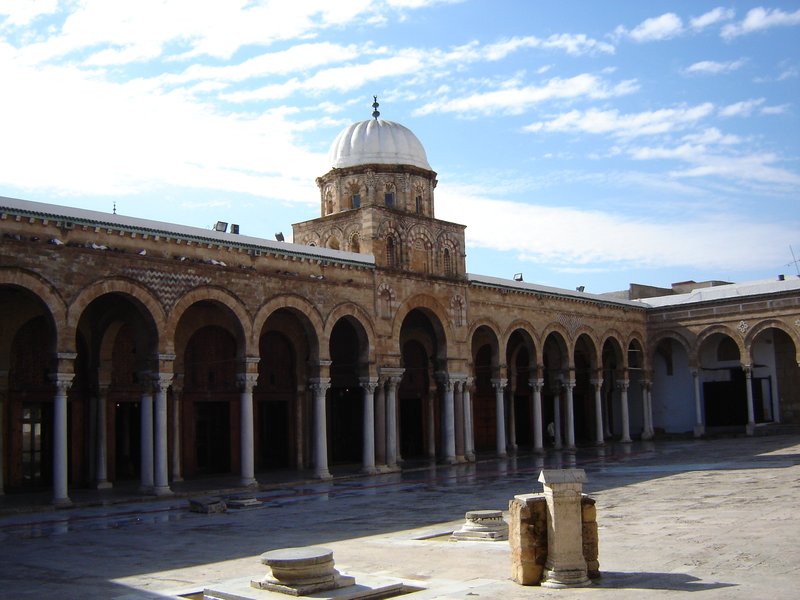
The oldest mosque in Tunis, founded in the 8th century, its courtyard ringed by antique columns salvaged from Roman Carthage. The mosque anchors one of the Islamic world's oldest universities, still training scholars in law and theology today.
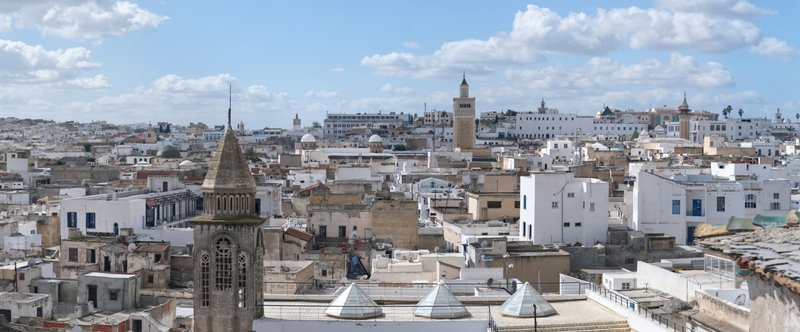
A UNESCO World Heritage quarter of vaulted lanes, carved doorways, and artisan workshops dating back over a thousand years. Souks cluster by trade around the Zitouna Mosque, spice merchants giving way to perfumers and then metalworkers further out.
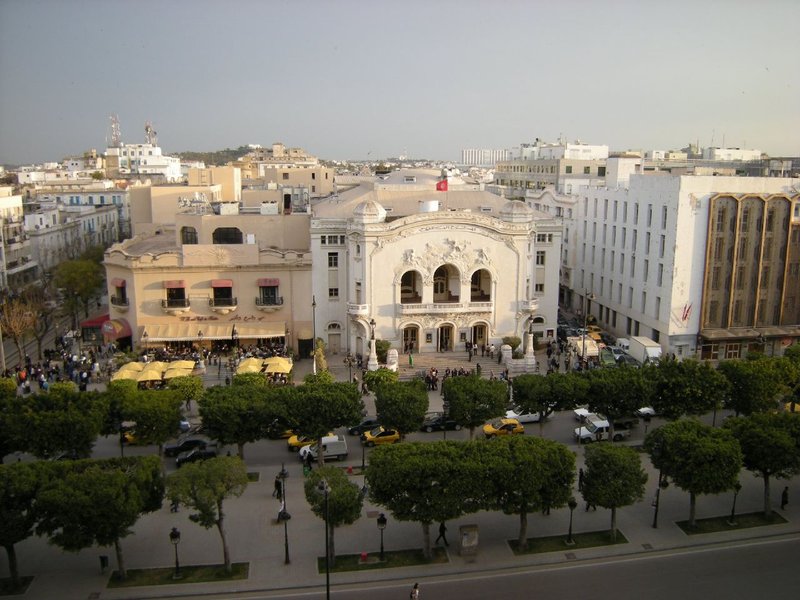
A 1902 Art Nouveau opera house on Avenue Habib Bourguiba, its facade carved with Apollo and the Muses by sculptor Jean-Baptiste Belloc. It still hosts opera, ballet and concerts, one of the few Art Nouveau landmarks anywhere in North Africa.
4 min · 6 min → Cathedral of Saint Vincent de Paul
4.Cathedral of Saint Vincent de Paul~20 min
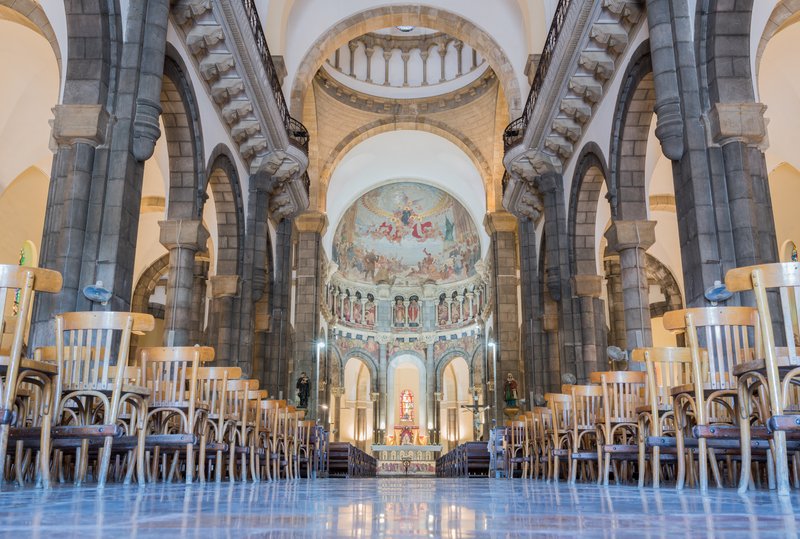
A twin-towered 1897 cathedral blending Moorish and Gothic Revival styles, its white stone facade anchoring Place de l'Indépendance. Built for the city's French colonial community, it remains Tunis's seat of the Catholic Archdiocese.
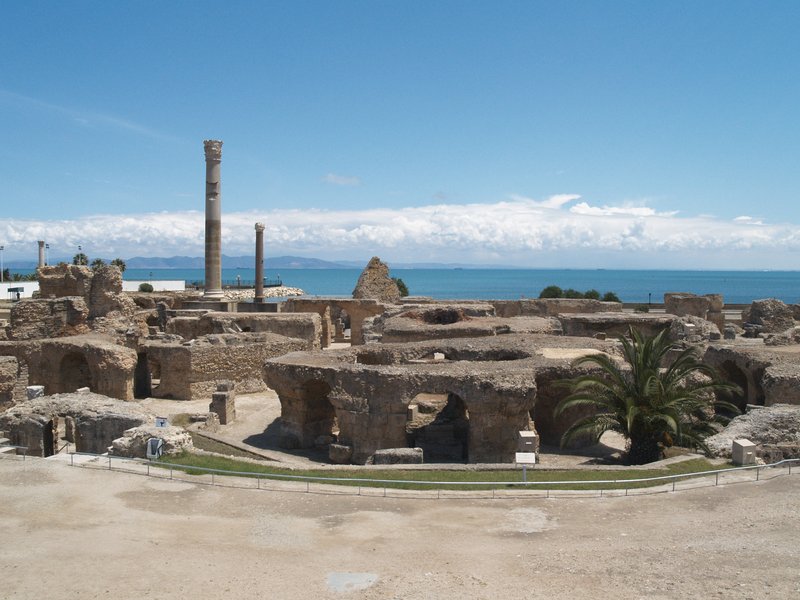
The largest set of Roman thermae ever built on the African continent, raised for Emperor Antoninus Pius over towering vaulted foundations facing the Gulf of Tunis.
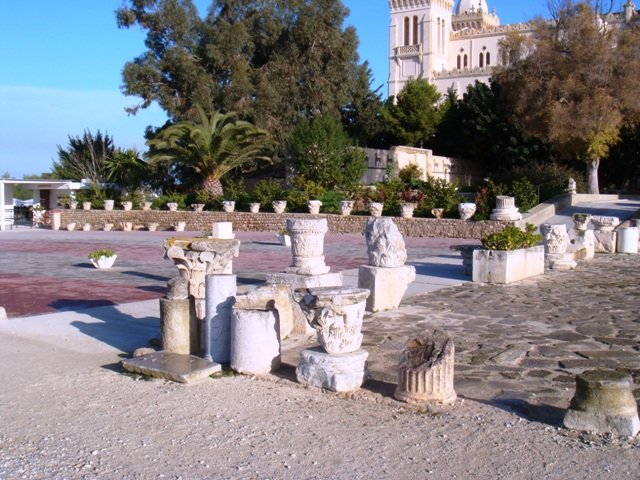
The walled citadel of Punic and Roman Carthage, its summit now the Carthage National Museum, with a sweeping view over the Gulf of Tunis and the Punic Ports below.
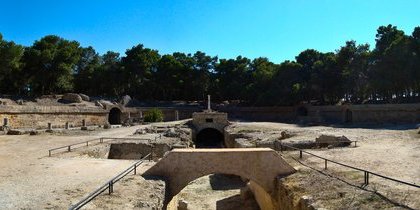
The sunken ring of a Roman amphitheatre that once seated 30,000, and the site where Saints Perpetua and Felicity were martyred in 203 CE. Later quarried for building stone, its foundations and vaulted passages are still traceable underfoot.
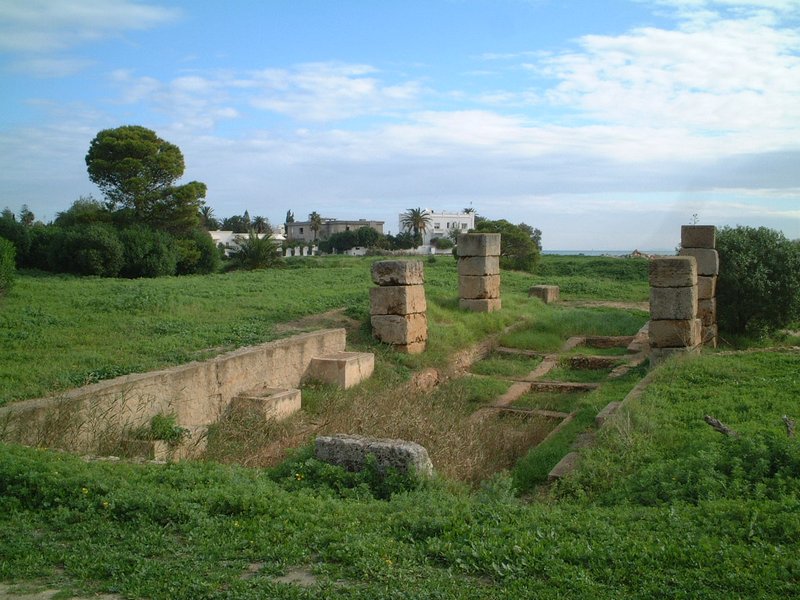
The lagoon outlines of Carthage's twin harbours — a rectangular merchant basin beside the circular military cothon that once sheltered 220 warships. The admiralty island at its center still traces the ring of shipsheds visible from above.
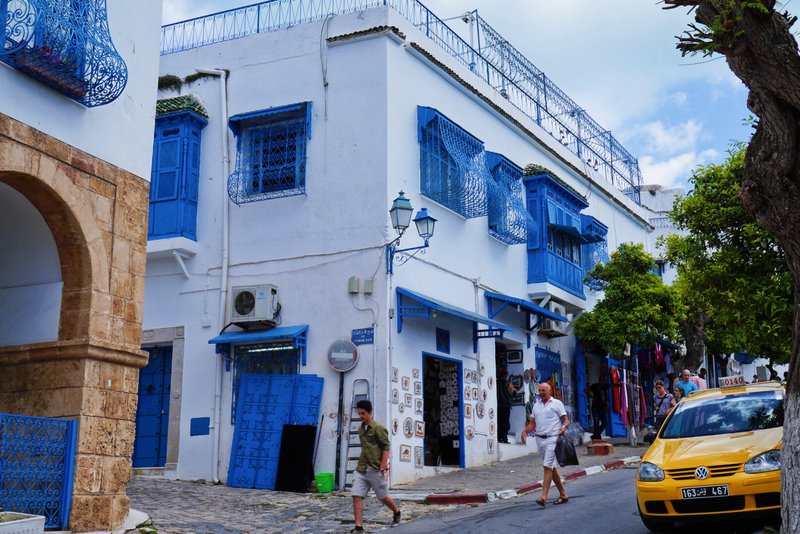
A cliffside village of blue-shuttered white houses and bougainvillea-draped lanes above the Gulf of Tunis, recently named a UNESCO World Heritage Site in its own right.
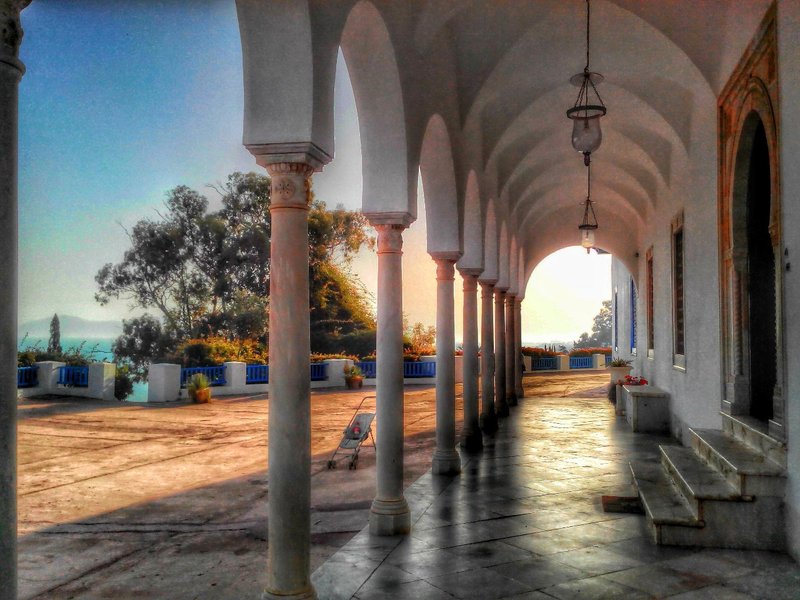
Baron Rodolphe d'Erlanger's 1912 palace of terraced Andalusian gardens and sea views, now the Center for Arab and Mediterranean Music. The composer-painter's own instrument collection and murals remain on display inside.
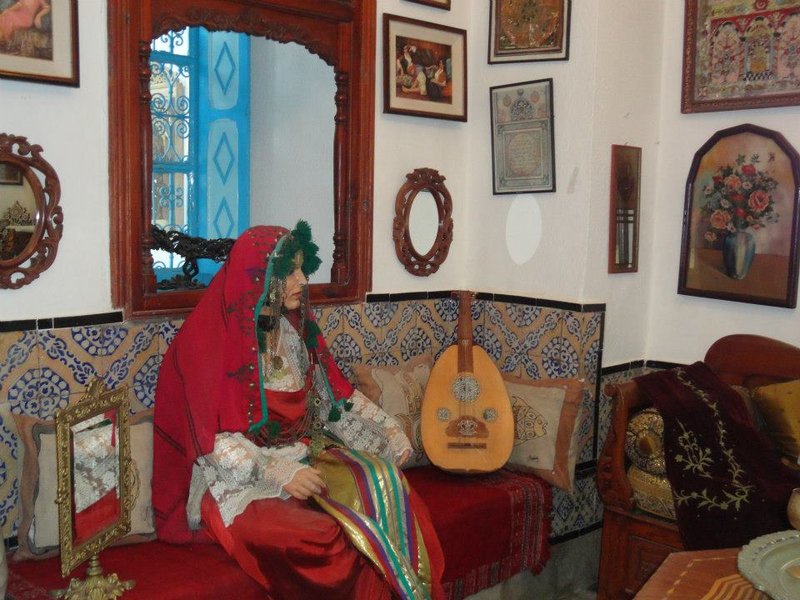
An 18th-century courtyard house turned museum, its library, prayer hall and bedrooms furnished to recreate a traditional Tunisian bourgeois household. Costumed mannequins and period furniture fill each room exactly as a wealthy 19th-century family would have kept it.
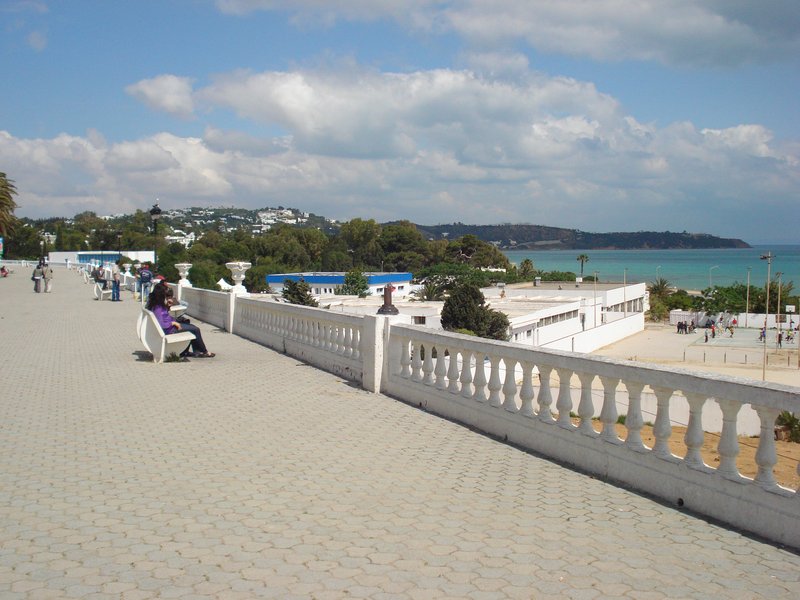
A palm-lined seafront corniche and sandy beach favored by Tunis locals, its cafés looking out over the Gulf of Tunis. Weekend evenings bring families and joggers out along the promenade well after the beach crowd has thinned.
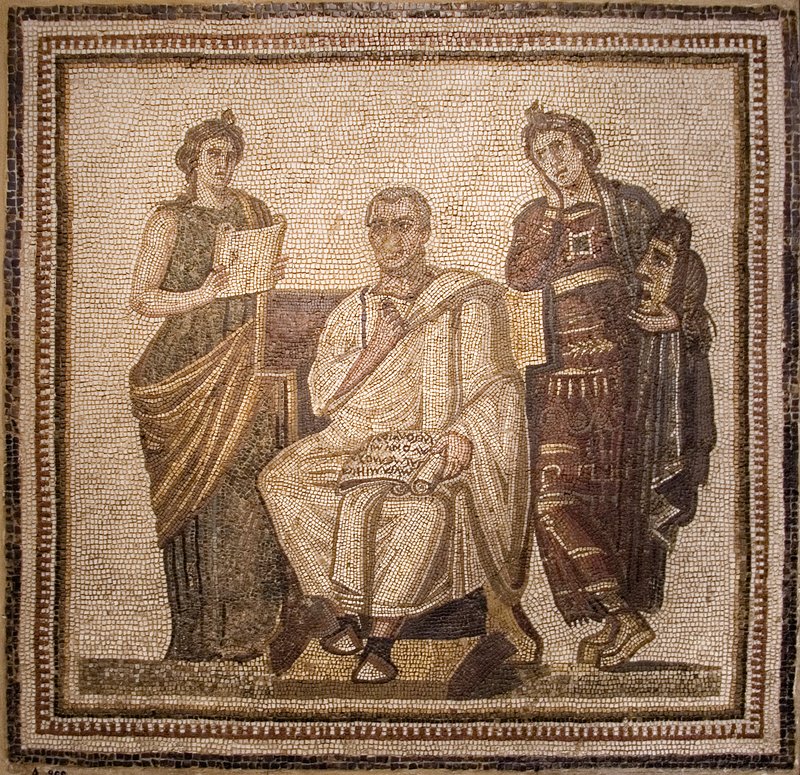
The world's largest collection of Roman mosaics, filling a 19th-century Beylical palace, including the celebrated portrait of the poet Virgil. Entire mosaic floors, lifted intact from villas across Roman Africa, cover the palace's grand halls and stairwells.
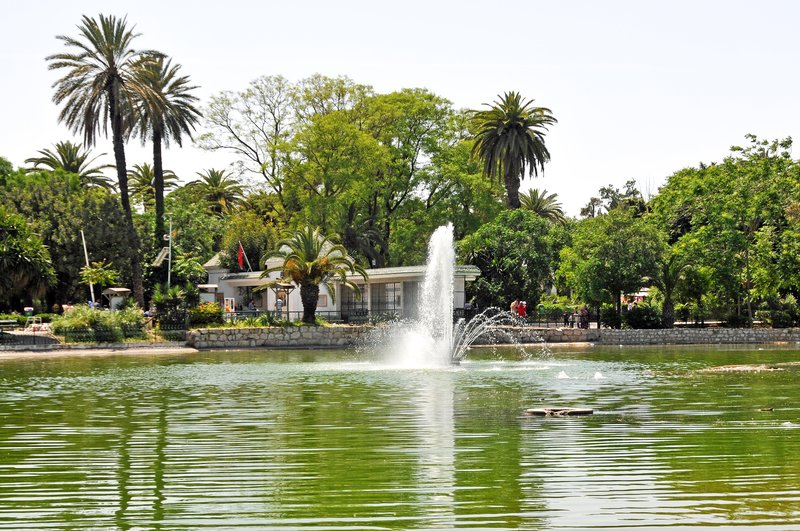
A 110-hectare English-style park laid out in 1892 over an old olive grove, its hilltop crowned by a five-domed Moorish koubba pavilion with views over the city.
ARRIVE El Jem: 6 min · 2 min → Amphitheatre of El Jem
1.Amphitheatre of El Jem~1 hr 30 min
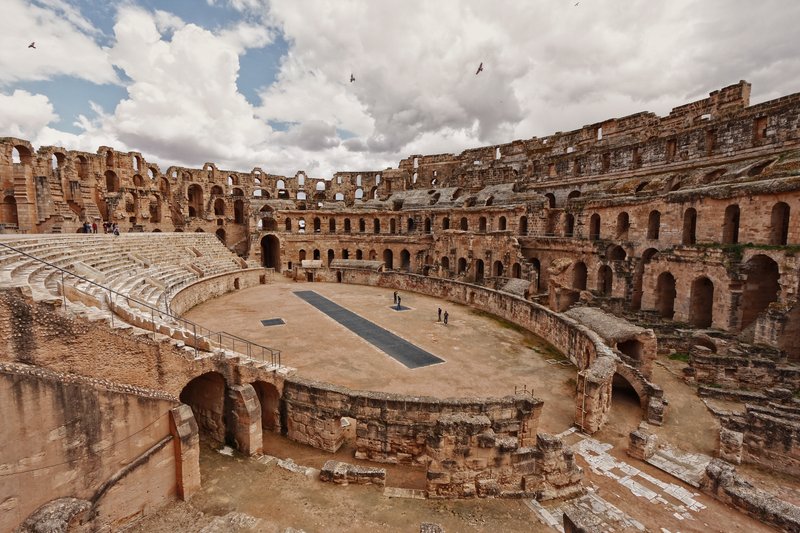
A 3rd-century Roman amphitheatre for 35,000 spectators, exceptionally intact and unrivaled anywhere else in Africa — a UNESCO World Heritage Site. Its underground passages, where animals and gladiators once waited, are still walkable today.
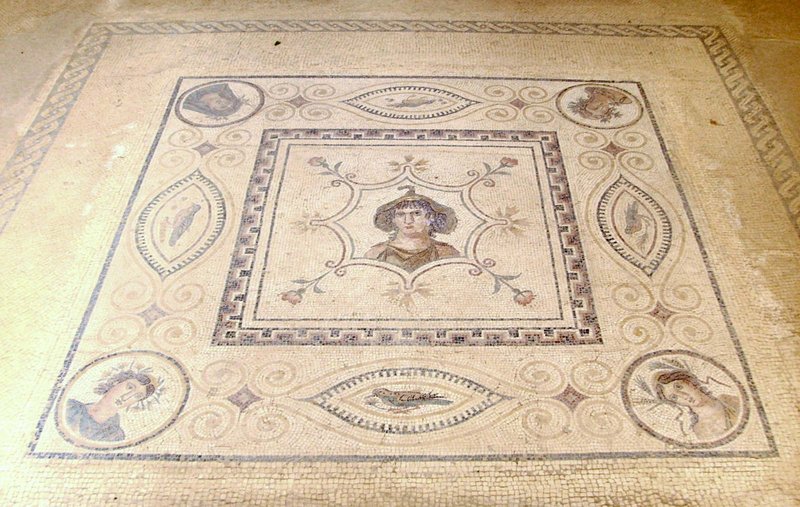
Mosaics of Dionysus, Africa, and the hunt excavated from Roman Thysdrus, displayed in a reconstructed Roman house built around its own courtyard. The museum sits a short walk from the amphitheatre that once anchored the same wealthy Roman city.
A tip-based walk through the Medina's souks, mosques and madrasas with a local guide, pausing at the Cathedral of Saint Vincent de Paul and the Marché Central before ending at Kasbah Square.
A 4-hour guided walk from Avenue Bourguiba into the Medina's souks and monuments, taking in Tunis University, the Tourbet el Bey mausoleum and the Central Market.
Tunisia's staple grain dish, steamed and served with lamb, fish, or vegetables in a spiced red harissa broth — richer and spicier than its Moroccan cousin.
A paper-thin malsouka pastry folded around a whole egg, parsley, and tuna or minced meat, then deep-fried until crackling — eaten hot, in one bite, before the yolk breaks.
Strong green tea brewed with fresh mint and sugar, topped with a scattering of toasted pine nuts — the everyday drink of Medina cafés, sipped slowly over conversation.
Foreign number: accepted. — sign-up sends the verification SMS to any international mobile number, and international cards are accepted at checkout.
The dominant food-delivery app in Tunis, with the widest restaurant coverage across the Ville Nouvelle and Lac districts; also delivers groceries and pharmacy items, useful when a downtown restaurant is closed.
Roman Theatre of Carthage — International Festival of Carthage
Tunisia's oldest and most prestigious arts festival, six to seven weeks each summer in an 8,000-seat Roman theatre with Arab, jazz and world-music headliners.
Foreign number: accepted. — sign-up verifies over WhatsApp, so a foreign SIM with WhatsApp installed works without a Tunisian number.
Tunisia's leading ride-hailing app since Uber never launched here and Bolt withdrew from the market; fixed in-app fares avoid the negotiation a street taxi requires, and coverage is strong across greater Tunis.
A UNESCO-listed Medina beside the Mediterranean, its 9th-century Ribat fortress and Great Mosque predating Kairouan's, with a long sandy beach corniche steps past the old town walls for an afternoon swim before the train back.
Africa's northernmost city, its Andalusian old port ringed by white houses and blue shutters, guarded by the 17th-century Spanish fort known as the Ksar at the harbor mouth. A single direct train covers the 98 km line each way, so plan around its one daily departure in each direction.
Tunis reads as two cities stacked on top of each other: the Medina's tenth-century lanes end abruptly at Bab El Bhar, and beyond it Avenue Habib Bourguiba's French colonial arcades and Art Nouveau facades could pass for a boulevard in Nice. The gate itself — also called Porte de France — is the hinge between the two, and standing in it you can look one way into souks and the other into café terraces.
Carthage, Sidi Bou Said and La Marsa all sit on the same 19-km TGM commuter line, so a reader with more time than this itinerary allows can string them into one long day by rail instead of by car — the line runs from before dawn past midnight and a ticket costs a fraction of a taxi.
The call to prayer from the Zitouna Mosque's minaret is audible across the whole Medina five times a day; the loudest and most atmospheric is the Maghrib call at sunset, timed to land while the souks are still open but the light has gone golden.