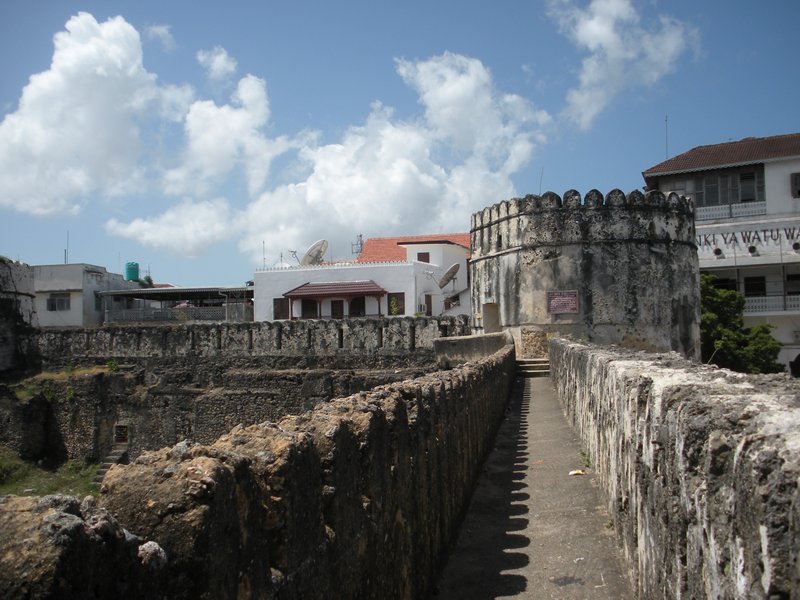
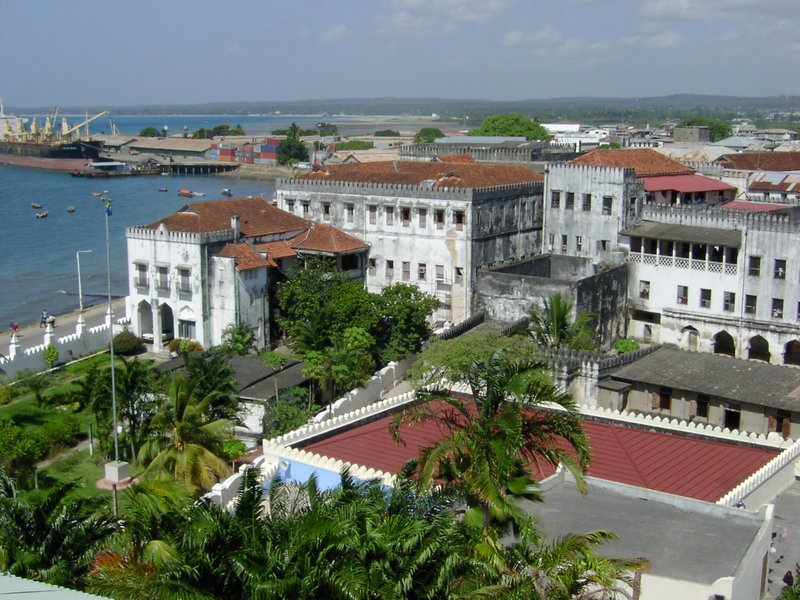
A coral-stone Omani fortress finished in 1701 on the ruins of a Portuguese chapel, its thick battlements enclosing an open-air amphitheatre, craft stalls and a small courtyard garden at the heart of the old harbor.
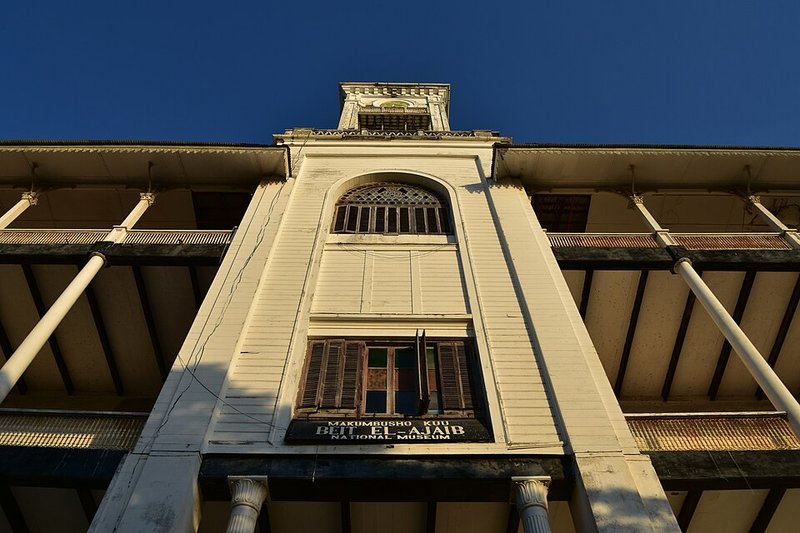
Sultan Barghash's 1883 ceremonial palace, a four-storey iron-columned landmark facing the harbor — closed for structural restoration after a partial collapse, viewed from the seafront outside.
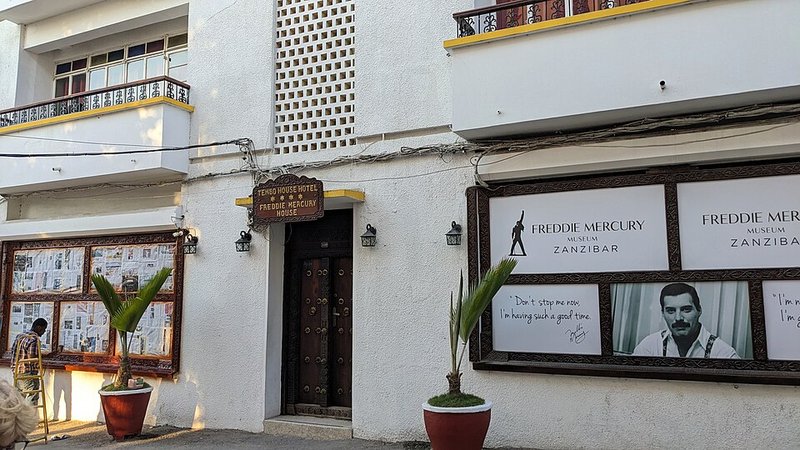
The Kenyatta Road house where the Bulsara family lived in the 1940s, converted into a small museum of Queen memorabilia, stage costumes, photographs and the childhood artifacts of a boy who left the island at seventeen.
5 min · 2 min → Christ Church Cathedral & Slave Trade Memorial
4.Christ Church Cathedral & Slave Trade Memorial~1 hr
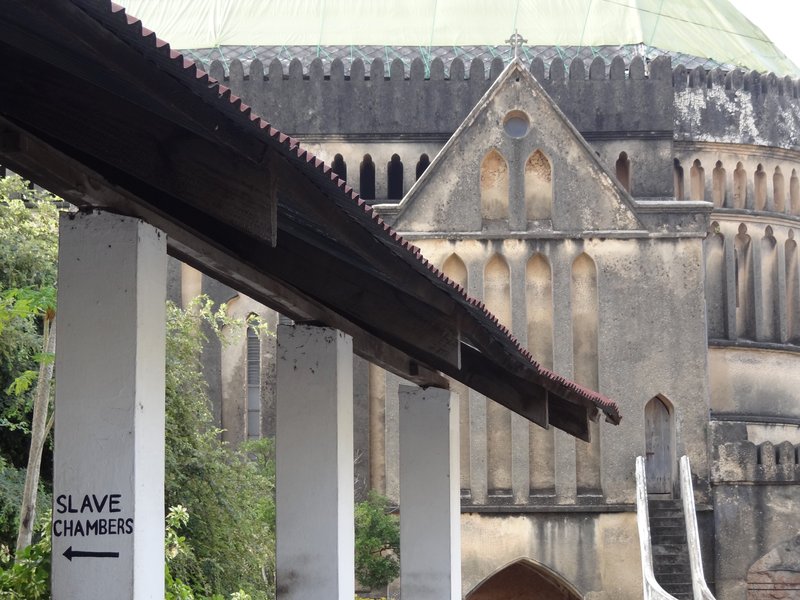
An Anglican cathedral consecrated in 1879 on the grounds of Stone Town's slave-trading yard, its altar marking the site of the old whipping post and a marble circle marking the auction block.
From Hotel: 5 min · 25 min → Prison Island · Changuu
1.Prison Island · Changuu~1.5 hr
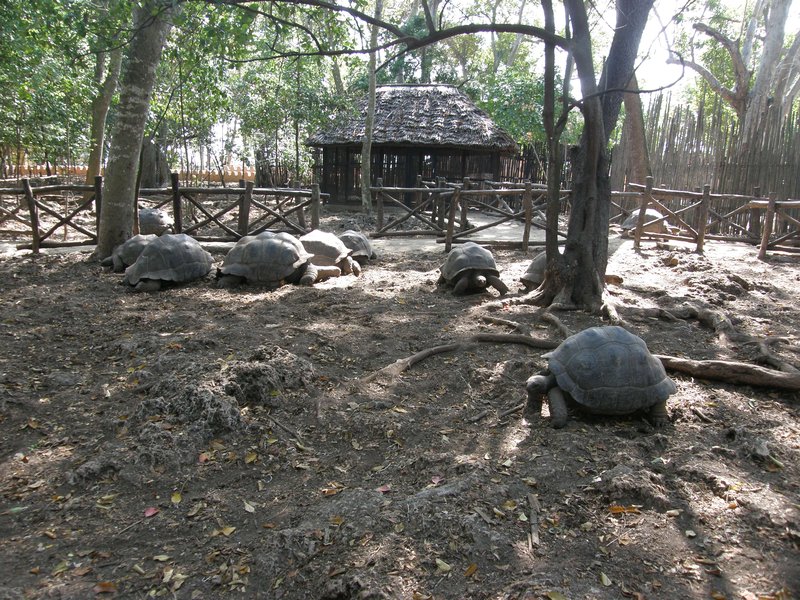
A coral islet 4 km off Stone Town, built as a 19th-century quarantine station for yellow-fever cases and now a tortoise sanctuary and snorkeling stop over a shallow fringing reef.
25 min → Stone Town pier · 30 min → Kizimbani Spice Farm
2.Kizimbani Spice Farm~2 hr
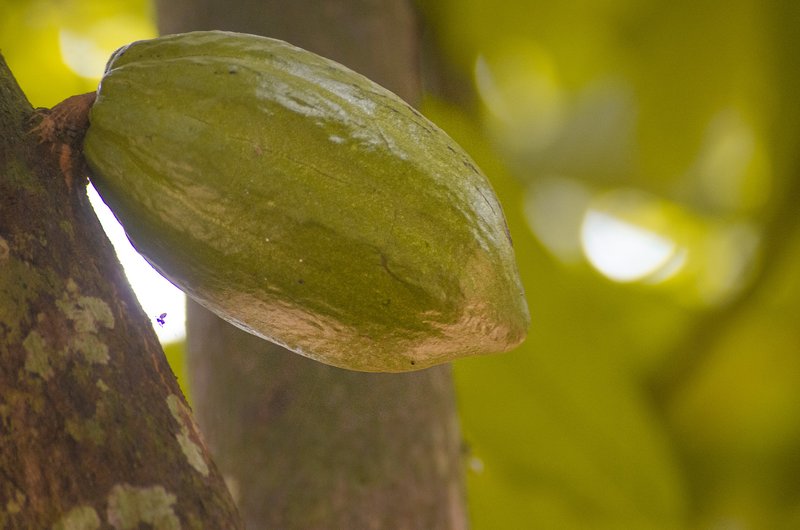
A working plantation planted with clove trees under Sultan Said bin Sultan in the 1830s, walked with a guide who cracks open cloves, nutmeg, cinnamon bark and vanilla pods to smell and taste.
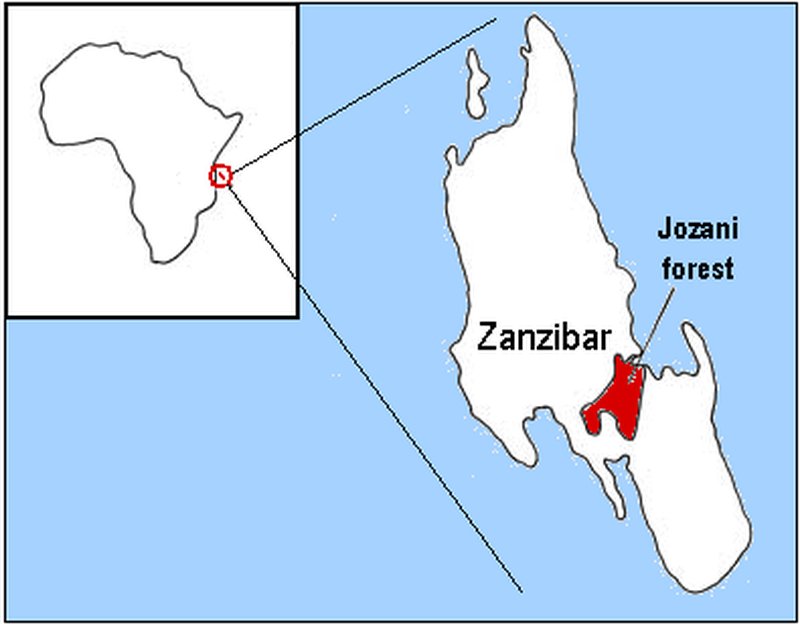
Ancient groundwater forest and mangrove creek 35 km southeast of Stone Town, walked with a ranger among troops of red colobus monkeys before a boardwalk loop through the mangroves.
From Hotel: 1h 15min → Mnarani Marine Turtle Conservation Pond
1.Mnarani Marine Turtle Conservation Pond~40 min
A natural tidal pool at Nungwi's northern tip, fenced off by local fishermen in 1993 to rehabilitate injured green and hawksbill turtles before release into open water.
A working shipyard on Nungwi's beach where craftsmen fire-bend timber into traditional lateen-rigged dhows using techniques unchanged for centuries — no show, just the real trade in progress.
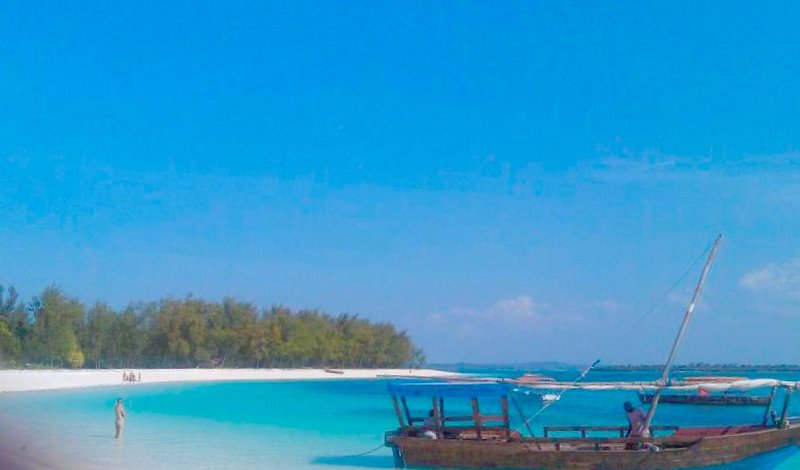
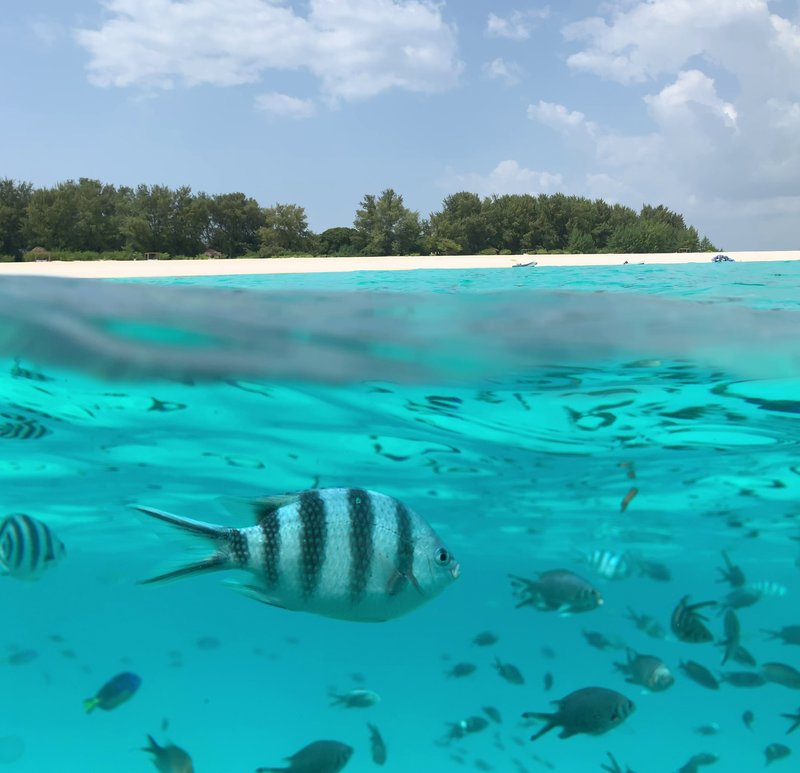
A 500-metre private island ringed by a marine-protected coral reef, reached by traditional boat for two snorkeling stops among turtles, reef fish and, on good days, pods of dolphins.
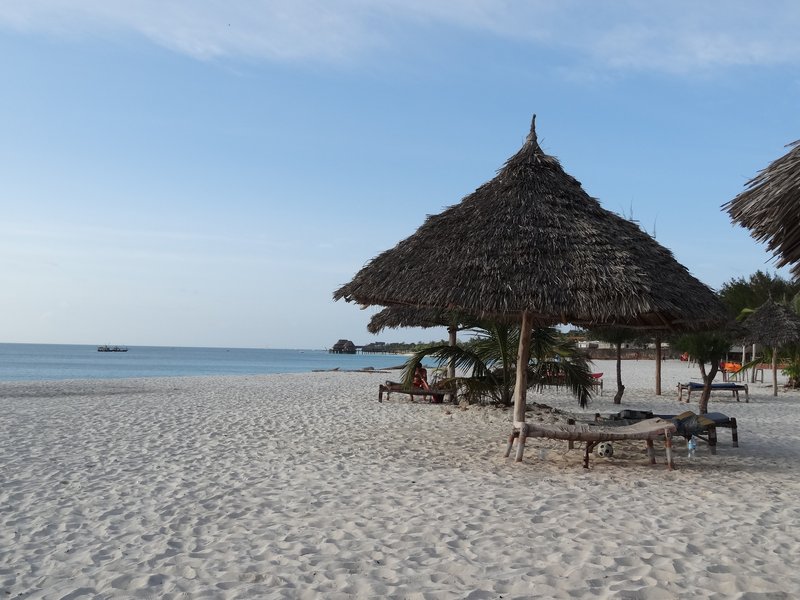
A broad west-facing beach on Zanzibar's northwest tip, deep enough to swim at any tide unlike the reef-exposed shoreline at Nungwi, closing the day with an unbroken sunset over the Indian Ocean.
The three-storey former residence of the Sultan's family, Beit al-Sahel, converted after the 1964 Revolution into a museum of royal furniture and photographs, with a room devoted to Princess Salme, who eloped to Hamburg in 1866.
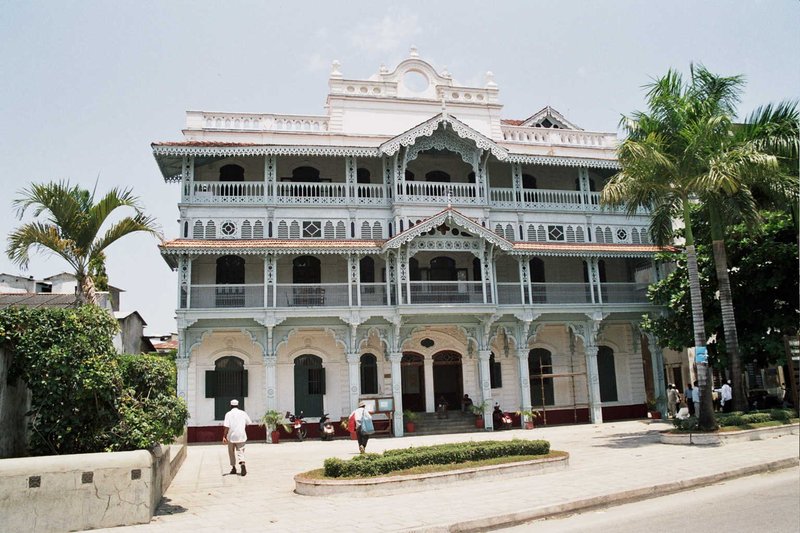
Stone Town's most ornately decorated seafront building, completed in 1894 by wealthy merchant Sir Tharia Thopan as a charitable hospital, its carved wooden balconies and stained glass a showcase of Zanzibar's mixed Indian, Arab and European craftsmanship.
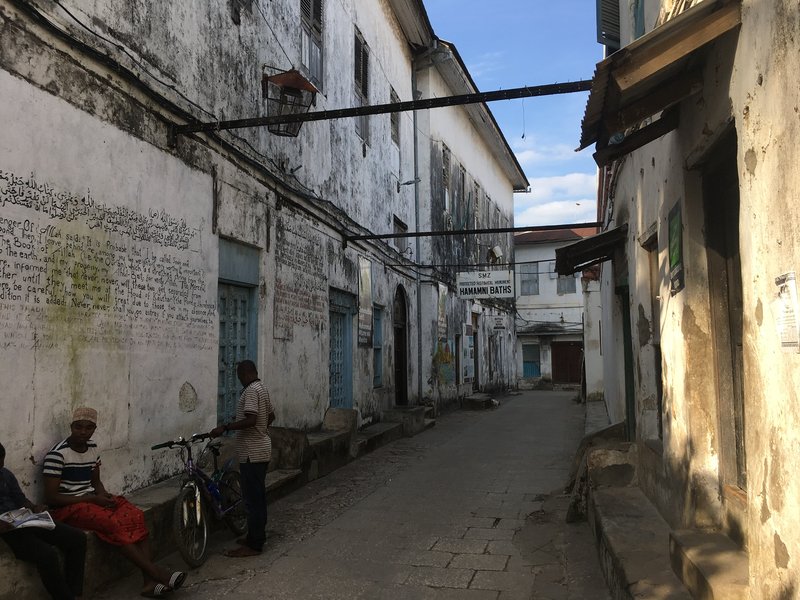
Public baths built between 1870 and 1888 for Sultan Barghash bin Said, their hot and cold rooms fed by underground aqueducts until the baths closed in 1920 — the only surviving example of Persian-style bath architecture in East Africa.
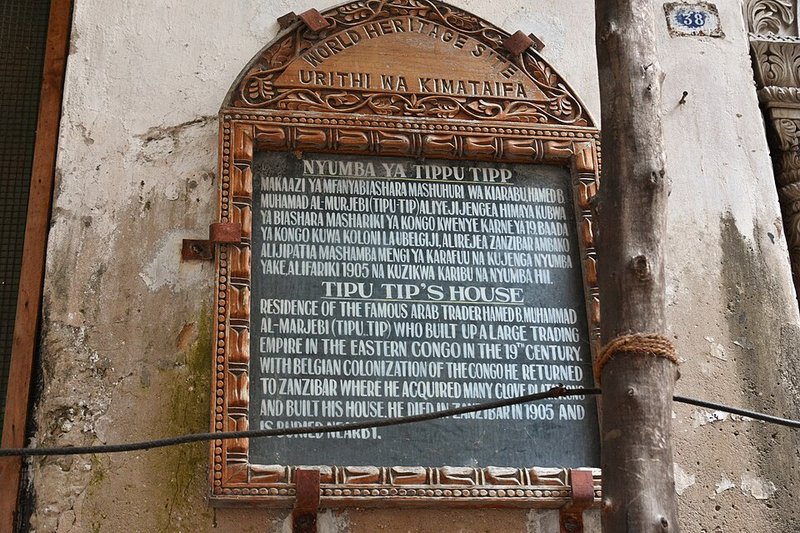
The decaying mansion of Hamad bin Muhammad, known as Tippu Tip, the island's most powerful 19th-century slave and ivory trader — its carved wooden door and black-and-white marble steps still visible from Suicide Alley, though the interior is now private flats.
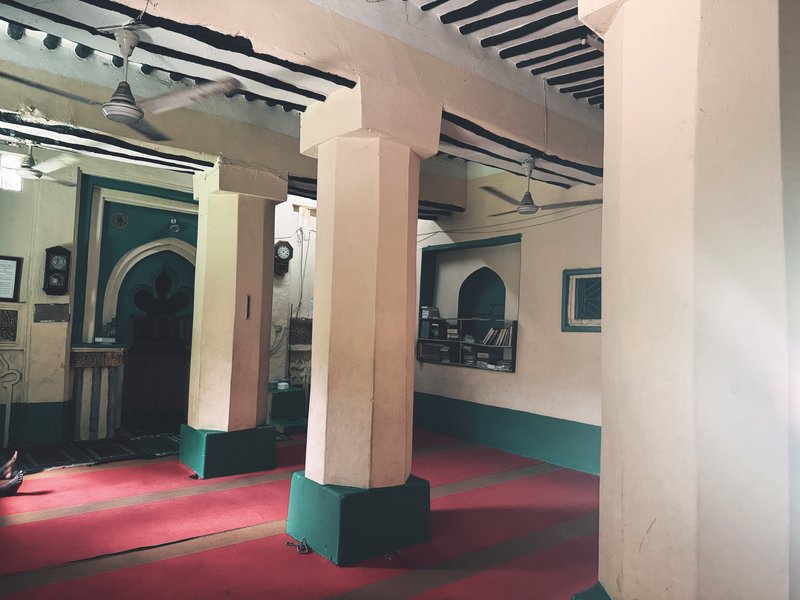
A fishing village at the island's southern tip pairing East Africa's oldest surviving mosque — its Kufic inscription dating construction to 1107 CE — with a boat trip to snorkel alongside the pods of wild bottlenose and humpback dolphins offshore.
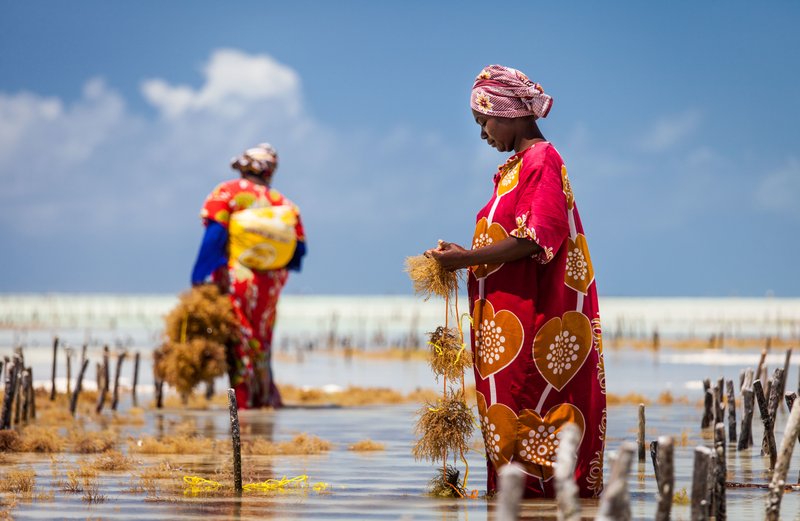
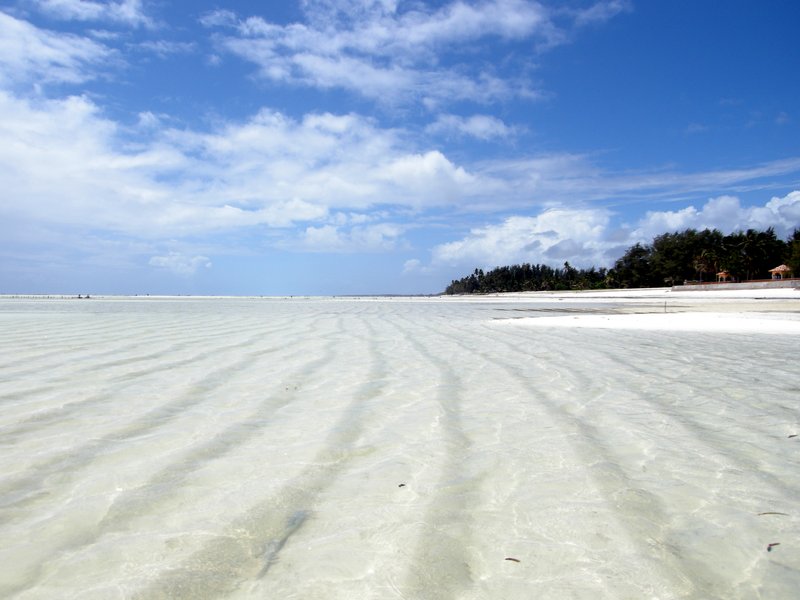
A white-sand southeast-coast beach where at low tide local women wade out to tend rope-strung seaweed farms rooted in the shallows, the crop dried and shipped abroad for use in food and cosmetics.
A wide, shallow lagoon sheltered by an offshore reef, its steady side-shore wind and sandy bottom having made this stretch of the southeast coast Zanzibar's kitesurfing capital, with schools lining the beach for lessons or rentals.
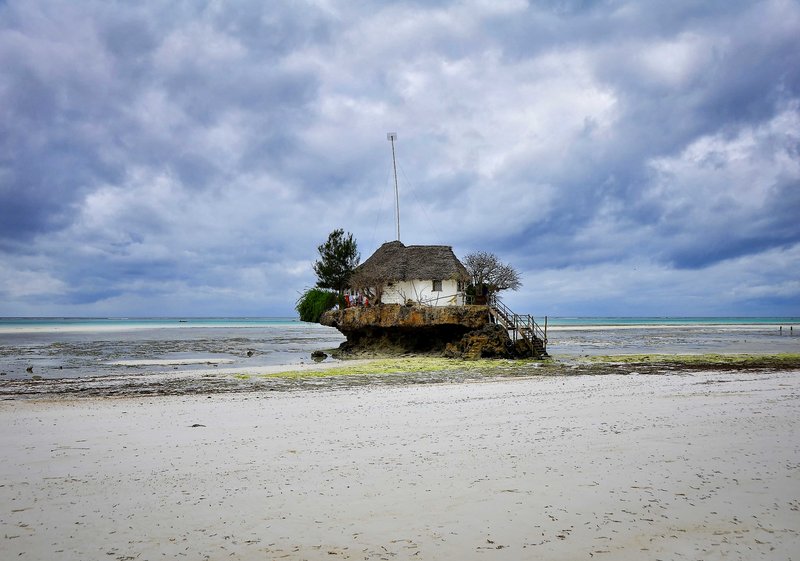
A 12-table dining room built on a rock rising from the sea off Michamvi Pingwe beach, once a fisherman's lookout, reached on foot at low tide or by boat at high tide for a seafood-forward menu with an unobstructed ocean view.
A licensed local guide walks the UNESCO old town's alleys past the Old Fort, House of Wonders and Freddie Mercury's birthplace, reading the carved doors and Omani-Indian architecture along the way.
A private full-day loop pairing the old town with a boat crossing to the tortoise sanctuary and a walking tour of a working clove and spice plantation, lunch included.
A half-day combination of the Kizimbani spice-farm walk with an afternoon pass through Stone Town's old quarter, aimed at travelers who want both without giving up a full day.
A private version of the town-island-farm loop with a smaller group and a flexible pace, useful when the shared departure times on the standard combo tour do not fit.
An after-dark walk through the old town ending at the Forodhani Gardens food stalls — this entry does not count toward the platform minimum, since its subject is a market.
A private three-hour walk through the old town's markets, mosques and merchant houses, with entry to the Old Slave Market and Cathedral included in the price.
A guide with local family ties routes the walk off the main tourist track — residential lanes, a working bakery, neighborhood mosques — rather than the standard landmark circuit.
A standard-format shared walking tour through the winding alleys, landmark buildings and mixed Swahili-Arab-Indian architecture, offered in several languages.
A private historical walk rated at the top of TripAdvisor's Stone Town category, covering the old town's colonial and Omani-era landmarks at a pace set by the group.
A named local guide's own walking tour, built around the same landmarks with a stronger emphasis on Stone Town's Swahili cultural history than the standard shared circuit.
A fact-dense guided walk through the main landmark circuit, aimed at travelers who want the full historical narrative rather than a shorter highlights pass.
A private, flexible-pace version of the same historical-cultural circuit, useful for families or travelers who do not want a fixed shared-group schedule.
A seafront terrace named for Farrokh Bulsara serving pizza, curries and sundowner cocktails, best for the sunset view over the harbor rather than the kitchen.
An Italian seafront café-restaurant on Shangani Street doing wood-fired pizza and pasta with ocean views, a reliable choice within a few minutes of the hotel.
A double Zanzibar Tourism Award winner for Best Local Dining Experience, serving Swahili-style curries and biryani buffet-style in an open-air courtyard.
A stuffed, pan-fried street-food dough parcel — minced meat, egg, cheese and vegetables folded into a thin sheet and griddled — unrelated to Italian pizza despite the name.
A tangy mango-and-turmeric soup loaded with potato fritters, boiled potato, cassava chips and hard-boiled egg, eaten as a late-afternoon street snack across the old town.
Grilled or coconut-braised octopus in a Swahili spice base of cloves, cardamom and cinnamon, a signature dish on nearly every Stone Town menu given the island's octopus fishery.
Dark-roasted coffee brewed with cardamom or ginger, sold from brass pots by street vendors who signal with small cups clinked together — the everyday version of what Zanzibar Coffee House serves seated.
Foreign number: accepted — support runs through WhatsApp, which works with any country's mobile number.
Zanzibar's own delivery app, covering restaurants, groceries and everyday essentials across the island with cash-on-delivery, card or mobile-money payment and real-time order tracking until 2am.
Live taarab performances most nights from 8pm in a restored waterfront building on the corniche run by the school that trains the genre's next players.
Foreign number: accepted — Bolt's sign-up sends an SMS verification code to any country's mobile number, the same global flow used across its 45-country network.
Recently licensed for Zanzibar and reliable inside Stone Town, but coverage thins fast toward the beach areas — expect a boda-boda or tuk-tuk offer as often as a car, and longer waits outside town.
Zanzibar is over 95% Muslim, and Stone Town in particular expects modest dress — shoulders and knees covered for both genders — outside the beach resort areas; a light scarf or shirt over swimwear when walking back from the shore avoids the stares and occasional comments.
Public alcohol consumption outside a licensed bar or restaurant terrace is not customary and can draw unwanted attention, especially during Ramadan, when eating or drinking in public during daylight hours is best avoided even for non-fasting visitors.
The House of Wonders' partial collapse halted restoration inside, and no reopening date has been confirmed — it remains a facade-only stop, not a closed footnote to skip.
US dollar bills must be dated 2006 or later, unmarked and undamaged to be accepted at exchange counters and many hotels; older or torn notes are routinely refused, so carrying a mix of small Tanzanian shillings from an ATM avoids the problem entirely.
Reef-safe, oxybenzone-free sunscreen is worth packing before arrival — Mnemba Atoll is a marine-protected reserve, and standard sunscreen is genuinely harmful to the coral a snorkeling trip there is sold on seeing.