ARACAJU
Vidam Hotel Aracaju - Transamerica Collection
Brazil
From Hotel: 🚶 12 min · 🚕 5 min → Oceanário de Aracaju · Projeto TAMAR
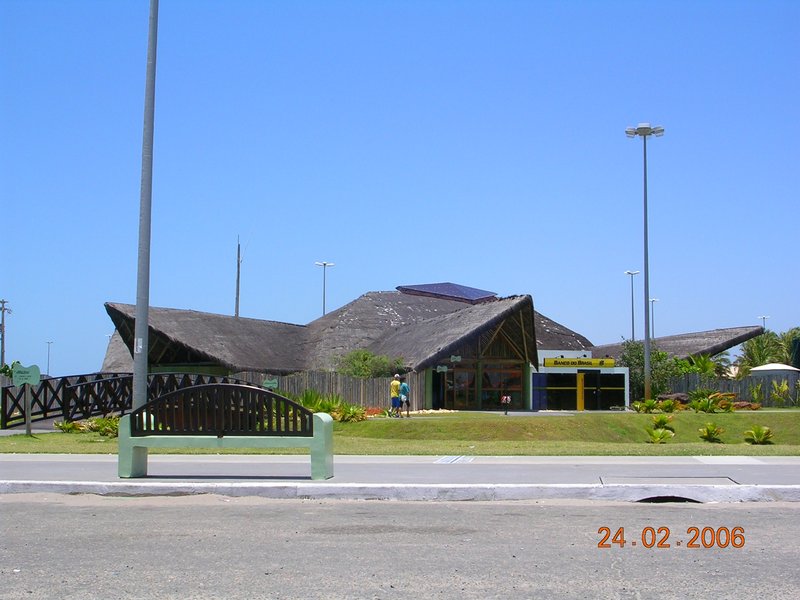
Coastal conservation center run by Projeto TAMAR, Brazil's sea-turtle rescue program; tanks hold five sea-turtle species alongside local reef fish, nurse sharks, and rays — the outdoor research station at the entrance explains ongoing recovery efforts.
🏛️ Tuesday - Sunday 10:00am - 6:00pm
🚫 Closed Monday
⏰ ~1 hr 30 min
🚶 2 min · 🚕 2 min → Orla de Atalaia
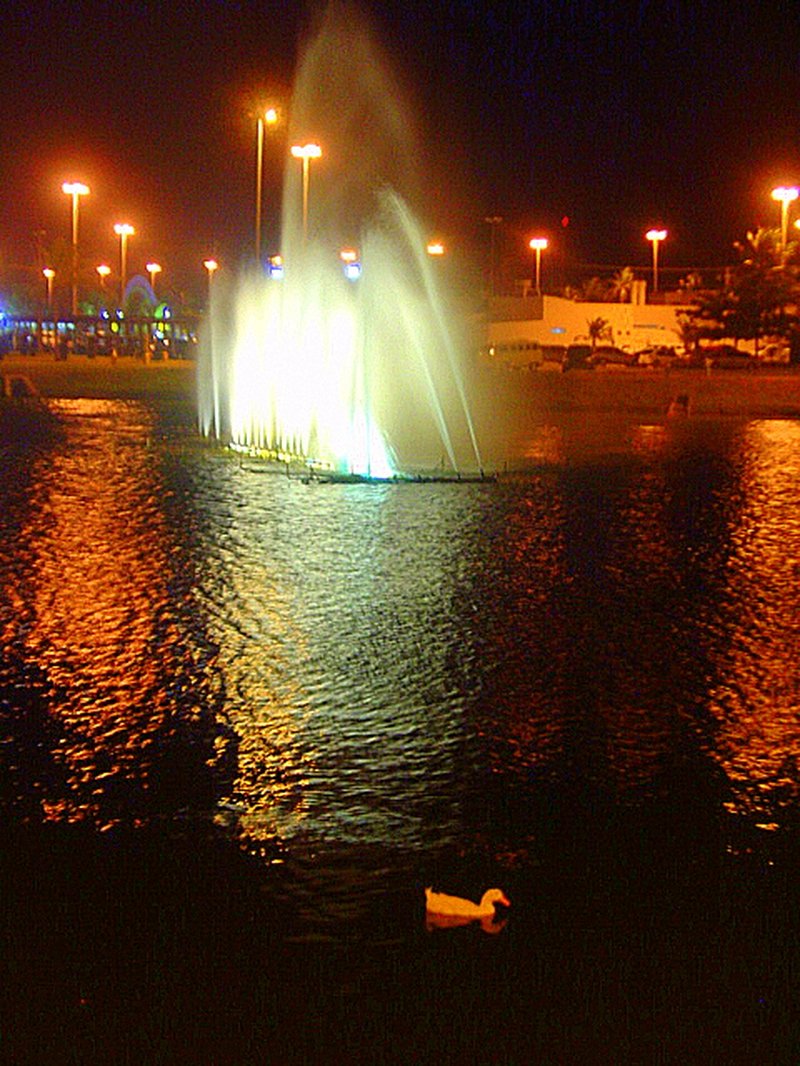
Seven kilometers of seafront promenade lined with kiosks, public sculptures, and luminous fountains; the Arcos da Orla arc installation and the illuminated fountain sequence at dusk are Aracaju's most photographed landmarks.
🏛️ Open 24/7
⏰ ~1 hr 30 min
🚶 15 min · 🚕 5 min → CCTECA Galileu Galilei
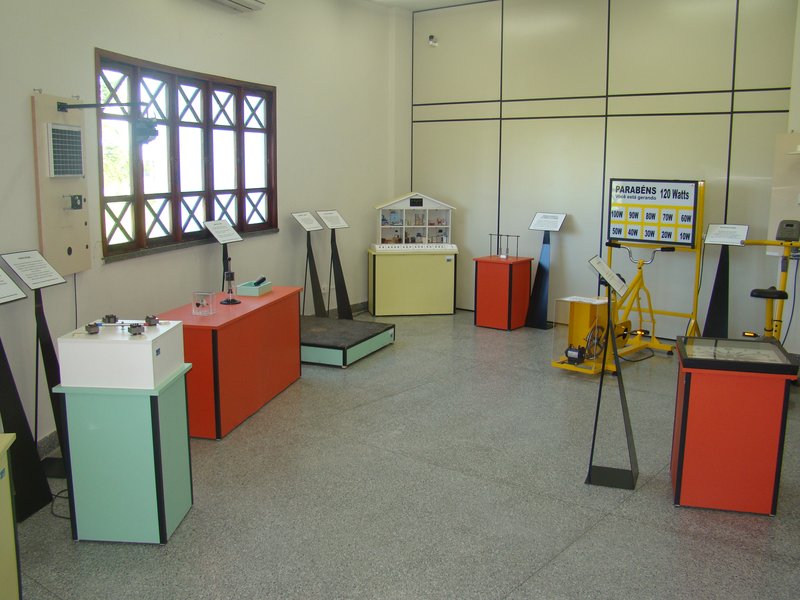
Science and technology center inside Parque Augusto Franco, home to Brazil's first fully digital planetarium and 80+ interactive experiments spanning physics, chemistry, biology, and astronomy; guided visits include a 30-min planetarium session.
🏛️ Tuesday - Friday 9:00am - 5:00pm · Saturday - Sunday 2:00pm - 5:00pm
🚫 Closed Monday
⏰ ~2 hr
Free
🚶 18 min · 🚕 6 min → hotel
From Hotel: 🚕 25 min → Croa do Goré
Tidal sandbar that rises from the Vaza-Barris River estuary at low tide, exposing a crescent of white sand surrounded by warm, waist-deep water; catamarans from Mosqueiro circle Ilha dos Namorados before anchoring at the bar for swimming.
🏛️ Daily 8:00am - 2:00pm
⏰ ~5 hr
⚠️ Tide-dependent. The sandbar emerges only at low tide; catamaran operators adjust departure times to match the morning low. Confirm departure time when booking.
🚕 30 min → Praça São Francisco
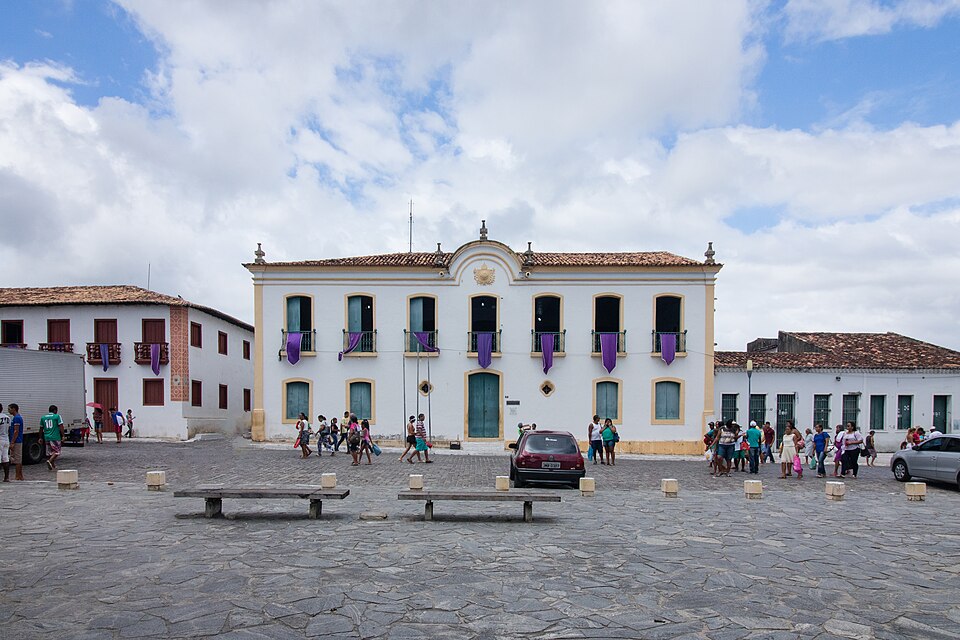
Hilltop square at the heart of São Cristóvão's colonial center, inscribed as a UNESCO World Heritage Site in 2010; the ensemble of 17th and 18th-century buildings surrounding the square is one of the oldest and best-preserved town plans in Brazil.
🚕 25 min → hotel
From Hotel: 🚕 25 min → Praça General Valadão
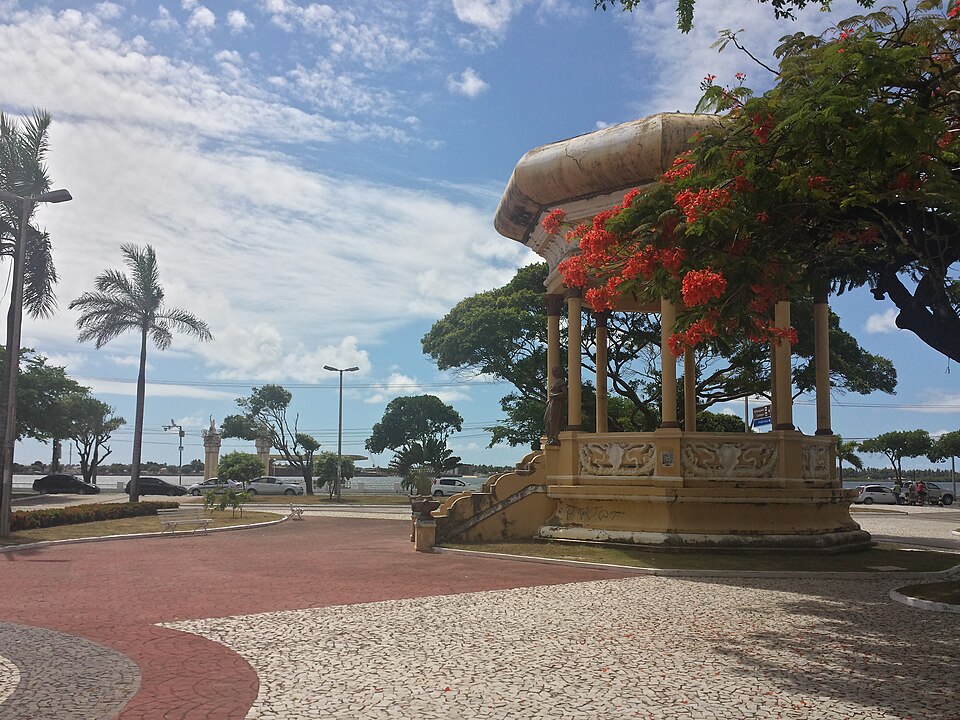
The city's most animated square, shaded by large mango trees and flanked by the neoclassical Palácio Olímpio Campos; vendors line the perimeter and locals gather here on weekend afternoons, making it the social heart of downtown Aracaju.
🚶 15 min · 🚕 5 min → Igreja e Convento de São Francisco
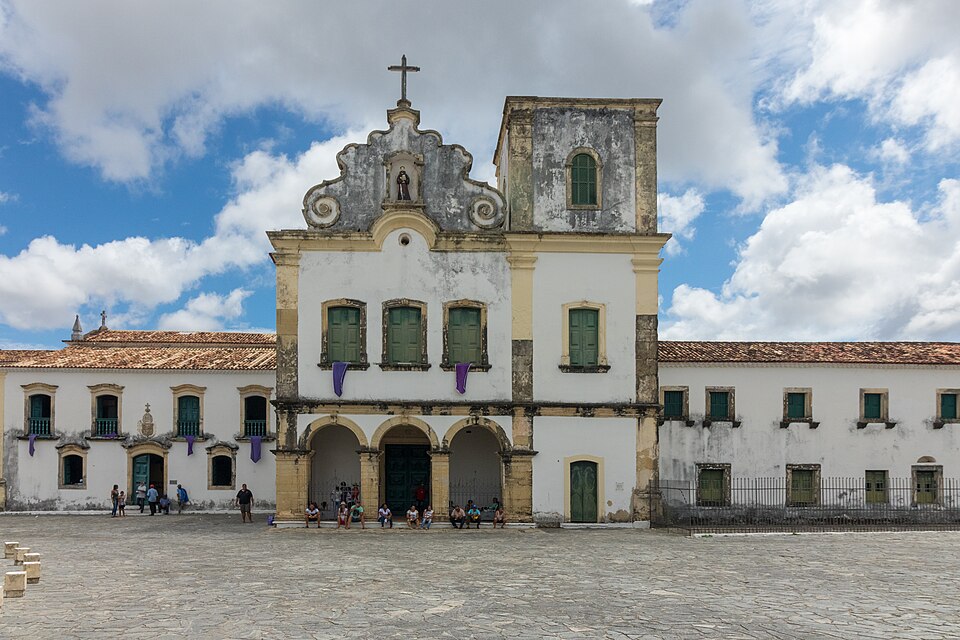
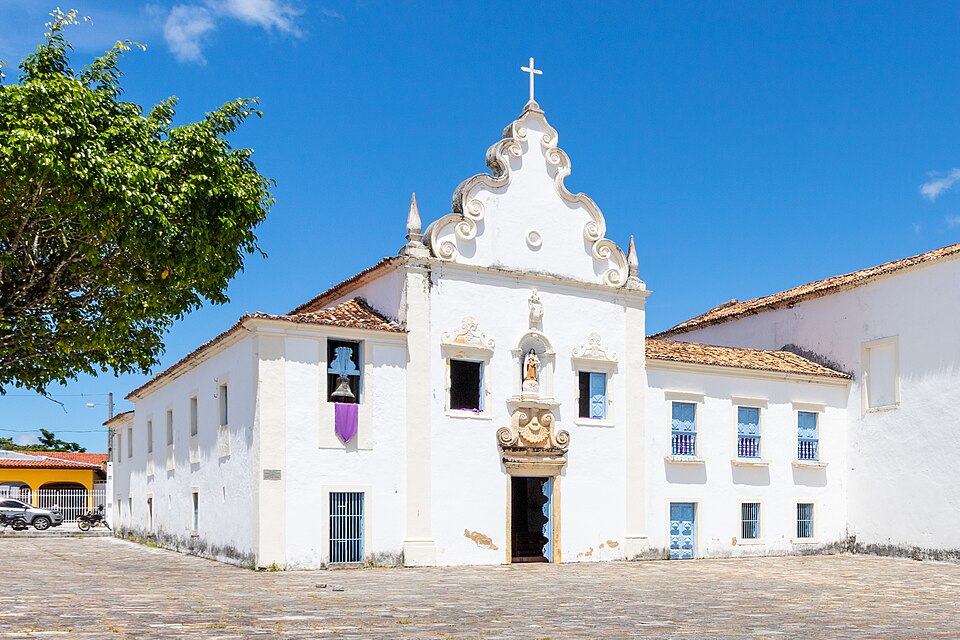
Franciscan church and convent completed in the late 17th century, its ornate baroque façade and carved stone doorway standing at the edge of the UNESCO-inscribed square; the interior holds gilded altars and azulejo tile panels, and the attached museum displays sacred art and period furnishings.
🏛️ Tuesday - Saturday 10:00am - 4:00pm · Sunday 9:00am - 1:00pm
🚫 Closed Monday
⏰ ~45 min
🚶 15 min · 🚕 5 min → Museu Histórico de Sergipe
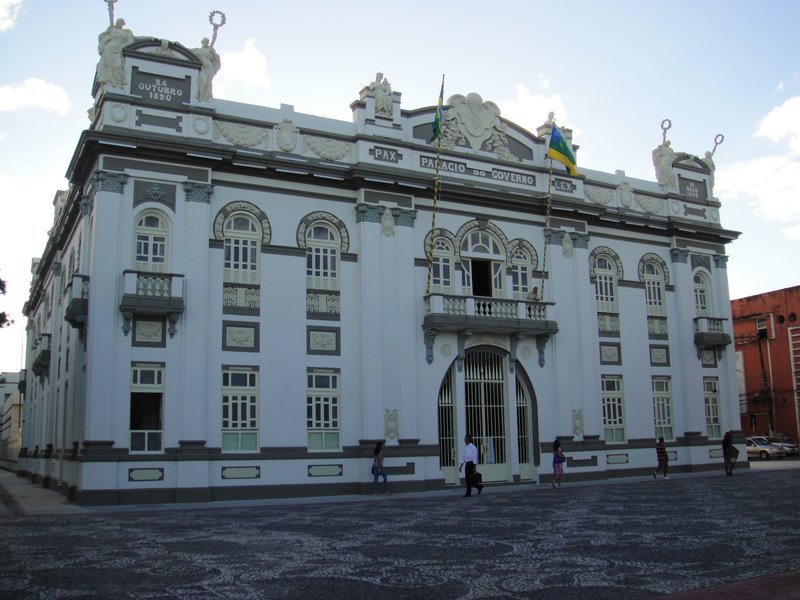
State history museum in the 18th-century Palácio do Governo on Praça São Francisco; the collection spans pre-Columbian ceramics, colonial silver, imperial-era furniture, and documents tracing Sergipe from Portuguese settlement through independence.
🏛️ Tuesday - Saturday 10:00am - 4:00pm · Sunday 9:00am - 1:00pm
🚫 Closed Monday
⏰ ~45 min
🚶 15 min · 🚕 5 min → Igreja da Ordem Terceira do Carmo
18th-century Carmelite church on the edge of São Cristóvão's colonial center, part of the UNESCO-inscribed ensemble of Praça São Francisco; its plain baroque façade conceals a richly carved interior with gilded retables and an azulejo-tiled sacristy that ranks among the finest in Sergipe.
🚕 25 min → hotel
From Hotel: 🚕 15 min → Palácio Museu Olímpio Campos
Former governor's palace built in 1865 and now a state museum; halls restored with 19th-century furniture, political portraits, and documents tracing Sergipe's path from colonial province to independence.
🏛️ Tuesday - Friday 9:00am - 4:30pm · Saturday 9:00am - 12:30pm
🚫 Closed Monday & Sunday
⏰ ~45 min
Free
🚶 1 min · 🚕 2 min → Praça Fausto Cardoso
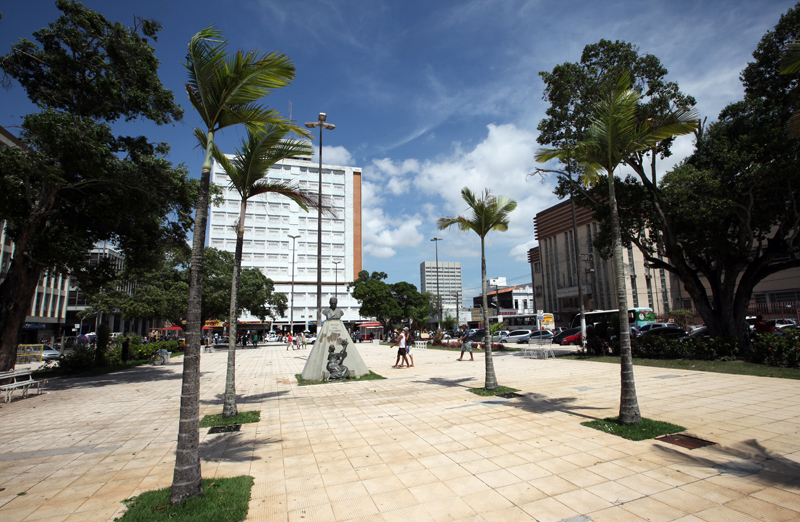
Formal civic square at the administrative center of Aracaju, flanked by the Palácio do Governo and the state legislative assembly; a double row of imperial palms lines the central walkway, and the square's neoclassical geometry contrasts with the informal energy of nearby Praça Valadão.
🚶 1 min · 🚕 2 min → Museu da Gente Sergipana
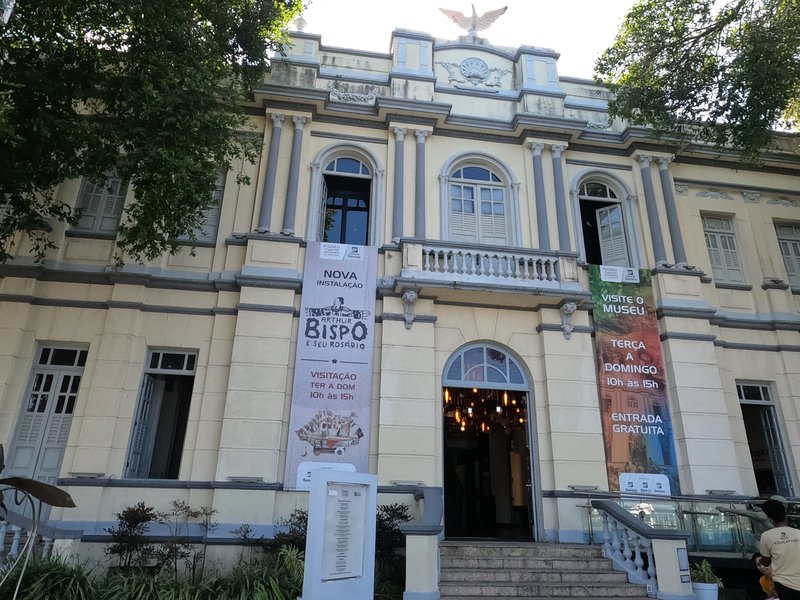
State-of-the-art multimedia museum on the Sergipe River waterfront exploring 300 years of Sergipano culture through 18 themed rooms covering food, faith, music, traditional crafts, and everyday life; opened 2011 and designed by Rosa Magalhães.
🏛️ Tuesday - Sunday 10:00am - 3:00pm
🚫 Closed Monday
⏰ ~1 hr 30 min
Free
🚶 4 min · 🚕 2 min → Our Lady of the Conception Cathedral
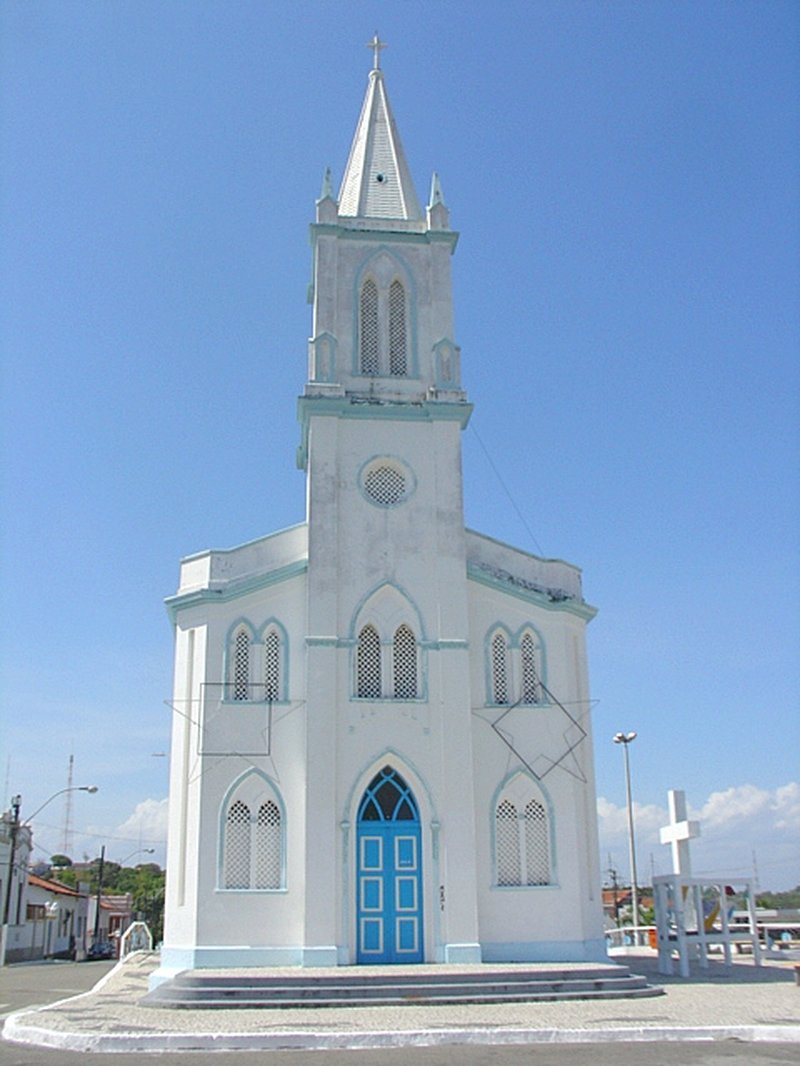
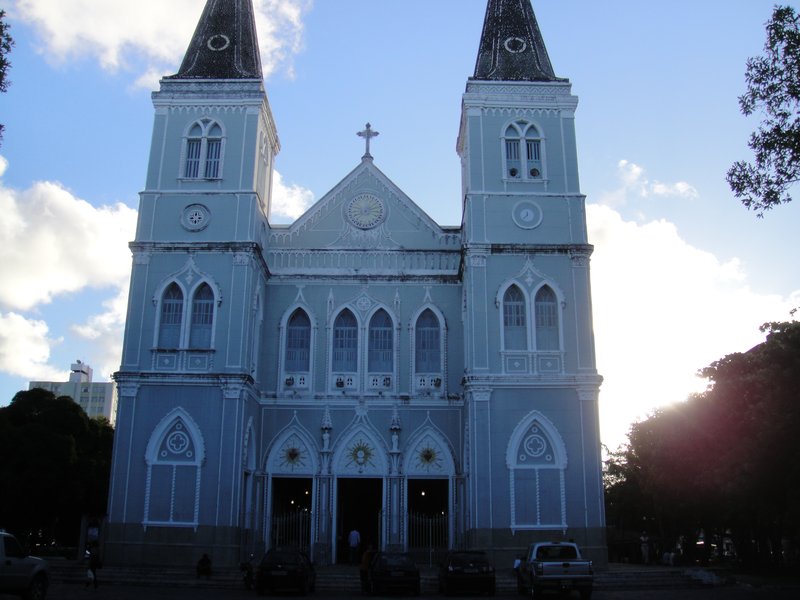
Neo-Gothic and Neoclassical cathedral built from 1862 to 1875, its twin bell towers and ornate façade anchoring the city's central square; the interior holds paintings by Orestes Gatti and stained glass that fills the nave with amber light.
🏛️ Tuesday - Friday 6:00am - 6:00pm · Saturday - Sunday 6:00am - 8:00pm
🚫 Closed Monday
⏰ ~30 min
Free
🚶 23 min · 🚕 6 min → Mirante da Treze de Julho
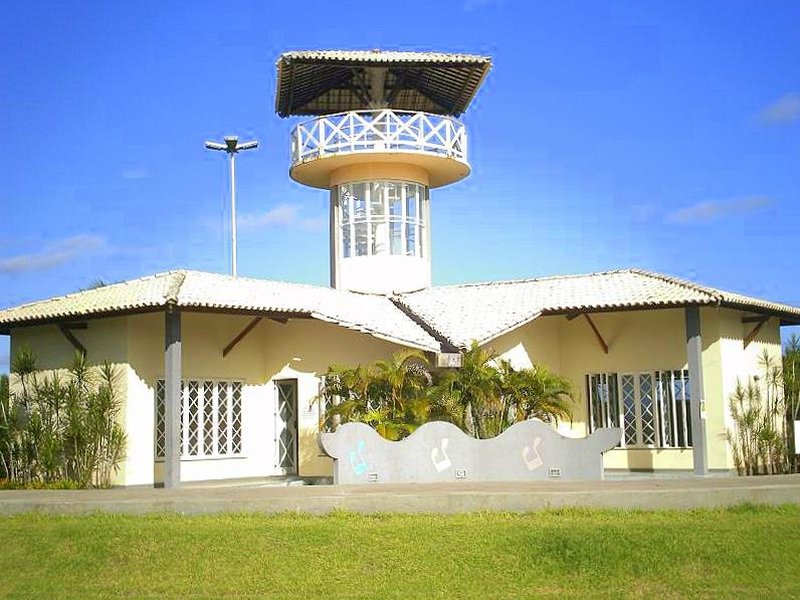
Elevated viewing tower at the foot of the 13 de Julho promenade, with a circular observation deck sweeping from the Sergipe River estuary across the Atalaia coastline; the best unobstructed sunset viewpoint in the city.
🚶 15 min · 🚕 5 min → Antiga Alfândega de Aracaju
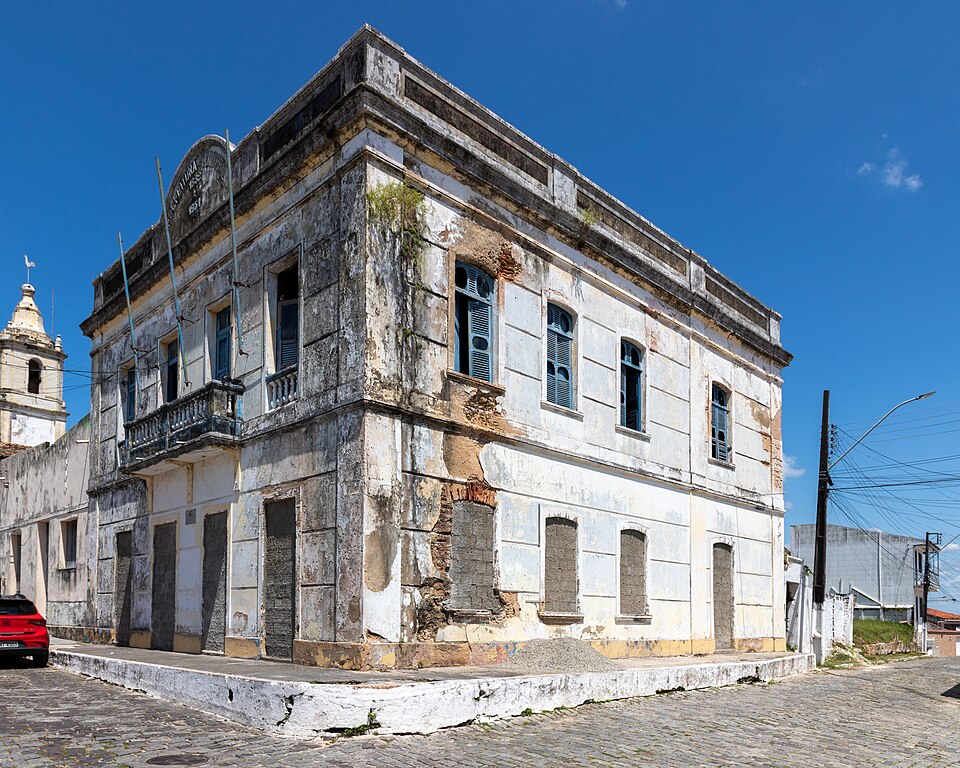
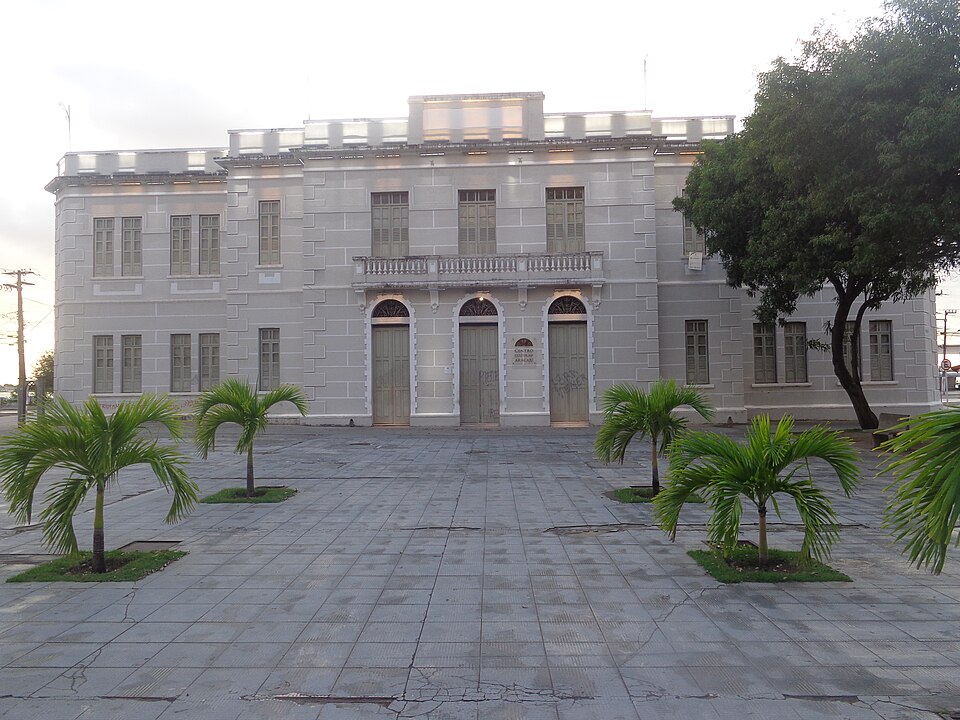
The city's former customs house, built in the 1880s on the Sergipe River waterfront; its two-storey neoclassical façade with arched windows is the only surviving example of imperial-era commercial architecture in Aracaju and now serves as a cultural and events space.
🚶 15 min · 🚕 5 min → Arquivo Público Estadual de Sergipe
Sergipe's state archive, housed in a neoclassical building dating from 1884 in the heart of downtown Aracaju; the building holds the most complete collection of colonial-era documents in the state, including original land grants, church registers, and administrative records from the Portuguese colonial period.
🏛️ Monday - Friday 8:00am - 5:00pm
🚫 Closed Saturday & Sunday
⏰ ~20 min
Free
🚕 15 min → hotel
From Hotel: 🚕 30 min → Igreja do Bom Jesus dos Navegantes
Small hilltop church completed in 1905, its white façade visible from across the valley; the climb up stone steps delivers panoramic views over the terracotta rooftops of Laranjeiras and the Cotinguiba River valley, making it the standard first stop in the colonial town.
🚶 5 min · 🚕 3 min → Casa de Cultura João Ribeiro
Cultural center in a restored 19th-century colonial building named for Laranjeiras-born philologist João Ribeiro; the permanent collection focuses on Afro-Brazilian religious objects, folk art, and Sergipe ethnography, with rotating exhibitions on local artists and colonial history.
🏛️ Tuesday - Friday 10:00am - 4:00pm
🚫 Closed Monday, Saturday & Sunday
⏰ ~45 min
Free
🚶 3 min · 🚕 2 min → Igreja Matriz do Sagrado Coração de Jesus
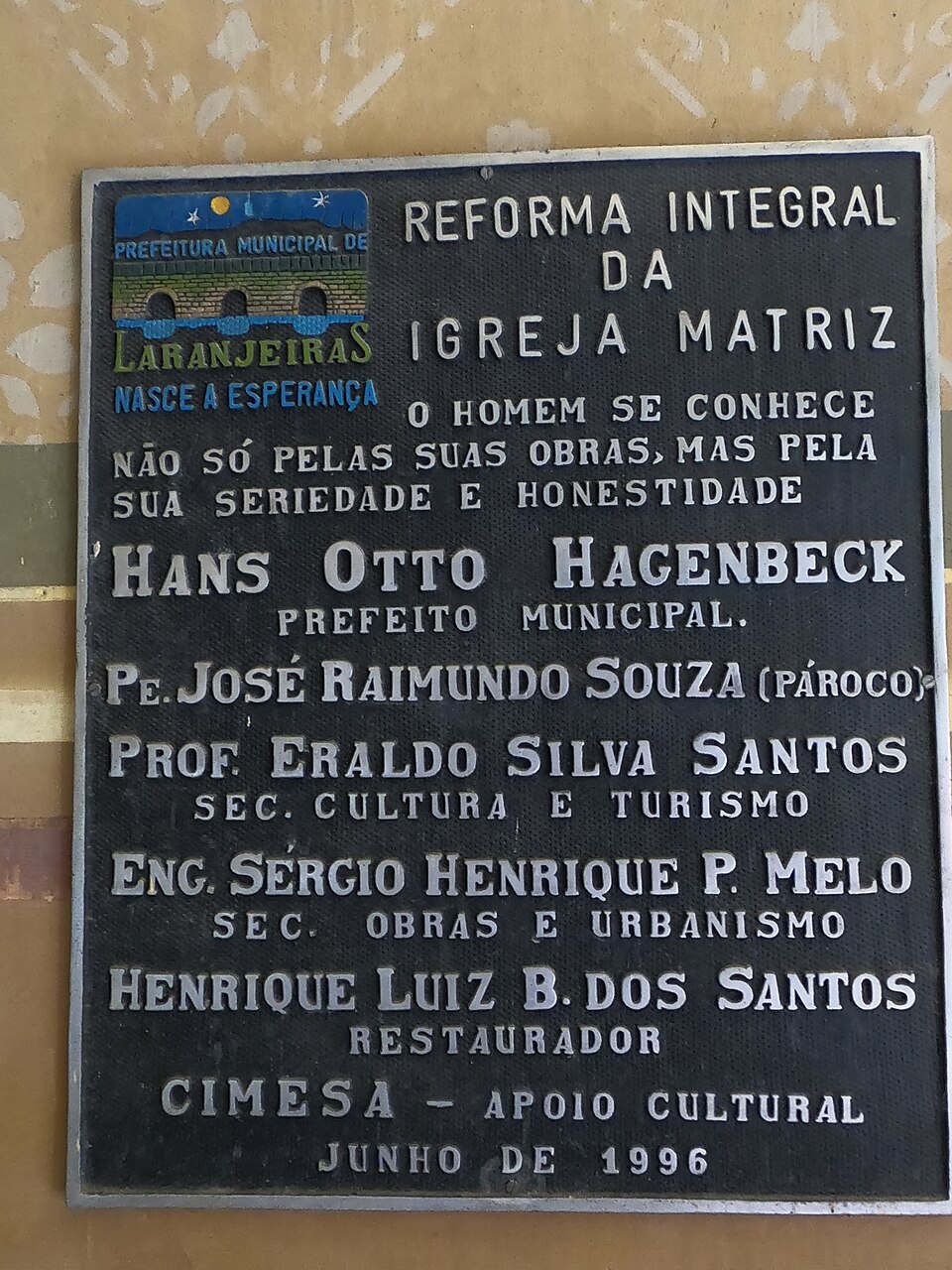
The founding parish church of Laranjeiras, its current late-19th-century structure standing at the edge of the town's main square; the plain façade opens onto an interior with carved woodwork retables and painted ceiling panels that rank among the finest in Sergipe's colonial churches.
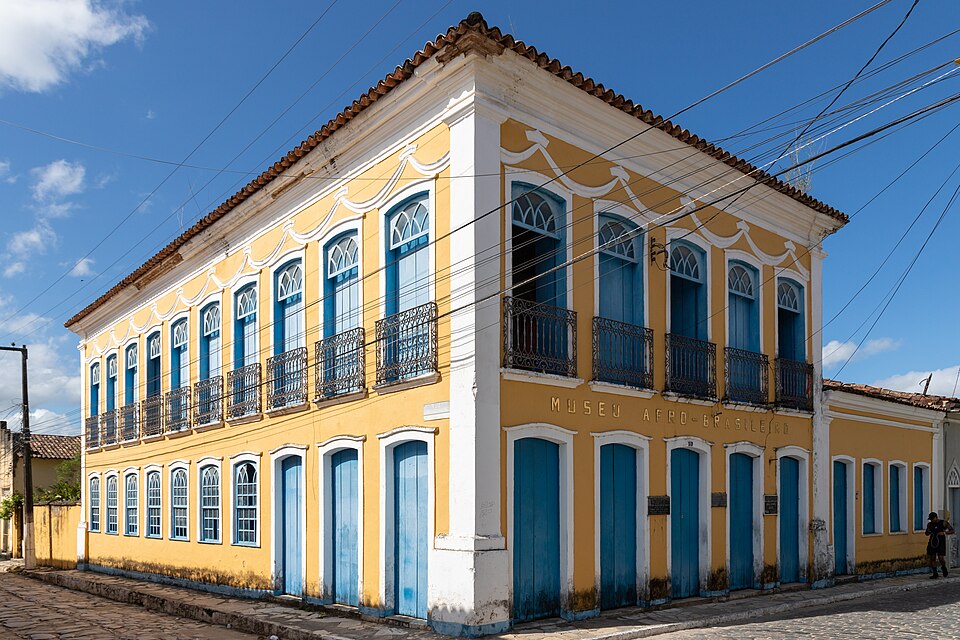
🚶 5 min · 🚕 3 min → Museu Afro-Brasileiro de Sergipe
The only Afro-Brazilian museum in Sergipe, housed in a colonial building in Laranjeiras' historic center; the collection documents African cultural contributions to the state through Candomblé religious objects, musical instruments, tools, photographs, and documents spanning the colonial and post-abolition periods.
🏛️ Tuesday - Friday 10:00am - 5:00pm · Saturday 9:00am - 1:00pm
🚫 Closed Monday & Sunday
⏰ ~45 min
Free
🚕 30 min → hotel
✨ The Planned City on a Swamp
Aracaju was not so much founded as engineered. In 1855, the provincial president Inácio Joaquim Barbosa ordered an entirely new capital built on a sandbar between two rivers — a grid city laid out from scratch on mangrove swampland. Contemporary critics called it a disaster. The ground was waterlogged, insects were relentless, and the city's first residents had to be compelled to relocate from the old capital São Cristóvão. What that forced founding created was something unusual: a Brazilian city shaped by a blueprint rather than by centuries of organic growth, which is why Aracaju's street grid remains startlingly regular compared to most northeastern capitals.
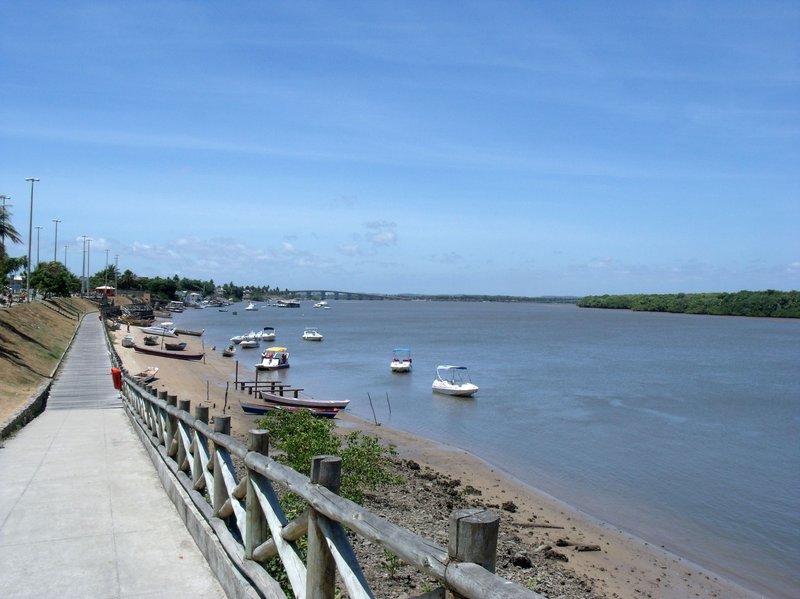
The Vaza-Barris River that feeds Croa do Goré on Day 3 also marks the original southern boundary of that planned settlement. The tidal sandbar itself was well-known to fishermen long before tourism arrived — it appears on 19th-century nautical charts of the Sergipe coast as a navigation hazard, not an attraction.