RECIFE
Hotel Atlante Plaza
Brazil
From Hotel: 🚕 15 min → Capella Dourada
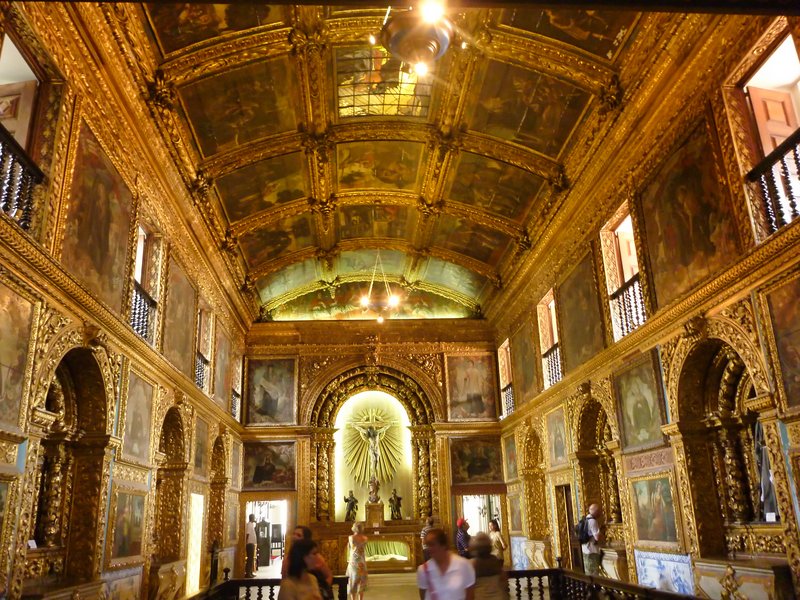
Considered the finest example of Brazilian Baroque art, the Golden Chapel was completed in 1697 by the Franciscan Order. The interior is encrusted with 120 kg of gold leaf applied over intricately carved cedar wood, making it one of the richest colonial-era interiors in South America.
🏛️ Monday - Friday 8:00am - 12:00pm · 2:00pm - 5:00pm
🚫 Closed Saturday & Sunday
⏰ ~45 min
🚶 12 min · 🚕 3 min → Forte de São Tiago das Cinco Pontas
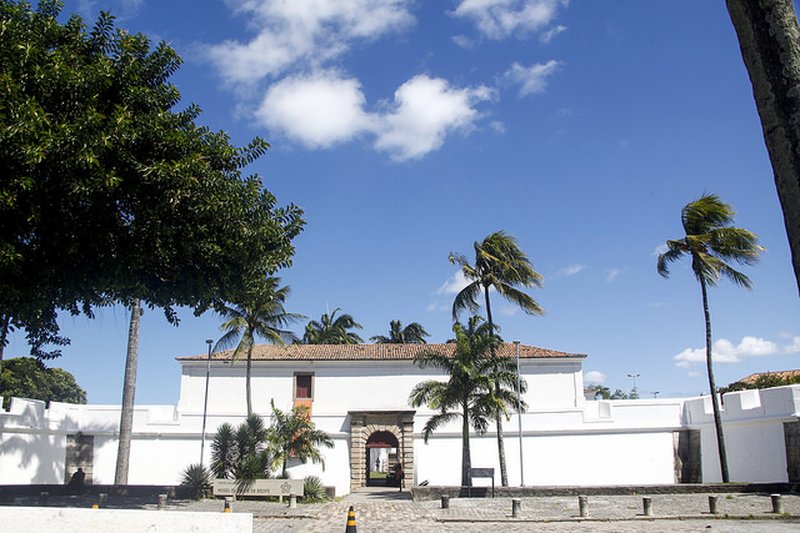
A five-pointed star fort built by the Dutch in 1630, rebuilt in stone by the Portuguese in 1654 after they retook Recife. Today it houses the Museu da Cidade, tracing the city's colonial and modern history through photographs and artifacts.
🏛️ Wednesday - Friday 10:00am - 5:00pm · Saturday - Sunday 10:00am - 4:00pm
🚫 Closed Monday & Tuesday
⏰ ~1.5 hr
Free
🚕 10 min → Museu do Estado de Pernambuco
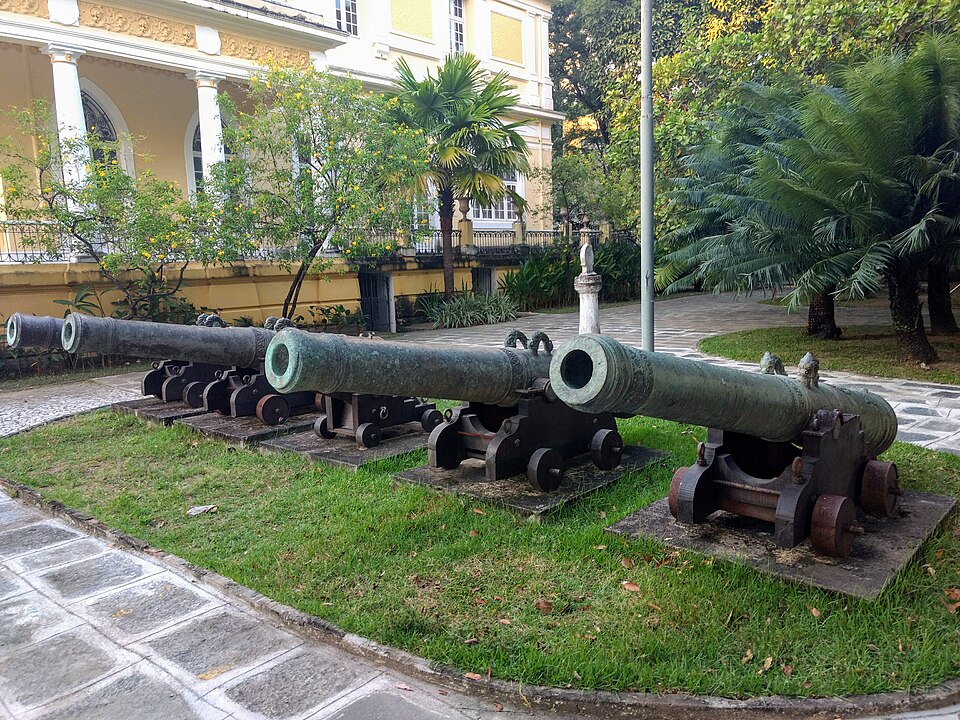
Pernambuco's state museum of art and history — a neoclassical 19th-century mansion in Graças. The collection spans colonial-era paintings, indigenous and African artifacts, Dutch-period engravings, and works by regionalist painter Teles Júnior. The building was the Palácio da Soledade before conversion.
🏛️ Tuesday - Friday 9:00am - 5:00pm · Saturday - Sunday 2:00pm - 5:00pm
🚫 Closed Monday
⏰ ~1 hr 30 min
🚕 16 min → Basilica and Monastery of St. Benedict
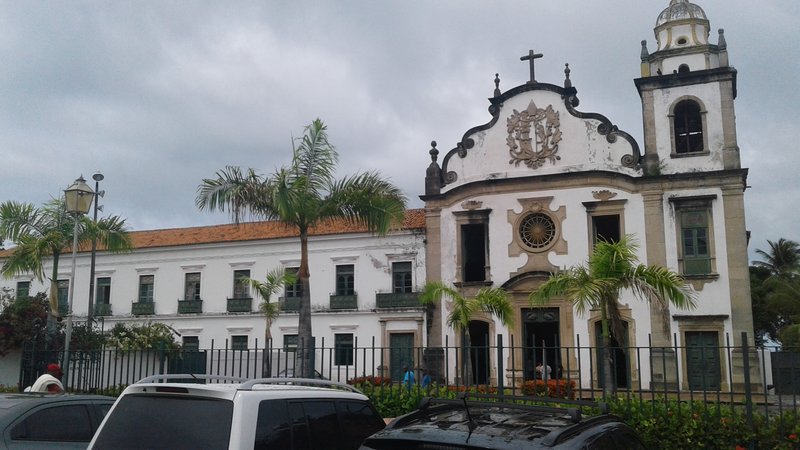
A working Benedictine monastery founded in the 16th century, with a basilica holding one of Brazil's most ornate gilded altars — 22-karat gold leaf over carved timber. The complex also houses a museum of sacred art and a school operating since 1799.
🏛️ Daily 9:00am - 11:45am · 2:00pm - 5:00pm
⏰ ~1 hr
Free
🚕 15 min → hotel
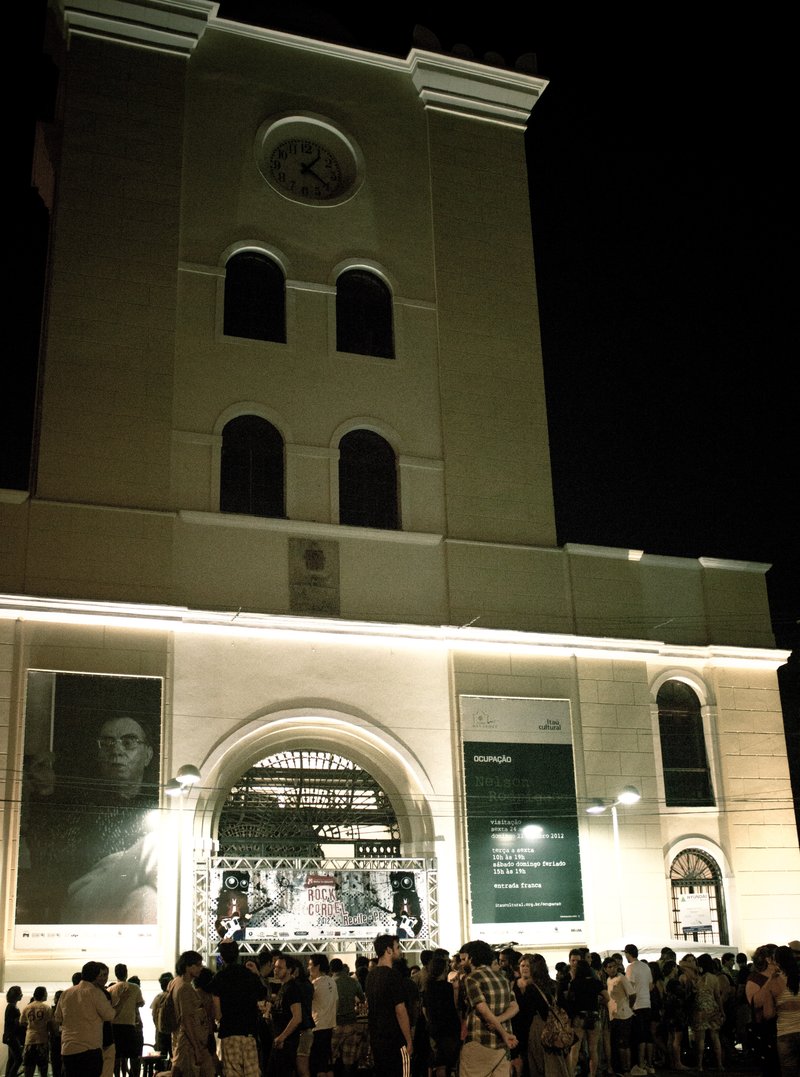
From Hotel: 🚕 20 min → Torre Malakoff
A Neo-Gothic astronomical observatory and gateway built in 1852 for the Naval Arsenal. Named after the Battle of Malakhov during the Crimean War, the tower now functions as a cultural centre and exhibition space with views over the port and old city.
🏛️ Tuesday - Friday 10:00am - 5:00pm · Sunday 2:00pm - 6:00pm
🚫 Closed Monday & Saturday
⏰ ~45 min
Free
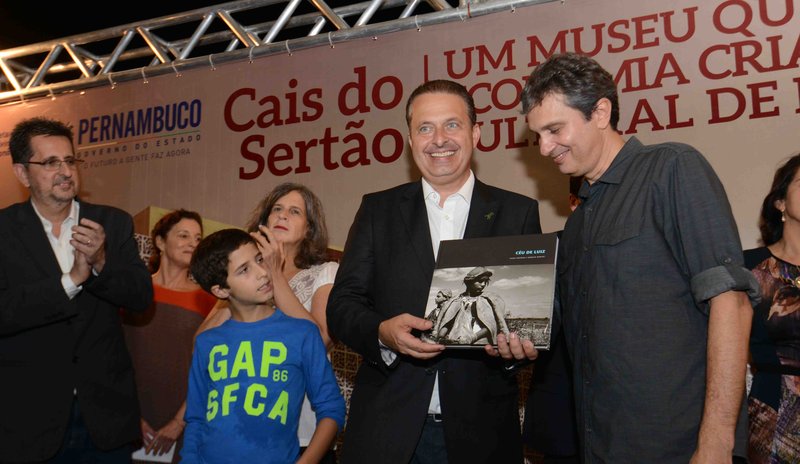
🚶 1 min · 🚕 2 min → Museu Cais do Sertão
An immersive museum celebrating northeastern Brazilian sertão culture and the music of Luiz Gonzaga. Opened in 2014 inside a refurbished waterfront warehouse, with sound, light, and tactile displays recreating the interior landscape.
🏛️ Tuesday - Friday 10:00am - 4:00pm · Saturday - Sunday 1:00pm - 6:00pm
🚫 Closed Monday
⏰ ~1.5 hr
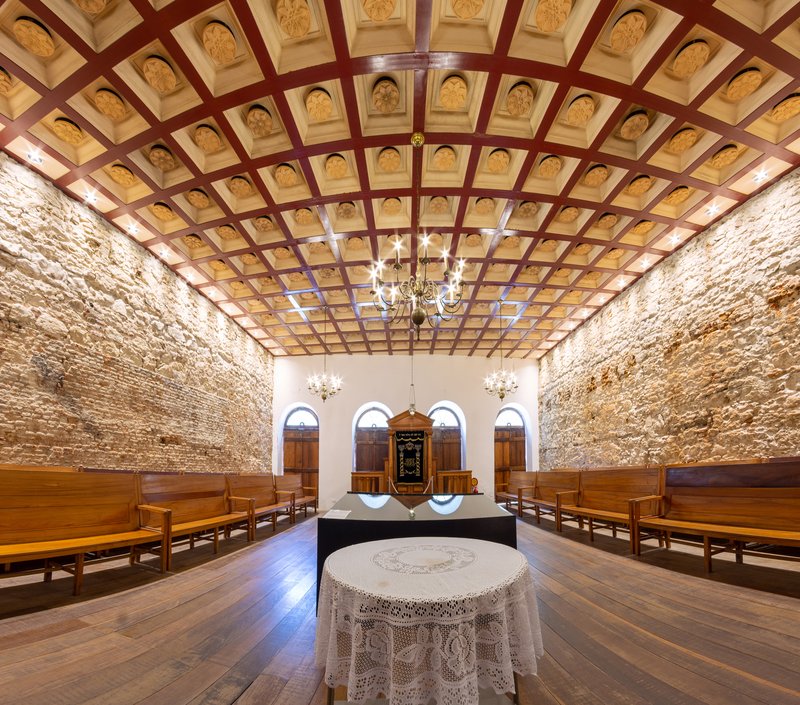
🚶 2 min · 🚕 2 min → Kahal Zur Israel Synagogue
The oldest synagogue in the Americas, founded by Sephardic Jewish settlers during Dutch colonial rule in 1636. The current building is a museum documenting Jewish life in Pernambuco, with a ritual bath preserved beneath the floor.
🏛️ Tuesday - Friday 9:00am - 5:00pm · Sunday 11:00am - 6:00pm
🚫 Closed Monday & Saturday
⏰ ~1 hr
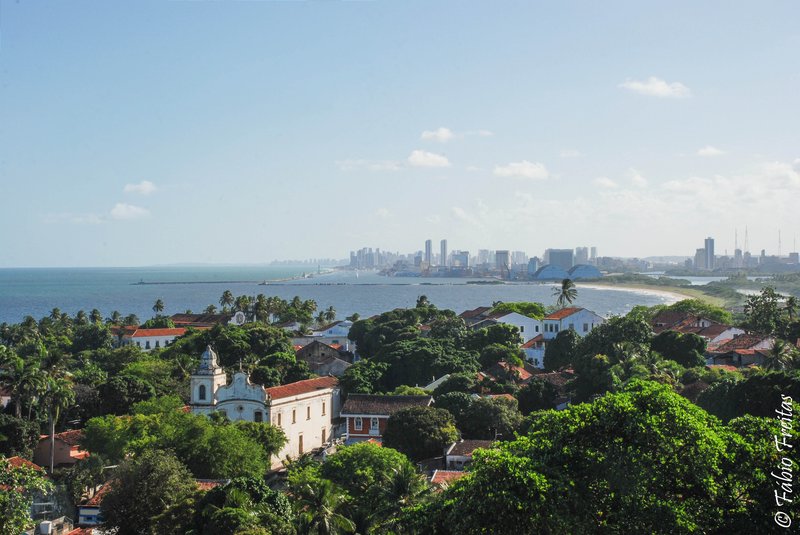
🚶 15 min · 🚕 5 min → Holy Saviour of the World Cathedral
The oldest religious site in the Olinda UNESCO World Heritage area, begun in 1537 and elevated to a cathedral in 1676. Sits at the Alto da Sé summit with panoramic views of Recife's coastline and the historic rooftops below.
🏛️ Daily 8:00am - 12:00pm · 2:00pm - 5:00pm
⏰ ~1 hr
Free
🚕 20 min → hotel
From Hotel: 🚕 25 min → Instituto Ricardo Brennand
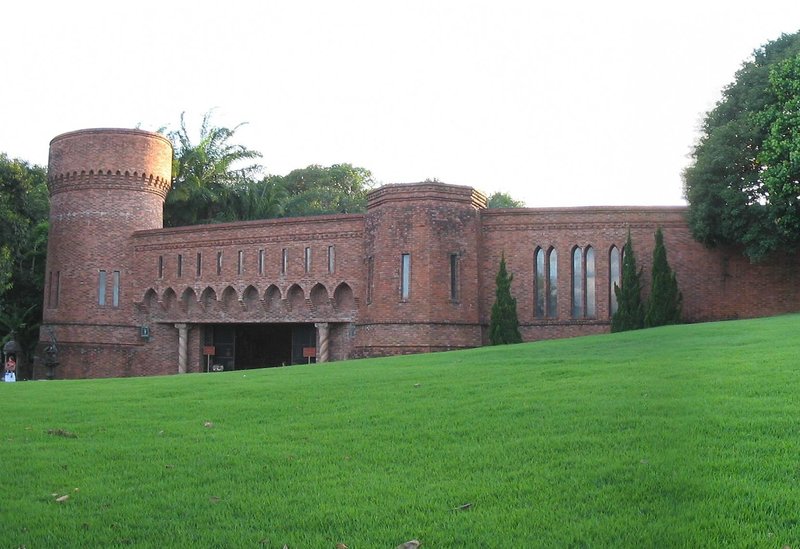
A private museum in a Tudor Revival castle built in 2002, holding the world's largest Frans Post collection, a 3,000-piece medieval armory, and rotating exhibitions across 77,000 m² of Atlantic Forest gardens.
🏛️ Tuesday - Sunday 1:00pm - 5:00pm
🚫 Closed Monday
⏰ ~2 hr
🚶 17 min · 🚕 4 min → Oficina Cerâmica Francisco Brennand
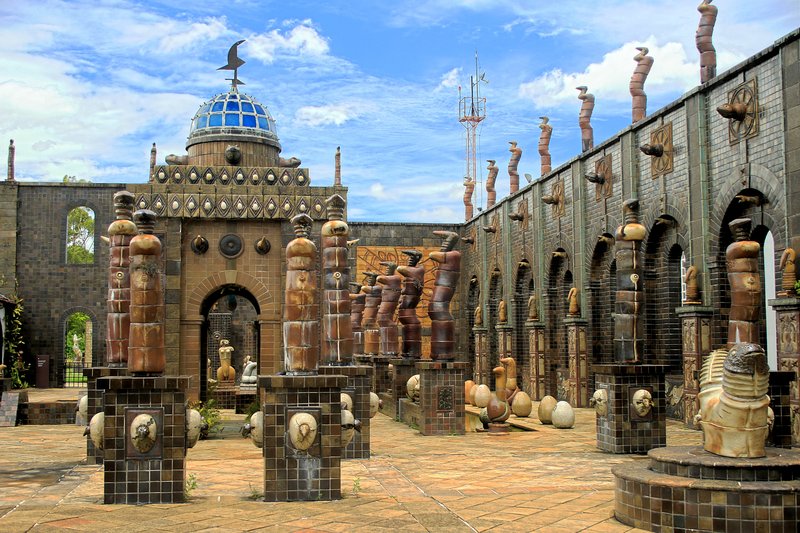
The studio and garden of sculptor Francisco Brennand, set on a former tile factory on the edge of the Atlantic Forest. Over 2,000 ceramic sculptures fill the outdoor grounds, factory floors, and a private chapel — large-scale figurative and mythological pieces created over a career spanning six decades.
🏛️ Tuesday - Sunday 9:00am - 5:00pm
🚫 Closed Monday
⏰ ~2 hr
🚕 30 min → hotel
From Hotel: 🚕 12 min → Praia de Boa Viagem
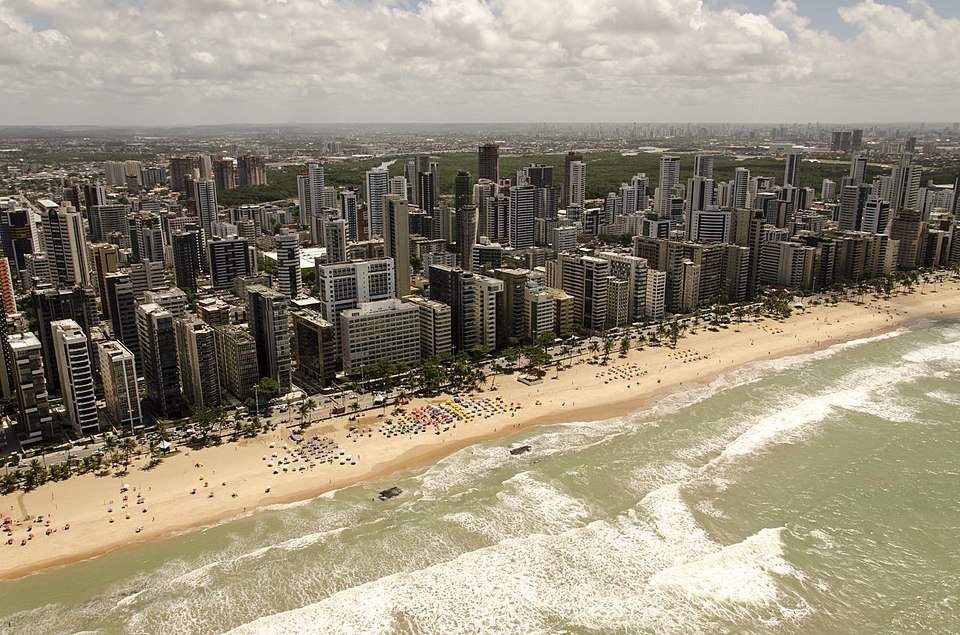
Recife's 8-kilometer urban beach running along Avenida Boa Viagem. Naturally protected by a coral reef barrier that keeps the water calm; the beach is walkable from end to end along the seafront promenade with coconut-water stalls, beach volleyball, and waterfront restaurants.
🚕 12 min → hotel
From Hotel: 🚶 3 min · 🚕 3 min → Parque Estadual de Dois Irmãos
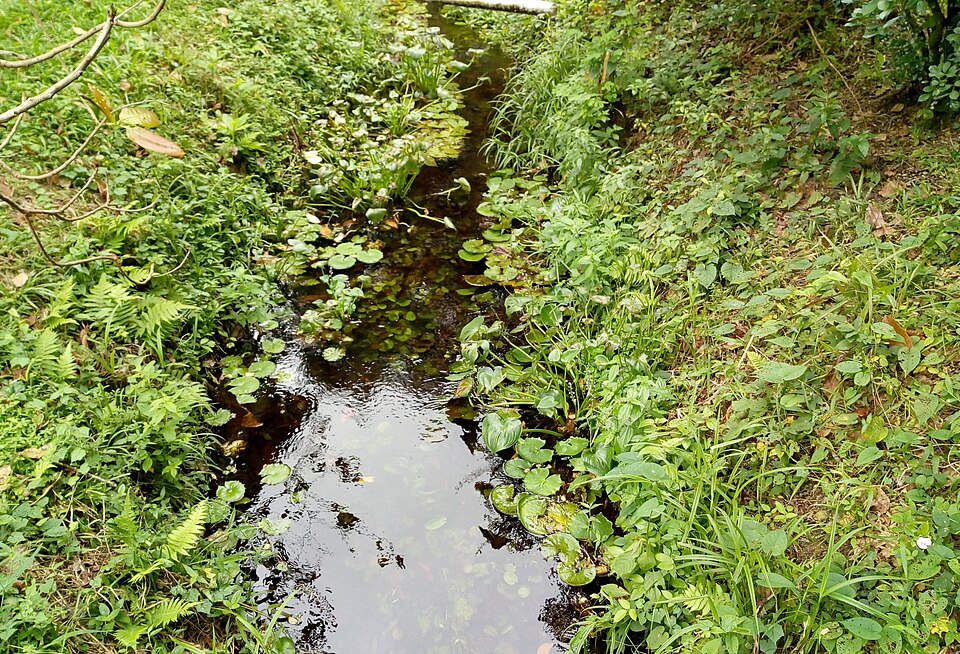
A 1,158-hectare state park and zoo in northern Recife. The zoological collection holds over 1,200 animals across 200 species; botanical trails cross Atlantic Forest fragments and secondary growth around two reservoirs. Founded in 1934 as a biological reserve.
🏛️ Tuesday - Sunday 8:00am - 5:00pm
🚫 Closed Monday
⏰ ~2 hr
🚕 10 min → hotel
From Hotel: 🚕 15 min → Praça da República
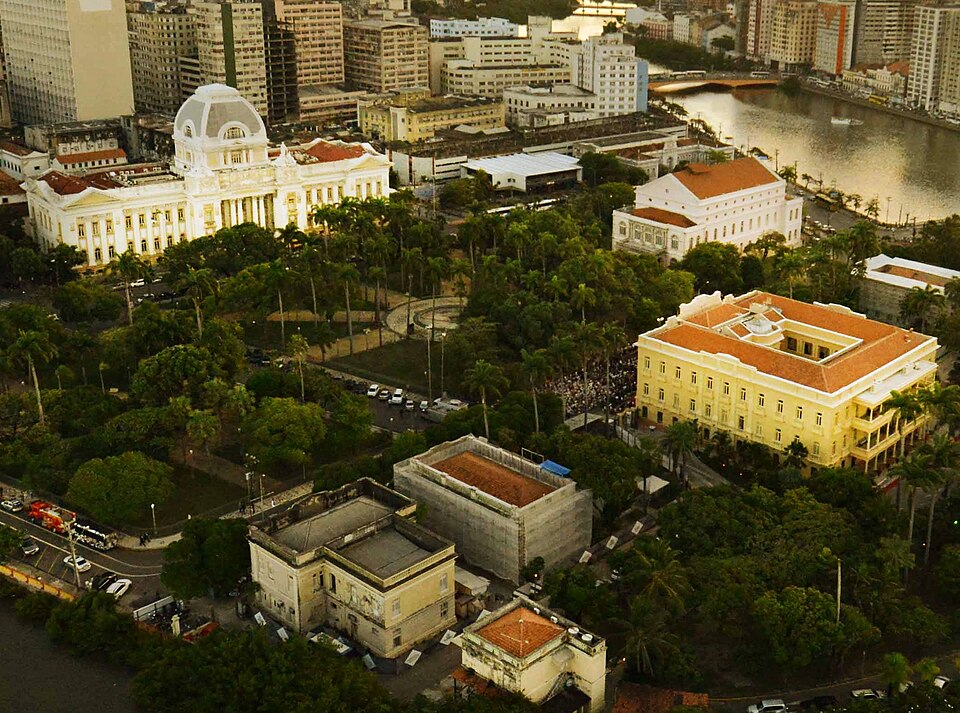
Recife's main civic square — a landscaped plaza surrounded by 19th-century neoclassical buildings. The Palácio do Campo das Princesas faces the Teatro Santa Isabel; the Palácio da Justiça and the old Post Office flank the perimeter.
🚶 2 min · 🚕 3 min → Teatro Santa Isabel
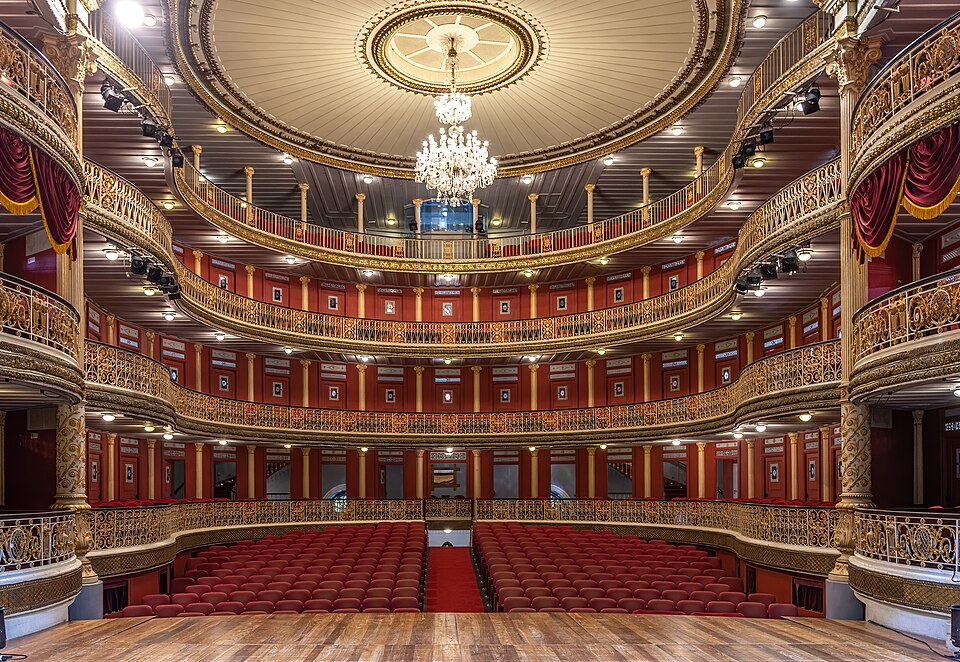
Recife's 1850 neoclassical theatre — one of Brazil's most important 19th-century performance halls. The interior holds an 800-seat main hall with gilded balconies and a painted ceiling. Designed by French architect Louis Vauthier, it is a National Heritage Monument and hosts the Pernambuco Symphony Orchestra.
🏛️ Monday - Friday 1:00pm - 5:00pm
🚫 Closed Saturday & Sunday
⏰ ~1 hr
🚶 5 min · 🚕 3 min → Pátio de São Pedro
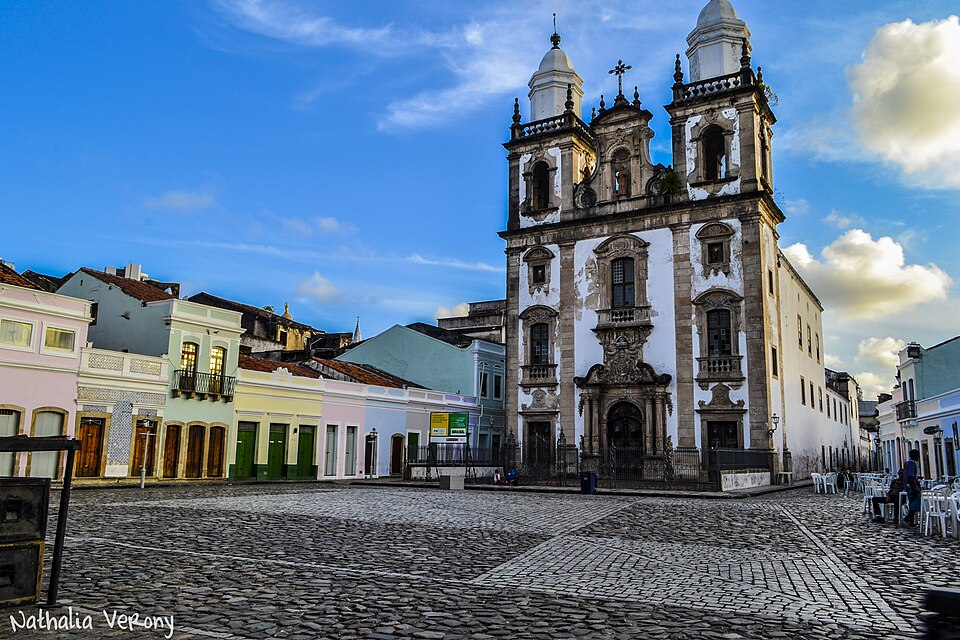
Recife's most atmospheric historic square — a Baroque courtyard centered on the 18th-century Igreja de São Pedro dos Clérigos, the finest Baroque church in Pernambuco. The surrounding colonial houses hold art galleries and restaurants; the square fills with forró, frevo, and maracatu street music at night.
🚕 15 min → hotel
🖼️ A Synagogue's Exiles Became New York's First Jews
Kahal Zur Israel wasn't just the first synagogue in the Americas — its congregation set off a chain of events that founded another city's Jewish community entirely. When Portugal retook Recife in 1654, the peace terms gave the Dutch colonists, Jews included, three months to leave. Most of the congregation scattered back to Amsterdam or the Caribbean, but one small group of twenty-three refugees sailed north and landed at New Amsterdam — the Dutch outpost that would later become New York. That handful of families, fleeing a synagogue on the other side of the hemisphere, is now commemorated as the founding community of American Jewish history.
The Instituto Ricardo Brennand holds a collection that shouldn't really exist in Brazil at all. Frans Post, the first European painter to depict the New World landscape in oils, worked in Pernambuco during the brief Dutch occupation of the 1630s and 40s, then returned home and kept painting Brazilian scenes from memory for the rest of his career. Only seven of his paintings actually made while he stood on Brazilian soil survive today, and six of those ended up scattered across European collections — the Louvre included. The seventh, a 1640 view of the old Dutch fort in Recife, is the only one that made it back to a Brazilian collection, anchoring an institute that now holds more Post paintings than anywhere else on earth.