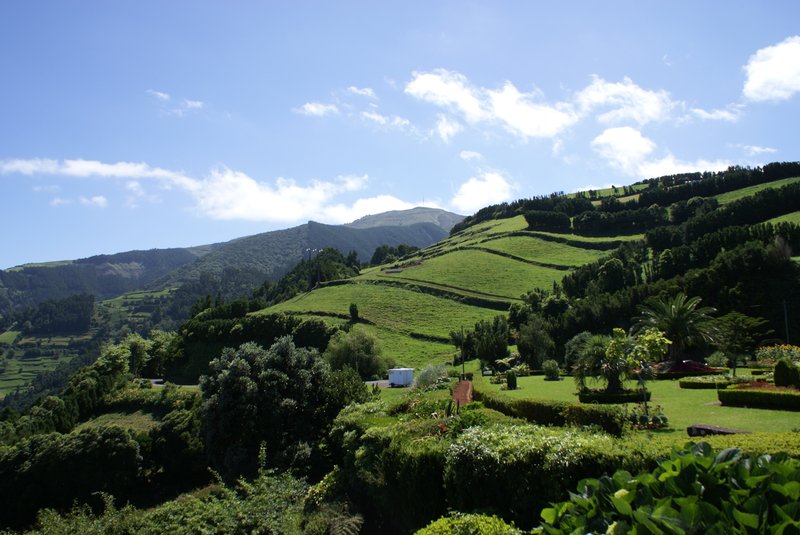
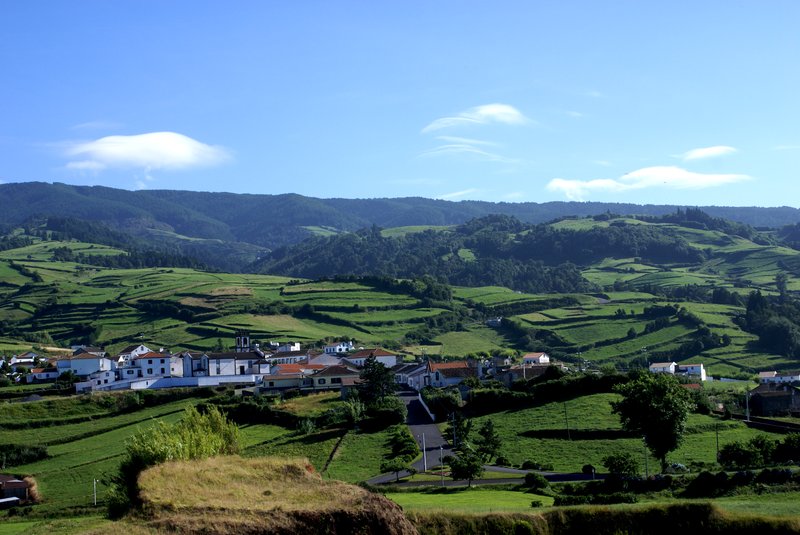
SÃO MIGUEL
Octant Ponta Delgada
Portugal
From Hotel: 🚕 35 min → Lagoa do Fogo
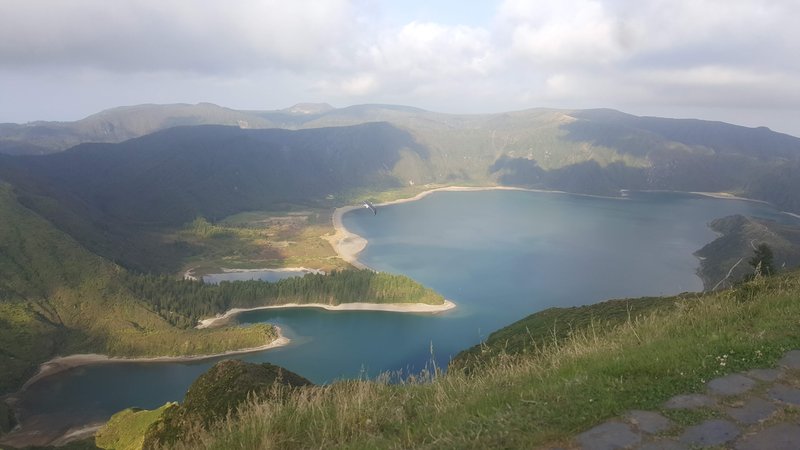
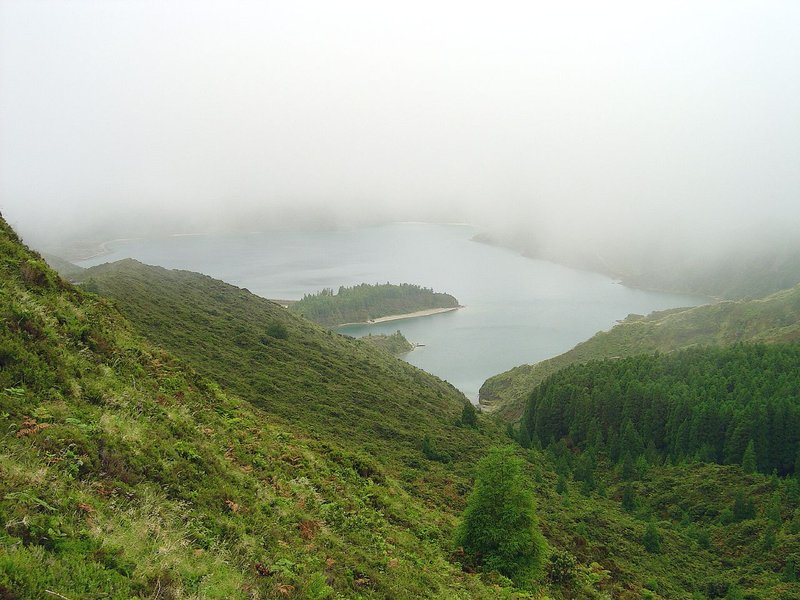
The "Lake of Fire" — a high-altitude crater lake at 590 m born from a 1563 eruption — sits wild and remote in the island's centre, often shrouded in rolling mist; walk the ridge trail for Atlantic views on both sides of the island simultaneously.
🏛️ Open 24/7
⏰ ~1 hr
⚠️ Shuttle mandatory mid-June to 30 Sep — private vehicles barred from the access road during this period.
🚶 15 min · 🚕 5 min → Miradouro da Vista do Rei
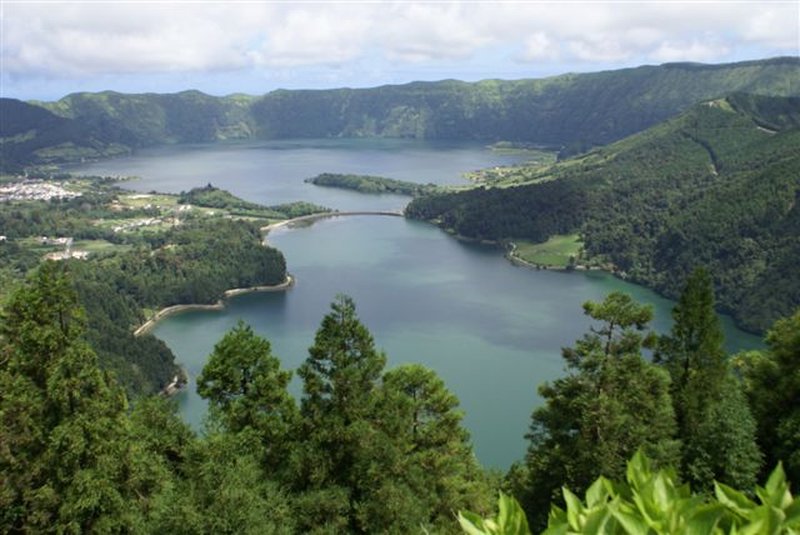
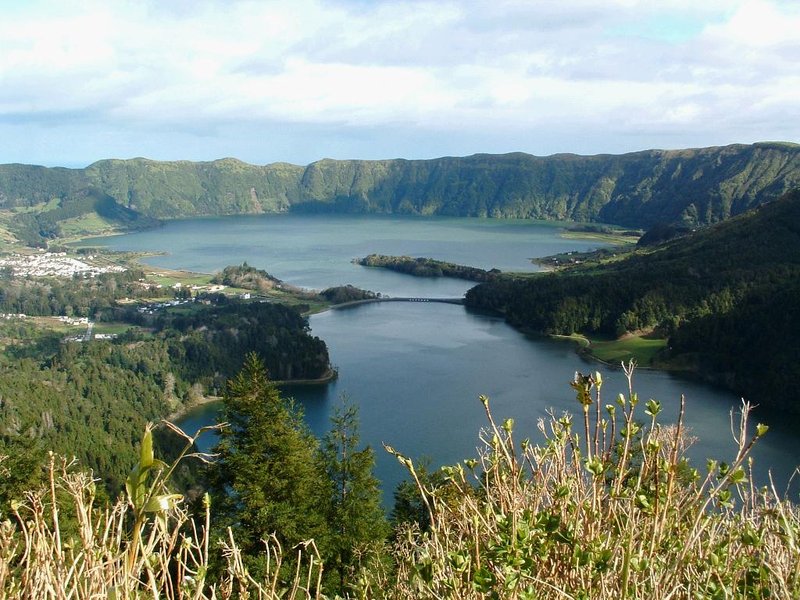
The finest viewpoint on São Miguel: a clifftop perch on the caldera rim above Sete Cidades, looking straight down on the twin blue-and-green volcanic lakes and the whitewashed village pinched between them — one of the most dramatic natural panoramas in Portugal.
🚶 15 min · 🚕 5 min → Lagoa das Sete Cidades
Two volcanic crater lakes — one deep blue, one green — divided by an old stone bridge at the bottom of the caldera you just saw from above: walk the shore path and cross Ponte das Sete Cidades for the close-up view that inspired a local legend of star-crossed lovers.
🚕 25 min → hotel
From Hotel: 🚕 42 min → Caldeiras das Furnas
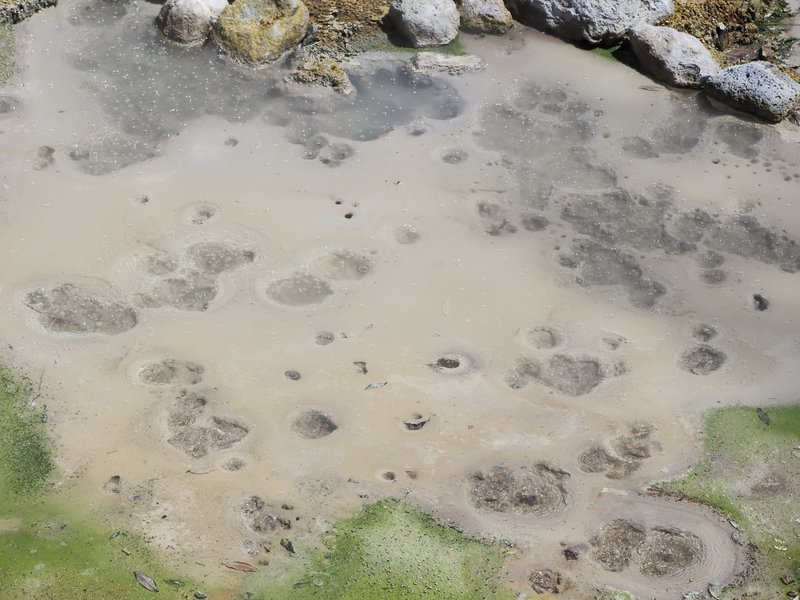
Dozens of steaming fumaroles and boiling mud calderas spread across the valley floor at Furnas, where villagers bury sealed clay pots of Cozido stew underground to slow-cook in the earth's geothermal heat — a centuries-old kitchen still running today.
🚶 12 min · 🚕 3 min → Lagoa das Furnas
The serene volcanic lake filling the Furnas caldera, ringed by blue hydrangeas and steam rising from geothermal vents visible right on the lakeshore — a short lakeside trail leads to a platform where you can look down into the steaming fissures at the water's edge.
🚶 27 min · 🚕 7 min → Parque Terra Nostra
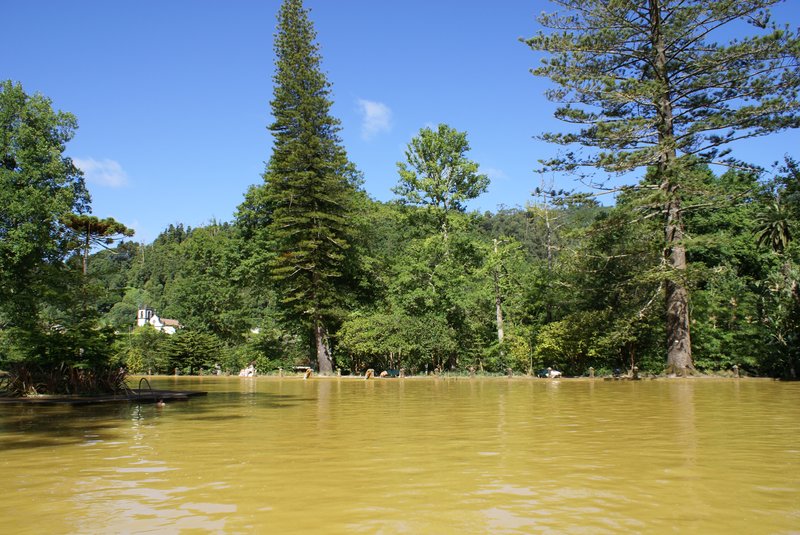
A magnificent 19th-century botanical garden surrounding a large thermal pool of rust-orange, iron-rich geothermal water — one of Portugal's finest parks, with century-old tree ferns, camellias, and azaleas framing a bathing pool unlike anything else in Europe.
🏛️ Daily 10:00am - 6:00pm
⏰ ~2 hrs
⚠️ Timed-entry ticket required.
🚶 15 min · 🚕 5 min → Miradouro do Pico do Ferro
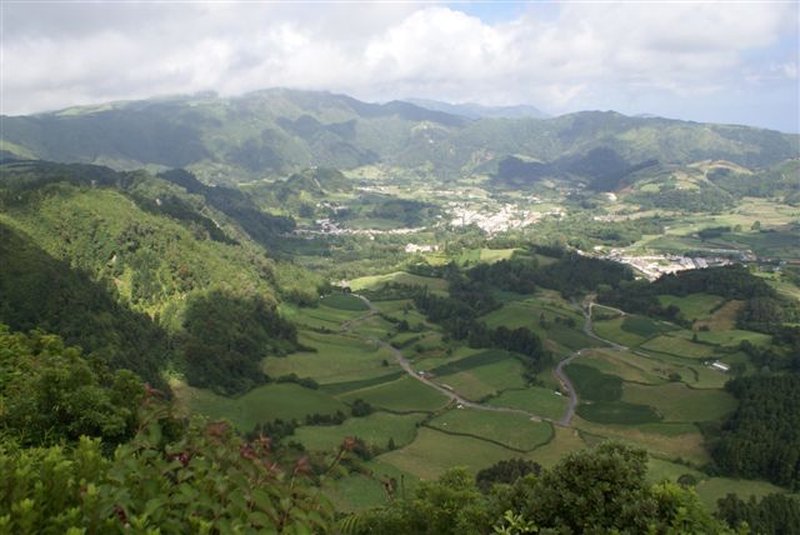
The definitive panorama over Lagoa das Furnas: a belvedere at 497 m looking down over the entire caldera lake and the valley stretching to the coast — the most sweeping viewpoint on the island's eastern side, earned with a short forest walk from the car park.
🚕 38 min → hotel
From Hotel: 🚕 45 min → Salto do Cabrito
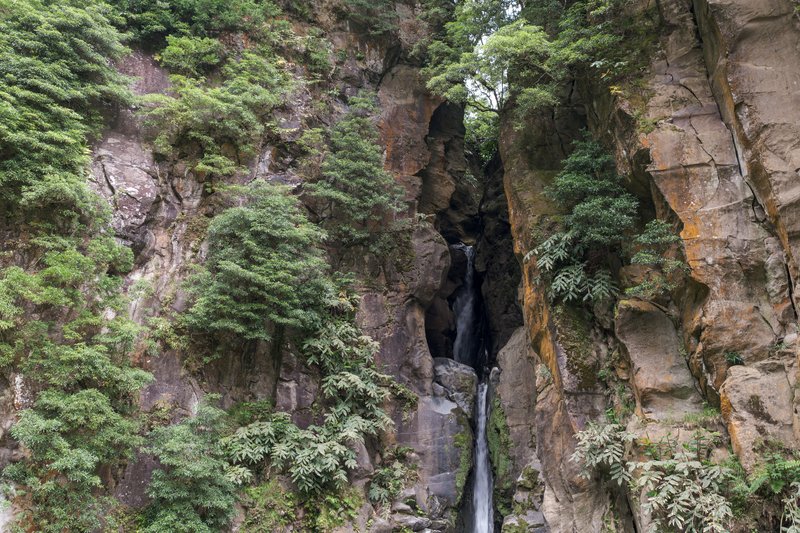
A 40-metre waterfall in the Ribeira Grande caldera, reached by a 2 km dirt track through hydrangea-bordered forest. A metal catwalk at the top allows visitors to stand above the cascade and look down into the pool below. The trailhead is adjacent to the Caldeiras da Ribeira Grande thermal area.
🏛️ Open 24/7
⏰ ~1 hr 30 min
🚶 20 min · 🚕 5 min → Caldeira Velha
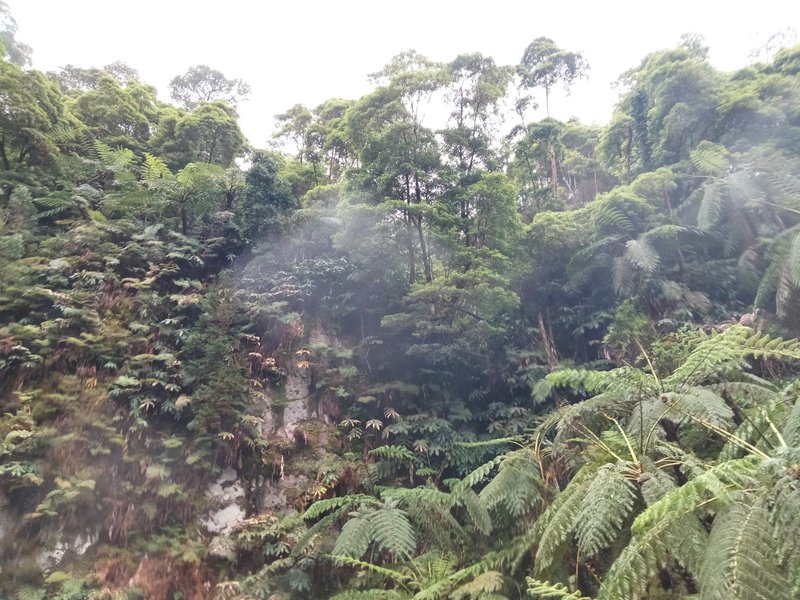
A natural hot-spring reserve hidden inside a fern-draped forest: iron-rich water the colour of rust cascades over mossy boulders into a warm geothermal pool you can soak in — one of the most photogenic spots on the island, and often less crowded than Furnas.
🏛️ Daily 9:00am - 7:30pm
⏰ ~1 hr 30 min
⚠️ Timed-entry ticket required. Last entry 6:00pm.
🚶 15 min · 🚕 5 min → Gorreana Tea Plantation
Founded in 1883, Gorreana is the oldest surviving tea plantation in Europe. The 32-hectare estate on the north slopes of São Miguel produces black and green teas; the factory's 19th-century machinery is open to walk through, and a tearoom serves free tastings.
🏛️ Monday - Friday 8:00am - 6:00pm · Saturday - Sunday 9:00am - 6:00pm
⏰ ~1 hr
🚶 15 min · 🚕 5 min → Miradouro do Pico da Barrosa
A ridge viewpoint at approximately 900 metres above Lagoa do Fogo, reached by a short walk from a roadside pull-off on the EN3-1A. The entire crater lake is visible below, enclosed by steep vegetated walls, at a different angle from the lower viewpoints accessible from the south.
🚶 15 min · 🚕 5 min → Ribeira Grande historic centre
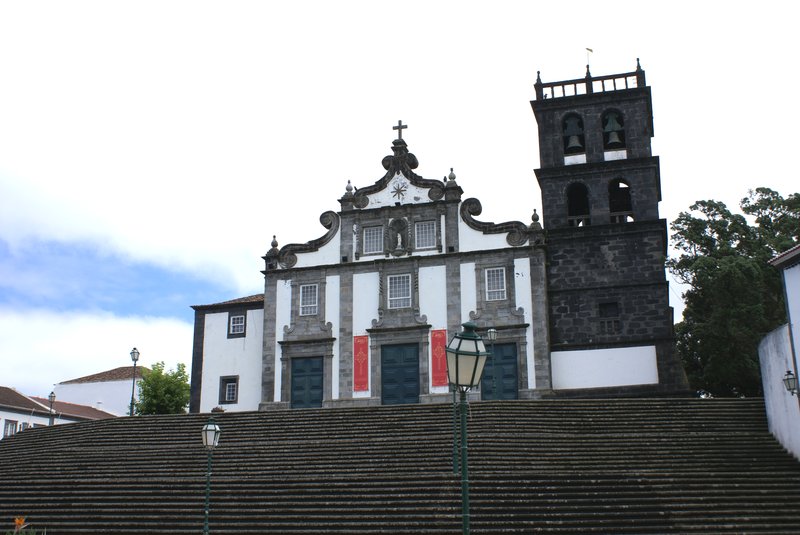
The second-largest town on São Miguel, settled in the 15th century. The historic centre contains the 16th-century Igreja Matriz de Nossa Senhora da Estrela and the Ponte do Convento stone bridge spanning the Ribeira Grande river. The main pedestrian street, Rua Direita, connects the waterfront to the central praça.
🚕 40 min → hotel
From Hotel: 🚕 20 min → Miradouro de Nossa Senhora da Paz
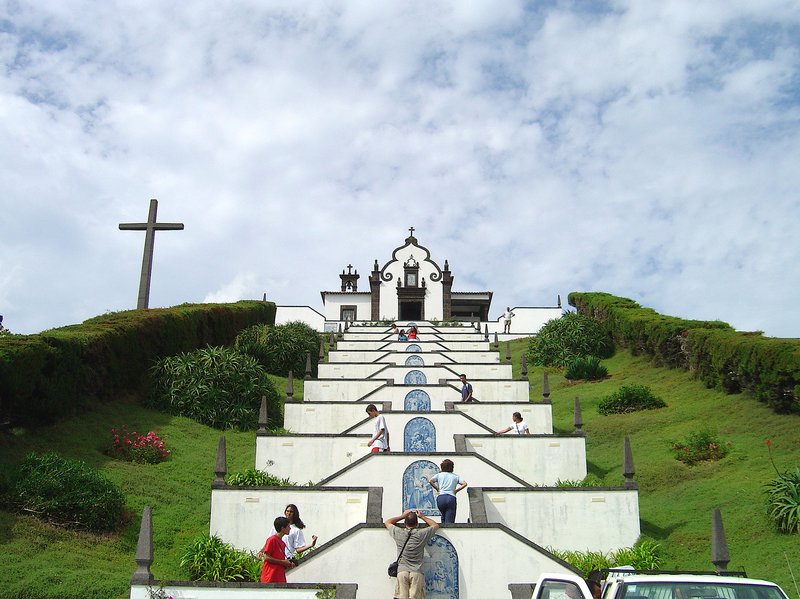
A hilltop viewpoint above Vila Franca do Campo centred on the Ermida de Nossa Senhora da Paz, a chapel rebuilt in 1764. The esplanade looks south over the town and across to the Vila Franca Islet, a submerged volcanic crater 400 metres offshore. Access is by a cobbled path from the town centre.
🚕 15 min → Lagoa do Congro
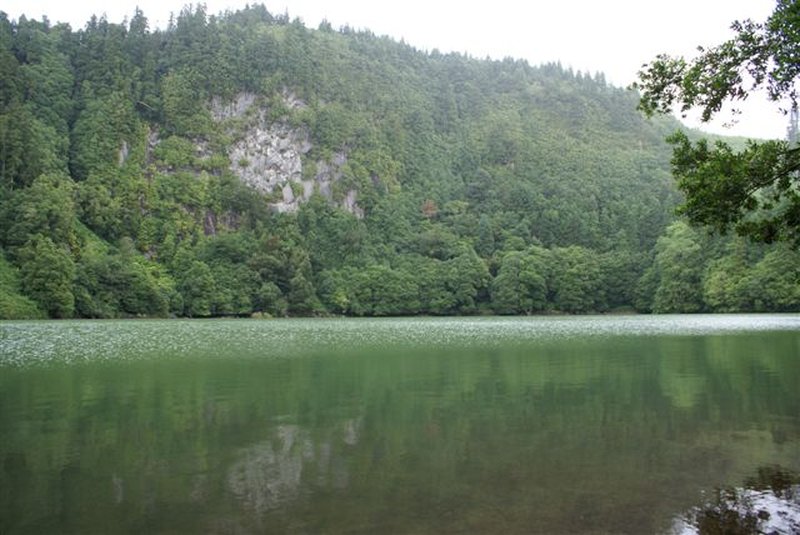
A volcanic crater lake inside the Parque Natural de São Miguel, reached by a 1 km trail that descends steeply through laurel and tree-fern forest to the water's edge. The lake sits at 380 metres elevation. The trailhead has a small car park near the EN1-2A; no facilities at the lake.
🏛️ Open 24/7
⏰ ~1 hr 15 min
🚕 40 min → Miradouro da Ponta do Sossego
A cliffside viewpoint at 280 metres elevation in Nordeste, opened in 1995. The grounds contain a 13,000 m² garden with palm trees and hedgerow sculptures. The viewpoint looks northeast over a rugged coastline with open Atlantic views to the east.
🚕 10 min → Nordeste village
The main settlement of the Nordeste municipality, at the easternmost point of São Miguel. The village is anchored by the Ponte dos 7 Arcos, a stone viaduct built in 1882–83 spanning the Ribeira Seca gorge. High basalt cliffs and small miradouros are accessible from the village streets.
🚕 55 min → hotel
🌋 The Island That's Still Becoming
Every other destination in this guide is finished. São Miguel is not. The fumaroles at Furnas are a reminder that the island is still being made — the same geological process that carved the caldera lakes and opened the hot springs is still running, quietly, underfoot. You're not visiting a landscape that happened; you're standing on one that's happening.
What struck me most in the research wasn't the views from Vista do Rei, extraordinary as they are, but what they reveal about volcanic time. The twin lakes at Sete Cidades look ancient and permanent from the rim — but the colour difference between them — one blue, one green, divided by a narrow stone bridge — is still not fully explained by science. The island holds its mysteries even as it shows everything.
The food makes the same point more quietly. Cozido das Furnas isn't just a dish; it's a method borrowed from the earth itself. Burying pots in volcanic soil and returning at lunch to find a stew cooked by heat from below isn't a tourist spectacle — it's a logic that makes complete sense here. The earth is warm. You use it. The island has been doing this for centuries, and sees no reason to stop.
.jpg)