BOULDER
Residence Inn Boulder Canyon Boulevard
United States
From Hotel: 🚶 20 min · 🚕 4 min → Pearl Street Mall
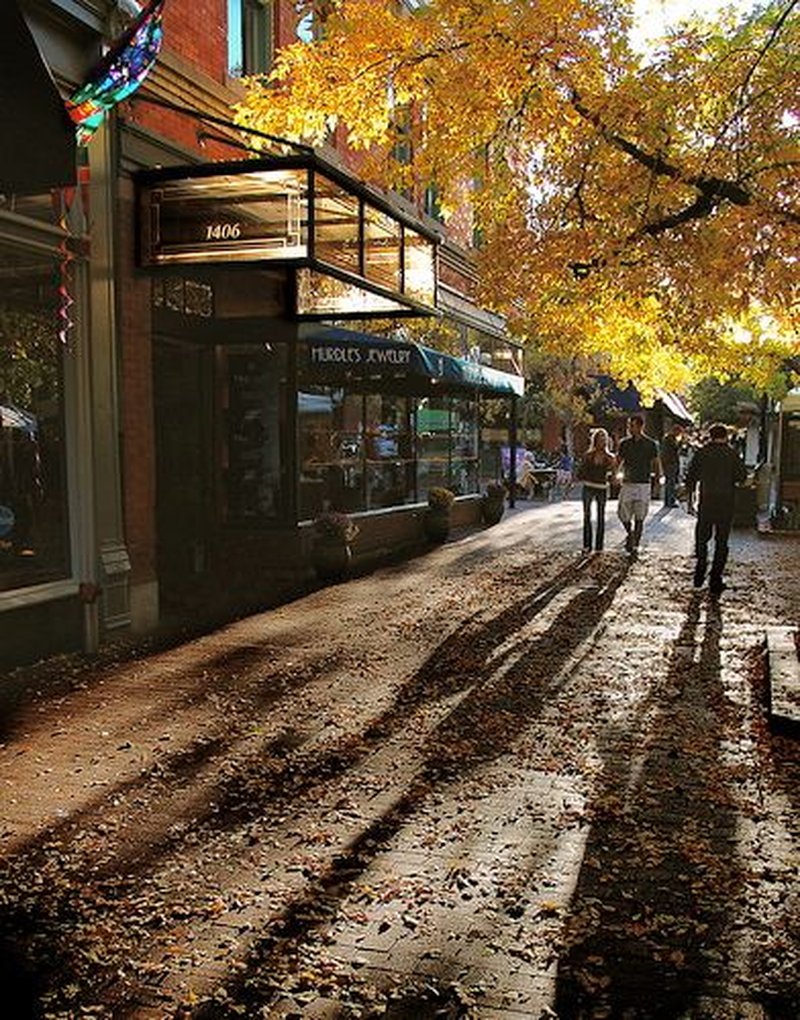
A four-block pedestrian historic district closed to traffic in 1977 and named a Great Public Space in America by the American Planning Association. The brick promenade is lined with 19th-century commercial buildings — over 70% locally owned — anchored at the 1300 block by the County Courthouse.
🏛️ Open 24/7
⏰ ~1 hr 30 min
🚶 2 min · 🚕 2 min → the Boulderado
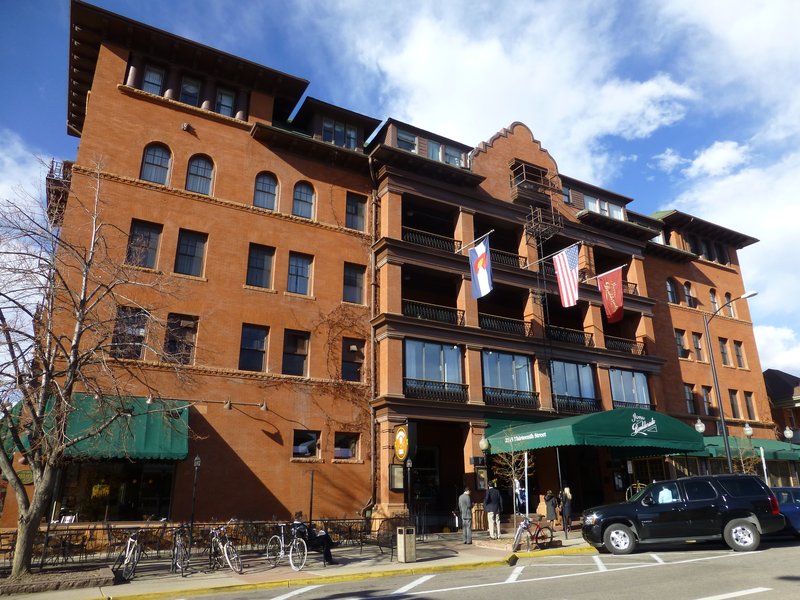
The city's oldest luxury hotel, opened January 1, 1909. The lobby features a cantilevered cherry-wood staircase and a stained-glass atrium ceiling — both original. The 1908 Otis elevator is still in daily operation. On the National Register of Historic Places since 1994.
🏛️ Daily 8:00am - 10:00pm
⏰ ~30 min
🚶 14 min · 🚕 2 min → Boulder Creek Path
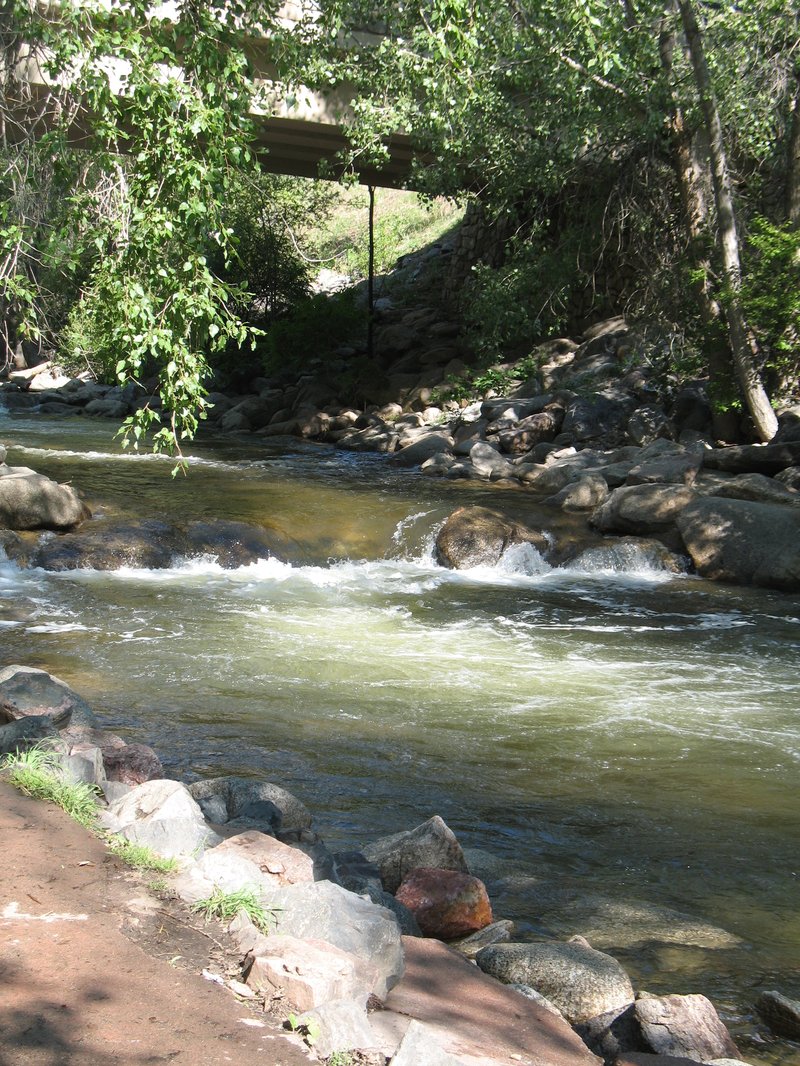
A 5.5-mile paved multi-use path following Boulder Creek from the canyon mouth to Stazio Ballfields, eliminating all street crossings via bridges and underpasses. It passes the Main Library, Civic Area Park, and the Dushanbe Teahouse — a gift from the sister city in Tajikistan.
🚶 28 min · 🚕 6 min → University of Colorado Boulder
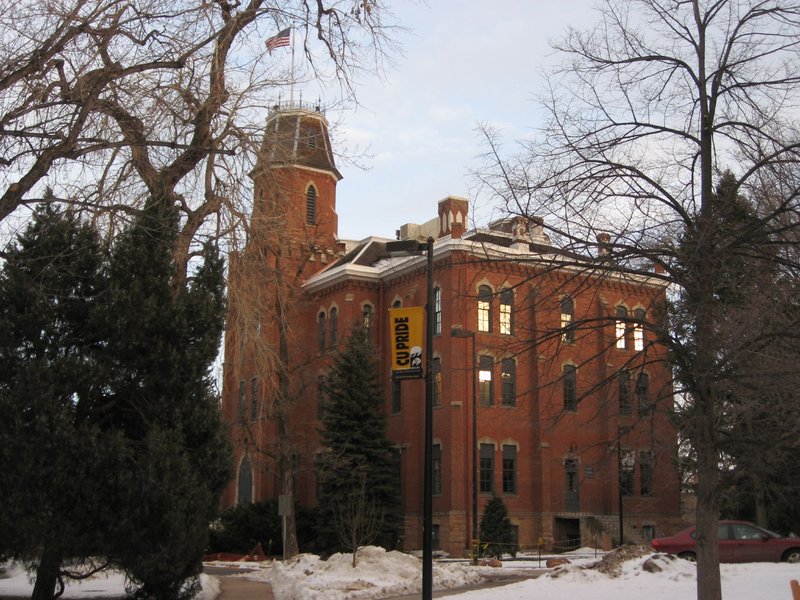
Colorado's flagship research university, founded 1876. Campus defined by the Klauder Italianate Romanesque style — rough sandstone walls and red-orange tiled roofs — set as architectural standard in 1921 and required for all new construction. Old Main anchors the original quadrangle.
🏛️ Open 24/7
⏰ ~1 hr 30 min
🚶 17 min · 🚕 4 min → hotel
From Hotel: 🚕 7 min → Chautauqua Park & Flatirons
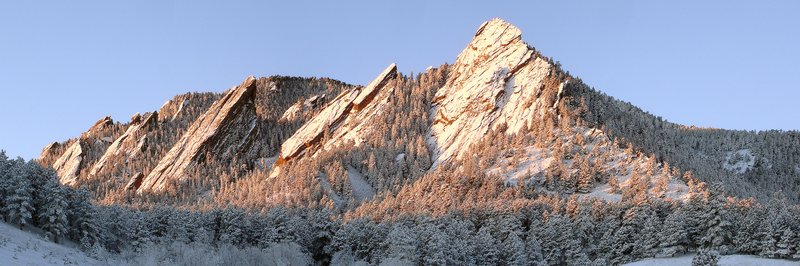
A National Historic Landmark and the only Chautauqua west of the Mississippi still in operation since its founding. The 40-acre grounds sit at the base of the Flatirons, steeply tilted sandstone slabs that define the city's skyline. The Auditorium and Dining Hall remain in active use.
🏛️ Daily 5:00am - 11:00pm
⏰ ~2 hrs
🚕 13 min → National Center for Atmospheric Research
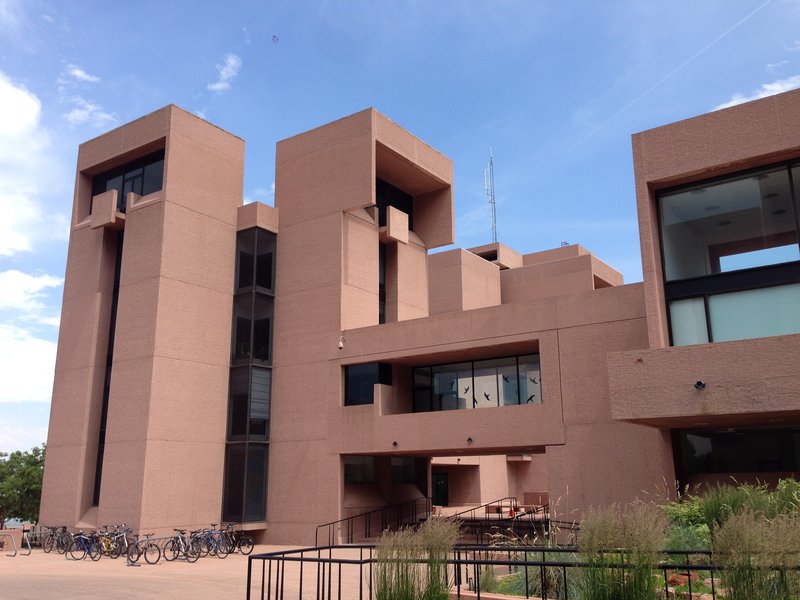
Mesa Laboratory, designed by I.M. Pei, 1963–1967. Board-formed concrete with embedded local pink rhyolite reads as continuous with the Flatiron sandstone cliffs behind it. Free exhibits on weather, climate, and atmospheric science. Views across the valley from the mesa top.
🏛️ Monday - Friday 8:00am - 5:00pm · Saturday - Sunday 9:00am - 4:00pm
⏰ ~1 hr
🚕 33 min → Eldorado Canyon State Park
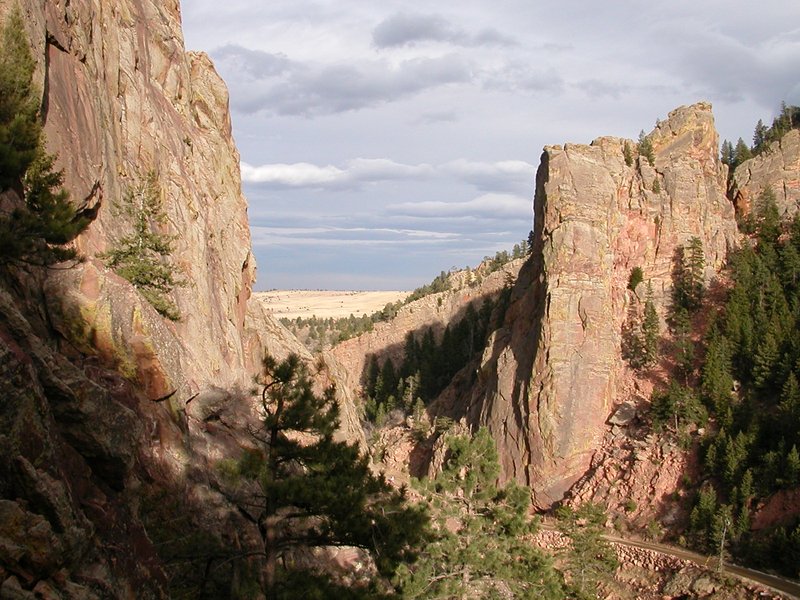
An 855-acre state park cut by South Boulder Creek through a dramatic sandstone canyon, with quartzite walls rising 850 feet from the creek bed. The vertical faces are among the best natural rock climbing venues in the country. A 1.5-mile trail follows the creek to a natural swimming hole.
🏛️ Daily 5:00am - 10:00pm
⏰ ~2 hrs
🚕 31 min → hotel
From Hotel: 🚕 1h 5min → Bear Lake
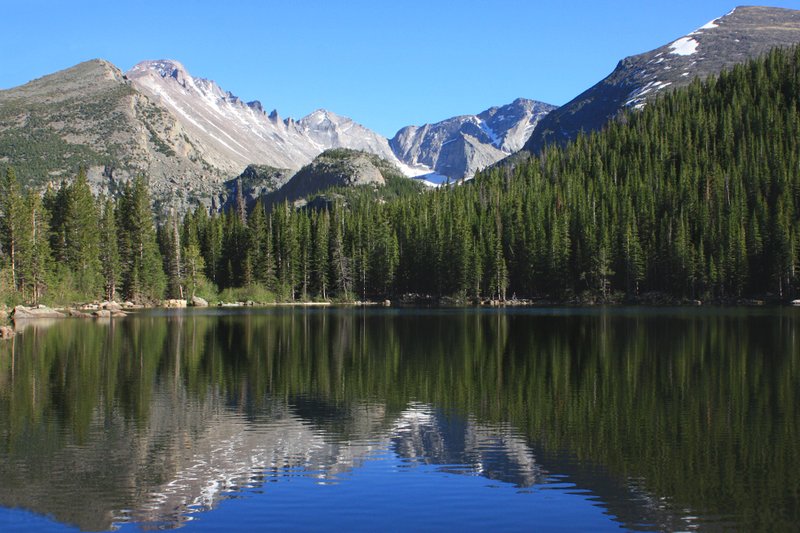
An alpine lake at 9,475 feet in Rocky Mountain National Park, accessible year-round via the Bear Lake Road corridor. The 0.5-mile loop around the lake reflects Hallett Peak and the Continental Divide. The trailhead connects to Glacier Gorge, Emerald Lake, and Nymph Lake trails.
🏛️ Open 24/7
⏰ ~1 hr 30 min
🚕 30 min
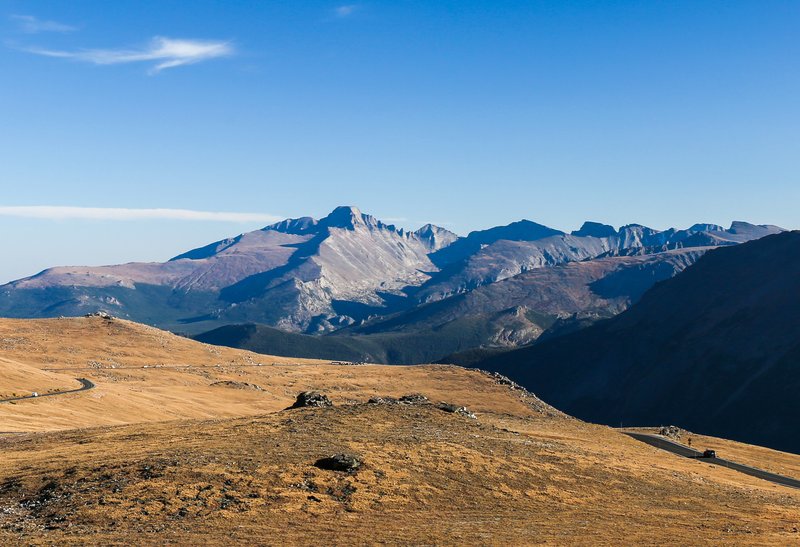
The highest continuous paved road in the United States, reaching 12,183 feet and remaining above treeline for 11 miles. The Alpine Visitor Center at 11,796 feet sits above the tundra with panoramic views of the Never Summer Mountains and the Kawuneeche Valley. Bighorn sheep, marmots, and ptarmigan are commonly seen.
🏛️ Open 24/7
⏰ ~1 hr 30 min
🚕 54 min → hotel
🪢 An 82-Year-Old Crossed This Canyon on a Wire — For the 80th Time
In 1906, a performer named Ivy Baldwin decided the walls of Eldorado Canyon needed a tightrope strung between them, and the following year he made his first crossing on a wire stretched 582 feet above the canyon floor with no net underneath. He kept coming back for the next four decades, walking the same high wire more than eighty times over his career. His final crossing came on his 82nd birthday in 1948 — by then his family had insisted on a lower, shorter wire — and only after that walk did he finally agree to retire from a stunt he'd been performing since before Colorado's sandstone walls had a state park around them.
I.M. Pei didn't design NCAR's Mesa Laboratory from a drafting table alone — he went looking at the Southwest first. Touring the region before starting the project, Pei studied the Ancestral Puebloan cliff dwellings at Mesa Verde and abandoned an early plan for a single tall tower in favor of a cluster of forms meant to look like they'd grown out of the mesa rather than been placed on top of it. He had the concrete mixed with the same local stone as the surrounding cliffs, then had workers hand-tool the surface with bush hammers to expose the mica and roughen the texture until the building's skin reads less like architecture and more like an extension of the Flatirons behind it.