YELLOWSTONE
Mammoth Hot Springs Hotel
United States
From Hotel: 🚕 5 min → Mammoth Hot Springs
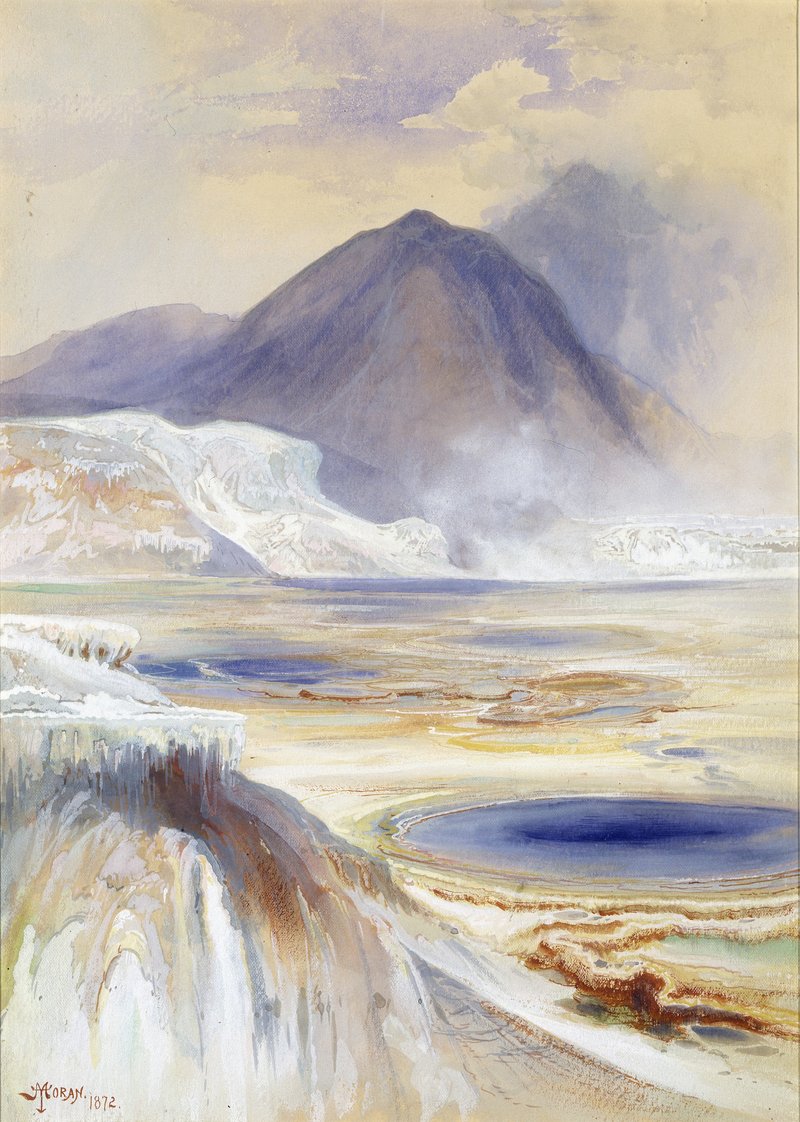
Brilliant white travertine terraces built by 56 active hot springs, cascading down the mountainside in sculpted tiers. The boardwalk threads past the Minerva Terrace, Palette Spring and the Grand Terrace — the park's most photogenic geothermal display.
🏛️ Open 24/7
⏰ ~1 hr 30 min
🚕 1h 27min → Artists' Paintpots
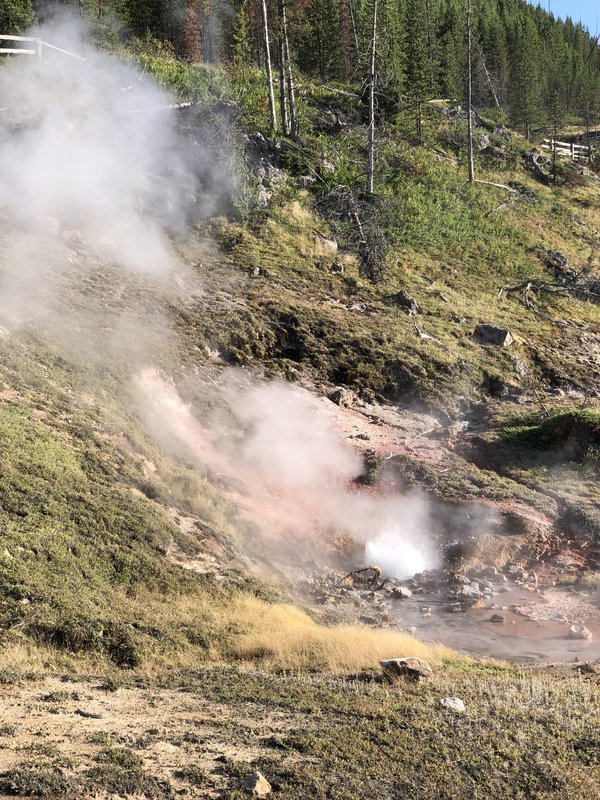
One of the few spots in Yellowstone where all four types of hydrothermal features appear side by side — hot springs, mudpots, fumaroles, and small geysers. A one-mile loop trail drops to vividly colored pools before climbing steeply to upper mudpots that splatter grey and ochre mud with distinctive sounds.
🚶 15 min · 🚕 5 min → Norris Basin
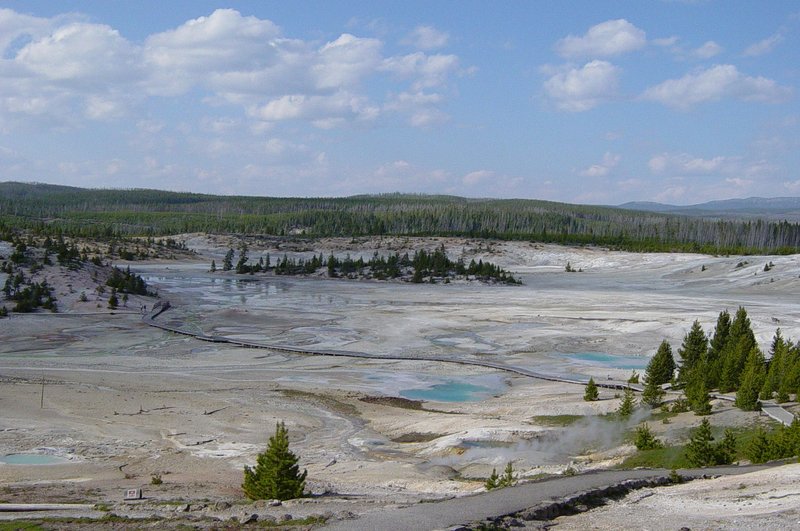
The hottest geothermal basin in the park, home to colourful hot springs, mudpots and geysers. The Porcelain Basin boardwalk passes vibrant pools like the Chapel Pool and acidic springs that paint the ground in yellows and oranges. Back Basin holds the Steamboat Geyser — one of the world's most powerful geysers.
🚶 15 min · 🚕 5 min → Grand Prismatic Spring
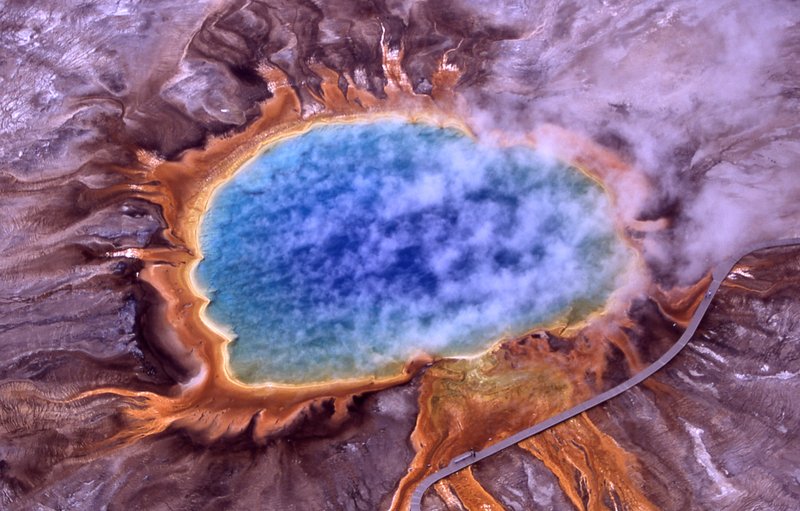
The largest hot spring in the USA — a 370-foot-diameter crater of vivid blue water that shifts to orange and yellow at the edges. The colours come from heat-loving bacteria in the 199-degree water. From the boardwalk below, the colours are muted; the Grand Prismatic Overlook trail above reveals the full rainbow.
🏛️ Open 24/7
⏰ ~1 hr 30 min
🚶 15 min · 🚕 5 min → Fountain Paint Pot
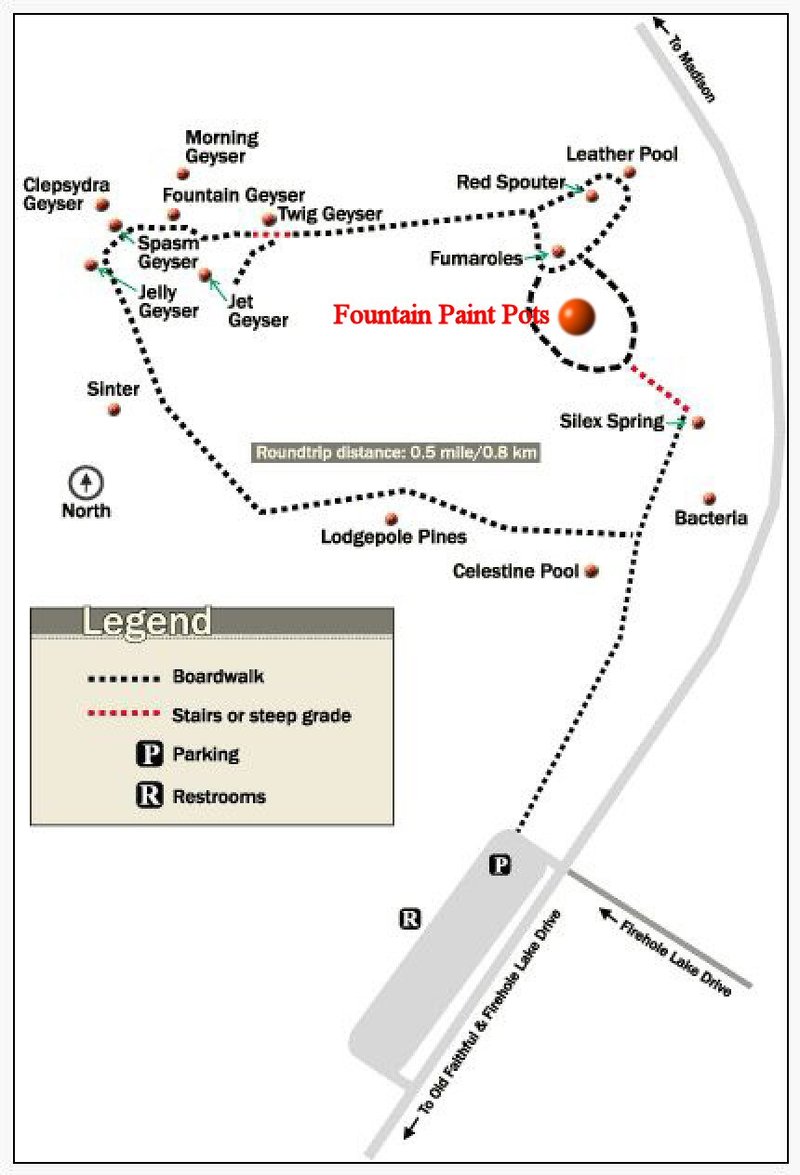
A short boardwalk loop past bubbling mudpots, geysers including the predictable Fountain Geyser, and hot springs in a 1-mile circuit in the Lower Geyser Basin. Mudpot shapes and geyser behaviour shift with the seasons, so every visit reveals something new.
🚕 1h → hotel
From Hotel: 🚕 1h 15min → Yellowstone Lake
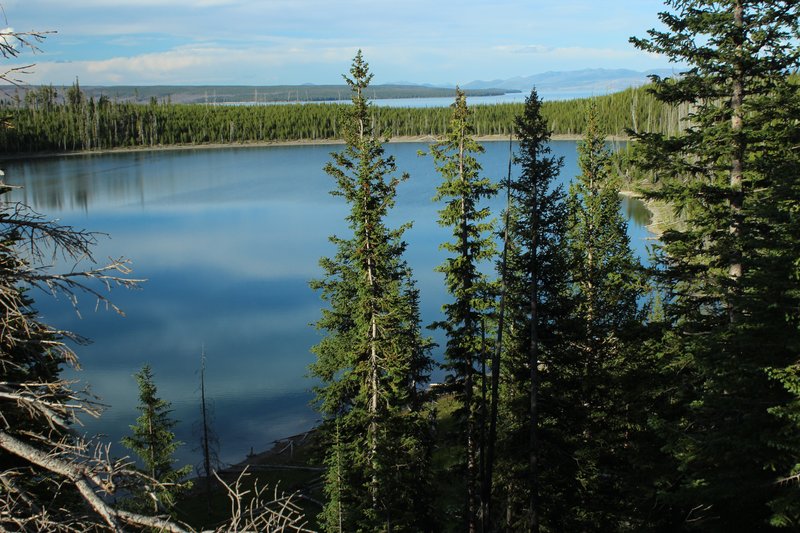
The largest freshwater lake above 7,000 feet in North America — 136 square miles of cold, clear water rimmed by forest and the Absaroka Range. From Lake Butte Overlook the whole expanse opens up, the mountains rising across the far shore. It stays partly frozen into early June and never warms enough for swimming.
🚶 15 min · 🚕 5 min → Grand Canyon of the Yellowstone
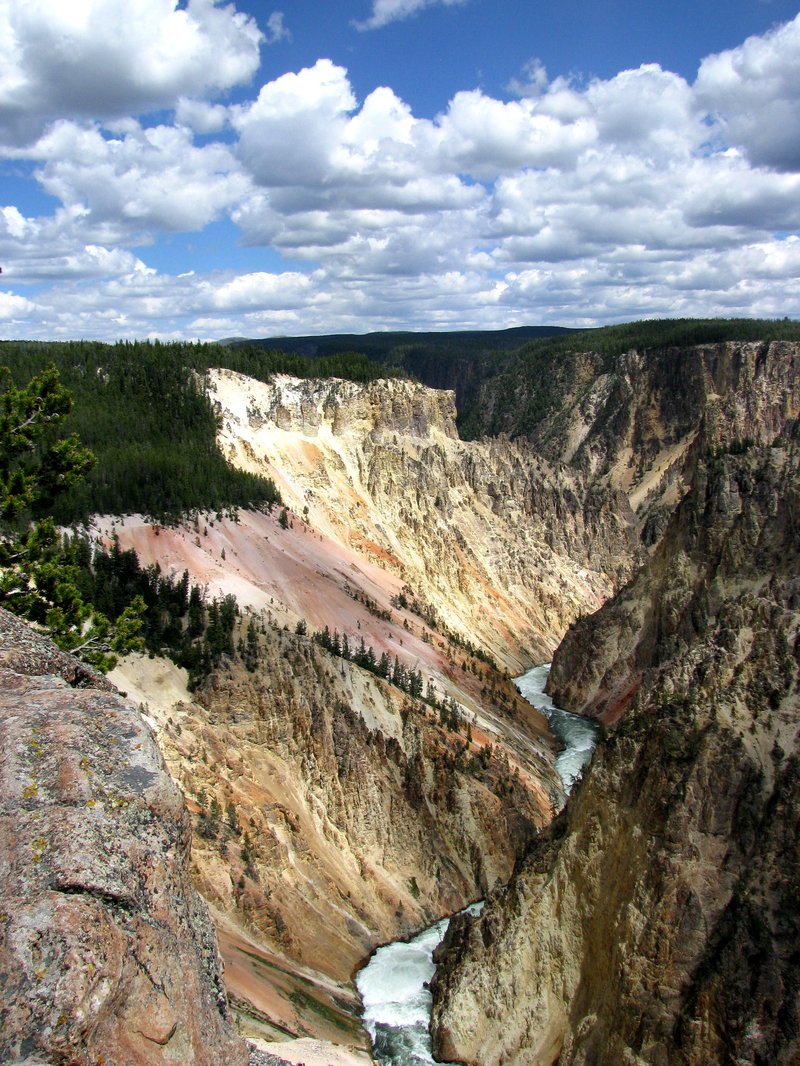
A 1,200-foot-deep chasm with golden cliffs and two waterfalls — the Upper Falls · 109 feet · and the Lower Falls · 308 feet. The Artist Point viewpoint captures the canyon's full drama. Warm gold rock set against dark forest makes this the park's most photographed landscape.
🚶 15 min · 🚕 5 min → Hayden Valley
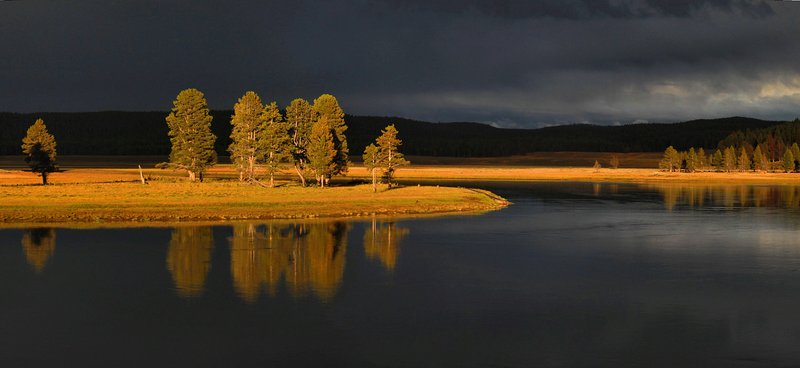
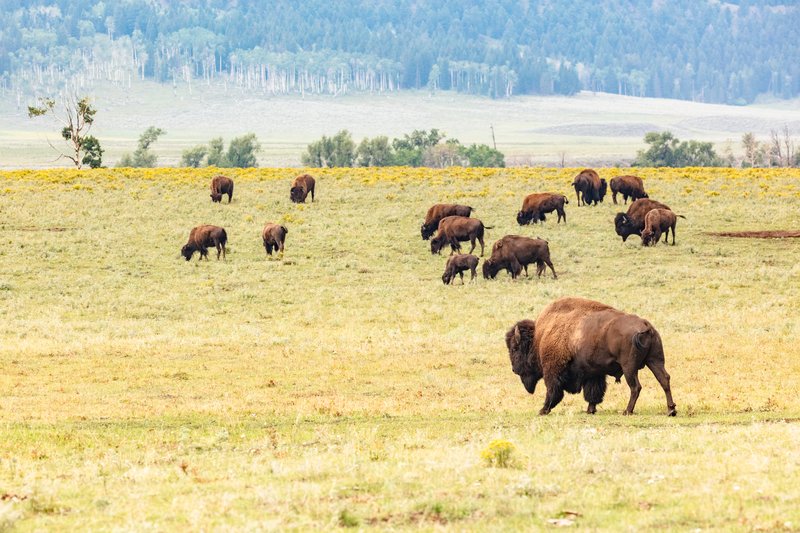
A broad grassland where the Yellowstone River meanders through willow and sagebrush — one of the best places in North America to see wildlife. Bison herds graze openly; grizzly bears fish the river at dawn and dusk. Multiple pullouts along the Grand Loop Road offer viewing.
🚶 15 min · 🚕 5 min → Lamar Valley
Often called the "Serengeti of North America," this northeast valley is prime habitat for wolves, grizzly bears, bison and elk. The wolves reintroduced in 1995 are a guaranteed draw. Early morning and late afternoon are prime hours; multiple pullouts along Soda Butte Creek offer views.
🏛️ Open 24/7
⏰ ~1 hr 30 min
🚶 15 min · 🚕 5 min → Roosevelt Arch
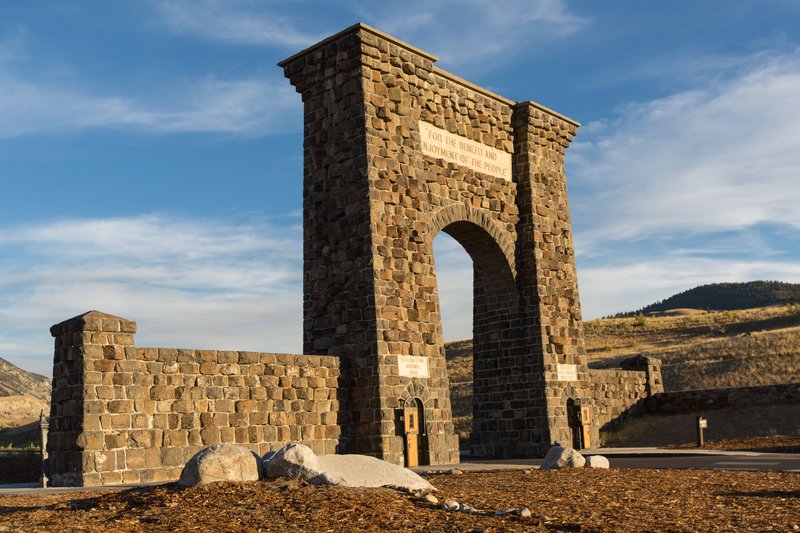
A stone gateway arch at the North Entrance, completed in 1903, inscribed with "For the Benefit and Enjoyment of the People." A symbol of the conservation movement that established America's first national park in 1872 — and a popular photo stop framing the road to Mammoth.
🚕 1h → hotel
From Hotel: 🚕 1h 30min → Old Faithful
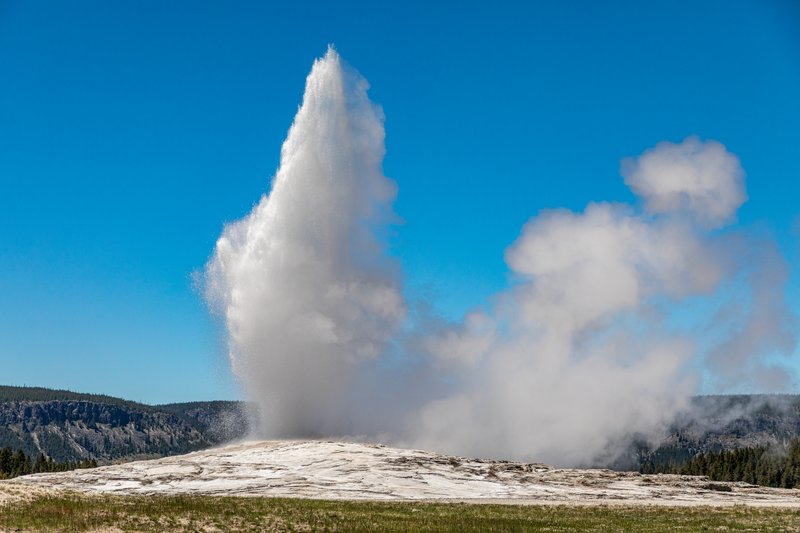
The most famous geyser in the world, named in 1870 for the reliability of its eruptions. It plays on average every 92 minutes — intervals run 35 to 120 minutes — throwing scalding water 106 to 185 feet skyward for up to five minutes. Predicted eruption times are posted at the visitor centre.
🚶 2 min · 🚕 2 min → Old Faithful Inn
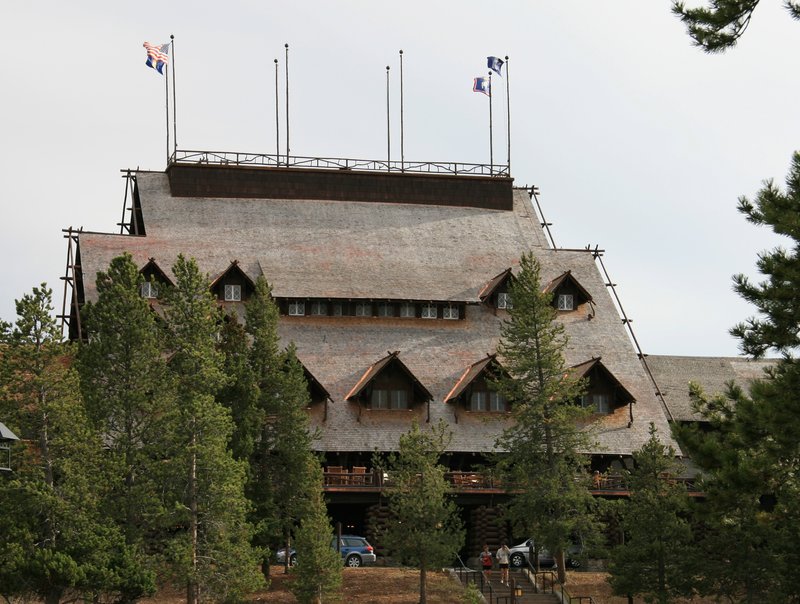
The largest log building in the world, built in 1904 by 29-year-old architect Robert Reamer. Its seven-storey lobby soars 76 feet under a lattice of gnarled lodgepole-pine beams around a huge rhyolite fireplace. A National Historic Landmark, it was angled so the front porch frames Old Faithful erupting just beyond.
🚶 4 min · 🚕 2 min → Upper Geyser Basin
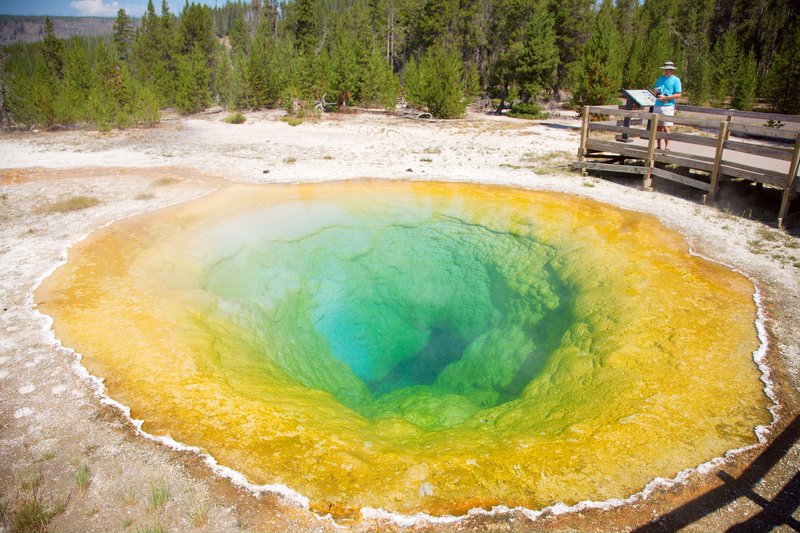
The densest concentration of geysers on Earth — over 250 in a two-mile stretch, roughly a quarter of the planet's geysers. A boardwalk threads past Castle, Grand and Riverside geysers to Morning Glory Pool, a hot spring ringed in orange and yellow around a blue-green centre.
🚶 15 min · 🚕 5 min → West Thumb Geyser Basin
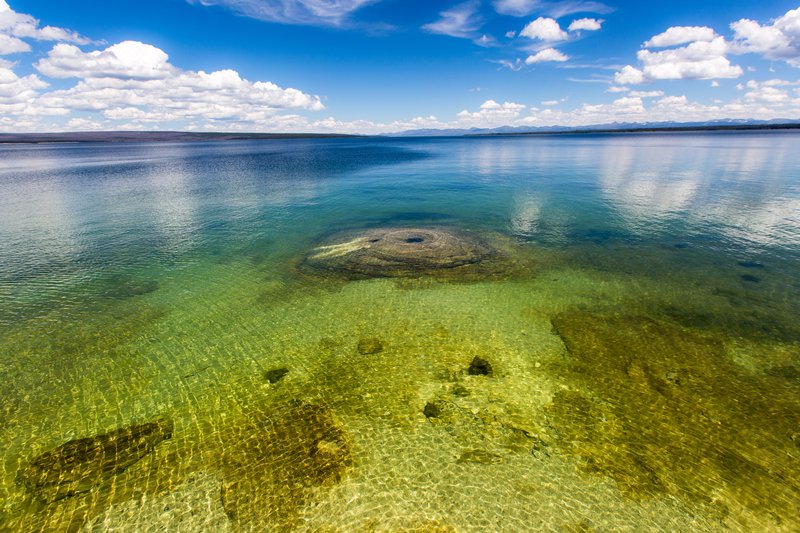
The largest geyser basin on the shore of Yellowstone Lake, where hot springs, mudpots and geysers spill to the water's edge. A half-mile boardwalk loops past deep blue pools and the Fishing Cone, a lakeside cone where anglers once boiled a caught trout on the hook. Abyss Pool is among the park's deepest.
🏛️ Open 24/7
⏰ ~1 hr 30 min
🚕 1h 45min → hotel
From Hotel: 🚕 35 min → Tower Fall
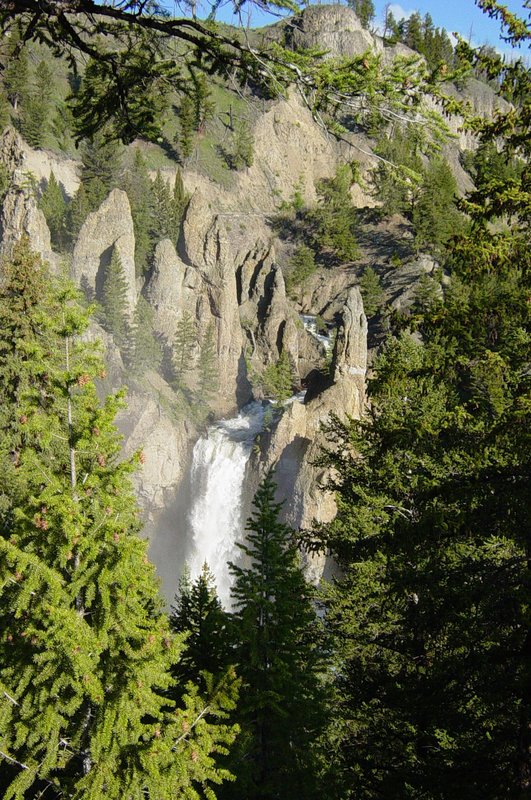
A 132-foot plunge on Tower Creek into the canyon of the Yellowstone River, framed by volcanic pinnacles eroded into spires above the falls. The upper overlook gives a clear view of the drop; the lower trail to the base remains closed following recent flood damage. Three miles south of Roosevelt Junction.
🚕 16 min → Petrified Tree
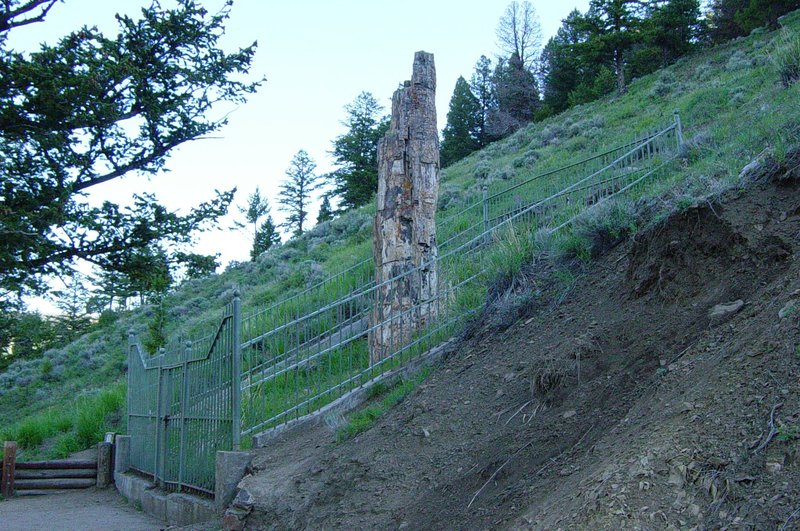
A 50-million-year-old redwood fossil tree standing upright in the Tower-Roosevelt area — the remnant of a forest buried by volcanic ash during eruptions that repeatedly covered this landscape. Two companion specimens were removed by visitors in earlier decades; this one is now fenced and protected. Car-accessible from a dedicated parking area.
🚕 33 min → Dunraven Pass
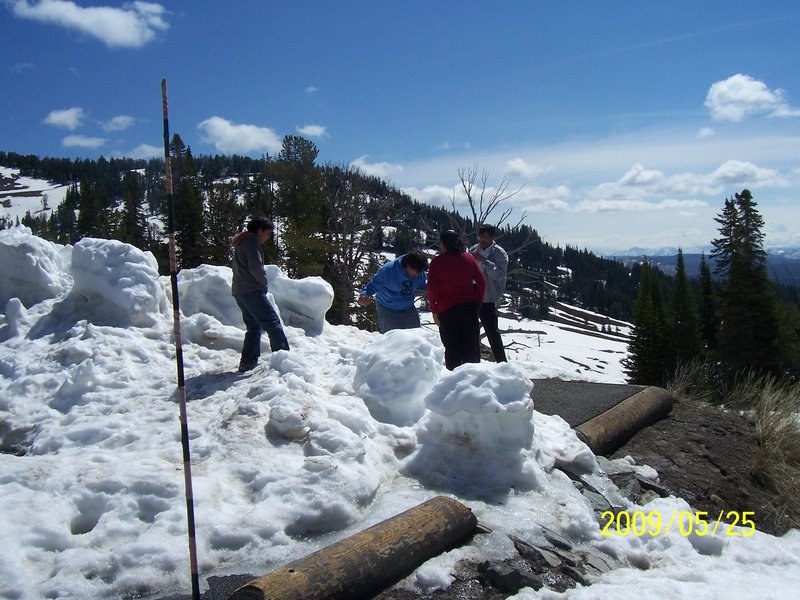
The highest point on Yellowstone's Grand Loop Road at 8,859 feet, crossing the ridge between Tower and Canyon Village through alpine meadows and subalpine fir. Bighorn sheep are frequently seen on the open slopes above the road, and the drive opens long views west toward the Gallatin Range and east to the Absarokas.
🏛️ Open 24/7
⏰ ~30 min
⚠️ Road open May through October — closes for winter
🚕 1h → hotel
From Hotel: 🚕 35 min → Gibbon Falls
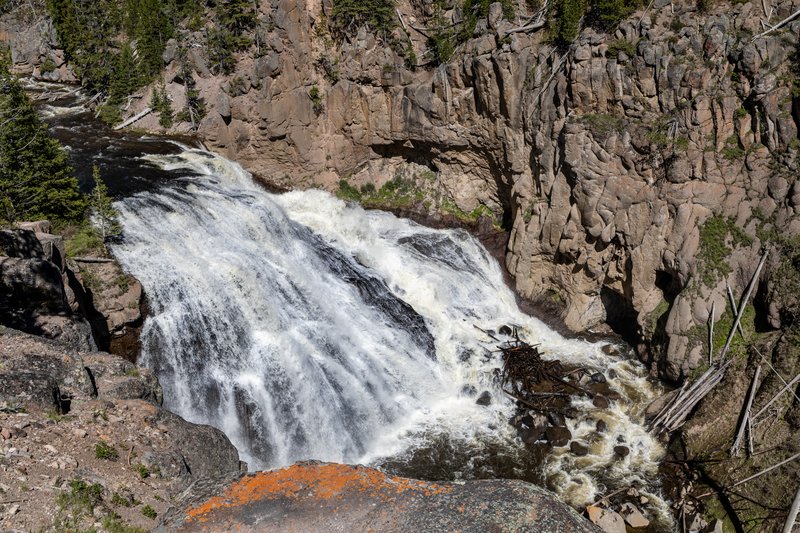
An 84-foot waterfall on the Gibbon River between Norris and Madison junctions, dropping over the rim of the ancient Yellowstone caldera. The falls sit precisely on the caldera edge — geological tension made visible where the river crosses from inside the old supervolcano to outside it. A roadside pullout gives a direct view.
🚕 25 min → Great Fountain Geyser
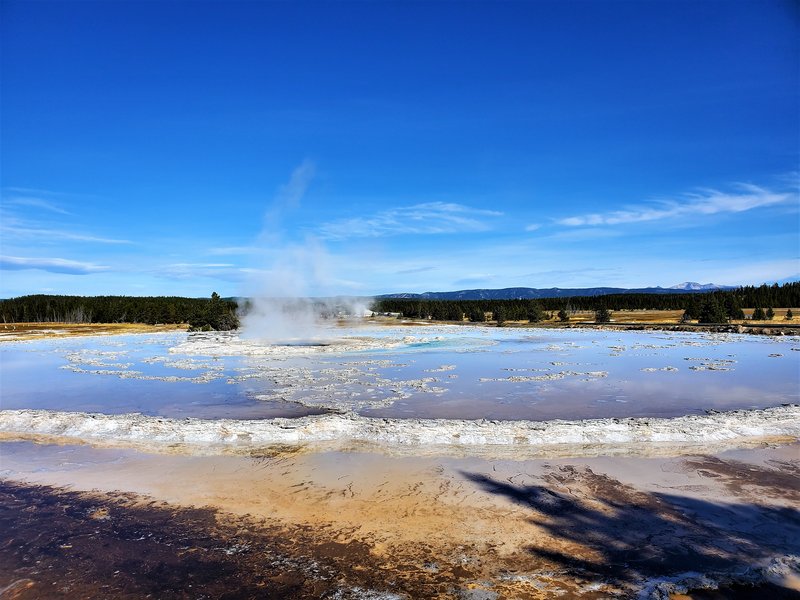
The only Lower Geyser Basin feature for which Yellowstone National Park issues official eruption predictions. Average eruptions reach 100 feet; superbursts have topped 220 feet. The pool overflows 70 to 100 minutes before each eruption begins. Eruption interval is 9 to 15 hours — rangers post predicted times at the Firehole Lake Drive trailhead.
🚕 50 min → Lewis Falls
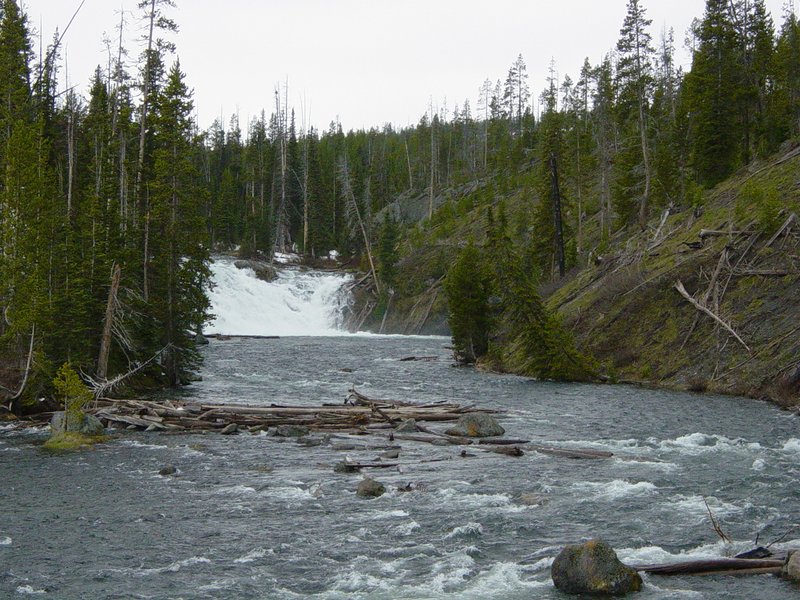
A 30-foot waterfall on the Lewis River in the southern corridor of the park, visible directly from a roadside pullout between Lewis Lake and the South Entrance. The falls mark where the river drops over a basalt shelf carved by the same volcanic activity that built Yellowstone's southern plateau.
🚕 50 min → Dragon's Mouth Spring
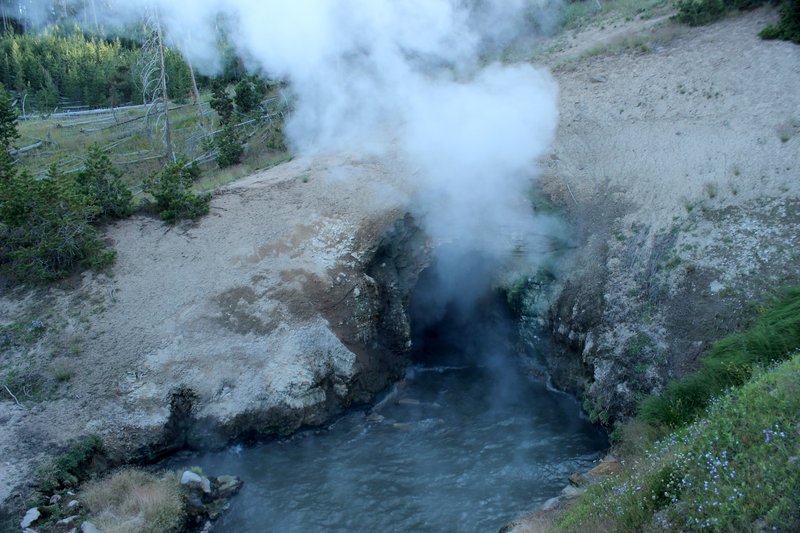
A surging hot spring in the Mud Volcano thermal area where superheated water bursts rhythmically from a cave opening in a basalt hillside, releasing steam with a roaring sound that gave it its name. The 0.6-mile boardwalk loop through the area also passes acidic mudpots, Black Dragon's Cauldron, and Sulphur Caldron.
🚕 1h 10min → hotel
🌋 Geysers as Clocks
Old Faithful erupts roughly every 90 minutes, and that regularity made it the most famous geyser in the world. But what most visitors don't realise is that geysers are not pressure-relief valves in any conventional sense. They're thermal oscillators — water falling through cracks in the rock heats up, forms steam, builds pressure, forces an eruption, then drains and begins refilling. The cycle repeats with ballistic precision because the geometry of the chamber and the geothermal heat gradient stay constant.
Yellowstone's geysers are concentrated in the Geyser Hill area near Old Faithful because a particular combination of geology — silica-lined chambers, the right depth to the water table, and reliable heat flow from below — creates the precise conditions for oscillation. Move a few hundred metres away and the conditions shift slightly; the water cools too fast or steam escapes too readily, and you get hot springs instead. The Norris Basin geysers are hotter and more unpredictable because the water table is shallower and the heat gradient is steeper. Mammoth Hot Springs, by contrast, is so hot and the water column is so shallow that geysers can't form at all — instead the water deposits minerals as it cools, building those iconic travertine terraces. Every thermal feature on the Grand Loop is a different solution to the same underlying problem: moving heat from depth to the surface.