TRIP OVERVIEW
Day 1 – Museo Nacional de Bellas Artes · Floralis Genérica · Recoleta Cemetery
Day 2 – Casa Rosada · Puente de la Mujer · Teatro Colón · Palacio Barolo
Day 3 – Jardín Japonés · Monumento de los Españoles · MALBA · Bosques de Palermo
Day 4 – Parque Lezama · Museo Histórico Nacional · Plaza Dorrego · Caminito · Fundación PROA · Iglesia Nuestra Señora de Belén
Day 5 – Barrancas de Belgrano · Barrio Chino · Basílica de la Inmaculada Concepción
Day 6 – Palacio del Congreso · Obelisco de Buenos Aires · Colección Fortabat · Reserva Ecológica Costanera Sur
Day 1
From Hotel: 🚶 22 min · 🚕 8 min → Museo Nacional de Bellas Artes
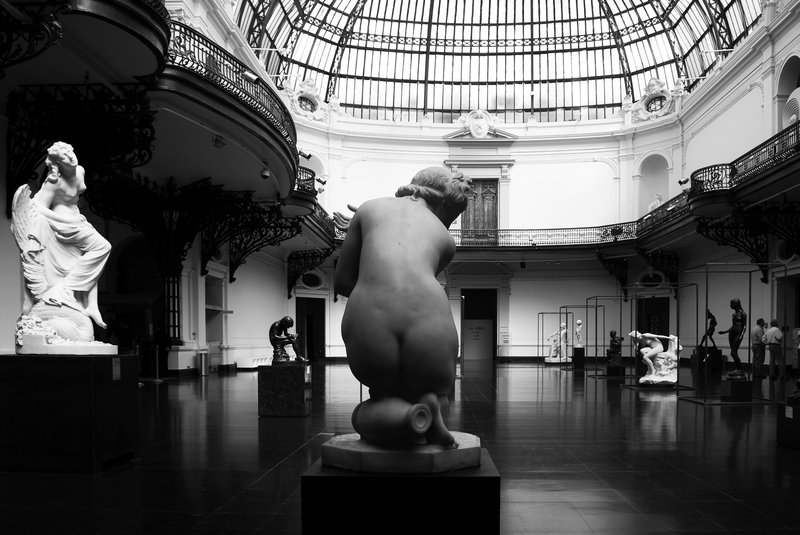
1. Museo Nacional de Bellas Artes
Argentina's largest fine-arts collection: 13,000 works spanning Goya, Rembrandt, and Rodin alongside a major survey of Argentine and Latin American painting from the 19th century onward. Free to enter, in a converted 19th-century waterworks pump house on Avenida del Libertador.
🏛️ Tuesday - Friday 11:00am - 8:00pm · Saturday - Sunday 10:00am - 8:00pm
🚫 Closed Monday
⏰ ~1 hr 30 min
Free
🚶 3 min · 🚕 2 min → Floralis Genérica
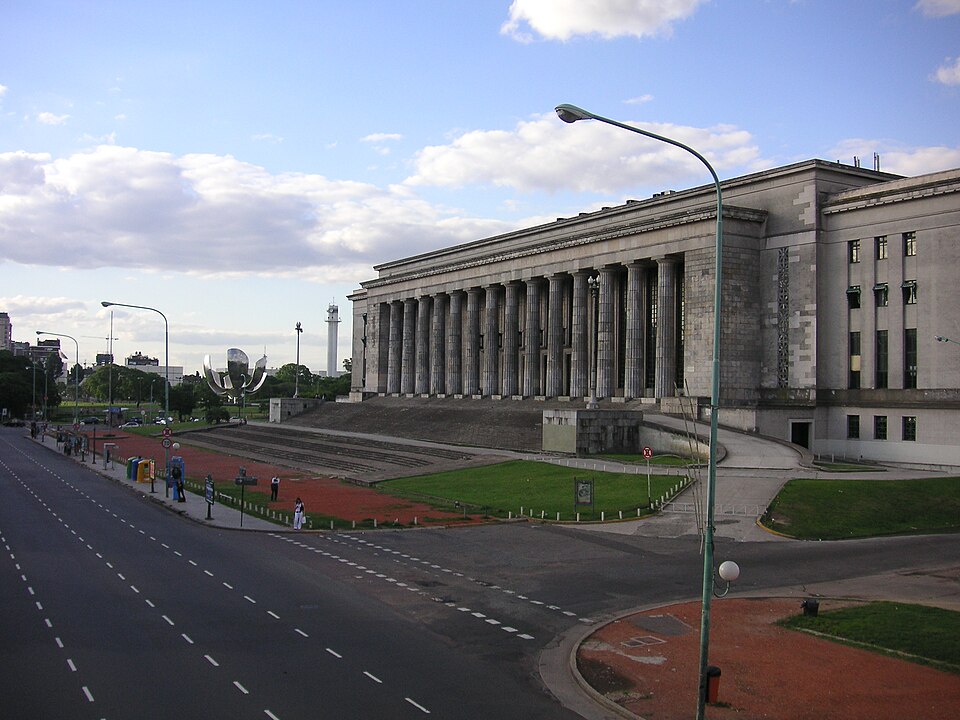
2. Floralis Genérica
Eduardo Catalano's 23-tonne steel-and-aluminum flower stands in a reflecting pool in Plaza de las Naciones Unidas, its six petals opening with the rising sun and folding closed at dusk. A genuinely strange and beautiful object — silvery, monumental, and oddly moving when it moves.
🚶 8 min · 🚕 2 min → Recoleta Cemetery
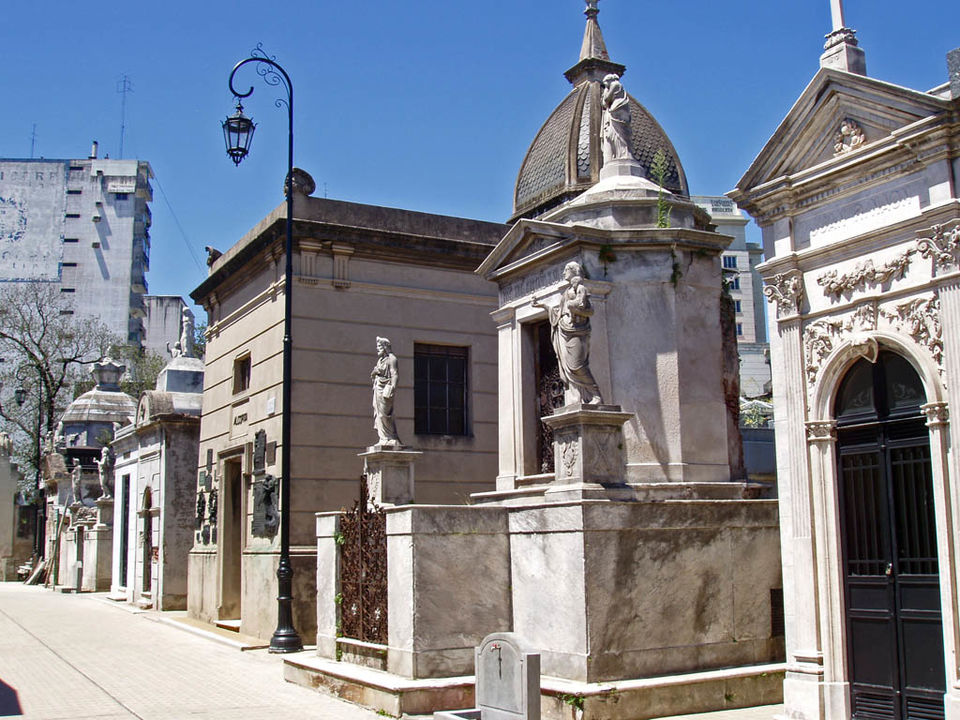
3. Recoleta Cemetery
A city within the city — ornate mausoleums, marble angels, and bronze doors crowd paths past presidents, generals, and Eva Perón. The contrast between immaculate family vaults and others surrendering to ivy tells you everything about Argentina's turbulent fortunes.
🏛️ Daily 8:00am - 6:00pm
⏰ ~1 hr 30 min
🚶 20 min · 🚕 7 min → hotel
Day 2
From Hotel: 🚕 12 min → Casa Rosada
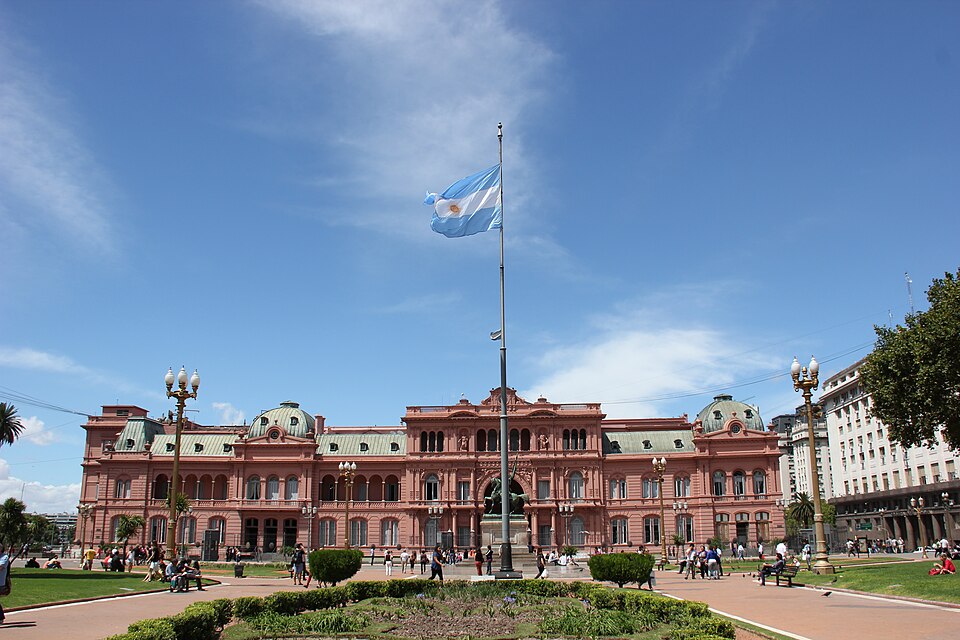
1. Casa Rosada
The bubblegum-pink Presidential Palace faces Plaza de Mayo — where Eva Perón addressed the crowds and where the Mothers circled every Thursday for three decades. The free museum behind the palace tells Argentine political history from the colonial fort to the present.
🏛️ Wednesday - Sunday 10:00am - 6:00pm
🚫 Closed Monday & Tuesday
⏰ ~1 hr
🚶 5 min · 🚕 2 min → Puente de la Mujer
2. Puente de la Mujer
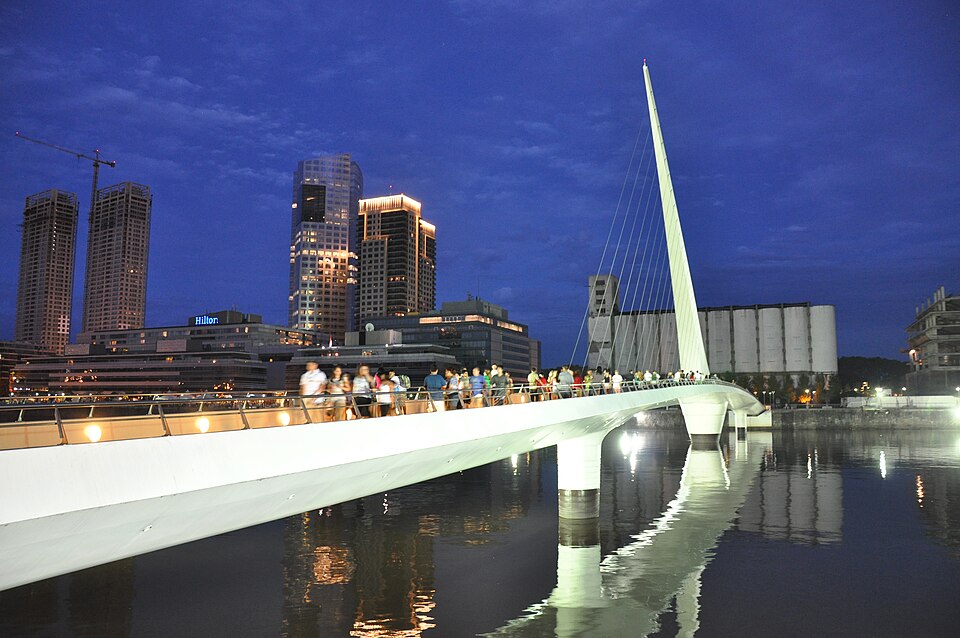
Santiago Calatrava's slender white suspension bridge spins 90 degrees to let boats through, its inclined mast designed to evoke a tango couple mid-turn. It is the finest piece of modern architecture in the city — glowing white against the river, best photographed at dusk when the lights come on.
🚶 21 min · 🚕 5 min → Teatro Colón
3. Teatro Colón
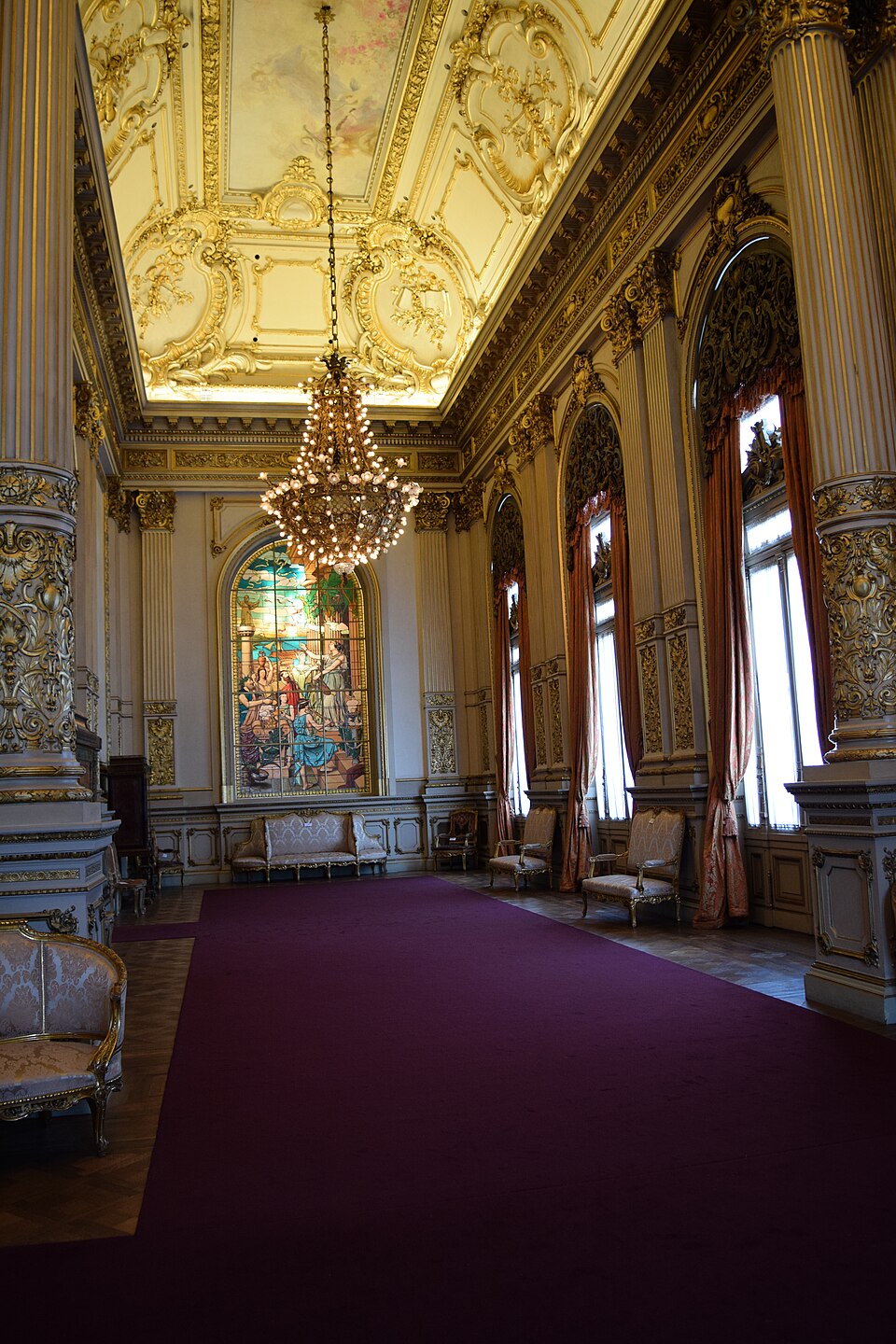
Opened in 1908 and ranked among the top five opera houses on earth for acoustics. Guided tours thread through the gilded auditorium, rehearsal halls, costume workshops, and the vast stage — a behind-the-scenes look at a house that hosted Callas, Pavarotti, and Nureyev.
🏛️ Monday - Saturday 10:00am - 8:00pm
🚫 Closed Sunday
⏰ ~1 hr 30 min
🚶 12 min · 🚕 3 min → Palacio Barolo
4. Palacio Barolo
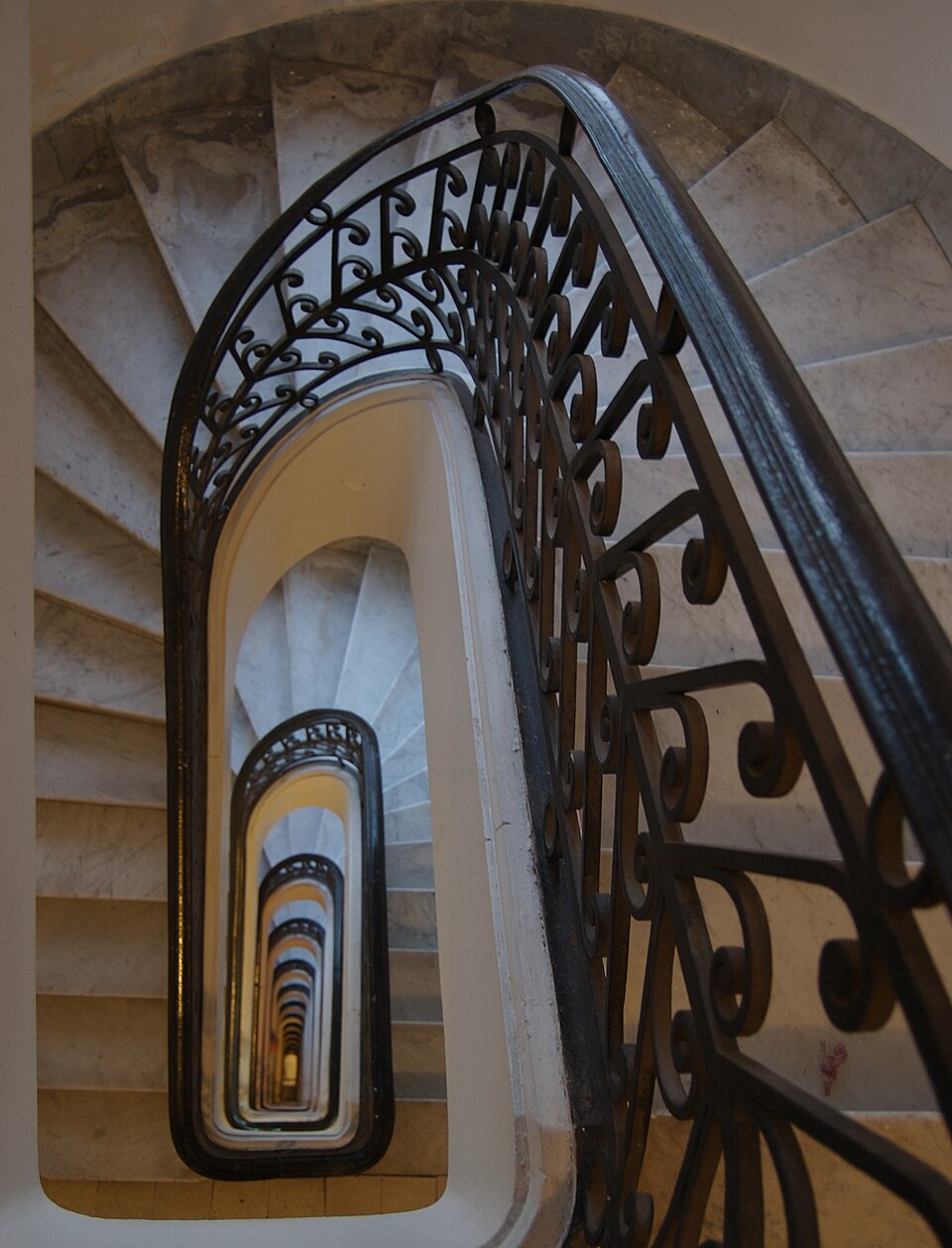
A 1923 art nouveau tower conceived as a three-dimensional rendering of Dante's Divine Comedy — Hell in the basement, Purgatory in the middle floors, Paradise in the lighthouse top. The spiral staircase is extraordinary, and the rooftop observation deck delivers one of the finest views in the city.
🏛️ Monday 10:00am - 4:00pm · Wednesday - Friday 10:00am - 6:00pm
🚫 Closed Tuesday, Saturday & Sunday
⏰ ~1 hr 30 min
🚕 22 min → hotel
Day 3
From Hotel: 🚶 27 min · 🚕 9 min → Jardín Japonés
1.
Jardín Japonés
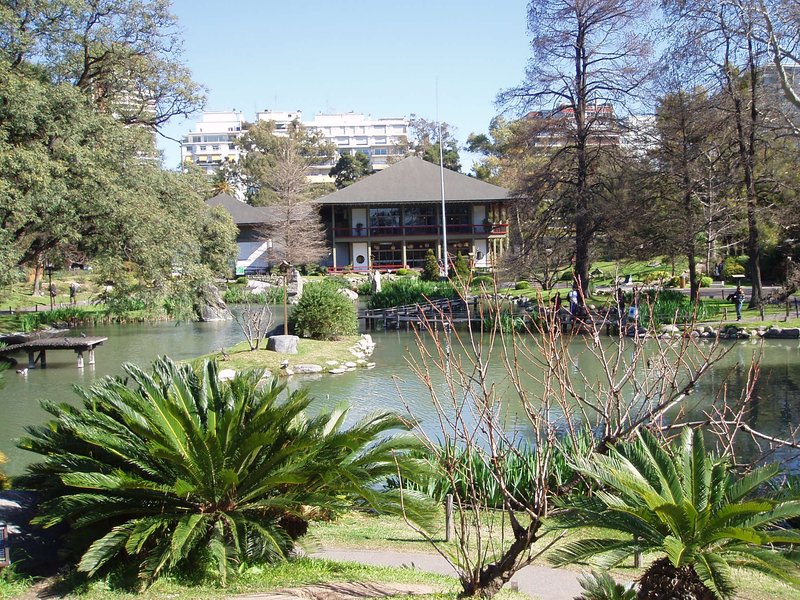
Established in 1967 and expanded in 1979 when Emperor Hirohito donated a stone lantern, the garden covers 5.5 hectares within Parque 3 de Febrero. A wooden Yumendo bridge, tea pavilion, koi ponds, and arch bridge are the main features. One of the largest Japanese gardens outside Japan.
🚶 6 min · 🚕 2 min → Monumento de los Españoles
2.
Monumento de los Españoles
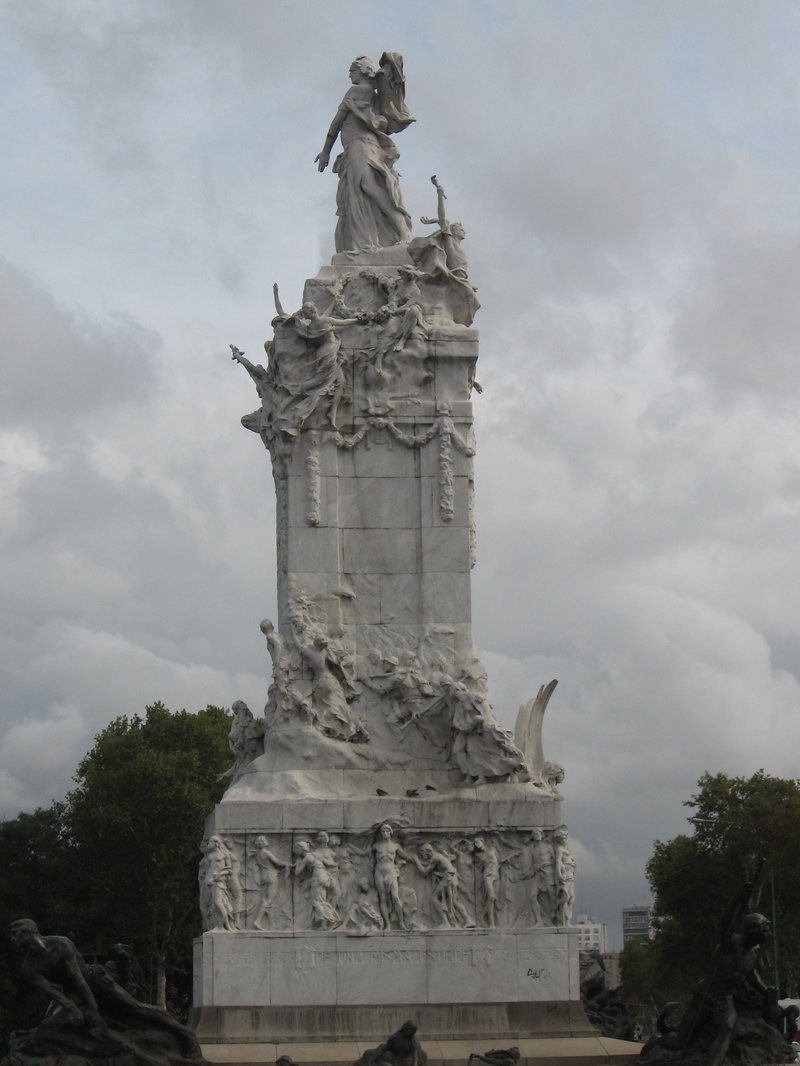
A 24.5-metre marble and bronze column commissioned by the Spanish community for the 1910 centennial of the May Revolution. Sculptor Agustín Querol died before completion; it was unveiled in 1927. The four allegorical figures at the base represent the Andes, the Chaco, the Pampas, and the Río de la Plata.
🚶 13 min · 🚕 3 min → MALBA – Museo de Arte Latinoamericano de Buenos Aires
3.
MALBA – Museo de Arte Latinoamericano de Buenos Aires
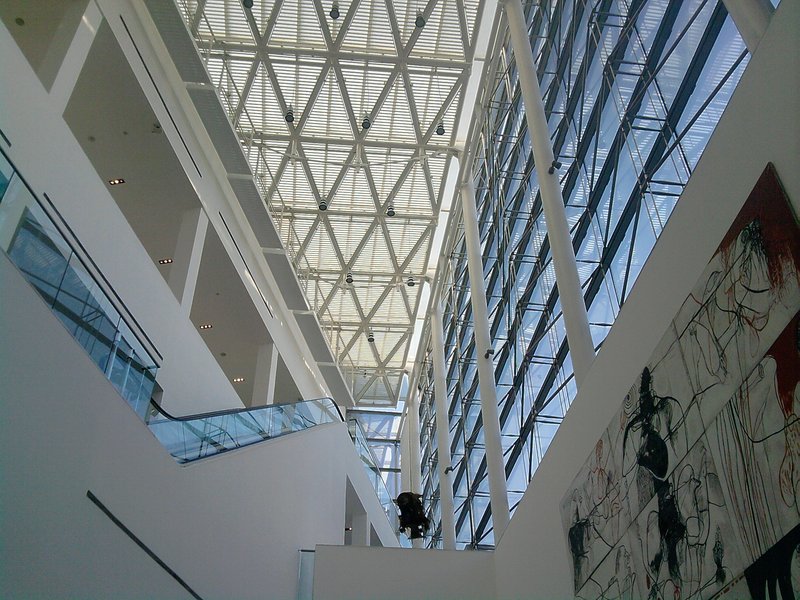
Opened in 2001, MALBA holds over 700 works of Latin American modern and contemporary art — Frida Kahlo, Diego Rivera, Tarsila do Amaral, Xul Solar, and Wifredo Lam among them. The limestone, steel, and glass building was selected by a jury that included Norman Foster, César Pelli, and Mario Botta.
🏛️ Wednesday 11:00am - 8:00pm · Thursday - Monday 12:00pm - 8:00pm
🚫 Closed Tuesday
⏰ ~1 hr 30 min
🚶 15 min · 🚕 5 min → Parque 3 de Febrero · Bosques de Palermo
4.
Parque 3 de Febrero · Bosques de Palermo
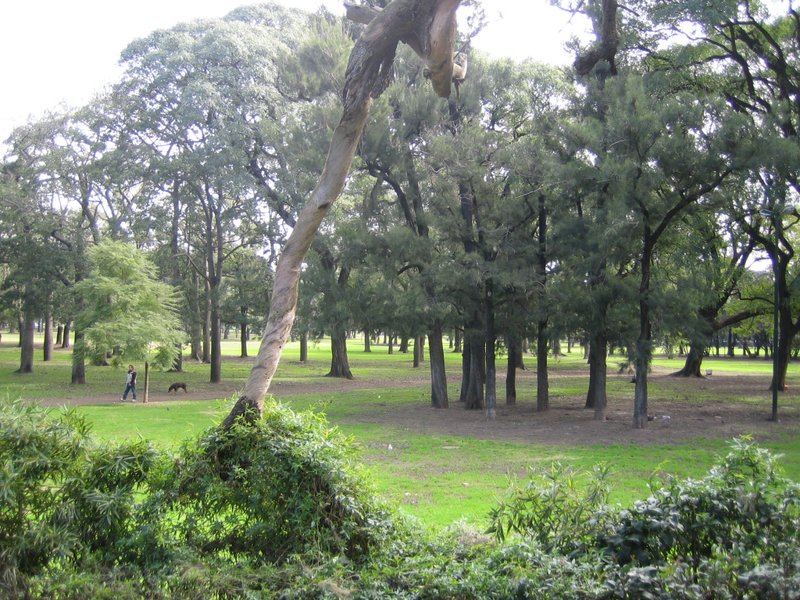
Buenos Aires's main urban park — approximately 400 hectares of lakes, rose gardens, and woodland. Laid out in the 1870s on land belonging to dictator Rosas, it was named for the date of his defeat in 1852. The Rosedal holds 18,000 rose plants; the park also contains a rowing lake and the Galileo Galilei Planetarium.
🚕 10 min → hotel
Day 4
From Hotel: 🚕 12 min → Parque Lezama
1.
Parque Lezama
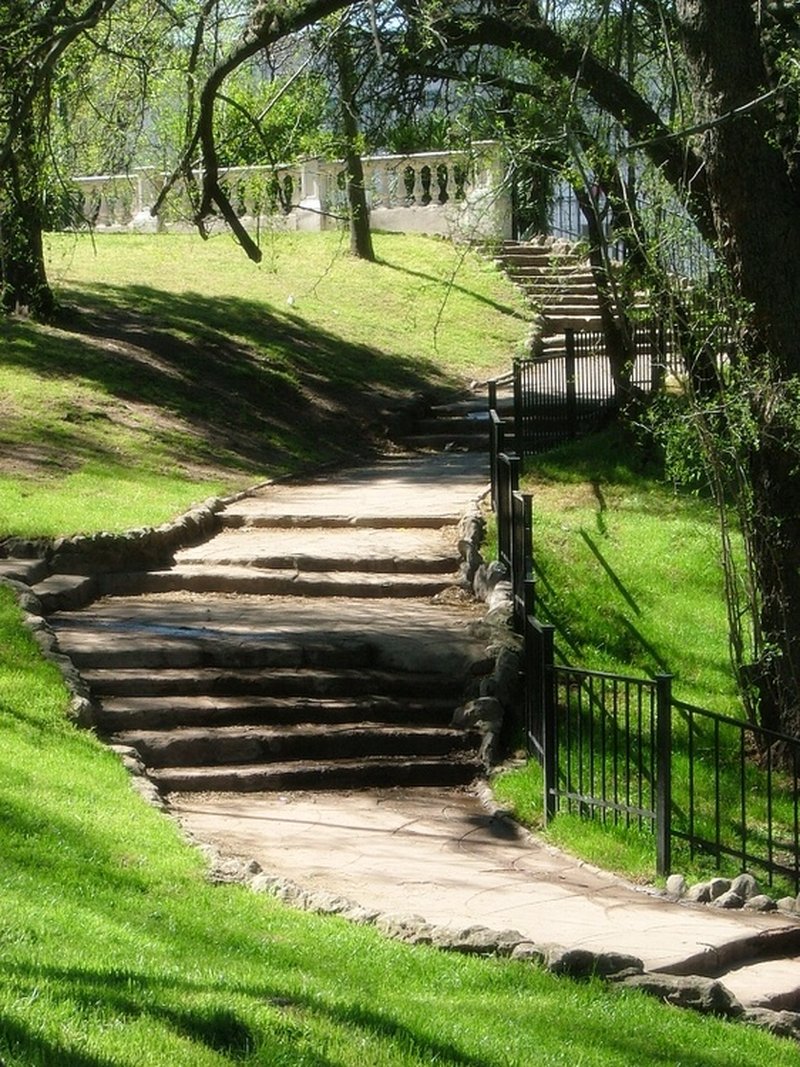
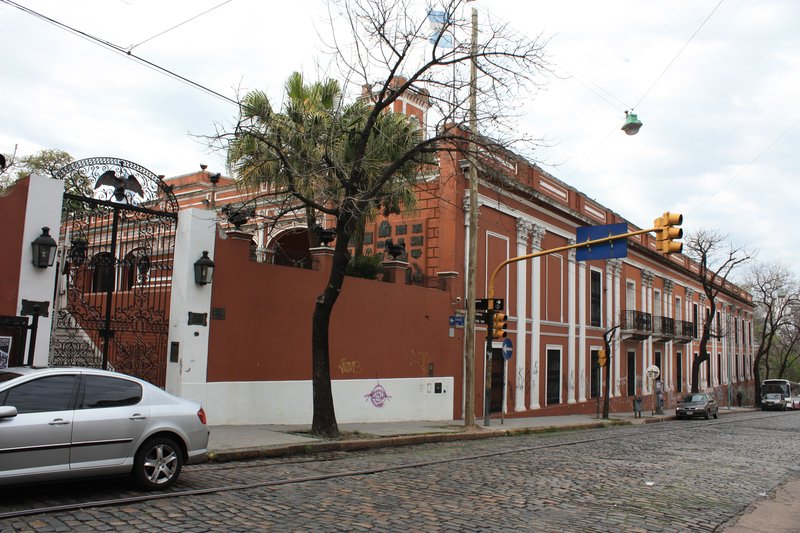
The oldest public park in Buenos Aires, traditionally identified as the site of Pedro de Mendoza's 1536 founding. The estate belonged to José Gregorio de Lezama before the city acquired it in 1894. The park contains the Museo Histórico Nacional, a Russian Orthodox Cathedral with blue domes, and an amphitheatre.
🚶 1 min · 🚕 2 min → Museo Histórico Nacional
2.
Museo Histórico Nacional
Founded in 1889 and housed in the former Lezama mansion in Parque Lezama, the museum holds Argentina's primary collection from the May Revolution and War of Independence — portraits, weapons, San Martín's sabre, flags, and documents tracing the country's history from colony to republic. Admission is free.
🚶 9 min · 🚕 2 min → Plaza Dorrego
3.
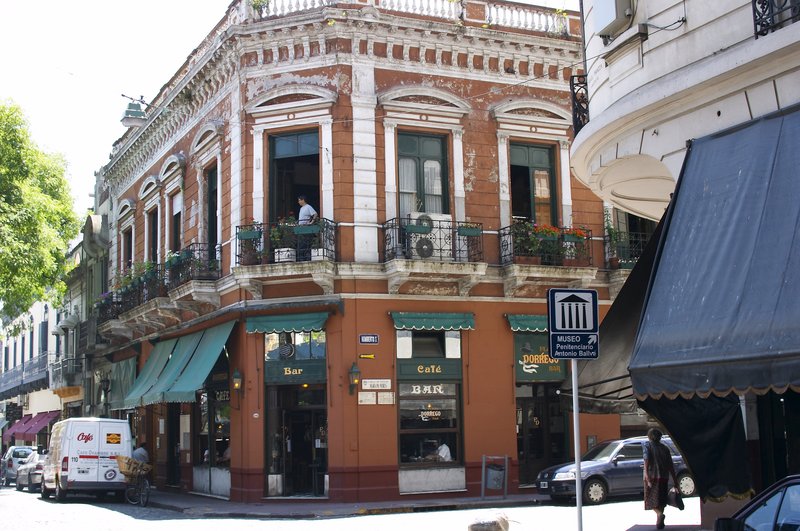
Plaza Dorrego
The focal square of San Telmo, renamed in 1905. Every Sunday since 1970, nearly 300 antique vendors line the square and Calle Defensa, selling vintage silver, vinyl records, furniture, and clocks. Tango dancers perform between stalls; the surrounding cafés occupy the same 19th-century buildings.
🚶 27 min · 🚕 7 min → Caminito
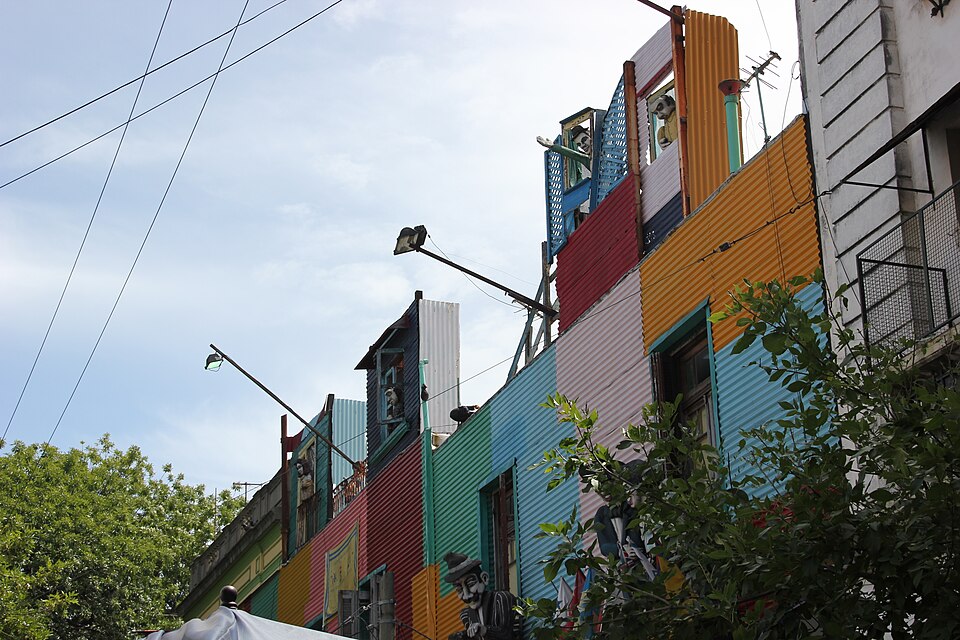
4. Caminito
The 150-metre alley that launched a thousand postcards — corrugated iron tenements painted in clashing reds, yellows, and blues, balconies strung with laundry, murals running the full length. The colours came from surplus dock paint in the 1880s when immigrants built homes from whatever the shipyards discarded.
🚶 1 min · 🚕 2 min → Fundación PROA
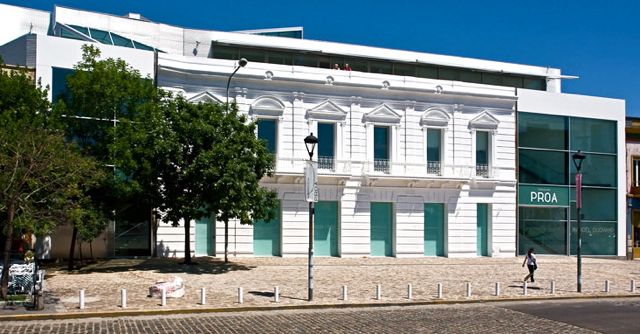
5. Fundación PROA
Housed in a 19th-century building at the edge of Caminito with the Riachuelo flowing past the back terrace, PROA is Buenos Aires's best contemporary art museum. It consistently pulls major international shows — Duchamp, Warhol, Malevich have all shown here.
🏛️ Tuesday - Sunday 11:00am - 7:00pm
🚫 Closed Monday
⏰ ~1 hr
🚶 15 min · 🚕 5 min → Iglesia Nuestra Señora de Belén
6.
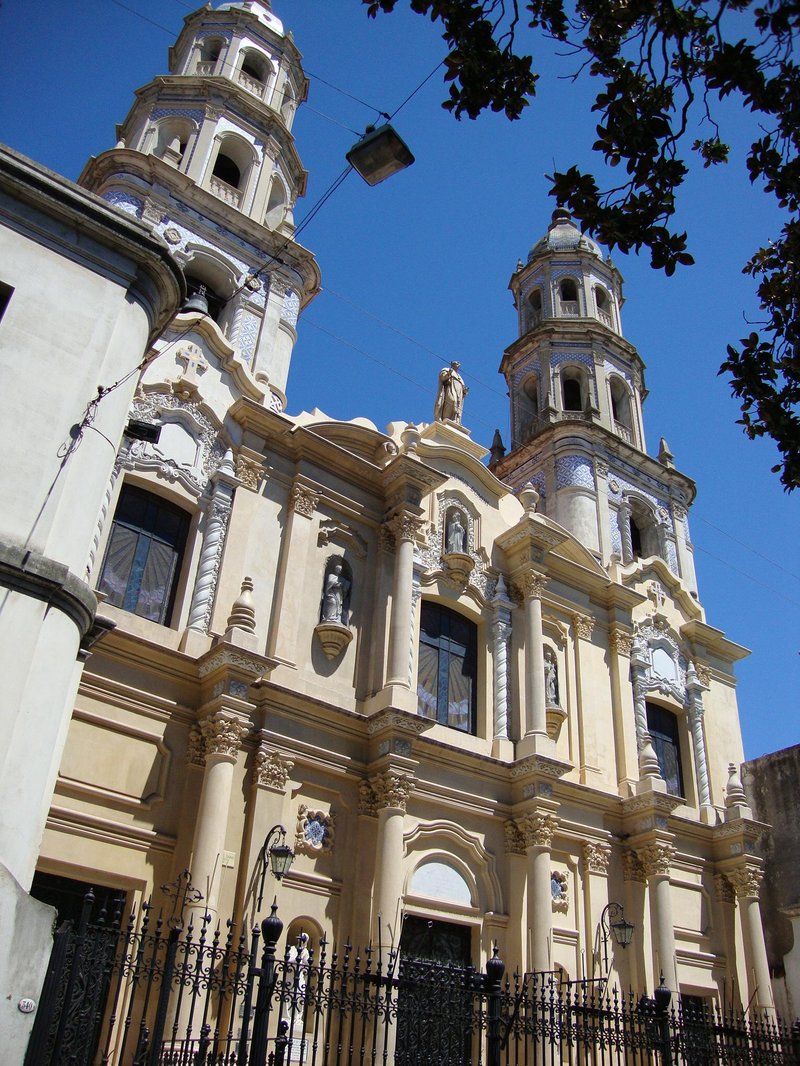
Iglesia Nuestra Señora de Belén
The oldest colonial church in Buenos Aires, begun by Jesuit architect Andrés Blanqui in 1734 and inaugurated in 1752. The two towers were finished in 1876 by Pedro Benoit. Declared a National Historical Monument in 1942, the interior has a barrel-vaulted central nave and original colonial decorative elements.
🚕 12 min → hotel
Day 5
From Hotel: 🚕 28 min → Barrancas de Belgrano
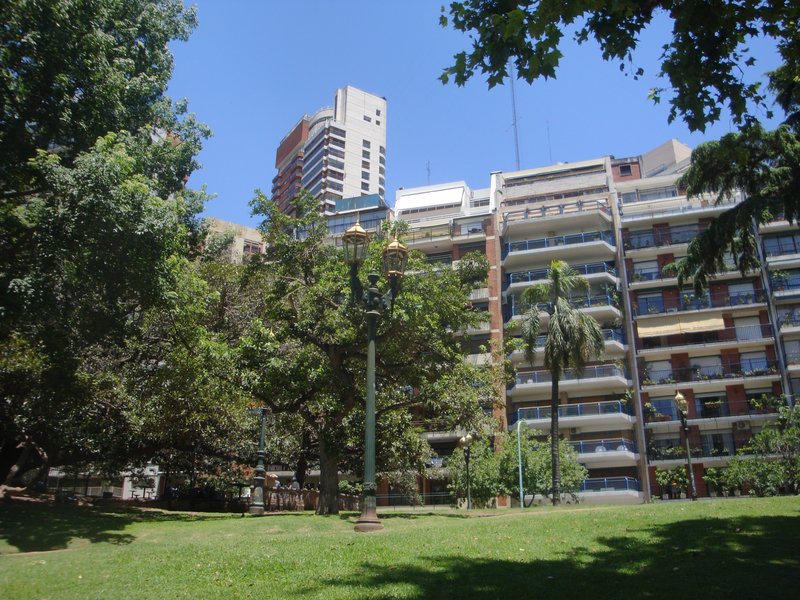
1. Barrancas de Belgrano
A terraced hillside park designed by landscape architect Charles Thays in 1892, spilling down a natural bluff at the edge of the Belgrano plateau. Curved paths, stone benches, and a central fountain make it the neighbourhood's social anchor — tango and milonga dancers often occupy the pavilion on weekend afternoons.
🚶 4 min · 🚕 2 min → Barrio Chino
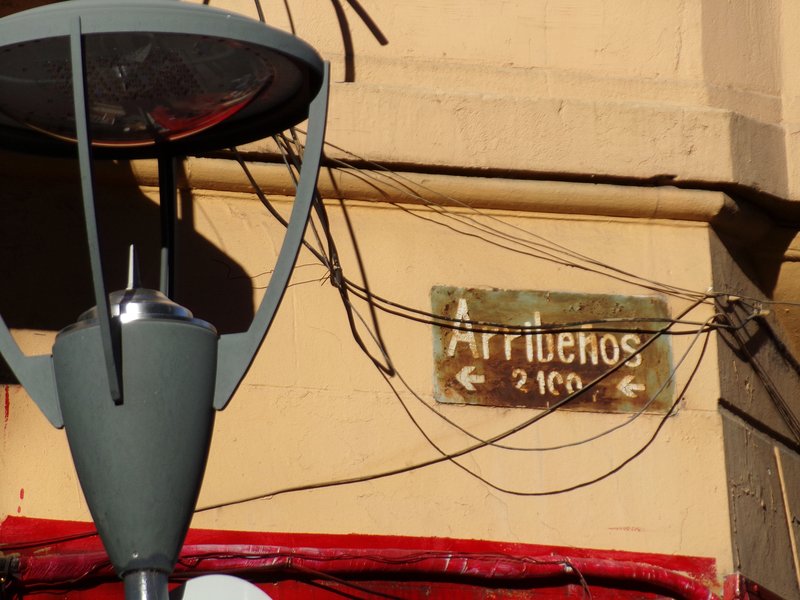
2. Barrio Chino
Buenos Aires' Chinatown, concentrated on Calle Arribeños in Belgrano and anchored by a 1990 ceremonial gate. The two-block stretch holds Chinese, Japanese, Korean, and Taiwanese restaurants alongside shops selling tea, spices, ceramics, and imported goods.
🚶 9 min · 🚕 2 min → Basílica de la Inmaculada Concepción
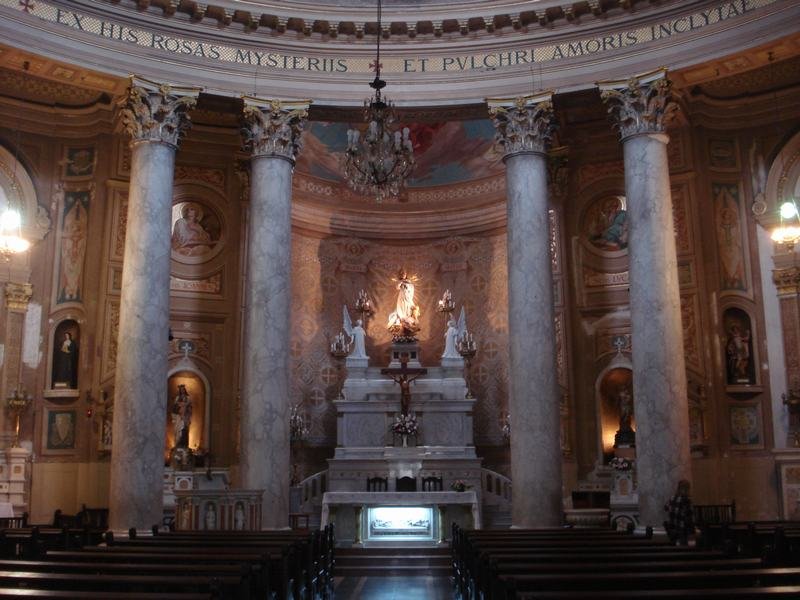
3. Basílica de la Inmaculada Concepción
The largest church in Argentina, completed in 1878, with a blue neoclassical dome modelled on the Panthéon in Paris and a façade of Doric columns. Known locally as La Redonda for its circular form, it anchors Plaza de Belgrano and is visible from nearly every street in the neighborhood.
🚕 25 min → hotel
Day 6
From Hotel: 🚶 28 min · 🚕 9 min → Palacio del Congreso
1. Palacio del Congreso
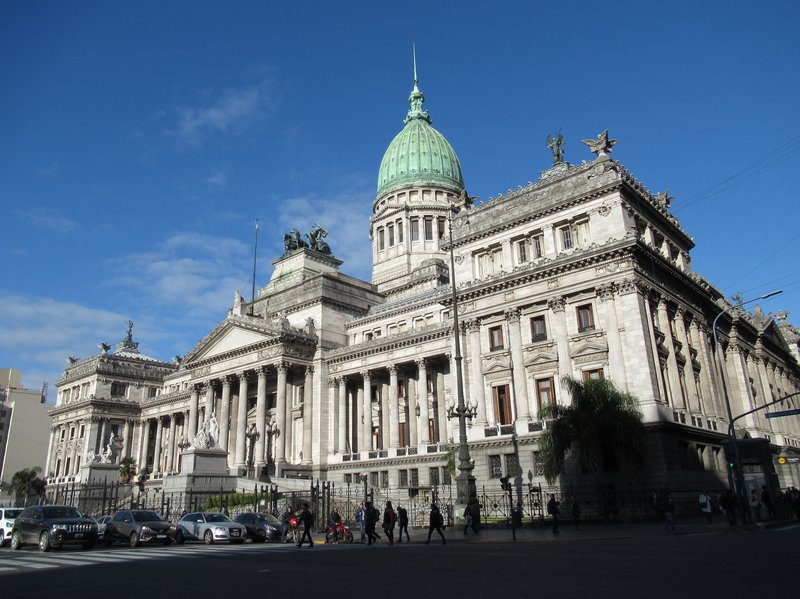
Argentina's neoclassical parliament, completed in 1906 to a design that draws on the US Capitol and the Roman Pantheon — a green-bronze dome on Córdoba granite, visible from every block along Avenida de Mayo. Free guided tours wind through the lavishly frescoed Senate Chamber, the Hall of Lost Steps, and a ceremonial staircase lined with pink San Juan marble.
🏛️ Monday - Friday 11:00am - 5:00pm
🚫 Closed Saturday & Sunday
⏰ ~1 hr 30 min
Free
⚠️ Tours are suspended without notice when parliament is in session — verify at the official Senate website before visiting · arrive with passport or ID
🚶 15 min · 🚕 5 min → Obelisco de Buenos Aires
2. Obelisco de Buenos Aires
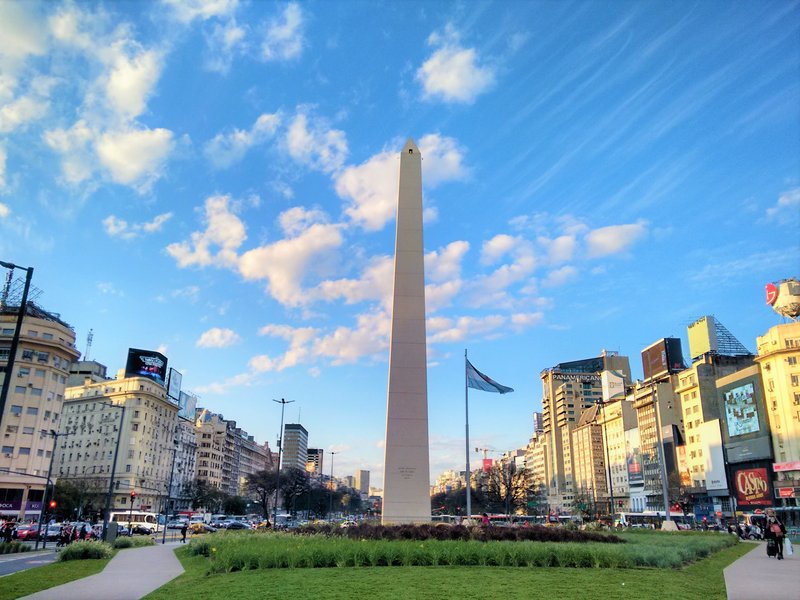
Buenos Aires' defining symbol — a 67.5-metre white obelisk to mark the city's 400th anniversary at the intersection of Avenida 9 de Julio, the world's widest avenue, and Avenida Corrientes. The Mirador del Obelisco now carries visitors by glass elevator to the apex's four panoramic windows with an unobstructed view across the grid to the Río de la Plata.
🏛️ Daily 9:00am - 5:00pm
⏰ ~20 min
🚶 30 min · 🚕 10 min → Colección Fortabat
3. Colección Fortabat
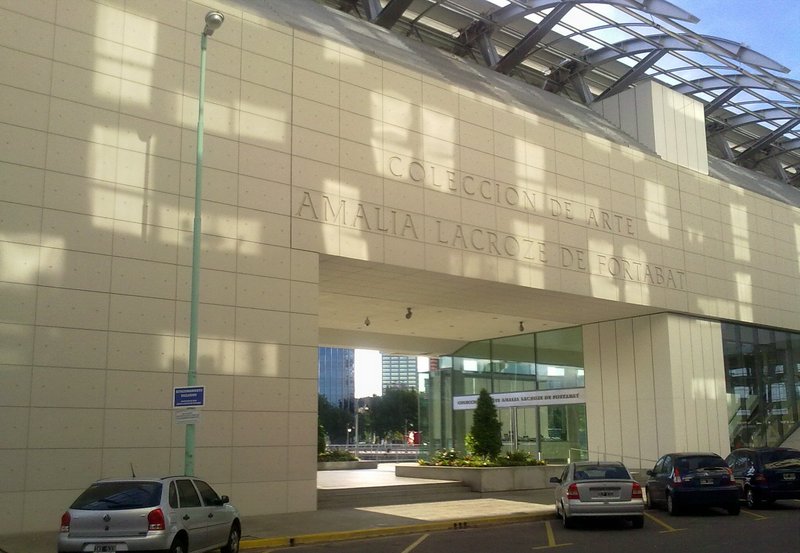
Argentina's foremost private art collection — 230 works assembled by Amalia Lacroze de Fortabat and housed in a Rafael Viñoly-designed glass building on Puerto Madero's dockfront. A retractable aluminium roof floods the galleries with natural light. The collection spans Turner, Klimt, Warhol, and Rodin alongside Argentine masters Xul Solar, Antonio Berni, and Juan Carlos Distéfano.
🏛️ Thursday - Sunday 12:00pm - 8:00pm
🚫 Closed Monday, Tuesday & Wednesday
⏰ ~1 hr 30 min
🚶 9 min · 🚕 4 min → Reserva Ecológica Costanera Sur
4. Reserva Ecológica Costanera Sur
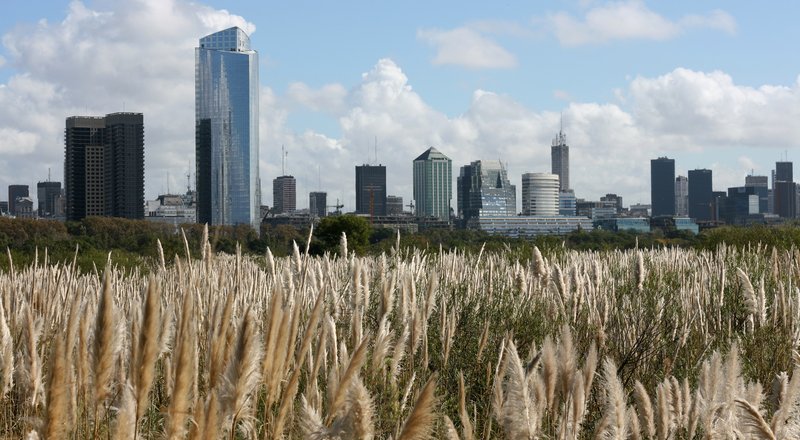
One of the world's most improbable urban nature reserves — 350 hectares of Pampas wetland, grassland, and Río de la Plata shoreline that emerged from landfill deposited into the river in the 1970s. Today, 300+ bird species, capybaras, coypu, and foxes inhabit the reserve within walking distance of the financial district. The north trail opens onto city skyline views above the reedbeds.
🏛️ Tuesday - Sunday 8:00am - 6:00pm
🚫 Closed Monday
⏰ ~1 hr 30 min
Free
⚠️ Extended to 7:00pm from November through March
🚕 18 min → hotel
🗓️ Weekly Closures
Theatres · Closed Sunday
Museums & Galleries · Closed Monday
Government Sites · Closed Tuesday
Palaces · Closed Saturday
📅 Tours
Viator
A half-day escape up the Paraná Delta — boat through the lush labyrinth of waterways, stilted river houses, and shaded channels less than an hour north of Buenos Aires.
⏳ 5 hr 30 min · 👥 Small group
🚶 20 min · 🚕 8 min
Authentic tango show in a beautifully restored 19th-century convent on Balcarce Street, San Telmo — three-course Argentine dinner and fine local wine before the show, with an optional traditional-style bus transfer to and from your hotel.
⏳ 3 hr · 👥 Group show
🏨 ↔ 🚐
Full-day crossing by ferry to Uruguay's UNESCO-listed Colonia del Sacramento — cobblestone Calle de los Suspiros, the historic lighthouse, Basilica del Santísimo Sacramento, and ruins of the Convent of San Francisco with local guide. Max 15 guests.
⏳ 12 hr · 👥 15 max
🏨 ↔ 🚐
Two-hour guided walk through the most famous cemetery in Latin America — ornate mausoleums, Eva Perón's vault, architectural history, and the untold stories behind Argentina's most powerful dynasties. Small group with a local expert.
⏳ 2 hr · 👥 Small group
🚶 8 min · 🚕 4 min
GetYourGuide
Seven-course asado with four Argentine wines flowing all evening and live tango and folk music — the only dinner show of its kind in the city. Max 10 guests around one table.
⏳ 2 hr 45 min · 👥 10 max
🚕 18 min
Minibus tour of the city's essential neighbourhoods — La Boca, San Telmo, Puerto Madero, Recoleta, and Palermo — with a bilingual local guide. Max 15 guests per van.
⏳ 4 hr · 👥 15 max
🏨 ↔ 🚐
Three-and-a-half-hour walking food tour through San Telmo — empanadas, vermouth, dulce de leche, and a parrilla tasting stop, weaving between the street-art murals and colonial market halls of the old quarter.
⏳ 3 hr 30 min · 👥 Small group
🚕 10 min
📅 4. Buenos Aires: Join a Local Family for an Argentine Barbecue · GetYourGuide · 4.9⭐ · 80+ reviews
Betty and Marcelo host a classic Sunday asado in their home — 100% grass-fed cuts grilled by grillmaster Marcelo, homemade empanadas, chimichurri, and Argentine wine. Intimate, unhurried, genuinely local.
⏳ 3 hr · 👥 Small group
🚕 12 min
TripAdvisor
Half-day escape up the Paraná Delta — boat through the lush labyrinth of waterways, stilted river houses, and shaded channels less than an hour north of Buenos Aires. Max 16 per group.
⏳ 5 hr 30 min · 👥 16 max
🏨 ↔ 🚐
Full-day small-group crossing to Uruguay's UNESCO World Heritage port town — colonial architecture, Calle de los Suspiros, the lighthouse, and the ruins of the Convent of San Francisco. Max 15 per group.
⏳ 12 hr · 👥 15 max
🏨 ↔ 🚐
Half-day minibus tour of the city's essential neighbourhoods — La Boca, San Telmo, Puerto Madero, Recoleta, and Palermo — with a bilingual local guide. Max 15 guests per van.
⏳ 4 hr · 👥 15 max
🏨 ↔ 🚐
🫕 Restaurants Near Hotel
ALMA Buenos Aires · 4.4⭐ · 640+ reviews
Hotel restaurant at the Sofitel — seasonal Argentine meats and vegetables.
🏨 In the hotel · Ground floor
🏛️ Daily 7:00am - 11:00pm
El Mirasol · 4.4⭐ · 2800+ reviews
Upscale parrilla a half-block from the hotel — premium cuts, formal service.
🏛️ Daily 12:00pm - 12:00am
🚶 2 min · 🚕 2 min
Rufino · 4.5⭐ · 1100+ reviews
Contemporary Argentine grill — stellar beef and fresh seafood, chic setting.
🏛️ Daily 12:00pm - 12:00am
🚶 6 min · 🚕 4 min
🍽️ Downtown Restaurants
La Brigada · 4.5⭐ · 6500+ reviews
San Telmo institution since 1987 — bife de chorizo carved tableside.
🏛️ Daily 12:00pm - 12:00am
🍮 Local Tastes
Asado
Open-fire beef grilling is Argentina's sacred ritual — bife de chorizo or entraña over wood embers, served with chimichurri and provoleta cheese. Order jugoso for medium-rare and never rush the meal.
Empanadas
Half-moon pastry pockets filled with spiced ground beef, chicken, corn, or cheese — baked or fried, eaten by hand. The folded edge pattern tells you the filling.
Dulce de Leche
Argentina's national obsession — thick amber caramel made from slowly reduced sweetened milk. Spread on toast, dolloped on ice cream, or eaten from the jar. Havanna brand is the gold standard.
📍 Havanna
Malbec
Argentina's signature grape — deep purple, plum-forward, and unlike the same variety made anywhere else. Look for Zuccardi, Catena Zapata, or Achaval Ferrer on wine lists.
🎭 Shows, Performances & Concerts
El Querandí
Tango show from arrabal origins to Piazzolla — live orchestra, five acts. Doors 7:30pm · Show 9:30pm.
🚕 12 min
Piazzolla Tango
Sophisticated tribute to Astor Piazzolla in the Belle Époque Galería Güemes — live bandoneon. Show 9:00pm.
🚶 28 min · 🚕 10 min
Teatro Colón — Performances
Opera, ballet, and orchestral concerts in one of the world's finest acoustic halls. Season March to December.
🚶 22 min · 🚕 8 min
🚆 Train Stations Near Hotel
🚊 Pueyrredón
Subte Line D → Catedral · Tribunales · 9 de Julio · Palermo · Congreso de Tucumán.
🚶 10 min · 🚕 5 min
🚊 Retiro
Subte Line C + long-distance rail → Constitución via Centro · Mitre and Belgrano Norte suburban lines.
🚶 14 min · 🚕 7 min
⭐ Michelin Restaurants
⭐⭐ Aramburu
Contemporary Argentine · two-star tasting menu with ingredient-driven precision.
🚶 12 min · 🚕 6 min
⭐ Trescha
⭐ Don Julio
Classic parrilla · the city's most celebrated Michelin-starred wood-fire grill.
🚕 12 min
❗️ Heads Up
Palacio Barolo — Tours Closed Tuesday · Saturday · Sunday
Tours only run Monday · Wednesday · Thursday · Friday at 10:00am and 3:00pm. No access on Tuesday · Saturday · Sunday.
Casa Rosada Museum — Closed Monday · Tuesday
The Presidential Museum is free but only open Wednesday through Sunday. The exterior and Plaza de Mayo are always accessible.
Buenos Aires is a city built by people who left somewhere else and never quite stopped mourning it — Italian facades, French boulevards, Spanish language, and a tango that sounds like all of that grief at once.
The mausoleums of Recoleta are the most honest thing in town. A city that builds houses for its dead the size of houses for its living is a city that takes memory seriously. Walk slowly. The sadness is the point.