MONTEVIDEO
Alma Histórica Boutique Hotel
Uruguay
From Hotel: 🚶 5 min · 🚕 2 min → Palacio Salvo
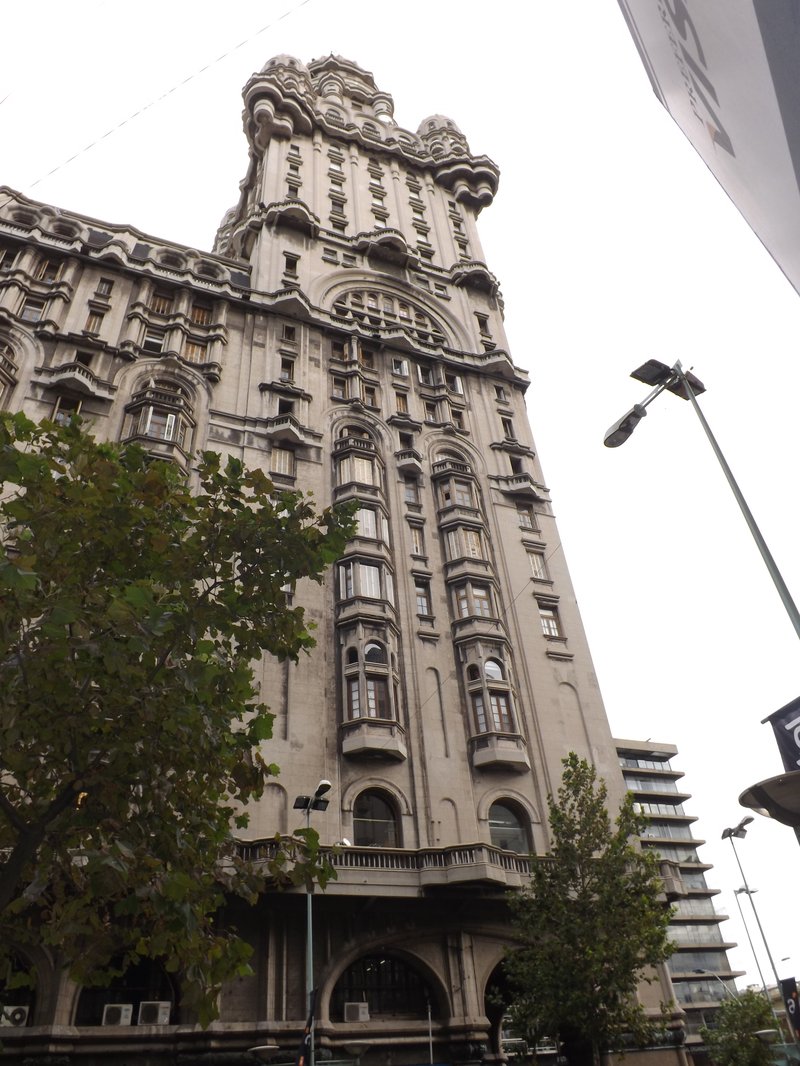
Designed by Mario Palanti, this Art Deco tower held the title of tallest building in South America for over a decade after it was built. Its 26 floors fuse neo-Gothic ornament and Palladian massing in a way that defies category — the building's silhouette remains the most recognizable in all of Uruguay.
🚶 2 min · 🚕 2 min → Palacio Salvo
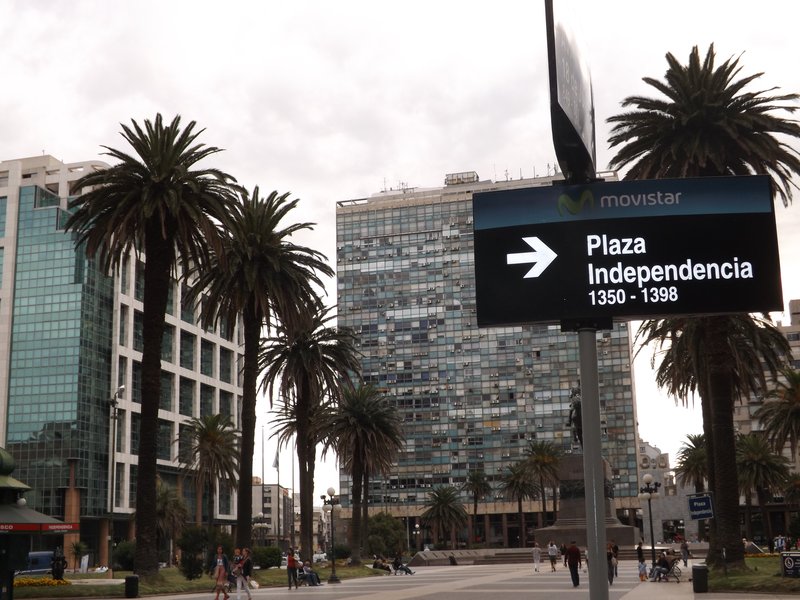
Gateway between the 18th-century Ciudad Vieja grid and the modern city center, anchored by the equestrian José Artigas monument above his mausoleum. Surrounded by Palacio Salvo, Teatro Solís, and Palacio Estévez — Montevideo's symbolic threshold between colonial and modern Uruguay.
🚶 2 min · 🚕 2 min → Teatro Solís
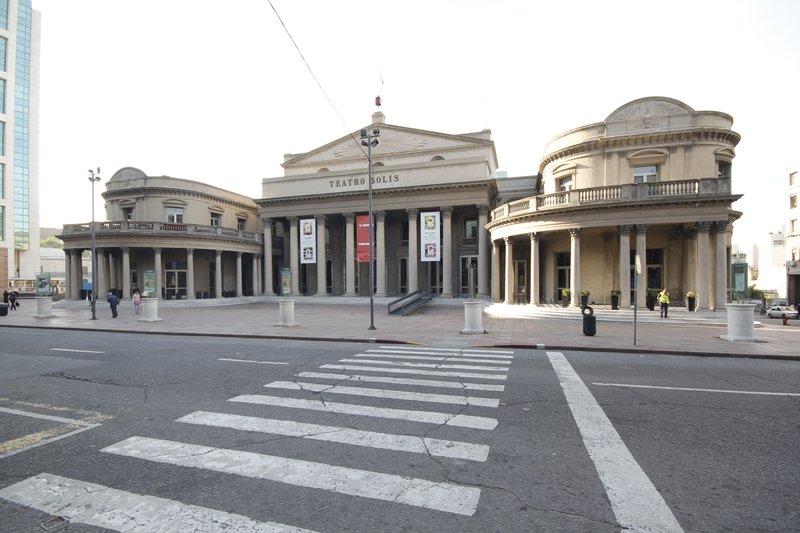
Montevideo's flagship opera house has been the cultural nerve center of the Río de la Plata for more than a century. The neoclassical facade conceals a 1,200-seat horseshoe hall where Caruso, Pavlova, and Piazzolla have all performed — and where a full season of opera, ballet, and orchestral concerts runs year-round.
🏛️ Tuesday - Sunday 11:00am - 5:00pm
🚫 Closed Monday
⏰ ~25 min
🚶 10 min · 🚕 2 min → MAPI
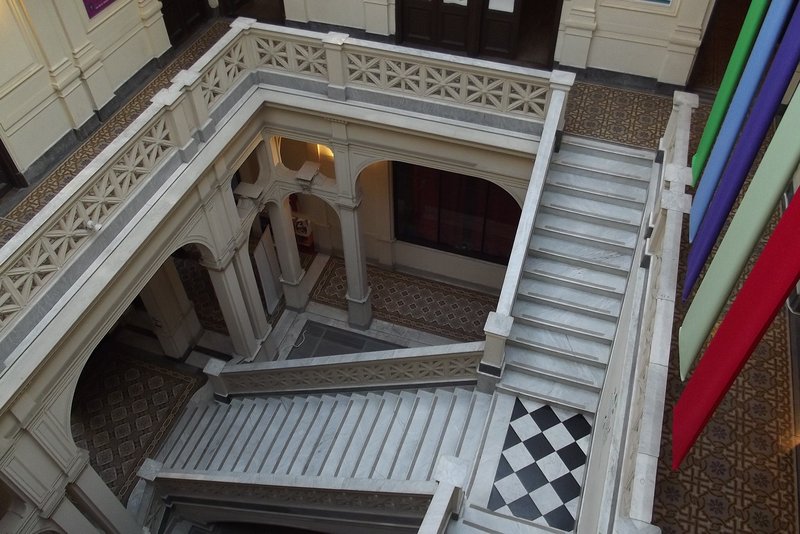
The only museum in Uruguay dedicated entirely to pre-Columbian and indigenous art, spread across three floors of a restored colonial palace. Andean ceramics, Amazonian weaving, and Patagonian rock-art casts ground the colonial story of the region in the millennia that preceded it.
🏛️ Tuesday - Sunday 11:00am - 5:00pm
🚫 Closed Monday
⏰ ~1 hr 30 min
⚠️ Entry fee · pay at door
🚶 21 min · 🚕 5 min → Barrio Sur
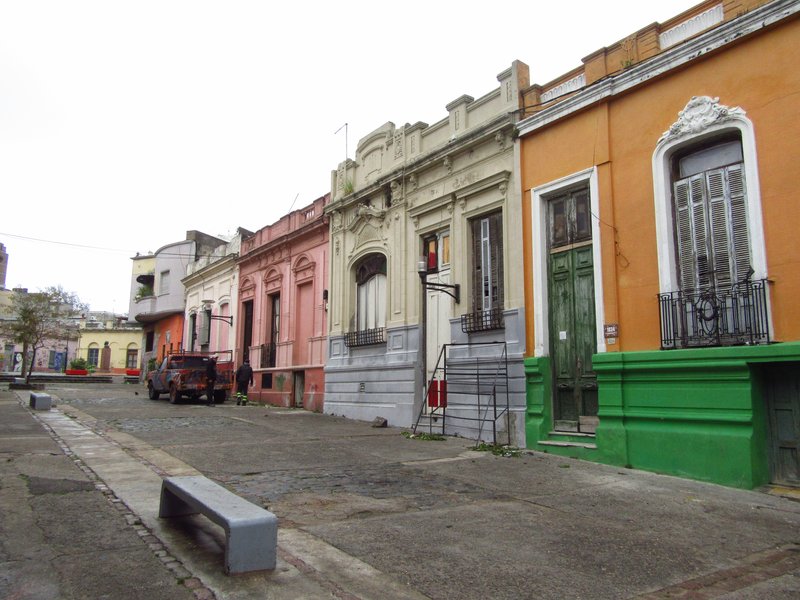
Historic enclave south of Ciudad Vieja where candombe drumming took root in the colonial era. The barrio hosts comparsa rehearsals, pasajes painted with Afro-Uruguayan murals, and the living cultural memory that makes Montevideo's Carnival the longest in the world.
🚶 28 min · 🚕 7 min → Palacio Legislativo
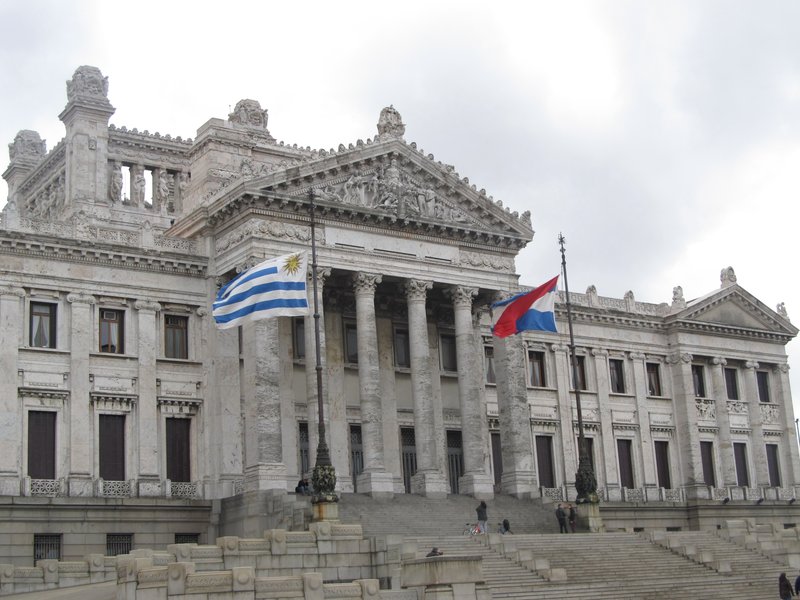
This neoclassical granite palace is clad in 12 types of Uruguayan marble and anchors the western edge of the city's legislative district. Free guided tours run on weekdays through the ceremonial chambers, the Senate hall, and the soaring Hall of Lost Steps.
🏛️ Monday - Friday 10:30am - 3:00pm
🚫 Closed Saturday & Sunday
⏰ ~1 hr
Free
🚶 4 min · 🚕 2 min → hotel
From Hotel: 🚶 5 min · 🚕 2 min → Fortaleza del Cerro
A hilltop fortress built to guard Montevideo Bay from Portuguese encroachment, sitting atop the city's highest natural point with 360° panoramic views of the harbor, the Río de la Plata, and the city skyline. The taxi ride up Cerro hill is the most dramatic vantage point in the entire city.
🏛️ Tuesday - Sunday 9:00am - 4:30pm
🚫 Closed Monday
⏰ ~1 hr
⚠️ Entry fee · pay at door
🚕 18 min → Jardín Botánico
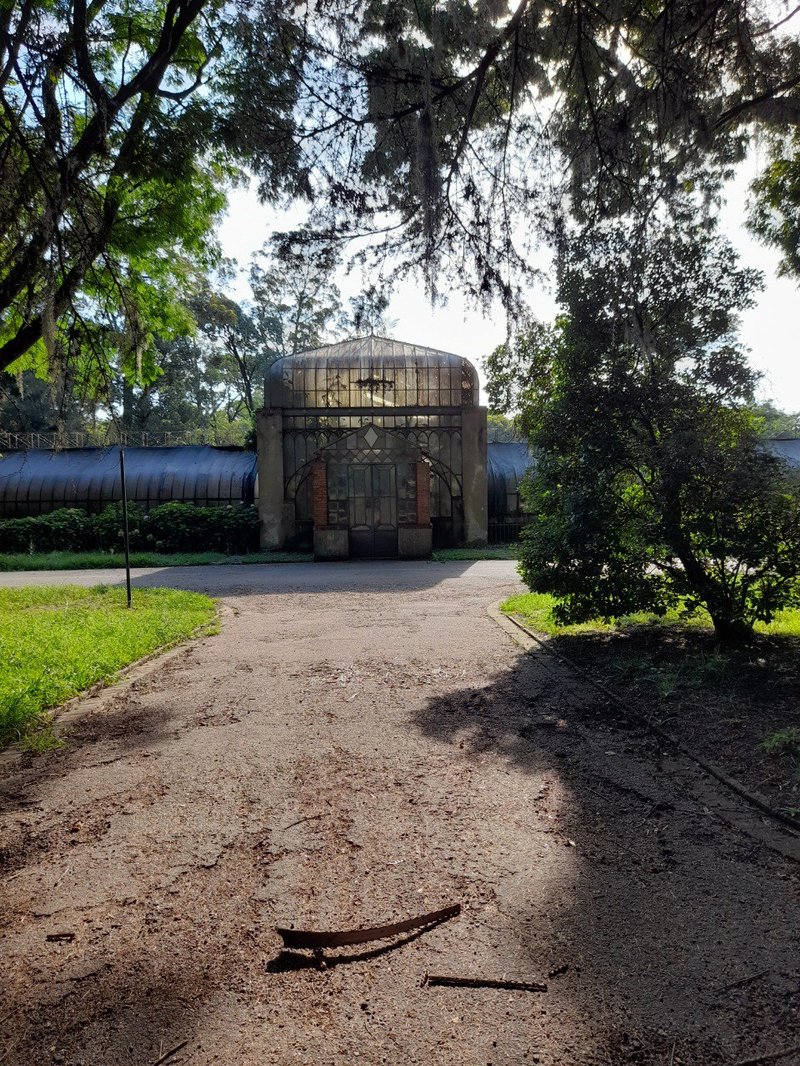
Uruguay's national botanical garden spans 60 hectares around a cast-iron Art Nouveau greenhouse, a French formal garden, and an arboretum with native and exotic trees. Entry is free, and early-morning walks before the heat arrives catch the garden at its quiet, photogenic best.
🏛️ Daily 7:30am - 7:00pm
⏰ ~45 min
🚶 15 min · 🚕 5 min → Museo del Carnaval
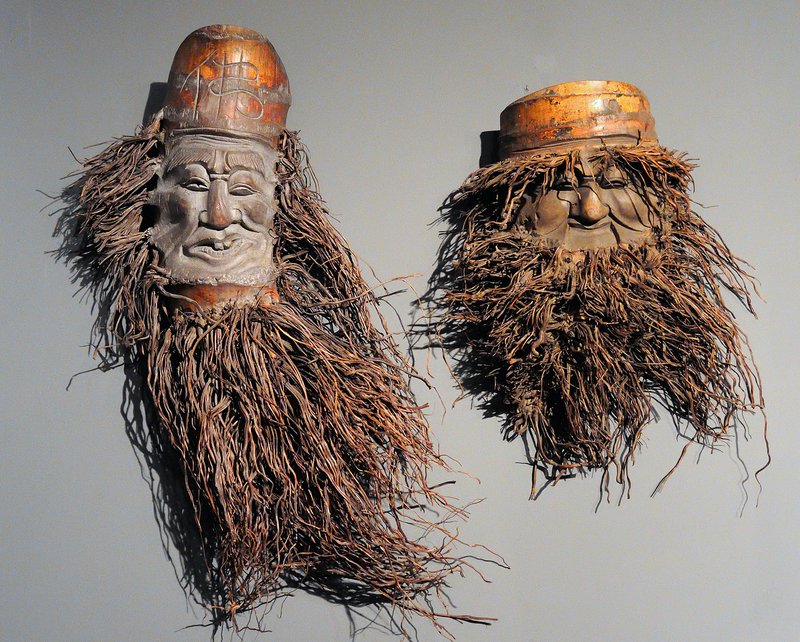
Uruguay's Carnival runs over 40 days — the world's longest — and this museum tells the story of Afro-Uruguayan roots, murga traditions, and drumming comparsas that fill the streets each February. Feathered headdresses, masks, and vintage photographs pack the galleries.
🏛️ Tuesday - Sunday 11:00am - 5:00pm
🚫 Closed Monday
⏰ ~1 hr
⚠️ Entry fee · pay at door
🚶 35 min · 🚕 12 min → hotel
From Hotel: 🚶 35 min · 🚕 12 min → La Rambla
A 22-kilometer continuous promenade hugging the Río de la Plata, La Rambla is where Montevideo exhales. Locals jog, fish, sip mate, and watch the sunset from the same concrete balustrades that face Buenos Aires across the water — unreachable but always visible on a clear afternoon.
🚶 15 min · 🚕 5 min → La Rambla
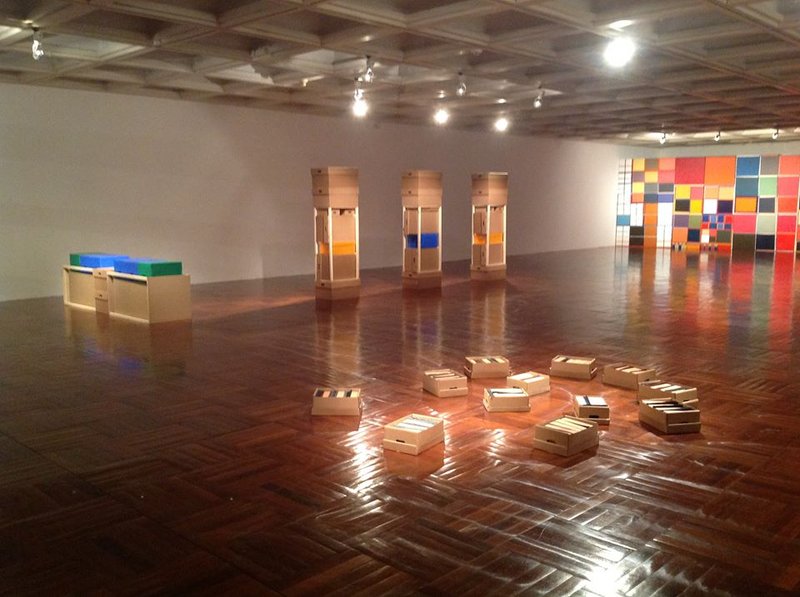
Uruguay's national art museum occupies a purpose-built pavilion inside Parque Rodó. The permanent collection centers on Joaquín Torres García — whose universal constructivist grids hang here in original scale — alongside Pedro Figari's candombe scenes and rotating international exhibitions. Entry is always free.
🏛️ Tuesday - Sunday 10:00am - 6:00pm
🚫 Closed Monday
⏰ ~1 hr 30 min
Free
🚶 25 min · 🚕 8 min → hotel
From Hotel: 🚕 15 min → Parque Rodó
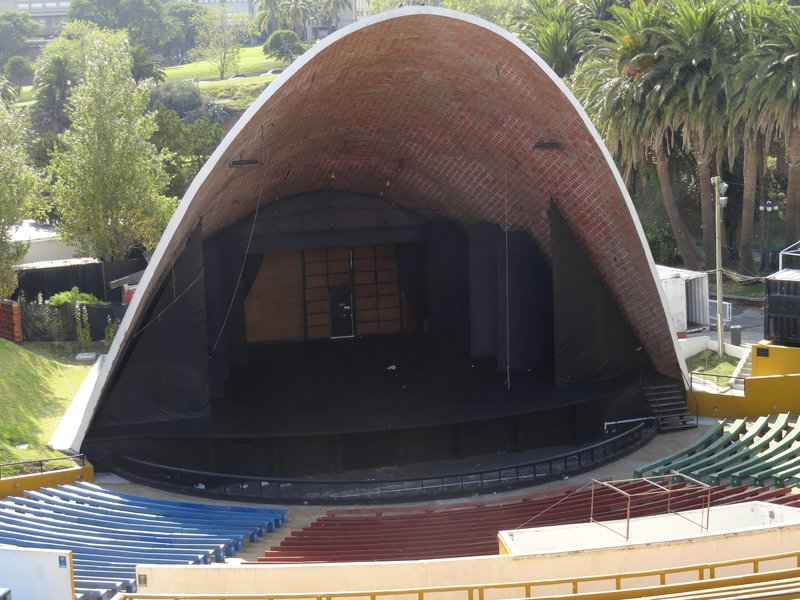
Named for writer José Enrique Rodó, this 26-hectare park offers rowboats on a lake, an open-air Teatro de Verano stage, and a weekly craft fair under century-old trees. On weekends it fills with families, musicians, and mate circles — a living counterpoint to the formal plazas of Ciudad Vieja.
🚶 26 min · 🚕 7 min → Fortaleza del Cerro
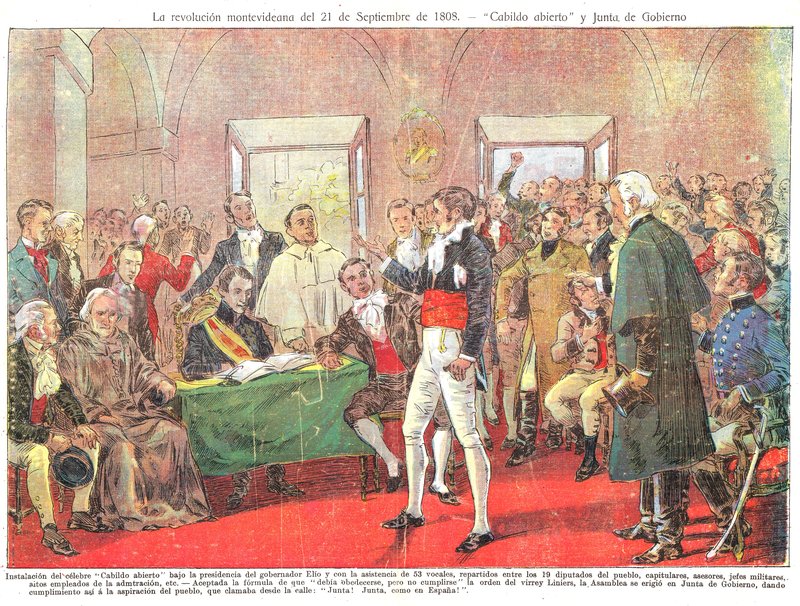
This Italianate colonial hall served as the seat of Montevideo's first civic government and the birthplace of Uruguay's first Constitution. Renovated and reopened as a museum, it now exhibits silver altar pieces, colonial documents, and portraits that trace the transition from Spanish colony to independent republic.
🏛️ Tuesday - Friday 10:00am - 5:00pm · Saturday - Sunday 10:00am - 3:00pm
🚫 Closed Monday
⏰ ~45 min
⚠️ Entry fee · pay at door
🚶 19 min · 🚕 5 min → Estadio Centenario
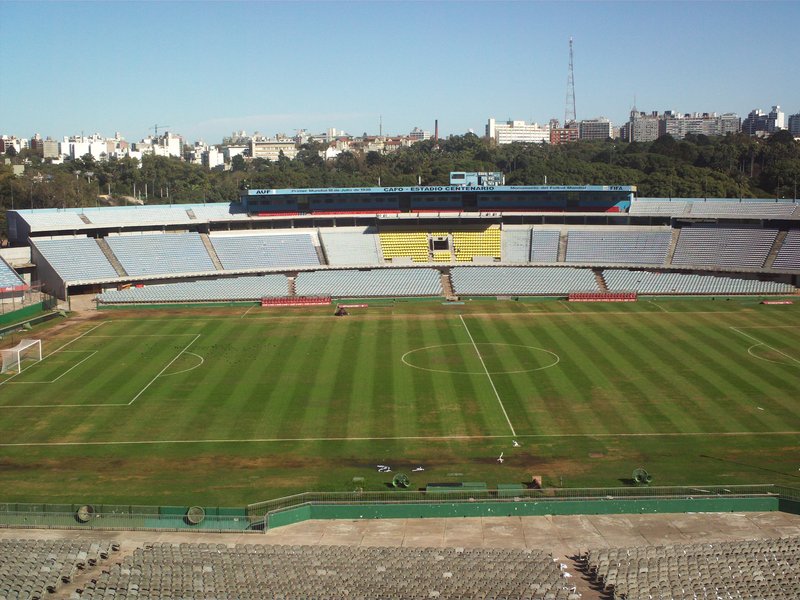
Built in record time for the inaugural FIFA World Cup, the Centenario hosted all 18 matches of the first tournament — including Uruguay's final victory over Argentina. The Museo del Fútbol inside traces the full arc of Uruguayan football, from Olympic gold through the legendary Maracanazo.
🏛️ Monday - Saturday 10:00am - 5:00pm
🚫 Closed Sunday
⏰ ~1 hr
⚠️ Entry fee · pay at door
🚕 9 min → Castillo Pittamiglio
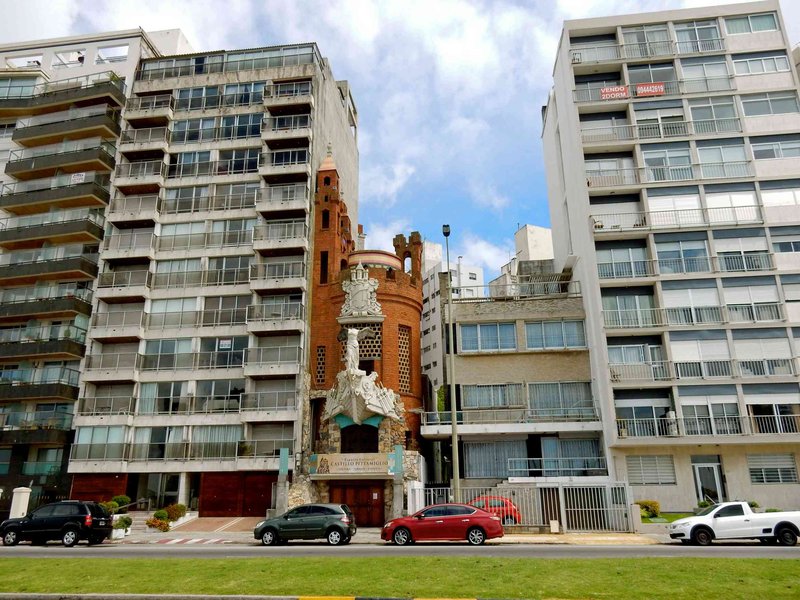
Humberto Pittamiglio was an alchemist, architect, and self-described devotee of Hermes who spent over 50 years constructing this Rambla castle as a personal monument to esoteric thought. Every corbel, column, and window encodes a symbol — the castle is equal parts home, laboratory, and lifelong obsession.
🚶 15 min · 🚕 5 min → El Prado & Rosedal
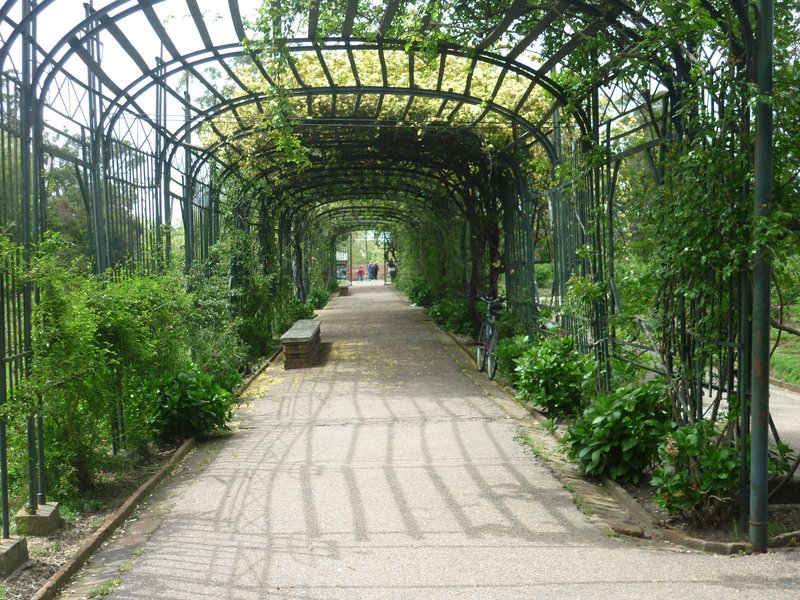
Montevideo's oldest park follows a European landscape plan with canopy-covered avenues, ponds, and over 800 rose varieties in the celebrated Rosedal. The rose garden remains the most serene corner of the city — a place to slow down before the stadium energy of the afternoon.
🚕 15 min → hotel
From Hotel: 🚕 15 min → Barrio Histórico
⬆ Terminal Tres Cruces · Multiple daily departures from 7:00am
⬇ Terminal Colonia del Sacramento
🚶 5 min · 🚕 2 min → Barrio Histórico
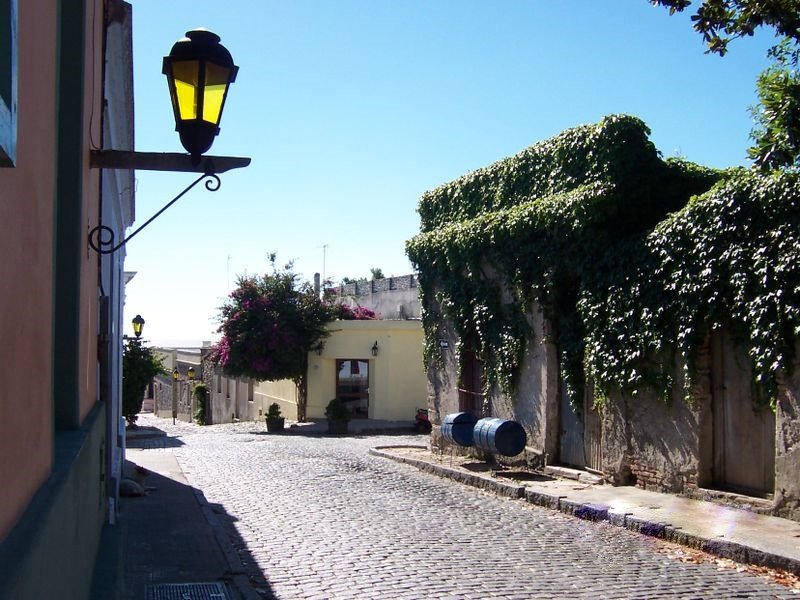
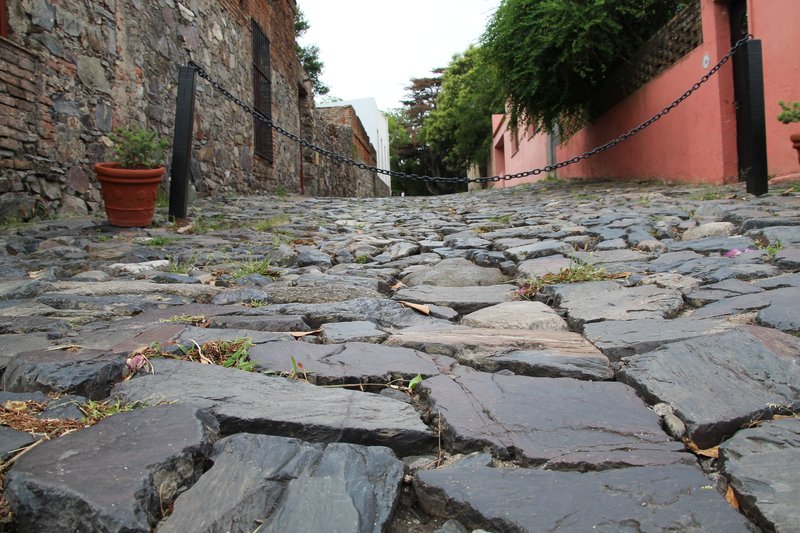
Colonia's compact grid of cobblestone streets, whitewashed colonial walls, and ruins is a UNESCO World Heritage Site. The entire quarter can be walked in a morning, but the layers of Portuguese and Spanish heritage reward lingering — this is one of the most intact colonial townscapes in South America.
🚶 3 min · 🚕 2 min → Calle de los Suspiros
Colonia's most photographed street runs one block between the harbor and the convent ruins, lined with low colonial houses whose window boxes brush the original cobblestones. The "Street of Sighs" earns its name — the atmosphere delivers fully.
🚶 3 min · 🚕 2 min → Faro de Colonia
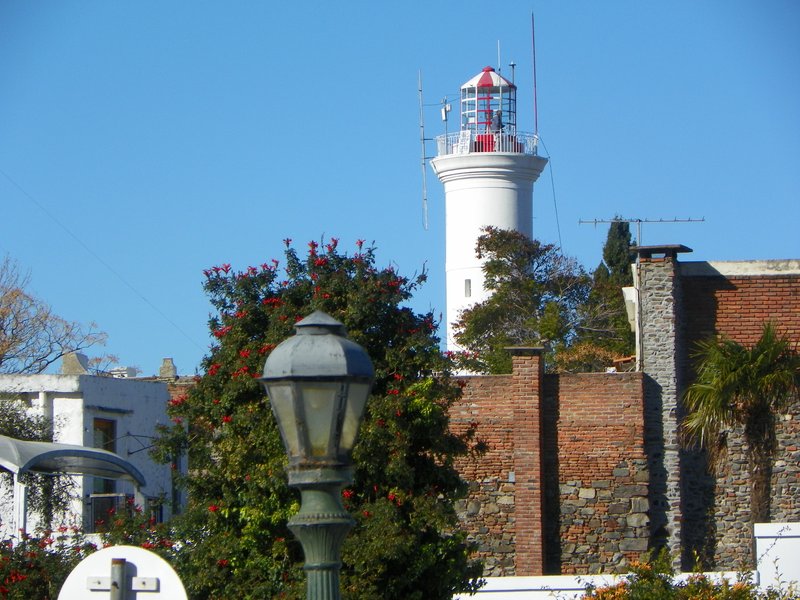
Built on the foundations of a demolished convent, the lighthouse rises from the highest point of the Barrio Histórico and offers sweeping panoramic views over the Río de la Plata and the terracotta rooftops below. A small fee buys the climb and the widest view in Colonia.
🏛️ Tuesday - Sunday 11:00am - 5:00pm
🚫 Closed Monday
⏰ ~30 min
⚠️ Entry fee · pay at door
🚶 2 min · 🚕 1 min → Ruinas San Francisco
The ruined walls of a Franciscan convent, destroyed in war and never rebuilt. The remaining stone foundations and tower walls frame a quiet open plaza — among the oldest surviving European structures anywhere in Uruguay.
🚶 5 min · 🚕 2 min → Terminal Colonia
⬆ Terminal Colonia del Sacramento · Multiple daily departures until 8:00pm
⬇ Terminal Tres Cruces · Montevideo
🚕 15 min → hotel
🇵🇹 Founded Portuguese, Now Spanish
Colonia del Sacramento was founded by Portugal on land Spain claimed as its own — and the city changed hands between the two empires multiple times before Uruguay's independence resolved the dispute. Walking the Barrio Histórico on Day 5, you walk on Portuguese cobblestones laid inside a Spanish-speaking country. The dual heritage is visible in the street grid: the Portuguese quarter's irregular organic lanes end where the Spanish colonial grid begins.
⚽ Uruguay Won the World Cup at Home
The inaugural FIFA World Cup was played entirely in Montevideo — every single match, including the final. Uruguay beat Argentina in the Estadio Centenario you'll visit on Day 4. Uruguay remains the smallest country ever to host and win the World Cup in the same tournament. The stadium was built in record time for the occasion and has never hosted a more consequential match since.