From Hotel: 🚕 32 min → Songdo Sky Walk
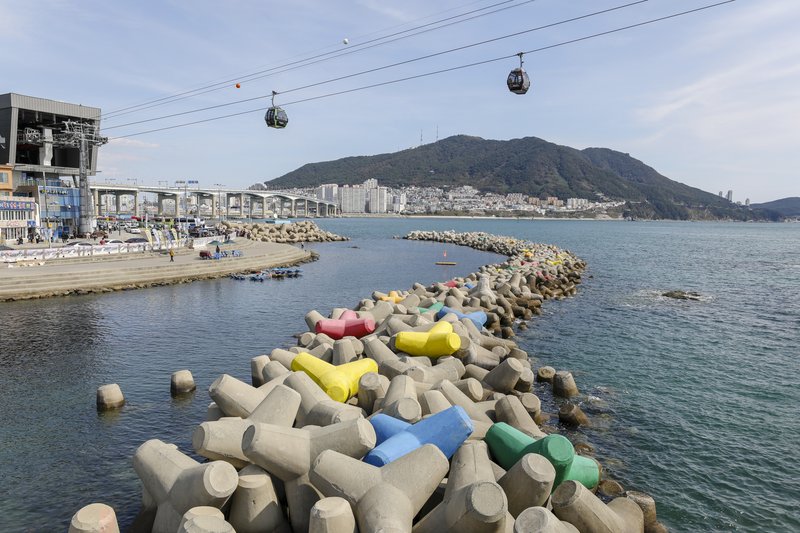
A 365-meter glass-panel walkway suspended 11 meters above the East Sea at Songdo Beach, forming a semicircle over the water and offering unobstructed views along the Seo-gu coastline toward the western hills and the Amnam Park headland.
🏛️ Daily 9:00am - 5:00pm
⏰ ~1 hr
Free
⚠️ April to September: open until 6:00pm.
🚕 13 min → Gamcheon Culture Village
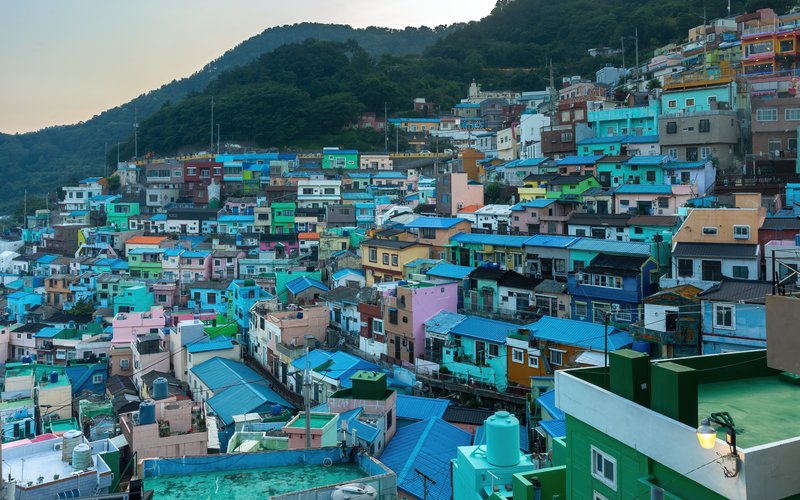
A steep hillside neighborhood of pastel-painted houses, murals, and art installations built by Korean War refugees who carved terraced homes into Saha-gu's slopes in the 1950s; the most photographed neighborhood in South Korea.
🏛️ Daily 9:00am - 6:00pm
⏰ ~2 hr
Free
⚠️ November to February: closes at 5:00pm.
🚕 13 min → Busan Tower
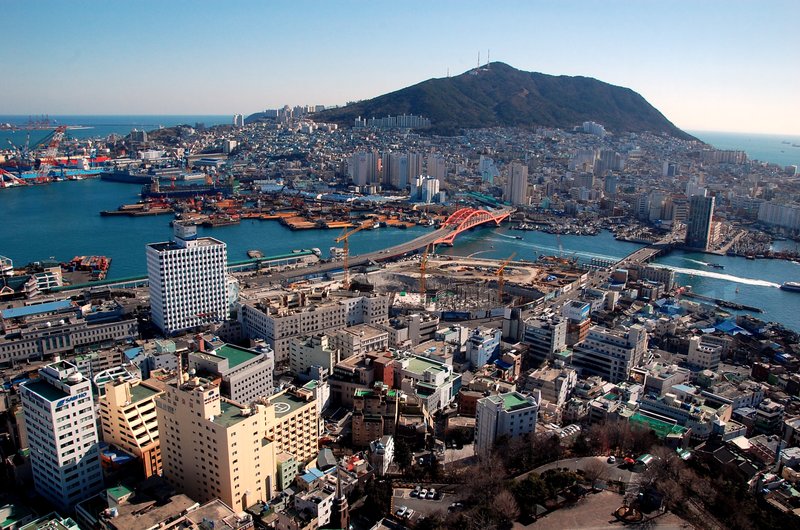
A 120-meter observation tower atop Yongdusan Park in Jung-gu, offering 360-degree views across the port, Yeongdo Island, and the ring of mountains that defines Busan's skyline from the south coast to the north ridgeline.
🏛️ Daily 10:00am - 11:00pm
⏰ ~1 hr 30 min
🚕 30 min → Taejongdae Park
A coastal resort park on the southern tip of Yeongdo Island, known for its 20-meter sea cliffs, lighthouse walks, and exposed rock strata laid down 70 to 100 million years ago; the most dramatic shoreline within the city boundary.
🏛️ Daily 4:00am - 11:59pm
⏰ ~2 hr 30 min
⚠️ The Danubi Train circles the park's 4-km coastal loop — a practical option if the full walk is too long. Runs Tuesday - Sunday 9:00am - 7:30pm.
🚕 40 min → hotel
From Hotel: 🚶 9 min · 🚕 4 min → Dongbaekseom
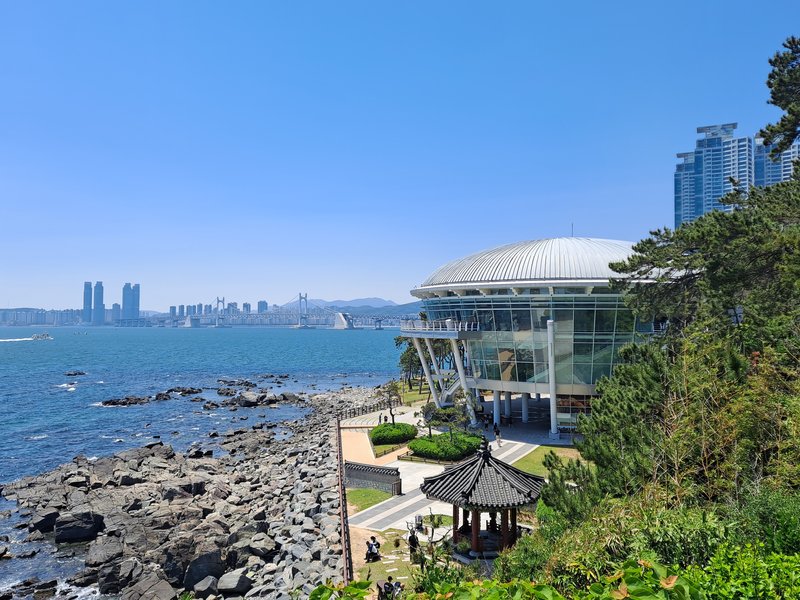
A forested promontory connected to Haeundae Beach by a promenade, home to the Nurimaru APEC House where 21 world leaders met in 2005 and a 1.7-kilometer coastal trail lined with winter camellias.
🏛️ Daily 9:00am - 6:00pm
⏰ ~1 hr 30 min
Free
⚠️ Nurimaru APEC House closes on the 1st Monday of every month.
⚠️ July and August: open until 7:00pm.
🚶 7 min · 🚕 3 min → Haeundae Beach
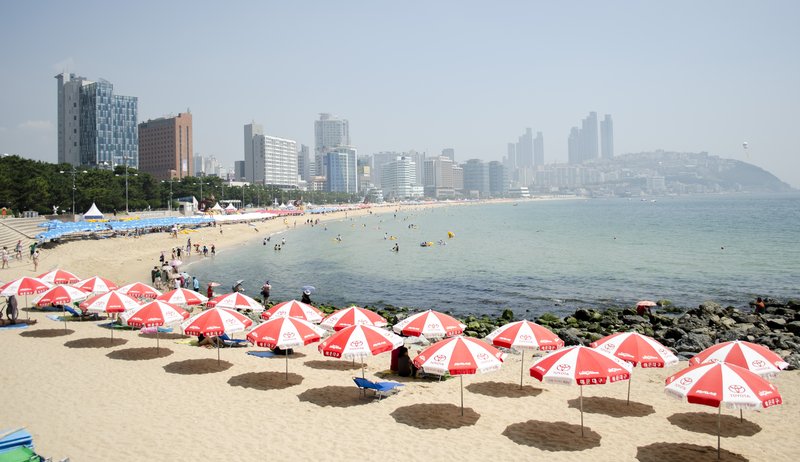
South Korea's most visited beach — an 1.8-kilometer crescent of fine sand in Haeundae-gu, backed by towers of luxury hotels and framed by Dongbaek Island to the west.
🏛️ Open 24/7
⏰ ~1 hr 30 min
🚕 11 min → Busan Cinema Center
A 20,000-seat outdoor venue in Centum City topped by a 163-meter canopy fitted with the world's largest LED display, which runs light shows after dark; it hosts the Busan International Film Festival each October.
🏛️ Daily 10:00am - 10:00pm
⏰ ~1 hr
Free
⚠️ Outdoor plaza is open 24/7.
🚕 11 min → Gwangalli Beach
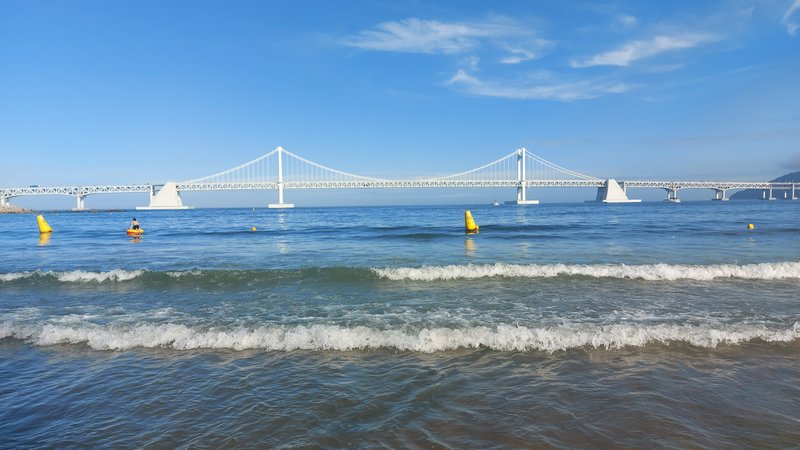
A 1.4-kilometer stretch of sand in Suyeong-gu fronting the twin-span Gwangan Bridge, backed by a dense row of cafés and restaurants that remain lit well into the night.
🏛️ Open 24/7
⏰ ~1 hr 30 min
🚕 14 min → hotel
From Hotel: 🚕 43 min → Geumjeongsanseong
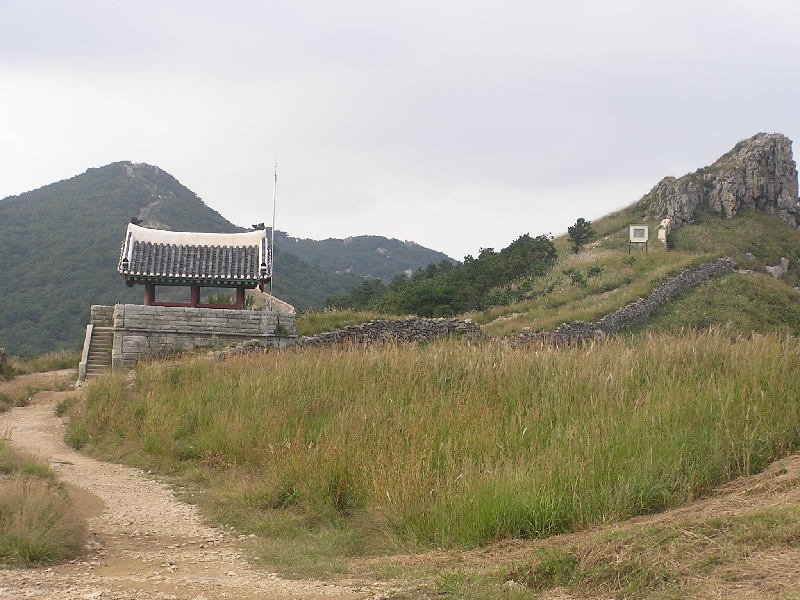
Korea's largest fortress — a 17-kilometer stone wall built in 1703 on the ridgeline of Geumjeongsan mountain, accessible by cable car from Geumgang Park; the walls and four gates take a full morning to explore.
🏛️ Daily 9:30am - 5:30pm
⏰ ~3 hr 30 min
Free
⚠️ April to October: open until 6:00pm.
⚠️ The cable car is the most practical ascent — buy tickets at the Geumgang Park entrance booth. The fortress walls are always open once you reach the summit.
🚕 47 min → UN Memorial Cemetery
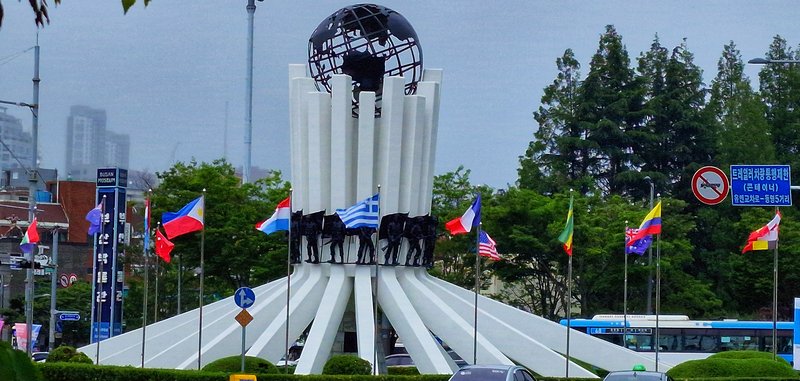
The world's only operational United Nations military cemetery, maintaining 2,300 graves from 11 nations who fought in the Korean War between 1950 and 1953, set within a 14-hectare garden in Nam-gu.
🏛️ Daily 9:00am - 5:00pm
⏰ ~1 hr
Free
⚠️ May to September: open until 6:00pm.
🚕 23 min → Oryukdo Sky Walk
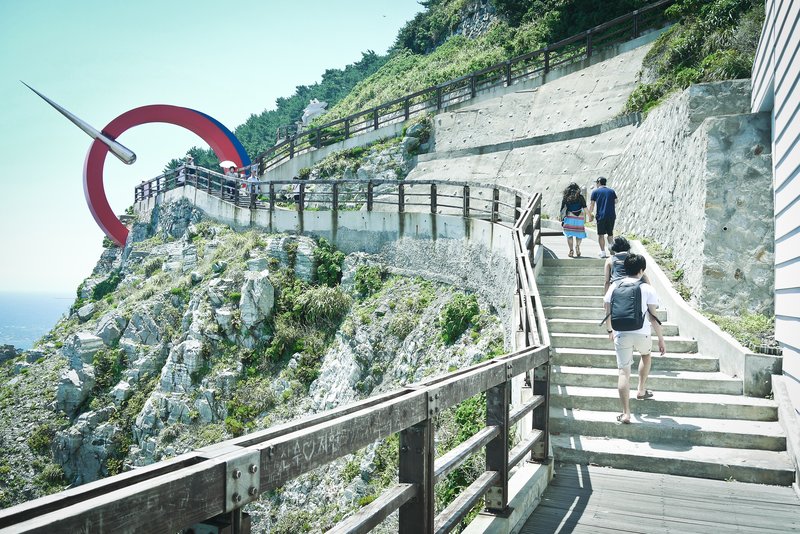
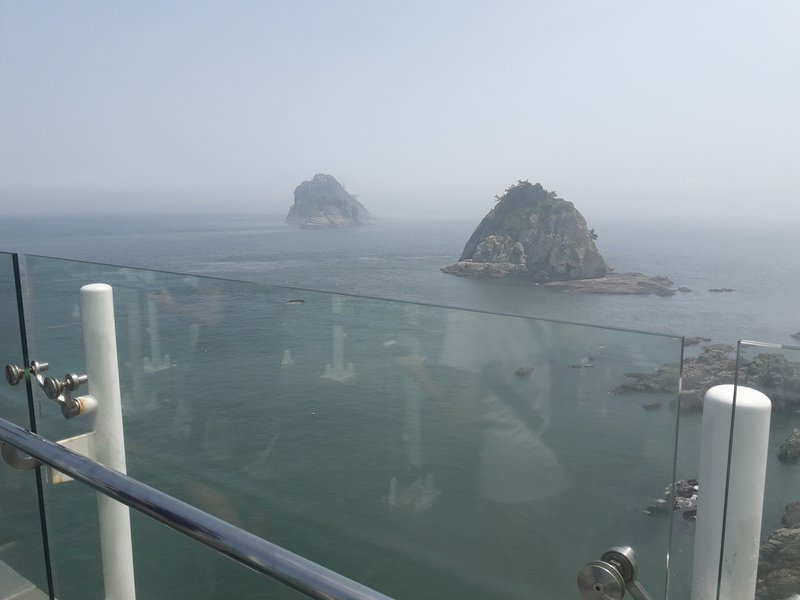
A 15-meter glass-floored walkway cantilevered 35 meters above the East Sea, overlooking the five rocky islets of Oryukdo at the southernmost point of the Korean mainland coastline.
🏛️ Daily 9:00am - 6:00pm
⏰ ~1 hr
Free
⚠️ June to September: open until 7:00pm.
⚠️ Closes without notice in strong wind or rain.
🚕 32 min → hotel
🌊 A city built on displacement
Busan's identity was forged in the Korean War. The Gamcheon Culture Village, now photographed by millions, was built in the early 1950s by followers of the Taegukdo religious sect who fled south ahead of the war front. The terraced hillside houses — built with whatever materials were available — were later joined by tens of thousands of other refugees, making Gamcheon one of the most densely populated urban areas on the peninsula. Its transformation into an art district came in 2009, but the original structure, the steep stairways between houses, the rooftop-on-rooftop city form — all of that is still the refugee settlement exactly as it was built.
The city's relationship with the sea runs deeper than tourism. Busan has the busiest container port in South Korea and the fifth-busiest in the world. The ship traffic visible from Taejongdae's cliffs or Dongbaekseom's promontory is not scenery — it is the literal engine of the national economy moving through the harbor. The same port was the last point of evacuation during the Korean War. The city that nearly fell is now the city that keeps everything moving.
Geumjeongsanseong's cable car is rarely crowded compared to the fortress's scale — most visitors to the Dongnae area don't bother with the hike. At the top, the stone walls run for 17 kilometers over the mountain ridgeline, but almost no one walks more than the first kilometer toward the North Gate. On a clear morning, the view from the South Gate looks directly down into the city's residential grid and out to the sea beyond — a perspective few visitors to Busan ever see.