HIROSHIMA
Hilton Hiroshima
Japan
From Hotel: 🚶 23 min · 🚕 9 min → Atomic Bomb Dome
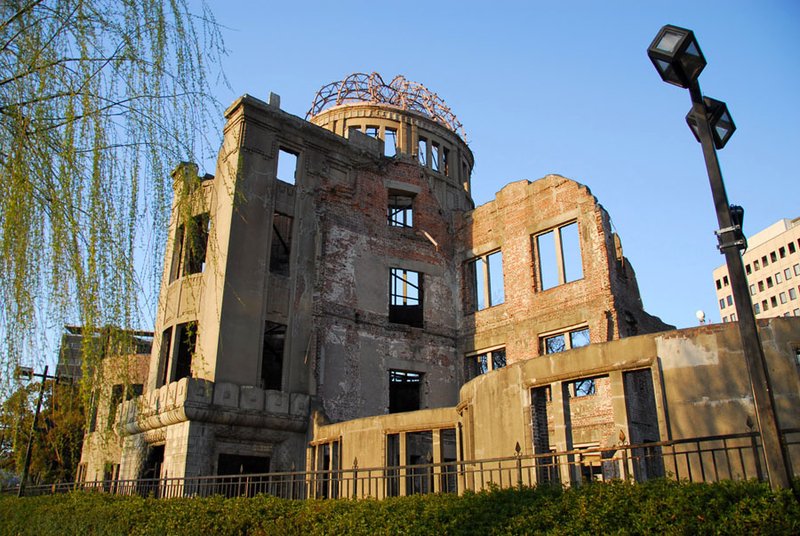
The preserved ruins of the Hiroshima Prefectural Industrial Promotion Hall — the only building near the 1945 hypocenter left structurally standing; UNESCO World Heritage Site.
🚶 5 min · 🚕 2 min → Peace Memorial Museum
Japan's primary memorial to the 1945 atomic bombing — photographs, artifacts, and survivor testimonies documenting the destruction of August 6, 1945 and its aftermath.
🏛️ Daily 7:30am - 7:00pm
⏰ ~2 hr
No pictures found.
🚶 21 min · 🚕 11 min → Hiroshima Castle
A 1590 castle destroyed in 1945 and reconstructed in 1958 — the keep is closed for seismic renovation but the grounds, reconstructed Ninomaru gates, and Sannomaru cultural facility are fully open.
🏛️ Daily 9:00am - 6:00pm
⏰ ~45 min
Free
🚶 9 min · 🚕 3 min → Shukkeien Garden
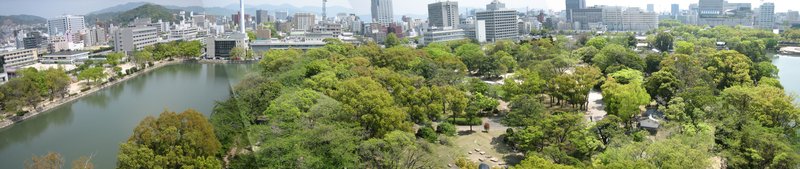
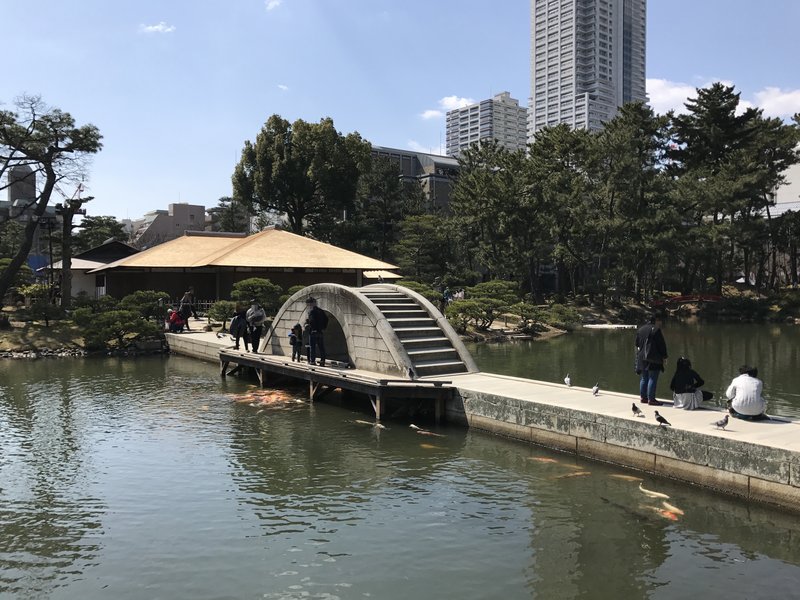
A 1620 landscaped strolling garden built around a central pond — bridges, teahouses, and mature maple trees create a layered composition across its compact grounds.
🏛️ Daily 9:00am - 6:00pm
⏰ ~1 hr
🚶 23 min · 🚕 6 min → hotel
From Hotel: 🚕 34 min → Daisho-in Temple
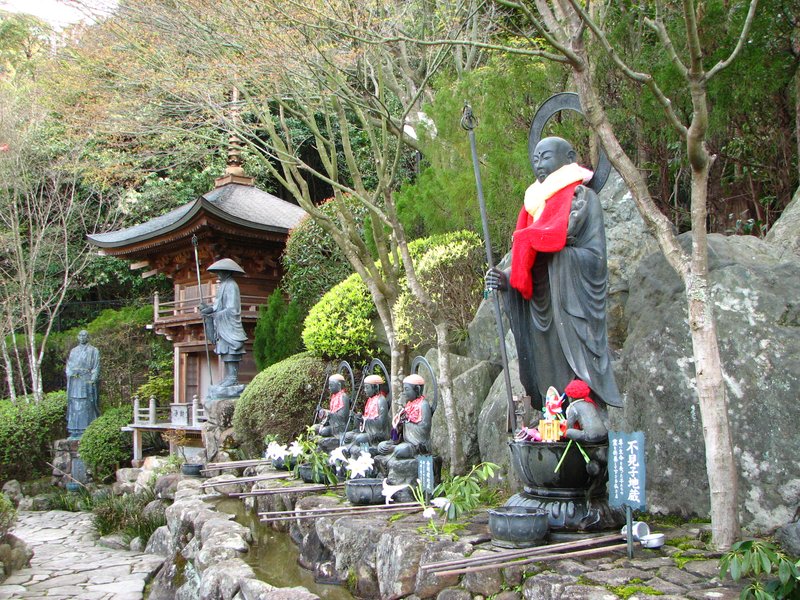
The head temple of the Omuro school of Shingon Buddhism at the base of Mt. Misen — 500 moss-covered stone statues, spinning prayer wheels, and a sacred flame said to have burned continuously since Kūkai lit it in 806.
🏛️ Daily 8:00am - 5:00pm
⏰ ~45 min
Free
🚶 7 min · 🚕 2 min → Itsukushima Shrine
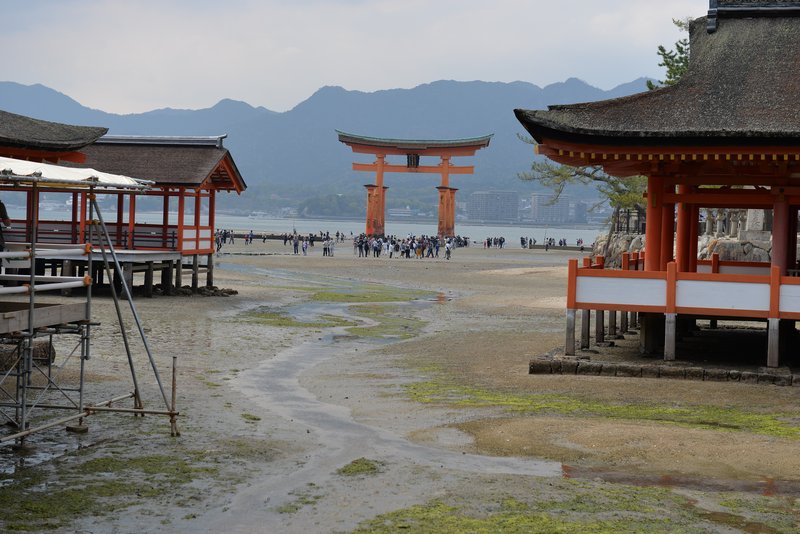
A 6th-century Shinto shrine built on stilts over the Seto Inland Sea — corridors, prayer halls, and a Noh stage appear to float at high tide on Miyajima Island; UNESCO World Heritage.
🏛️ Daily 6:30am - 6:00pm
⏰ ~1 hr
🚶 4 min · 🚕 2 min → Otorii Gate
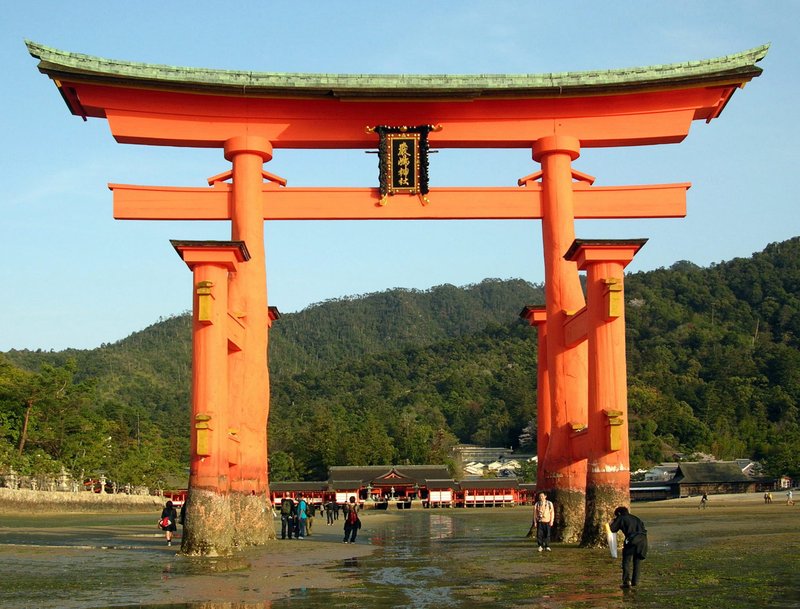
A 16-meter vermilion torii standing in the Seto Inland Sea at the shrine's seaward entrance — walk to its base at low tide or view it from the shrine corridor as it appears to float at high tide.
🚶 18 min · 🚕 4 min → Mt. Misen
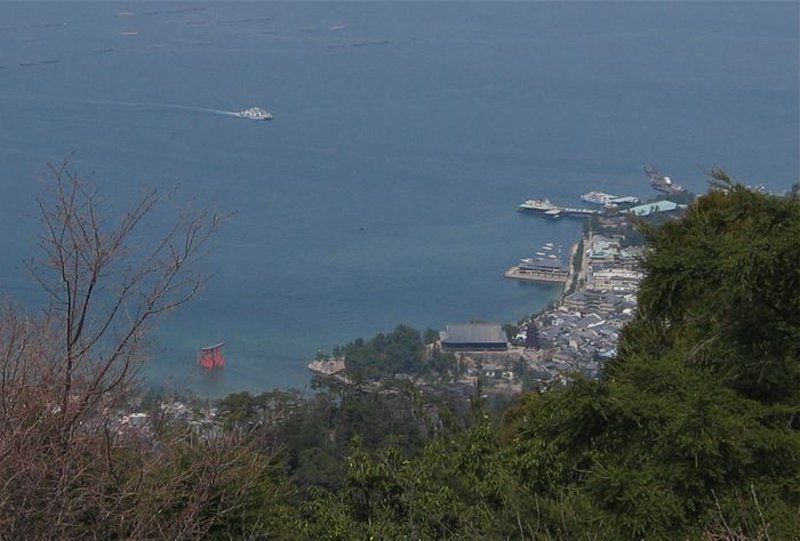
Miyajima's 535m sacred peak reached by a two-stage ropeway — panoramic views across the Seto Inland Sea from the summit observatory, with deer roaming freely on the upper trails.
🏛️ Daily 9:00am - 4:30pm
⏰ ~2 hr
🚕 34 min → hotel
From Hotel: 🚕 36 min → JMSDF Kure Museum
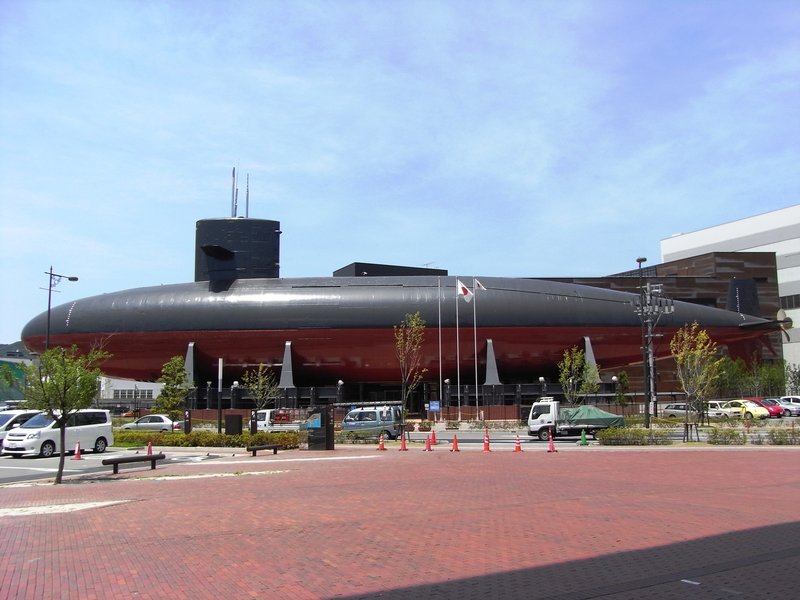
The only museum in Japan where visitors board a real decommissioned submarine — the JS Akishio, a Yūshio-class vessel that served from 1986 to 2004, stands alongside the building. Walk through the control room, crew quarters, and captain's office; the operational periscopes provide views of Hiroshima Bay.
🏛️ Wednesday - Monday 10:00am - 6:00pm
🚫 Closed Tuesday
⏰ ~1.5 hr
Free
🚶 4 min · 🚕 7 min → Yamato Museum
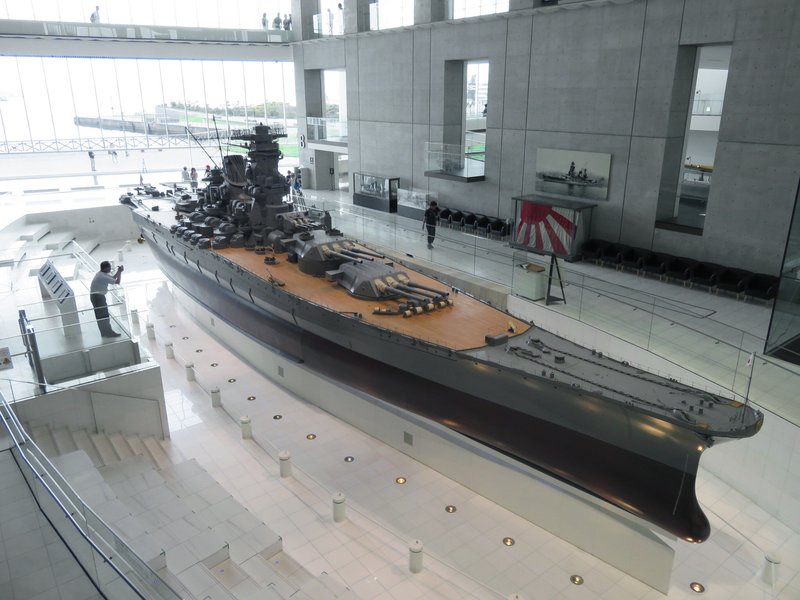
The Kure City Maritime History and Science Museum — a 26.3-metre 1/10-scale model of battleship Yamato, built from the original construction blueprints and underwater survey footage, dominates the main hall. Yamato was the heaviest and most powerfully armed battleship ever commissioned; also on display: a real Type 62 Zero fighter and a Kaiten human torpedo.
🏛️ Wednesday - Monday 9:00am - 6:00pm
🚫 Closed Tuesday
⏰ ~2 hr
🚕 36 min → hotel
ARRIVE Hiroshima Station: 🚕 11 min → hotel
From Hotel: 🚕 11 min → Ōkunoshima Poison Gas Museum
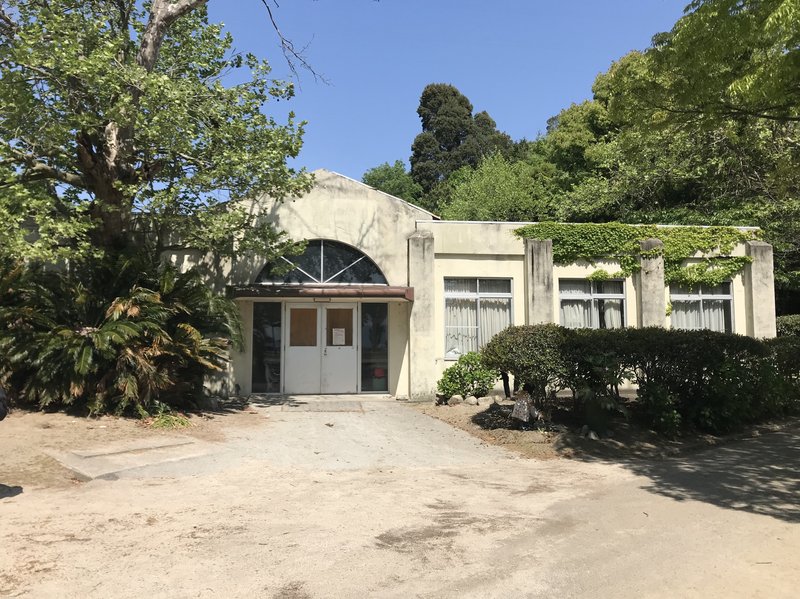
A small museum documenting the secret Imperial Army chemical weapons factory that operated on this island from 1929 to 1945 — mustard gas, lewisite, and tear gas were produced here and deployed in the invasion of China. Exhibits include original production equipment, workers' diaries, and photographs documenting the factory operations.
🏛️ Wednesday - Monday 9:00am - 4:30pm
🚫 Closed Tuesday
⏰ ~45 min
🚶 4 min · 🚕 36 min → Ōkunoshima Ruins
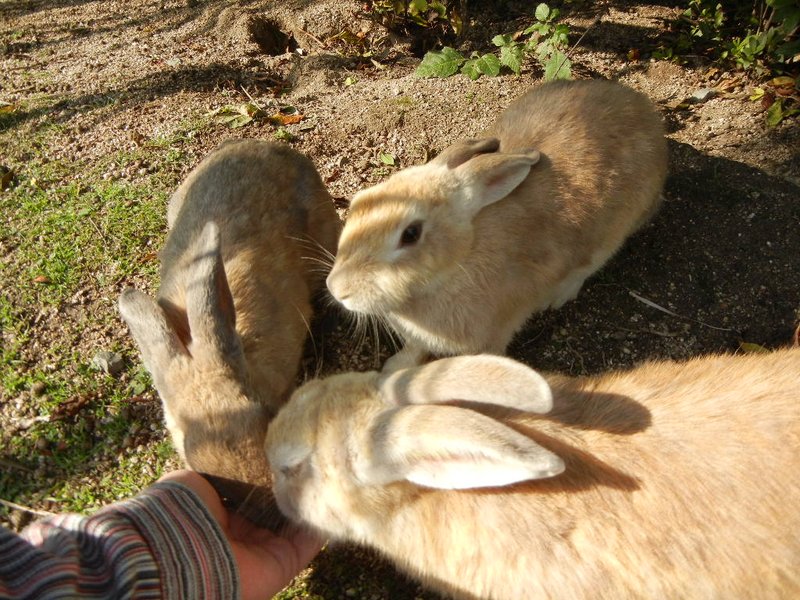
The island's 4-km coastal path passes the crumbling concrete shells of the Imperial Army's poison gas production buildings — storage bunkers, ventilation towers, and factory foundations now reclaimed by vegetation. Hundreds of wild rabbits inhabit the island and approach visitors freely along the ruins path.
ARRIVE Hiroshima Station: 🚕 11 min → hotel
🕊️ The Deliberate Admission
The Peace Memorial Museum has kept its admission at one of the lowest of any major international museum since it opened in 1955. The board's reasoning, restated by successive directors, is that the weight of what the museum documents should not be a financial barrier for anyone from anywhere. It is an unusual institutional philosophy for a museum of this historical gravity.
The hotel sits on Heiwa Odori — Peace Boulevard — a 100-metre-wide road running 4 kilometres through central Hiroshima. The boulevard is far wider than traffic demands. It was designed that way in the 1950s postwar reconstruction plan as a deliberate firebreak: if another disaster struck the city, the road's width would stop the fire from crossing. The unusual dimensions are not a planning accident. They are built into the street as a permanent, functional reminder of what happened on August 6, 1945.