From Hotel: 🚕 46 min → Manarola
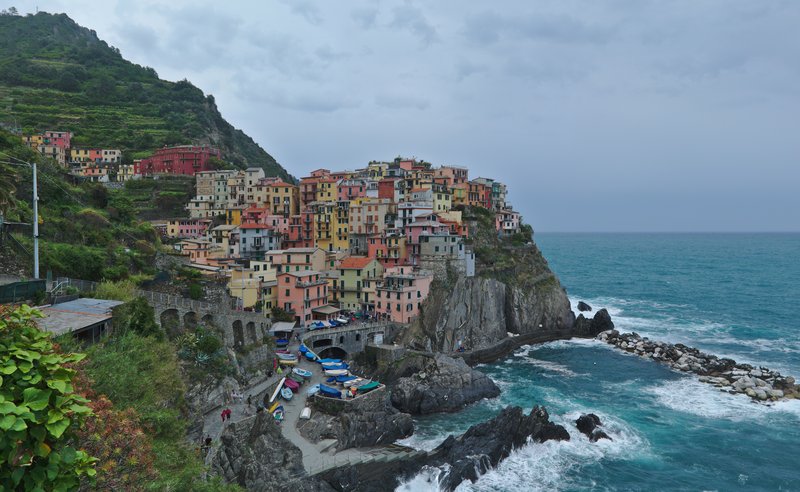
Arguably the most photographed of the five — a cluster of rainbow houses tumbling down a black-rock promontory above a swimming cove. The Nessun Dorma terrace and the seaside cemetery frame the classic shot, while vineyards producing Sciacchetrà wine climb the hills behind.
🚶 11 min · 🚕 3 min → Via dell'Amore
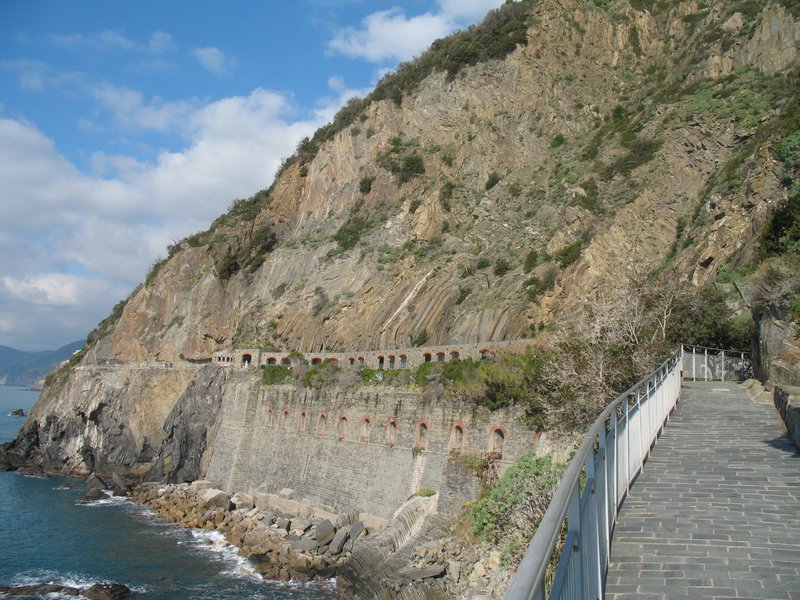
The Path of Love is a 900-metre cliff promenade carved into the rock between Riomaggiore and Manarola — the easiest and most romantic walk in the park, hanging right above the sea. Long closed by a rockfall, it has fully reopened and now runs on timed, reserved entry.
🏛️ Daily 9:00am - 9:00pm
⏰ ~30 min
🚶 4 min · 🚕 2 min → Riomaggiore
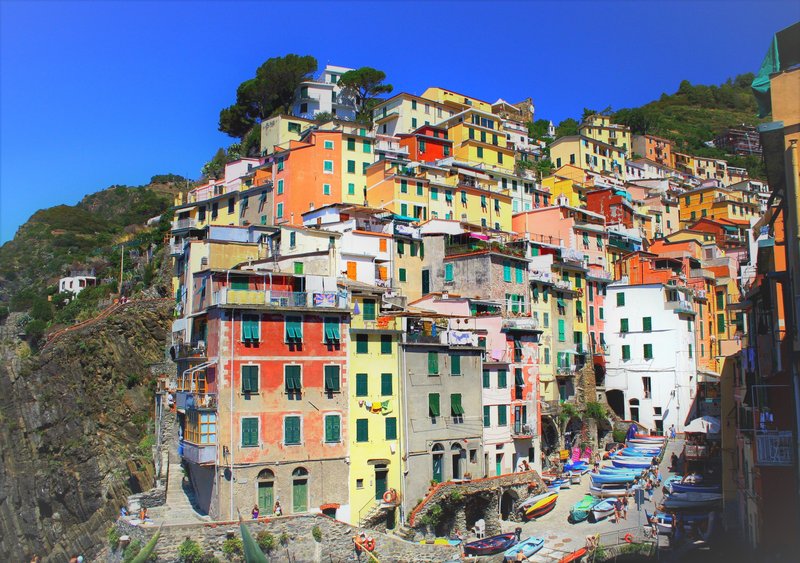
The easternmost of the five villages stacks pastel tower-houses up a steep ravine to a tiny harbor wedged between cliffs — the postcard image of the Cinque Terre. Its one main street, Via Colombo, drops from the station to the boat slip; the Cinque Terre Express train reaches it from Monterosso in minutes.
🚕 10 min → Corniglia
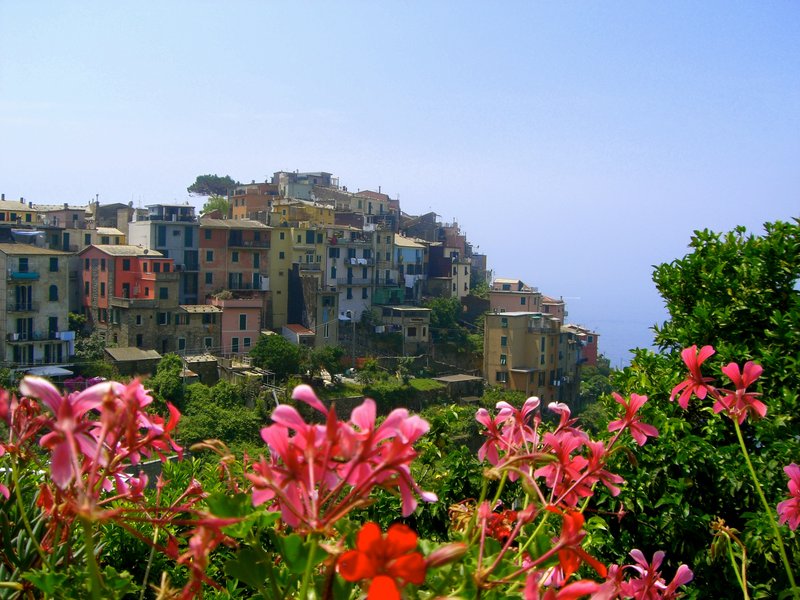
The only village not set on the water, Corniglia perches on a 90-metre headland reached by the Lardarina — a brick staircase of 382 steps — or a shuttle bus. Quieter and more rural than its neighbors, it rewards the climb with terraced-vineyard views in both directions along the coast.
🏛️ Open 24/7
⏰ ~1 hr 30 min
🚕 35 min → hotel
From Hotel: 🚕 36 min → Vernazza
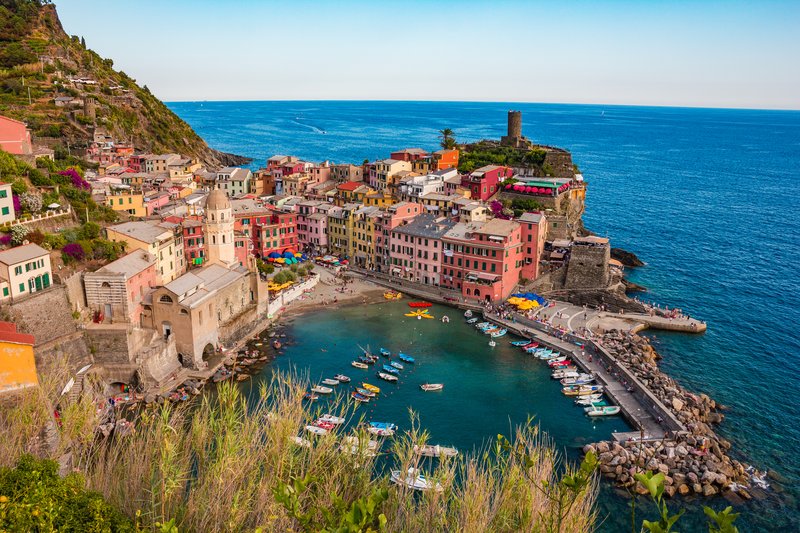
Widely called the prettiest of the five, Vernazza wraps a natural harbor with a café-lined piazza, the round Belforte watchtower, and the church of Santa Margherita right at the water's edge. The ruined Doria Castle above the rooftops gives the classic aerial view back over the village.
🚶 17 min · 🚕 1 min → Sentiero Azzurro
The Blue Trail's headline stretch links Vernazza and Monterosso — 3.3 km of cliff path winding through vineyards and terraces, the hardest and most spectacular section of the whole coastal route. The Cinque Terre Card covers access; buy it online or at any village station before the trailhead.
🏛️ Open 24/7
⏰ ~1 hr 50 min
🚶 7 min · 🚕 1 min → Monterosso al Mare
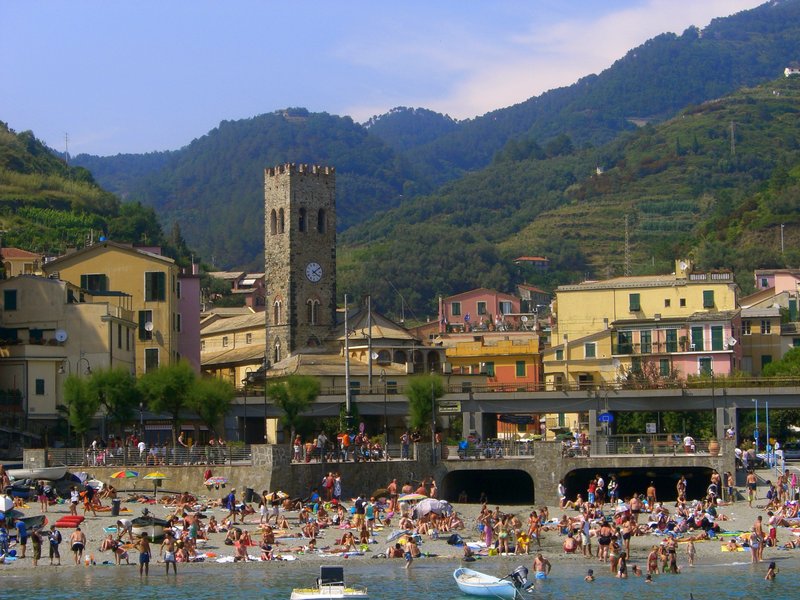
The largest and northernmost village splits into a medieval old town, Borgo Vecchio, and the beach-lined new town, Fegina. It has the Cinque Terre's only real sand beaches, the giant Neptune statue called Il Gigante, and a name built on salted anchovies and lemons. This is your home base.
🚶 7 min · 🚕 1 min → hotel
🍋 Notes from the Cliffs
Until the railway tunneled through these headlands in the late nineteenth century, the five villages were linked only by mule paths and boats — which is why each one still feels like its own small world. That same isolation is what makes the Cinque Terre Express so addictive today: the train spends most of its time in the dark, then bursts out for a four-minute hop and you step off into an entirely different village.
Look up at the hills and you are seeing one of the largest hand-built landscapes in Europe. The dry-stone walls — the muretti a secco — terracing these slopes for vineyards are estimated to run to some 7,000 km laid end to end, longer than the Great Wall of China, all stacked without mortar by generations of farmers.
A small trick that changes the trip: take the train one way and the ferry back the other. From the rails you get the villages in quick, intimate flashes; from the water you finally see what the place actually looks like — those impossible stacks of houses clinging to the cliffs, the way sailors first saw them.