COLMAR
L'Esquisse Hotel & Spa · MGallery
France
From Hotel: 🚶 13 min · 🚕 5 min → Unterlinden Museum
One of France's great regional museums, home to the Isenheim Altarpiece — a 16th-century polyptych painted for a hospital treating ergotism. Grünewald depicted Christ's body covered in ergotism sores so patients could see their suffering in the Passion. Among the most powerful paintings in European art.
🏛️ Wednesday - Monday 9:00am - 6:00pm
🚫 Closed Tuesday
⏰ ~2 hr
🚶 2 min · 🚕 2 min → Dominican Church
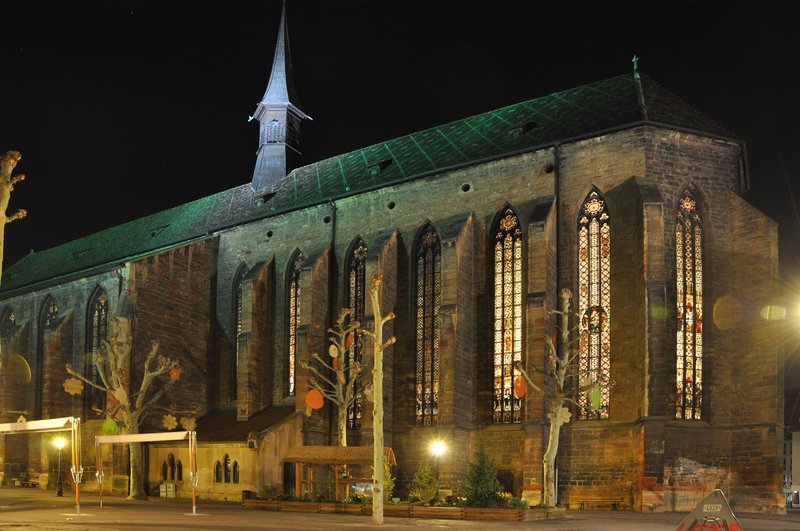
A 14th-century Gothic church housing Martin Schongauer's Virgin in the Rose Bower, 1473 — a panel painting of extraordinary refinement. Michelangelo traveled to Colmar to study under Schongauer, arriving only to learn he had died. What remained was this painting and his legacy across the city.
🏛️ Tuesday 10:00am - 6:00pm · Thursday - Sunday 10:00am - 6:00pm
🚫 Closed Monday & Wednesday
⏰ ~45 min
🚶 13 min · 🚕 5 min → hotel
From Hotel: 🚶 12 min · 🚕 4 min → Koïfhus
The old customs house of Colmar — a 15th-century arcaded loggia building in late-Gothic style that once controlled all goods traded in the city. Its ground-floor arches were open for merchants; the upper floor housed the city's tax administration. Among the best-preserved customs houses on the Upper Rhine.
🚶 1 min · 🚕 2 min → Maison Pfister
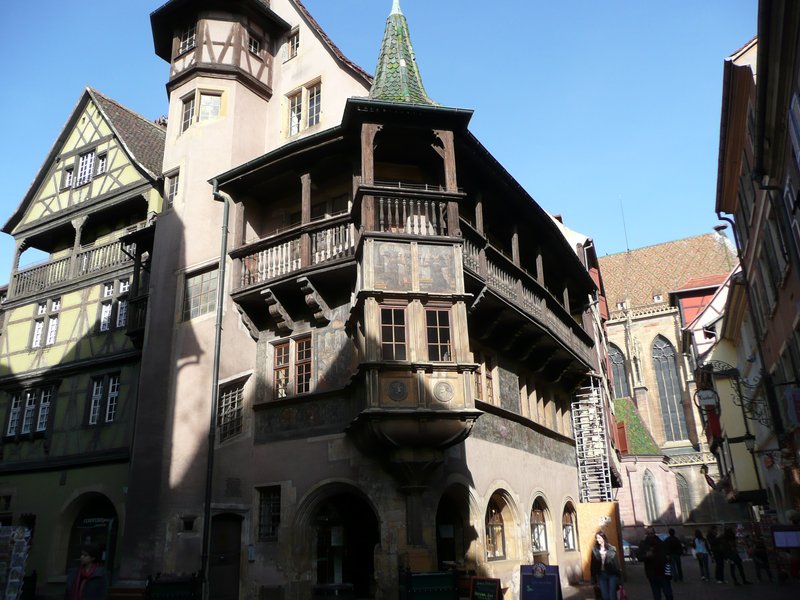
Colmar's most celebrated house — a 1537 merchant's residence with an oriel tower, loggia arcade and exterior roundels painted with German emperors and biblical scenes. A masterwork of German Renaissance civic architecture, it sits at a bend in the street that makes the full facade reveal itself as a theatrical event.
🚶 1 min · 🚕 2 min → Bartholdi Museum
The birthplace and museum of Frédéric Auguste Bartholdi, the sculptor who designed the Statue of Liberty. The 17th-century townhouse contains models, drawings and personal effects tracing the Liberty statue from its earliest sketches through its 1886 installation in New York Harbour.
🏛️ Tuesday - Sunday 10:00am - 12:00pm · 2:00pm - 6:00pm
🚫 Closed Monday
⏰ ~1 hr
⚠️ Closed January & February
🚶 1 min · 🚕 2 min → Collégiale Saint-Martin
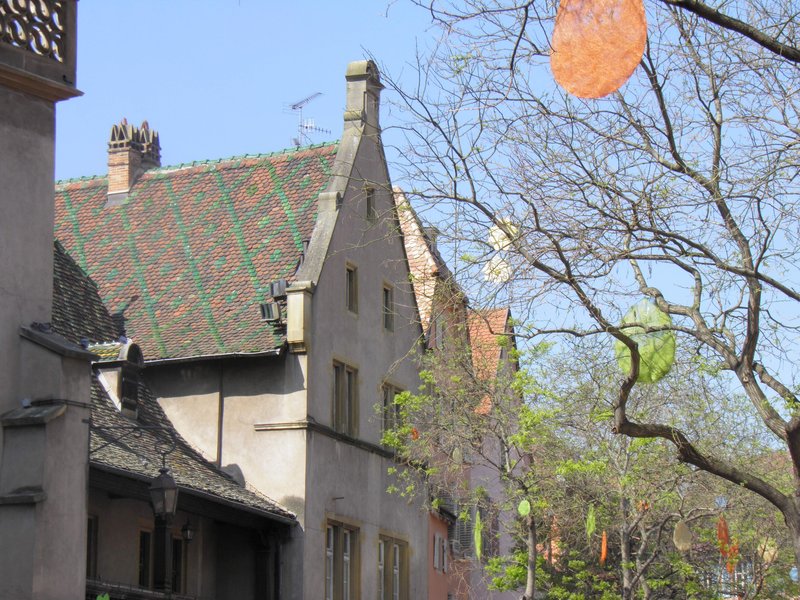
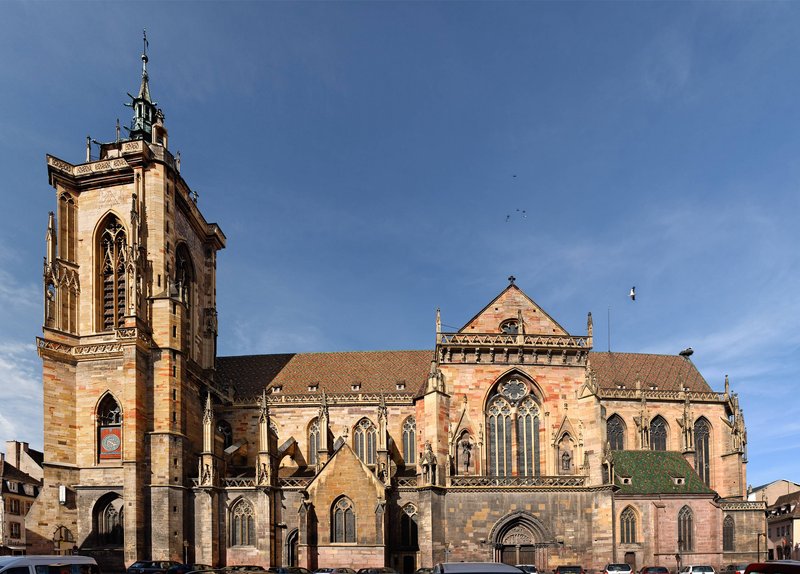
Colmar's great Gothic church, begun in the 13th century and built over two hundred years. The west façade carries some of the finest Rhineland Gothic sculpture in Alsace; the roofline features polychrome glazed-tile patterns that define Alsatian church architecture. Known informally as Colmar's Cathedral.
🏛️ Daily 9:00am - 6:00pm
⏰ ~45 min
Free
🚶 4 min · 🚕 2 min → Petite Venise
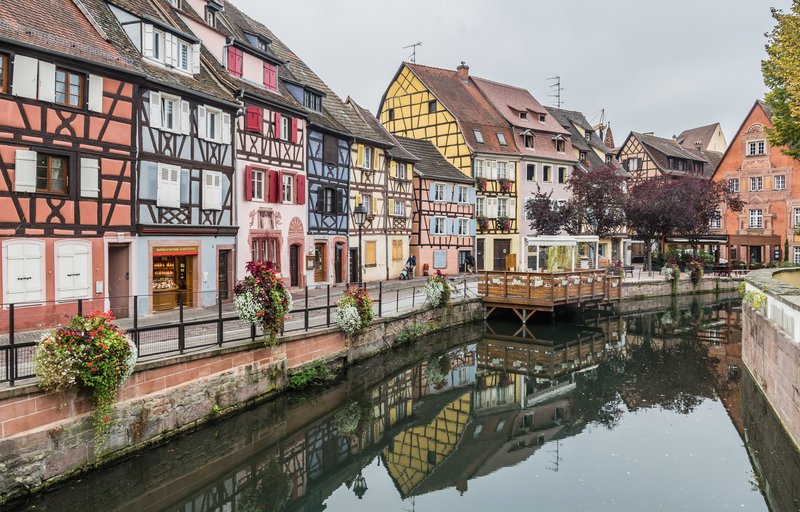
The most photographed quarter — half-timbered houses in Alsatian pastels reflected in the Lauch river, with flower-draped balconies leaning over the water. Built by tanners and fishmongers who backed their houses onto the canal; what survived is one of the most intact medieval waterfronts in France.
🏛️ Open 24/7
⏰ ~1 hr 30 min
🚶 1 min · 🚕 2 min → La Krutenau
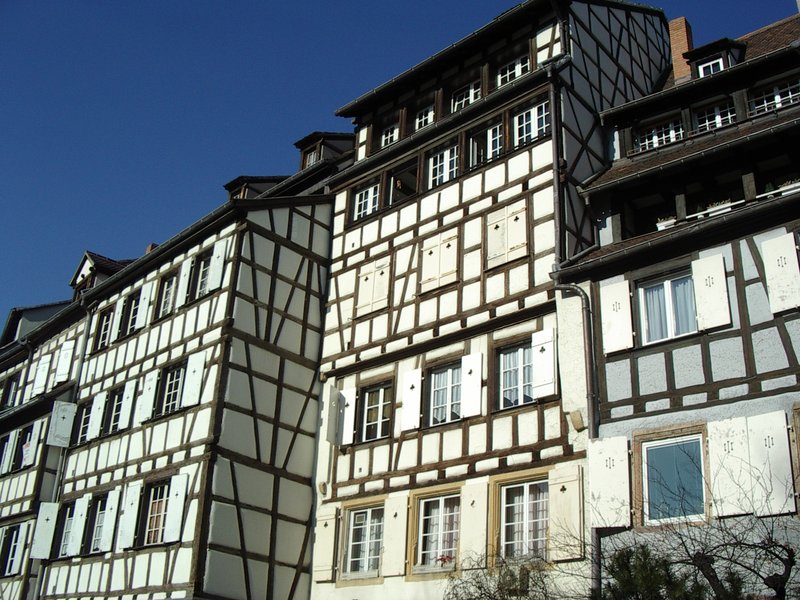
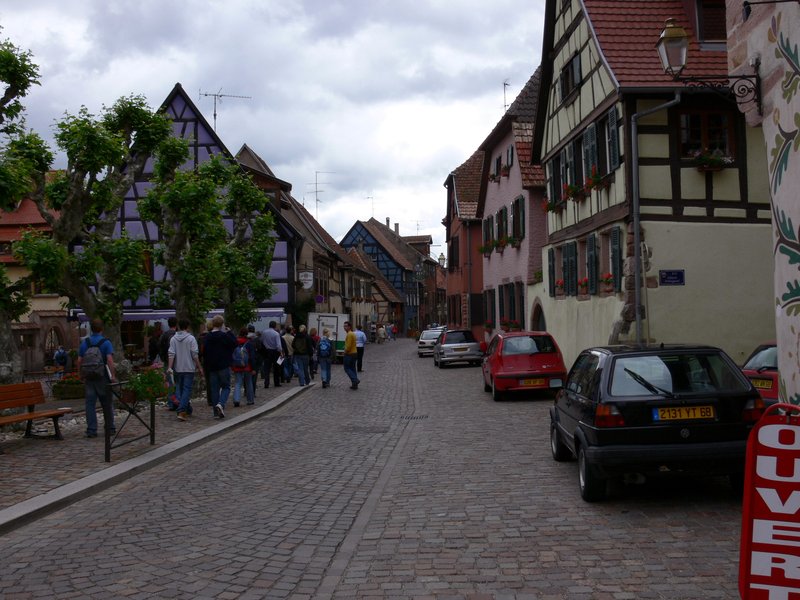
The former tanners' district — narrow lanes of half-timbered houses whose upper floors were oversized to allow hides to dry indoors. The buildings list into the street, wooden frames leaning over cobbled alleys barely touched since the 17th century. Immediately east of Petite Venise and far less visited.
🚶 15 min · 🚕 5 min → hotel
From Hotel: 🚕 28 min → Château du Haut-Koenigsbourg
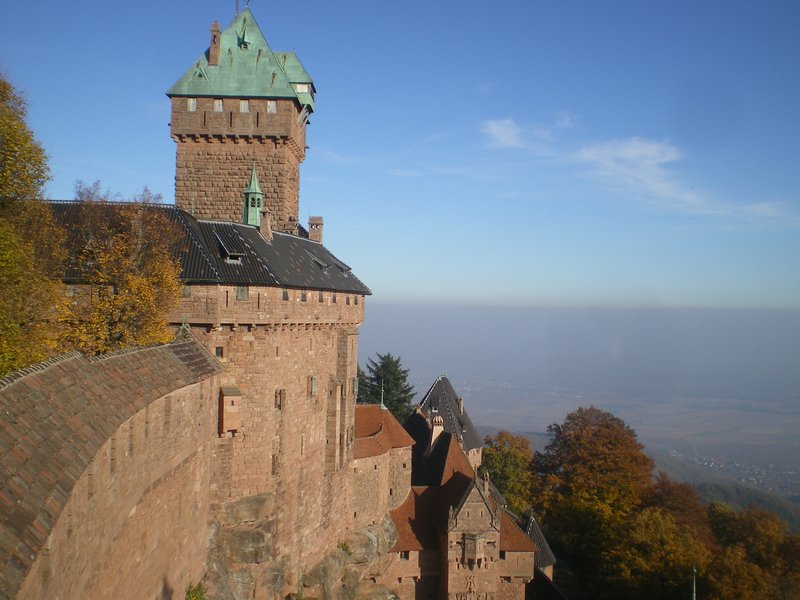
A medieval castle on a 757-metre Vosges summit, rebuilt 1901–1908 by Kaiser Wilhelm II. The most visited castle in Alsace — views from the towers sweep the Rhine plain to the Black Forest. The state rooms, great hall and armoury are intact.
🏛️ Daily 9:00am - 5:00pm (Apr - Sep 9:00am - 6:00pm)
⏰ ~2 hr
🚕 20 min → Bergheim
A small Alsatian wine village with near-complete 14th-century ramparts — walls and three towers encircle the old town almost entirely. Half-timbered main street and Gothic church preserved and quiet; Bergheim receives a fraction of the visitors that flood Riquewihr.
🚶 38 min · 🚕 12 min → Ribeauvillé
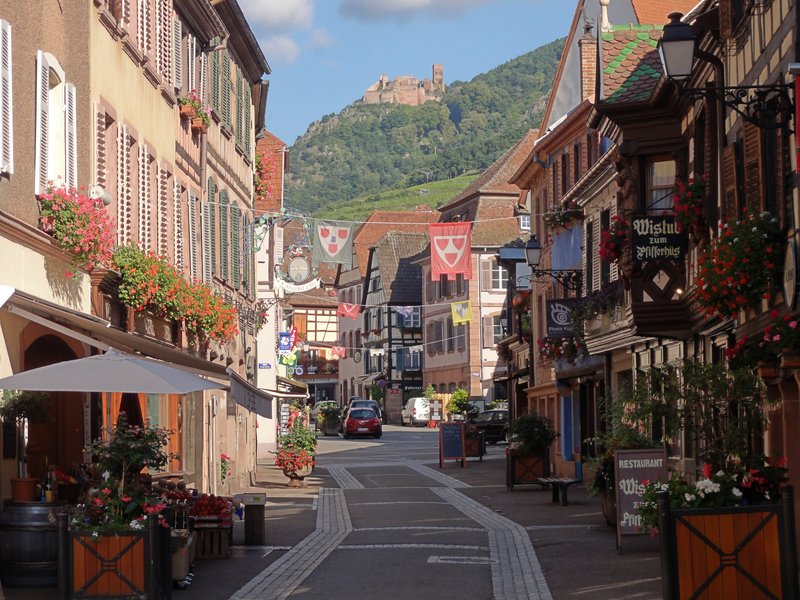
A wine-route town beneath three ruined medieval towers on the forested ridge above. The arcaded Grand-Rue is lined with 16th-century half-timbered houses; the 13th-century church tower anchors the upper end. Ribeauvillé makes the finest Alsatian Riesling and is more authentic than its famous neighbours.
🚶 28 min · 🚕 10 min → Riquewihr
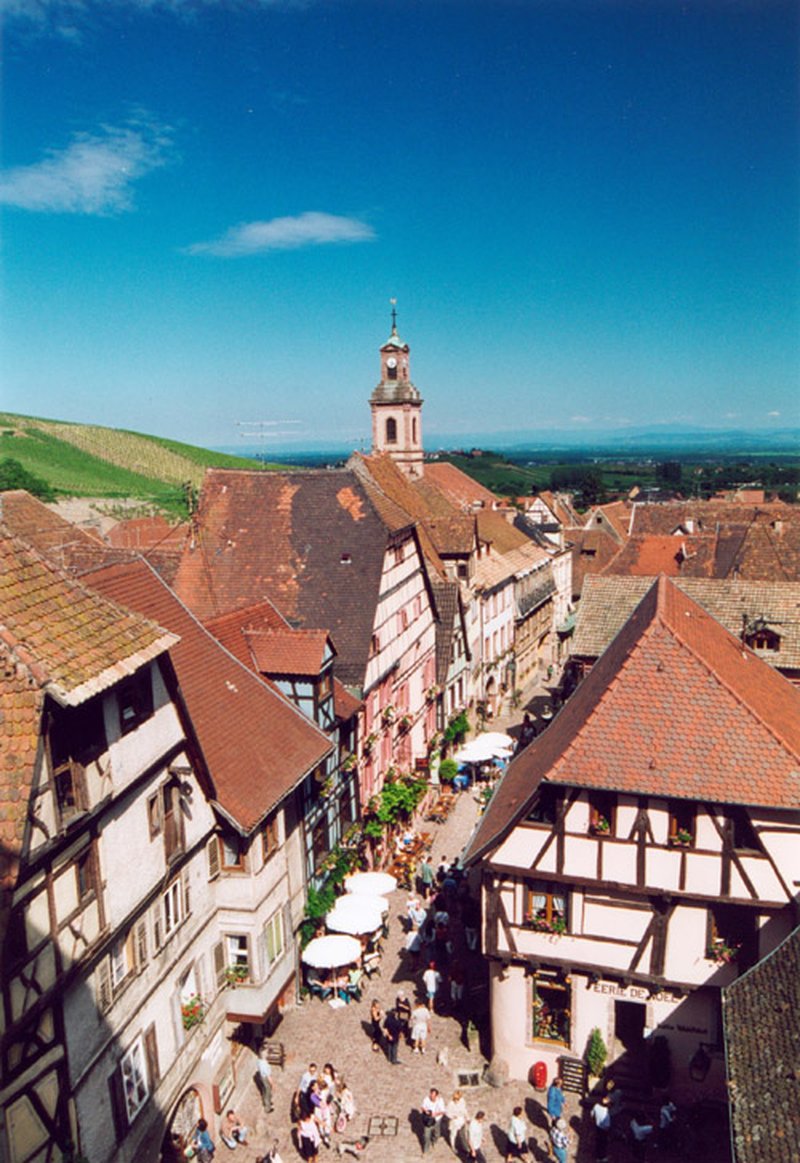
The showpiece village of the Alsace Wine Route — a double-walled medieval town that escaped both world wars intact. The Rue du Général de Gaulle is an unbroken corridor of half-timbered houses in Alsatian pastel, with the Dolder tower punctuating the ramparts. One of the most photographed villages in France.
🏛️ Open 24/7
⏰ ~1 hr 30 min
🚕 20 min → hotel
🎨 The Hospital Painting and the Artist Who Arrived Too Late
The Isenheim Altarpiece was commissioned not for a church but for a hospital chapel run by the Antonite monks, who treated a disfiguring skin disease called St Anthony's Fire — ergotism, caused by a fungus in contaminated grain. Matthias Grünewald painted Christ's body literally covered in the disease's characteristic pustules and sores. The intention was clinical as much as devotional: patients in extremity would look at the altarpiece and see their suffering accurately mirrored in the Passion. The painting was a form of therapy. It remains, five hundred years later, one of the most viscerally powerful works in Western art, and it has never left Colmar.
In the Dominican Church a few streets away hangs Martin Schongauer's Virgin in the Rose Bower, 1473 — a small panel painting of extraordinary refinement, one of the finest works of the northern Renaissance. When Michelangelo was still a teenager, he reportedly made the journey to Colmar specifically to study under Schongauer. He arrived to find him recently dead. Schongauer's influence reached Michelangelo anyway — through the city's works and through Schongauer's brother in Basel — but the detail of the missed encounter lingers. Colmar was once a place that artists traveled toward. Considering what remains, it is not hard to see why.