KYOTO
The Ritz-Carlton Kyoto
Japan
From Hotel: 🚕 11 min → Kyoto Tower
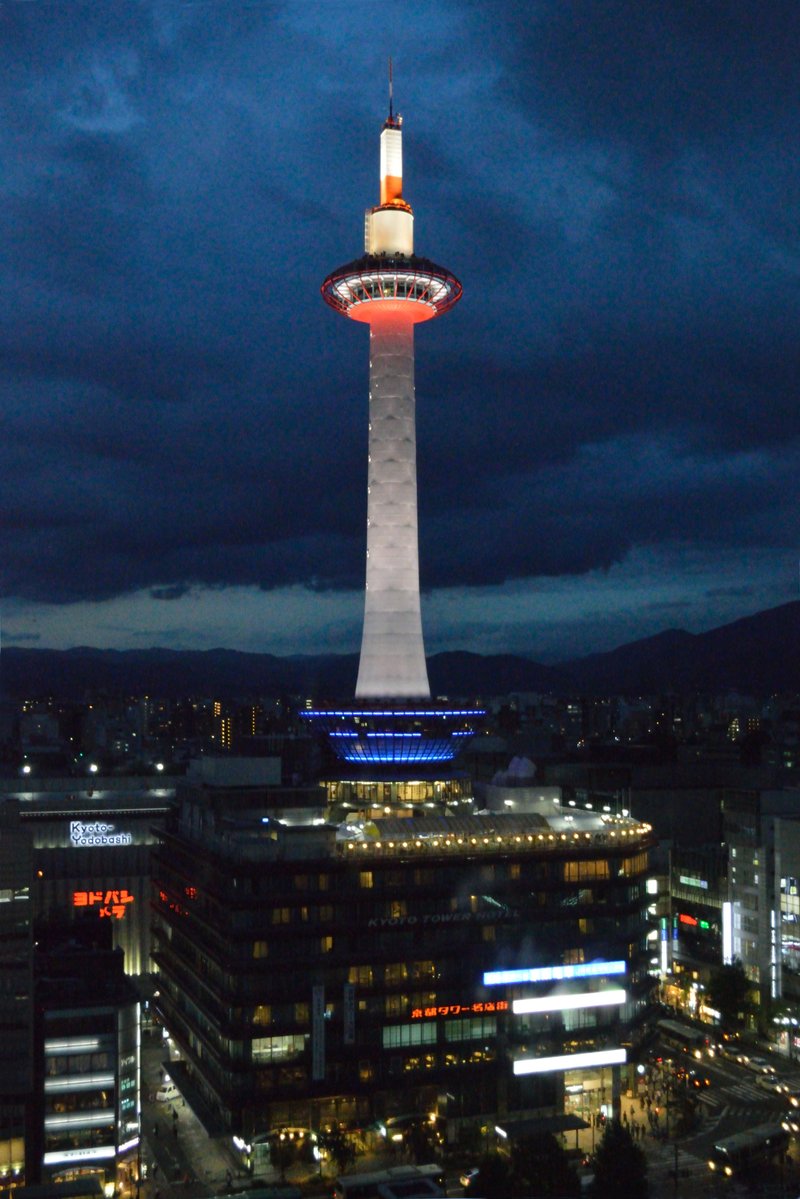
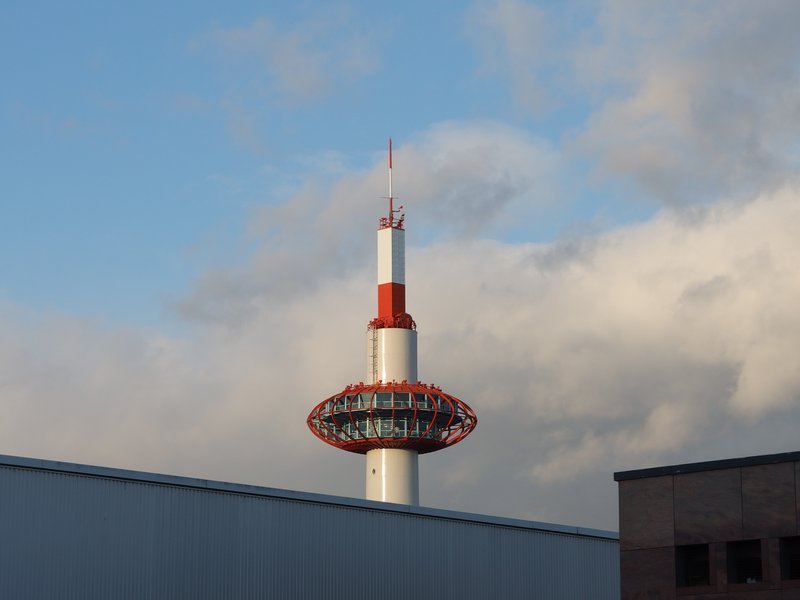
At 131m the tallest structure in the city, its white cylindrical form modeled on a lighthouse rising above Kyoto Station. The observation deck delivers a 360° panorama across the low rooftops toward the surrounding mountain walls — a view that makes visible why the wide basin geography preserved the old-city fabric.
🏛️ Daily 10:00am - 9:00pm
⏰ ~1 hr
🚕 10 min
🚶 2 min · 🚕 2 min → Kyoto Station Sky Garden
The rooftop garden atop Hiroshi Hara's 1997 station spans 470 meters along the 11th floor, offering unobstructed views toward the encircling mountains. The station became an architectural landmark despite controversy when built. Entry is free and consistently the least-crowded panoramic viewpoint in the city.
🏛️ Daily 10:00am - 10:00pm
⏰ ~45 min
Free
🚕 15 min
🚶 21 min · 🚕 5 min → Tōji
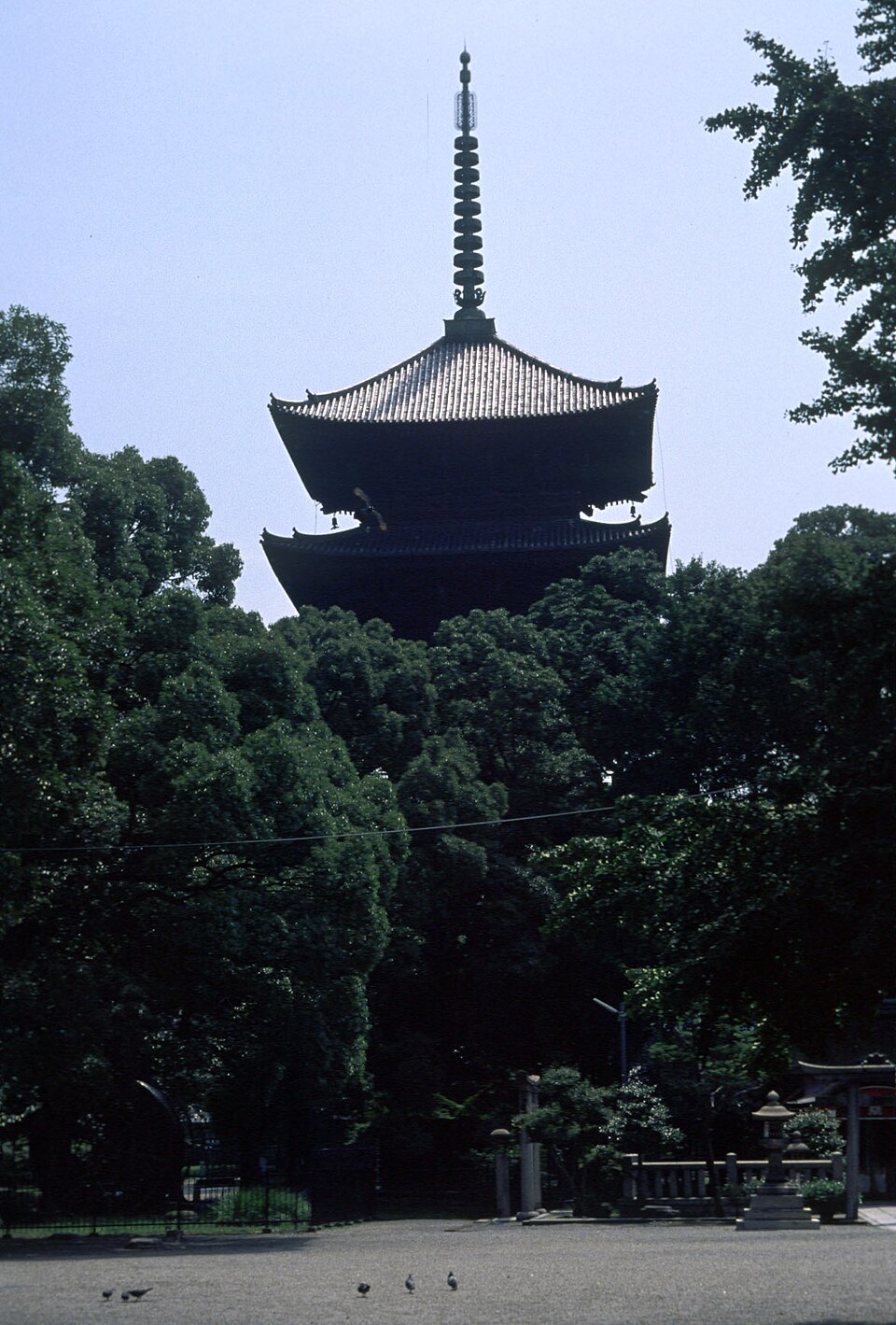
Founded in 796 CE as one of only two temples permitted inside the Heian capital, Tōji houses Japan's tallest wooden structure — a 57-meter five-story pagoda built in 826 CE. The main hall holds 21 Esoteric Buddhist sculptures arranged in a three-dimensional mandala. UNESCO World Heritage since 1994.
🏛️ Daily 8:30am - 5:30pm
⏰ ~1 hr
🚕 18 min
🚕 11 min → Fushimi Inari Taisha
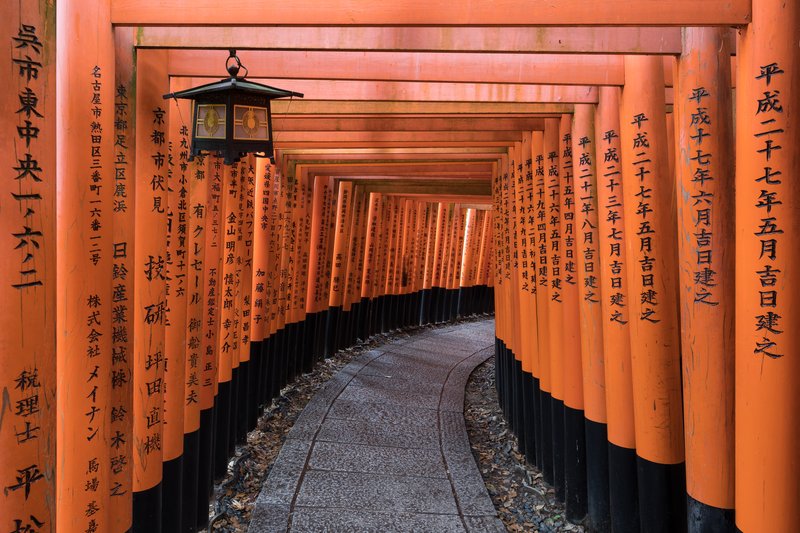
Japan's most visited shrine — a mountain covered in over 10,000 vermilion torii gates donated by individuals and businesses. The lower trails take 30-40 min; the full ascent to the 233m summit takes 2 hrs and rewards with forest solitude. The shrine dates to 711 CE and heads 30,000+ Inari shrines across Japan.
🏛️ Open 24/7
⏰ ~1 hr 30 min
🚕 25 min
🚕 20 min → Gion District
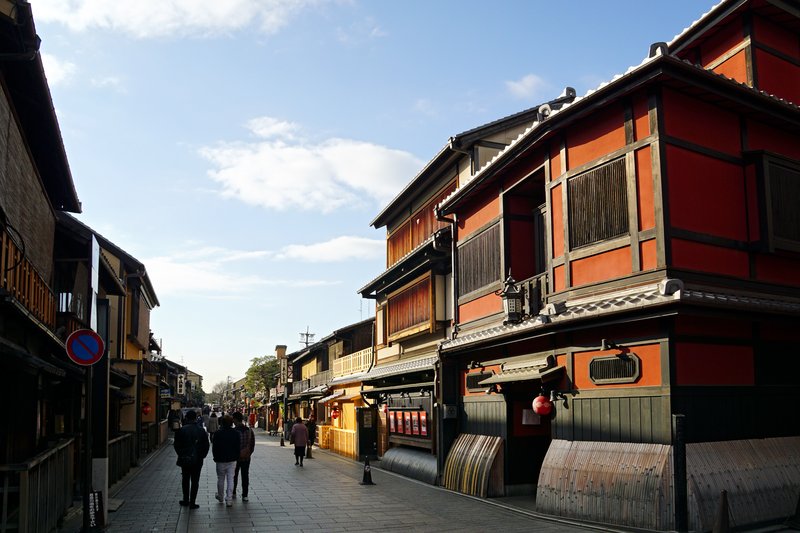
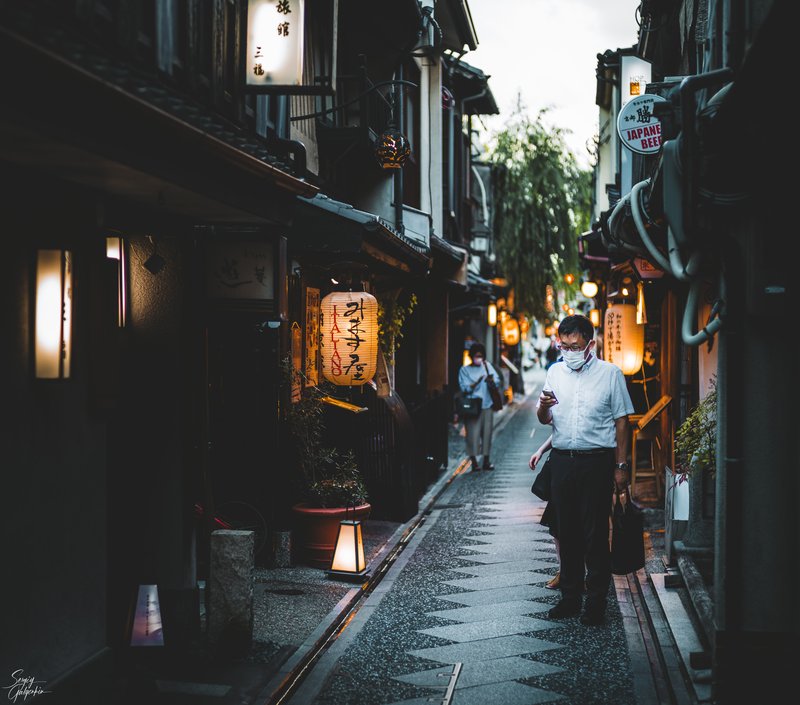
Kyoto's celebrated geisha quarter, its narrow stone-paved lanes flanked by wooden machiya townhouses and ochaya teahouses where maiko and geiko still practice their art. Hanamikoji-dori is the defining image of traditional Japan — a single street unchanged in atmosphere since the Edo period, especially at dusk.
🏛️ Open 24/7
⏰ ~1 hr
🚶 12 min · 🚕 5 min
🚶 21 min · 🚕 7 min → hotel
From Hotel: 🚕 27 min → Arashiyama Bamboo Grove
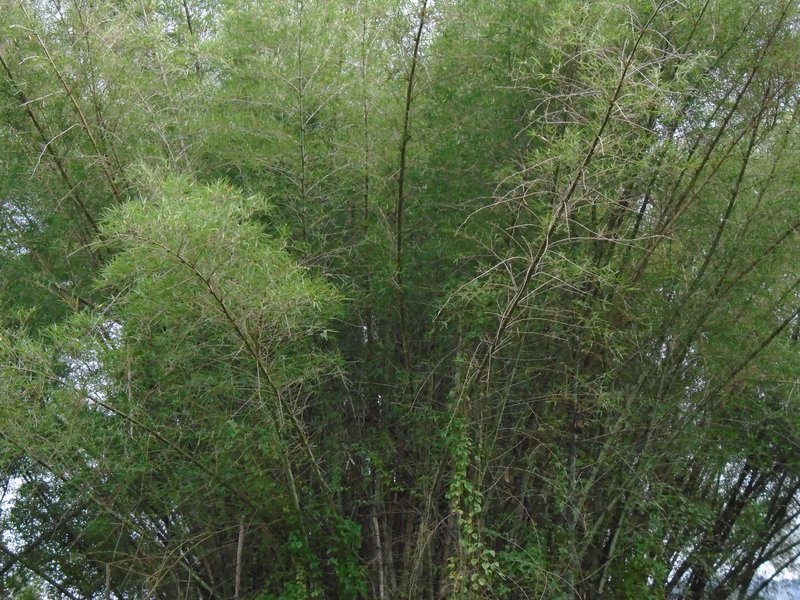
Dense moso bamboo lining the path north of Arashiyama — the rustling of the 15-meter stems in any wind creates a sound designated one of Japan's One Hundred Soundscapes worth preserving. Most otherworldly at first light before the crowds arrive, when green light filtering through the columns transforms the path.
🏛️ Open 24/7
⏰ ~30 min
🚶 15 min · 🚕 6 min
🚶 18 min · 🚕 4 min → Monkey Park Iwatayama
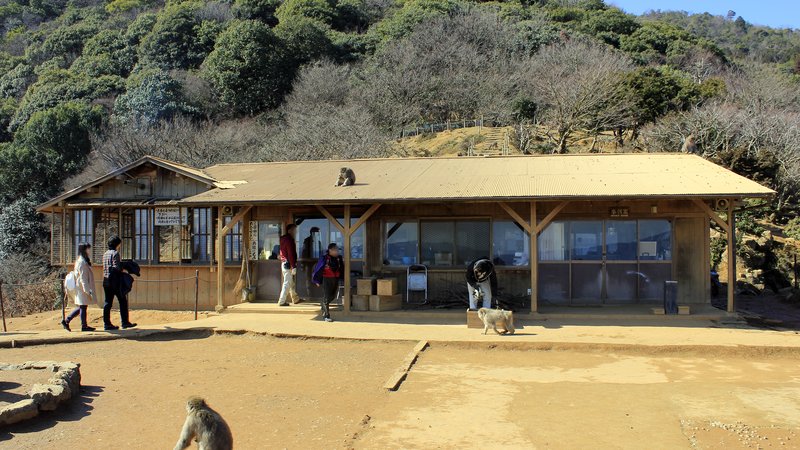
A forested hike up Arashiyama mountain leads to a summit where over 120 wild macaques roam freely. Visitors enter a feeding hut to offer food through wire mesh while the monkeys remain outside — the reversal is intentional. The summit views across the city basin and surrounding hills are genuinely exceptional.
🏛️ Daily 9:00am - 4:30pm
⏰ ~1 hr 30 min
⚠️ Cash only at entrance.
🚶 5 min · 🚕 3 min
🚕 33 min → Hozu River
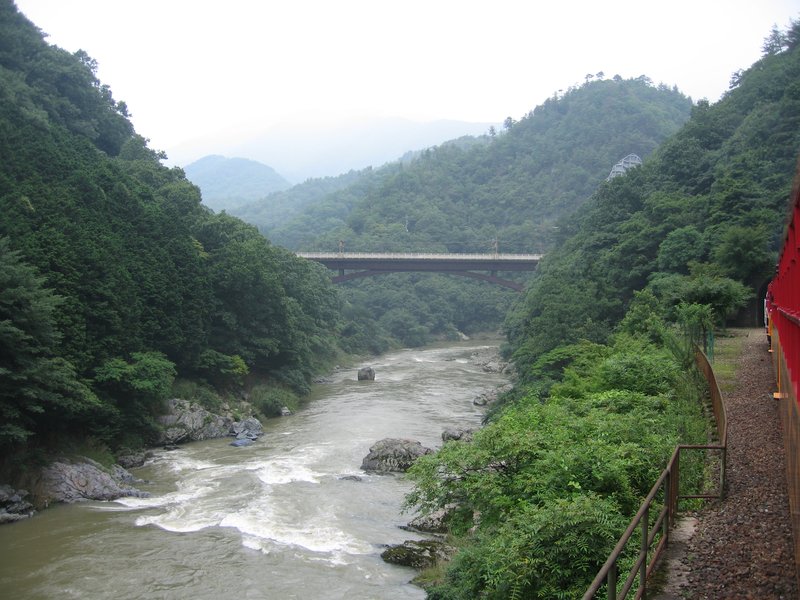
A 16km wooden boat descent through the Tamba gorge — a 2-hour journey past sheer granite walls, cascades, and canyon forest. The boats depart from Kameoka and arrive at Arashiyama's riverfront, making this the ideal Arashiyama day opener — arriving by river as travelers have for centuries.
🏛️ Daily 9:00am - 3:30pm
⏰ ~2 hrs
⚠️ Departs from Kameoka — not from Arashiyama. Suspended after heavy rain.
🚕 40 min
🚕 5 min → Togetsukyo Bridge
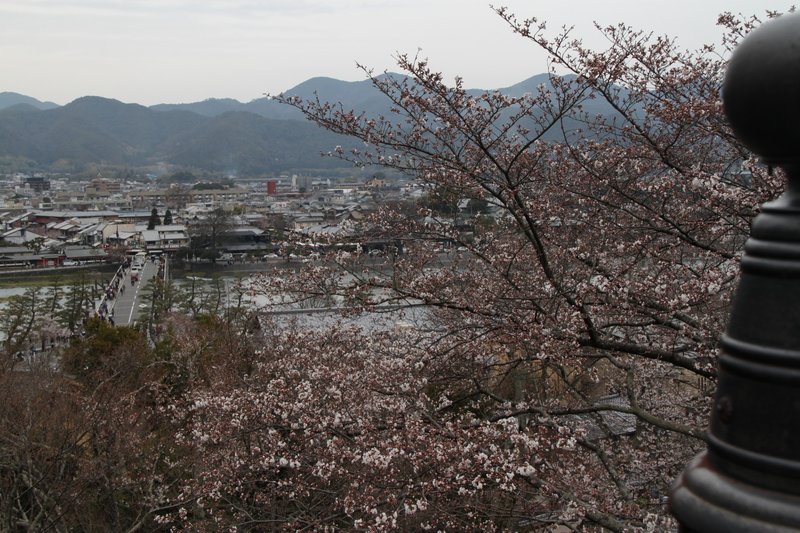
The Moon-Crossing Bridge spans the Katsura River against a backdrop of forested mountains designated a National Historic Site. A bridge has stood here since the 9th century. The view upstream toward Arashiyama mountain framing the wooden span is among the most replicated images in Japanese travel photography.
🏛️ Open 24/7
⏰ ~30 min
🚶 5 min · 🚕 3 min
🚕 25 min → hotel
From Hotel: 🚕 18 min → Kinkaku-ji
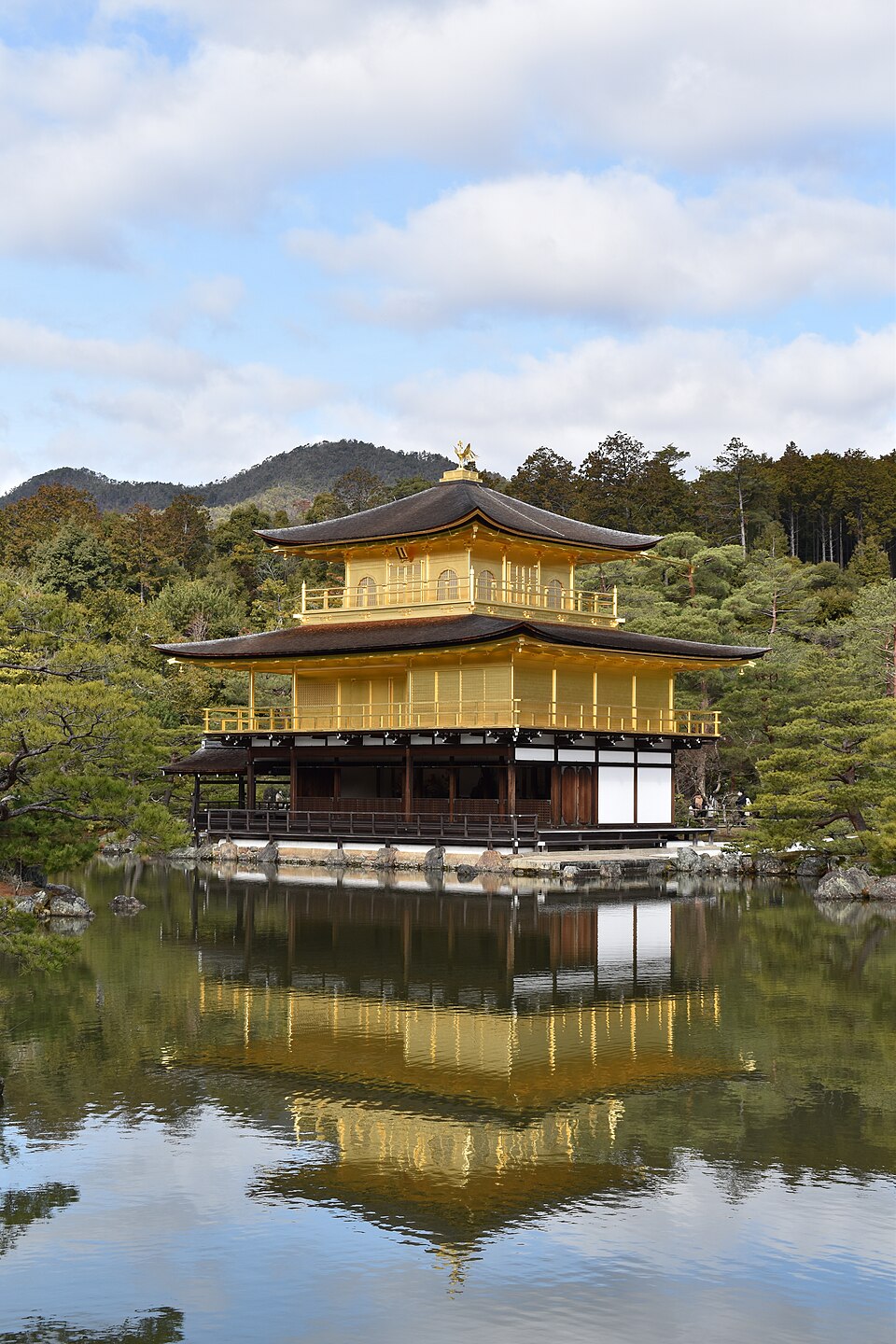
The Golden Pavilion — a three-story Zen Buddhist temple whose top two floors are clad in gold leaf. The structure sits on a reflecting pond in a strolling garden, making it Kyoto's most photographed image. UNESCO World Heritage since 1994.
🏛️ Daily 9:00am - 5:00pm
⏰ ~45 min
🚕 20 min
🚶 14 min · 🚕 3 min → Ryōan-ji
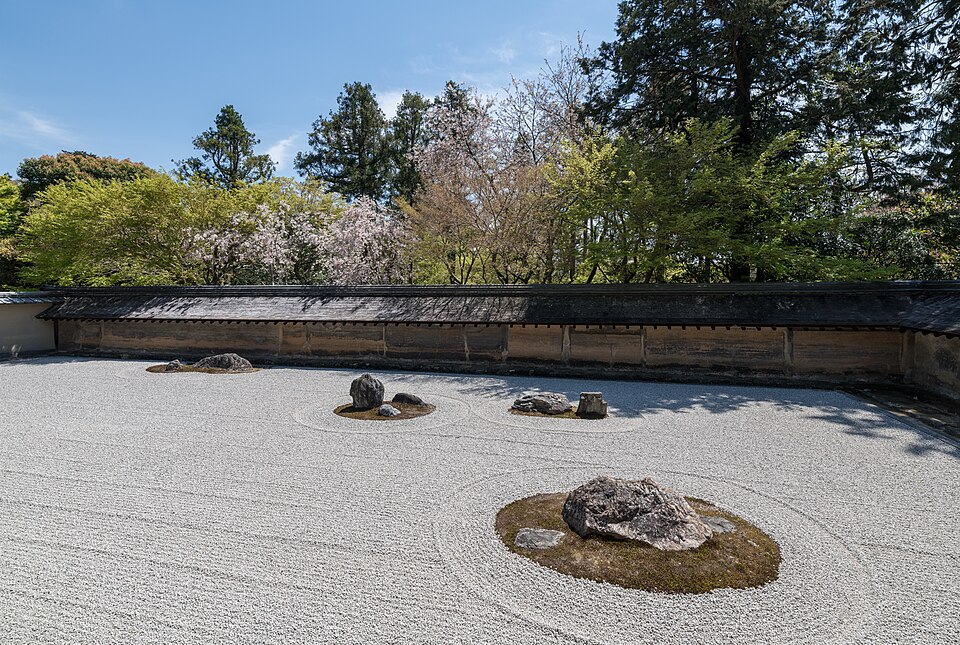
Home to Japan's most celebrated Zen rock garden — 15 moss-covered stones arranged in raked white gravel on a rectangle of bare ground. From any angle, only 14 stones are visible simultaneously; the full set only resolves at enlightenment. The garden dates to the late 15th century. UNESCO World Heritage since 1994.
🏛️ Daily 8:00am - 5:00pm
⏰ ~1 hr
🚶 24 min · 🚕 8 min
🚶 29 min · 🚕 7 min → Daitoku-ji
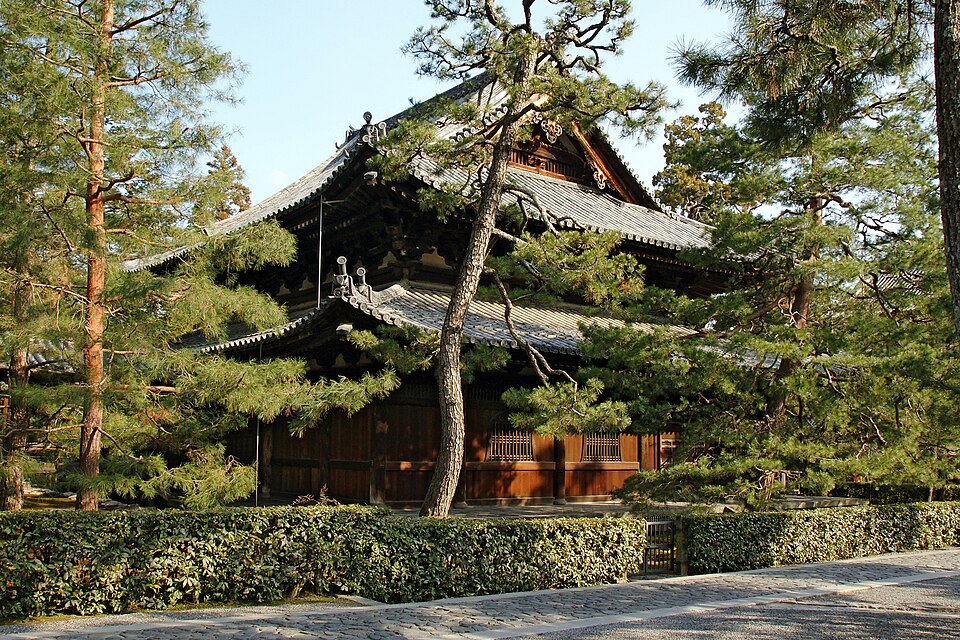
A Rinzai Zen complex with 22 active sub-temples, each housing a karesansui garden and tea house. The complex was the headquarters of tea ceremony culture under Sen no Rikyū in the 16th century. Zuiho-in and Daisen-in are consistently open to visitors.
🏛️ Daily 9:00am - 4:30pm
⏰ ~1 hr 30 min
🚕 10 min
🚕 15 min → hotel
From Hotel: 🚶 13 min · 🚕 4 min → Pontochō
A 500-meter stone-paved alley running parallel to the Kamogawa River between Sanjo and Shijo — one of Kyoto's five hanamachi geisha districts and home to some of the city's most atmospheric restaurants and bars. In summer restaurants extend wooden platforms over the river in the tradition of kawayuka dining.
🏛️ Open 24/7
⏰ ~30 min
🚶 18 min · 🚕 7 min
🚶 13 min · 🚕 4 min → Maruyama Park
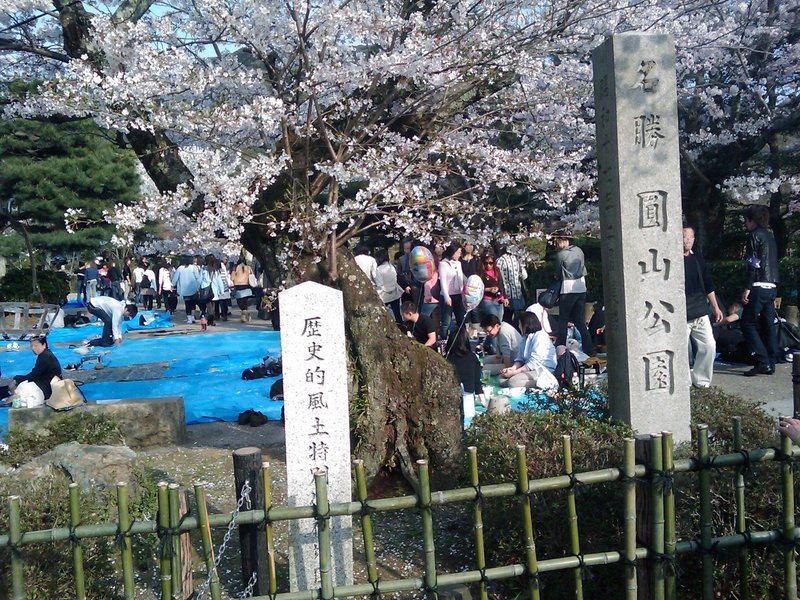
Kyoto's oldest public park, anchored by a massive weeping cherry tree — the most famous in the city — that becomes the focal point of every spring hanami gathering. Stone lanterns and teahouses are scattered across the grounds that blend seamlessly into the surrounding Higashiyama landscape.
🏛️ Open 24/7
⏰ ~1 hr
🚶 10 min · 🚕 5 min
🚶 26 min · 🚕 5 min → Heian Jingu
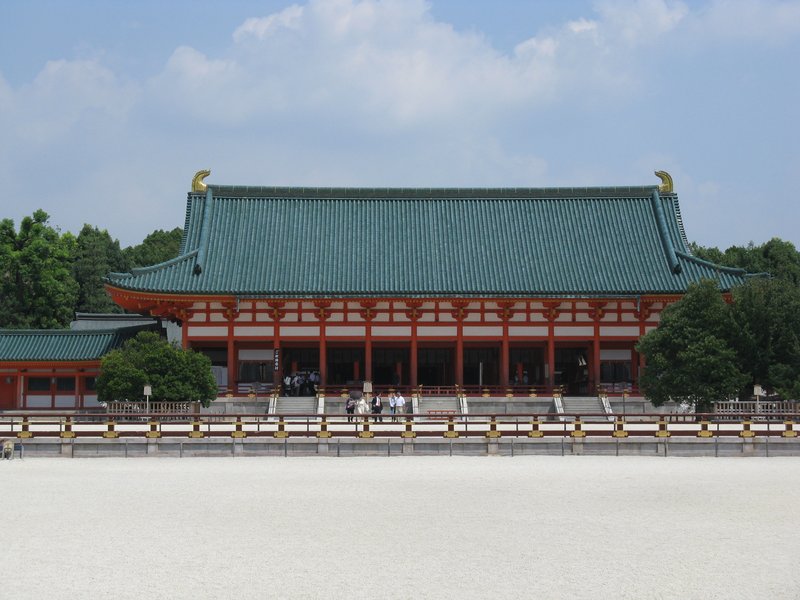
Built in 1895 to mark the 1,100th anniversary of the founding of the city, replicating the original Heian Palace at two-thirds scale. Its 24-meter torii gate is one of Japan's largest. The Shin-en garden is a Meiji-era landscape masterpiece — four seasonal sections around a central pond and stepping-stone path.
🏛️ Daily 6:00am - 6:00pm
⏰ ~1 hr 30 min
Free
⚠️ Closes 5:30pm Oct-Nov and 5:00pm Dec-Mar 14.
⚠️ Shrine grounds free. Shin-en garden requires separate admission.
🚶 20 min · 🚕 10 min
🚶 28 min · 🚕 5 min → Philosopher's Path
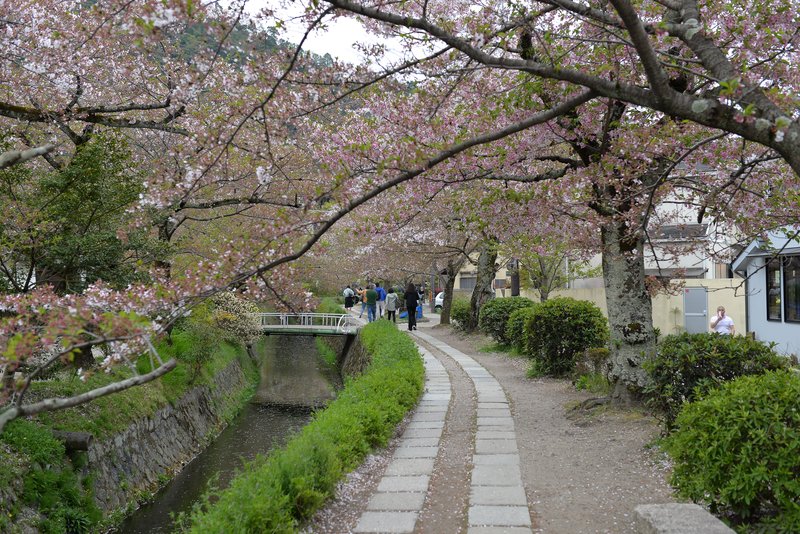
A 2km stone-paved path along the Shishigatani canal, named for philosopher Nishida Kitaro who walked it daily en route to Kyoto University. Lined by 450 cherry trees — one of Japan's 100 Most Famous Cherry Blossom Sites — equally compelling outside blossom season as a quiet promenade through northern Higashiyama.
🏛️ Open 24/7
⏰ ~1 hr
🚶 10 min · 🚕 5 min
🚶 33 min · 🚕 10 min → hotel
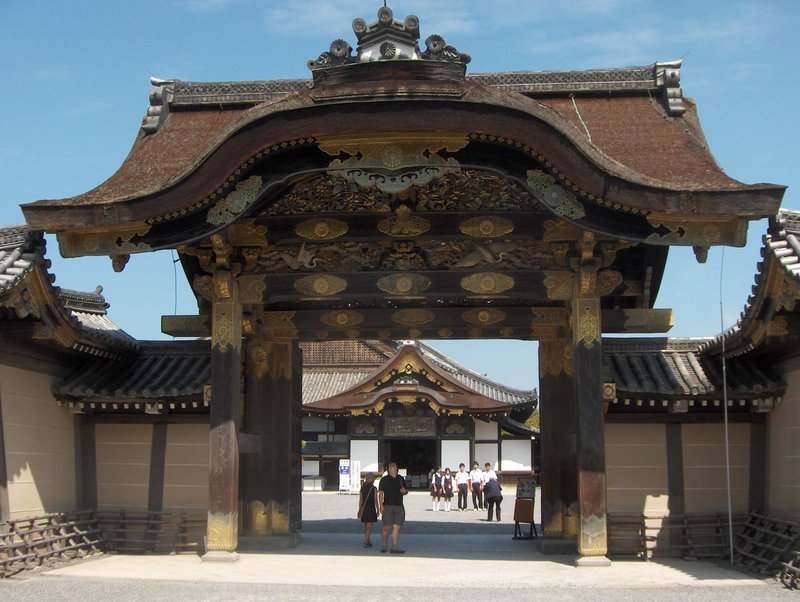
From Hotel: 🚶 30 min · 🚕 8 min → Nijo Castle
The Tokugawa shogunate's seat here, completed in 1626 to project political authority rather than repel sieges. The Ninomaru Palace has exceptional Momoyama-period screen paintings and famous nightingale floors — boards engineered to chirp underfoot as an anti-intruder measure. UNESCO World Heritage since 1994.
🏛️ Daily 8:45am - 4:00pm
⏰ ~2 hrs
⚠️ Also closed last Tuesday of Jan · Jul · Aug · Dec and Dec 26 - Jan 3.
🚕 18 min
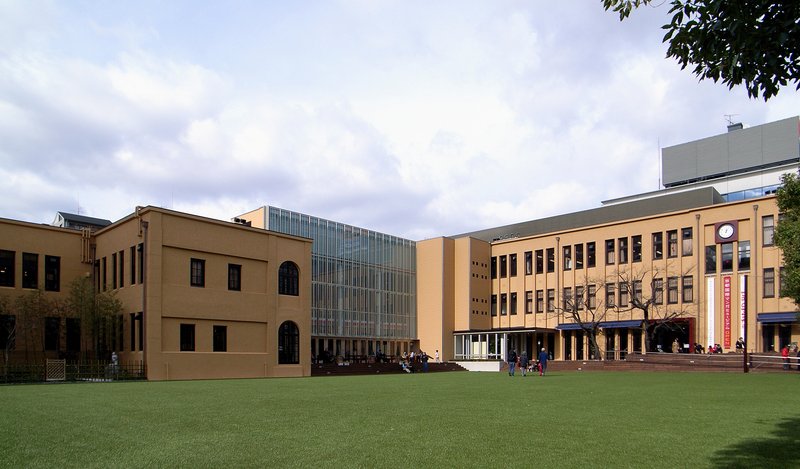
🚶 16 min · 🚕 5 min → Kyoto International Manga Museum
A former elementary school housing 300,000 manga volumes — pull books from floor-to-ceiling shelves and read anywhere in the building or on the lawns. Founded by the city and Kyoto Seika University, the museum has rotating exhibitions on technique and cultural history alongside the vast open library.
🏛️ Daily 10:00am - 5:00pm
⏰ ~2 hrs
🚶 18 min · 🚕 8 min
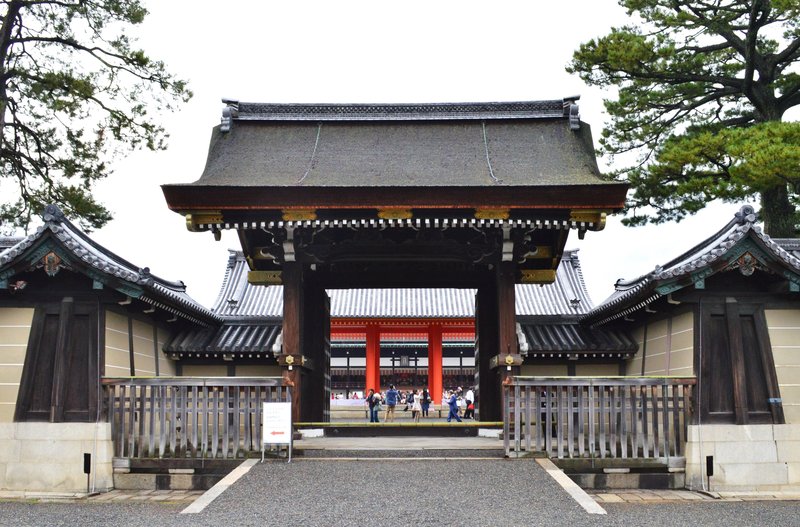
🚶 21 min · 🚕 8 min → Kyoto Imperial Palace
The former seat of Japan's Imperial family — the city was the imperial capital for over a millennium until the court relocated to Tokyo in 1869. The current palace dates to 1855 and sits within Kyoto Gyoen, a 65-hectare park open to the public. Entry is free with no reservation required.
🏛️ Daily 9:00am - 5:00pm
⏰ ~1 hr 30 min
Free
⚠️ Closes 4:30pm Sep-Oct and 4:00pm Nov-Mar.
🚶 10 min · 🚕 5 min
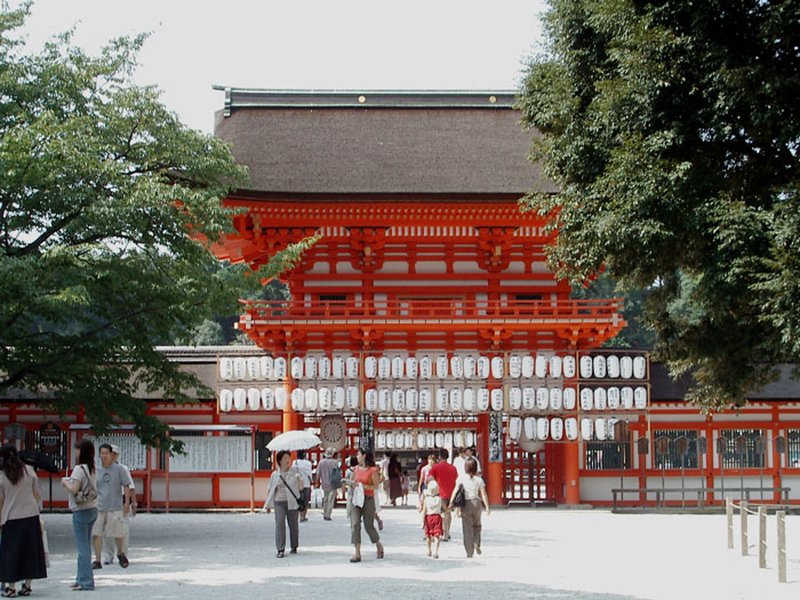
🚶 20 min · 🚕 5 min → Shimogamo Shrine
One of Japan's oldest shrines, established in the 6th century at the confluence of the Kamo and Takano rivers. The approach passes through Tadasu no Mori — a 12-hectare primeval forest, one of the last old-growth forests inside a Japanese city. UNESCO World Heritage since 1994.
🏛️ Daily 6:00am - 5:00pm
⏰ ~1 hr
Free
🚕 20 min
🚶 34 min · 🚕 10 min → hotel
From Hotel: 🚶 37 min · 🚕 11 min → Kiyomizu-dera
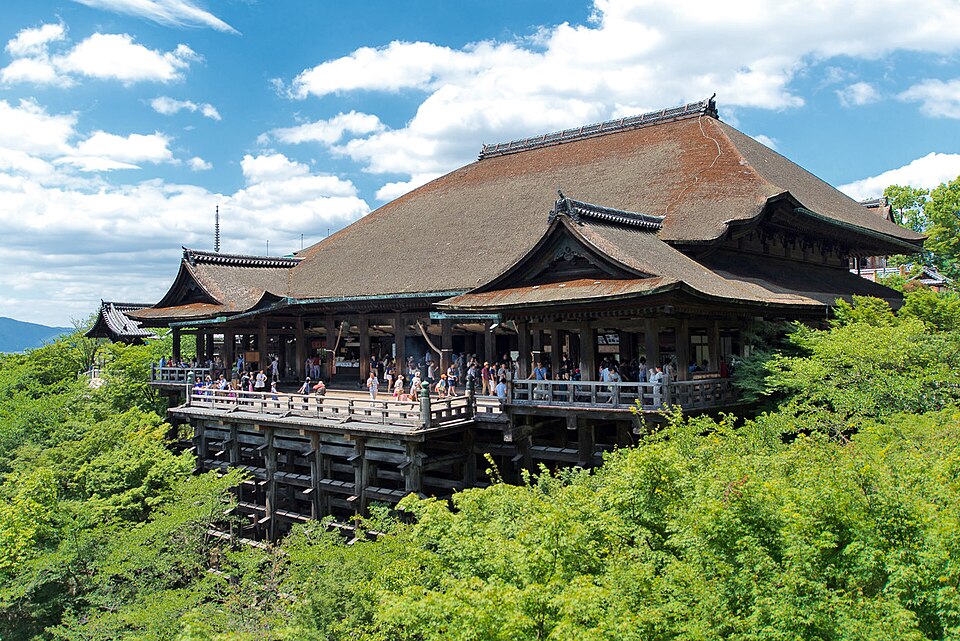
An 8th-century Buddhist temple on the eastern hills of Kyoto, famous for its veranda — a massive wooden stage projecting 13 meters over a wooded valley, built without a single nail. Otowa waterfall below splits into three streams for health, longevity, and success. UNESCO World Heritage since 1994.
🏛️ Daily 6:00am - 6:00pm
⏰ ~1 hr 30 min
🚶 12 min
🚶 8 min · 🚕 5 min → Ninen-zaka & Sannen-zaka
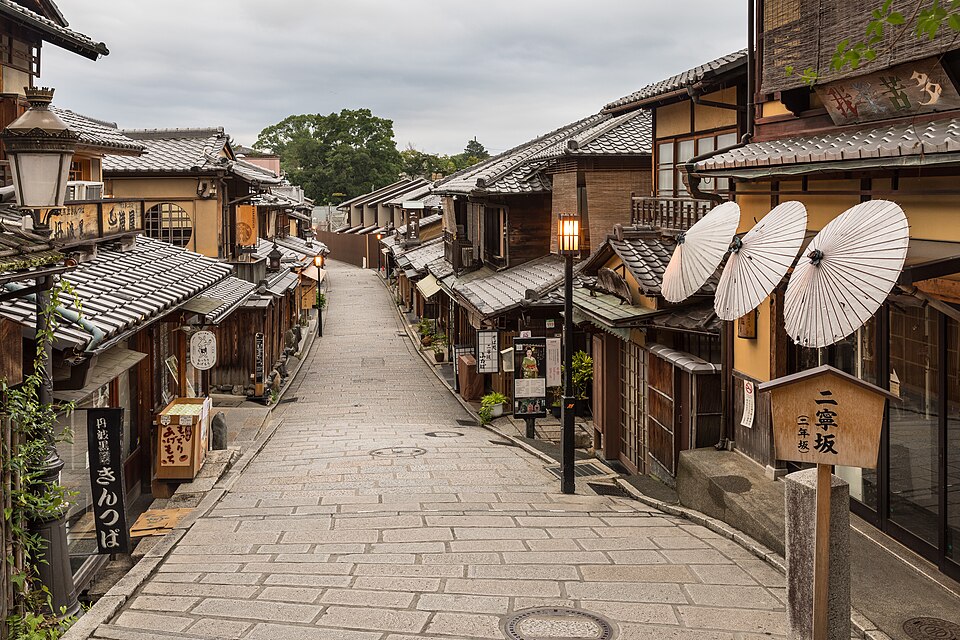
Two stone-paved lanes connecting Kiyomizu-dera to Maruyama Park through Higashiyama's historic district. The cobblestone paths are lined with machiya townhouses converted to matcha cafés, ceramics shops, and lacquerware studios. A Starbucks in a century-old building sits at the junction.
🏛️ Open 24/7
⏰ ~1 hr
🚶 8 min · 🚕 5 min
🚶 29 min · 🚕 10 min → Nanzen-ji
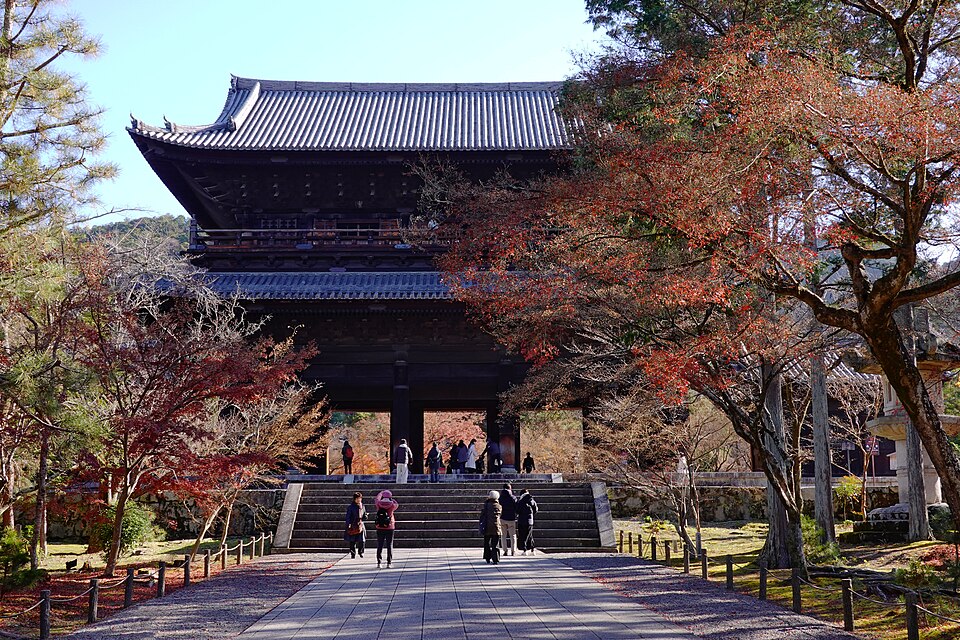
The head temple of the Nanzen-ji branch of Rinzai Zen, established in 1291. The three-story Sanmon gate towers over the approach; a red-brick Roman-style aqueduct from 1890 carries water through the temple grounds — a striking anachronism. Free to walk the grounds.
🏛️ Daily 8:40am - 5:00pm
⏰ ~1 hr
🚕 10 min
🚶 26 min · 🚕 8 min → Ginkaku-ji
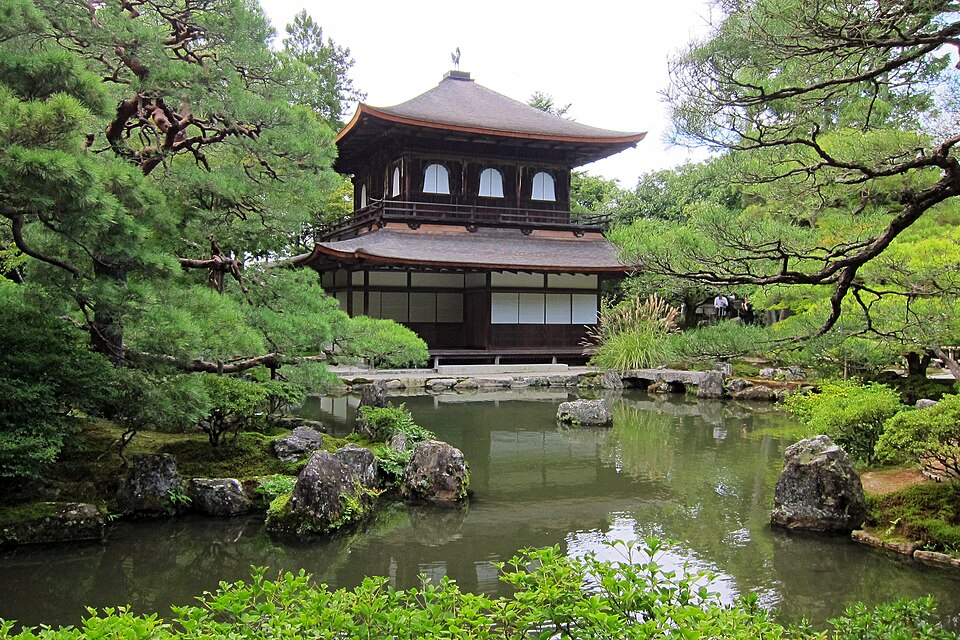
The Silver Pavilion — a 15th-century Zen villa never actually silvered, giving it a quiet elegance absent from Kinkaku-ji. The garden features a raked sand cone and flat white gravel leading to a moss garden path with elevated views across Kyoto. UNESCO World Heritage since 1994.
🏛️ Daily 8:30am - 5:00pm
⏰ ~1 hr
🚕 8 min
🚕 11 min → hotel
The interesting thing about this itinerary is that it contains no Buddhist temples — in the most Buddhist city in Japan. That constraint was imposed for reasons unrelated to religion, and yet it turned out to reveal something true: the city most people come to see is actually built on a different foundation entirely. Shinto shrines. A shogun's political theater. Geisha districts that are fundamentally about performance and pleasure. A bamboo forest maintained for its aesthetic effect. None of it is contemplative in the way temples are contemplative.
What this city actually is, beneath the temple overlay, is a place that has been obsessively curated. Every corridor of it — every stone lantern, every folded napkin in a kaiseki restaurant, every torii gate placed just so — has been arranged to produce a particular experience of beauty. The result may be the most deliberately beautiful place on earth, one that rewards exactly the kind of slow, attentive looking this itinerary demands. Fushimi Inari reveals its character only when you go past the first thousand gates. Gion at dusk is categorically different from Gion at noon. The city was designed to be experienced at the right time and in the right order.