LILLE
L'Hermitage Gantois · Autograph Collection
France
From Hotel: 🚶 24 min · 🚕 6 min → Halles de Wazemmes
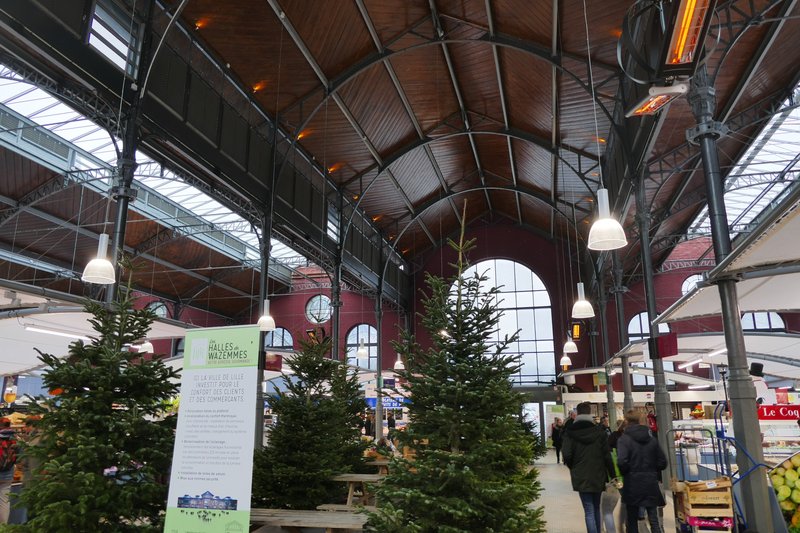
An 1882 iron-and-glass market hall in Wazemmes — the city's working-class quarter west of the ring. The hall trades daily except Monday; on Sunday the surrounding square fills with the Nord's largest outdoor market, mixing food stalls, bric-à-brac, and live accordion.
🏛️ Tuesday - Sunday 8:00am - 2:00pm
🚫 Closed Monday
⏰ ~45 min
Free
🚶 17 min · 🚕 4 min → Palais des Beaux-Arts
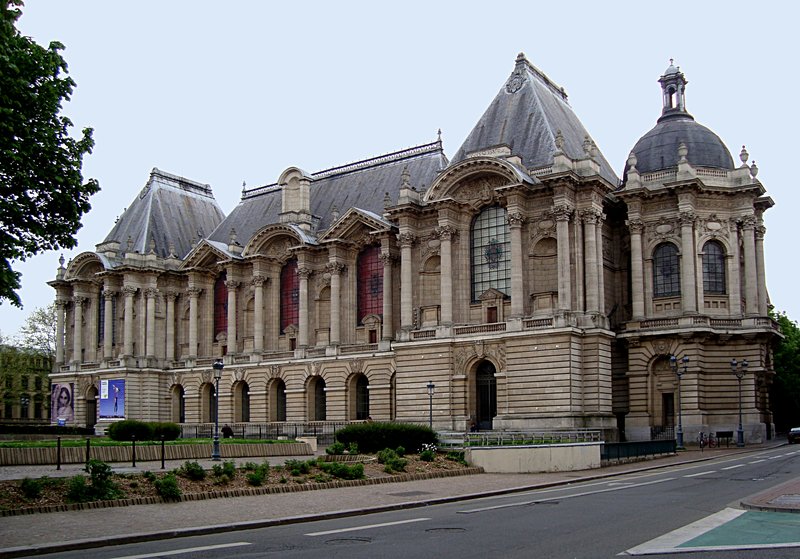
France's second-largest fine arts museum after the Louvre — Goya, Rubens, Van Dyck and Rodin fill the galleries, and the basement Plans-Reliefs hall holds hand-built 3D scale models of French fortified towns commissioned by Louis XIV, a collection unique in the world.
🏛️ Wednesday - Sunday 10:00am - 6:00pm
🚫 Closed Monday & Tuesday
⏰ ~2 hr
🚶 11 min · 🚕 5 min → Hôtel de Ville Belfry
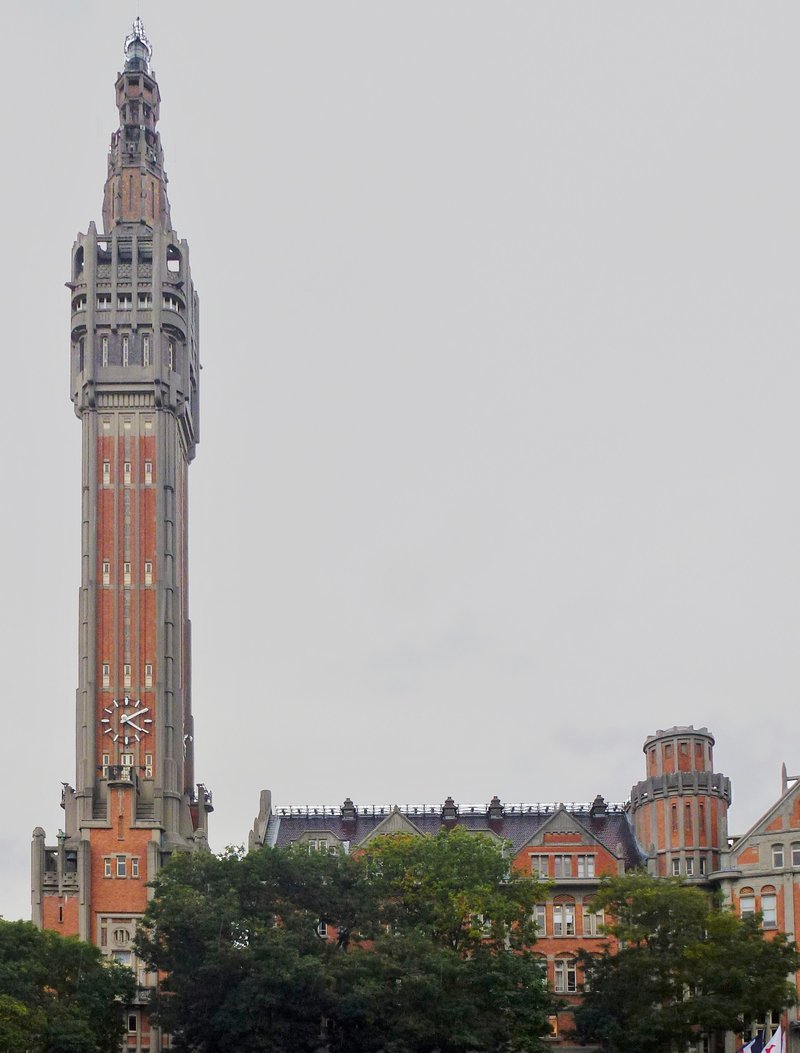
A 104-metre Art Deco belfry completed in 1932 and listed by UNESCO — 415 steps wind past the carillon to a terrace with a 360° panorama over French Flanders. The giants Lydéric and Phinaert, Lille's legendary founders, guard the entrance below.
🏛️ Daily 11:00am - 1:00pm · 2:00pm - 5:30pm
⏰ ~1 hr
⚠️ Tickets are not sold at the door — book in advance.
🚶 14 min · 🚕 7 min → Vieille Bourse
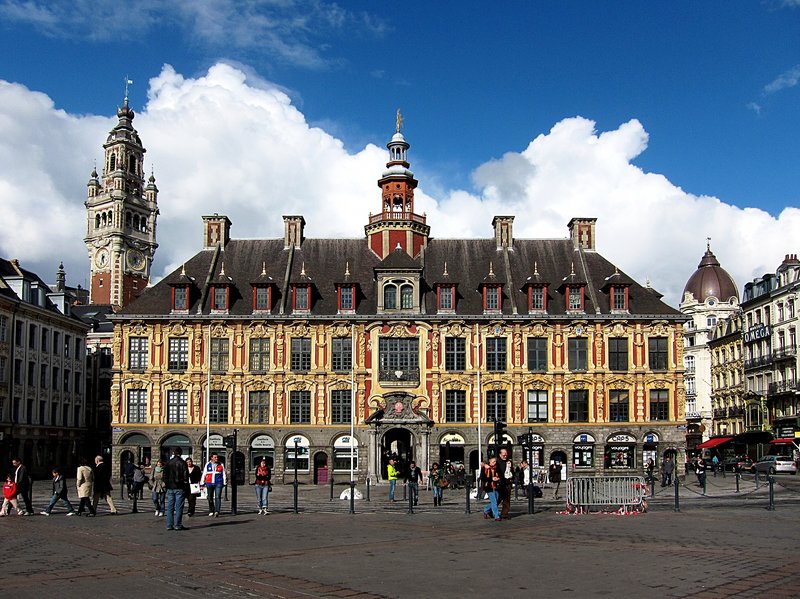
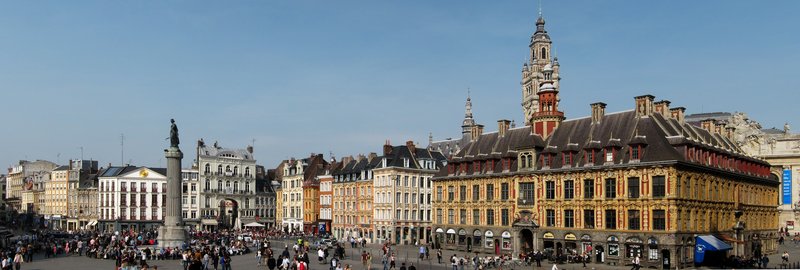
Twenty-four identical Flemish baroque houses built in 1652, arranged around a colonnaded courtyard that once housed the city's cloth trading. Today the inner courtyard runs a daily secondhand book market and afternoon tango on fine days.
🏛️ Tuesday - Sunday 1:00pm - 7:00pm
🚫 Closed Monday
⏰ ~30 min
Free
🚶 1 min · 🚕 2 min → Grand Place
The heart of Lille since the 12th century — a grand square ringed by Flemish baroque façades, the gilded Column of the Goddess at its centre, and the Vieille Bourse closing off the northern side. The square hums day and night with cafés spilling onto the cobbles.
🚶 12 min · 🚕 7 min → hotel
From Hotel: 🚶 26 min · 🚕 7 min → Vieux-Lille
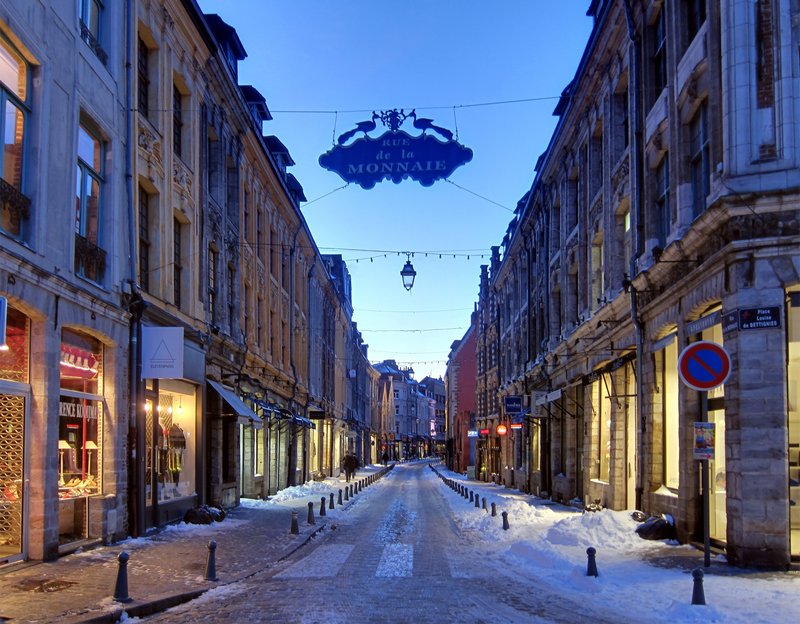
The medieval old quarter — cobblestone lanes lined with 17th-century Flemish brick townhouses, wrought-iron shop signs, and the city's densest concentration of estaminets. Rue de la Monnaie and Rue Esquermoise are the main arteries; the quarter rewards slow wandering.
🚶 7 min · 🚕 3 min → Hospice Comtesse
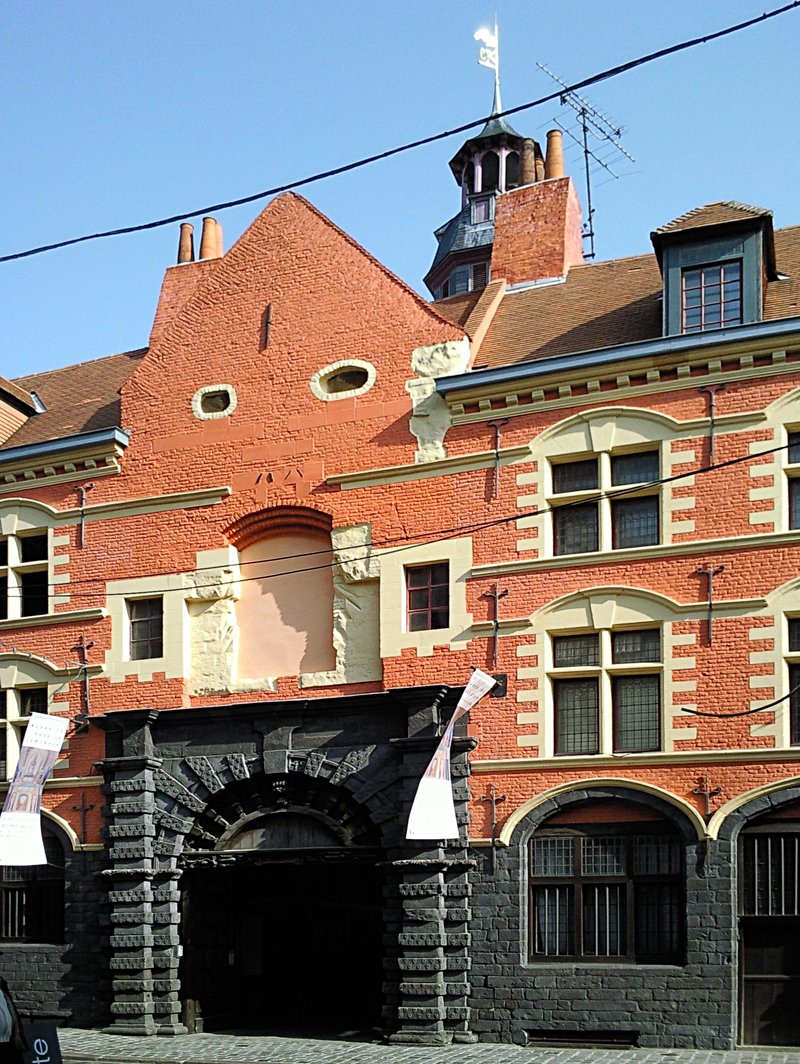
A 13th-century hospital complex founded in 1237 by Countess Jeanne of Flanders. The vaulted Salle des Malades where patients once slept, a 17th-century kitchen with original copper pots still in place, and a chapel decorated with Flemish tiles are all intact and open.
🏛️ Monday 2:00pm - 6:00pm · Wednesday - Sunday 10:00am - 6:00pm
🚫 Closed Tuesday
⏰ ~1 hr
🚶 11 min · 🚕 4 min → Maison Natale de Gaulle
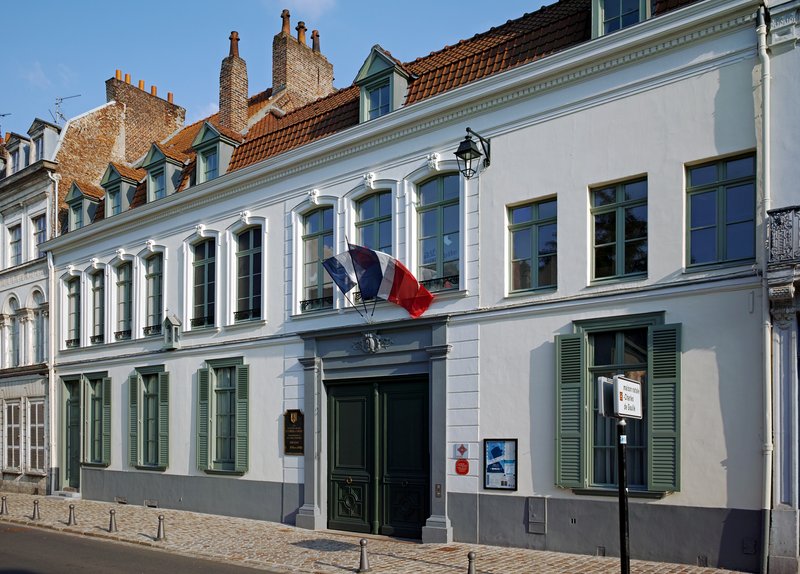
The bourgeois townhouse on rue Princesse where Charles de Gaulle was born on 22 November 1890. Three floors restored to their 1890s appearance hold family furniture, personal letters, photographs, and the general's baptismal robe — the only French presidential birthplace open to the public.
🏛️ Wednesday - Monday 10:00am - 5:00pm
🚫 Closed Tuesday
⏰ ~45 min
🚶 26 min · 🚕 4 min → Citadelle de Lille
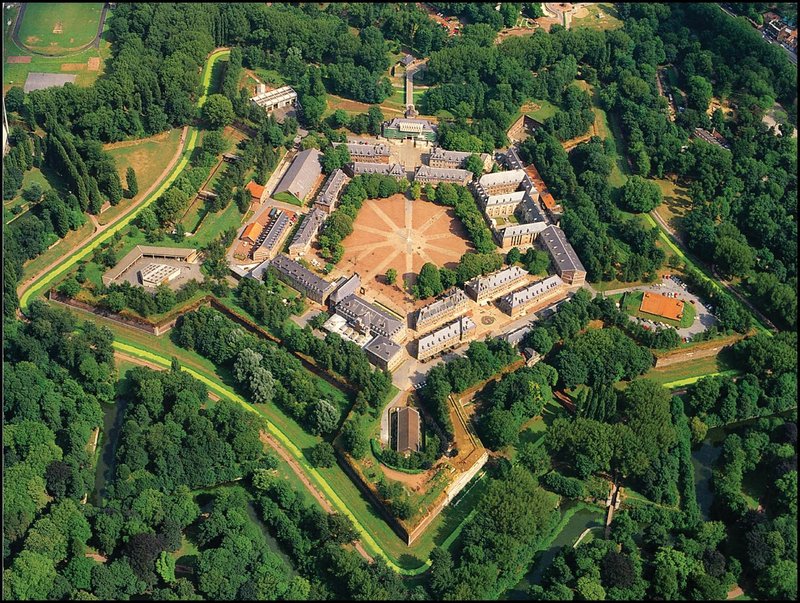
A pentagonal star fortress built for Louis XIV in 1667–70 to Vauban's design — the largest of his works in France. The fortress is an active Army garrison; the surrounding park and the full ramparts circuit are open to the public, giving the clearest ground-level reading of Vauban's five-point geometry.
🏛️ Open 24/7
⏰ ~1 hr
⚠️ Interior accessible only on weekend guided tours — book via the Lille tourism office; exterior park and ramparts free and always open
🚕 22 min → La Piscine
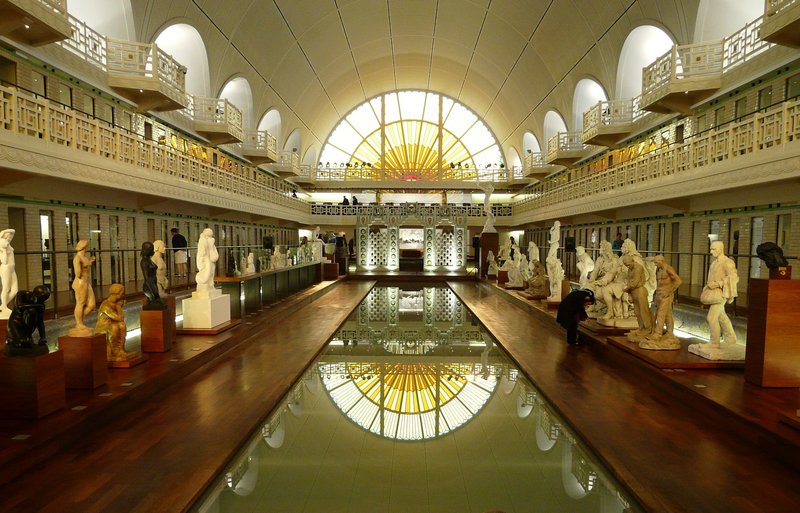
A 1932 Art Deco municipal swimming pool in Roubaix, converted into a museum of art and industry in 2001. The pool basin runs the full length of the nave flanked by tiled alcoves now holding sculpture; daylight falls through a rose window above collections from Rodin to local textile design.
🏛️ Tuesday - Thursday 11:00am - 6:00pm · Friday 11:00am - 8:00pm · Saturday - Sunday 1:00pm - 6:00pm
🚫 Closed Monday
⏰ ~1 hr 30 min
🚕 16 min → hotel
From Hotel: 🚶 7 min · 🚕 3 min → Église Saint-Maurice
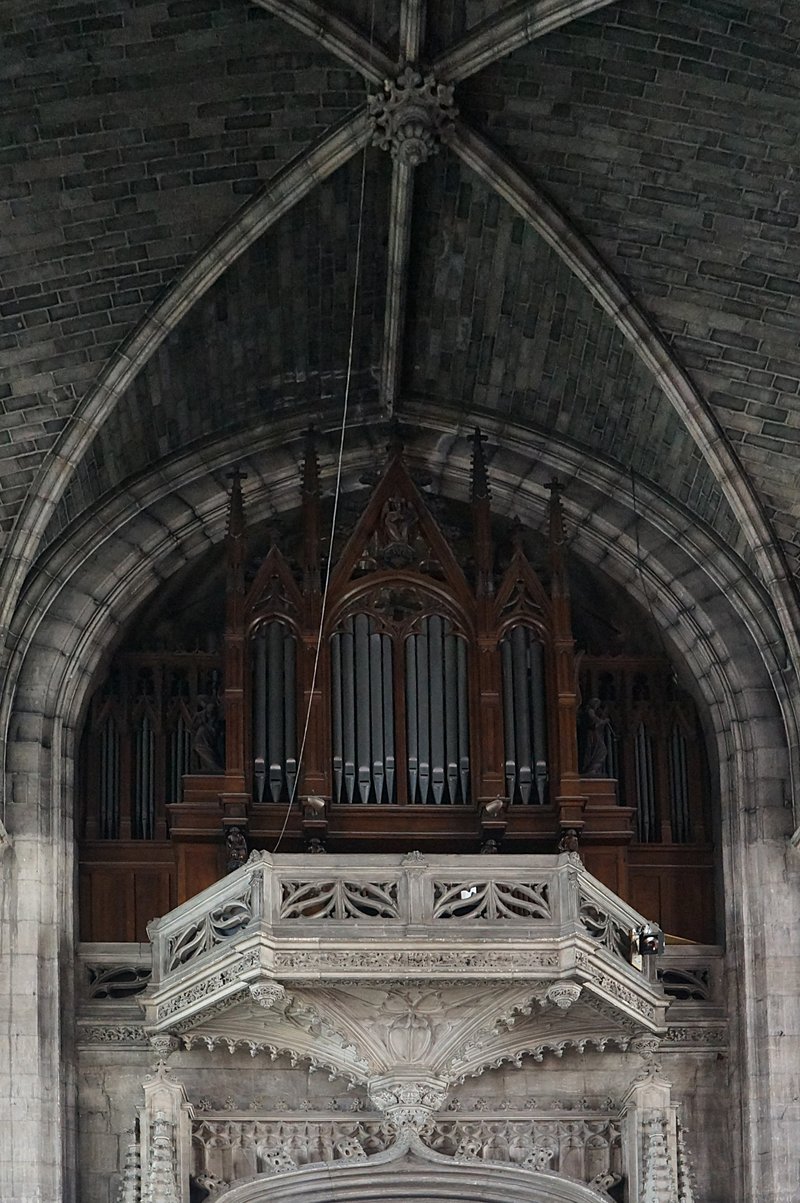
A Gothic hall church whose five naves of equal height give it an unusually wide, light-filled interior — built across more than four centuries from the late 14th century onward. Inside: 17th- and 18th-century paintings, vivid stained glass, and an 1882 organ classified as a Monument Historique.
🏛️ Monday - Friday 11:00am - 6:00pm
🚫 Closed Saturday & Sunday
⏰ ~30 min
Free
🚶 11 min · 🚕 8 min → Notre-Dame-de-la-Treille
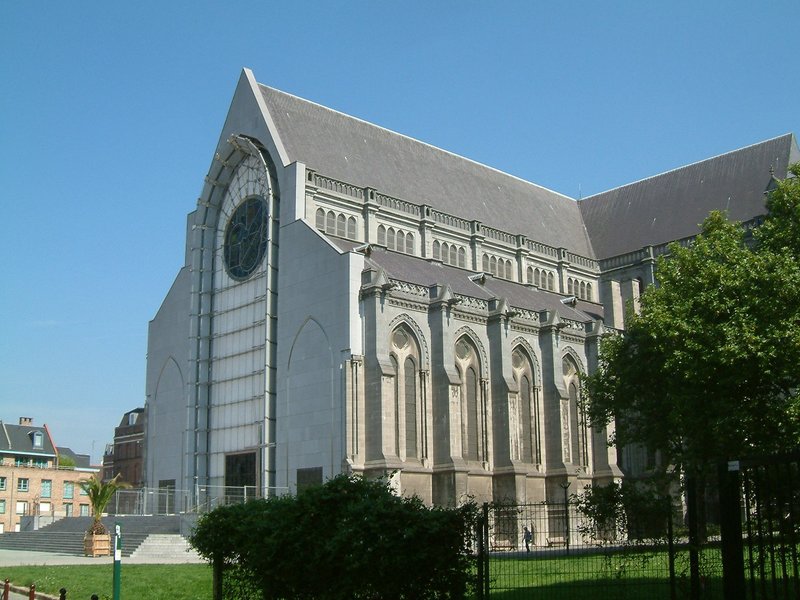
A Gothic Revival cathedral with a bold contemporary west façade in translucent marble — at noon the stone glows amber and the rose window by Ladislas Kijno floods the nave with colour. The crypt houses a Centre d'Art Sacré with rotating religious art and the medieval statue of Our Lady of the Trellis.
🏛️ Daily 10:00am - 6:15pm
⏰ ~45 min
Free
🚕 17 min → LaM
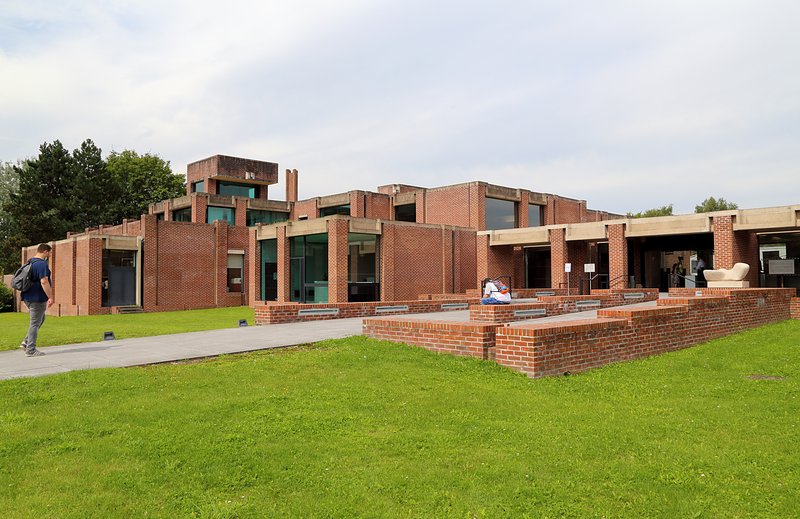
The Lille Métropole Museum of Modern, Contemporary and Outsider Art — the only museum in Europe to show modern art, contemporary art, and Art Brut together. Works by Picasso, Léger, and Modigliani fill the galleries alongside a major Jean Dubuffet Art Brut collection; a large sculpture park wraps the building.
🏛️ Tuesday - Sunday 11:00am - 7:00pm
🚫 Closed Monday
⏰ ~2 hr
🚕 8 min → Villa Cavrois
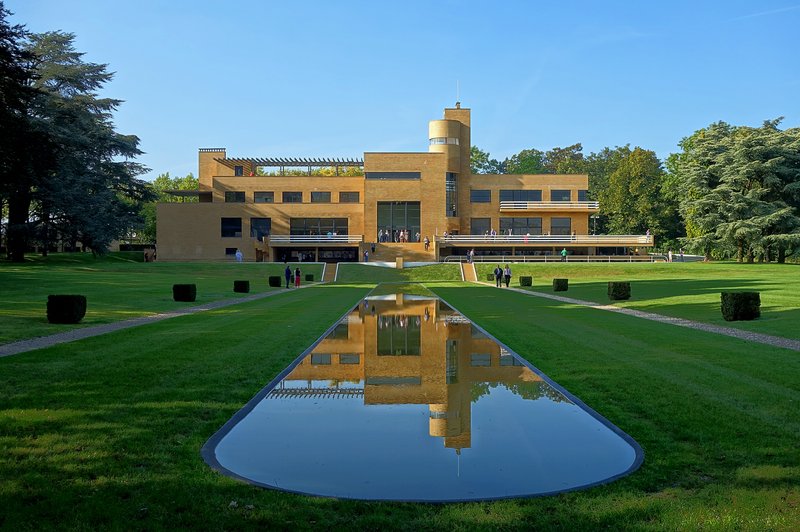
A landmark of French modernism by Robert Mallet-Stevens — long, low yellow-brick volumes over a formal garden and reflecting pool. Abandoned and vandalized for decades, the French State acquired it and the Centre des Monuments Nationaux completed a full restoration before reopening it.
🏛️ Tuesday - Sunday 10:00am - 6:00pm
🚫 Closed Monday
⏰ ~1 hr 30 min
🚕 14 min → hotel
🎩 The City That Kept Getting Transferred
Lille has been passed between powers more times than almost any city in Europe: Flemish county, Spanish Habsburg territory, French annexation under Louis XIV in 1667, briefly occupied by the Austrians in 1708, then French again by treaty a few years later. The fortifications Vauban built after Louis XIV finally secured it still ring the city. But what makes Lille unusual is that it didn't lose its Flemish soul in the process — the Vieille Bourse was built at the height of Spanish rule, the estaminets survived every regime change, and Lille still cooks in beer rather than wine.
Something else emerged from the research: Lille was the first major French city industrialised, and the first to be substantially de-industrialised. The same textile mills that made it France's Manchester in the 1800s became abandoned wastelands by the 1970s. The city responded by turning the dereliction into culture — Euralille, a bold new quarter by Rem Koolhaas, was built in the early 1990s literally on top of the old rail yards, and Lille's 2004 European Capital of Culture programme turned empty factory buildings into arts venues. The Vieille Bourse and the béguinage you pass in Vieux-Lille are 350 years old. Euralille is 30. Both feel completely at home.