From Hotel: 🚕 7 min → Musical Instrument Museum
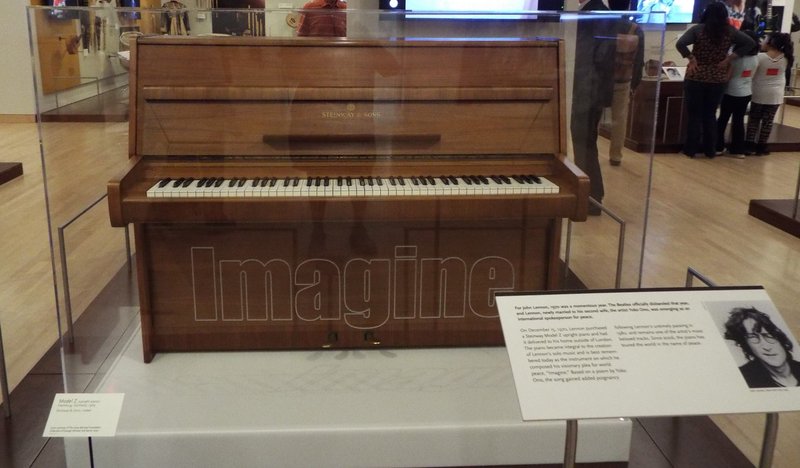
The largest musical instrument museum in the world, opened April 2010. Five geographic galleries display 6,800+ instruments from nearly 200 countries. Wireless headphones activate at each exhibit, playing live video of local musicians. The Experience Gallery lets visitors play instruments from around the globe.
🏛️ Daily 9:00am - 5:00pm
⏰ ~2 hrs
🚕 42 min → Taliesin West
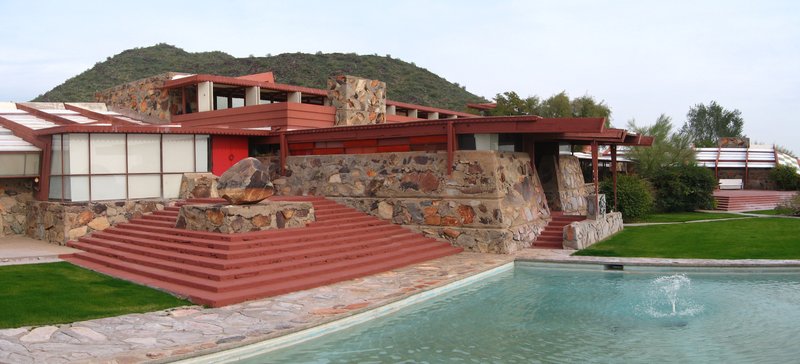
Frank Lloyd Wright's winter home and school, built from 1937 using desert masonry — local stone, sand, and wood with canvas roof panels across 36 acres in the McDowell Mountain foothills. Inscribed as a UNESCO World Heritage Site in 2019, one of eight Wright buildings on the list.
🏛️ Thursday - Monday 9:00am - 12:00pm
🚫 Closed Tuesday & Wednesday
⏰ ~2 hrs
🚶 15 min · 🚕 5 min → Camelback Mountain – Echo Canyon Trail
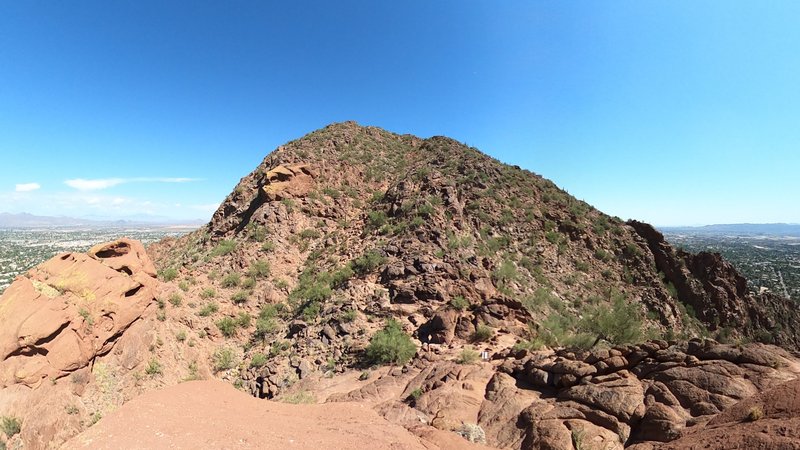
Tallest peak within the city at 2,704 feet. The Echo Canyon Trail is 2.6 miles out-and-back with 1,522 feet of gain on Precambrian red sandstone, requiring steel handrails near the summit. Fully exposed, no shade. The 360° summit panorama covers the entire Valley of the Sun.
🚕 22 min → hotel
From Hotel: 🚕 30 min → S'edav Va'aki Museum
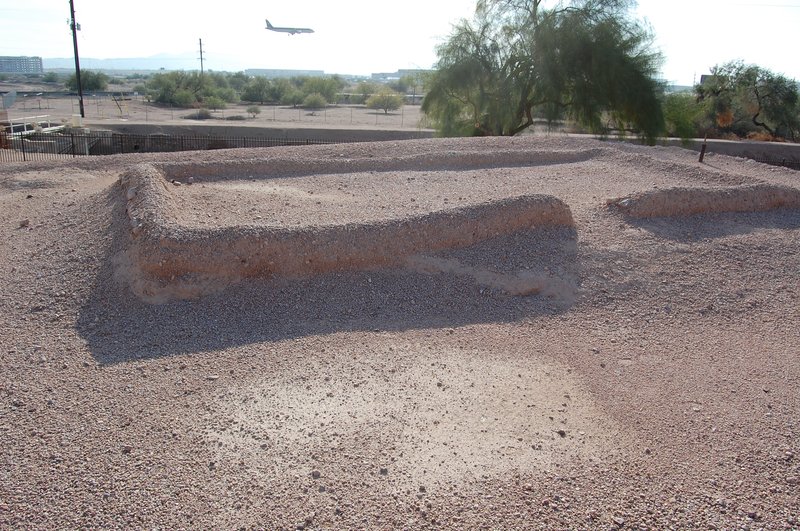
Hohokam platform mound occupied from approximately 450 CE to 1450 CE, one of the best-preserved ancient sites in the Sonoran Desert and a National Historic Landmark. Features a reconstructed ballcourt, Hohokam pithouse replicas, and 800-year-old irrigation canals on the outdoor trail.
🏛️ Thursday - Saturday 9:00am - 2:00pm · Monday 9:00am - 2:00pm
🚫 Closed Tuesday, Wednesday & Sunday
⏰ ~1 hr 30 min
🚕 12 min → Desert Botanical Garden
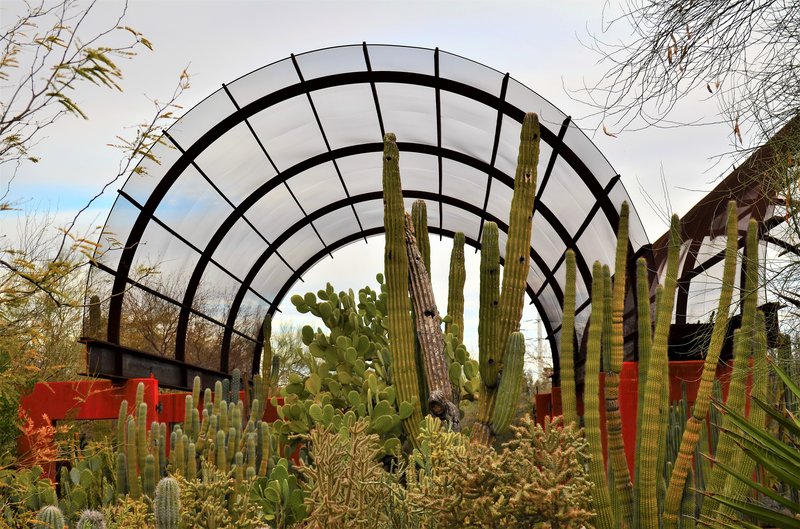
Set in Papago Park since 1939, the garden holds 50,000+ plants across 4,000 taxa — one of the world's largest desert collections. A third are native; 139 species are rare or threatened. Five trails wind through towering saguaros and Dale Chihuly glass sculptures. Arrive before 9am.
🏛️ Daily 7:00am - 8:00pm
⏰ ~2 hrs
🚕 34 min → Heard Museum
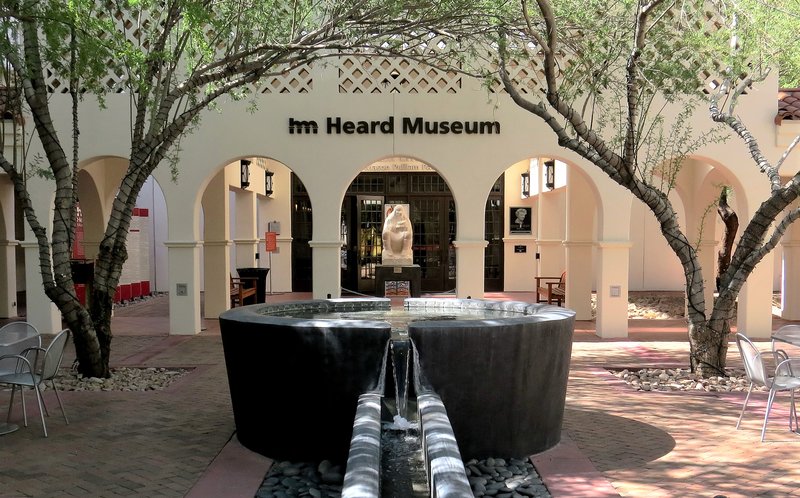
Founded in 1929, the Heard holds 40,000+ objects documenting American Indian art from the Southwest. Twelve galleries include the 437-piece Barry Goldwater Hopi kachina collection and the American Indian Veterans National Memorial. Free guided tours run daily at 10:30am, noon, 1pm, and 2:30pm.
🏛️ Daily 10:00am - 4:00pm
⏰ ~2 hrs
🚕 42 min → South Mountain Park – Dobbins Lookout
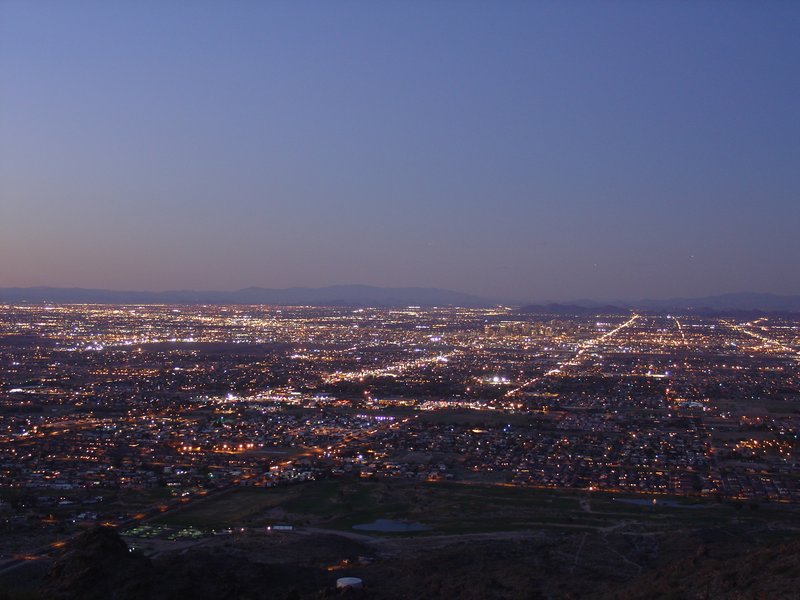
One of the largest municipal parks in the United States at 16,000+ acres. Dobbins Lookout at 2,330 feet is the highest paved overlook in the park, accessible by both car and trail. The CCC-built stone shelter, completed in 1940, frames a 360° panorama across the Valley of the Sun.
🏛️ Daily 5:00am - 11:00pm
⏰ ~1 hr 30 min
🚕 20 min → hotel
From Hotel: 🚶 10 min · 🚕 3 min → Rosson House Museum
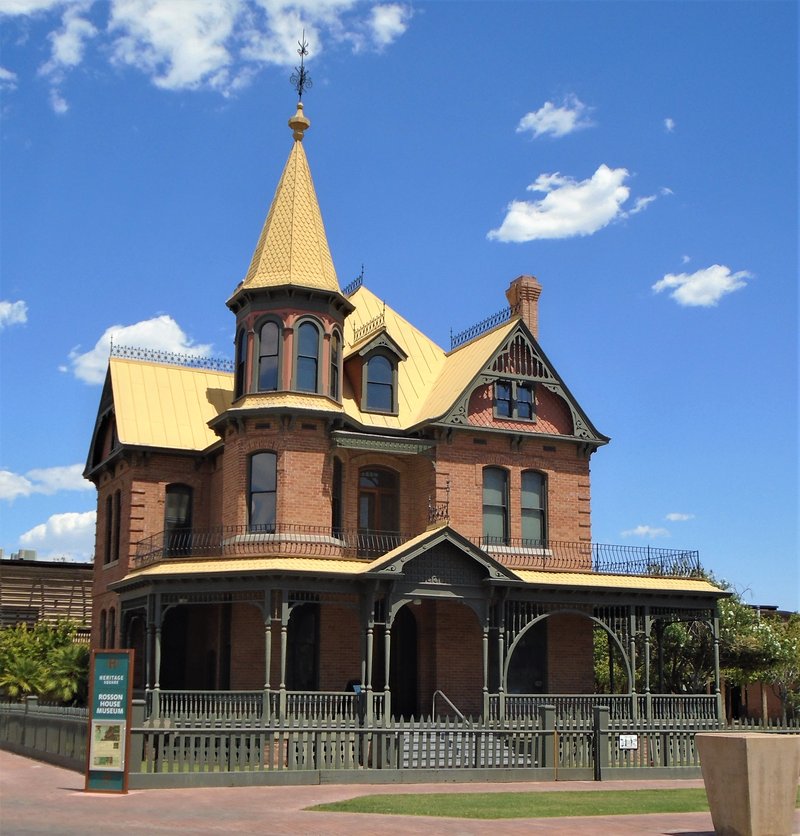
A fully restored 1895 Queen Anne Victorian built for Dr. Roland Rosson, a physician who served as mayor of Phoenix, and his wife Flora. Designed by architect A.P. Petit with a corner turret and wraparound veranda, it anchors Heritage Square — the last residential block of the original 1870s Phoenix townsite.
🏛️ Friday - Saturday 10:00am - 3:00pm · Sunday 12:00pm - 4:00pm
🚫 Closed Monday, Tuesday, Wednesday & Thursday
⏰ ~1 hr
🚕 15 min → Tovrea Castle at Carraro Heights
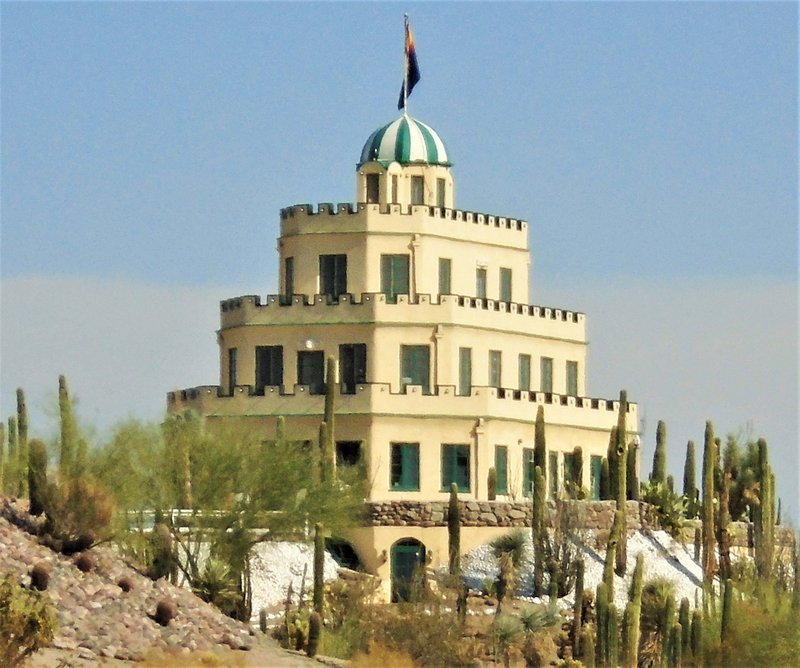
The "Wedding Cake" — a tiered stucco landmark built from 1929 to 1931 by Italian immigrant Alessio Carraro as the centerpiece of a planned desert resort. E.A. and Della Tovrea bought it in 1931 as their home. The hilltop is ringed by one of the Southwest's largest cactus gardens — over 5,000 plants.
🏛️ Friday - Sunday 8:00am - 1:00pm
🚫 Closed Monday, Tuesday, Wednesday & Thursday
⏰ ~1 hr 30 min
⚠️ Tour tickets are distributed by advance lottery and sell out months ahead
🚕 8 min → Hole-in-the-Rock
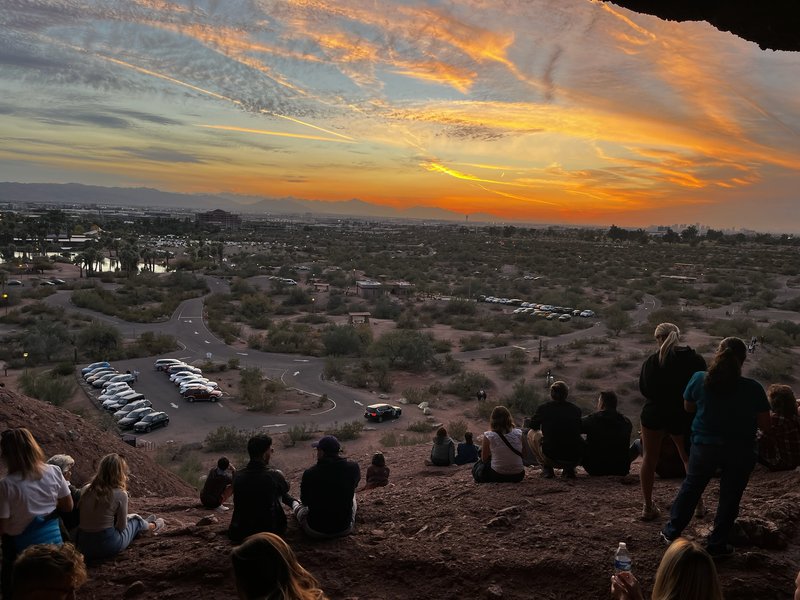
A natural opening eroded through a butte of red sandstone in Papago Park, shaped over millions of years by wind and water. The Hohokam recorded the sunlight passing through the openings to mark the solstices and equinoxes. A short scramble up the rock reaches the chamber and a wide view west across the city.
🏛️ Daily 5:00am - 7:00pm
⏰ ~45 min
Free
🚕 16 min → Wrigley Mansion
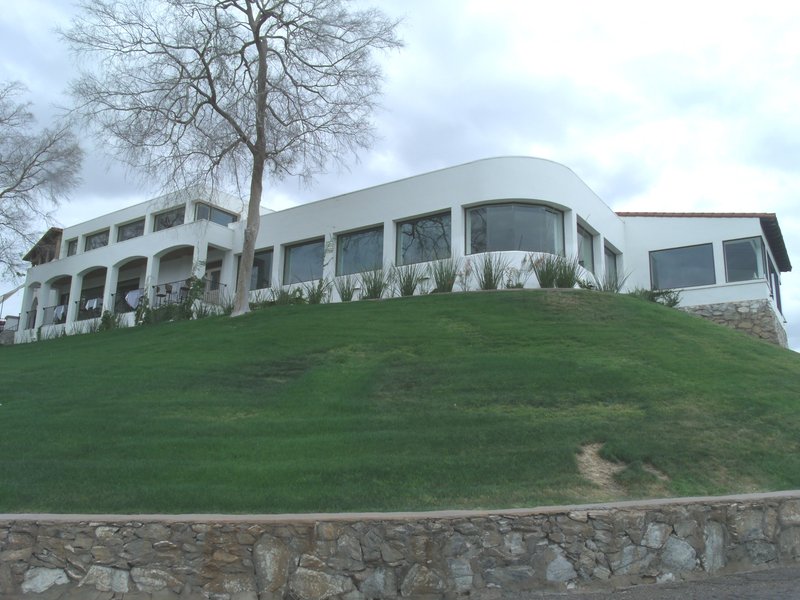
The 24-room hilltop home chewing-gum magnate William Wrigley Jr. built between 1929 and 1931 as a gift for his wife Ada. Spanish Colonial Revival in style, it crowns a 100-foot knoll beside the Arizona Biltmore with sweeping views over the valley. Much of the tilework came from Wrigley's works on Catalina Island.
🏛️ Wednesday - Saturday 2:00pm - 4:15pm
🚫 Closed Sunday, Monday & Tuesday
⏰ ~1 hr
🚕 15 min → hotel
💧 The Canal Routes Phoenix Still Uses Are About 1,000 Years Old
The Hohokam who built the platform mound at S'edav Va'aki dug hundreds of miles of irrigation canals across the Salt River Valley by hand, using no metal tools, and engineered them precisely enough to move water across a floodplain with virtually no modern surveying equipment. When the village was officially renamed — replacing the Spanish word "pueblo" with the O'odham S'edav Va'aki, meaning roughly "central ceremonial house," a nod to the site's position within that same canal network — it wasn't just a linguistic correction. Central Arizona's modern water utility still routes a significant share of its canals along those exact original alignments; the ditches that turned this stretch of Sonoran Desert into farmland a millennium ago are, in large part, the same ones still doing the job today.
The 437 kachina dolls in the Heard Museum's collection arrived with an unlikely donor. Barry Goldwater — Arizona's senator and, that same year, the Republican Party's nominee for president — gave his Hopi katsina collection to the museum in 1964, the same election cycle that made him a national conservative icon. Decades before the campaign, Goldwater had spent years photographing and studying Hopi ceremonial life across the reservation, and the dolls he handed over remain one of the most complete documentary collections of Hopi religious carving anywhere, donated by a man better remembered for a landslide presidential defeat than for his ethnographic fieldwork.