From Hotel: 🚶 8 min · 🚕 2 min → Uptown Sedona
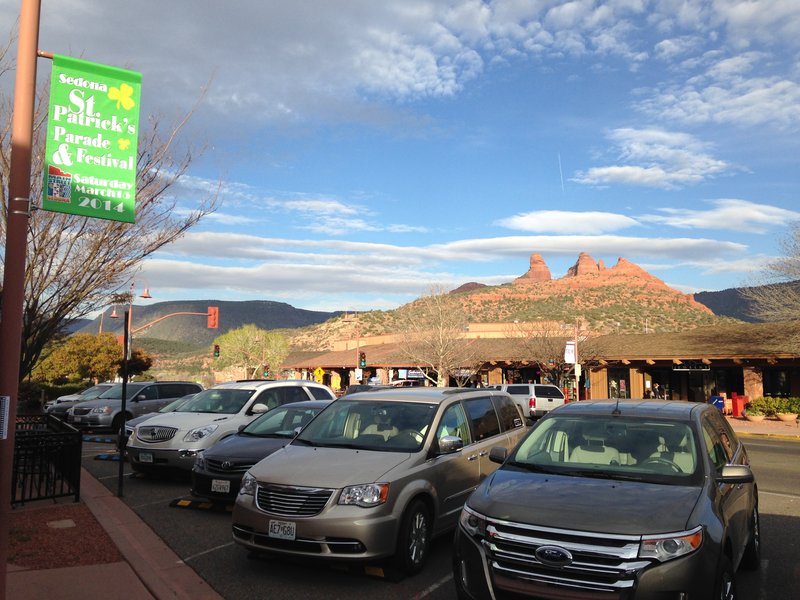
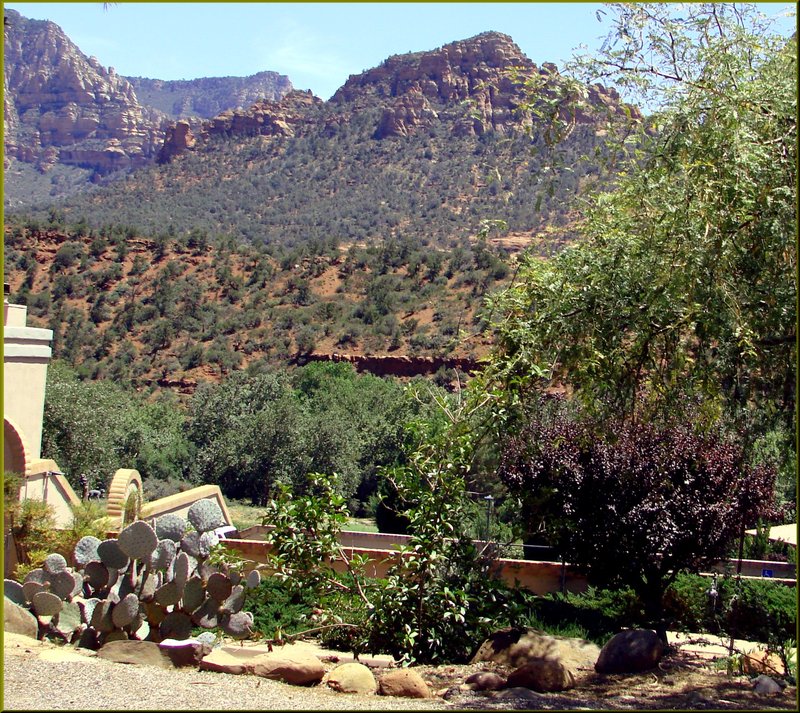
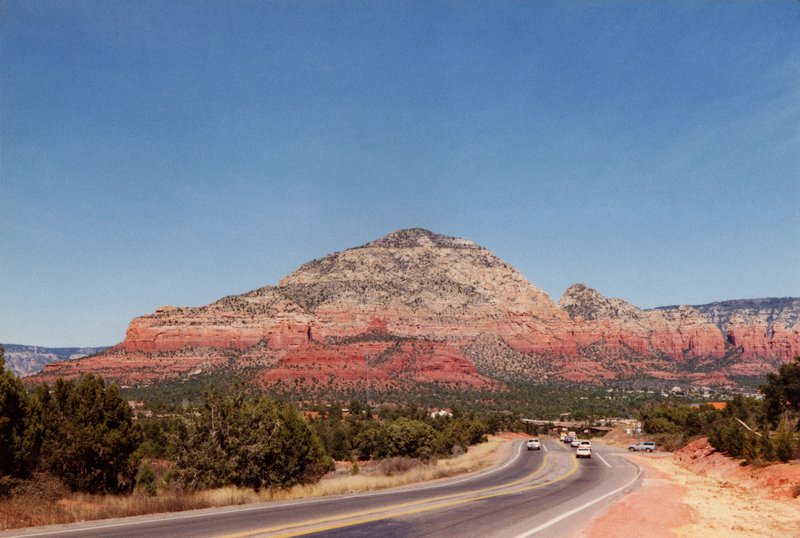
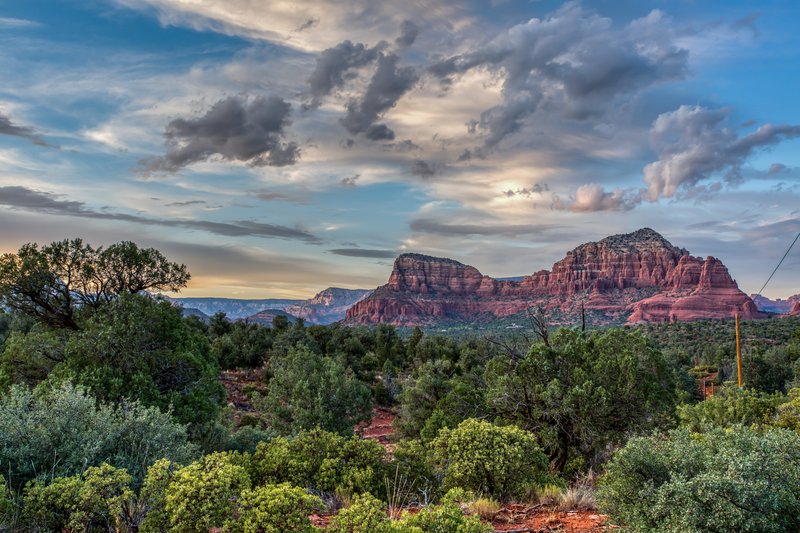
The heart of Sedona's art and shopping district, featuring galleries, boutiques, and restaurants with red rock backdrops. Shops line Highway 89A with viewpoints of the distinctive formations.
🏛️ Daily 10:00am - 6:00pm
⏰ ~2 hr
Free
🚶 15 min · 🚕 3 min → Art Galleries
Over 80 galleries showcase contemporary art, Native American crafts, and local artists. Clustered on Gallery Row and throughout the downtown area, ranging from fine art to affordable pieces.
🏛️ Daily 10:00am - 5:30pm
⏰ ~1 hr 30 min
Free
🚶 12 min · 🚕 3 min → Tlaquepaque
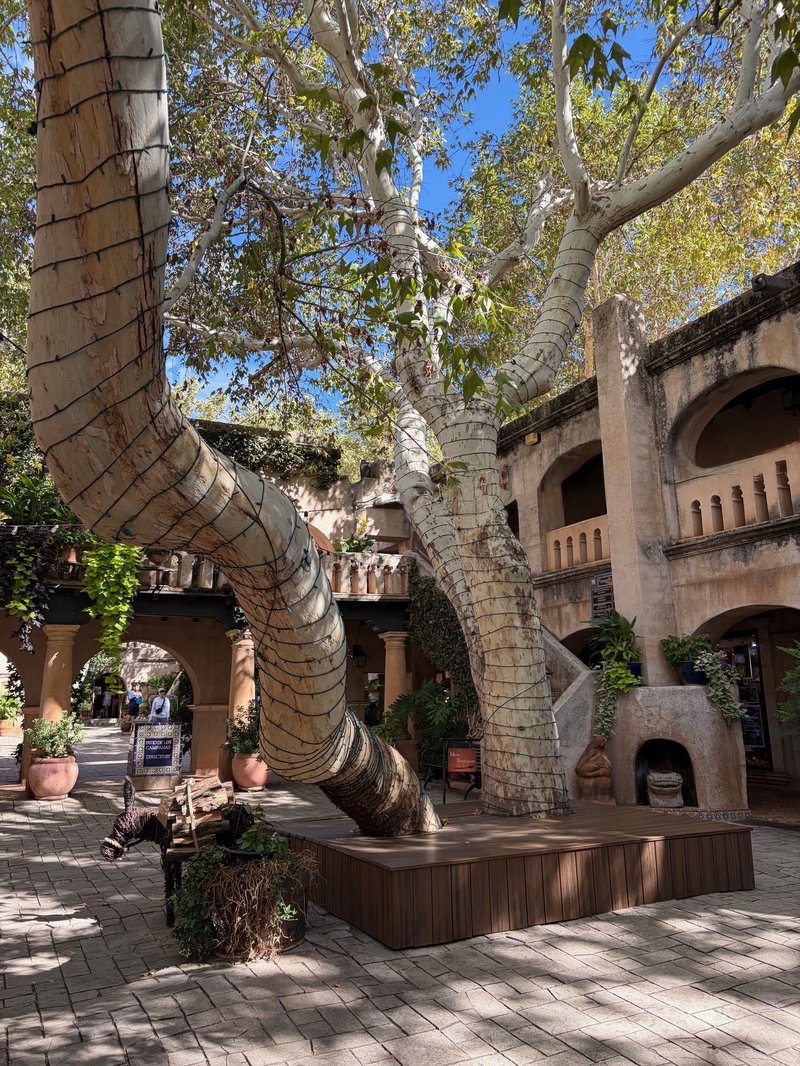
A Mexican colonial-style shopping village with 40+ galleries, studios, and shops featuring Native American and Mexican crafts, jewelry, pottery, and artwork. The courtyard includes fountains, patios, and dining options.
🏛️ Daily 10:00am - 5:00pm
⏰ ~2 hr
Free
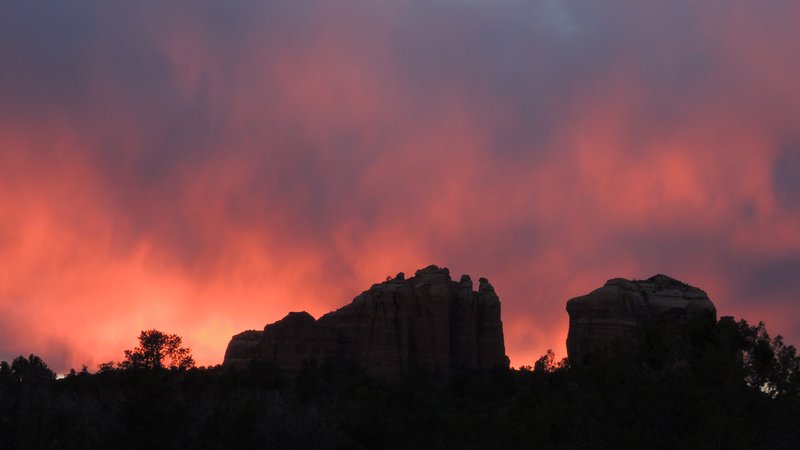
🚕 5 min → Cathedral Rock
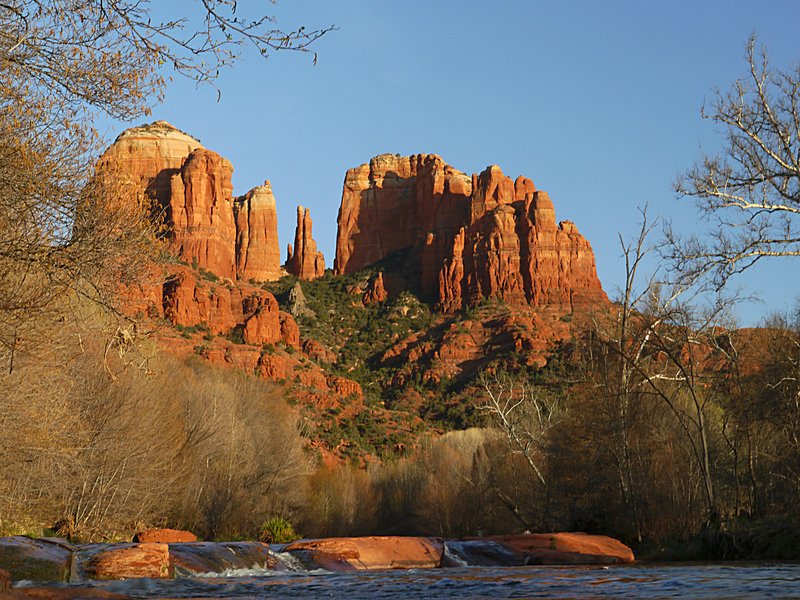
One of Sedona's most-photographed formations, this 1.2-mile out-and-back hike ascends 400 feet to overlooks with 360-degree views of red rocks and valleys. Trail ends at Cathedral Rock's peak.
🏛️ Daily 6:00am - 8:00pm
⏰ ~1 hr 30 min
Free
🚶 25 min · 🚕 6 min → hotel
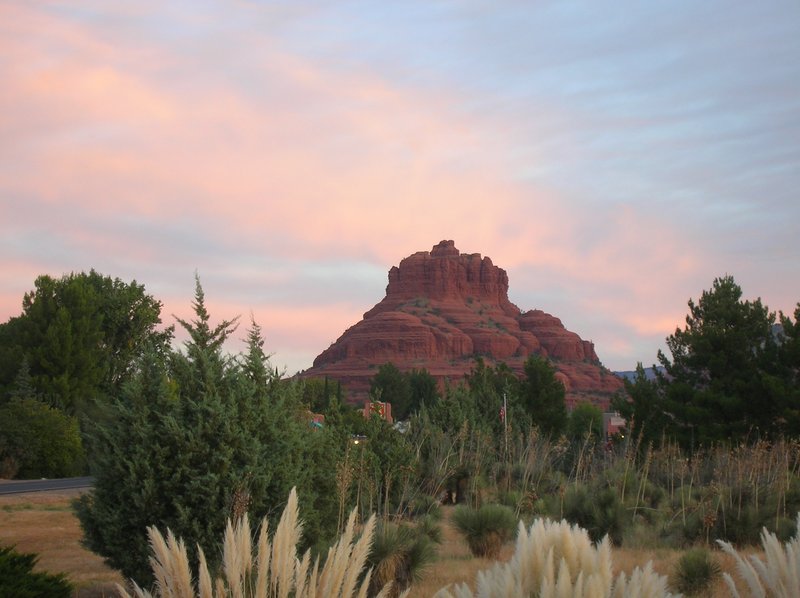
From Hotel: 🚶 8 min · 🚕 2 min → Bell Rock Pathway Trail
A 3.6-mile loop trail around Bell Rock, one of Sedona's most distinctive formations. Well-maintained trail with constant butte views and multiple loop options for varying difficulty levels.
🏛️ Daily 6:00am - 8:00pm
⏰ ~2 hr
Free
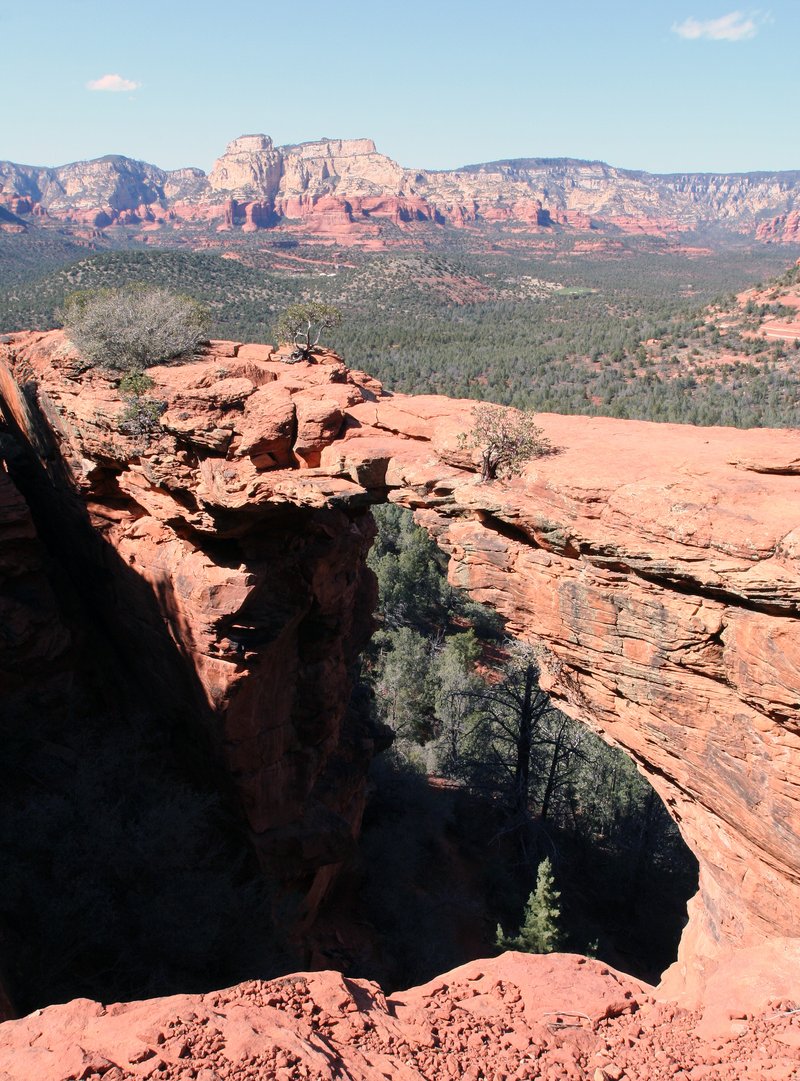
🚶 20 min · 🚕 4 min → Devil's Bridge
A 4.4-mile out-and-back hike to Arizona's largest natural sandstone arch. The trail winds through red rocks and passes directly under the 65-foot arch bridge for views and photography.
🏛️ Daily 6:00am - 8:00pm
⏰ ~2 hr 30 min
Free
🚕 10 min → Red Rock Crossing
A creek-side area at Oak Creek where Cathedral Rock reflects in the water. Short walk from parking to the creek bank with views of the formation and access to wade in the creek during summer.
🏛️ Daily 6:00am - 8:00pm
⏰ ~1 hr
Free
🚕 6 min → Sunset Dinner
Restaurants in Uptown offer outdoor seating with red rock views during golden hour. Book outdoor tables in advance for the 6:00pm - 7:30pm window. Reservations recommended.
🏛️ Daily 5:00pm - 9:30pm
⏰ ~2 hr
🚶 25 min · 🚕 6 min → hotel
From Hotel: 🚕 15 min → Oak Creek Canyon Scenic Drive
A 14-mile drive along Route 89A north of Sedona with switchbacks, overlooks, and canyon wall views. Multiple pullouts offer photo stops and short walks to viewpoints above the canyon floor.
🚕 8 min → Airport Mesa
A mesa above the city with a 3.5-mile loop trail offering 360-degree views of the red rock formations and valley. One of four recognized vortex sites with a paved overlook accessible from the parking area.
🏛️ Daily 6:00am - 8:00pm
⏰ ~1 hr
Free
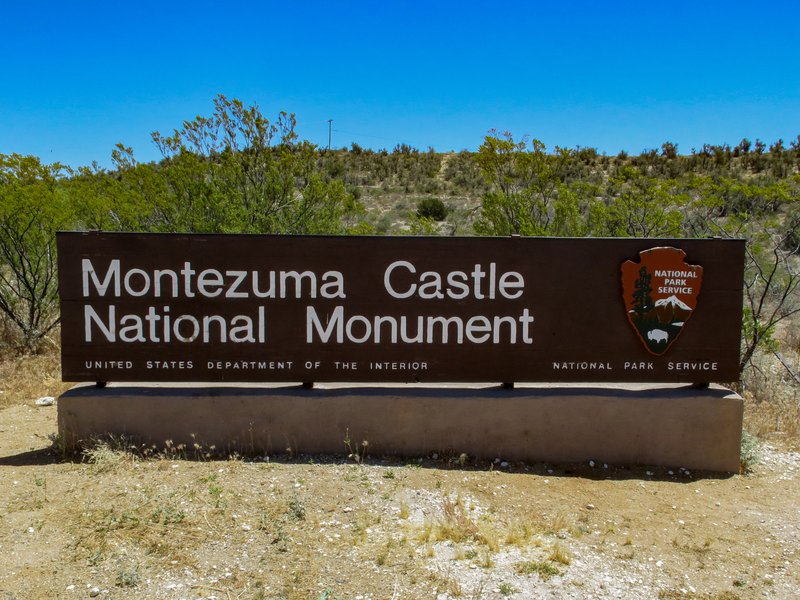
🚕 25 min → Montezuma Castle
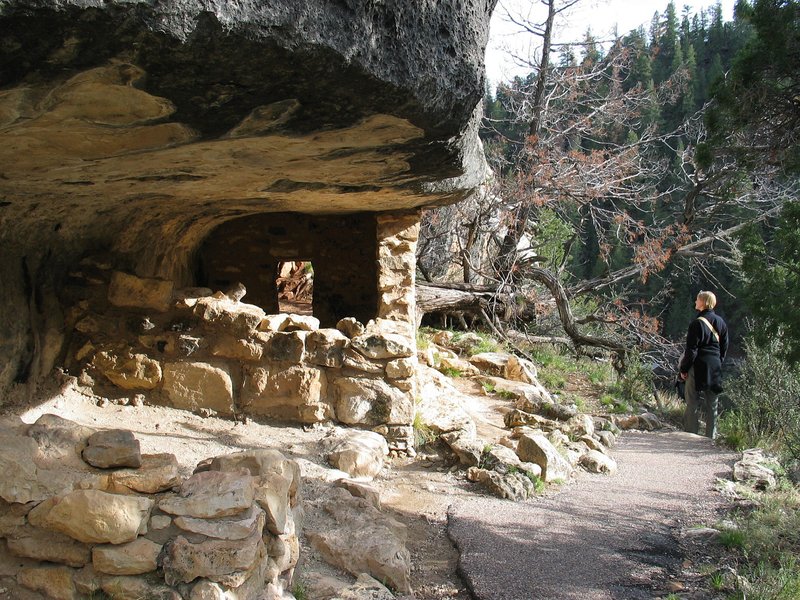
Well-preserved 12th-century cliff dwellings built by the Sinagua people. A 0.75-mile easy trail loops past the main 5-story cliff dwelling with interpretive plaques explaining the ancient inhabitants.
🏛️ Daily 8:00am - 5:00pm
⏰ ~1 hr
Free
🚕 8 min → Walnut Canyon
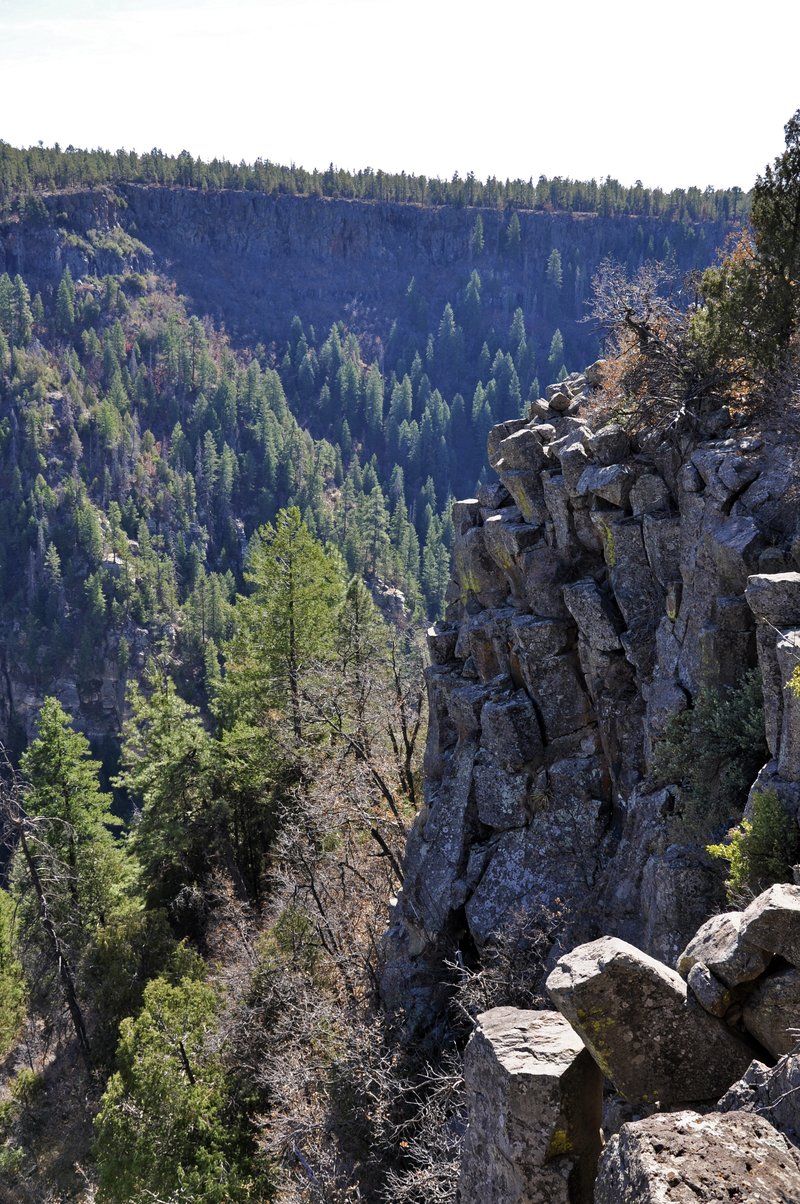
A scenic canyon with a 1-mile trail descending past cliff dwellings through a walnut grove. Shade from trees and views of ancient structures line the path. No permit required.
🏛️ Daily 8:00am - 5:00pm
⏰ ~1 hr 30 min
Free
🚕 30 min → hotel
🏺 A Cliff Dwelling Misnamed, a Village Built From Scratch
Montezuma Castle has nothing to do with Montezuma. Soldiers who came through the Verde Valley in 1864 saw the five-story cliff dwelling and, familiar with the Aztec empire from the Mexican War, assumed only an Aztec civilization could have built something so advanced — so they named it after the Aztec emperor. The structure was actually built between 1100 and 1350 by the Sinagua, a farming people with no connection to the Aztecs, and Montezuma himself almost certainly never set foot anywhere near Arizona. The name stuck anyway and the National Park Service still uses it today.
Tlaquepaque, by contrast, was never trying to be an ancient ruin — it was built to look like one. Nevada developer Abe Miller spent two years persuading the landowners to sell him their sycamore grove, promising to build around the trees rather than clear them, then hired an architect who took him on a research trip through small-town Mexico before laying a single brick. The construction crew was made up of amateur, self-taught plasterers given full creative freedom — if they weren't happy with a wall, Miller let them tear it down and redo it. The result, opened in 1973, was designed from the start to feel decades older than it is.