QUÉBEC CITY
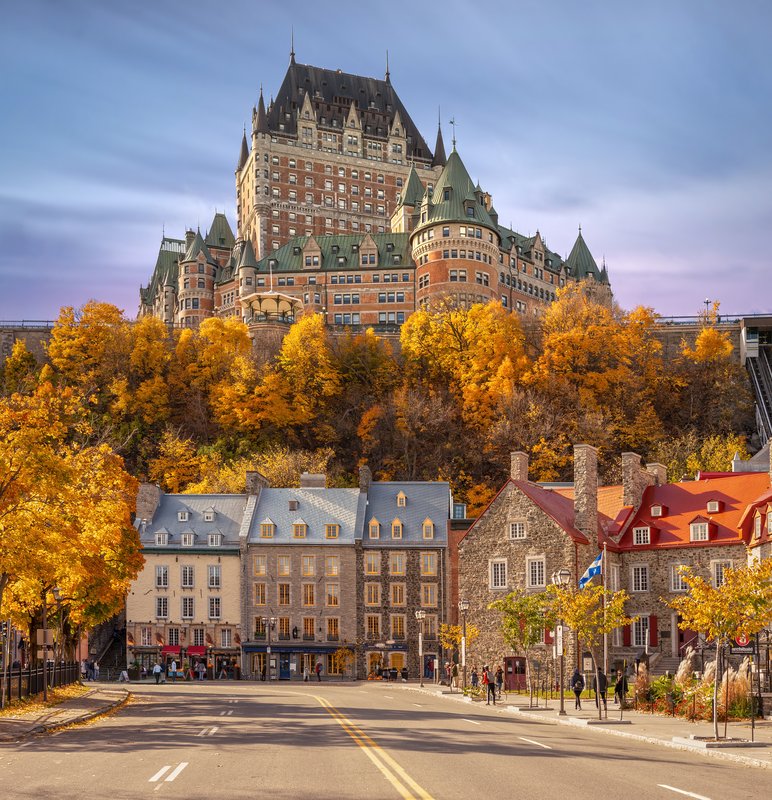
Fairmont Le Château Frontenac
Canada
From Hotel: 🚶 2 min · 🚕 2 min → Fortifications of Québec
1. Fortifications of Québec
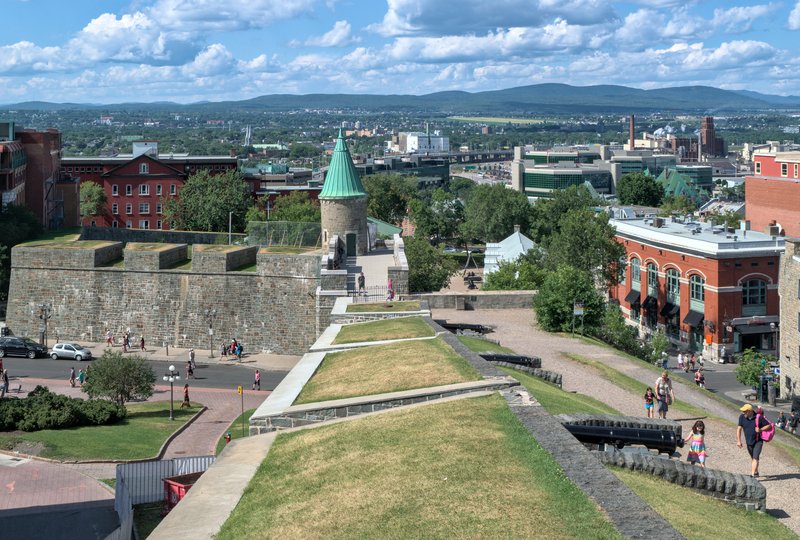
The only remaining intact fortified city north of Mexico — 4.6 km of walls and gates enclosing Old Quebec, a UNESCO World Heritage Site. The four main gates — Saint-Louis, Saint-Jean, Kent, and Prescott — remain standing. The promenade along the walls connects all four gates with views over Upper and Lower Town.
🚶 5 min · 🚕 2 min → La Citadelle
2. La Citadelle
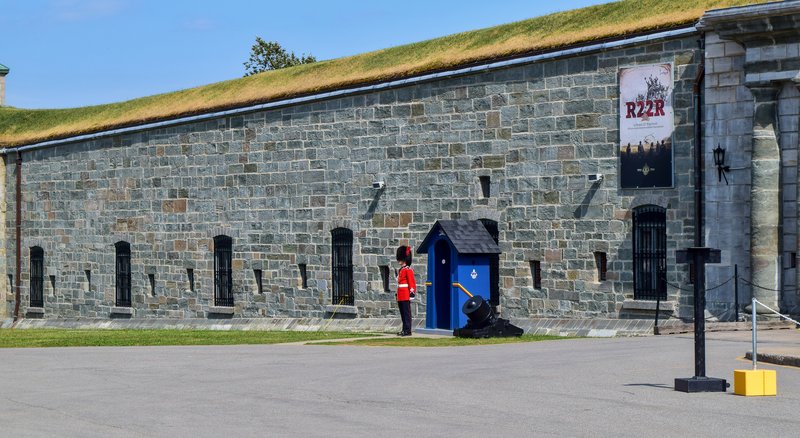
An active Canadian Forces garrison — the largest British fortification ever built in North America. Construction began in 1820 on fortifications dating to 1693. The summer Changing of the Guard runs daily at 10:00am with the Royal 22nd Regiment. The museum holds regimental history and 18th-century military artifacts.
🏛️ Daily 9:00am - 5:00pm
⏰ ~1.5 hr
🚶 11 min · 🚕 3 min → Observatoire de la Capitale
3. Observatoire de la Capitale
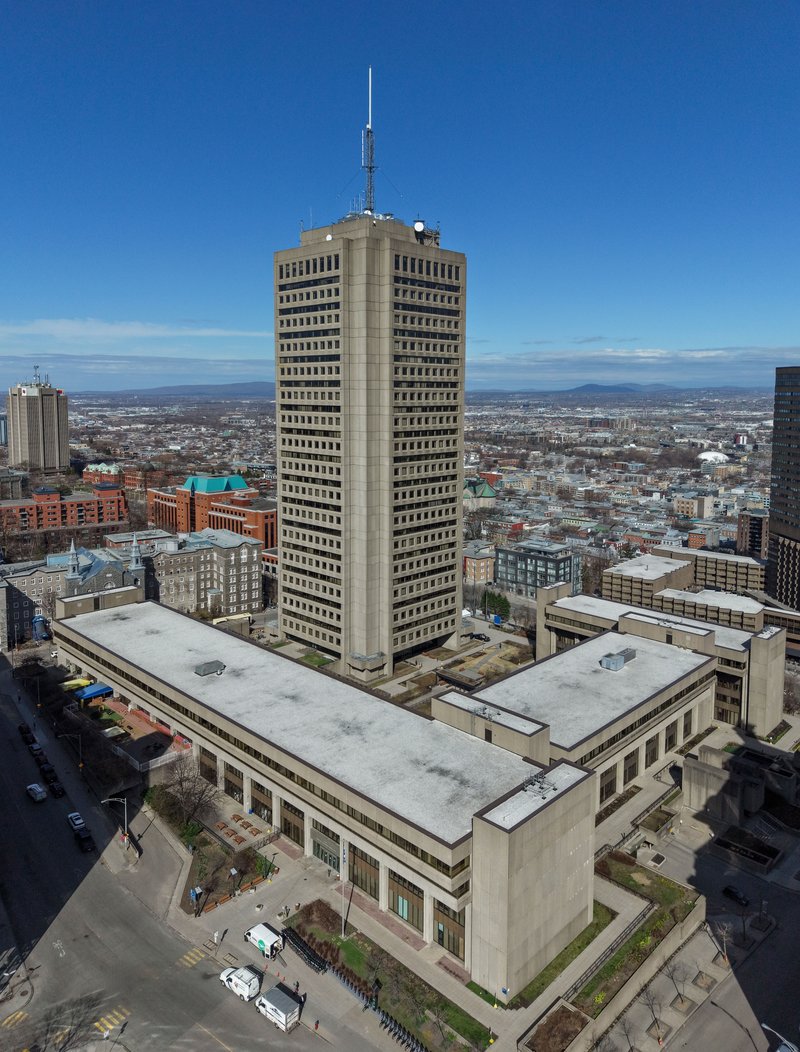
A 360° observation deck on the 31st floor of the Marie-Guyart building — the tallest building in Québec City. Panoramic views reach from Old Quebec and the St. Lawrence to the Laurentian Mountains. The Parliament Building, the walled city, and the Lévis ferry terminal are all visible.
🏛️ Tuesday - Sunday 10:00am - 5:00pm
🚫 Closed Monday
⏰ ~1 hr
🚶 5 min · 🚕 3 min → hotel
From Hotel: 🚶 15 min · 🚕 5 min → Funiculaire du Vieux-Québec
1. Funiculaire du Vieux-Québec
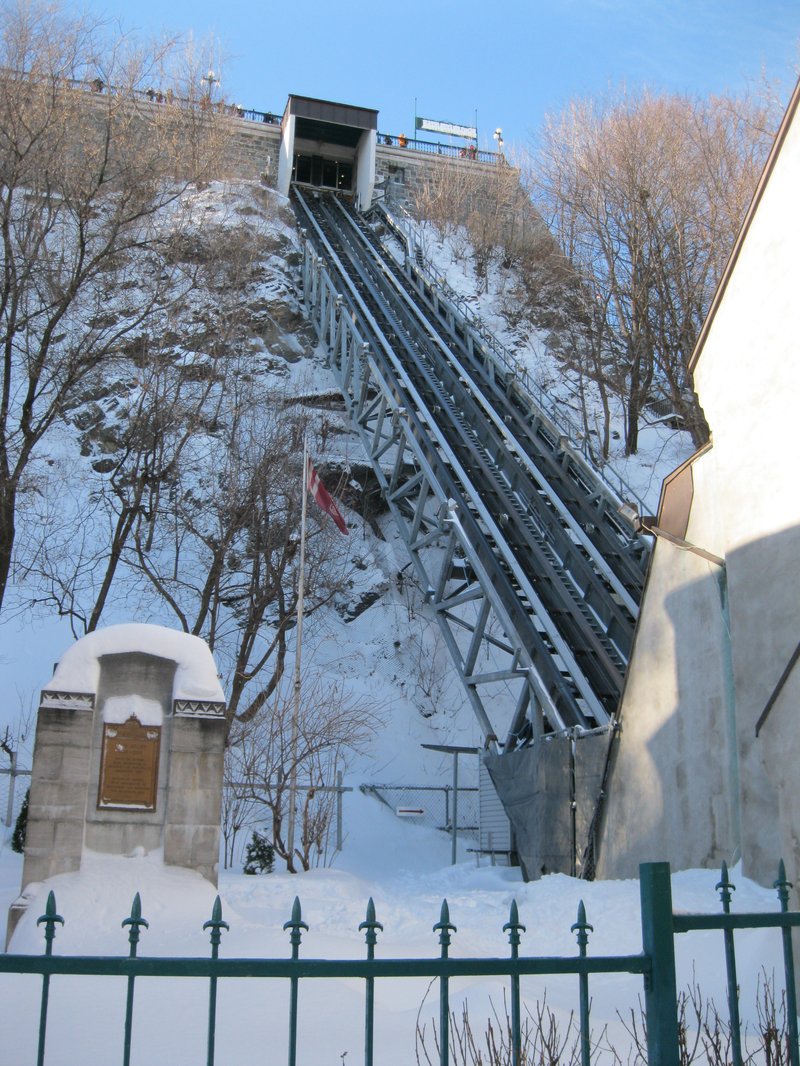
A cable-operated incline railway linking Terrasse Dufferin at the top of the Cap-Diamant cliff with rue du Petit-Champlain in the Lower Town — a 64-metre descent. In operation since 1879, the glass-walled cabin descends in two minutes with views across the Lower Town rooftops.
🏛️ Daily 7:30am - 11:00pm
⏰ ~15 min
🚶 1 min · 🚕 2 min → Escalier Casse-Cou
2. Escalier Casse-Cou
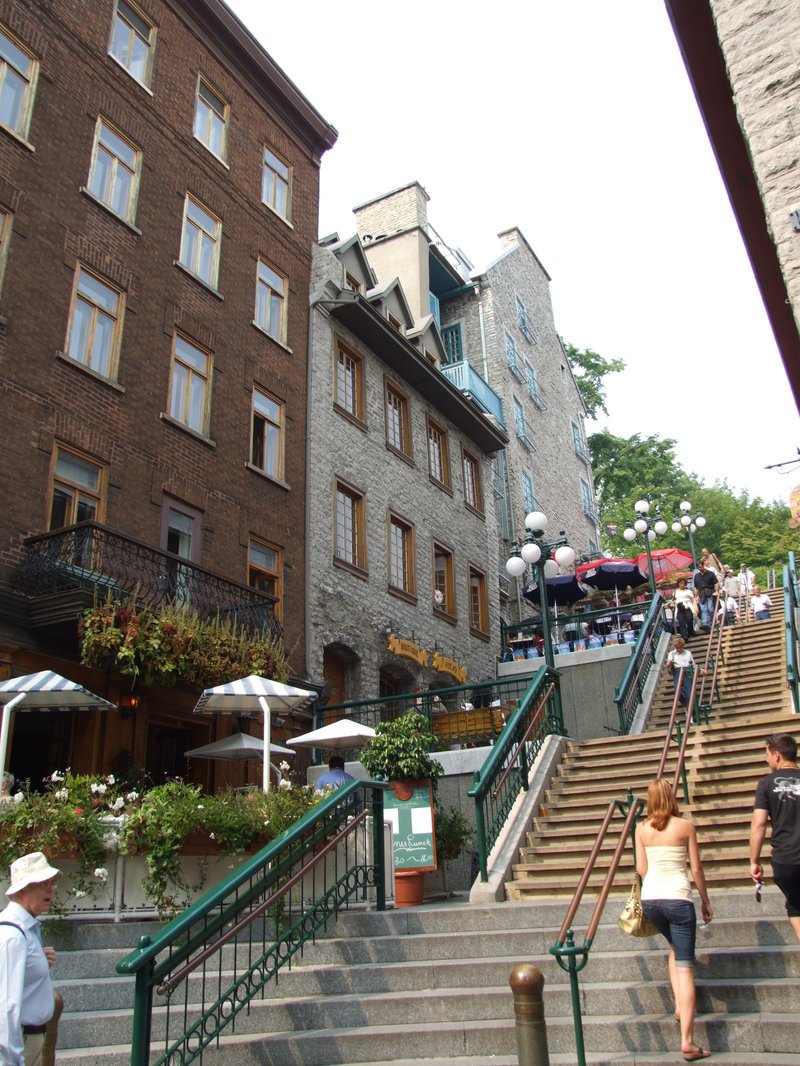
The oldest stairway in Canada, connecting Terrasse Dufferin to Rue du Petit-Champlain since 1635. The name refers to the dangerously steep pitch of the original steps. The 59-step stone descent features market stalls and public art at each landing. The Funiculaire runs parallel one minute away.
🚶 1 min · 🚕 2 min → Place Royale
3. Place Royale
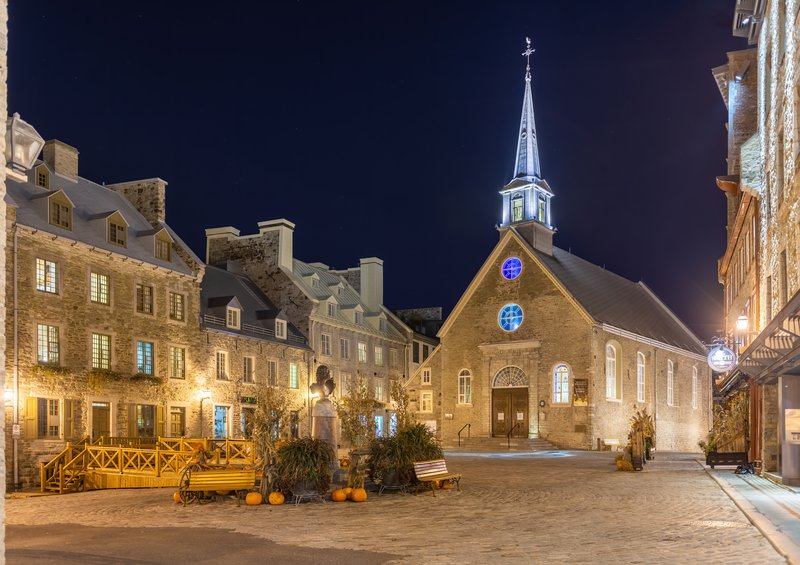
The spot where Samuel de Champlain built his first trading post in 1608 — the birthplace of French civilization in North America. Notre-Dame-des-Victoires Church, built in 1688, anchors the south side of the square. The surrounding stone buildings are among the oldest on the continent.
🚶 2 min · 🚕 2 min → Rue du Petit-Champlain
4. Rue du Petit-Champlain
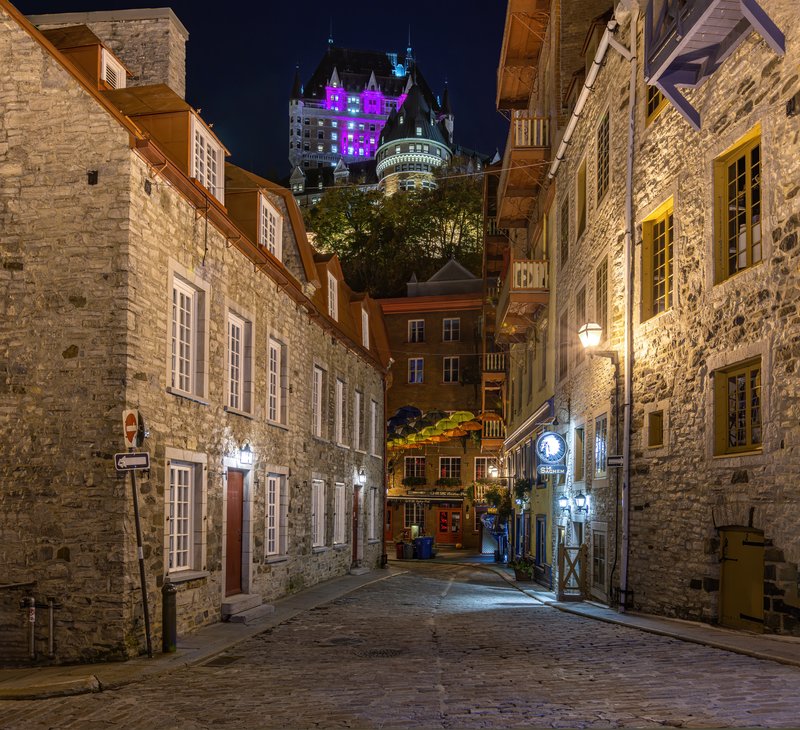
The oldest commercial street in North America — a pedestrianized cobblestone lane at the foot of the Cap-Diamant cliff. Artisan boutiques, glassblowers, and restaurants line the narrow street beneath trompe-l'œil murals on the clifftop walls. The street connects directly to Place Royale at its southern end.
🏛️ Daily 10:00am - 6:00pm
⏰ ~1 hr
🚶 1 min · 🚕 2 min → Terrasse Dufferin
5. Terrasse Dufferin
The 671-metre boardwalk promenade along the St. Lawrence clifftop, built in 1879 on the foundations of the Cape Diamond Redoubt. Named after the Governor General who championed Quebec City's walls, it offers panoramic views over the Lower Town, the St. Lawrence, and the city of Lévis on the opposite shore.
🚶 1 min · 🚕 2 min → Château Frontenac
6. Château Frontenac
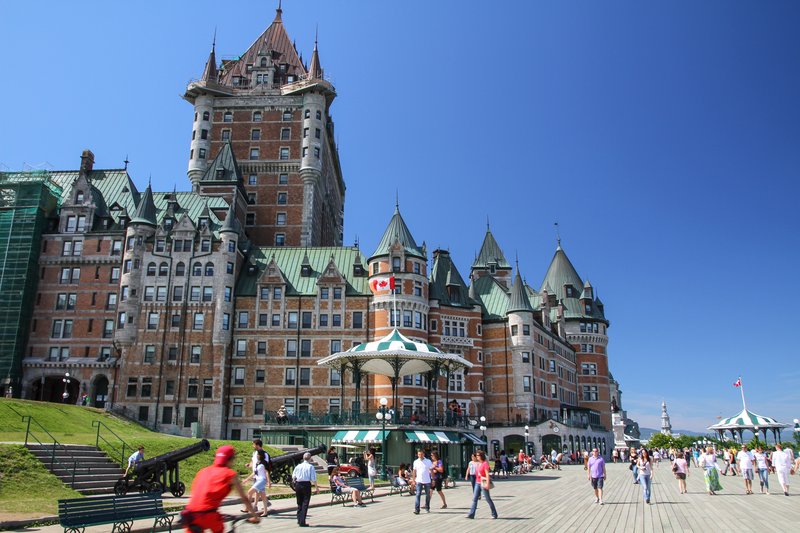
According to Guinness World Records, the most photographed hotel in the world. Built between 1893 and 1924, the château-style towers have defined the Québec City skyline. The hotel hosted the 1943 and 1944 Québec Conferences between Churchill, Roosevelt, and Mackenzie King. Lobby open to the public.
🚶 15 min · 🚕 5 min → hotel
From Hotel: 🚕 20 min → Île d'Orléans
1. Île d'Orléans
An 18-km island in the St. Lawrence, 10 minutes from Québec City by bridge. First mapped by Cartier in 1535, the island's six villages retain 17th-century stone farmhouses among the oldest rural architecture in North America. Roadside stands sell strawberries, cider, and maple products along the 67-km circuit road.
🚶 20 min · 🚕 5 min → Montmorency Falls
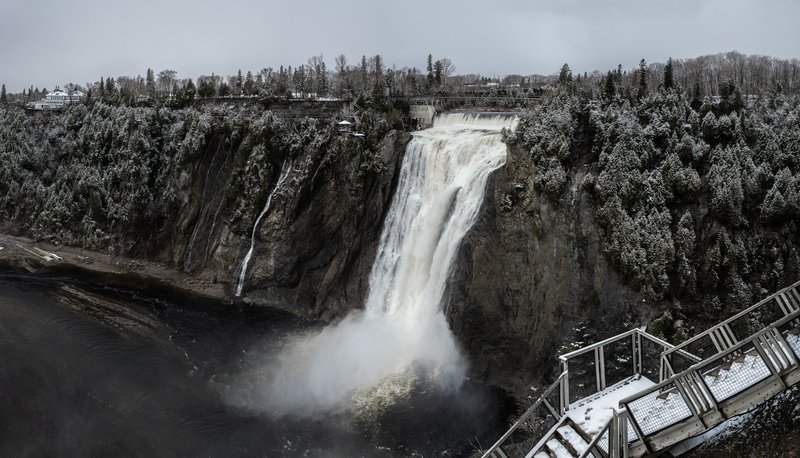
2. Montmorency Falls
At 83 metres, the highest waterfall in the province — 30 metres taller than Niagara Falls. The park includes a suspension bridge above the falls, a cable car to the summit, and cliff-edge walking paths. In winter, the mist freezes into a massive ice cone — the sugarloaf — used for traditional ice climbing.
🏛️ Daily 9:00am - 5:30pm
⏰ ~1.5 hr
🚕 1h 14min → Basilique Sainte-Anne-de-Beaupré
3. Basilique Sainte-Anne-de-Beaupré
The most visited pilgrimage site in Canada — 1.5 million pilgrims annually. The Romano-Byzantine basilica was completed in 1976, the fifth church on this site since 1658. The twin granite towers and richly decorated interior house hundreds of ex-votos — crutches and braces left by pilgrims claiming miraculous cures.
🏛️ Daily 7:00am - 5:00pm
⏰ ~1 hr
Free
🚕 40 min → hotel
From Hotel: 🚶 10 min · 🚕 4 min → Plaines d'Abraham
1. Plaines d'Abraham
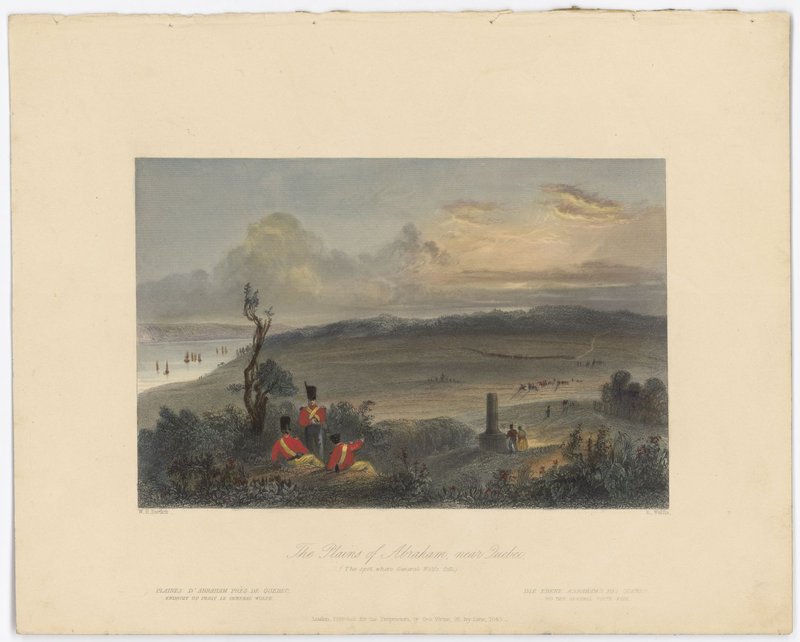
Site of the 1759 battle between Wolfe and Montcalm that shaped the future of Canada. Today 103 hectares of parkland in the heart of Québec City, part of the Parc des Champs-de-Bataille — the most visited national historic site in Québec. The Martello towers and interpretive centre explain the military history.
🚕 30 min → Village Touristique Wendake
2. Village Touristique Wendake
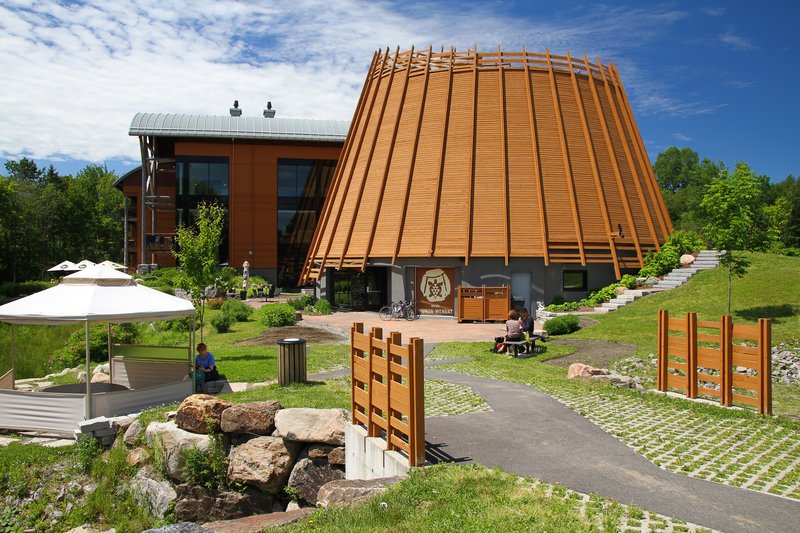
The only Huron-Wendat nation community in North America open to visitors. The Onhoüa Chetek8e site demonstrates pre-contact Wendat life — bark longhouses, canoe-building, and traditional cooking led by community members. The adjacent Saint-Charles-Borromée Church, built in 1730, holds 18th-century Wendat art.
🏛️ Daily 9:00am - 5:00pm
⏰ ~2.5 hr
🚕 30 min → hotel
📜 A Staircase's Undramatic Name, and a Souvenir That Held D-Day
Escalier Casse-Cou sounds like it should have a body count behind it — "breakneck" isn't a name you'd expect for something harmless. But city archives from the 17th century don't record a single death or serious injury on the stairs themselves; the actual danger back then came from reckless young men racing horsecarts down the adjoining hill at speed. The staircase carried gentler names for centuries — Champlain Stairs, even Beggars' Stairs — before "breakneck" stuck sometime in the 1800s, more evocative nickname than accurate history.
In 1943, Churchill and Roosevelt met inside the Château Frontenac to plan the invasion of Normandy, and the operation's complete outline briefly went missing in the most ordinary way imaginable. A Canadian sergeant major named Émile Couture found a leather portfolio stamped with both leaders' names and, not grasping what it held, simply kept it as a souvenir. It turned out to contain nearly the entire D-Day plan — troop counts, ship numbers, aircraft totals. He handed it in the next morning and never spoke of it publicly, and was quietly awarded a medal for his silence the following year.