SEYCHELLES
Savoy Seychelles Resort & Spa
Seychelles
From Hotel: 🚕 12 min → Botanical Gardens of Victoria
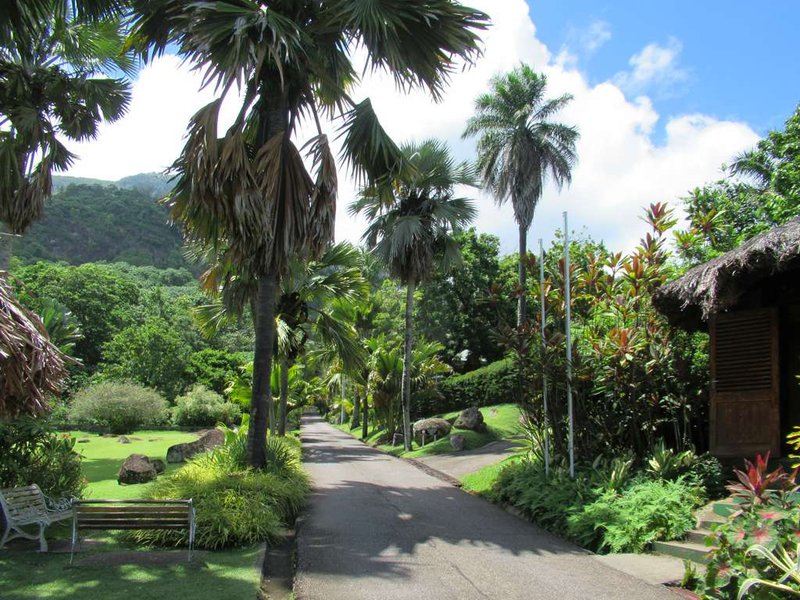
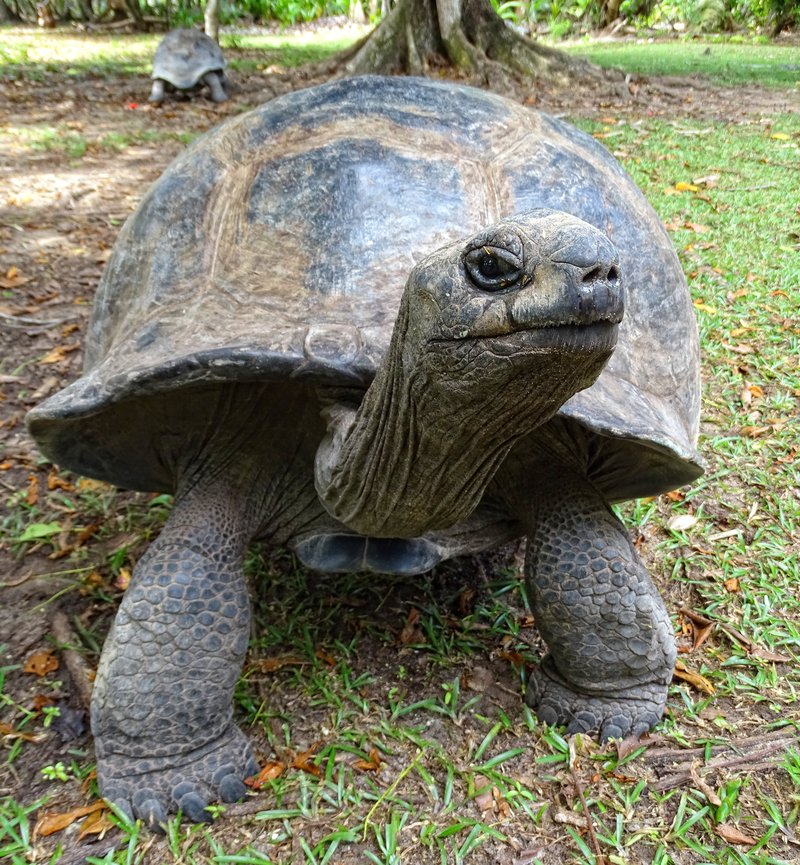
Founded in 1901, the Botanical Gardens spread across 15 acres of carefully tended jungle in the hills above Victoria. A dedicated coco de mer grove holds mature specimens of the world's largest seed; a tortoise pen is home to a breeding group of Aldabra giant tortoises.
🏛️ Daily 8:00am - 4:30pm
⏰ ~1.5 hr
🚶 9 min · 🚕 2 min → National Museum of History
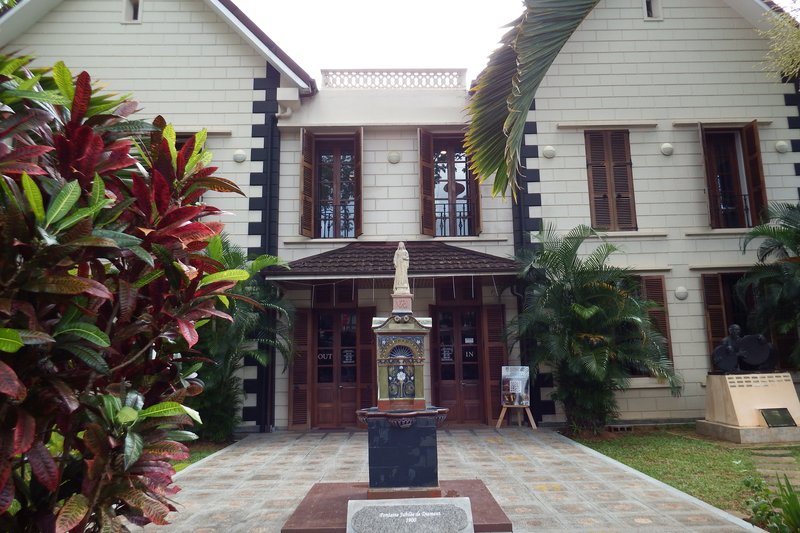
Seychelles' principal heritage museum traces island life from prehistoric ocean crossings to colonial rule and independence. Highlights include a 200-year-old stone of possession — a French colonial boundary marker — and artefacts from the unique Creole culture that fused African, Asian, and European influences.
🏛️ Monday 9:30am - 12:30pm · Tuesday - Friday 9:30am - 4:30pm · Saturday 9:30am - 12:30pm
⏰ ~1.5 hr
🚶 15 min · 🚕 5 min → Victoria Clock Tower
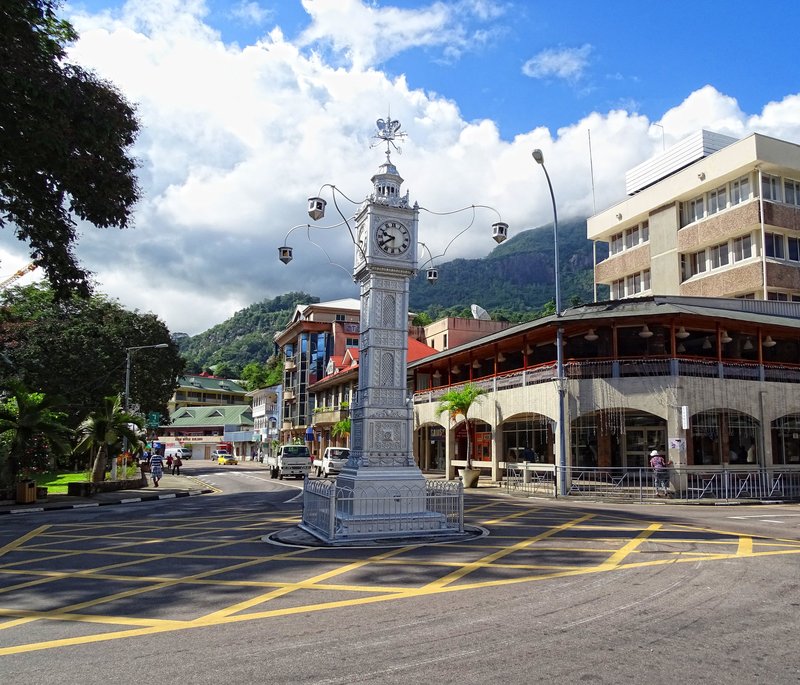
The iconic Little Ben stands at the heart of Victoria, cast in Britain and erected in 1903 to mark the coronation of King Edward VII. A replica of London's Big Ben at one quarter scale, it became a symbol of the island capital and its colonial past.
🚶 15 min · 🚕 5 min → Mission Lodge Lookout
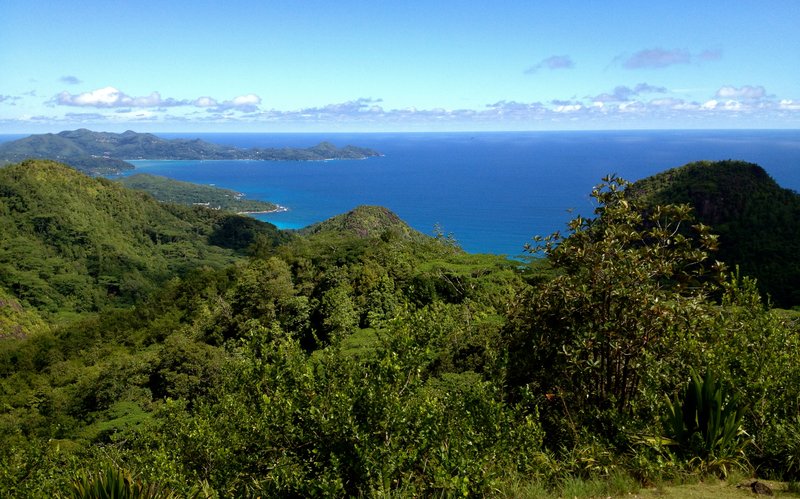
At 400 metres above sea level in the heart of Morne Seychellois National Park, the ruins of a 19th-century mission school frame one of the island's most expansive views — sweeping across Beau Vallon Bay and the offshore islands of Silhouette and North.
🚕 20 min → hotel
From Hotel: 🚕 12 min → Curieuse Island
Home to the largest free-roaming population of Aldabra giant tortoises outside Aldabra — over 300 tortoises wander the island freely and approach visitors. A former leper colony and 18th-century doctor's house add history to the afternoon.
🚶 24 min · 🚕 6 min → Anse Lazio
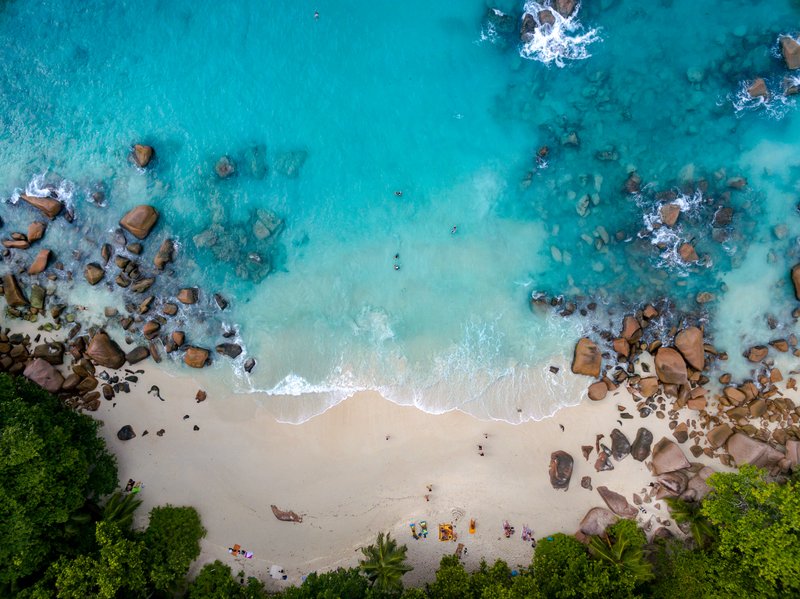
Consistently rated among the world's finest beaches, Anse Lazio occupies a protected cove on Praslin's northwest coast where powder-white sand curves between two granite headlands. The water is shallow, calm, and reef-fringed; snorkelling off the south rocks reveals parrotfish and hawksbill turtles.
🚕 16 min → Vallée de Mai Nature Reserve
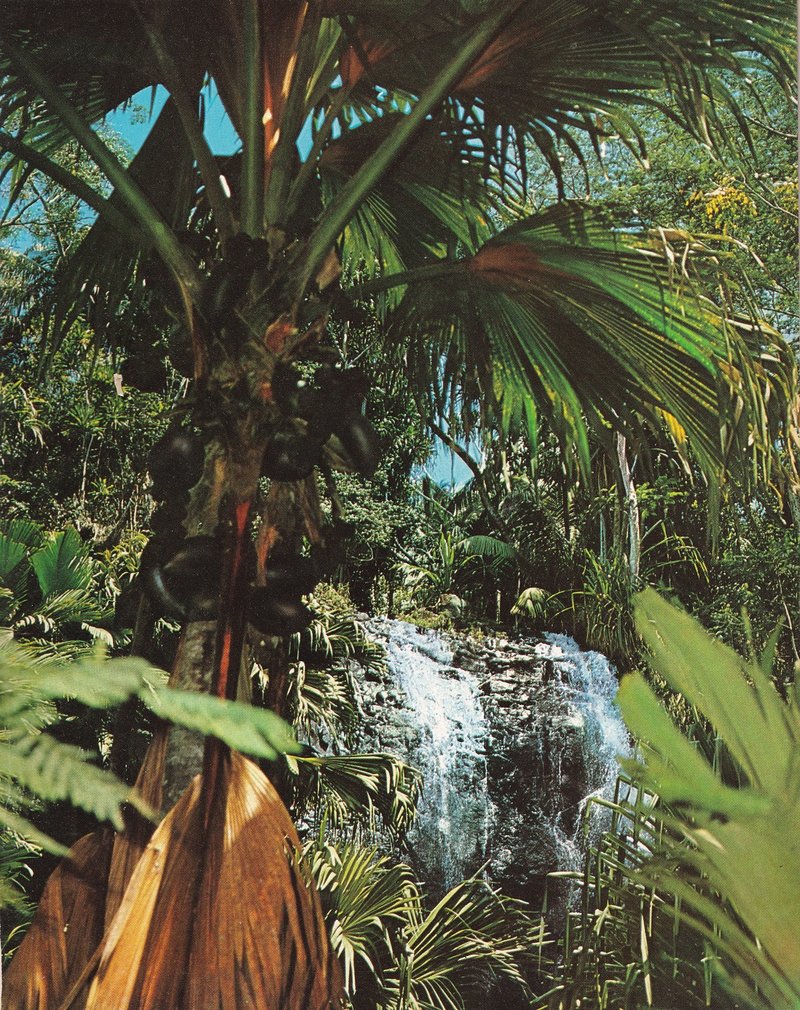
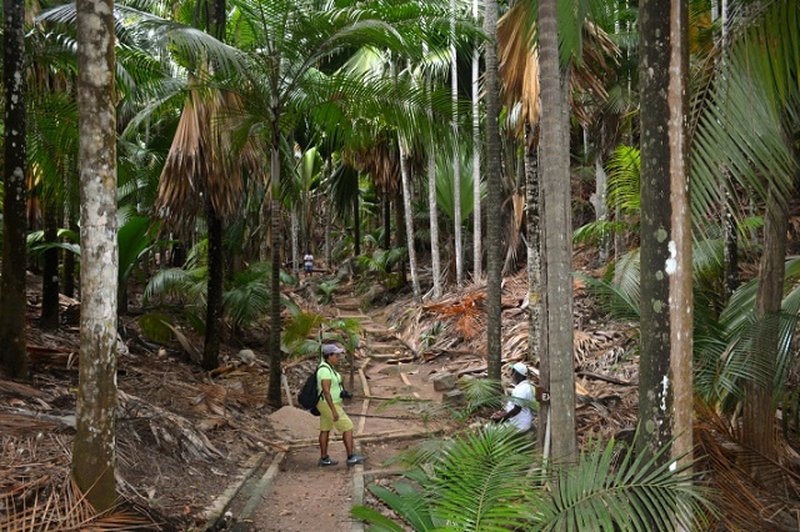
A UNESCO World Heritage Site and one of only two places on earth where the coco de mer palm grows wild. Six endemic palm species form the canopy; the Black Parrot — found nowhere else — nests in the valley. Marked trails wind past towering palms, waterfalls, and volcanic boulders carpeted in fern.
🏛️ Daily 8:00am - 5:30pm
⏰ ~2 hr
🚶 3 min · 🚕 3 min → dock · 🚢 15 min → Anse Volbert · 🚕 10 min → Grand Anse Praslin Ferry · 🚢 1 hr → Victoria Ferry · 🚕 12 min → hotel
From Hotel: 🚕 12 min → L'Union Estate
A working historic estate at the southwest tip of La Digue preserving a colonial-era coconut and vanilla plantation complete with a working copra mill, a traditional ox press, and a boathouse housing two original pirogues. Entry also covers the path to Anse Source d'Argent. Giant tortoises share the grounds freely.
🏛️ Daily 8:00am - 5:00pm
⏰ ~1 hr
🚶 3 min · 🚕 2 min → Anse Source d'Argent
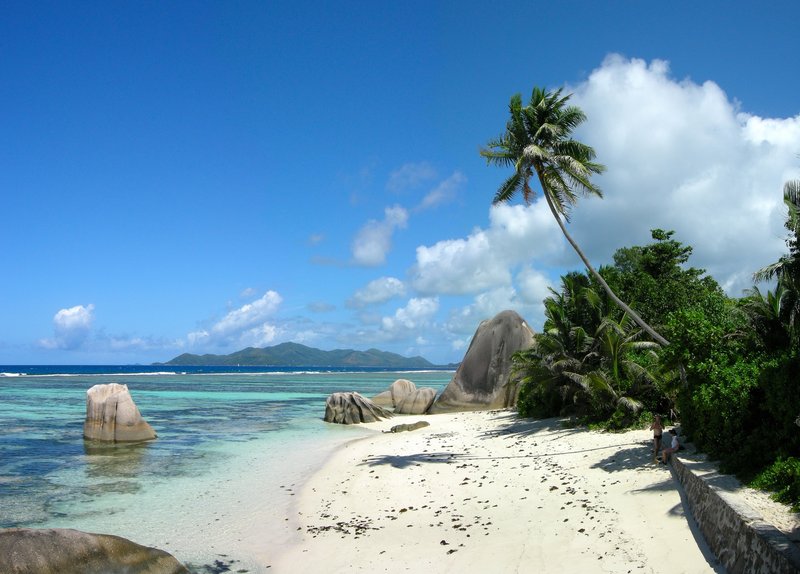
The most photographed beach on earth according to several surveys — a series of shallow interconnected lagoons separated by monumental pink granite boulders, some the size of houses. The water is knee-deep at low tide and aquamarine at high tide; the rock formations cast dramatic shadows in afternoon light.
🏛️ Daily 8:00am - 5:00pm
⏰ ~2 hr
🚶 21 min · 🚕 5 min → Nid d'Aigle
Eagle's Nest is La Digue's highest point at 333 metres. From the rocky summit the view opens in every direction — Praslin and Félicité to the north, Mahé to the southwest, and the island's car-free lanes threading through palms below.
🚶 12 min · 🚕 3 min → Anse Cocos
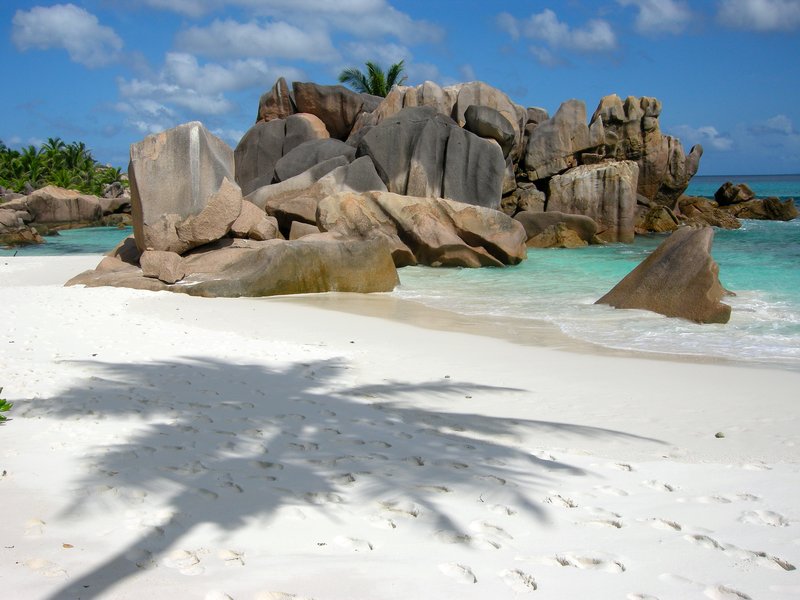
One of La Digue's remotest beaches, reached only on foot via the east coast track. An almost always empty stretch of dark granite and pale sand with powerful Indian Ocean swell; a natural lagoon at the north end provides calmer swimming.
🚕 25 min → Fond Ferdinand Nature Reserve
A private reserve on Praslin's northeastern plateau protecting the largest remaining wild coco de mer forest — denser and wilder than Vallée de Mai. Entry is by guided tour only; naturalist guides lead small groups along forest trails past endemic orchids and gecko colonies.
🏛️ Daily 9:30am - 11:30am
⏰ ~2 hr
⚠️ Last guided entry 1:00pm
🚶 35 min · 🚕 15 min → La Digue Jetty · 🚢 1 hr 30 min → Victoria Ferry Terminal · 🚕 12 min → hotel
From Hotel: 🚶 5 min · 🚕 5 min → Sainte Anne Marine National Park
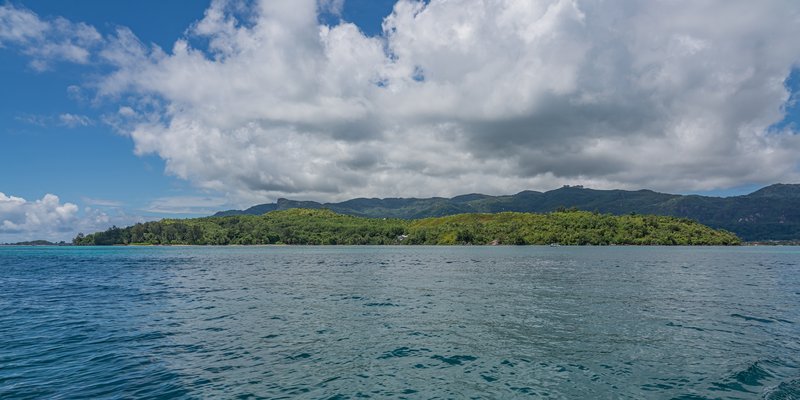
Seychelles' first marine park, established in 1973, encompasses six islands just offshore from Victoria. A half-day boat excursion covers snorkelling over the coral reef, a glass-bottom boat pass, and a beach stop on Moyenne Island.
🚕 20 min → Copolia Trailhead
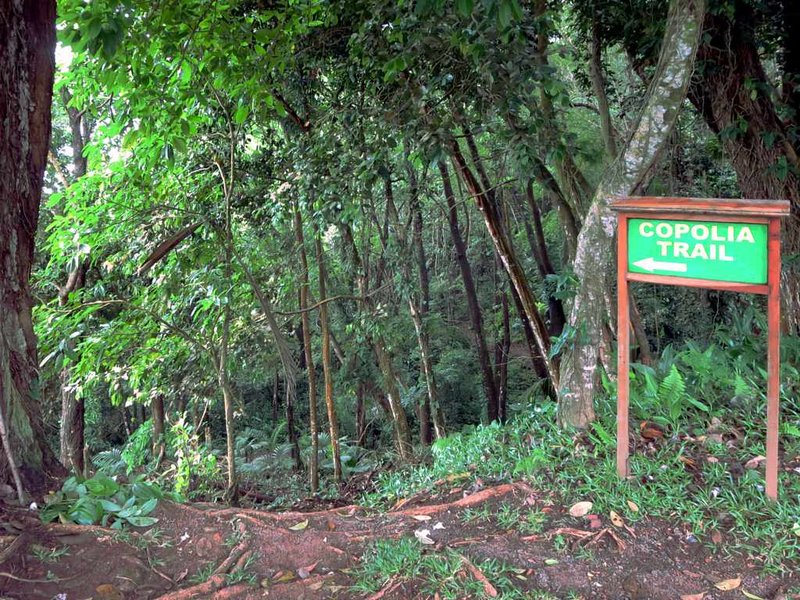
A 1.4-kilometre ascent through Morne Seychellois National Park to a granite plateau at 497 metres. The path climbs through pitcher plant habitat; Nepenthes pervillei is endemic here. The summit gives a 360-degree view over Mahé's east coast and the St Anne archipelago.
🚕 25 min → Bel Ombre
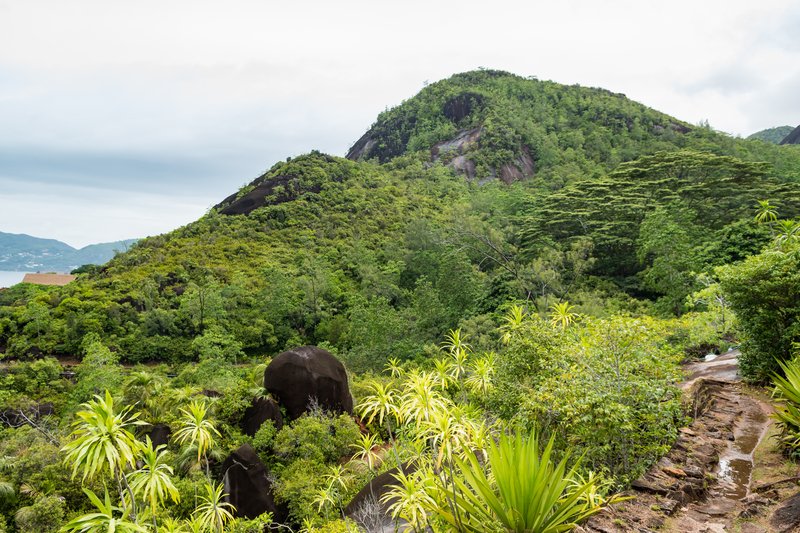
A coastal trail along Mahé's wild northwest shore, tracing cliff-edge paths above the Indian Ocean to a secluded beach. The 2.5-kilometre one-way trail passes through ancient takamaka forest and open granite faces before descending to the boulder-fringed cove.
🚕 8 min → Baie Ternay Marine National Park
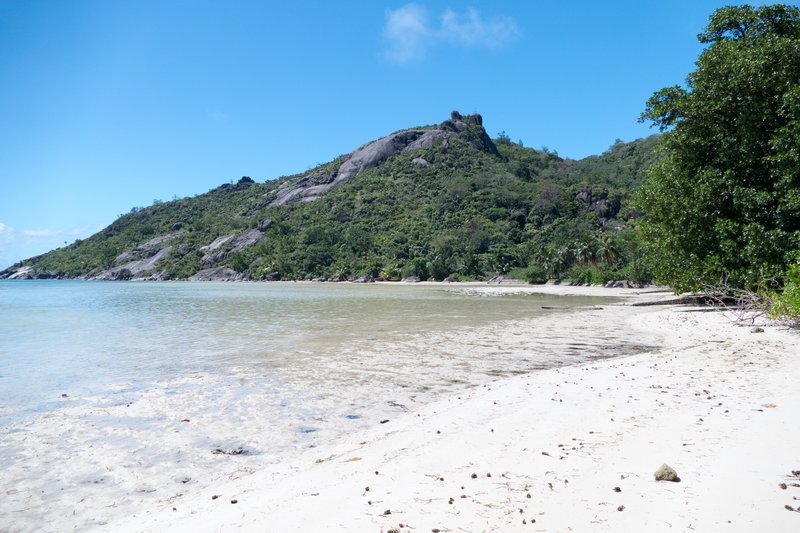
A sheltered bay on Mahé's northwest tip enclosed between forested headlands — a marine park since 1979. Faces west for excellent late afternoon light; the reef edge begins just beyond the shoreline. Nearly always quiet, with a dive centre nearby.
🚕 8 min → hotel
✨ A 250-Year Mystery
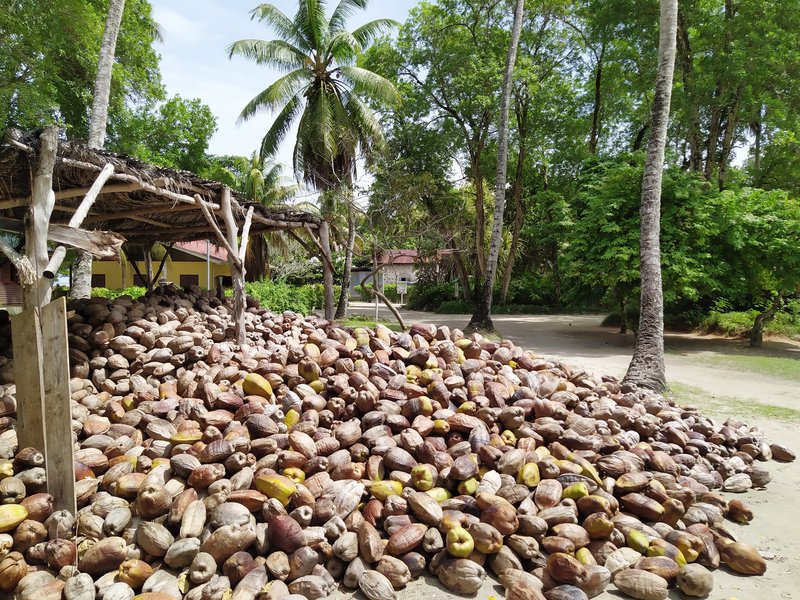
For over two centuries, the coco de mer — the world's largest seed, weighing up to 25 kilograms — was one of the great botanical mysteries of the age. The nuts appeared floating in the Indian Ocean long before anyone knew where they came from, and no living tree had ever been seen. Medieval Arab sailors were convinced the nuts grew from a vast submarine tree somewhere on the ocean floor, a phantom forest in the deep. The Portuguese called them "coco do mar" — coconut of the sea — and the name stuck.
The mystery persisted until 1768, when French explorers finally reached Praslin and walked into the Vallée de Mai. What they found was a palm unlike anything previously documented: trees reaching 30 metres, the female bearing a bilobed fruit unmistakably shaped like a human pelvis, the male catkin producing pollen for nearly a year. The fruit takes seven years to ripen. The tree lives for centuries. It reproduces only in two places on earth: Praslin and nearby Curieuse. The answer to a 250-year riddle turned out to be an island most Europeans had never heard of.