From Hotel: 🚶 16 min · 🚕 7 min → Azkuna Zentroa
Philippe Starck transformed a 1909 wine warehouse into a cultural center with 43 eclectic columns — each unique, Egyptian to Baroque to industrial — an underground pool, cinema, and rooftop terrace. The atrium is free to enter.
🏛️ Daily 7:30am - 11:00pm
⏰ ~45 min
Free
🚶 11 min · 🚕 5 min → Museo de Bellas Artes de Bilbao
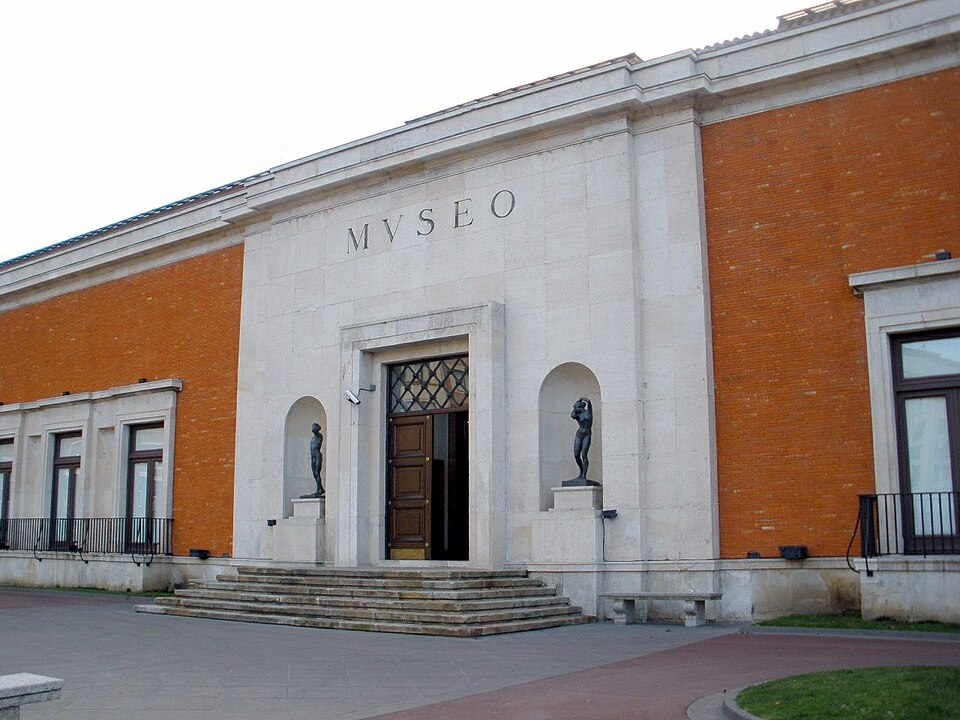
Often overshadowed by the Guggenheim but legitimately rivaling it for depth. Twelve centuries of art: Flemish masters, Spanish Golden Age, Impressionists, and a world-class Basque collection. Less crowded and more intimate.
🏛️ Tuesday - Sunday 10:00am - 8:00pm
🚫 Closed Monday
⏰ ~2 hr
🚶 6 min · 🚕 5 min → Puppy & Maman Sculptures
Jeff Koons' 12-meter flower-covered West Highland Terrier guards the museum entrance; Louise Bourgeois' monumental spider Maman stands beside it. Both are free to view from the riverside promenade at any hour.
🚶 2 min · 🚕 3 min → Guggenheim Museum Bilbao
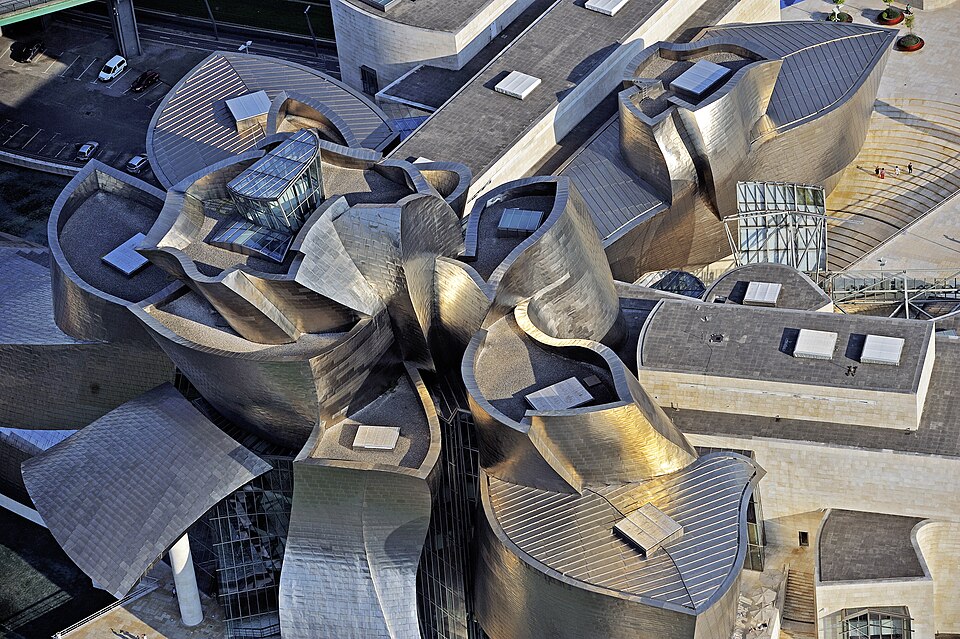
Frank Gehry's 1997 titanium-clad museum permanently transformed Bilbao from a declining industrial port into one of Europe's most visited cities. The building is as compelling as any work inside.
🏛️ Tuesday - Sunday 10:00am - 8:00pm
🚫 Closed Monday
⏰ ~2 hr
🚶 11 min · 🚕 15 min → Zubizuri Bridge
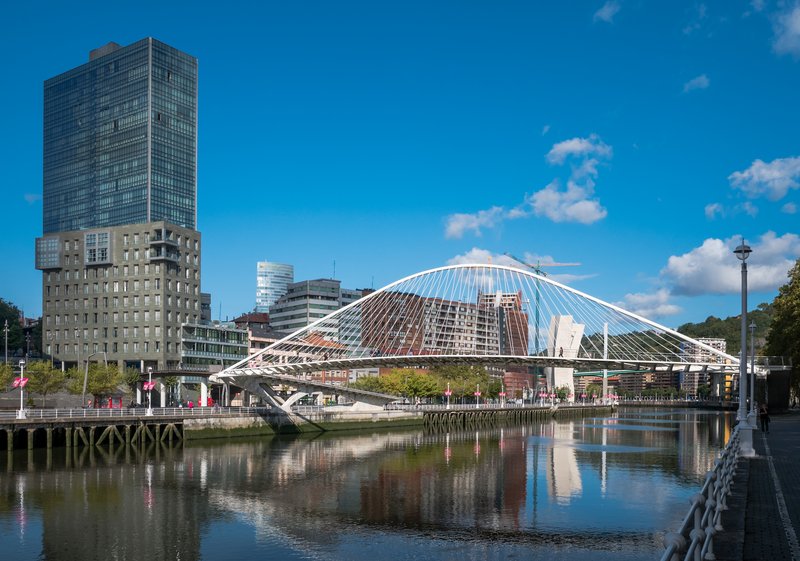
Santiago Calatrava's arched glass-and-steel footbridge spanning the Nervión River is one of the most photographed structures in the city. The white steel cables look best at dusk when the bridge illuminates against the river.
🚶 16 min · 🚕 13 min → hotel
From Hotel: 🚶 25 min · 🚕 11 min → Casco Viejo
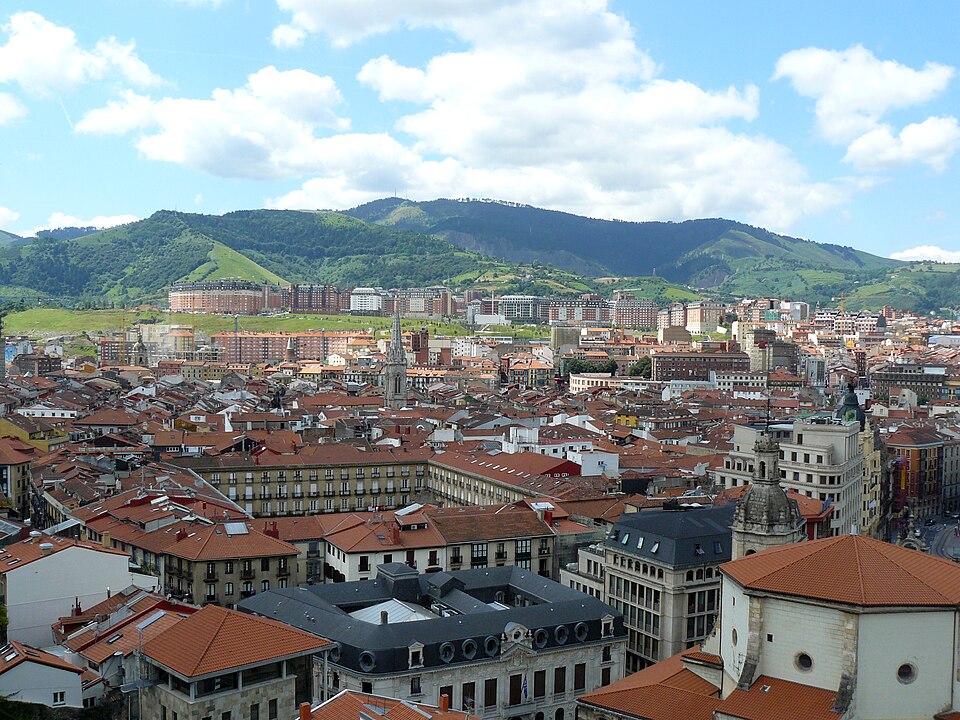
The Siete Calles — seven medieval streets — form the nucleus of the old town. Stone archways, bar culture, and the roar of the crowd from every doorway. The place where the city actually lives.
🚶 2 min · 🚕 2 min → Plaza Nueva
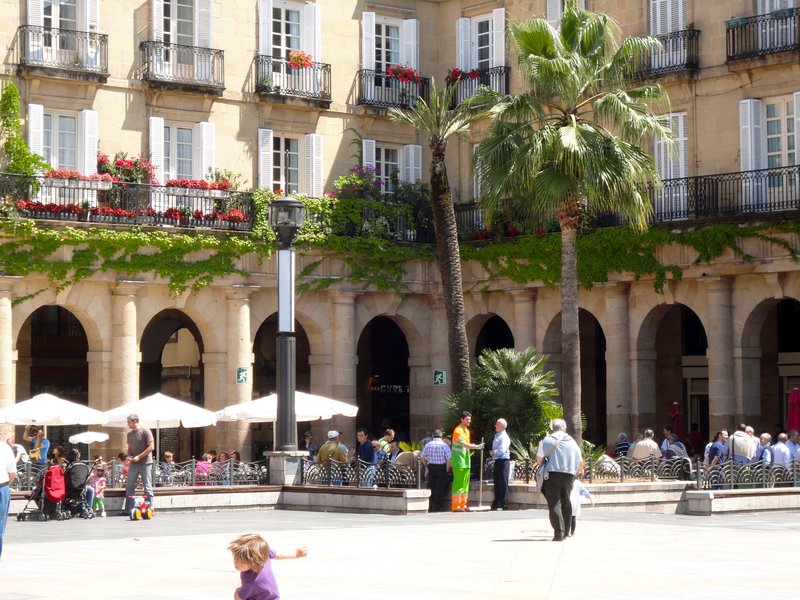
A neoclassical arcaded square completed in 1851 — the most photogenic gathering point in the city. Sunday market fills the arches with antiques and used books. The surrounding bars rank among the best in the Basque Country.
🚶 5 min · 🚕 13 min → Teatro Arriaga
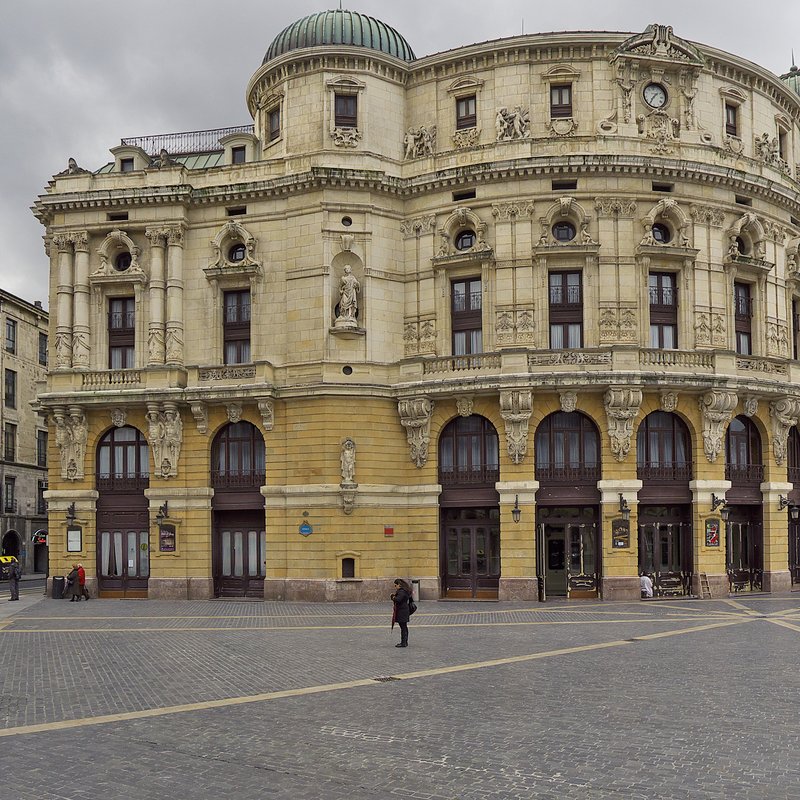
The 1890 neo-baroque opera house faces the Nervión at the gateway to Casco Viejo. Designed after the Paris Opera, it remains the premier performing arts venue. The riverfront plaza and ornate facade are worth the stop even without a ticket.
🚶 22 min · 🚕 10 min → Funicular de Artxanda
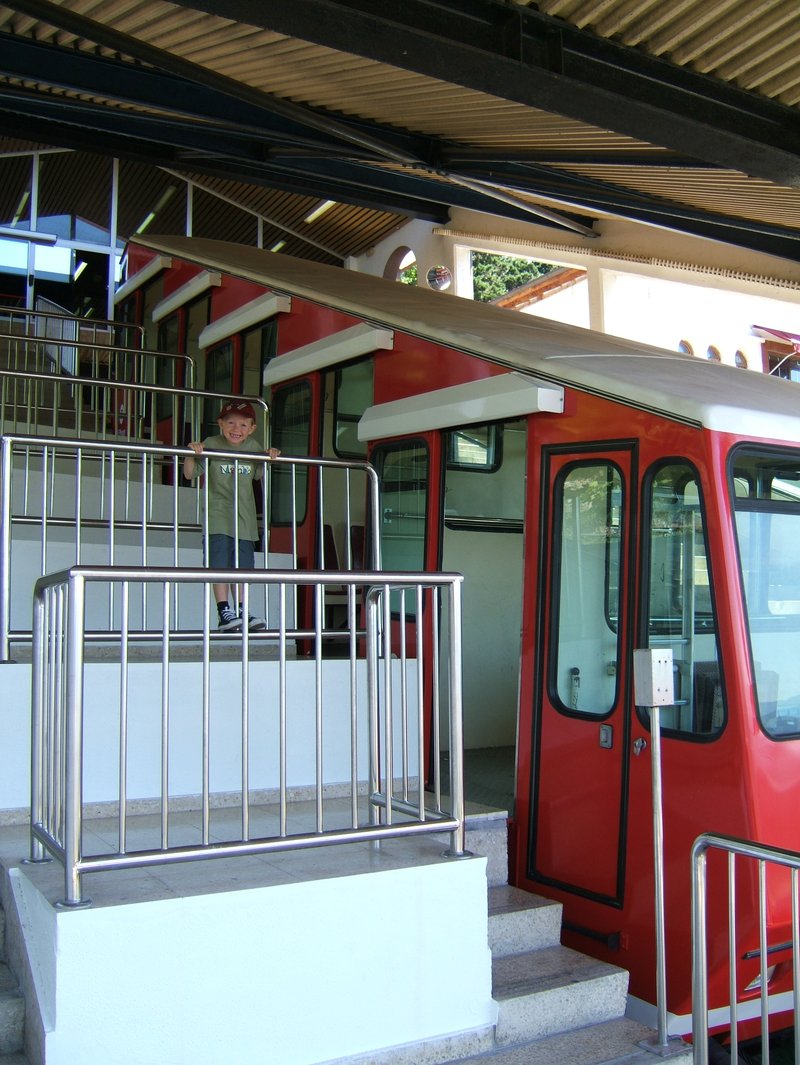
A 3-minute climb up Mount Artxanda delivers the best panorama of the city — the Guggenheim's titanium curves, the medieval quarter, and the Nervión winding toward the sea. The funicular has run since 1915; the viewpoint park at the top is peaceful and largely tourist-free.
🏛️ Monday - Friday 7:15am - 10:00pm · Saturday - Sunday 8:15am - 10:00pm
⏰ ~45 min
🚶 25 min · 🚕 12 min → hotel
From Hotel: 🚕 26 min → Puente de Vizcaya
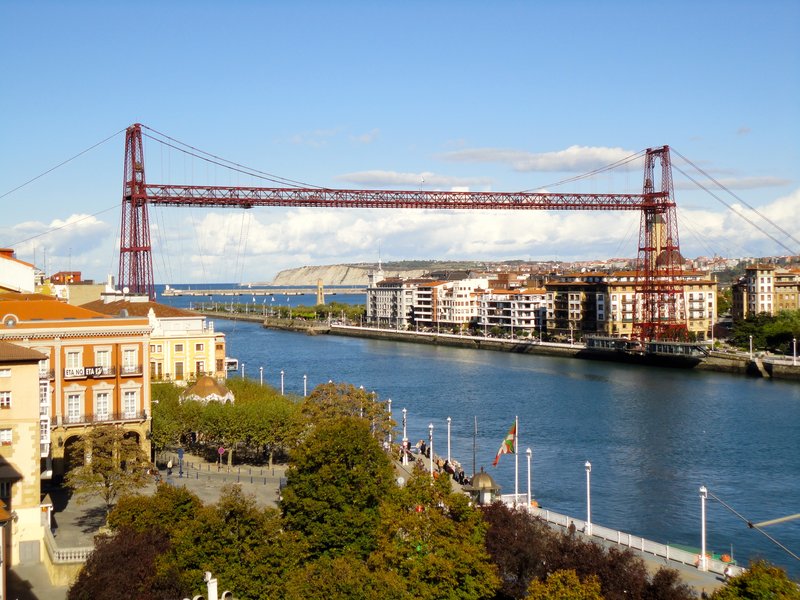
The world's first transporter bridge, built in 1893, still carries passengers and cars across the Nervión estuary in a hanging gondola. UNESCO World Heritage Site since 2006. The 45-meter-high catwalk offers commanding views over the Basque coast.
🏛️ Daily 10:00am - 8:00pm
⏰ ~1 hr
🚶 21 min · 🚕 12 min → Playa de Ereaga · Getxo
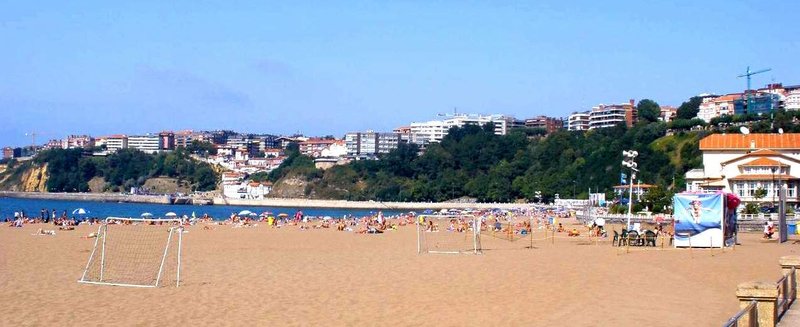
Getxo's most popular beach is a wide sandy arc backed by a promenade and the grand villas of Basque industrialists. The promenade walk south passes some of the most extravagant early-20th-century architecture in the region.
🚶 11 min · 🚕 9 min → Puerto Viejo de Algorta
Algorta's old port is a warren of whitewashed fishermen's houses climbing a headland above a small working harbor. Seafood restaurants line the port; the contrast with the industrial city is stark. The Friday fish market still trades at dawn.
🚕 27 min → hotel
From Hotel: 🚕 46 min → Gernika
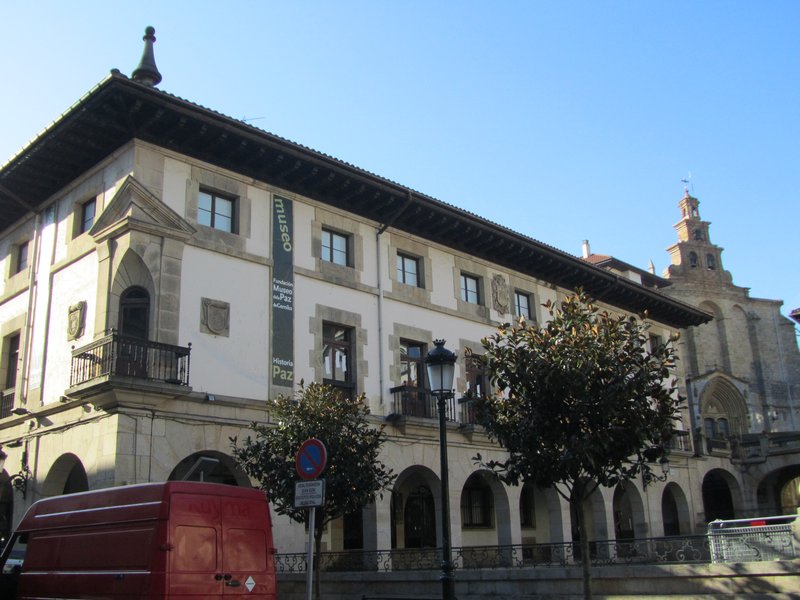
On April 26, 1937, the Nazi Condor Legion bombed Gernika — the spiritual heart of the Basque people — killing hundreds of civilians. This museum documents that event through testimony, photographs, and artifacts, connecting it to the wider history of 20th-century peace movements.
🏛️ Tuesday - Saturday 10:00am - 7:00pm · Sunday 10:00am - 2:00pm
🚫 Closed Monday
⏰ ~1 hr 30 min
🚶 4 min · 🚕 3 min
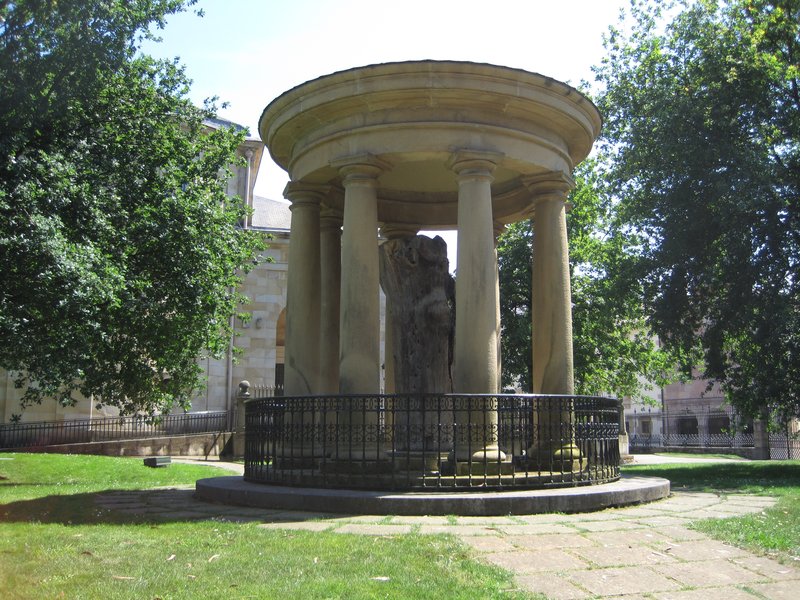
Under the ancient oak, the Lords of Biscay swore to uphold Basque traditional law for centuries. The current tree descends from a lineage dating to the 15th century. The Casa de Juntas beside it houses a ceremonial parliament chamber with a copy of Picasso's Guernica.
🏛️ Daily 10:00am - 7:00pm
⏰ ~30 min
Free
🚶 8 min · 🚕 4 min
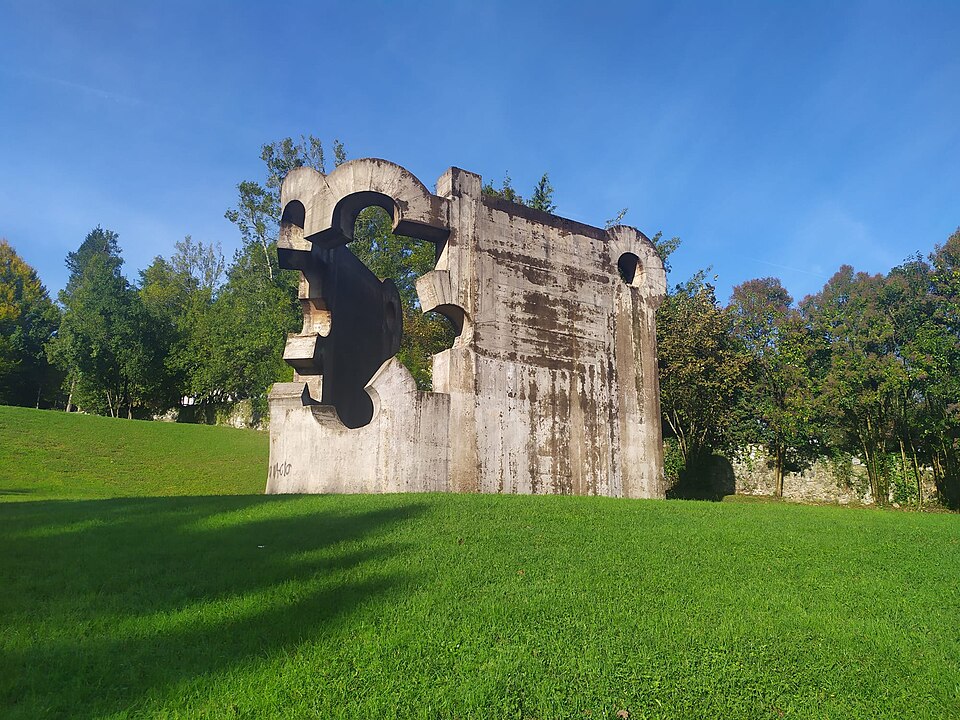
A riverside park created in 1990 as a symbol of reconciliation between the peoples of Europe. Eduardo Chillida's Gure Aitaren Etxea and Henry Moore's Large Figure in a Shelter anchor the grounds. Public sculpture and quiet gardens make this an unexpectedly moving stop.
🚶 5 min · 🚕 3 min
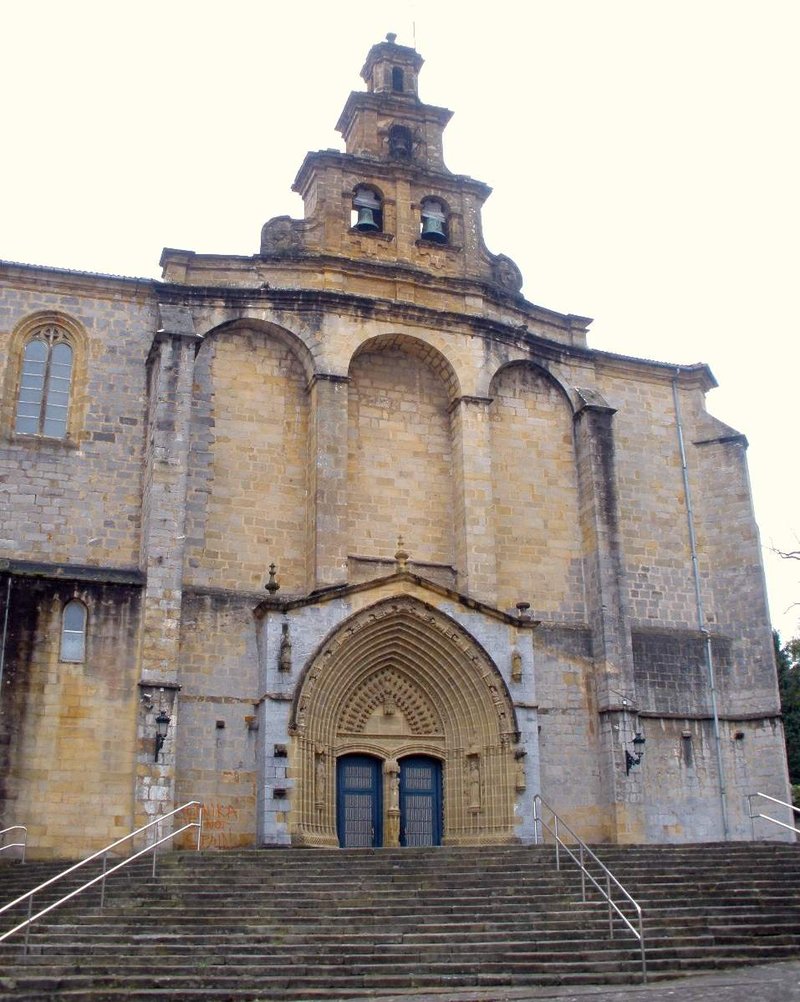
The Gothic parish church of Santa María stands at the center of the town Picasso memorialized. It survived the bombing — unlike most surrounding buildings — and remains an active parish. The quiet interior offers a calm close to a heavy day.
🏛️ Monday - Saturday 10:00am - 1:00pm · Monday - Saturday 4:00pm - 7:00pm · Sunday 10:00am - 1:00pm
⏰ ~20 min
Free
🚕 43 min → hotel
🏗️ The Bilbao Effect
In 1991, Bilbao was a dying rust-belt city. The steel mills had closed. The shipyards were silent. Unemployment was above 25%. The Basque separatist conflict made international headlines. No one was visiting.
The decision to build the Guggenheim here was considered reckless by most urban economists. The building opened in 1997 and within two years had attracted more than a million visitors annually. The hotel tax revenues paid back the construction cost before the museum's fifth anniversary.
Urban planners coined a phrase for it: the Bilbao Effect. The idea that a single transformative cultural investment could reverse a city's economic and demographic trajectory. The concept has been cited — and often misapplied — in renewal projects in Liverpool, Malmö, Detroit, and dozens of other post-industrial cities. Most of them discovered what Bilbao's architects understood from the beginning: the building was necessary but not sufficient. The decades of investment in infrastructure, public space, and the Abandoibarra waterfront were what made the museum work. The Guggenheim was the catalyst. The city did the rest.
.jpg)
.jpg)