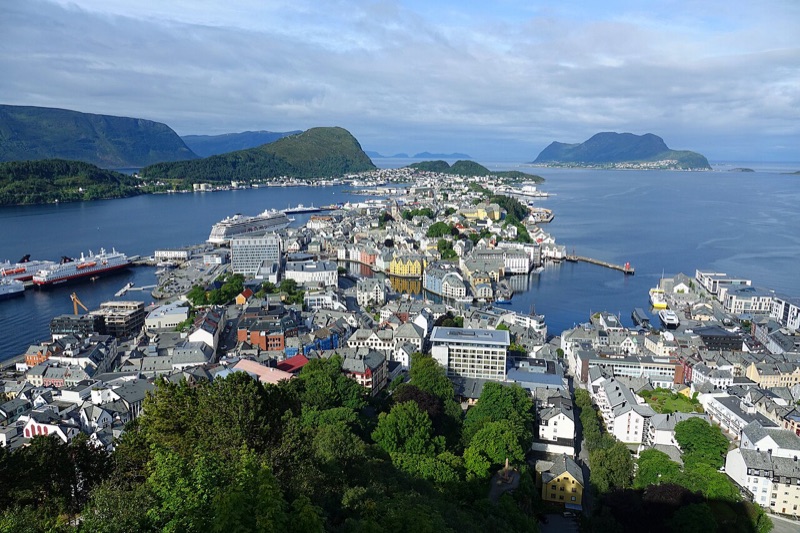
The 418-step Fjellstua staircase climbs from Kongens gate through forested hillside to a viewing platform 189 metres above Ålesund's rooftops. From the top, the city's Art Nouveau centre unfolds across a cluster of islands in the Borgundfjord — one of the most photographed views in Norway. Free access day and night.
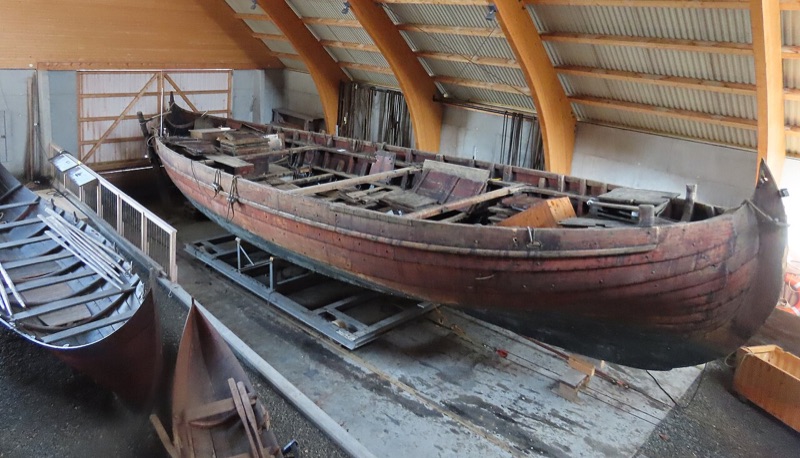
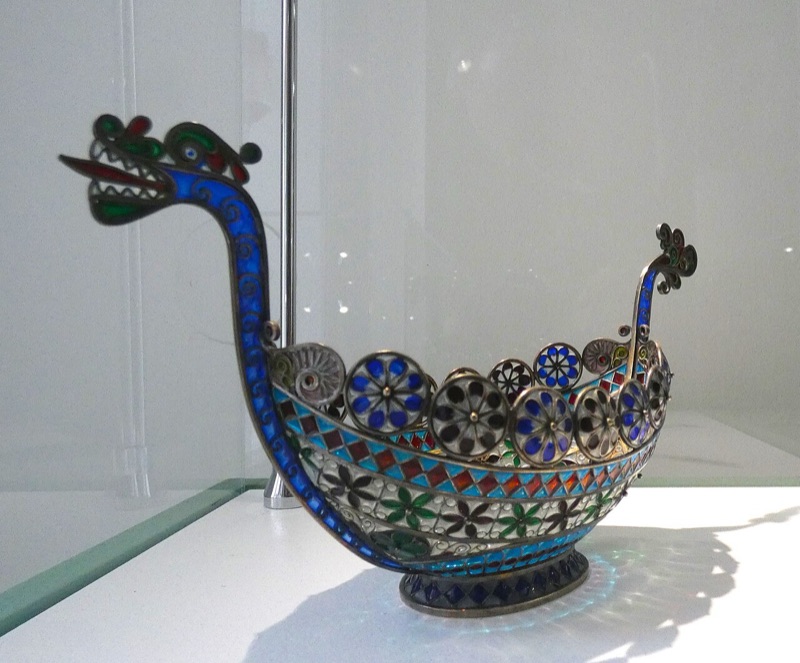
Norway's largest open-air maritime museum on a fjordside meadow 8km east of Ålesund. Fifty-five relocated buildings trace coastal life from the Iron Age to the 20th century. The centrepiece is the replica Viking ship Borgundknarren — built from a 12th-century wreck found in the Borgundfjord.
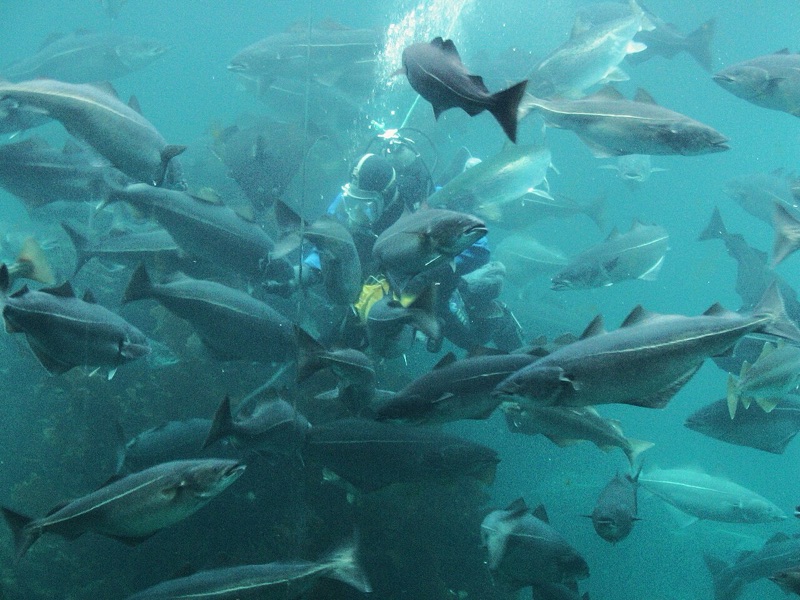
Norway's largest aquarium on Tueneset peninsula, facing the open Atlantic. The centrepiece is a 4-million-litre tank where halibut, wolffish, and cod swim alongside divers during twice-weekly feeding shows. Science Centre and Aquaculture Display Centre included in the same ticket.
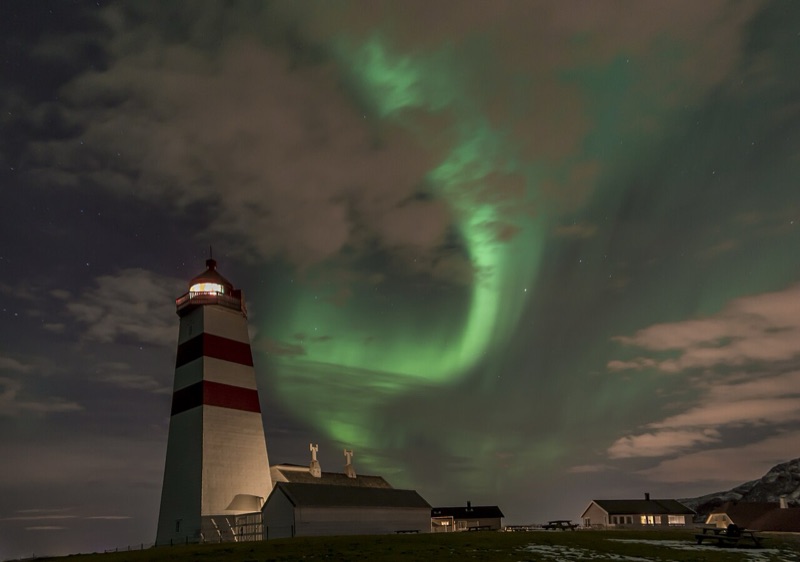
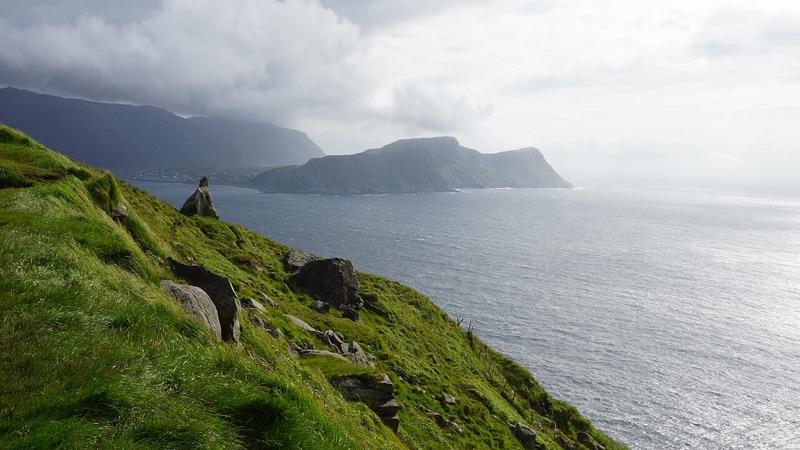
Built in 1852 on the western tip of Godøy island, Alnes fyr guards the approach to Ålesund's archipelago. The red tower stands 11 metres above a rock shelf at the Atlantic's edge, flanked by a restored keeper's cottage with a seasonal café. On a clear day the horizon stretches unbroken to the open sea.
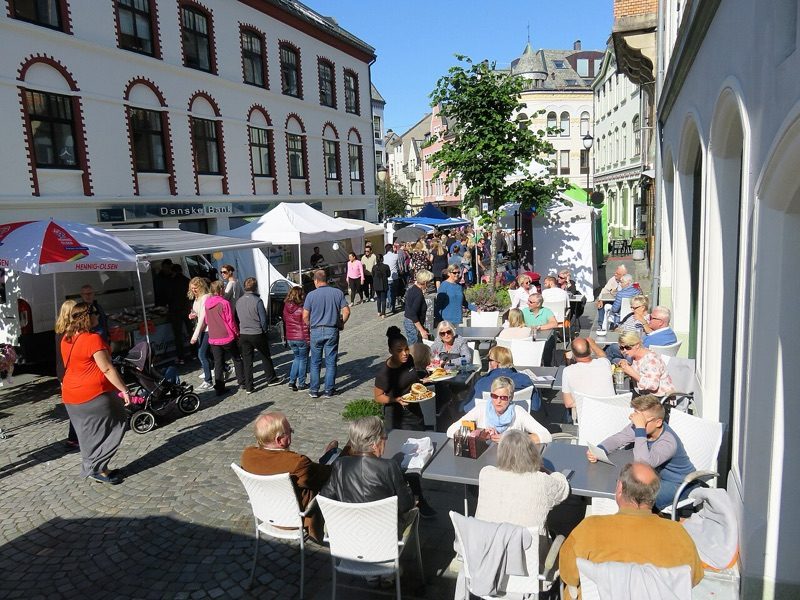
Rebuilt 1904–1907 after fire destroyed the city overnight. Kaiser Wilhelm II funded reconstruction; German architects fused Jugendstil ornament with local granite. Three blocks of symmetrical facades with towers, turrets, and dragon motifs — the most coherent Art Nouveau streetscape in Scandinavia.
Norway's only museum dedicated to the Art Nouveau movement, housed in the 1907 Apoteker building. The permanent collection traces how Ålesund's 1904 fire reconstruction created the densest concentration of Jugendstil architecture in Norway. KUBE art museum is included in the same ticket.
Norway's southernmost major seabird colony: 100,000 Atlantic puffins, gannets, kittiwakes, and razorbills nest on the 200-metre basalt cliffs of Runde's western face each May–August. The Atlantic trail to the cliff edge is one of the most dramatic short walks in western Norway.
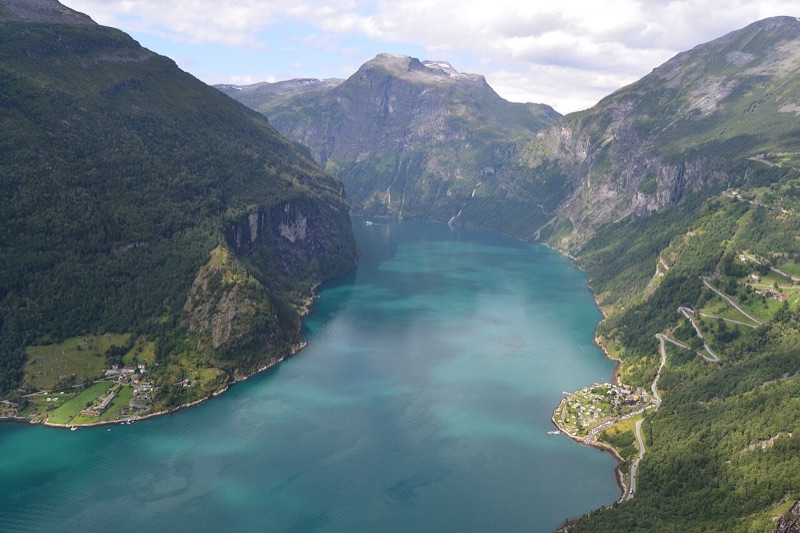
UNESCO World Heritage Site since 2005. Geirangerfjord runs 15 kilometres between sheer cliff walls past the Seven Sisters, the Suitor, and the Bridal Veil waterfalls — the fjord floor drops below 260 metres. Day-tour boats depart from Ålesund's Storneskaia pier each morning.
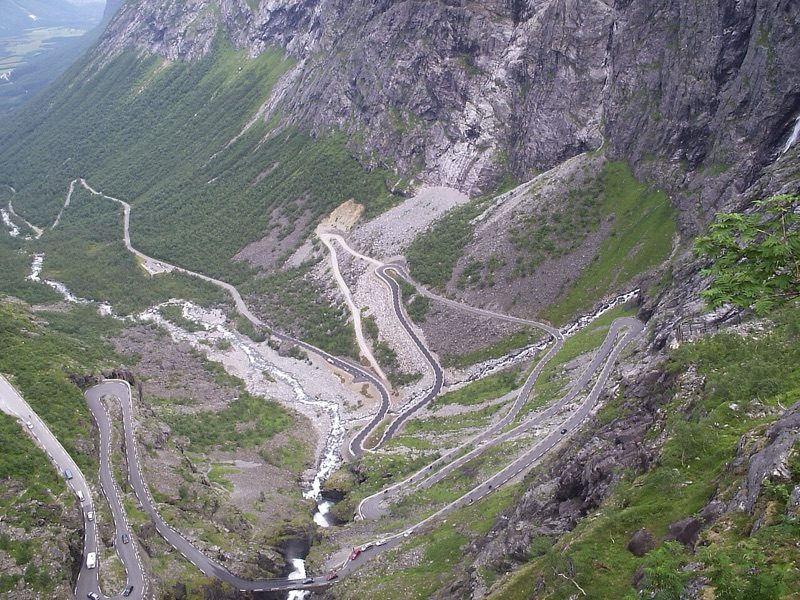
Eleven hairpins at 11% grade above a 180-metre waterfall, with a glass-railed platform cantilevered over the gorge: Trollstigen is one of the world's most photographed mountain roads. Most day tours from Ålesund combine a Geirangerfjord cruise with an afternoon drive through Trollstigen.
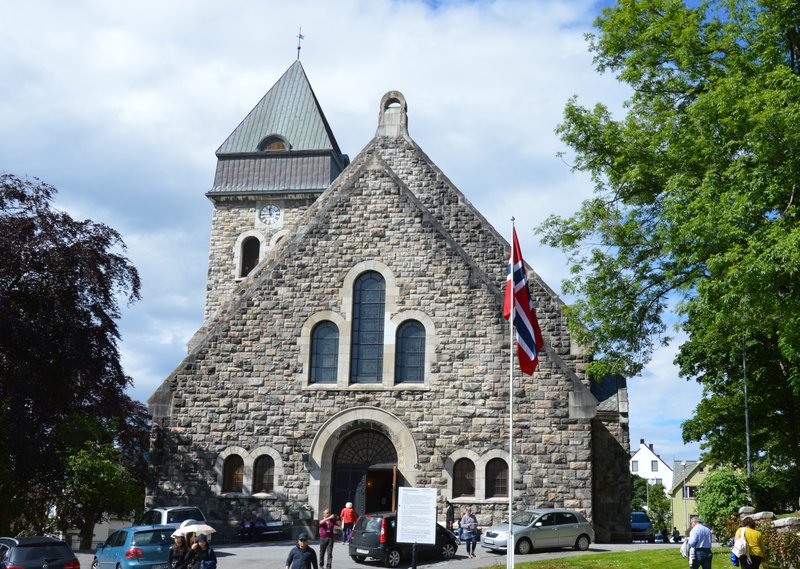
The principal church of Ålesund, designed by Sverre Knudsen and completed in 1909 in Art Nouveau style after the fire that destroyed the original. The interior carries painted choir decorations, stained glass, and the traditional Norwegian seafarers' votive — a ship model hanging from the ceiling.
A medieval stone church built around 1300 on the grounds of Borgundkaupangen, once one of western Norway's largest pre-Bergen settlements. Rebuilt within its original medieval walls after the 1904 fire. 1950s excavations revealed building foundations and a Christian cemetery of over 300 graves.
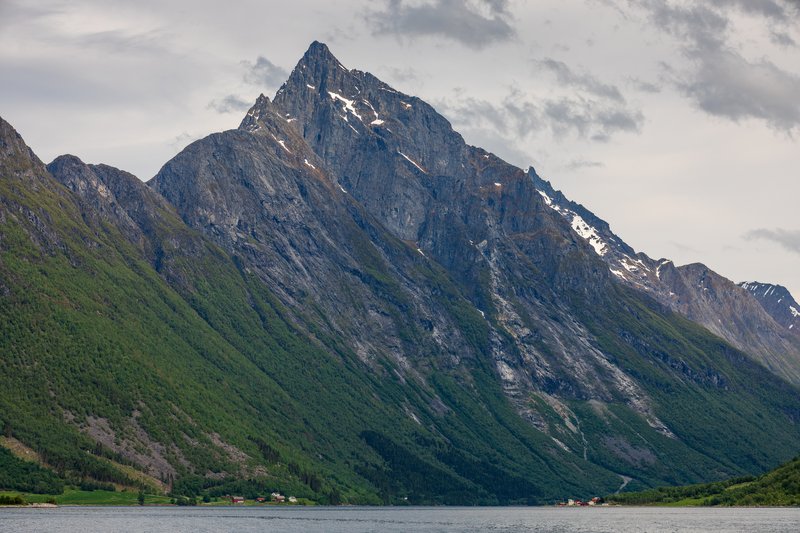
A 39 km fjord in the Sunnmøre Alps, south of Ålesund. Steeper and less visited than Geirangerfjord, Hjørundfjord runs between walls rising to 1,500 m with no cruise traffic. The fjord head at Sæbø and the Norangsdalsvegen valley attracted British alpinists in the 1800s for first ascents across the range.
Full-day cruise from Ålesund city pier into the UNESCO-listed Geirangerfjord — the Seven Sisters and Bridal Veil waterfalls, sheer 260m-deep cliff walls, and English-language narration throughout. One of the most direct ways to experience the fjord without a car.
Full-day combination tour: Geirangerfjord cruise in the morning, bus through Trollstigen in the afternoon — 11 hairpins at 11% grade above a roaring waterfall. The classic Ålesund grand tour covering both the fjord and the mountain road in a single day.
Small-group half-day tour to Trollstigen — the famous mountain road with 11 switchbacks cut into a cliff face above a roaring waterfall. Stops at the suspended glass-railed visitor-centre platform that cantilevers over the gorge. Returns to Ålesund by early afternoon.
Tour to Alnes Lighthouse on Godøy island — the 1852 Atlantic-edge lighthouse, the seasonal keeper's cottage café, and the coastal walking paths on the western tip of the island. Maximum 16 guests.
3-hour afternoon food walk through Ålesund's Art Nouveau centre — klippfisk traditions, local cheese producers, and the city's Norwegian–Portuguese bacalao heritage. Stops at producers and tasting venues in the historic district. Maximum 12 guests.
2-hour small-group walking tour of Ålesund's Jugendstil architecture — the 1904–1907 reconstruction story, the Apoteker building, dragon-motif carvings, and the Kaiser Wilhelm II connection. The most direct way to understand what makes Ålesund architecturally unique, led by a specialist guide.
3-hour afternoon food walking tour through the historic centre — klippfisk traditions, local cheeses, and the Norwegian–Portuguese bacalao story. Maximum small group; meeting at Keiser Wilhelms gate. GYG booking path for the same popular afternoon food walk.
Full-day return boat trip from Ålesund into Geirangerfjord — the UNESCO world heritage fjord with the Seven Sisters waterfall, 260m-deep water, and sheer cliff walls. English narration throughout the 8.5-hour round trip.
Extended 10.5-hour day tour combining a Geirangerfjord boat cruise with a highland return via the Ørnesvingen eagle road — the broadest immersion in western Norway's fjord and mountain landscape available from Ålesund in a single day. Earliest departure.
5-hour guided cruise into Hjørundfjord — the quieter, narrower fjord south of Ålesund, where mountain farms cling to near-vertical cliff edges. A different character from Geirangerfjord: wilder, less visited, and accessible only by boat. Departs Storneskaia.
Full-day group tour combining Geirangerfjord and Trollstigen — the two most dramatic landscapes in the Ålesund region in a single 7.5-hour excursion. Boat from Ålesund, fjord crossing, highland bus return via Trollstigen. TripAdvisor booking path.
3-hour afternoon food walk through the Art Nouveau district — klippfisk traditions, cured meats, and the Norwegian bacalao story with tasting stops at local food producers. Maximum 12 guests. TripAdvisor booking path for the same afternoon food walk.
Small-group 6.5-hour excursion to Trollstigen's 11 hairpins and the Trollveggen rock face — the highest vertical cliff in Europe. Multiple scenic stops with English-language commentary throughout. Maximum 18 guests.
4.5-hour minibus excursion visiting six highlights — Alnes Lighthouse, Sunnmøre Museum, Aksla viewpoint, and city panoramas. The broadest single-day overview of Ålesund and its surrounding islands. Maximum 16 guests.
Full-day return boat cruise from Ålesund through multiple fjords to Geiranger — 2 hours in Geiranger village, the Seven Sisters waterfall, and audio guides in multiple languages. TripAdvisor booking path for the direct fjord cruise.
Ålesund's signature dish — dried and salted cod prepared Portuguese-style with tomatoes, olives, and paprika. The fish traveled from Ålesund's trawler fleet to Lisbon, became bacalhau, and returned to Norway as bacalao.
Free-range lamb from the coastal heathlands of Møre og Romsdal — salt air and wild herbs give a distinctly mineral character. Leaner and more flavourful than lowland lamb. Available as roast and chops at Norwegian-kitchen restaurants.
Norwegian cardamom cinnamon bun — softer and more aromatic than a Swedish kanelbullar, enriched with cardamom in both the dough and the filling. A staple at Ålesund cafés and bakeries.
Brown cheese — made by boiling whey until the sugars caramelize. Sweet, slightly fudgy, unmistakably Norwegian. Eaten on crispbread or waffles. Available at the Alnes Lighthouse café and any Ålesund breakfast table.
Norwegian heart-shaped waffles — thinner and softer than Belgian waffles, eaten warm with sour cream and strawberry jam or brunost. A fixture at coastal cafés; the Alnes Lighthouse keeper's cottage café serves them with the fjord view.
Foreign number: not required. — sign-up runs on Google, Apple, Facebook or email with no phone field at all, so no verification code is sent.
Wolt delivers across the islands of Ålesund, covering the main restaurant areas around the city centre. Good selection of local cafés and fish restaurants; order well ahead during summer evenings.
Foreign number: not required. — the booking account is made with an e-mail address, Google or Facebook — there is no phone field, so no code has to arrive.
NorgesTaxi is Norway's largest taxi network and the most reliable way to get around Ålesund after dark; the city is compact but its islands and steep hills make rides practical even for short distances, and the app works with international cards.
A Cow Kicked Over a Lamp and Burned Down an Entire City in a Night
Ålesund's Art Nouveau streetscape exists because of a cow. On the night of 23 January 1904, a lamp overturned in a fish-oil factory on the island of Aspøya — local accounts blame a cow that kicked it — and hurricane-force winter winds turned the spark into a firestorm that consumed nearly 850 wooden buildings, almost the entire town, within hours. Only one person died, an elderly woman who went back inside her burning house for her purse, but roughly 10,000 residents were left homeless in the depths of a Norwegian winter. Kaiser Wilhelm II, a regular Ålesund vacationer, sent a telegram ordering four German warships loaded with building supplies, food, and medicine before the flames were even fully out — the relief effort that let the rebuilt city rise in stone and Jugendstil ornament within just a few years.
The wild fjord south of the city drew its own outside admirer decades earlier. English mountaineer William Cecil Slingsby began climbing in the Sunnmøre Alps in the 1870s and, after summiting Slogen above Hjørundfjord, called the view down the fjord one of the proudest in Europe — a line that helped make this then-obscure valley internationally known among climbers. Slingsby returned to Norway fifteen times over three decades and is still remembered locally as the father of Norwegian mountaineering, a title earned in a fjord that, unlike Geirangerfjord, still sees no cruise traffic at all.