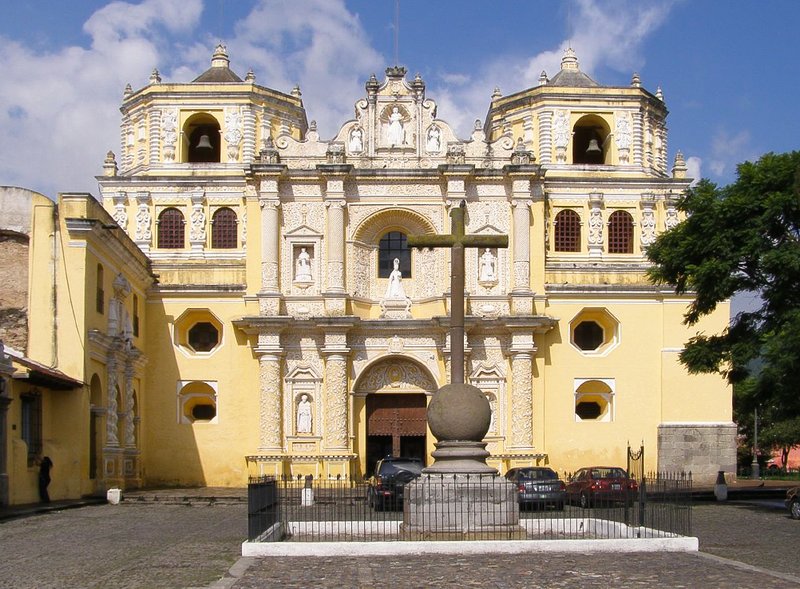
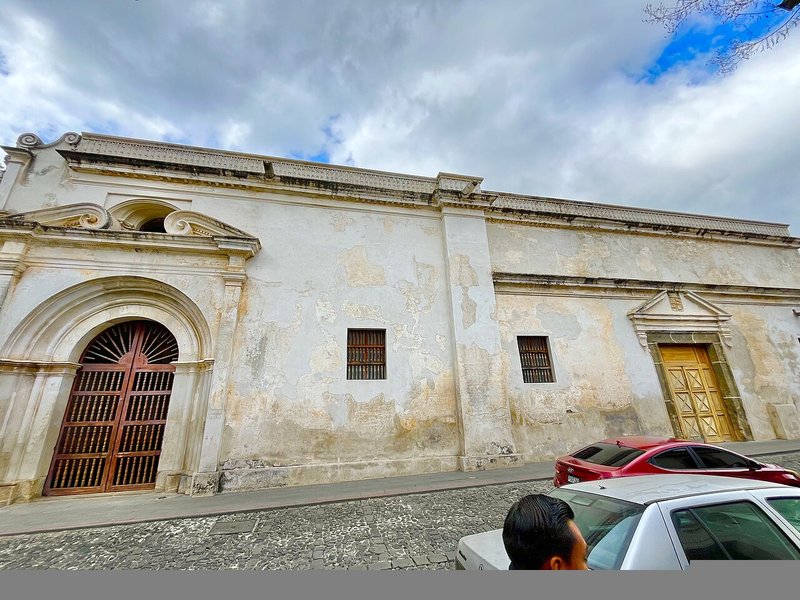
The most elaborately decorated facade in Antigua — yellow and white stucco piled with baroque relief work — fronts a working church whose convent ruins behind it hide a huge Spanish fountain and a rooftop with views over the whole town.
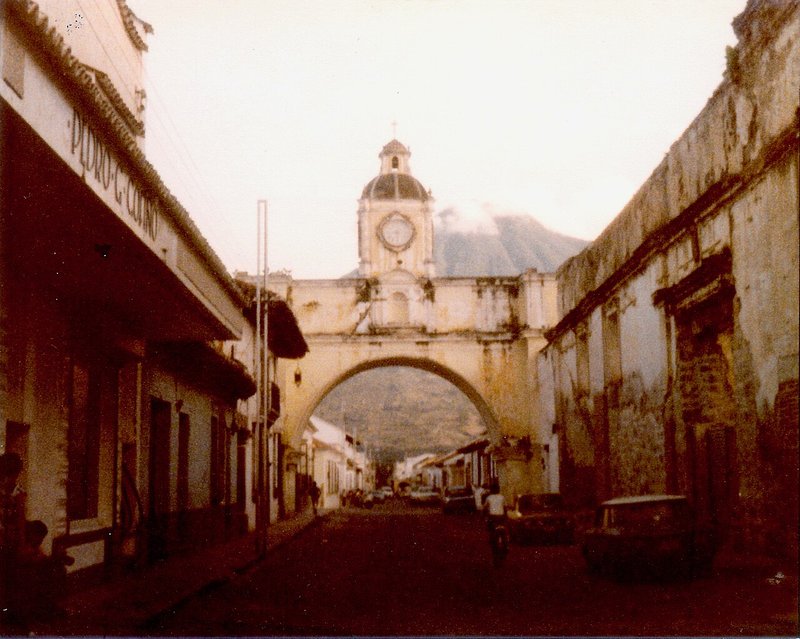
A golden-yellow baroque archway built in 1694 so cloistered Santa Catalina nuns could cross the street unseen; its clock was added in the 1830s, and the framed view of Volcán de Agua through the arch is Antigua's signature photograph.
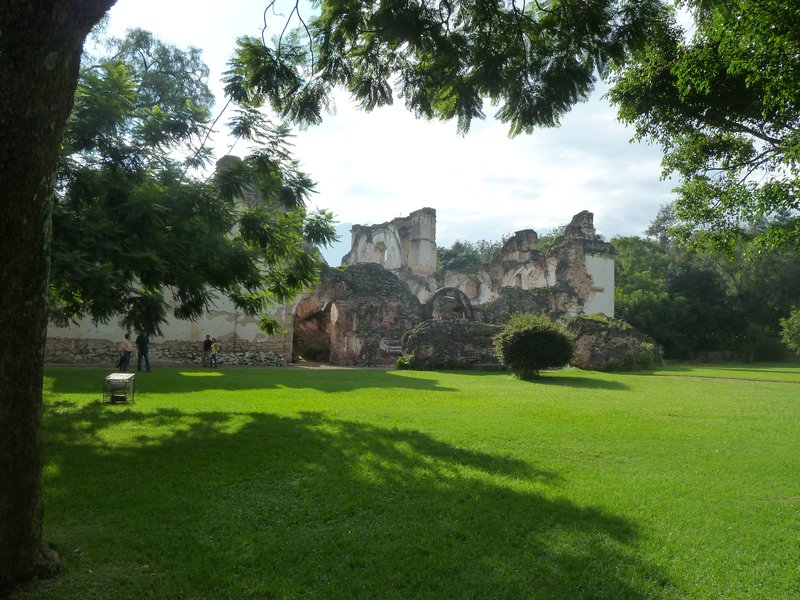
The most dramatic ruin in Antigua — a monastery built from 1701 with walls thick enough to resist earthquakes, brought down anyway in 1773 and left as a field of toppled columns and collapsed vaulting inside a quiet park.
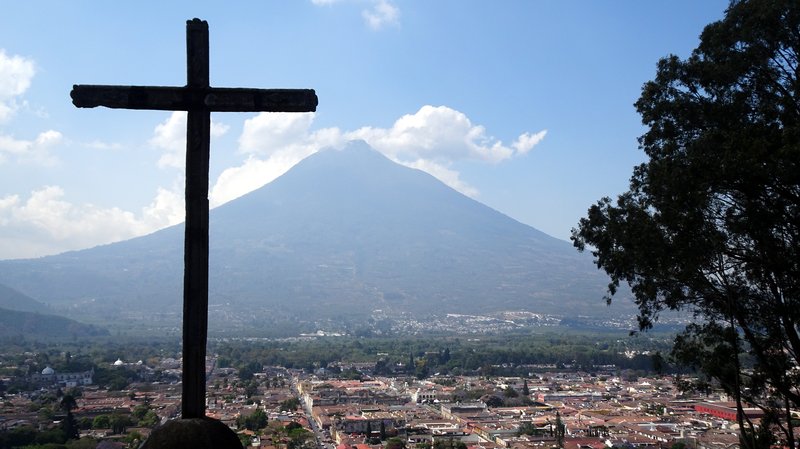
A hilltop cross above the north edge of town frames the single best panorama of Antigua's red-tiled roofs and church domes with Volcán de Agua rising behind them; tourist police patrol the path and viewpoint during daylight hours.
From Hotel: 8 min · 3 min → Antigua Guatemala Cathedral
1.Antigua Guatemala Cathedral~30 min
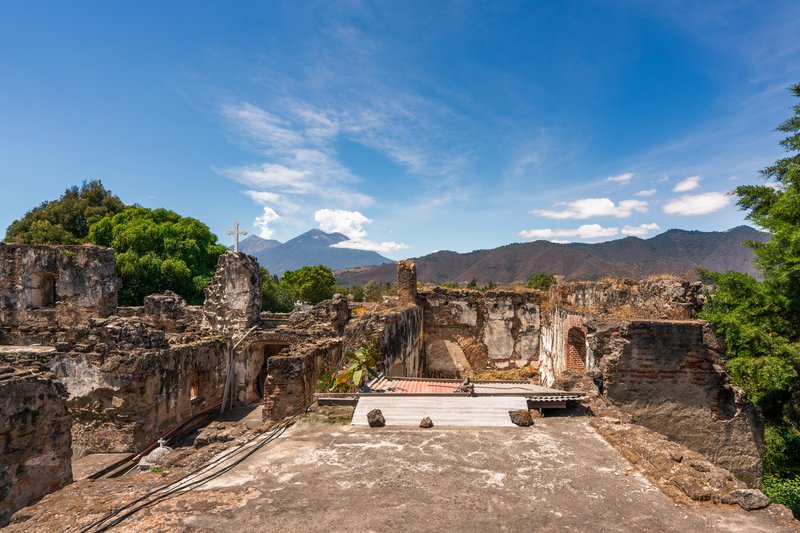
A working parish chapel faces the plaza, but step around the side and the earthquake-shattered nave behind it — roofless arches, fallen columns, grass growing through the stone floor — is what earned this ruin its fame.
A working Franciscan church holding the tomb of Hermano Pedro de San José Betancur, Central America's first canonized saint, whose small museum of personal relics draws a steady line of local pilgrims behind the sanctuary.
6 min · 4 min → Palacio de los Capitanes Generales
3.Palacio de los Capitanes Generales~1 hr
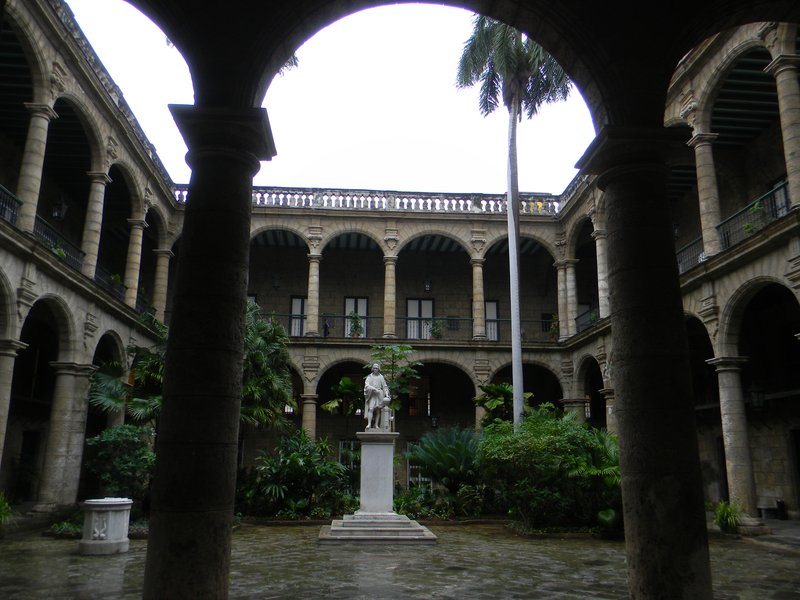
The seat of Spanish colonial power across Central America, rebuilt in stone after the 1773 earthquake with the longest colonnaded facade on Parque Central; it now houses the National Museum of Guatemalan Art.
9 min · 5 min → Iglesia y Convento de las Capuchinas
4.Iglesia y Convento de las Capuchinas~45 min
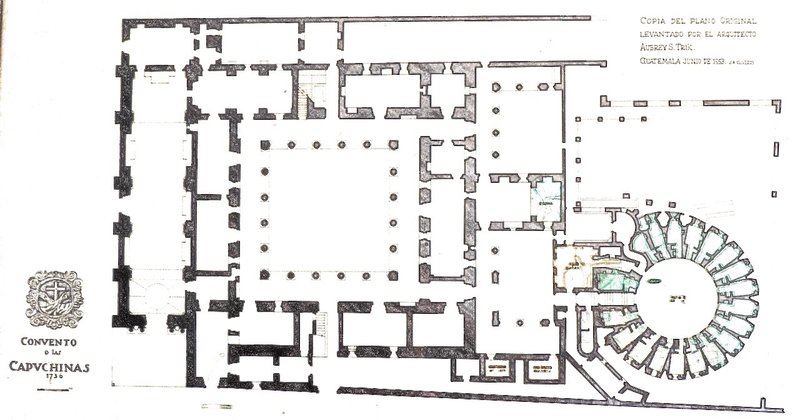
The last and largest convent raised in colonial Antigua, best known for the "Tower of Retreat" — a circular structure of eighteen small stone cells built around a central patio where the Capuchin nuns withdrew in silence.
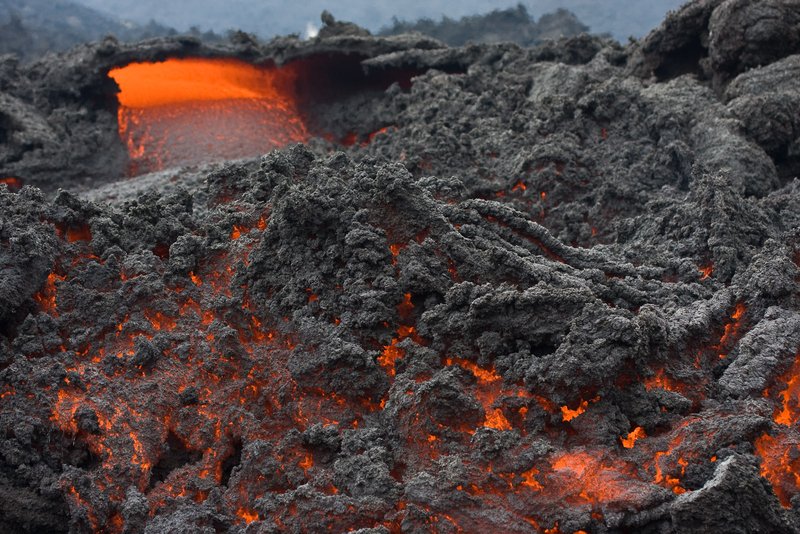
One of Guatemala's three active volcanoes, erupting almost continuously since 1965; a guided trail climbs through pine forest and hardened lava fields to a black volcanic-ash ridge with views into the smoking crater and, on an active night, glowing rock.
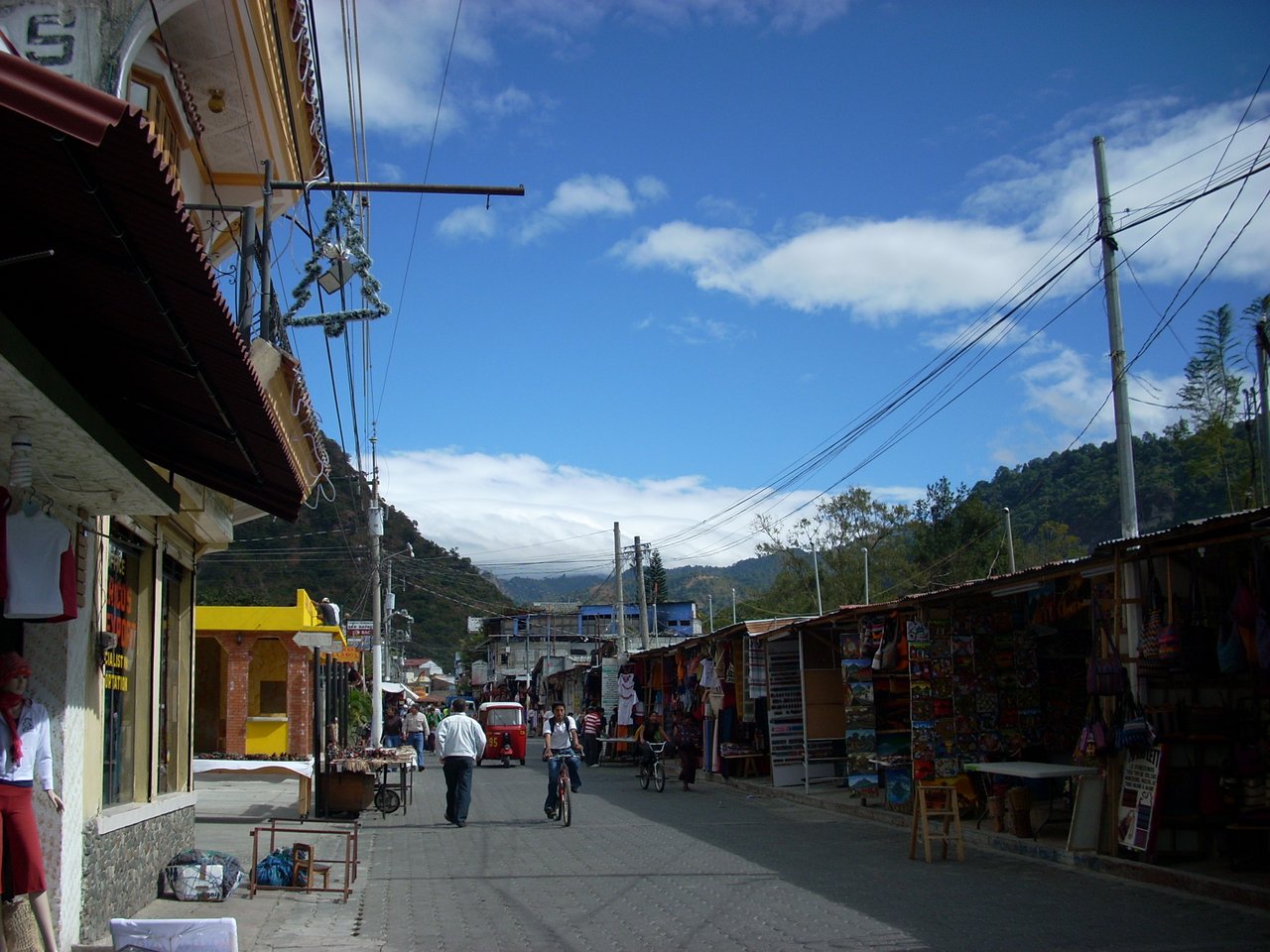
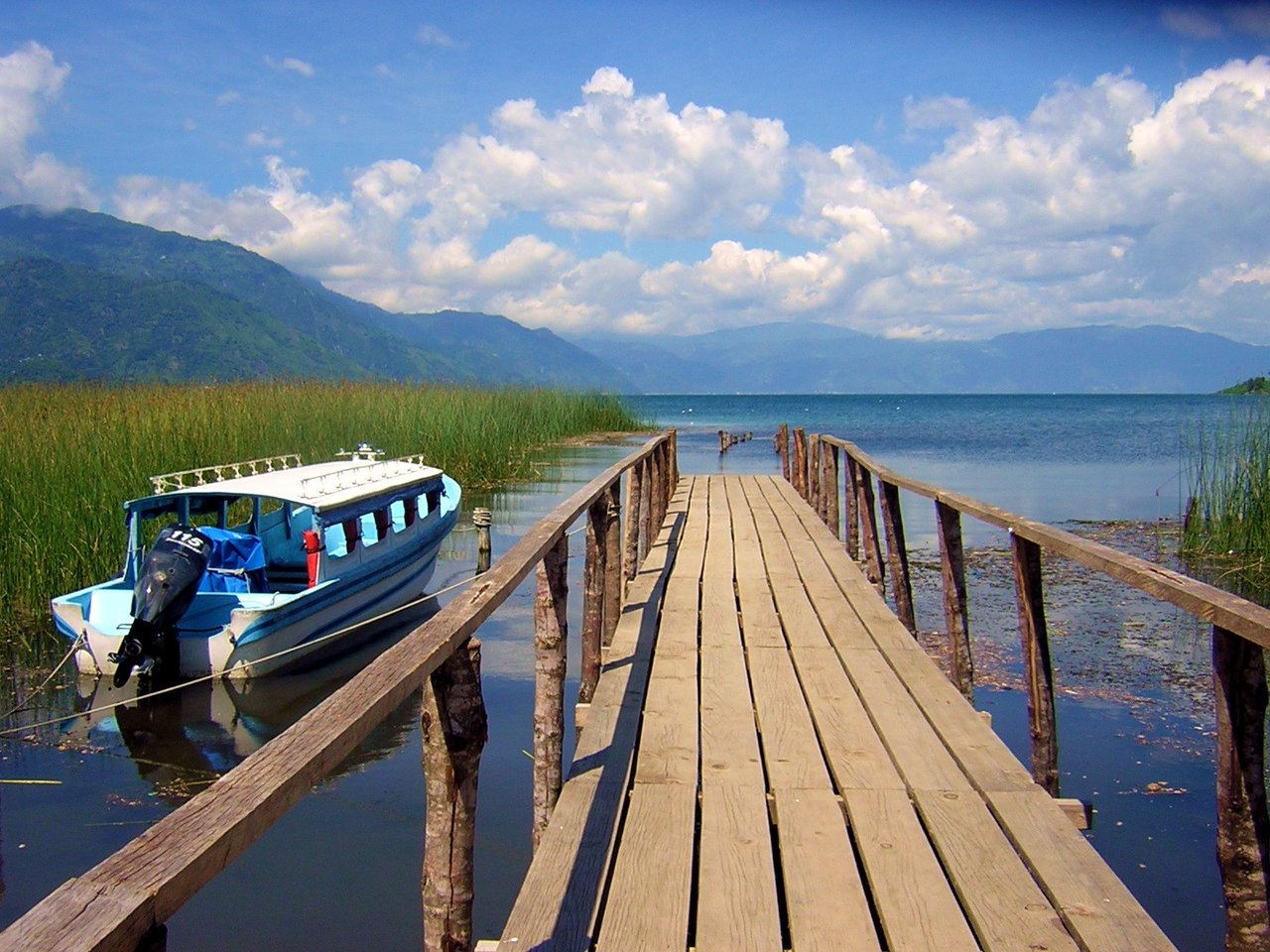
The gateway town to Lake Atitlán, best known for Calle Santander — a market strip dense with Mayan textiles and handwoven goods leading down to the lake shore, where public lanchas depart for the villages across the water.
A Tz'utujil Mayan village on the western shore of Lake Atitlán, known for a cluster of women's weaving cooperatives that produce textiles on backstrap looms using dyes made from local plants — visitors can watch the process and buy directly from the weavers.
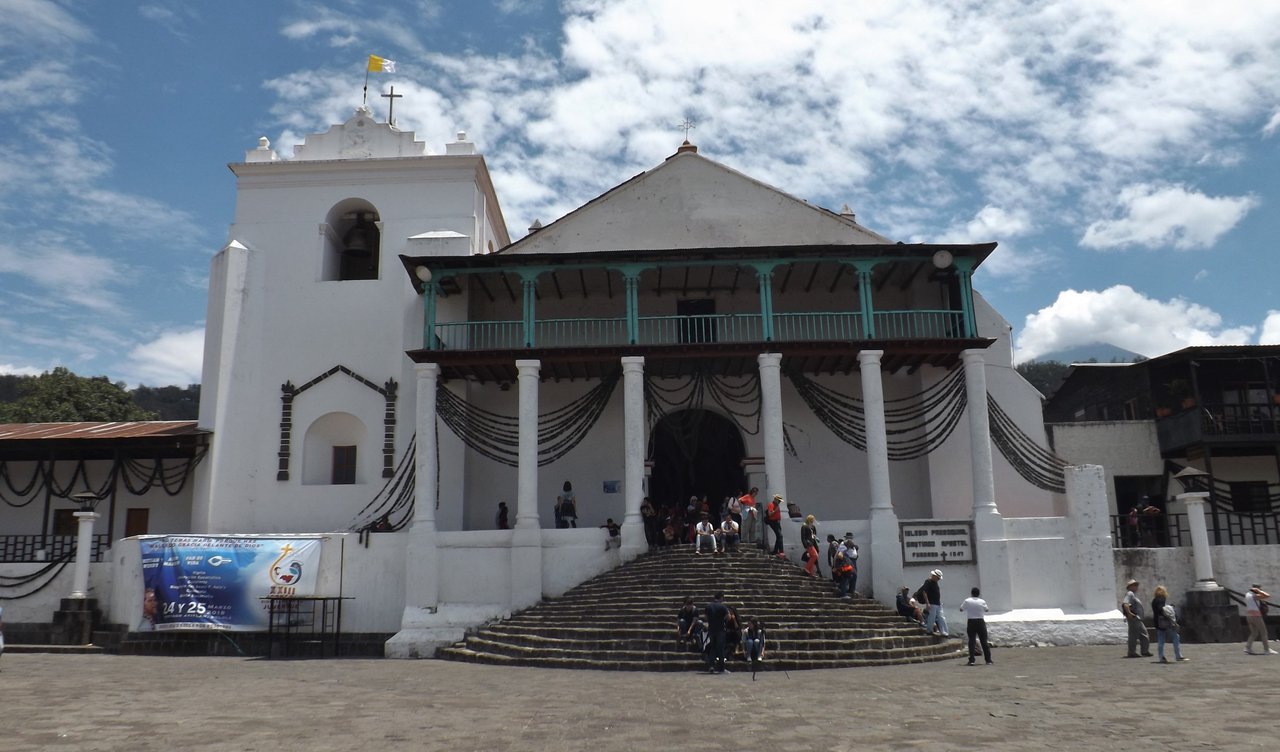
The largest town on Lake Atitlán, a Tz'utujil Mayan community whose colonial church — Iglesia Parroquial Santiago Apóstol — was built on a pre-Columbian ceremonial site; the town is also home to the cult of Maximón, a folk deity whose effigy is paraded annually through the market streets.
A small-scale farmer walks visitors through coffee from seed to cup on the foothills of Volcán de Agua — picking, roasting, grinding and tasting a cup you help prepare.
A full-day circuit of Lake Atitlán's most visited villages — Panajachel's market street, San Juan La Laguna's weaving cooperatives and Santiago Atitlán's Mayan church — with roundtrip transport from Antigua.
A small-group walk through the Palacio, La Merced, the Cathedral ruins and the Arco de Santa Catalina with a local guide's own restaurant and market tips folded in.
A tasting walk through Antigua's food culture — corn-based Mayan dishes, market fruit, sweets and coffee — starting from a colonial house near the center.
Guatemala's national dish — a thick, toasted-spice stew of chicken, beef or pork simmered with vegetables and tomato, found on nearly every menu in Antigua.
Foreign number: accepted. — verification is the same SMS system as Uber rides; codes arrive on foreign carriers in Antigua.
Covers most restaurants inside the historic center reliably; coverage thins fast toward the edges of town, and delivery can slow during heavy downpours.
Foreign number: accepted. — verification SMS arrives on foreign carriers; an existing Uber account from home works without re-registering.
Fixed up-front pricing and no cash or Spanish needed, but cars are noticeably scarcer in Antigua than in Guatemala City — expect a longer wait, especially late at night, and keep tuk-tuk moto-taxis as the cash-only backup for short hops around town.
Processions and sawdust carpets close historic-center streets. Keep the day flexible and walk rather than relying on a car crossing town.
Worth Knowing
A colonial capital the earthquakes never let finish being rebuilt
Antigua was Central America's capital for over two centuries until the 1773 earthquakes drove the government to found Guatemala City instead — which is why the ruins here were never cleared away or restored. Walking past a roofless nave or a fallen archway isn't visiting a museum piece; it's the same view a resident had the week the capital moved.
Cash is still the default. Cards are accepted at hotels and the nicer restaurants, but the small entrance fees at the ruins — Q20 to Q40 — are cash-only at the door, and having a stack of small quetzal bills makes the whole three days smoother.
The historic center sits at roughly 1,530 meters above sea level, so afternoons are warm and mornings and evenings are cool year-round — pack a light layer for the cooler hours.
Every street corner carries a hand-painted tile with its colonial name and a small number — the town's own address system, unchanged since the 1700s, and worth glancing at before assuming a phone's navigation app has the modern name right.