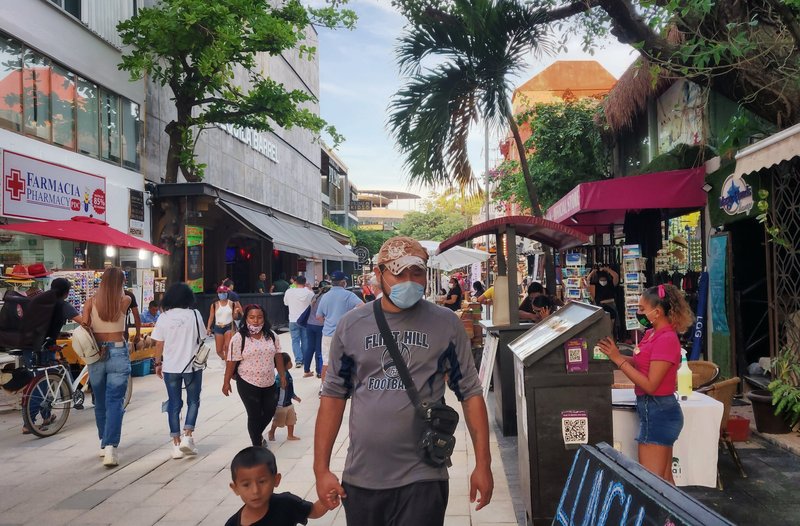
A 4-kilometer pedestrian mall running parallel to the beach, lined with open-air restaurants, boutiques, and street performers — the walkable heart of the whole town.
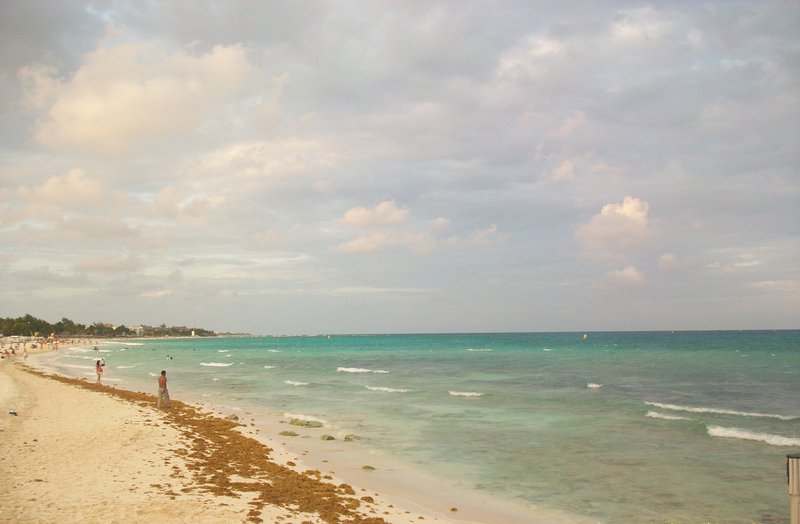
Calm, warm-water Caribbean sand a short walk from 5th Avenue, backed by beach clubs renting loungers and serving lunch and cocktails with your feet still in the sand.
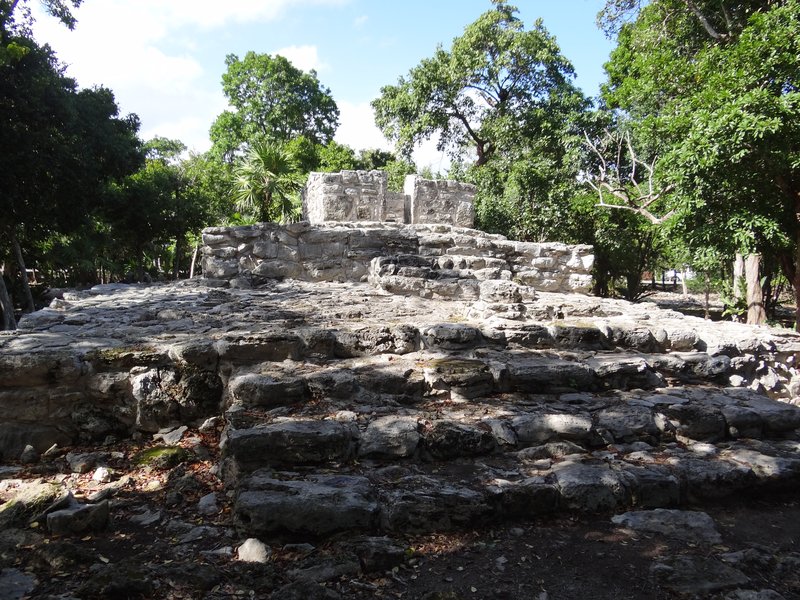
Three surviving groups of small Post-Classic Maya structures scattered through the Playacar neighborhood — once the mainland launch point for pilgrim canoes crossing to Cozumel's shrine of Ixchel.
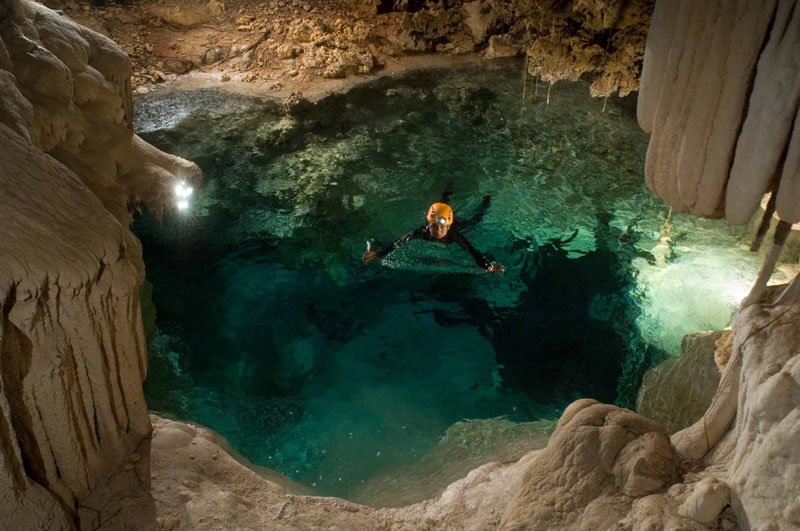
A guided wade-and-swim through a semi-flooded limestone cave hung with stalactites, first explored in 2006 after a farmer chasing an iguana stumbled onto its hidden entrance.
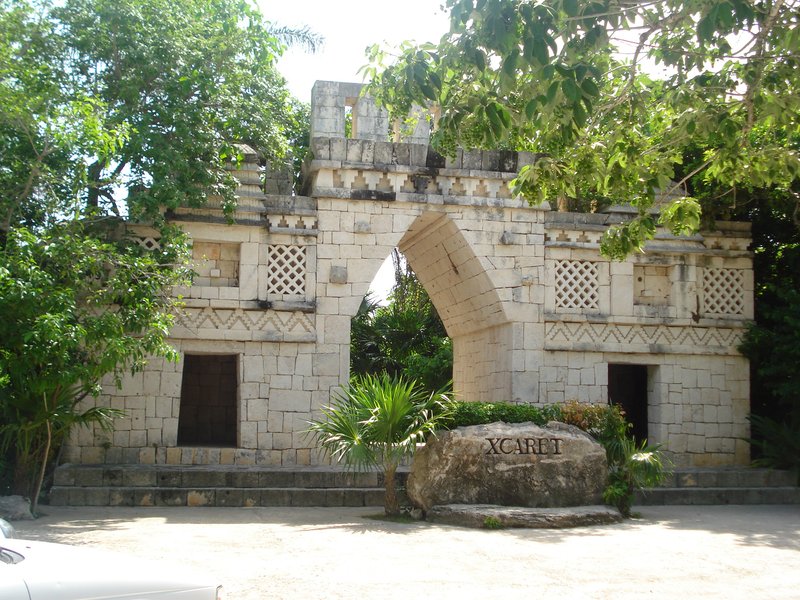
A sprawling eco-archaeological park built around the ruins of the ancient Maya port of Polé — float through underground rivers, snorkel a natural aquarium, walk a butterfly pavilion, and stay for the evening's Mexico Espectacular show.
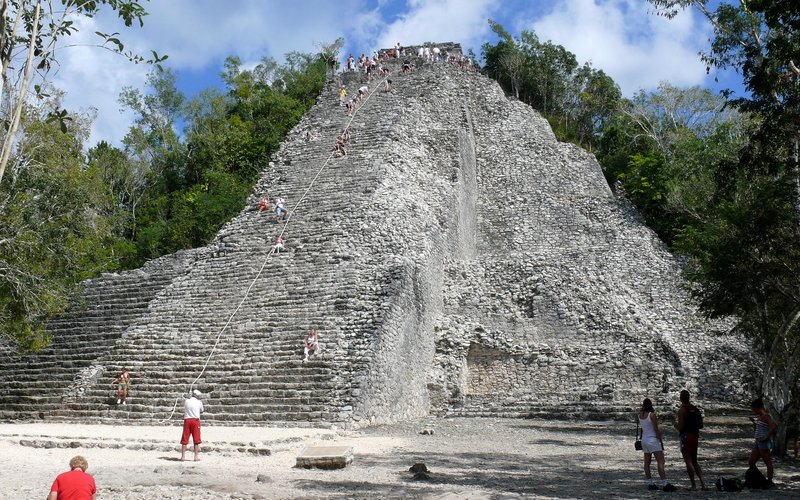
A once-vast Maya city hidden in jungle around a chain of lakes, connected by the ancient world's largest network of stone causeways and crowned by Nohoch Mul, at 42 meters the tallest pyramid on the peninsula.
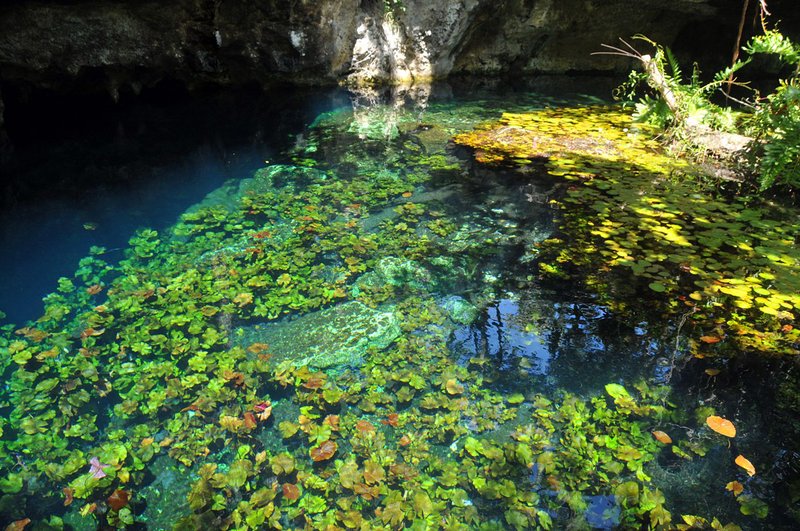
Two clear, sunlit sinkholes linked by a submerged cave passage — one of the best-known surface entrances to Sistema Sac Actún, the longest underwater cave system ever mapped.
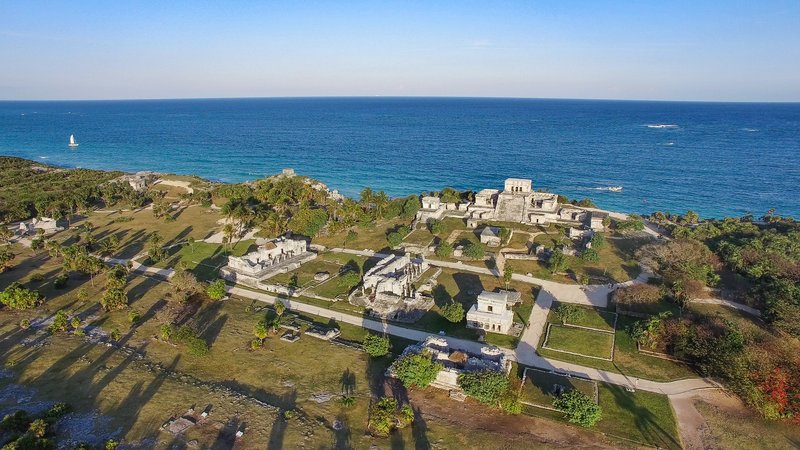
A walled Maya port city perched on 12-meter limestone cliffs above the Caribbean, its watchtowers and El Castillo temple framed by turquoise water on one side and jungle on the other.
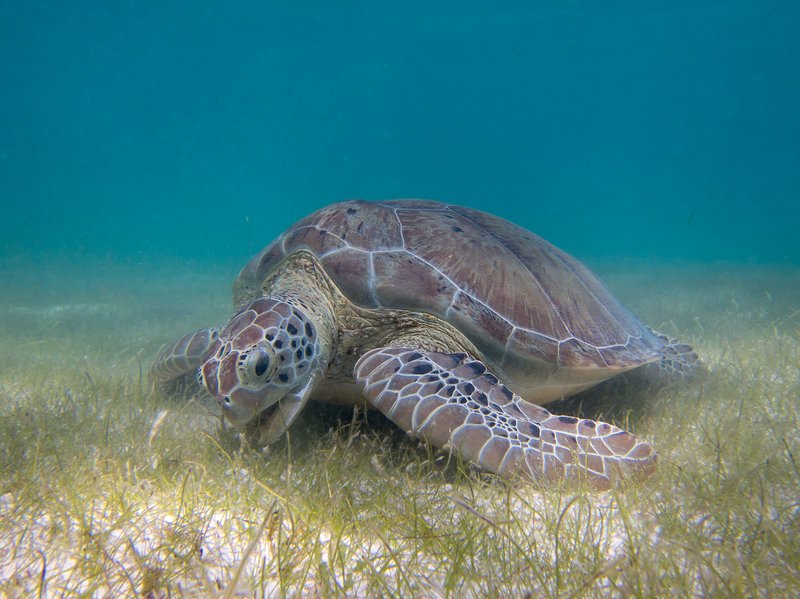
A calm, shallow bay declared a marine refuge in 2016, where wild green sea turtles graze on seagrass beds just off the sand — one of the most reliable places on the coast to snorkel beside them.
Pork marinated in achiote and sour orange, wrapped in banana leaf and slow-roasted — a Yucatán technique that predates the Spanish, served on tacos with pickled onion.
Foreign number: not accepted. — the Mexico sign-up flow requires a +52 number and a Mexican-issued card; a foreign number's SMS code is rejected at the form, not merely unread.
Covers most of Centro and the hotel zone with a wide restaurant list, but a Mexican SIM or a local account is the only practical way in for a visiting foreigner.
Foreign number: not accepted. — Rappi verifies only numbers issued by carriers in its live countries, so a foreign mobile number never receives the code at all.
The broadest platform in the city, covering groceries and pharmacies as well as restaurants, but the same local-number gate as Uber Eats blocks a fresh sign-up from abroad.
Foreign number: accepted. — an account verified in your home country signs in and hails rides in Mexico without a new SMS code; only a brand-new sign-up needs a local number.
Widely available in Centro and Playacar, cheaper and more predictable than flagging a street taxi, though surge pricing hits hard around Xcaret's night-show closing time.
Foreign number: accepted. — international numbers receive the SMS verification code normally through DiDi's own sign-up flow.
Often the cheaper of the two apps here, with a fare-bidding system that can undercut Uber on short hops around Centro, though the English interface is less polished.
The Tren Maya's coastal line reaches Tulum in under an hour, well inside a single morning — the same ruins and beach this guide's Day 3 visits by road, reachable by rail instead.
The same coastal line continues south past Tulum to the Lagoon of Seven Colors, a long ride but a genuine day trip for a traveler without a rental car.
Friendly strangers offering a free breakfast or tour discount are almost always timeshare sellers; a polite no and walking on works better.
Main beach — Sargassum season
Brown seaweed washes ashore April through October, worst in June and July; mornings are cleaner, and Cozumel's shoreline usually fares better.
Worth Knowing
A beach town built as a base, not a checklist
Playa del Carmen works best as a hub rather than a destination to exhaust on its own — the town itself is a walkable evening and a good beach, and the real draws, Xcaret, Tulum, the cenotes, sit thirty minutes to two hours out. Renting a car for the Cobá/Tulum day is genuinely worth pricing against a tour: Mexican rental agencies routinely quote a low online rate and then add mandatory insurance at the counter that can double the total, so a walk-in comparison at two or three agencies on 5th Avenue before booking anything in advance often saves money.
Bring pesos in cash for every archaeological site — Tulum and Cobá both charge a combined INAH/park fee at the gate, card readers there are unreliable, and there is no ATM at either site or at Gran Cenote. The nearest reliable ATMs are back in Playa del Carmen or Tulum town, not at the ruins themselves.
The ferry to Cozumel leaves right from the foot of 5th Avenue and the crossing is under 45 minutes — worth keeping in mind if the mainland beach is having a rough sargassum week, since the island's leeward coast is sheltered from the same currents that pile seaweed onto Playa del Carmen's own sand.