AUSTIN
Residence Inn Austin Downtown · Convention Center
United States
TRIP OVERVIEW
Day 1 – Texas State Capitol · Bullock Texas State History Museum · Blanton Museum of Art · Ellsworth Kelly's Austin · LBJ Presidential Library
Day 2 – Zilker Botanical Garden · Barton Springs Pool · Umlauf Sculpture Garden & Museum · Lady Bird Lake
Day 3 – Mexic-Arte Museum · South Congress Avenue · Stevie Ray Vaughan Memorial · Congress Avenue Bridge · Rainey Street Historic District
Day 4 – Harry Ransom Center · Mount Bonnell
Day 5 – The Contemporary Austin – Laguna Gloria · Wild Basin Wilderness Preserve · Cathedral of Junk · Sixth Street Historic District
Day 1
1. Texas State Capitol~1 hr 30 min
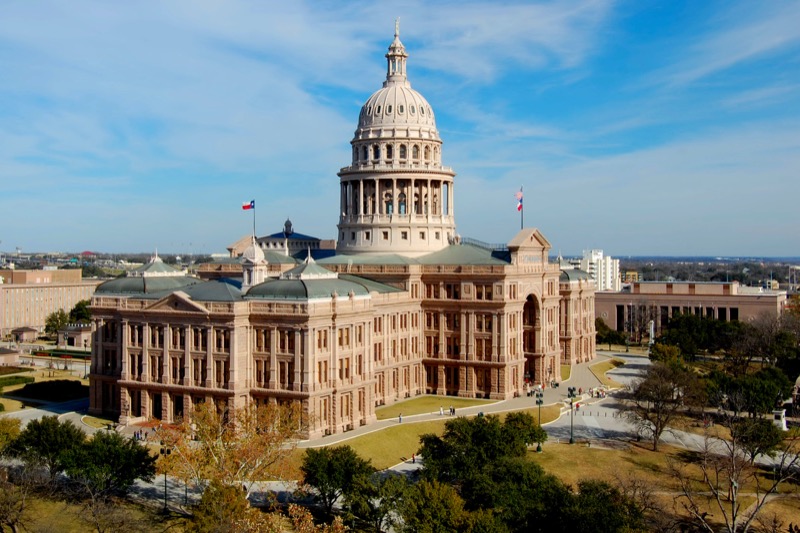
Texas's 1888 capitol is built of distinctive pink granite and stands taller than the U.S. Capitol in Washington. Free self-guided and docent-led tours lead through the rotunda, the legislative chambers, and the soaring dome.
2. Bullock Texas State History Museum~2 hr
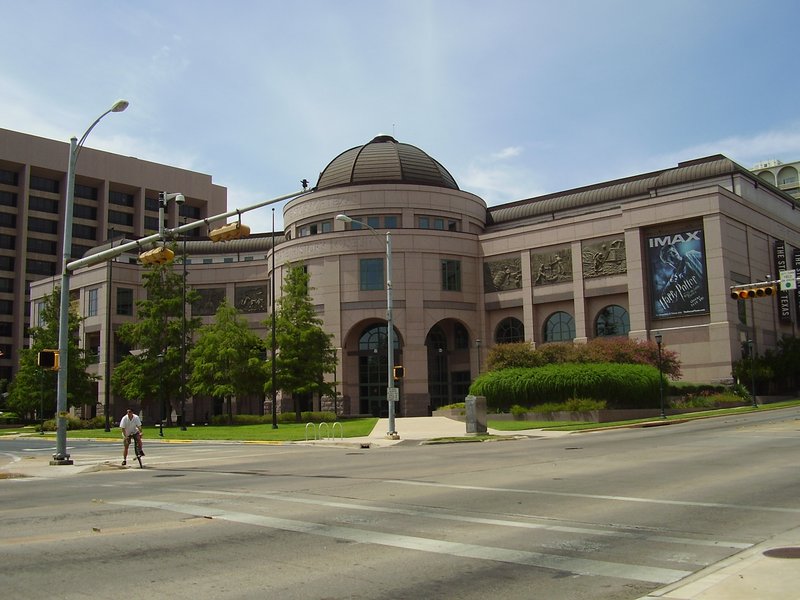
The state's flagship history museum traces Texas from its Native and Spanish-colonial roots through statehood and the oil boom across three floors. The polished granite lobby floor and the 35-foot bronze star out front are landmarks in their own right, and an IMAX theater rounds out a visit.
Daily 10:00am - 5:00pm
3. Blanton Museum of Art~2 hr
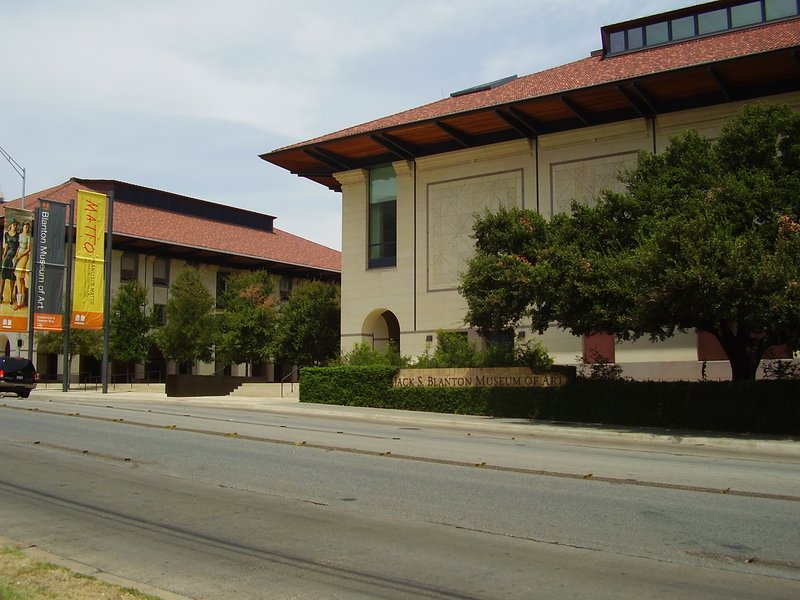
One of the largest university art museums in the United States, with 22,000 works spanning ancient Greek pottery, European Old Masters, and twentieth-century abstraction — along with the largest public collection of modern and contemporary Latin American art in the US.
Tuesday - Friday 10:00am - 5:00pm
Saturday 10:00am - 8:00pm · Sunday 10:00am - 5:00pm
Closed Monday
Free Tuesdays
4. Ellsworth Kelly's Austin~30 min
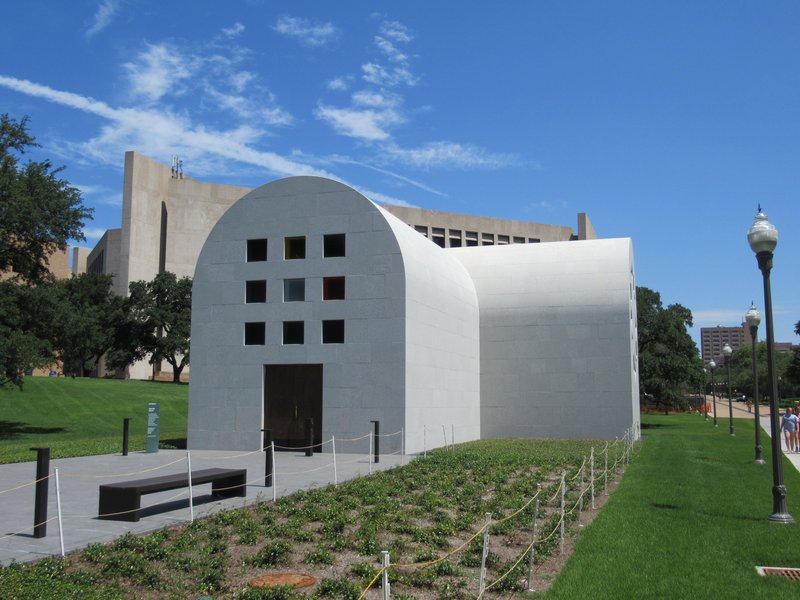
A freestanding limestone chapel on the Blanton's campus, completed in 2018 as Ellsworth Kelly's only architectural work. Fourteen colored-glass panels cast shifting light through the white interior, alongside two large marble panels and a redwood totem.
Tuesday - Friday 10:00am - 5:00pm
Saturday 10:00am - 8:00pm · Sunday 10:00am - 5:00pm
Closed Monday
Free
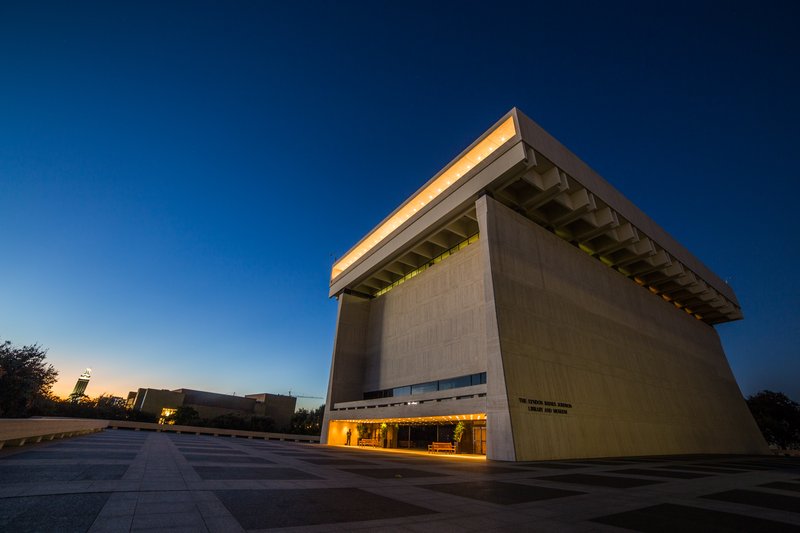
5. LBJ Presidential Library~2 hr
On the University of Texas campus, the presidential library holds 45 million pages of Lyndon Johnson's papers and a faithful seven-eighths-scale replica of his Oval Office. Exhibits cover the Great Society, the civil-rights era, and the Vietnam War.
Daily 9:00am - 5:00pm
Day 2
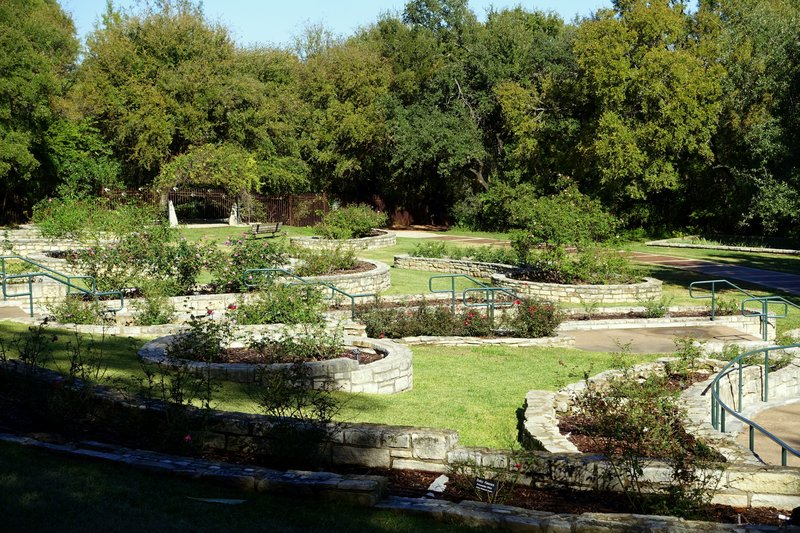
1. Zilker Botanical Garden~1 hr 30 min
Twenty-six acres of themed gardens — rose, Japanese, prehistoric, and cactus among them — terraced into a hillside above Barton Creek. The Hartman Prehistoric Garden recreates a dinosaur-era landscape around real local fossil finds.
Daily 9:00am - 5:00pm
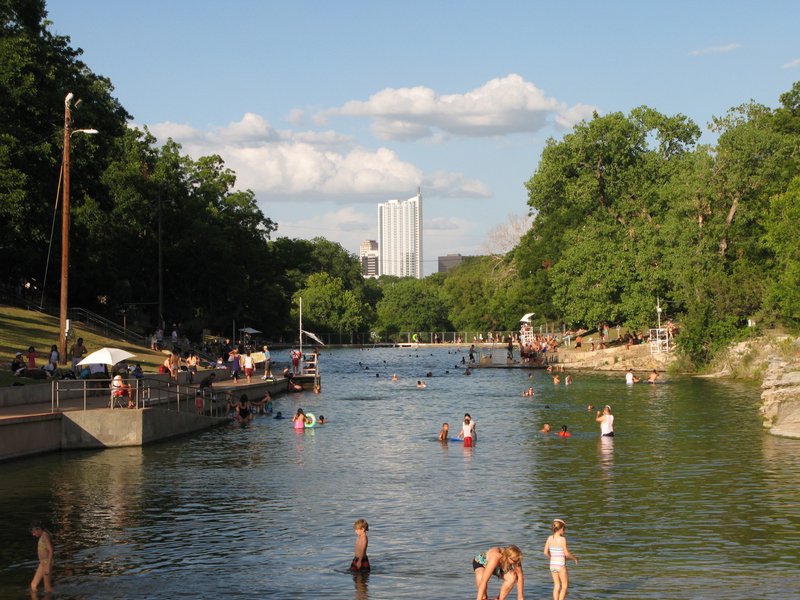
2. Barton Springs Pool~1 hr 30 min
A spring-fed, three-acre swimming hole inside Zilker Park, fed straight from the Edwards Aquifer. A beloved local ritual, it is lined by a grassy slope and shaded by pecan trees.
Daily 5:00am - 10:00pm
Closed Thursdays 9:00am - 7:00pm for cleaning
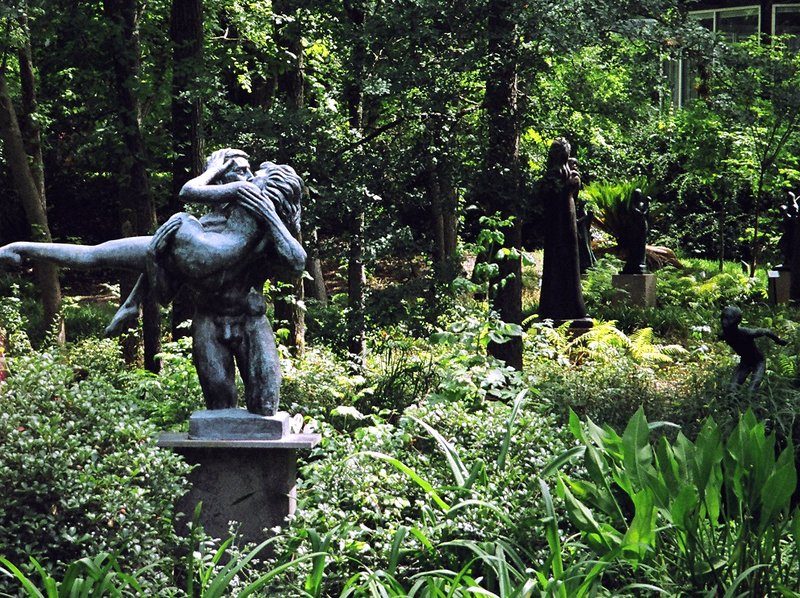
3. Umlauf Sculpture Garden & Museum~1 hr 15 min
Over 130 bronze, marble, and cast-stone sculptures by UT professor Charles Umlauf fill a shaded outdoor garden and indoor gallery set into a wooded ravine at the edge of Zilker Park — one of the city's most peaceful stops, with works from small portrait busts to large figurative bronzes beneath live oaks.
Tuesday - Friday 10:00am - 4:00pm
Saturday - Sunday 11:00am - 4:00pm
Closed Monday
4. Lady Bird Lake~1 hr
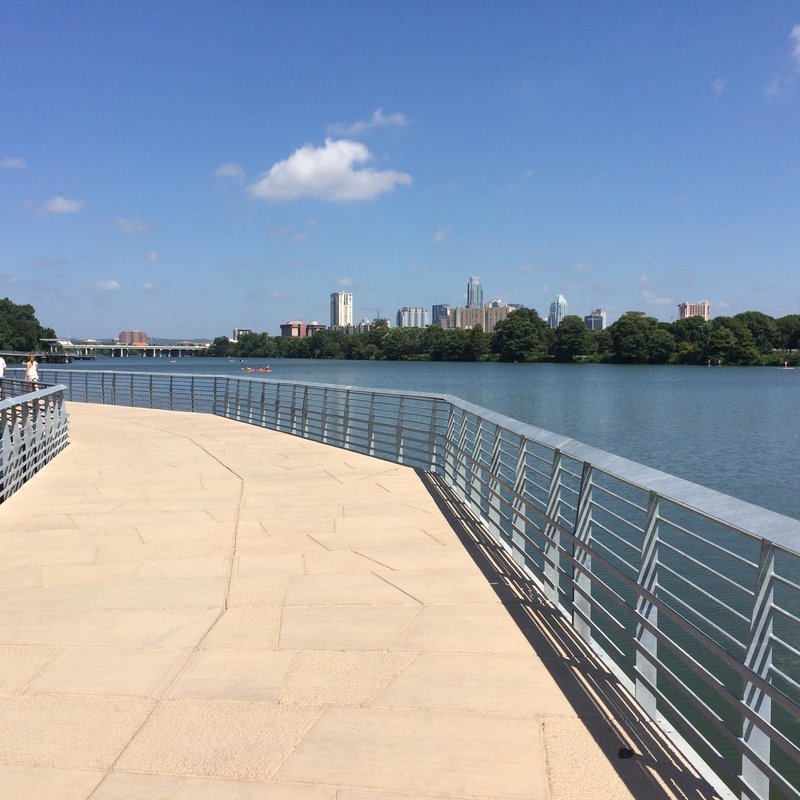
A reservoir on the Colorado River ringed by the Ann and Roy Butler Hike-and-Bike Trail, whose lakeside boardwalk carries walkers and cyclists right out over the water with downtown skyline views. The calm, no-motor water is Austin's hub for kayaking and paddleboarding.
Open 24/7
Day 3
1. Mexic-Arte Museum~1 hr
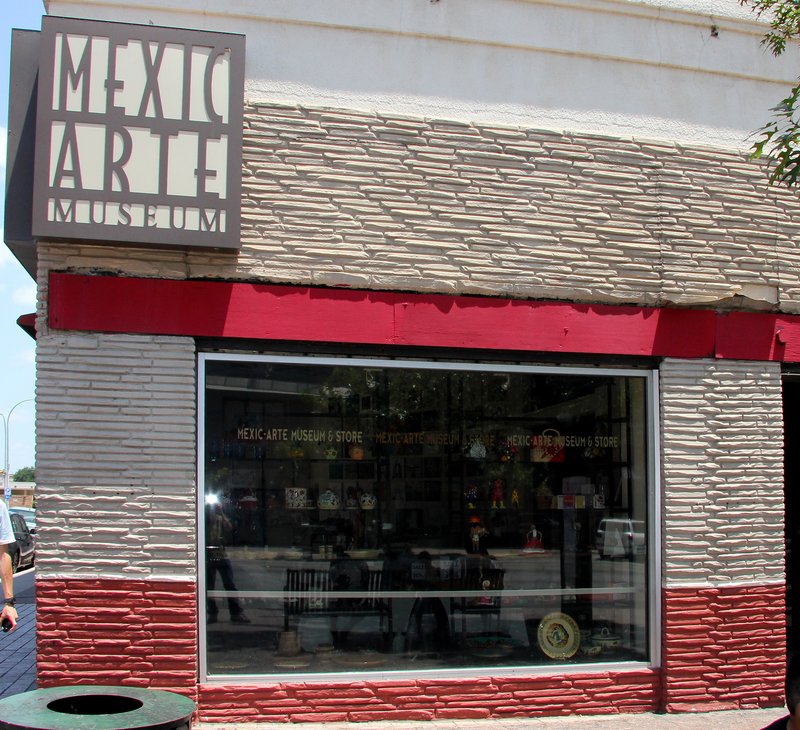
Designated the Official Mexican American Fine Art Museum of Texas, Mexic-Arte mounts rotating exhibitions of Mexican, Latin American, and Mexican-American art across Congress Avenue galleries. The permanent collection spans prints, photographs, folk art, and pre-Columbian masks.
Monday - Thursday 10:00am - 6:00pm
Friday - Saturday 10:00am - 5:00pm · Sunday 12:00pm - 5:00pm
2. South Congress Avenue~1 hr 30 min
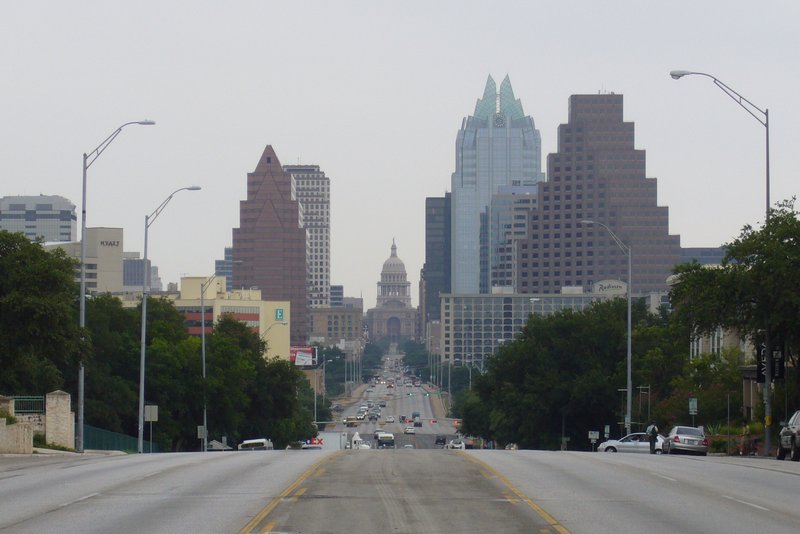
The most celebrated mile in Austin, South Congress runs south from the Congress Avenue Bridge through a dense corridor of boutiques, vintage stores, food trucks, and neon-sign motels. The view north from mid-SoCo frames the State Capitol dome at the end of the straight avenue.
3. Stevie Ray Vaughan Memorial~20 min
A life-size bronze statue of blues guitarist Stevie Ray Vaughan stands on Auditorium Shores at the south bank of Lady Bird Lake, facing downtown. Sculptor Ralph Helmick cast it in 1993 and it has become one of the most visited spots on the hike-and-bike trail.
Open 24/7
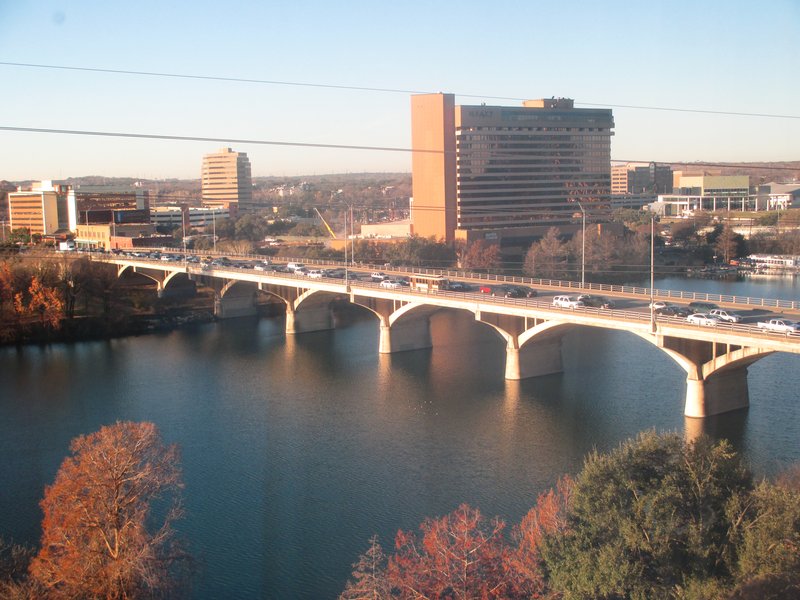
4. Congress Avenue Bridge~45 min
From spring through fall, up to 1.5 million Mexican free-tailed bats — the largest urban bat colony in North America — stream out from under this downtown bridge at dusk. Crowds gather on the banks and the deck to watch the nightly emergence over Lady Bird Lake.
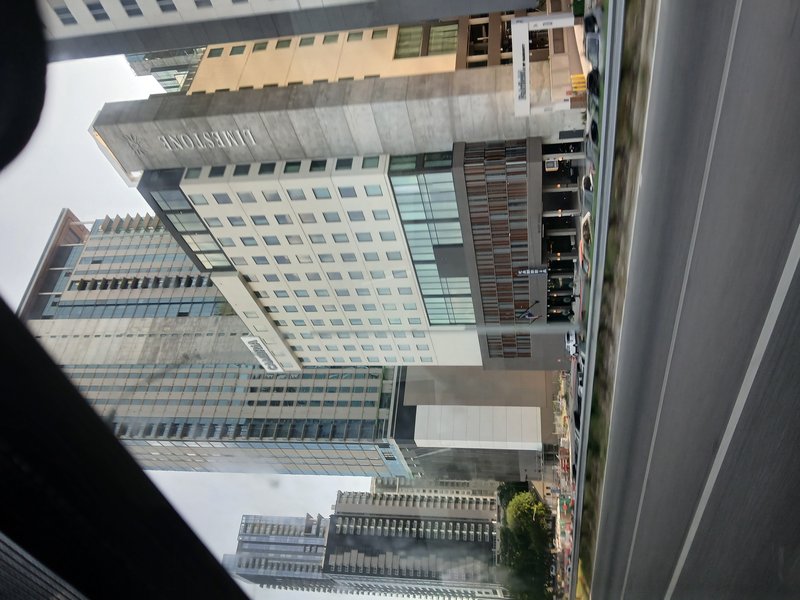
5. Rainey Street Historic District~45 min
A two-block strip of early-twentieth-century Craftsman bungalows that were converted, one by one, into bars, restaurants, and coffee shops, creating Austin's most atmospheric outdoor drinking district. The compact street is flat, open-air, and best experienced in the late morning before crowds arrive.
Open 24/7
Day 4
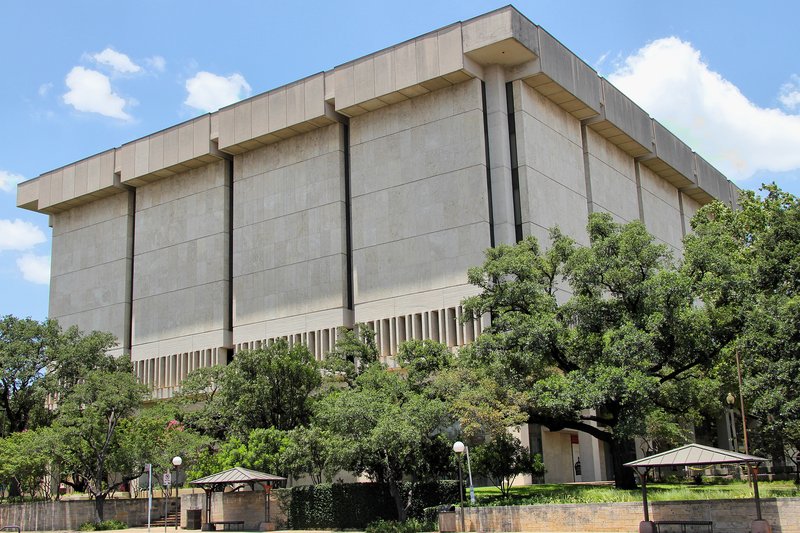
1. Harry Ransom Center~1 hr 30 min
UT Austin's humanities research center holds one of 48 surviving Gutenberg Bibles, the first photograph ever taken — Niépce's 1826 View from the Window at Le Gras — and 40 million pages of manuscripts, rare books, photography, and film.
Tuesday - Friday 10:00am - 5:00pm
Saturday - Sunday 12:00pm - 5:00pm
Closed Monday
Free
2. Mount Bonnell~45 min
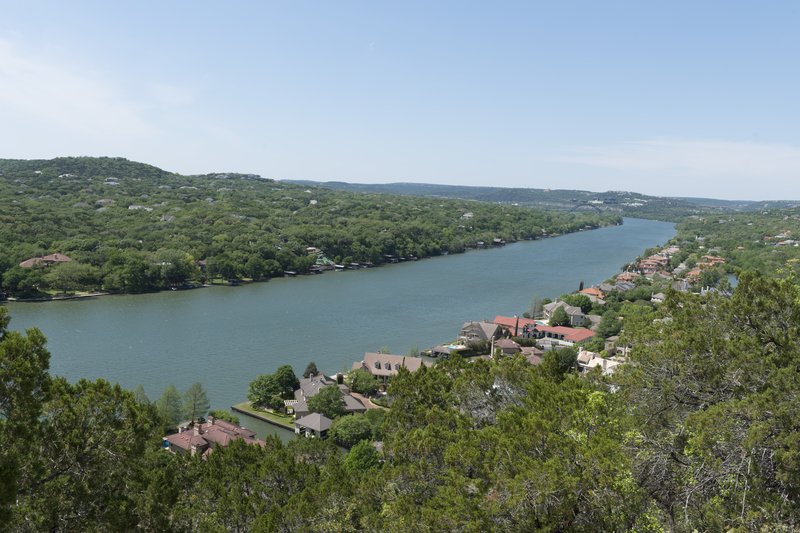
At about 775 feet, one of Austin's highest points and a lookout since the 1850s. A short stair-climb reaches a stone pavilion with sweeping views over Lake Austin, the Hill Country, and the 360 Bridge — best at sunset.
Day 5
1. The Contemporary Austin – Laguna Gloria~1 hr 30 min
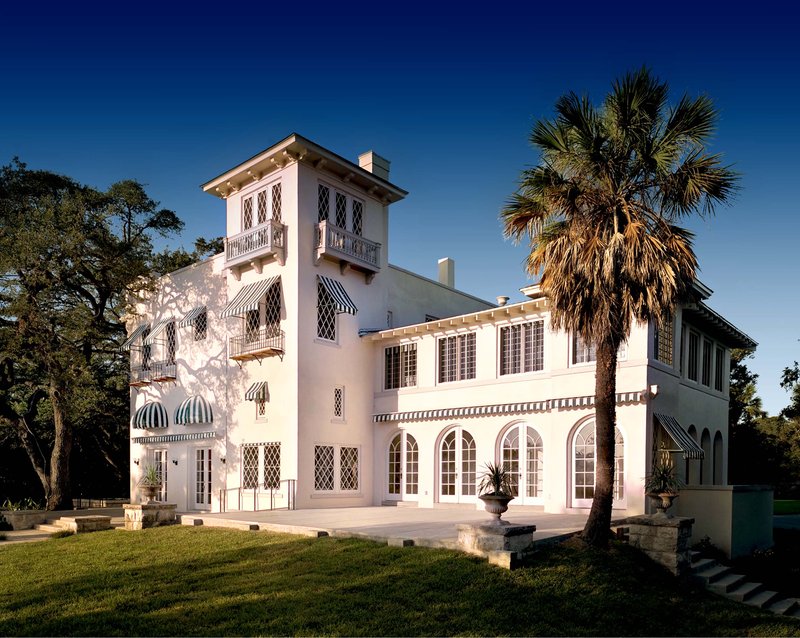
A 1916 Italianate villa on Lake Austin, now home to The Contemporary Austin's sculpture park. The Betty and Edward Marcus Sculpture Park winds through native plantings and limestone outcrops along the shoreline, with major artworks among live oaks above the water.
Wednesday 9:00am - 3:00pm · Thursday 9:00am - 9:00pm
Friday - Sunday 9:00am - 3:00pm
Closed Monday & Tuesday
Free Thursdays
2. Wild Basin Wilderness Preserve~1 hr 30 min
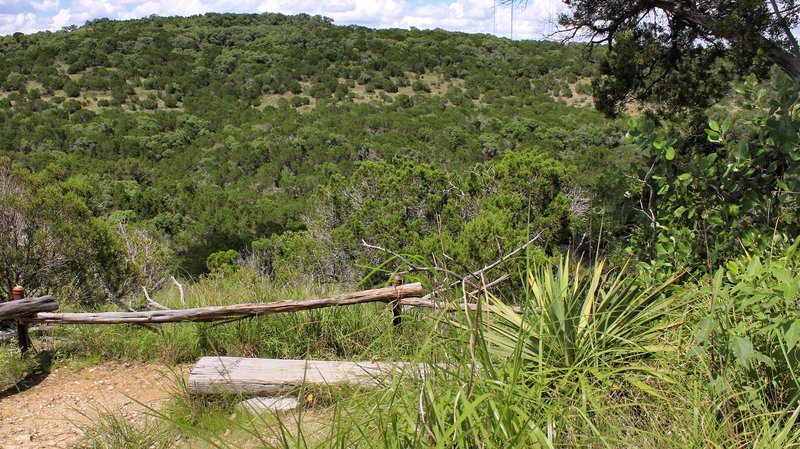
A 227-acre preserve with 2.5 miles of limestone trails through cedar woodland and oak savanna, dropping into Bee Creek canyon and rising to a Hill Country overlook. One of the last intact stretches of Central Texas Hill Country habitat inside the city limits, co-managed by St. Edward's University and Travis County.
Daily 7:00am - 8:00pm
Free
Weekend and holiday visits require a free advance hiking pass
15 min uphill
3. Cathedral of Junk~45 min
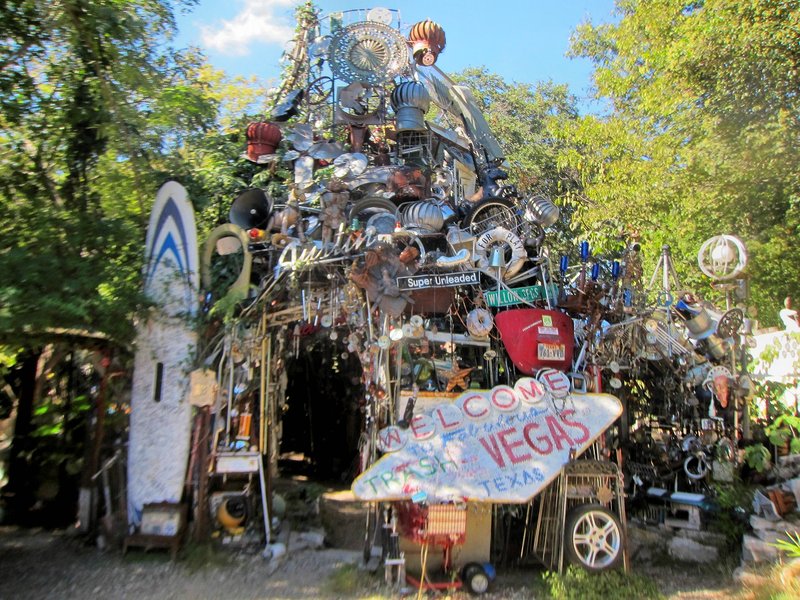
Since 1988, Vince Hannemann has been welding bicycles, televisions, car parts, and toys into a cathedral-sized folk art installation — over 60 tons of material rising 30 feet high. Visitors walk through tunnels, climb platforms, and explore a constantly evolving labyrinth of found-object architecture.
Monday - Saturday 9:00am - 5:00pm
Closed Sunday
Free
Access is by appointment — contact ahead before visiting
Enclosed space
4. Sixth Street Historic District~45 min
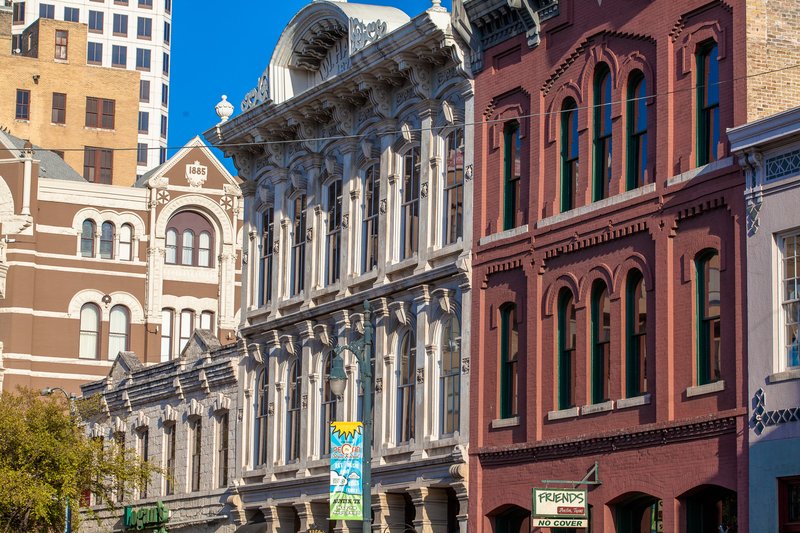
Listed in the National Register of Historic Places in 1975, this nine-block corridor holds the largest concentration of Victorian commercial architecture west of the Mississippi — limestone and brick storefronts from the 1870s and 1880s, anchored by the Romanesque Revival Driskill Hotel.
Open 24/7
Weekly Closures
Art Museums · Closed Monday
Tours
Viator
A two-hour stroll from Congress Avenue to historic 6th Street with a clear view of the Texas Capitol — true tales of politics, outlaws, urban legends, and the music history that shaped the city, told by a local guide with insider tips. Relaxed pace, shaded where possible, and fully wheelchair accessible.
2 hr · Small group
A small-group day trip pairing authentic Central Texas barbecue with tastings at three scenic Hill Country wineries, with comfortable round-trip transport from Austin.
5 hr 30 min · Small group
A half-day Sprinter van shuttle to the legendary Salt Lick BBQ and two Hill Country wineries — brisket, ribs, and sausage served family-style outdoors at the legendary pit, then tastings at two scenic wineries, with round-trip transport from the Austin Visitor Center.
4 hr 30 min · Small group
4. From Austin: Best of San Antonio Day Trip with Boat Cruise & The Alamo · Viator · 4.9 · 108+ reviews
A small-group van day trip from Austin to San Antonio covering the Alamo, Tower of the Americas, a River Walk boat cruise, and Mission San José — 7 hours with round-trip transport and a local guide.
7 hr · Small group
↔
A 90-minute public group sightseeing cruise at sunset on Lake Travis — limestone cliffs, clear blue water, and Hill Country panoramas from Hurst Harbor Marina, departing at sunset in an open-air boat with BYOB permitted.
1 hr 30 min · Group
GetYourGuide
A half-day Sprinter van shuttle to the legendary Salt Lick BBQ pit and two Hill Country wineries — family-style barbecue outdoors at the legendary pit, then wine tastings in the scenic Texas Hill Country, with round-trip transport from downtown Austin.
4 hr 30 min · Small group
A small-group van day trip from Austin to San Antonio covering the Alamo, Tower of the Americas, a River Walk boat cruise, and Mission San José — 7 hours with round-trip transport from Austin.
7 hr · Small group
↔
A full-day small-group van tour from Austin through the Texas Hill Country — LBJ Ranch, Fredericksburg's main street, Luckenbach Town Hall, and wine tastings at a Hill Country vineyard, with Austin.
8 hr · Small group
↔
TripAdvisor
Half-day shuttle tour to Salt Lick BBQ and two Hill Country wineries — tastings of legendary Central Texas brisket, fall-off-the-bone ribs, and Hill Country wines, with round-trip transport from the Austin Visitor Center.
4 hr 30 min · 11 max
A 3-hour evening van tour of three iconic Austin live music venues — a local comedian-guide escorts the group through East 6th Street and beyond, giving insider context on Austin's live music history and the scene that earned the city its Live Music Capital of the World title.
3 hr · Small group
A small-group van day trip from Austin to San Antonio covering the Alamo, Tower of the Americas, a River Walk boat cruise, and Mission San José — 7 hours with round-trip transport and a local guide.
7 hr · Small group
↔
Cappuccino
Desnudo Coffee · 4.6 · 91+ reviews
Thursday - Sunday 7:30am - 2:30pm
Closed Monday, Tuesday & Wednesday
Houndstooth Coffee · 4.3 · 514+ reviews
Monday - Friday 6:30am - 7:00pm
Closed Saturday & Sunday
Restaurants Near Hotel
Garrison · 4.6 · 303+ reviews
Live-fire steaks and New American fine dining over post oak.
In the hotel
Tuesday - Thursday 5:00pm - 9:00pm · Friday - Saturday 5:00pm - 10:00pm
Closed Sunday & Monday
Moonshine Grill · 4.4 · 6400+ reviews
Southern comfort food and brunch on a historic creekside patio.
Monday - Saturday 11:00am - 10:00pm
Closed Sunday
Banger's Sausage House & Beer Garden · 4.1 · 2947+ reviews
House-made sausages and a 200-tap beer garden.
Daily 11:00am - 10:00pm
Emmer & Rye · 4.0 · 1021+ reviews
Tasting-menu New American with rotating dim sum carts.
Tuesday - Sunday 5:30pm - 10:00pm
Closed Monday
Cooper's Old Time Pit Bar-B-Que · 4.0 · 2255+ reviews
Llano-style pit barbecue served straight off the counter.
Daily 11:00am - 10:00pm
Downtown Restaurants
Comedor · 4.1 · 557+ reviews
Modern Mexican with Texas influences.
Monday - Saturday 5:00pm - 10:00pm
Closed Sunday
Red Ash · 4.4 · 1579+ reviews
Wood-fired Italian steakhouse in the Warehouse District.
Daily 5:00pm - 10:00pm
Wu Chow · 3.9 · 1191+ reviews
Farm-to-table Chinese with Sunday dim sum.
Monday - Friday 11:00am - 2:00pm · 4:00pm - 10:00pm
Saturday 5:00pm - 11:00pm · Sunday 11:00am - 3:00pm
Roaring Fork · 4.1 · 1430+ reviews
Wood-fired American grill with steaks, game, and green-chile dishes.
Monday - Friday 11:00am - 10:00pm
Closed Saturday & Sunday
Lamberts Downtown Barbecue · 3.8 · 2112+ reviews
Wood-smoked "fancy" barbecue and brunch over two floors.
Daily 11:00am - 10:00pm
Dining Areas
South Congress
Local Tastes
Breakfast Tacos
Austin's unofficial breakfast — warm tortillas folded around eggs, cheese, potato, bacon, or chorizo. The migas taco, with crispy tortilla strips folded into the eggs, is the local signature.
Central Texas Barbecue
Salt-and-pepper brisket smoked low over post oak until it pulls apart, served by the pound with sausage and ribs on butcher paper. Pit lines forming before opening are part of the ritual.
Queso
Warm, melted Tex-Mex cheese dip served with tortilla chips. The layered Bob Armstrong Dip — queso with taco meat, guacamole, and pico — was invented in Austin at Matt's El Rancho.
Food Delivery
Uber Eats
Foreign number: accepted. — it runs on the same Uber account, so the code comes by SMS to any international number, with a voice call as the fallback.
Covers the full Austin metro with a wide restaurant selection including South Congress, East Sixth and Rainey Street spots; the easiest of the three to set up without a US number.
DoorDash
Foreign number: not accepted. — a US mobile number is required to complete sign-up.
Largest restaurant network in Austin but account creation requires a US number; use Uber Eats if arriving without one.
Favor
Foreign number: not accepted. — the runner reaches you by US text message.
Texas-only platform with solid Austin coverage for both food and grocery delivery, but the runner communicates by US text message — international numbers cannot complete orders.
Shows, Performances & Concerts
ACL Live at The Moody Theater
Home of the Austin City Limits TV tapings, the longest-running music show on American television. The 2,750-seat downtown theater books top touring artists.
Getting Around
Uber
Foreign number: accepted. — the code comes by SMS to any international number, and "Call me with code" reads it out if the SMS is blocked.
Austin is a sprawling city and its best-known destinations — South Congress, Zilker Park, East Sixth Street, the Domain — sit too far apart to walk; Uber is the practical choice throughout, with consistent availability and no local number required.
Train Stations Near Hotel
Downtown Station
Day Trips by Train
Taylor · 1 hr 08 min
Pickleball
Waterloo Pickleball · Indoor
Only indoor courts in downtown Austin; 1 indoor + 2 outdoor courts on site
Monday - Wednesday 5:30am - 7:30pm · Thursday - Friday 5:30am - 6:30pm · Saturday 8:00am - 8:00pm · Sunday 9:00am - 8:00pm
Austin Pickle Ranch · Indoor
16 indoor and 2 outdoor courts; non-member reservations available
Monday 7:00am - 11:00pm · Tuesday 7:00am - 12:00am · Thursday - Friday 7:00am - 12:00am · Saturday 8:00am - 12:00am · Sunday 8:00am - 10:00pm
Closed Wednesday
Michelin Restaurants
Hestia
Live-fire New American built around a wood-burning hearth.
la Barbecue
Central Texas barbecue from a custom backyard pit.
Olamaie
Refined Southern cooking famous for its off-menu biscuits.
Craft Omakase
Barley Swine
Not shown: 2 more in Austin
Heads Up
Barton Springs Pool — Thursday Cleaning
The spring-fed pool runs every day except Thursday, when it closes 9:00am - 7:00pm for cleaning — the only day with no daytime swim.
Congress Avenue Bridge — Bats Are Seasonal
The 1.5-million-bat colony is only here mid-March to early November, and emerges near sunset — nothing to see in winter or by day.
Mount Bonnell — Car Break-ins at the Lot
Austin police flag the Covert Park parking area as a hot spot for vehicle burglaries, especially at the busy sunset hour.
Hiking
Barton Creek Greenbelt — Spyglass Entry · Moderate
Limestone canyon descent past creek swimming holes and shaded passages.
2.5 mi return · 200 ft ascent
2 hr
Barton Creek Greenbelt — Sculpture Falls · Moderate
Out-and-back to two tiered limestone waterfalls; creek crossings after rain.
3 mi return · 150 ft ascent
2 hr 30 min
Worth Knowing
Why Austin Feels Like Austin
Two of this guide's stops are really the same story told in stone and water: the Capitol's pink granite was quarried at Granite Mountain near Marble Falls, the same Hill Country uplift whose limestone springs feed Barton Springs Pool. The city's grandest building and its favorite swimming hole come from one slab of geology.
The bats are an accident too. When the Congress Avenue Bridge was rebuilt in 1980, its new expansion joints happened to make ideal bat roosts — and a piece of infrastructure nobody designed for wildlife became the largest urban bat colony in North America, then one of the city's signature sights.
Also on this site
Nearby Guides