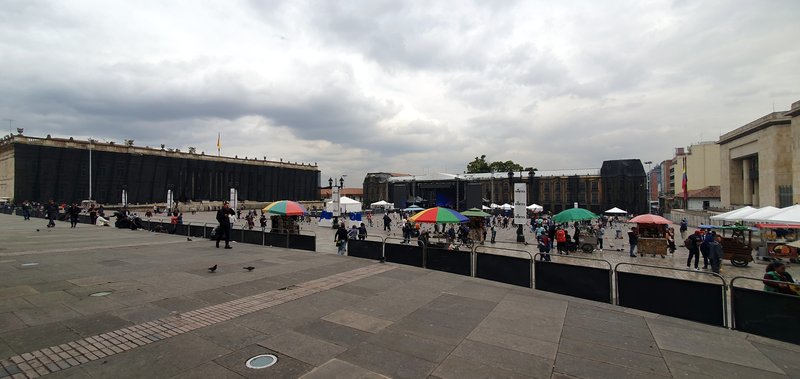
Bogotá's founding square since 1538, ringed by the Capitolio Nacional, the Palace of Justice, City Hall, and the Primatial Cathedral — still the stage for national protests and celebrations.
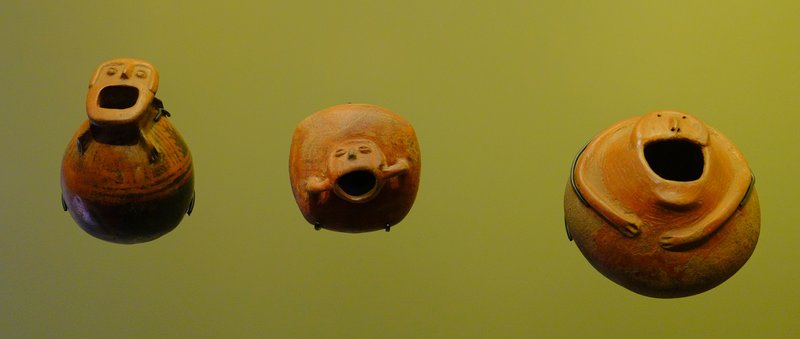
The world's largest collection of pre-Hispanic gold work — over 34,000 pieces from the Muisca, Quimbaya, Calima, and Tairona cultures across three floors, and Colombia's single most-visited museum.
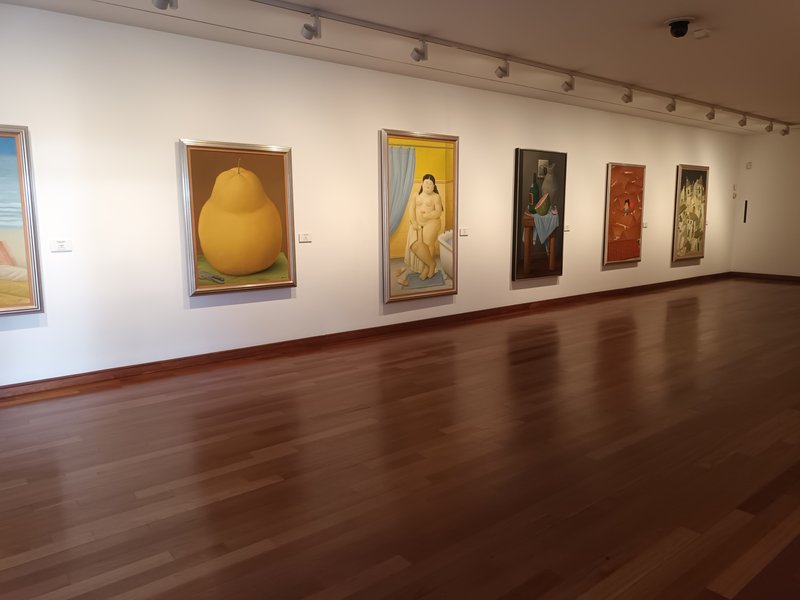
Fernando Botero's gift to his hometown — 123 of his own voluptuous canvases and sculptures alongside 85 works by Picasso, Dalí, and Monet, housed in a restored colonial mansion in La Candelaria.
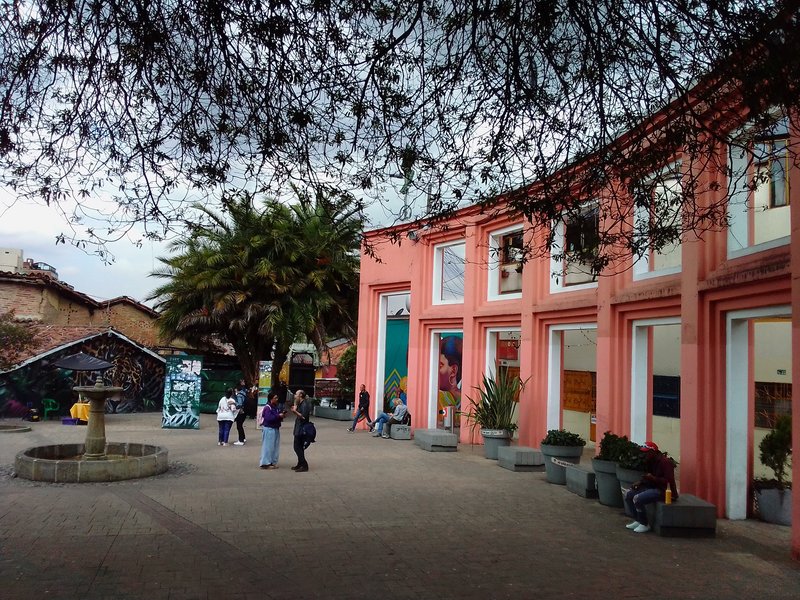
A cobblestone plaza marking the spot where Bogotá's Spanish founders are said to have first camped in 1538, now ringed by student bars, street murals, and buskers performing into the evening.
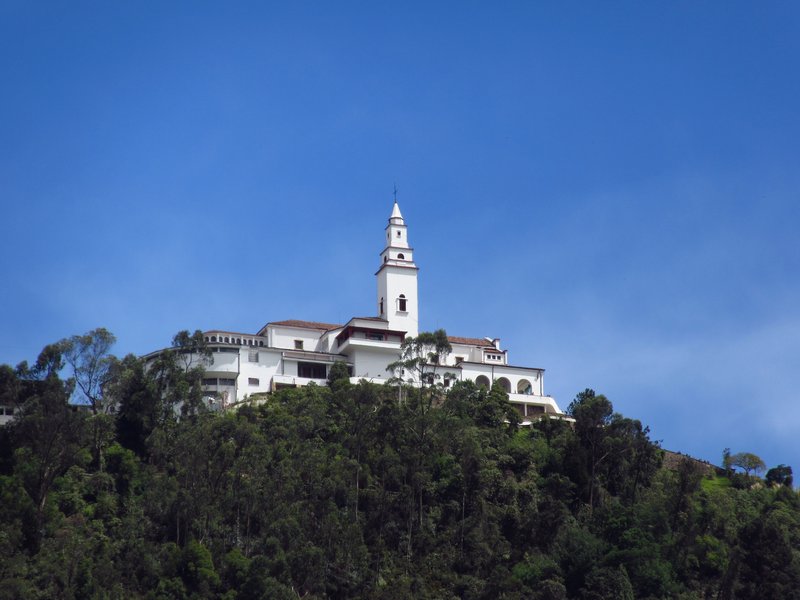
A 3,152m peak overlooking the city, reached by cable car or funicular, topped by a 17th-century church holding the shrine of El Señor Caído and the best skyline views in Bogotá.
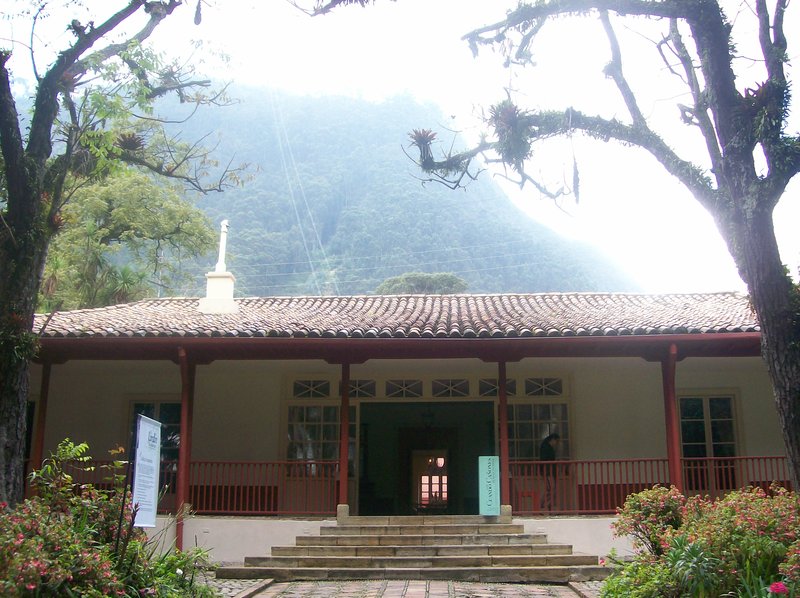
The colonial country house given to Simón Bolívar in gratitude for independence, now a house museum with his furniture, garden, and personal effects, set at the foot of the Monserrate cable car.
3.Jardín Botánico José Celestino Mutis~1 hr 30 min
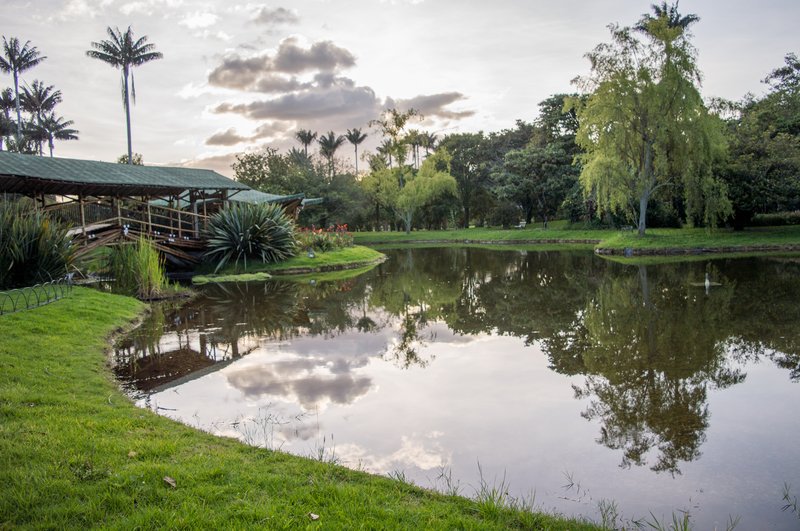
Colombia's largest botanical garden — páramo, Andean forest, and desert plant collections around a central lake, plus a tropical greenhouse called the Tropicario.
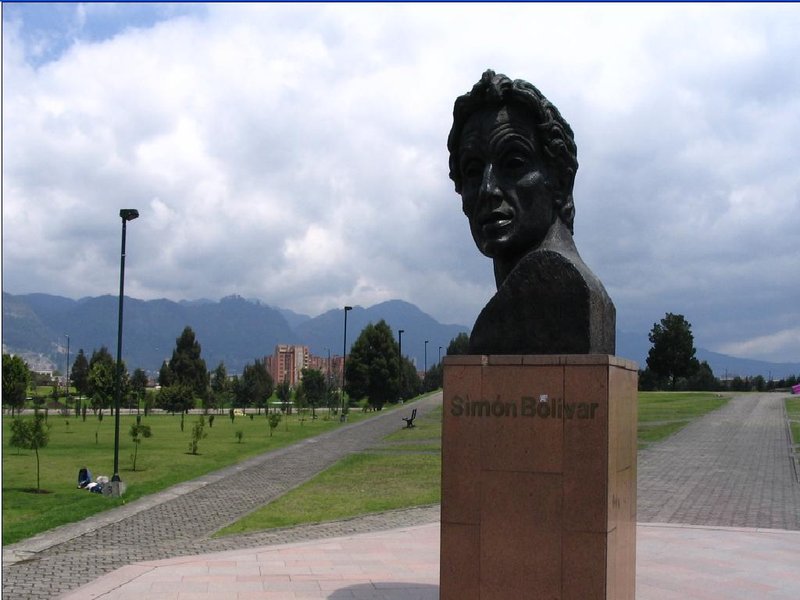
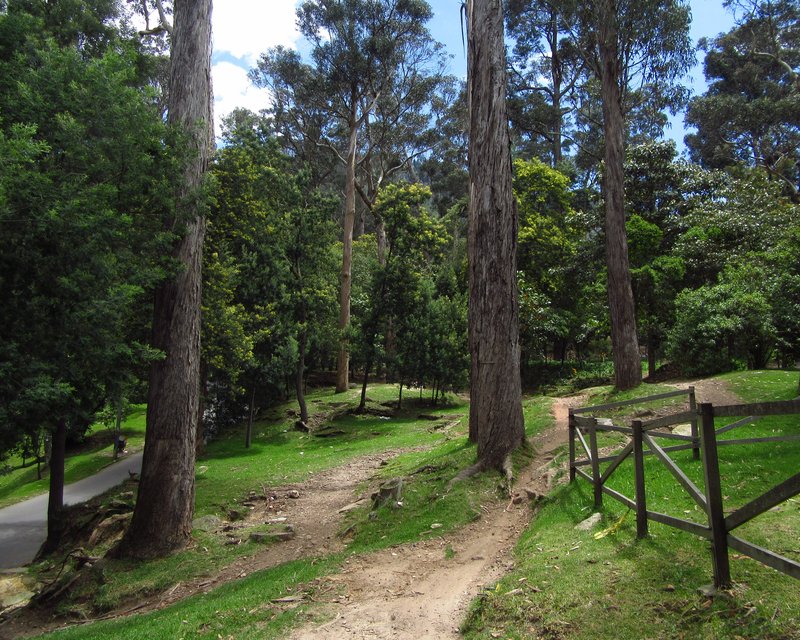
A 400-hectare metropolitan park — one of the largest urban green spaces in the world — with a boating lake, bike paths, and open lawns where Bogotá comes to unwind.
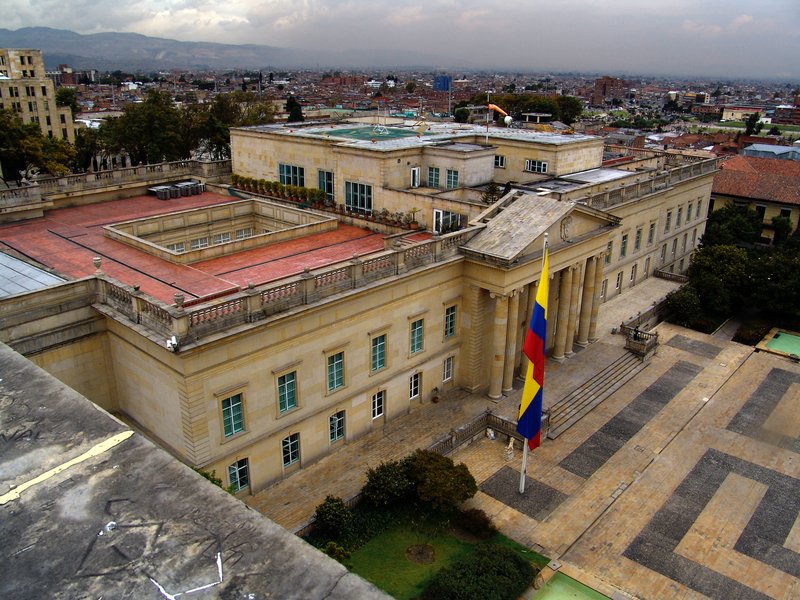
Colombia's neoclassical presidential palace, fronted by Plaza de Nariño and a ceremonial guard whose changing draws a crowd three afternoons a week — the seat of the country's executive government.
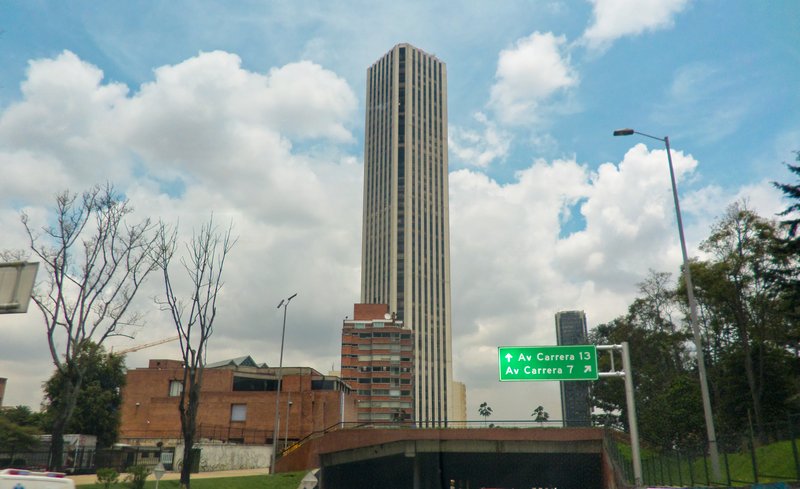
A 196m, 50-story downtown skyscraper — Colombia's tallest building from 1979 until 2007 — with an open-air observation deck near the top, weekends-only and reached by a dedicated elevator.
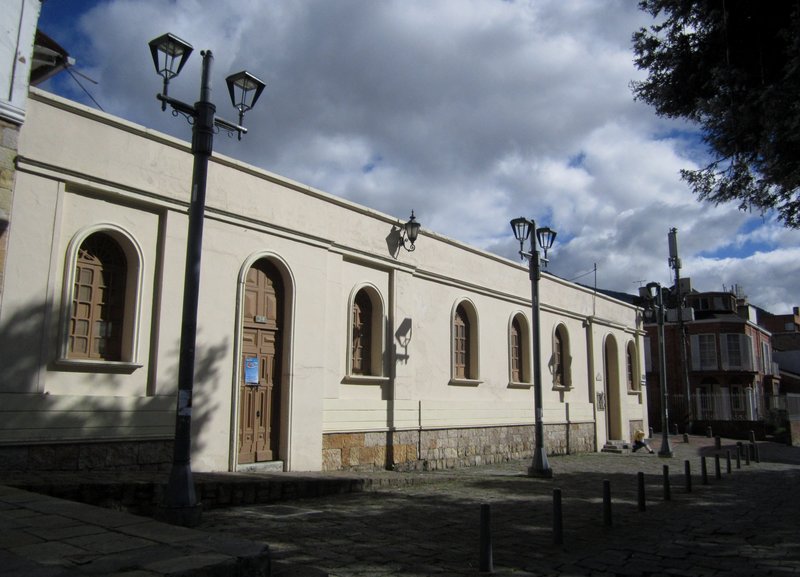
A former colonial village swallowed by the city's northward growth, still centered on its own plaza and church, now filled with antique shops and restored houses.
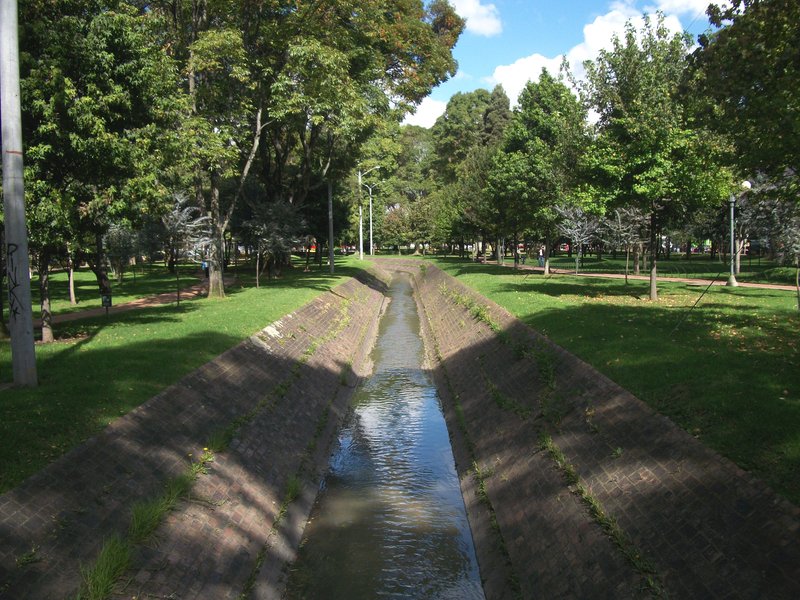
A narrow, 5km linear park following the Virrey stream through Chapinero — the joggers-and-outdoor-gym green spine of Bogotá's north side, a short walk from the hotel.
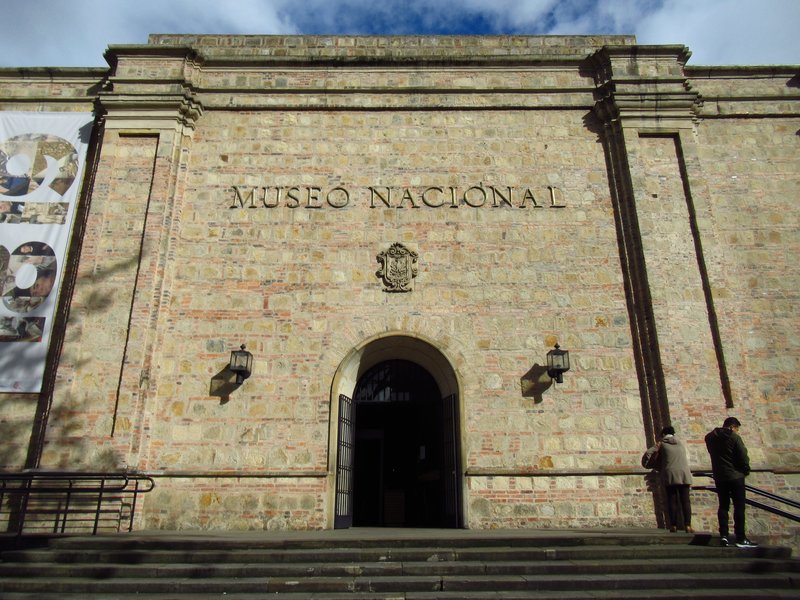
Colombia's largest and oldest museum, built inside a former national penitentiary, with 20,000+ pieces spanning archaeology, art, and history from 10,000 BC to the 20th century.
A 1930s park at the foot of the Eastern Hills, declared a national monument in 1996 — tree-lined paths, tennis courts, and an open-air theater used for free weekend concerts and film screenings.
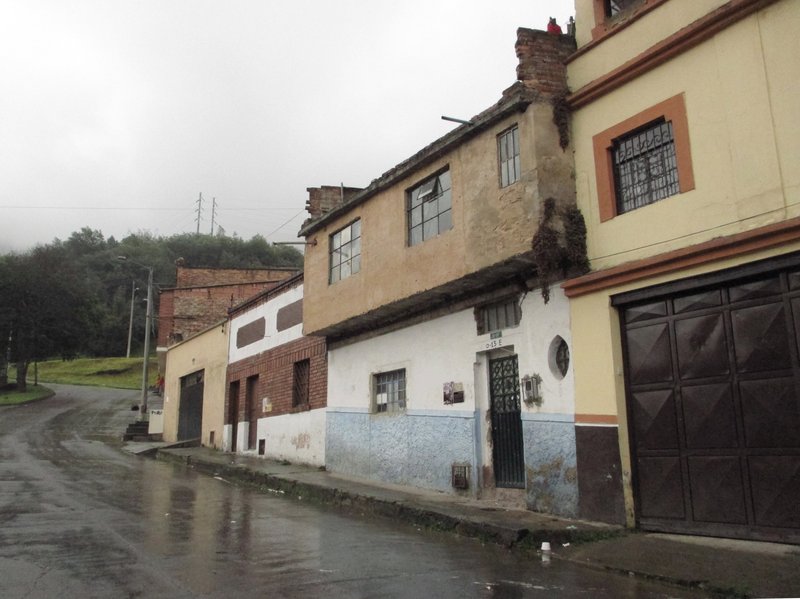
A working-class barrio founded in 1914 for the nearby Bavaria brewery, now known for its hillside murals, family-run chichería bars, and a growing scatter of small galleries.
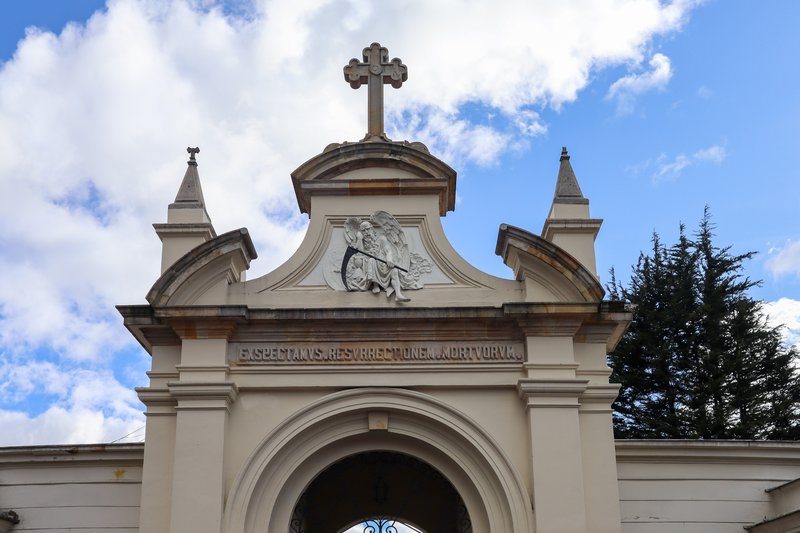
Colombia's foremost cemetery, opened in 1836 and declared a National Monument in 1984 — mausoleums by Italian sculptors Tenerani and Sighinolfi hold national heroes, poets, and former presidents.
8:45am Estación de la Sabana → 10:45am Estación de Zipaquirá
Saturday, Sunday & holidays only — the only days the heritage train runs.
ARRIVE Estación de Zipaquirá: 29 min · 8 min → Catedral de Sal
1.Catedral de Sal de Zipaquirá~1 hr 30 min
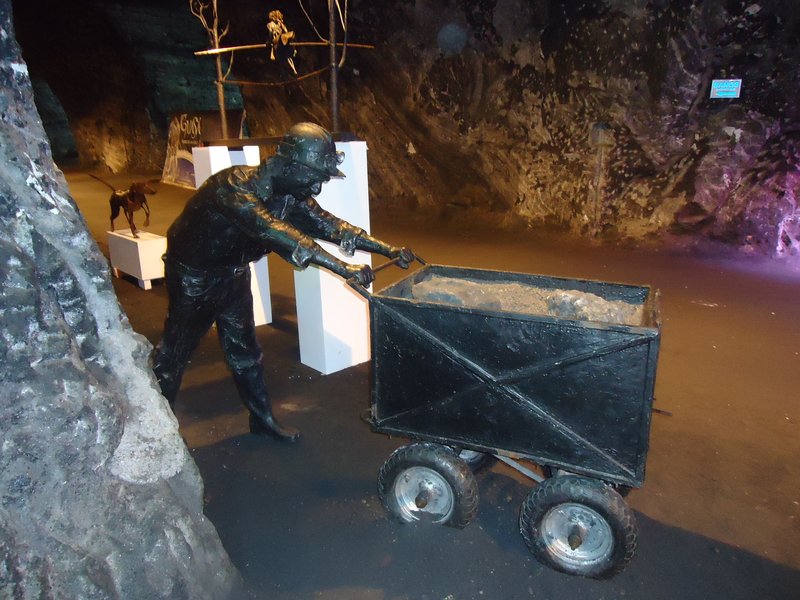
An underground Roman Catholic cathedral hand-carved 200m inside a halite salt mine, its icons and three naves cut directly into the rock — dubbed a "Jewel of Modern Architecture."
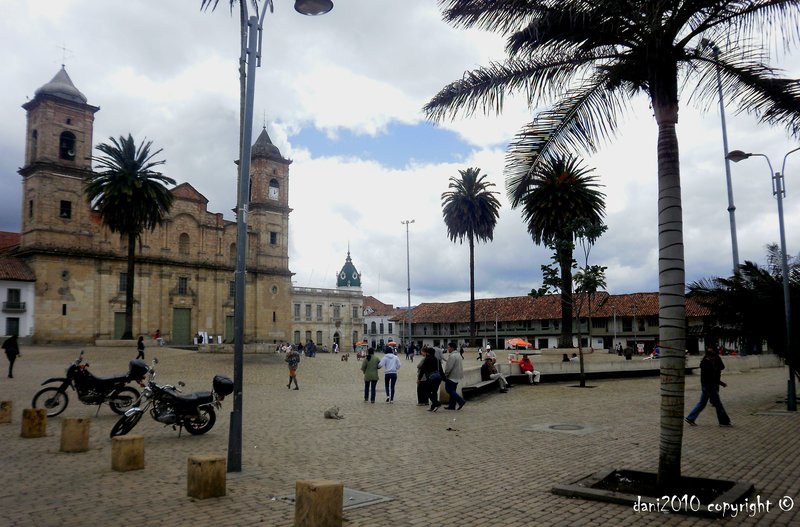
The colonial central square of the salt-mining town that grew up over the mine, ringed by the 18th-century cathedral, government buildings, and shops selling salt-mine souvenirs to day-trippers.
3:15pm Estación de Zipaquirá → 5:15pm Estación de la Sabana
ARRIVE Estación de la Sabana: 19 min → hotel
Weekly Closures
Government Museums · Closed Monday — most Banco de la República and national museums close for maintenance, including Museo del Oro, Museo Nacional, Quinta de Bolívar and Jardín Botánico
Foreign number: accepted — verification arrives over WhatsApp rather than SMS, so any working WhatsApp number gets the code.
Colombia's own super-app and the dominant platform in Bogotá by a wide margin — the largest restaurant selection in every neighborhood, plus groceries and pharmacy runs, though delivery fees swing with demand at peak hours.
Foreign number: accepted — the same Uber account used at home works in Bogotá, and the SMS code reaches foreign carriers without a local SIM.
Familiar interface for visitors who already use it elsewhere, strongest in Zona Rosa, Chapinero and Usaquén — coverage thins out toward La Candelaria and the southern neighborhoods where Rappi still dominates.
Foreign number: accepted — a country-code selector on sign-up sends the SMS code to any foreign mobile number.
The budget option — smaller restaurant list than Rappi or Uber Eats but consistently lower delivery fees and frequent first-order discounts, useful as a backup when the others show no couriers nearby.
The Legend That Sent Europe Looking for a City of Gold
The gold raft in Museo del Oro's vault, seen on Day 1, is the closest thing that exists to physical proof of the El Dorado legend. It depicts the Muisca zipa's installation ceremony at nearby Lake Guatavita, where the new ruler was covered in gold dust and ferried out on a raft to wash it off while attendants threw gold and emerald offerings into the water. Spanish conquistadors who heard garbled accounts of "the gilded one" spent decades searching South America for a city that was never a city at all — it was a ritual, performed by the same Muisca goldsmiths and salt traders whose underground cathedral at Zipaquirá closes out Day 5.
Bogotá sits at 2,640m, higher than most ski resorts, so the thin air catches most visitors on the first day's climb up Monserrate — pace it slower than the trail distance suggests and drink more water than feels necessary.