From Hotel: 13 min · 8 min → St. Stephen's Basilica
1.St. Stephen's Basilica~1 hr
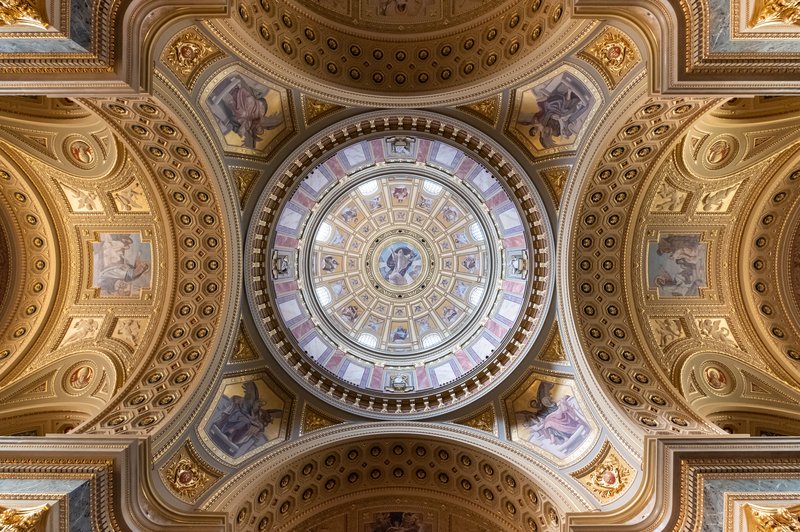
Hungary's largest church, its dome equal in height to Parliament. The observation terrace at 65 metres delivers panoramic views across Pest, the Danube, and the Buda Hills. St. Stephen's mummified right hand is displayed in the treasury.
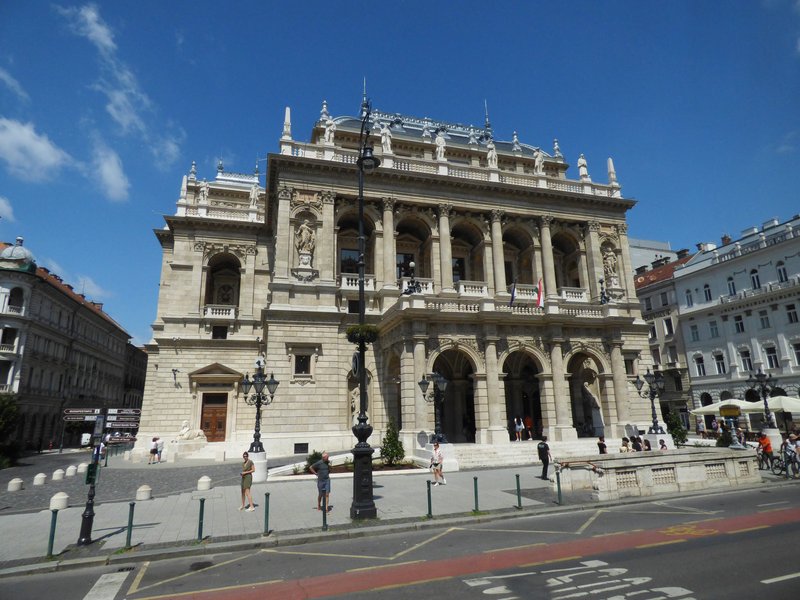
One of the most beautiful neo-Renaissance opera houses in Europe, designed by Miklós Ybl and opened in 1884. Franz Joseph I attended the inaugural performance in 1884. Guided tours reveal the gilded foyer, frescoed ceiling, and the third-largest stage in Europe by volume.
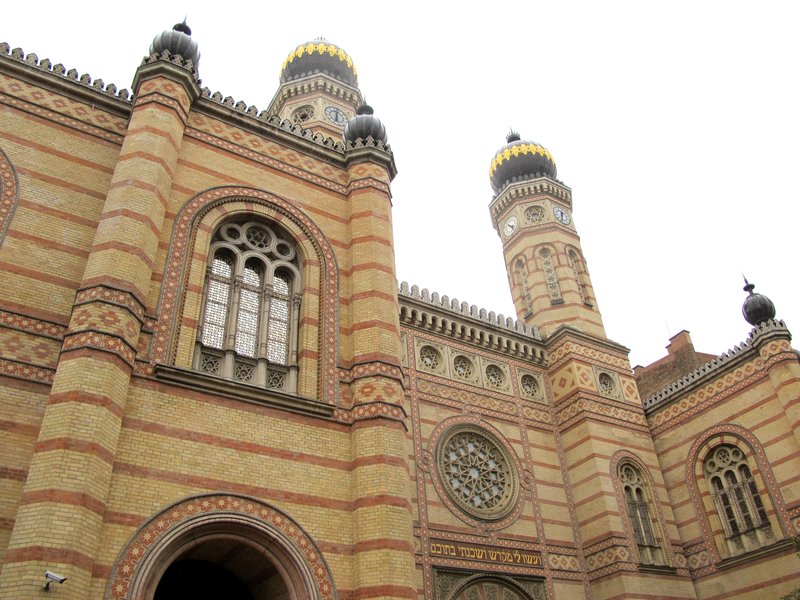
The largest synagogue in Europe, seating 3000 worshippers. The Moorish Revival twin towers define the Jewish Quarter skyline. The complex includes the Jewish Museum, Holocaust Memorial Room, and the Raoul Wallenberg Memorial Garden — a weeping willow whose leaves bear victims' names.
The ornate neo-Romantic concert hall rebuilt in 1865 by Frigyes Feszl is one of Budapest's grandest 19th-century façades. The riverside square is the start of the Danube Corso — the city's most elegant waterfront promenade, framing the Chain Bridge and Buda Castle.
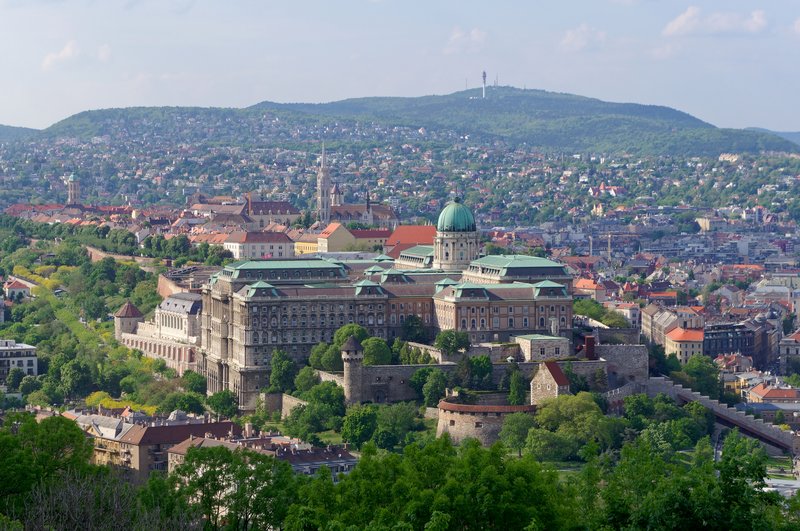
The Royal Palace complex on Castle Hill houses the Hungarian National Gallery — Gothic winged altarpieces to 20th-century masters. The terrace commands the most celebrated view of the Pest embankment, the Chain Bridge, and the Parliament.
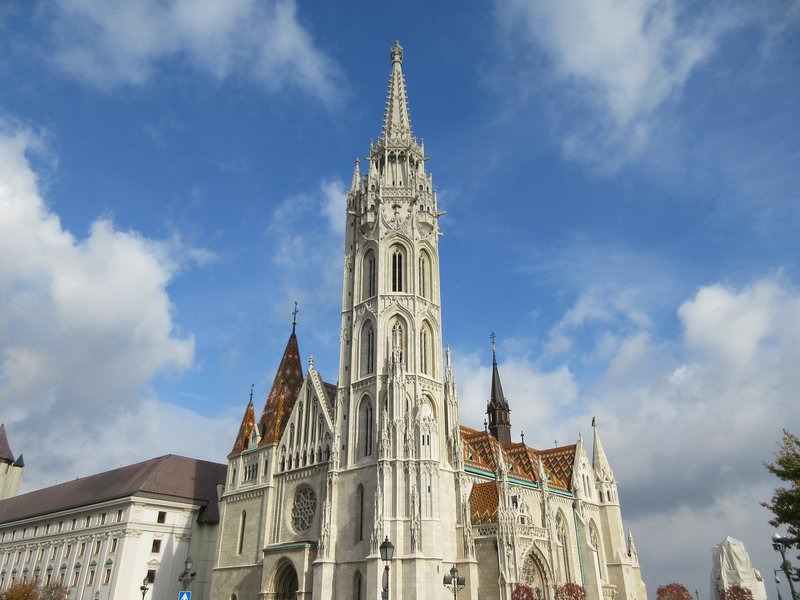
The 14th-century Gothic coronation church rebuilt by Frigyes Schulek in the 1890s. The diamond-patterned Zsolnay tile roof is Budapest's most photographed architectural detail. Franz Joseph I was crowned King of Hungary here in 1867.
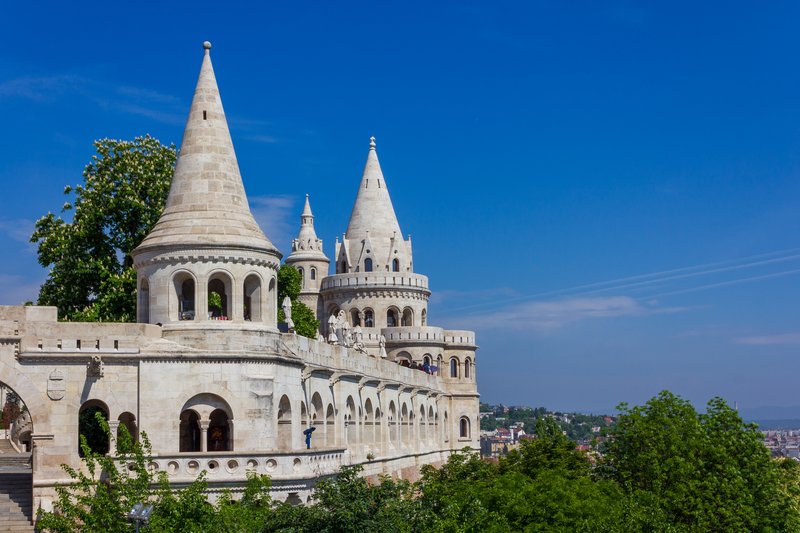
Seven white fairy-tale towers built 1895–1902, each representing one of the Magyar tribes that conquered the Carpathian Basin in 896. The outer terrace offers Budapest's most famous panorama — the Parliament, Chain Bridge, and the full Pest skyline from the Buda bank.
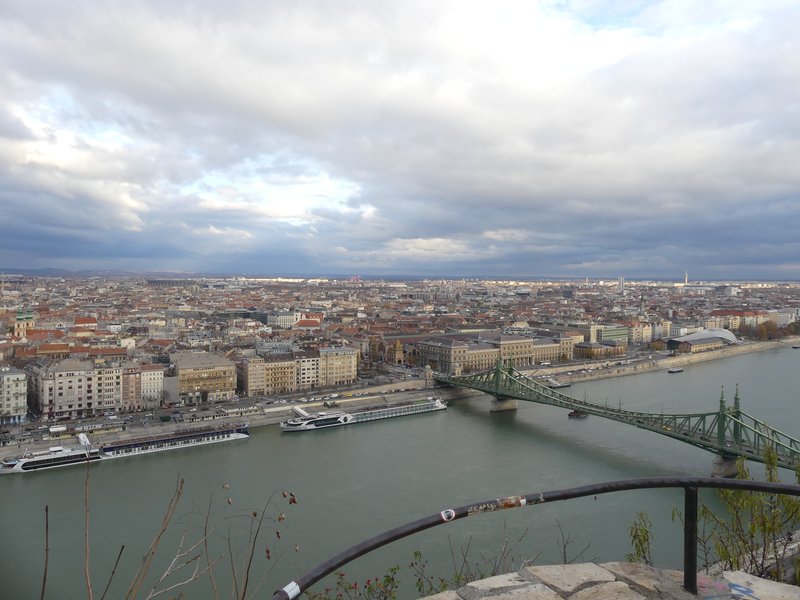
The 235-metre hill rising from the Danube is Budapest's finest panoramic viewpoint, topped by the Liberation Monument and the Citadella fortress. The 40-minute climb rewards with the most sweeping view of the city, both banks, and the full curve of the Danube.
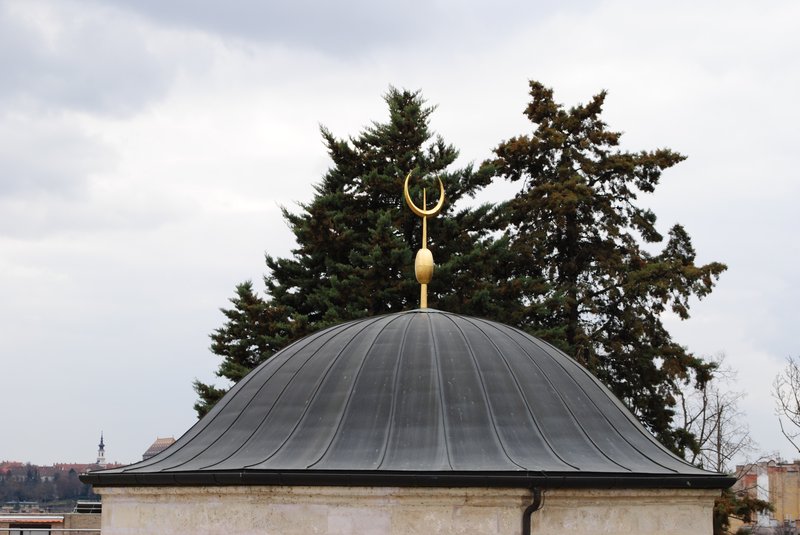
The 16th-century octagonal türbe of Gül Baba, a Bektashi dervish who died in Buda in 1541 — the northernmost Islamic pilgrimage site in the world. Set in a hilltop rose garden on Rózsadomb, it centres on a quiet colonnaded courtyard with a wide view across the Danube to Pest.
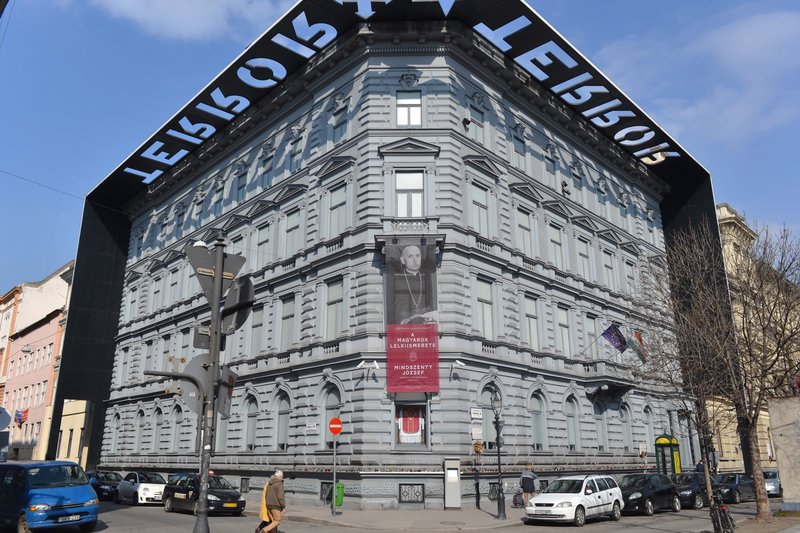
Andrássy út 60 was headquarters of Hungary's fascist Arrow Cross Party in 1944–45, then the communist secret police the ÁVH from 1945–56. Since 2002 it houses a museum documenting both regimes. Original basement interrogation cells remain intact. A Soviet T-54 tank fills the central courtyard.
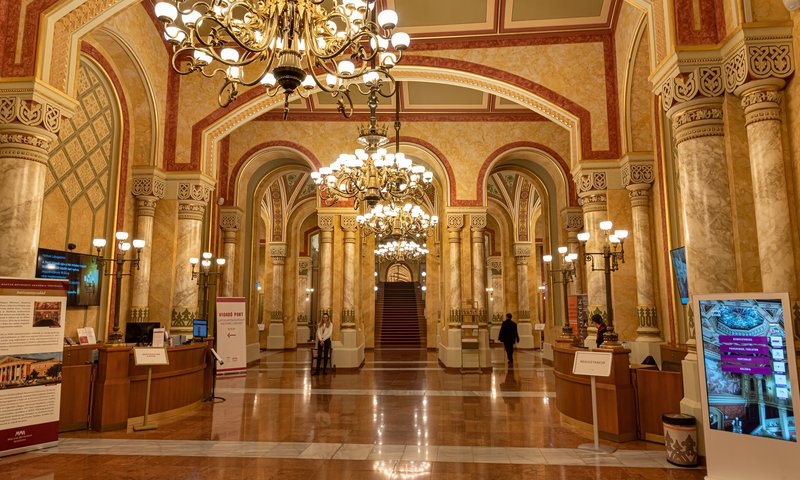
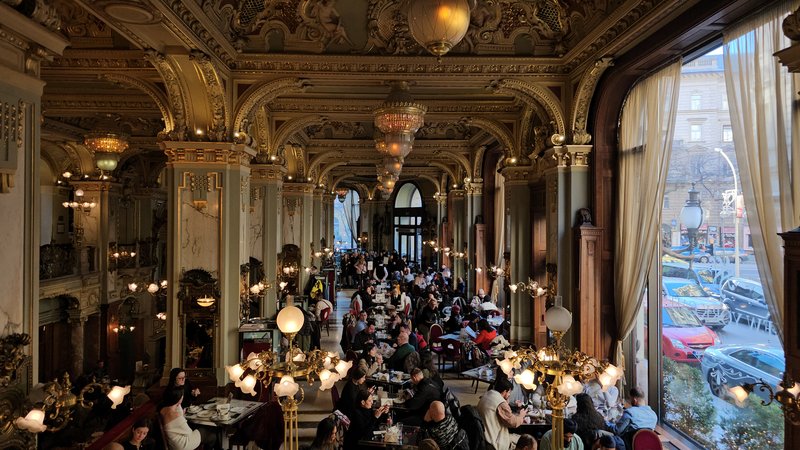
Opened in 1894 in the New York Palace — one of the most extraordinary interiors in Europe. Gilded columns, frescoed ceilings, crimson drapes, and tiered marble galleries in continuous operation for 130 years. A reservation is essential; walk-in seating is very limited.
From Hotel: 19 min · 6 min → Hungarian Parliament Building
1.Hungarian Parliament Building~1 hr 30 min
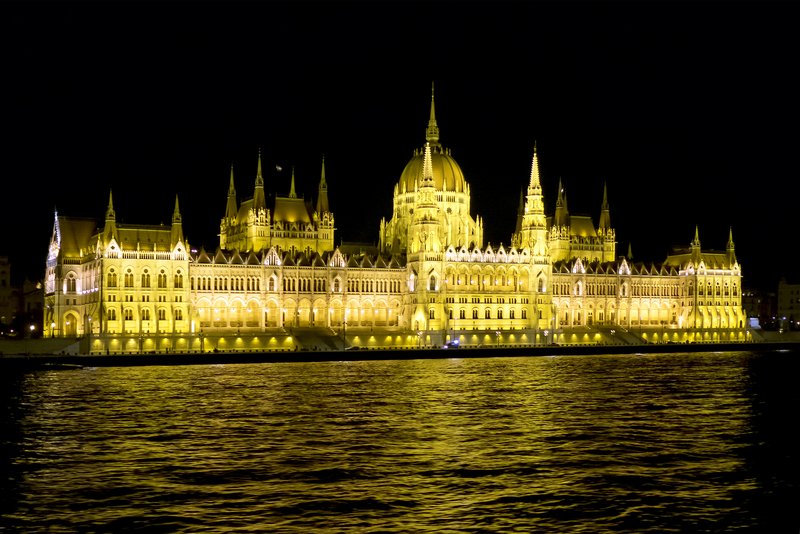
The neo-Gothic masterpiece built 1885–1904 dominates the Danube embankment and defines the Budapest skyline. The third-largest parliament building in the world — and arguably the most beautiful of any — houses the Crown of Saint Stephen and the Hungarian coronation regalia in the Dome Hall. All visits are guided.
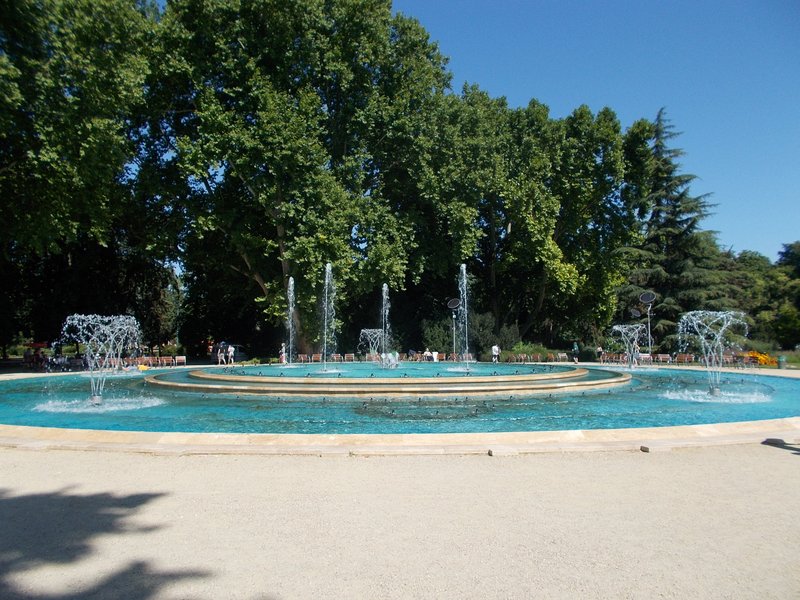
A 2.5-kilometre car-free park island in the middle of the Danube — shaded promenades, a rose garden, medieval Dominican convent ruins, and a Japanese garden. At the southern tip a musical fountain performs hourly water-and-light shows, and the 1911 Art Nouveau water tower rises over the open-air theatre.
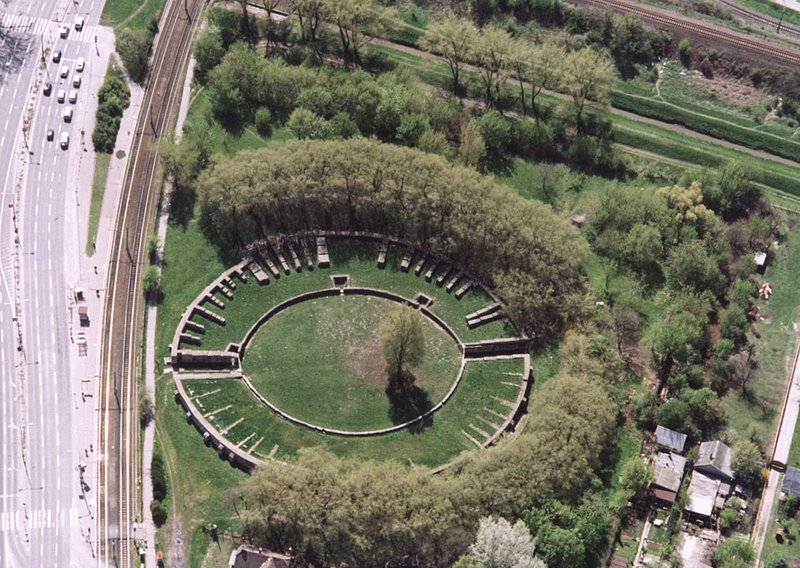
The excavated capital of Roman Pannonia Inferior, once home to 40,000 people. Its ruin garden — among the largest Roman archaeological parks in Hungary — preserves paved streets, bathhouses, and a market square, and the museum holds mosaics, frescoes, and the reconstructed Aquincum water organ.
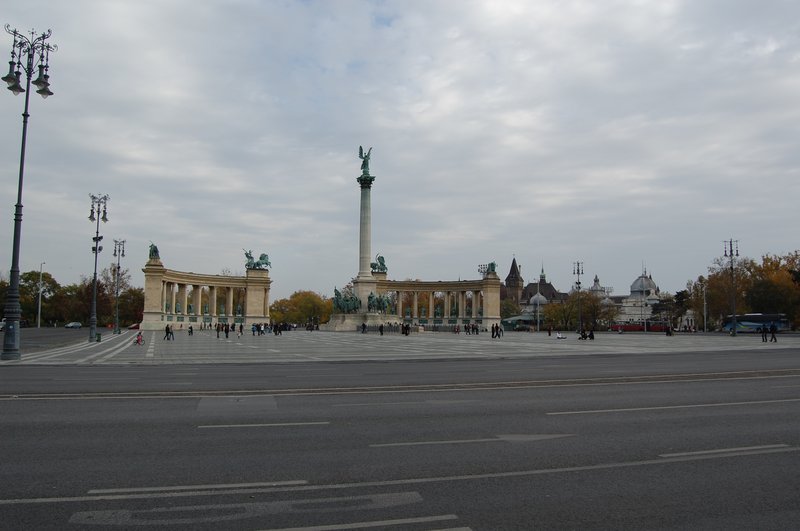
Created for Hungary's millennial celebrations in 1896. Twin colonnades frame bronze statues of the seven founding Magyar chieftains, topped by the Archangel Gabriel at 36 metres. The walk down Andrássy Avenue from the Opera is itself a procession through one of Europe's finest urban boulevards.
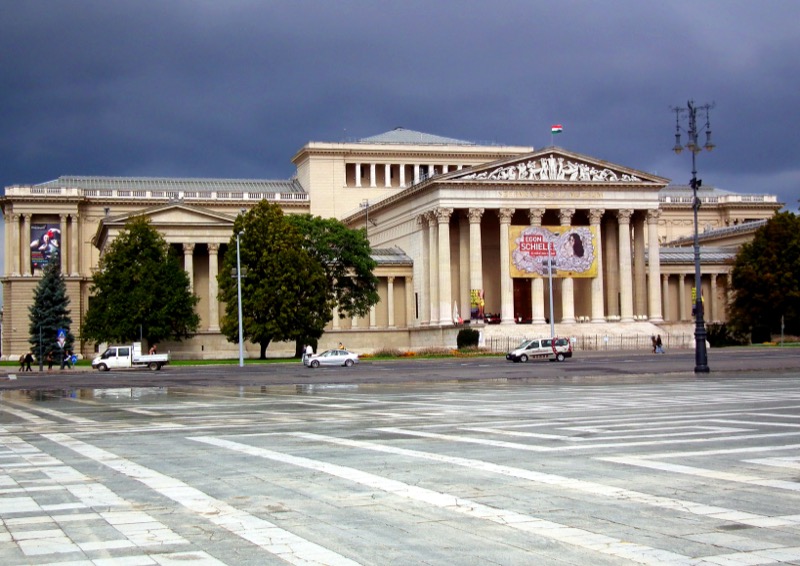
Opened 1906 beside Heroes' Square, the Szépművészeti Múzeum holds Central Europe's most important Old Masters collection — nearly 3,000 paintings spanning the 13th to 18th centuries. The largest El Greco collection outside Spain stands alongside four Raphaels, three Rembrandts, and major works by Goya and Titian.
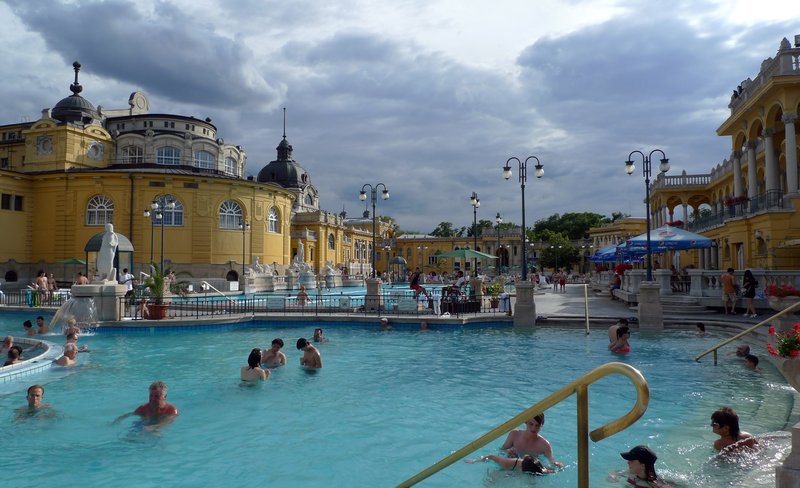
The largest thermal spa complex in Europe, opened 1913 in a neo-Baroque palace at City Park. Three outdoor pools and 15 indoor pools are fed by natural hot springs beneath Budapest. The steaming central pool — ornate yellow walls, chess players at the water — is among the most photographed scenes in Central Europe.
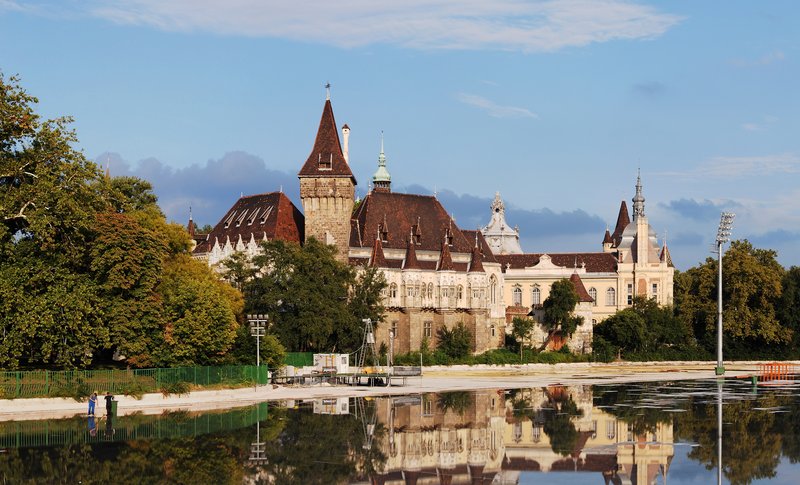
Built for Hungary's 1896 Millennium Exhibition as a miniature history of Hungarian architecture — Romanesque chapel, Gothic battlements, Renaissance loggia, Baroque domes united at City Park lake. Originally a temporary exhibit in wood, rebuilt in stone after the public refused to let it be demolished.
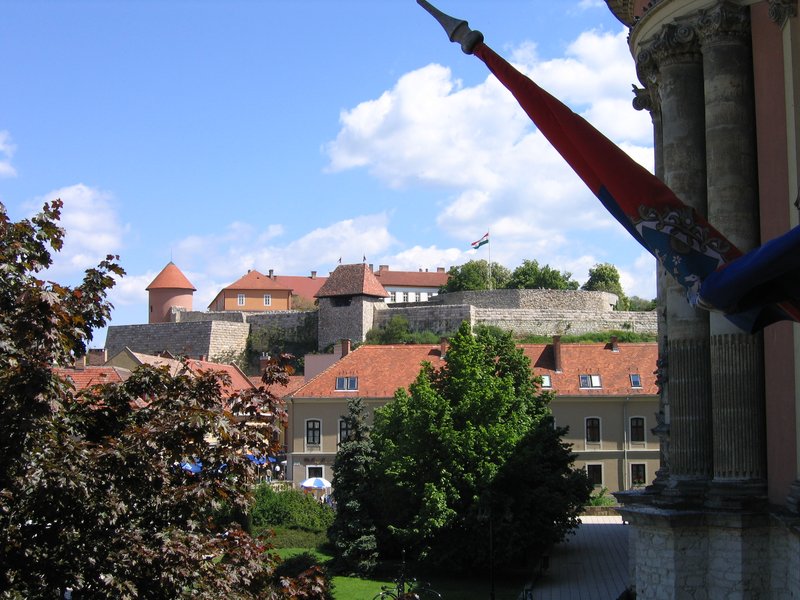
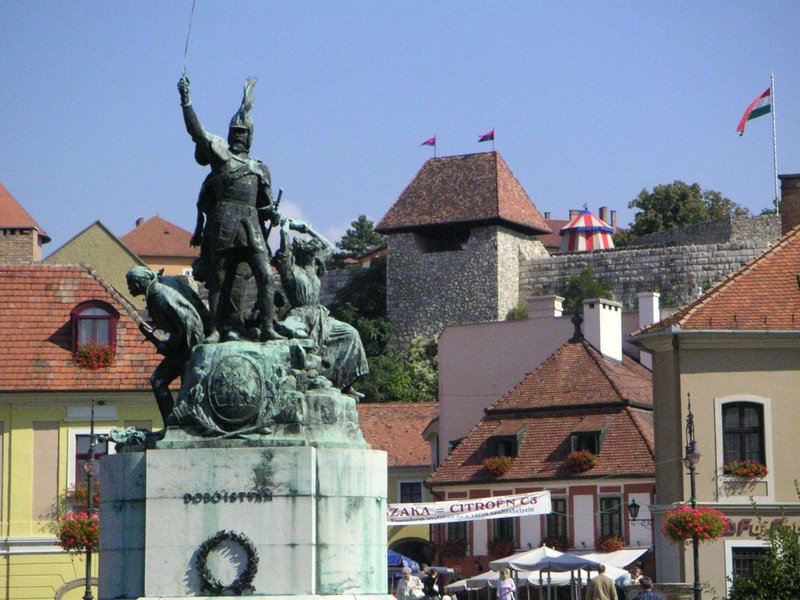
The hilltop fortress that held off a 40,000-strong Ottoman army in the 1552 Siege of Eger with barely 2,000 defenders. The Dobó István Castle Museum inside holds Gothic and Renaissance halls, casemate tunnels, and the ruins of the medieval cathedral, above views of the Baroque town.
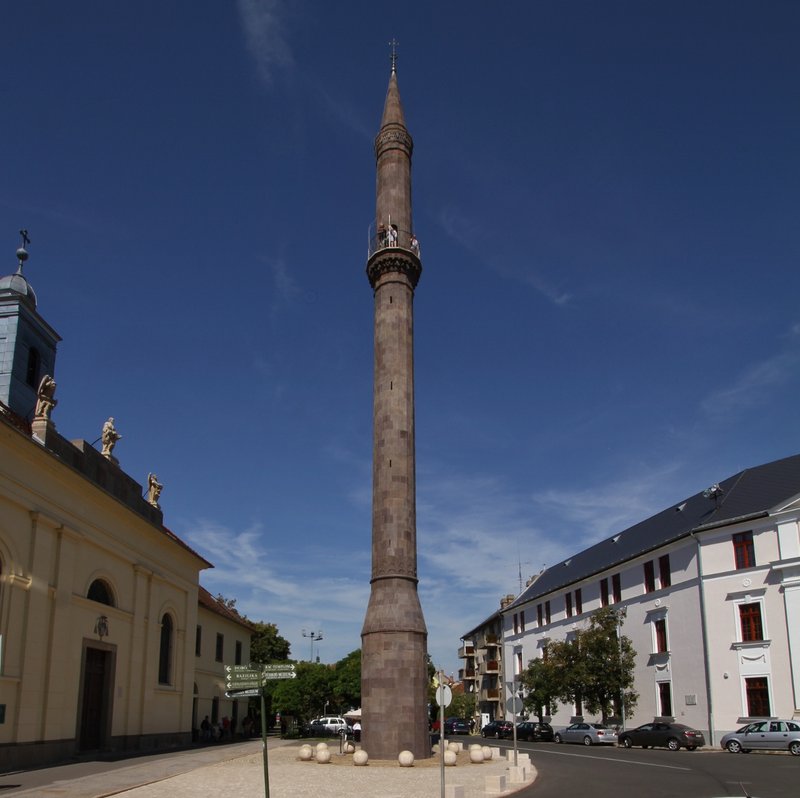
A 40-metre red-sandstone minaret from around 1596 — the northernmost surviving Ottoman minaret in the world. Its mosque was demolished in 1841, but the tower was spared; a tight spiral of 97 steps climbs to a balcony at 26 metres for a panorama over Eger's rooftops and the castle.
Eger's Baroque heart — a broad pedestrian plaza named for the castle's defender István Dobó, whose bronze statue commands the centre. The twin-towered Minorite Church, a curved-façade masterpiece by Kilián Ignác Dientzenhofer, dominates the eastern side, framed by the Town Hall and pastel merchant houses.
A fast-paced 2-hour guided walk through Budapest's most iconic landmarks: Parliament, St. Stephen's Basilica, Andrássy Avenue, and the Chain Bridge. Expert local guide with deep knowledge of Hungarian history.
A 3-hour adventure caving tour through the Pál-völgyi-Mátyás-hegyi system — Hungary's longest cave at 30 km. Includes climbing over walls and crawling through narrow passages with a certified guide. Overalls, helmet, and headlamp provided. Ages 8–55 only.
A 4-course dinner cruise along the illuminated Danube past Parliament, Chain Bridge, Buda Castle, and Elizabeth Bridge. Live folk orchestra onboard — the most comfortable way to see the city at night.
A 1.5-hour sunset cruise on the Danube with unlimited prosecco. Parliament, Buda Castle, and all four central bridges lit up at dusk. The most popular option for an evening on the river without committing to dinner.
A 4–5-hour small-group tour to the Etyek wine region — visiting 3 family-run wineries with 4 tastings each, plus a traditional 2-course Hungarian lunch or dinner. Air-conditioned minibus from central Budapest pickup points. Max 12 guests.
A 3-hour small-group walk through Hungary's Communist legacy: Stalinist housing blocks, the 1956 revolution sites, and a bar unchanged since 1961. Guided by a historian who grew up in the system.
A 2.5-hour tour of the Jewish Quarter — Great Synagogue, Jewish Museum, Holocaust Memorial Room, and the Raoul Wallenberg Memorial Garden. Synagogue entry included.
A 90-minute underground tour through the rock-cut caves and WWII bomb shelters beneath Buda Castle, covering the 102-day Siege of Budapest in 1944–45. A rare look at the conflict's physical traces beneath Castle Hill.
A 3-hour adventure caving tour through the Pál-völgyi-Mátyás-hegyi system — Hungary's longest cave. Crawl through passages, climb rock formations, and explore underground chambers with a certified guide. Gear included. Ages 8–55 only.
A 4–5-hour guided tour to the Etyek wine region — visiting 2–3 family-owned wineries with tastings and a 3-course Hungarian meal included. Round-trip minibus transfer from central Budapest. Perfect for wine lovers wanting a countryside escape.
A 5-hour small-group tour to the Etyek wine region — visiting 2–3 family-run wineries with tastings and a traditional Hungarian meal. Air-conditioned minibus from central Budapest. Max 25 guests. Pickup from the Opera stop.
A 1.5-hour dinner cruise on the illuminated Danube with live folk music and dance — passing Parliament, Buda Castle, and all four central bridges. Dinner served onboard. Arrive 30 min early. Max 120 guests.
A 2-hour guided walk through the historic Castle District — covering Buda Castle, Matthias Church, Fisherman's Bastion, and the medieval lanes of the hilltop fortress. Max 30 participants. Uphill walking required.
A 2-hour guided walk through Buda Castle Hill focused on Matthias Church, Fisherman's Bastion, and panoramic Danube views — with context on Hungary's medieval and Habsburg history. Max 20 participants.
A 1 hr 45 min guided tour of the Jewish Quarter covering the Great Synagogue, the Holocaust memorials, and the ruin bar district — tracing the community's history from the 19th century through WWII and into the present. Max 25 participants.
Hungary's national dish — a paprika-red beef and potato soup cooked with onions, caraway, and sweet paprika. Every restaurant in Budapest serves it; the test is the colour: deep red from real paprika, not tomato paste.
The Danube fisherman's soup — a fiery paprika-red broth of freshwater fish and hot paprika. Two schools: Baja style with pasta, Szeged style strained smooth. Either version is exceptional.
Hungary's definitive street food: a disc of deep-fried dough served hot with sour cream and grated cheese, or garlic butter. Sold from stands at markets and near tourist sites. The Ferenciek tere area has reliable options.
Invented by József C. Dobos in 1884: thin sponge layers with chocolate buttercream, topped with a disc of hard caramel. Budapest's most iconic cake, available at every serious pastry shop.
Chimney cake — sweet dough wound on a spit, baked until golden, rolled in sugar and walnut or cinnamon. Crisp outside, soft inside. A Transylvanian tradition ubiquitous on Budapest streets; eat immediately.
Foreign number: not required. — sign-up runs on Google, Apple, Facebook or email with no phone field at all, so no verification code is sent.
The delivery app Budapest uses most — near-total restaurant coverage in Districts V to IX, card payment in-app, couriers on bikes that reach District V in 20–30 minutes, and an English interface that works without a Hungarian address format.
Foreign number: not accepted. — registration is tied to a local number.
The second app, strongest for grocery and chain delivery and for the outer districts Wolt reaches more slowly; restaurant choice downtown overlaps Wolt almost entirely, so it is a backup rather than a first call.
Evening performances at one of Europe's most beautiful opera houses. Season: September – June. Standing room tickets at the box office an hour before curtain.
Foreign number: accepted. — the verification code arrives by SMS on a foreign SIM; Google and Apple sign-in skip the code altogether.
The app Budapest actually runs on — the largest fleet in the city, cars two to five minutes out anywhere in Pest and the Castle District, and fares under Uber on the same route; the price is fixed at booking, which ends the taxi-meter arguments Budapest was known for.
Foreign number: accepted. — the verification code arrives by SMS on a foreign SIM, and an existing Uber account signs straight in.
Back in Budapest as a booking front for licensed Főtaxi cabs, so the cars are regular yellow taxis at the regulated city fare; handy if you already have the app, but waits run longer than Bolt and the fleet is smaller.
The Baroque capital of western Hungary — a compact old town of palaces, churches, and covered arcades at the confluence of three rivers. The Episcopal Cathedral and Carmelite church are among the finest Baroque interiors outside Vienna.
A beautifully preserved Baroque city in northern Hungary with a medieval castle and the Valley of Beautiful Women — a ravine lined with wine cellars where Egri Bikavér is poured directly at the barrel.
Slovakia's compact capital on the Danube — a medieval old town walkable in an afternoon, a hilltop castle with views into three countries, and a relaxed pace that makes it feel like Vienna's quieter neighbour.
The Habsburgs' capital, reachable by Railjet in under three hours. The Kunsthistorisches Museum, the Belvedere, the Naschmarkt, and the Ringstrasse can fill an entire day.
Hungary's southernmost major city — Roman catacombs, an Ottoman mosque converted to a cathedral, the spectacular Zsolnay ceramic factory and museum, and a university town energy that fills the streets in the evening.
Budapest is two cities that decided to share a river — and have been in productive argument ever since. Buda has the castles, the hill, the ancient defensive logic. Pest has the parliament, the boulevards, the cafés, the synagogue, the energy. The Chain Bridge between them is not just infrastructure; it is the thesis of the city. Every great day here crosses it at least once.
What this guide deliberately avoids — the thermal baths, the ruin bars, the river parties — are fine, but they flatten Budapest into a weekend-break destination. What it gives instead is the city that earned the name Pearl of the Danube: the Parliament at dawn seen from the Buda bank, the New York Café before the tour groups arrive, the Great Synagogue in the quiet of a weekday morning, the long walk down Andrássy Avenue from the Opera to Heroes' Square that passes through a century of architectural ambition in forty minutes on foot.
The Danube cruise on Day 3 evening is optional but worth it. The city looks different from the water — both banks at once, the illuminated Parliament reflected in the river, the Chain Bridge overhead. Budapest at night from the Danube is one of Europe's great sights, and it costs less than dinner.