Notes on the Bridge City
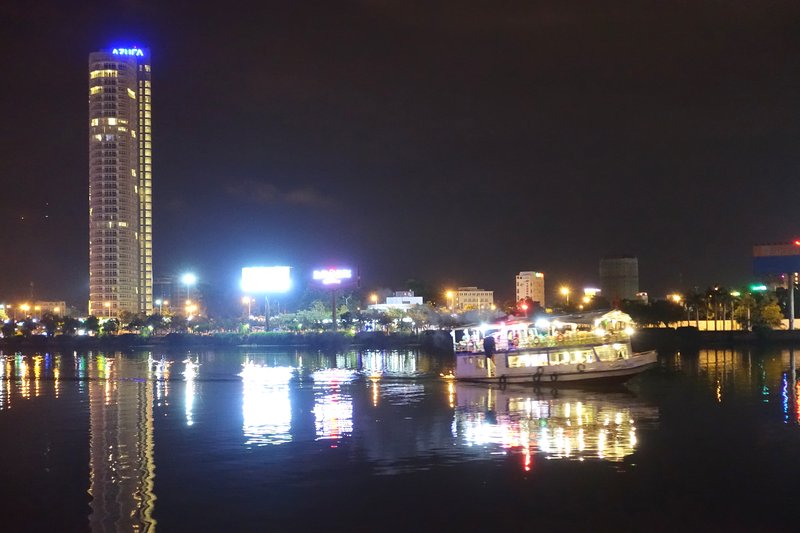
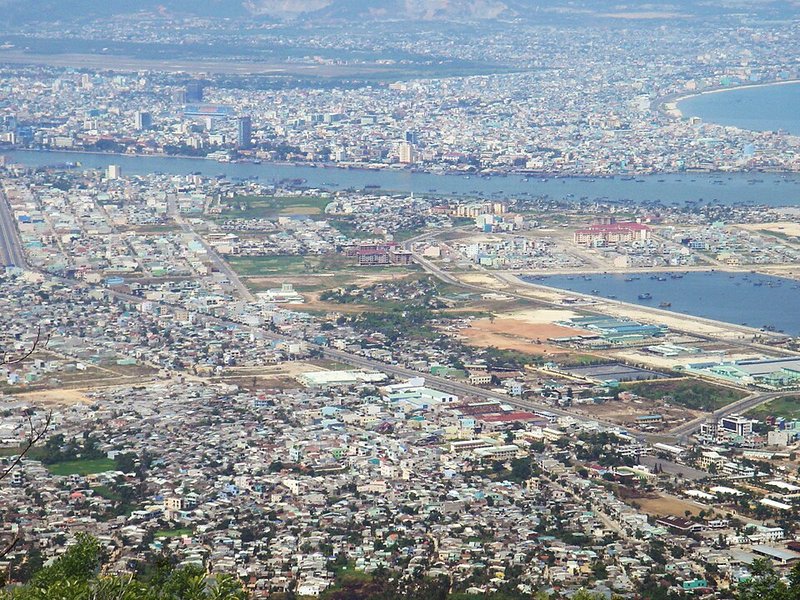
Da Nang has carried three names — Cửa Hàn under the early Vietnamese court, Tourane under French colonists who ran it as a treaty port, and Da Nang since. American forces waded ashore here in March 1965 — the first US combat troops landed in Vietnam — and My Khe Beach, right outside the hotel, was their in-country nickname "China Beach," after the sea it fronts. The war years left the city a gritty naval port; the two decades since have remade it into the country's fastest-growing beach destination, threaded by nine bridges across the Han River, more than any Vietnamese city its size.
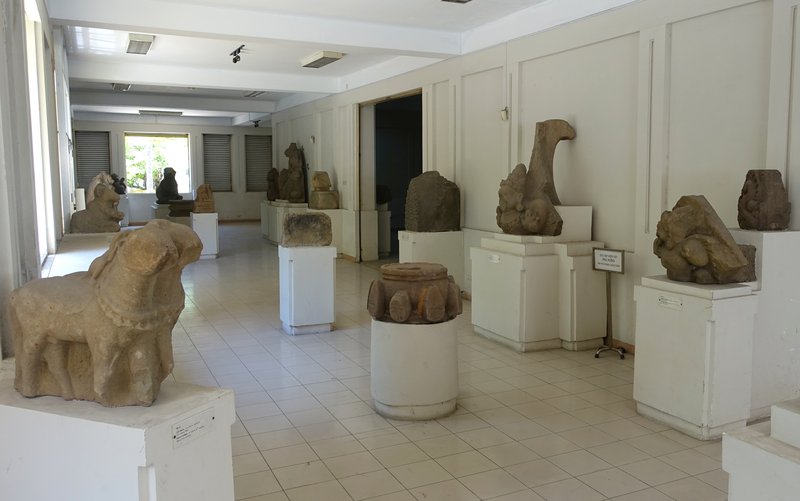
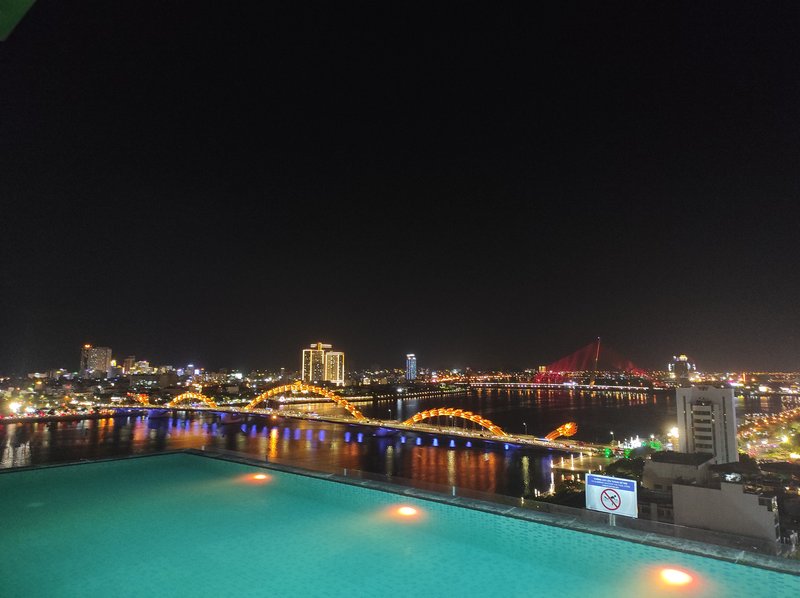
Day 1 stays on that river. The Museum of Cham Sculpture was founded in 1919 by French archaeologists specifically to hold sandstone carvings pulled from Champa ruins across the region — it predates Vietnamese independence by decades. Dragon Bridge, finished in 2013, breathes fire and water only on Saturday and Sunday nights; the nightly show was judged not worth the fuel cost, so the dragon stays quiet the rest of the week.
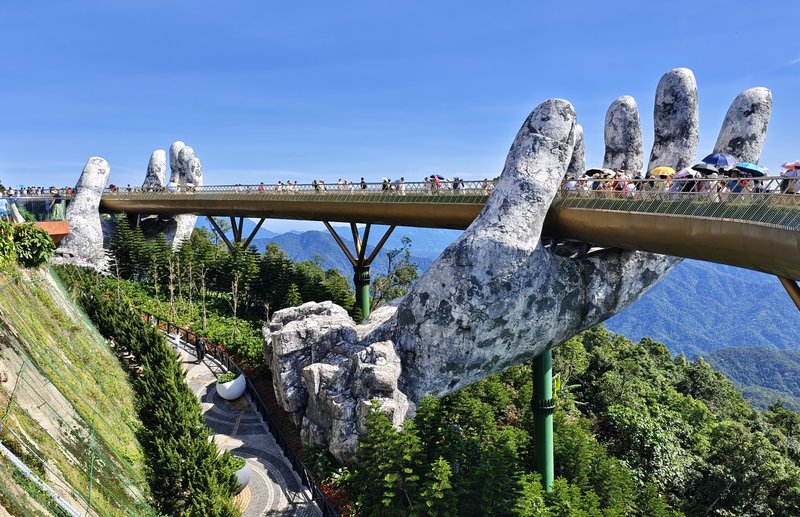
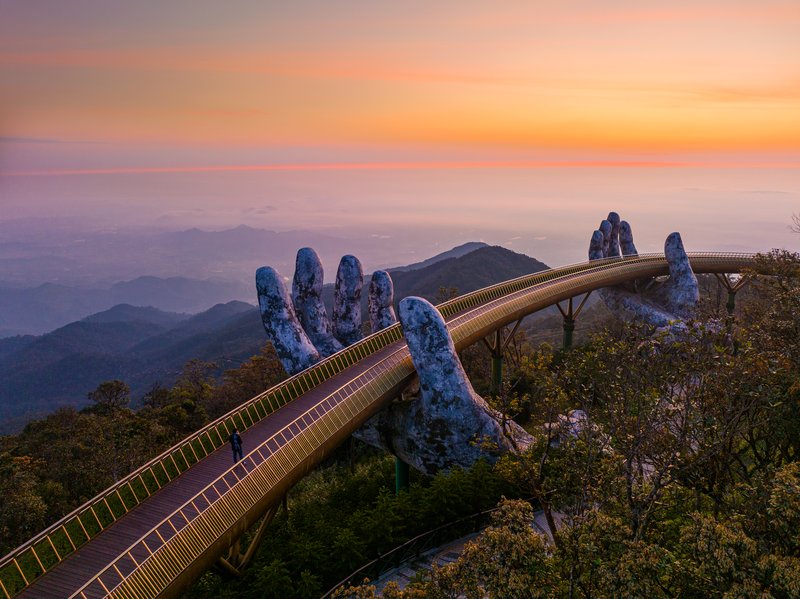
Day 2 climbs to Ba Na Hills, which started as a French hill station in 1919 — over 200 villas, a hospital, tennis courts, built by colonists escaping the coastal heat. Decades of war left it abandoned to the jungle until a 2007 redevelopment turned it into today's cable-car resort, capped by the Golden Bridge's giant stone hands in 2018.
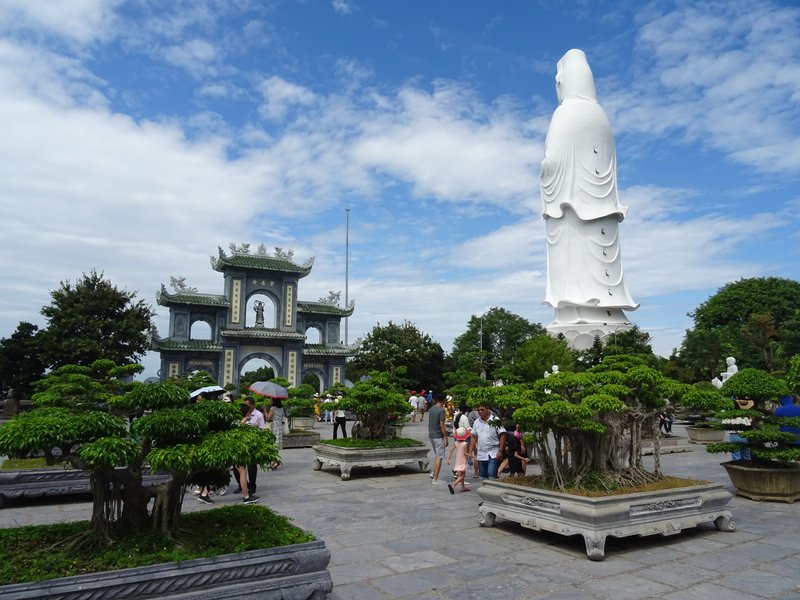
Day 3 crosses to Son Tra Peninsula, an Air Force and Marine radar and listening post the Americans nicknamed Monkey Mountain during the war and now Vietnam's smallest nature reserve. It is one of the last strongholds of the red-shanked douc langur, a multicolored primate found almost nowhere else on Earth. The Lady Buddha statue at Linh Ung Pagoda stands 67 meters tall, the tallest in the country.
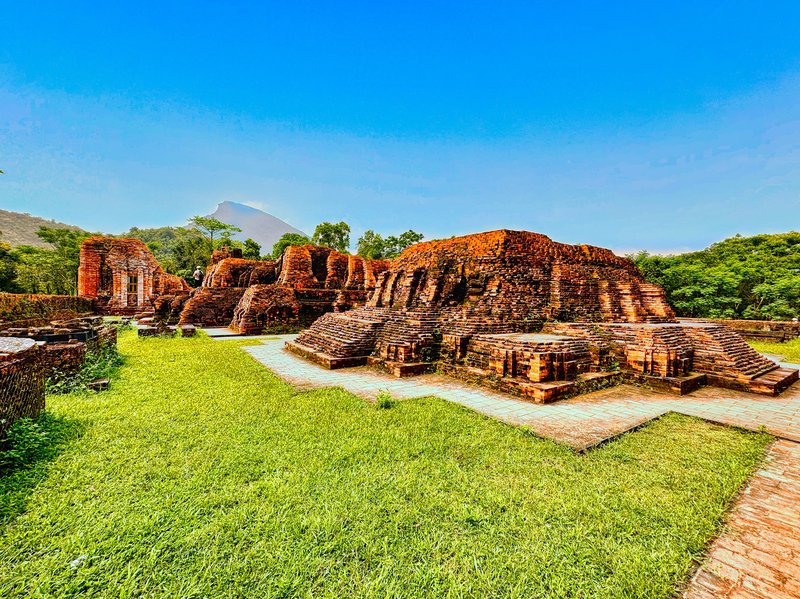
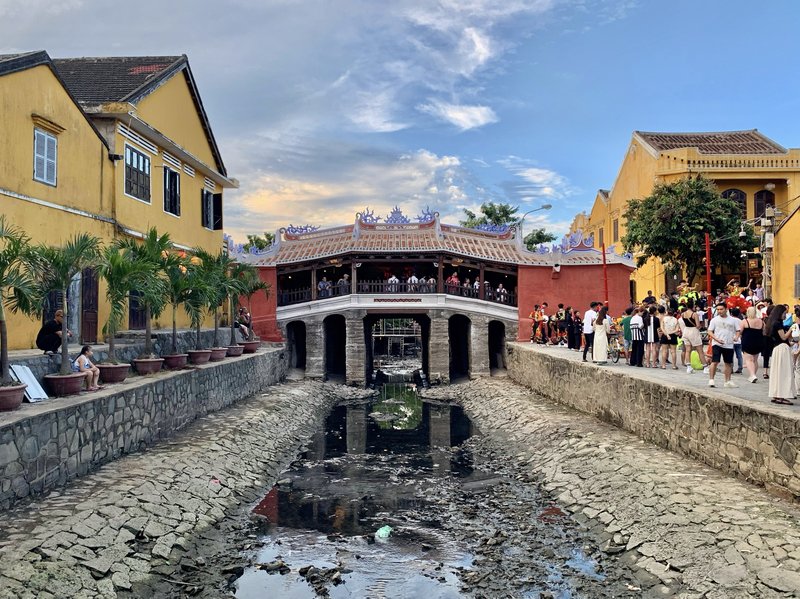
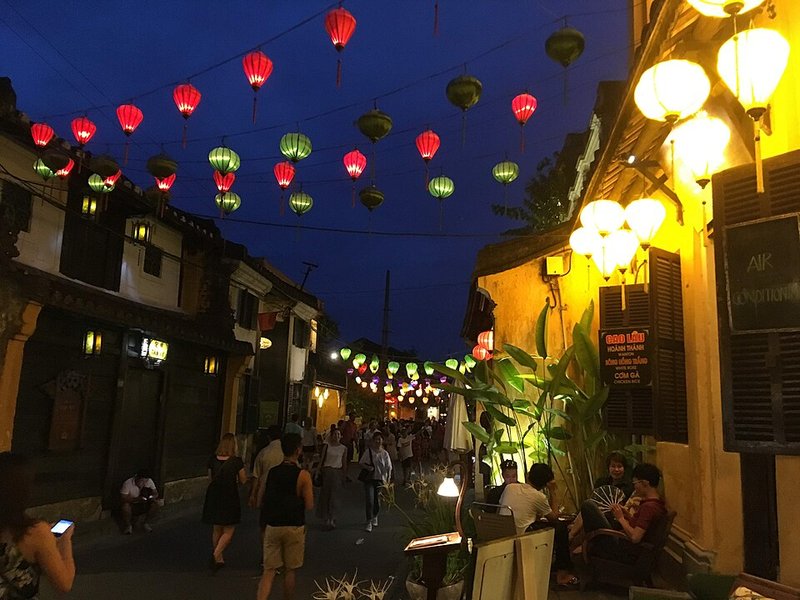
Day 4 pairs My Son Sanctuary with Hoi An, and the two sites tell opposite war stories. My Son was the Champa kingdom's religious capital for over a thousand years — then US carpet bombing in 1969 reduced most of its towers to rubble in a single week, chasing Viet Cong believed to be sheltering among the ruins; the craters are still there, softened by grass. Hoi An, 30 minutes south, escaped the war almost untouched, which is why its wooden shophouses and 400-year-old Japanese Covered Bridge still stand as one of Southeast Asia's best-preserved trading ports.
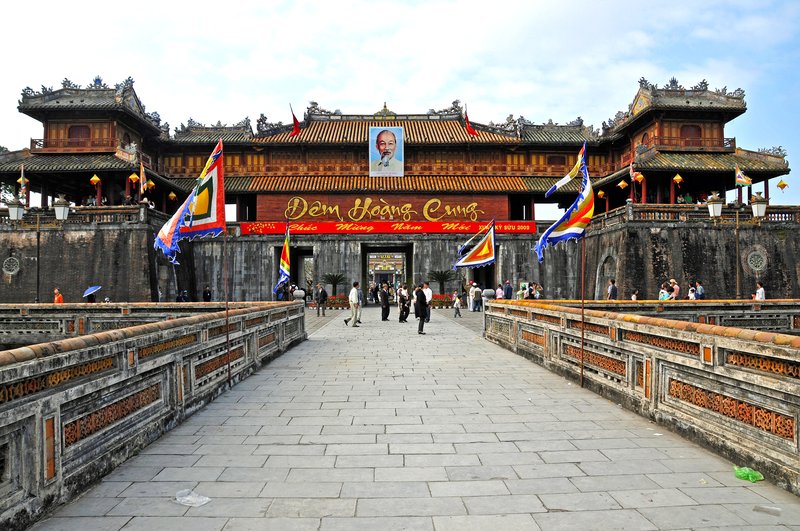
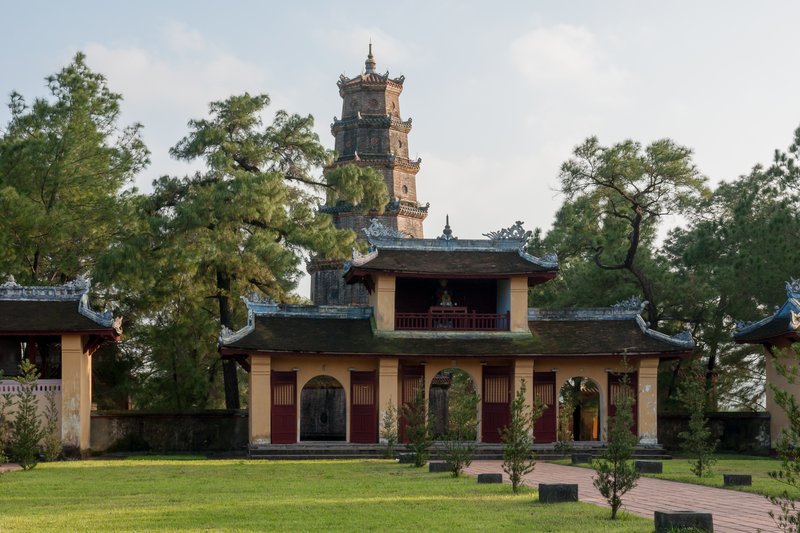
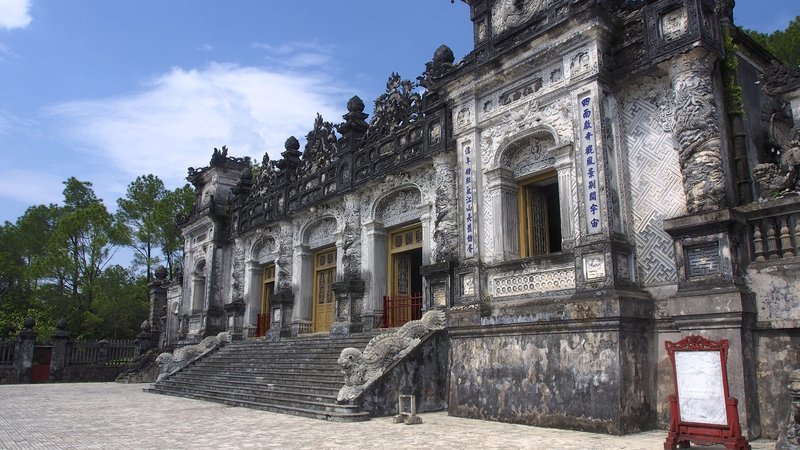
Day 5 leaves by train over the Hai Van Pass, a line French engineers spent decades blasting through solid granite in the early 1900s. Hue waits on the other side — the Nguyen dynasty's capital for 143 years, its Imperial City modeled directly on Beijing's Forbidden City, down to the moat and the purple walls.