From Hotel: 27 min · 17 min → Vietnam National Museum of Fine Arts
1.Vietnam National Museum of Fine Arts~1.5 hr
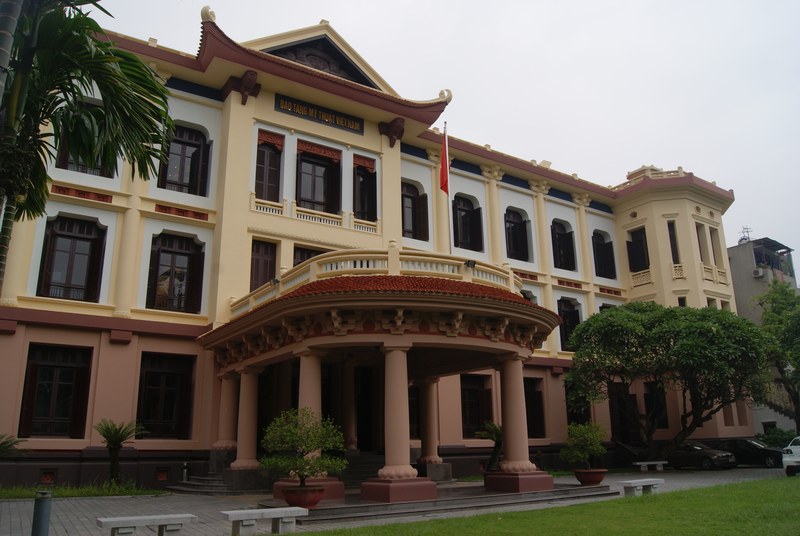
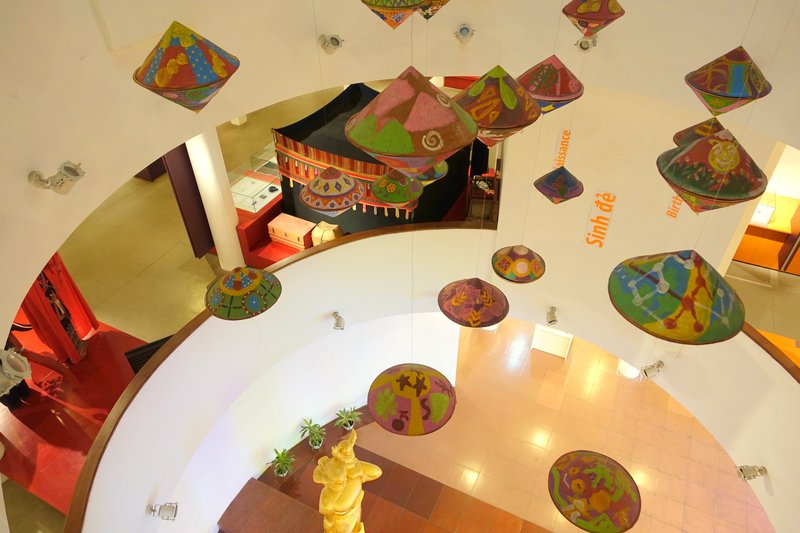
Vietnam's primary national art museum, housed in a 1937 French colonial building that served as a Catholic girls' school. Three floors hold 2,000 works from a collection of 20,000 — Đông Sơn bronze drums, Cham sandstone sculpture, imperial-era lacquer painting, and 20th-century propaganda art.
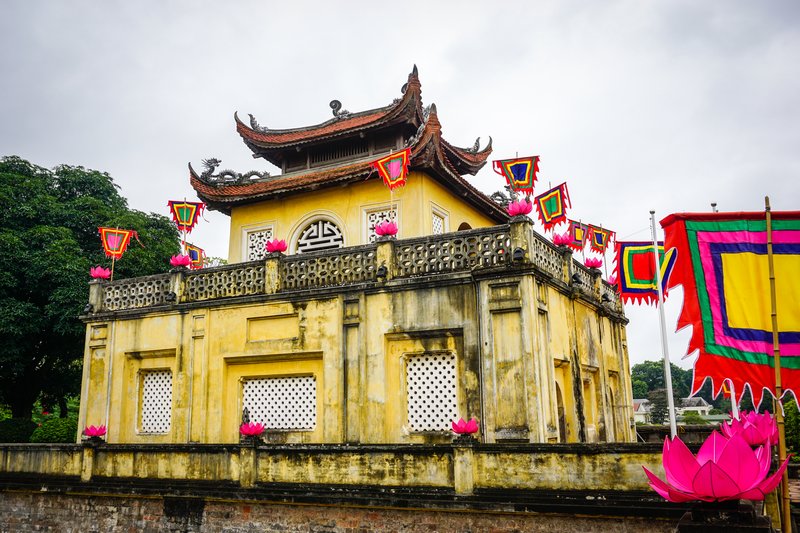
A UNESCO World Heritage Site and the political centre of Vietnam for over a thousand years. Archaeological layers from the 7th to 19th century lie beneath the grounds — royal palaces, dragon-patterned ceramics and military bunkers from the Vietnam War are all preserved within the same compound.
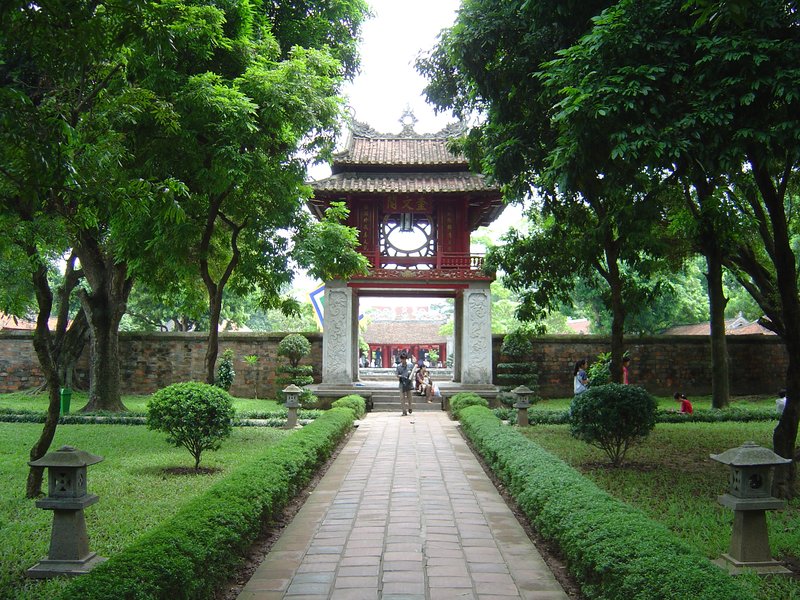
A Confucian temple complex founded in 1070 and home to Vietnam's first national university since 1076. Five walled courtyards lead to the Great Success Sanctuary. In the third courtyard, 82 stone stelae on tortoise sculptures record doctoral graduates spanning 1484 to 1780.
From Hotel: 35 min · 18 min → Ho Chi Minh Mausoleum
1.Ho Chi Minh Mausoleum~1.5 hr
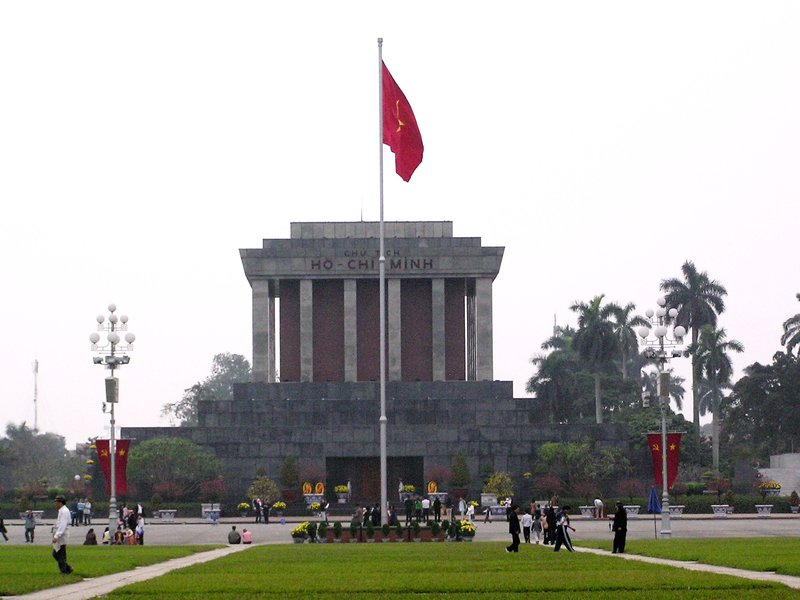
A grey granite mausoleum on Ba Dinh Square where Ho Chi Minh declared independence on 2 September 1945. The embalmed body lies inside a glass case in a darkened chamber. The surrounding complex includes his stilt house, the Presidential Palace gardens, and the One Pillar Pagoda.
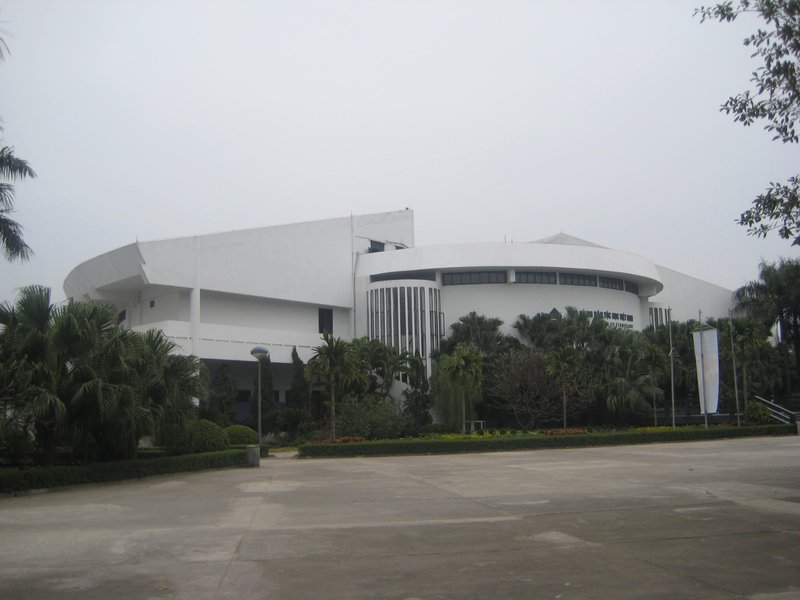
One of Southeast Asia's most celebrated museums, with 30,000 objects and life-size outdoor replicas of longhouses, granaries and stilt houses from Vietnam's 54 ethnic groups. The Trống Đồng building houses the indoor galleries; the garden holds reconstructed dwellings of the Tày, Bahnar, Ede and Cham peoples.
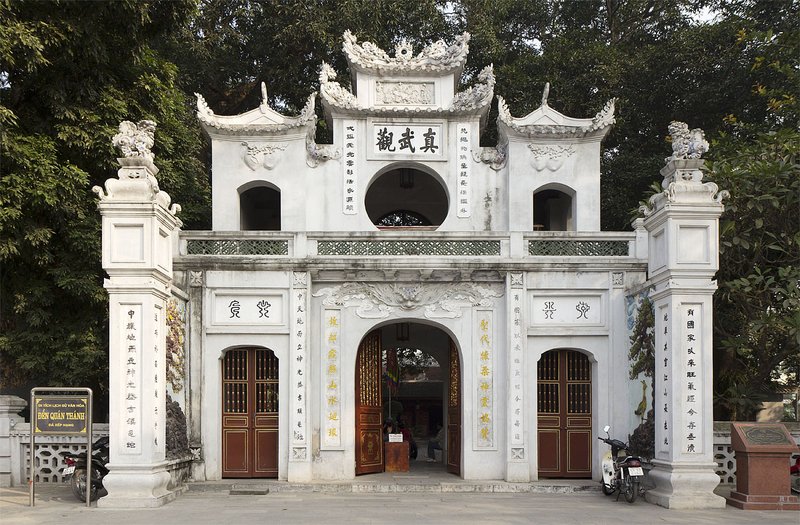
An 11th-century Taoist temple dedicated to Huyen Thien Tran Vu, the guardian deity of the north — one of four temples built to protect ancient Thang Long. The main hall houses a 4-tonne bronze statue of Tran Vu cast in 1677, seated on a serpent with his feet resting on a tortoise.
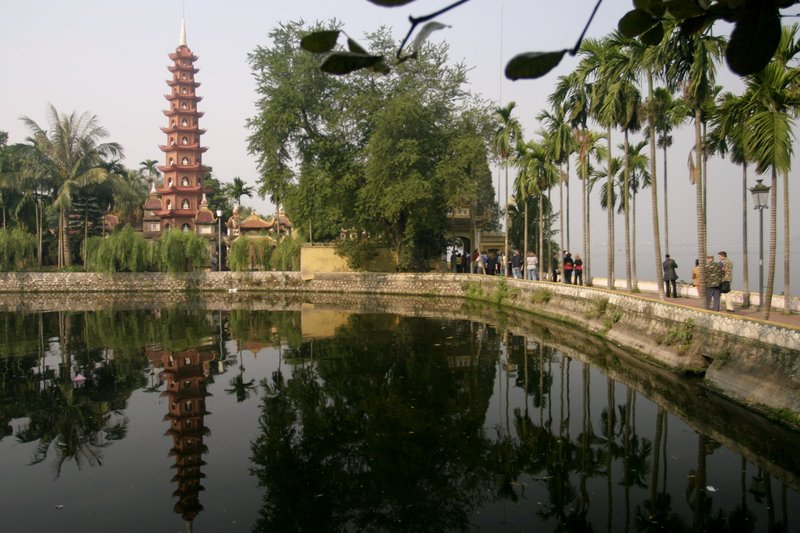
Vietnam's oldest pagoda, founded in the 6th century during the reign of Emperor Lý Nam Đế and relocated to its current West Lake island in 1615. A functioning Buddhist monastery with an 11-tiered white stupa housing a sandstone Buddha and a Bodhi tree grown from the original in Bodh Gaya.
An 18th-century Confucian and Taoist temple on a small island in Hoan Kiem Lake, reached by the iconic red-painted Huc Bridge. The temple honours the 13th-century military hero Tran Hung Dao and the scholar Van Xuong. Inside, a preserved giant softshell turtle from the lake is displayed.
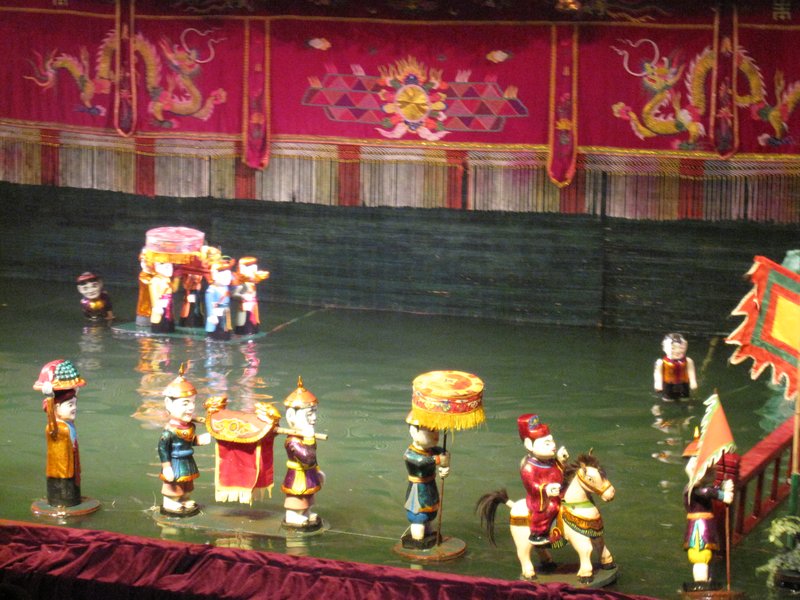
Vietnam's premier water puppet venue, performing a thousand-year-old art form that originated in the Red River Delta rice paddies. Puppeteers stand waist-deep behind a bamboo screen, controlling wooden figures on a pool-stage while live musicians play traditional instruments.
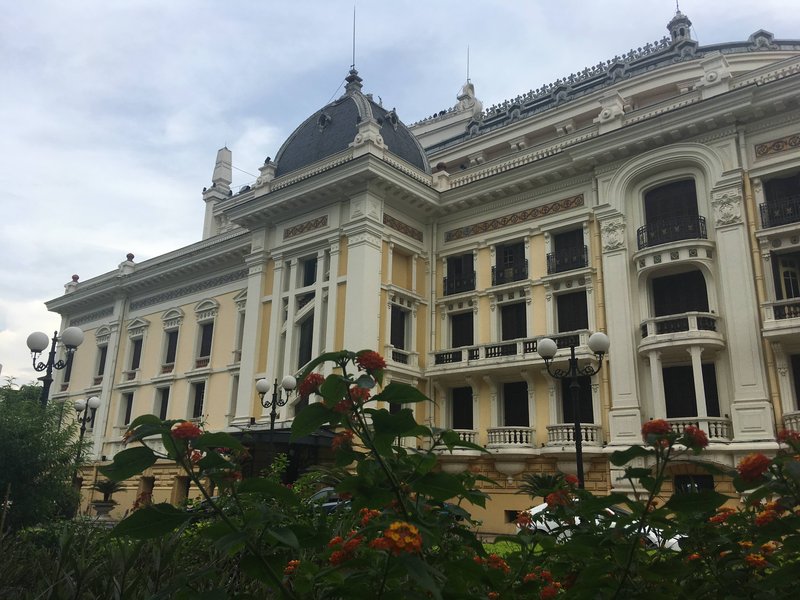
A 1911 Beaux-Arts opera house modelled on the Palais Garnier in Paris, with a columned facade, wrought-iron balconies and a grand staircase. One of the finest examples of French colonial architecture in Southeast Asia. Currently closed for renovation — visit for the exterior and the surrounding Trang Tien plaza.
2 min · 6 min → National Museum of Vietnamese History
4.National Museum of Vietnamese History~1.5 hr
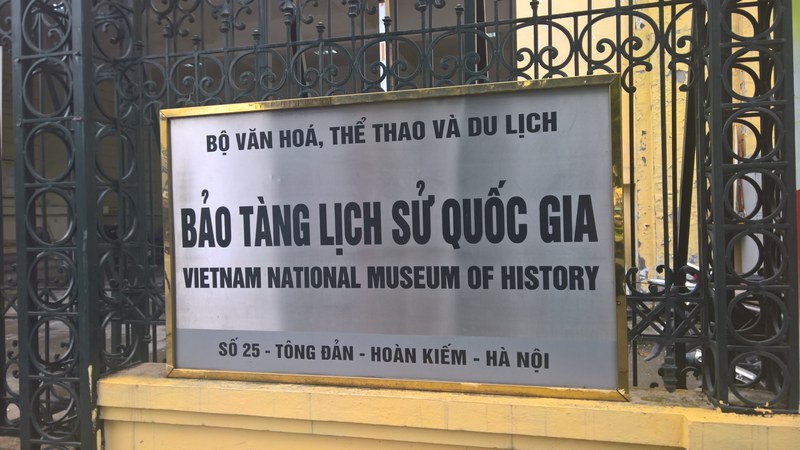
Housed in a 1932 building combining Beaux-Arts columns with curved pagoda rooflines, this museum spans Vietnam's history from Đông Sơn bronze drums and Cham sculpture to colonial-era artefacts. The collection covers 3,000 years across four themed sections arranged chronologically through two floors.
A 1.68 km steel cantilever bridge across the Red River, built between 1899 and 1902 by the French firm Daydé & Pillé. Bombed repeatedly during the Vietnam War and patched each time, it still carries trains, motorbikes and pedestrians. Walking across gives views of the river, banana-island farms, and the skyline.
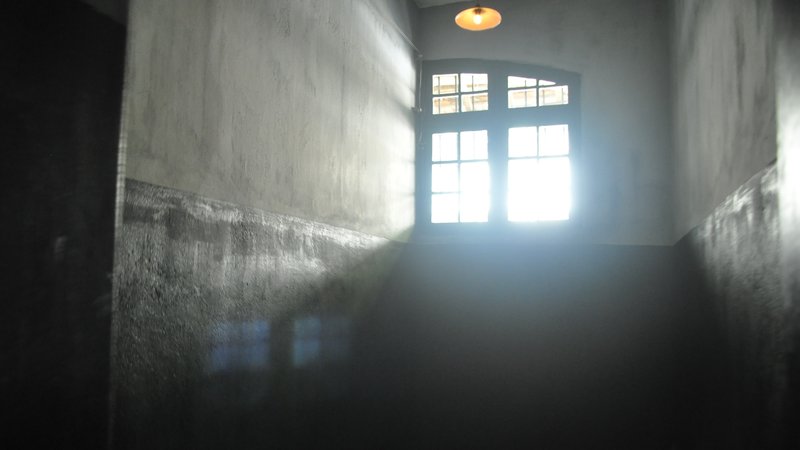
A French colonial prison built in 1896, later used to hold American prisoners of war who nicknamed it the "Hanoi Hilton." The surviving gatehouse and cell blocks preserve original shackles, solitary confinement chambers, and a guillotine room — a stark document of both colonial and wartime history.
A national museum across four floors documenting women's roles in Vietnamese history — resistance fighters in the American and French wars, artisans across 54 ethnic groups. The marriage and birth customs gallery and street-vendor photography collection are standouts.
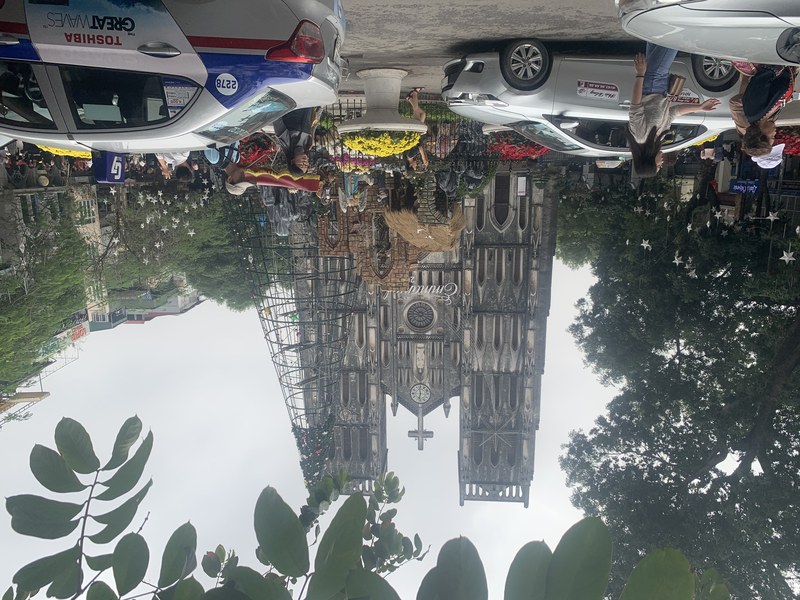
Hanoi's principal Catholic church, built in 1886 in neo-Gothic style modelled on Notre-Dame de Paris. Twin bell towers rise above the Old Quarter, and the interior holds original stained-glass windows imported from France. One of the few intact French colonial landmarks in the city.
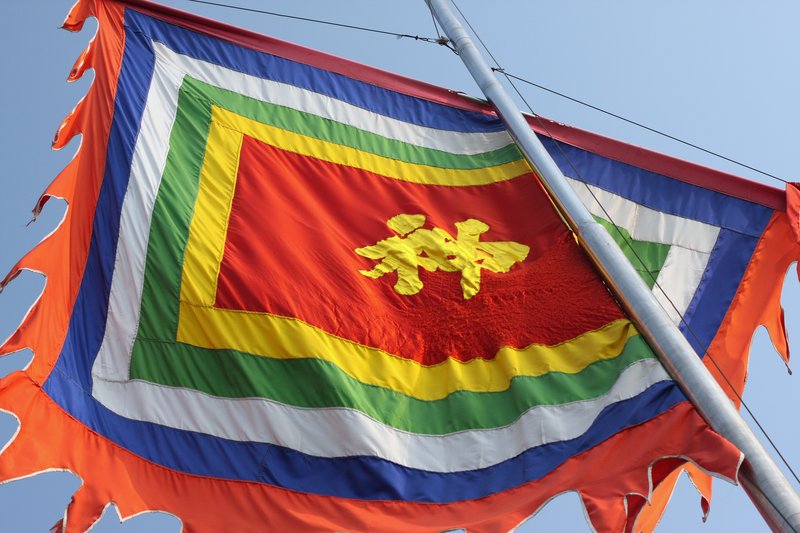
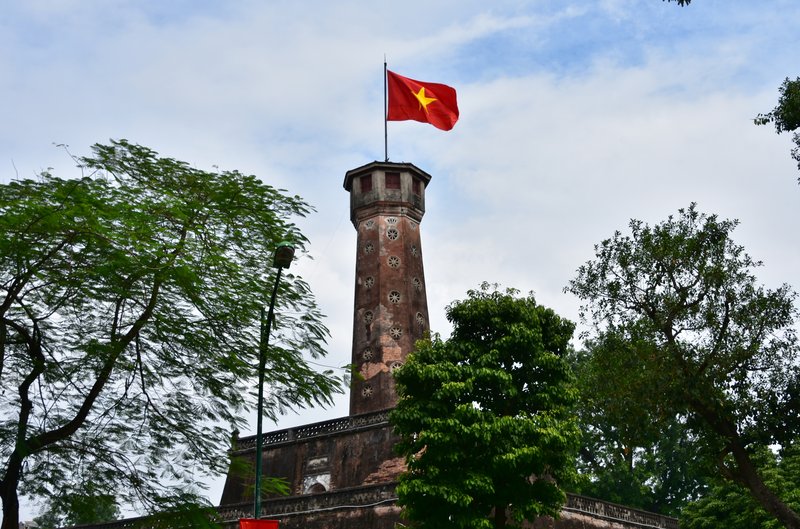
A 33-metre hexagonal watchtower built between 1805 and 1812, the oldest surviving structure of the Nguyen dynasty citadel. It survived French colonial demolition and American bombing intact — one of the few Hanoi landmarks to do so. The Vietnamese flag has flown from the top since 1945.
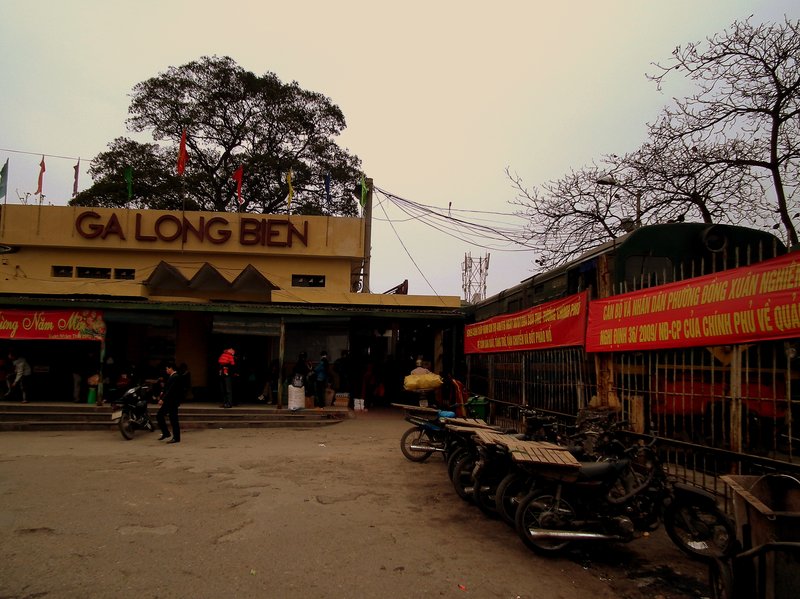
ARRIVE Ga Ninh Bình: 15 min → Hoa Lu Ancient Capital
1.Hoa Lu Ancient Capital~1.5 hr
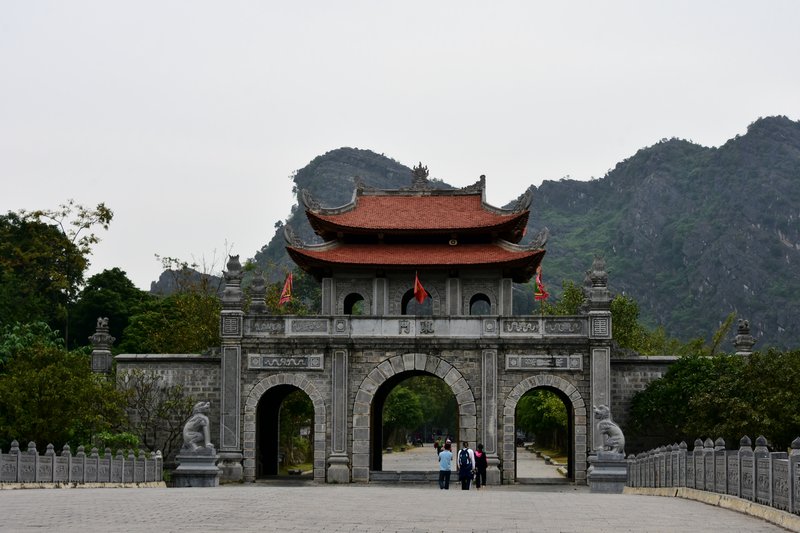
Vietnam's first feudal capital, seat of power from 968 to 1009 AD — a walled citadel carved into karst limestone mountains. Two royal temple compounds survive: the Dinh Tien Hoang Temple, dedicated to the dynasty's founder, and the Le Dai Hanh Temple, with 17th-century lacquered carvings.
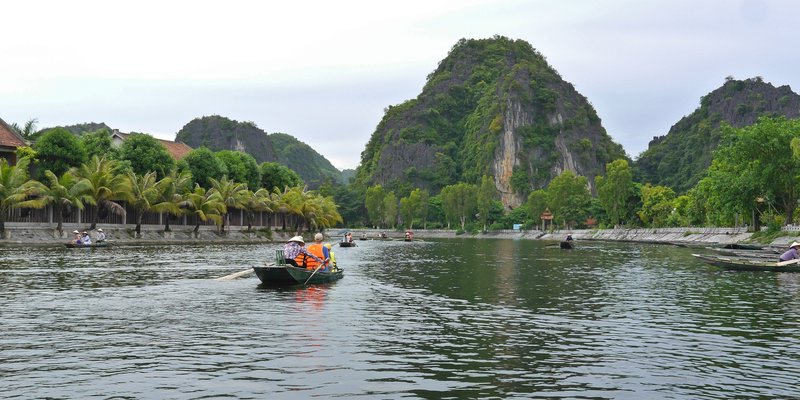
The centrepiece of the UNESCO Trang An Scenic Landscape Complex — a river valley where limestone peaks rise from flooded rice paddies. Flat-bottomed sampan boats, rowed by foot, pass through three cave-tunnels carved by the Ngo Dong River.
A limestone peak above the Tam Coc valley reached by 486 carved stone steps. The summit gives a 360-degree view across flooded rice fields, river meanders and karst towers of the UNESCO Trang An Scenic Landscape Complex. A dragon sculpture marks the top; the route passes a cliff-side pagoda on the way up.
A local university student leads a walk through the 36 ancient streets of the Old Quarter — guild history, hidden temples, street food stops and Hoan Kiem Lake.
Evening walk through the Old Quarter's food alleys — pho, banh mi, bun cha, egg coffee and bia hoi, with a local guide explaining each dish and its history.
A walking tour of Hanoi's wartime landmarks — Hoa Lo Prison, the B-52 wreckage at Huu Tiep Lake, the Vietnam Military History Museum, and sites from the French colonial resistance.
Half-day circuit by van — Train Street, the Old Quarter guild streets, Ho Chi Minh Mausoleum complex, and hidden neighbourhood stops off the tourist trail.
Charcoal-grilled pork patties and sliced belly served with cold rice vermicelli, a sweet-sour dipping broth, and a basket of fresh herbs — a Hanoi original.
A crisp baguette filled with pate, cold cuts, pickled daikon and carrot, cucumber, coriander and chilli — French bread reimagined as Vietnamese street food.
Egg coffee — espresso topped with a thick, sweet whip of egg yolk and condensed milk, beaten to a custard-like foam. Invented in 1946 at Cafe Giang when fresh milk was scarce.
Turmeric-marinated fish sizzled tableside in a pan with dill, spring onion and shrimp paste, served over rice vermicelli with peanuts — so iconic it has a street named after it.
Fresh draught beer brewed daily with no preservatives, served from steel kegs on low plastic stools at open-air street corners — the cheapest beer culture on earth.
Foreign number: not accepted — requires a Vietnamese phone number to register.
ShopeeFood is widely used by locals with one of the largest restaurant rosters in Hanoi, but the sign-up requires a Vietnamese SIM. Worth using if you have a local number or are travelling with someone who does.
Foreign number: accepted. — the verification code arrives by SMS to any international number.
GrabFood is the most accessible delivery option for visitors — same account as GrabCar, no separate sign-up needed. Covers central Hanoi and the Old Quarter with fast delivery and a wide range of Vietnamese and international restaurants.
Foreign number: accepted. — the verification code arrives by SMS to any international number.
Grab is the go-to ride-hailing app in Hanoi, covering GrabCar and GrabBike across the city. Foreign numbers from most countries are accepted, making it the easiest option for visitors.
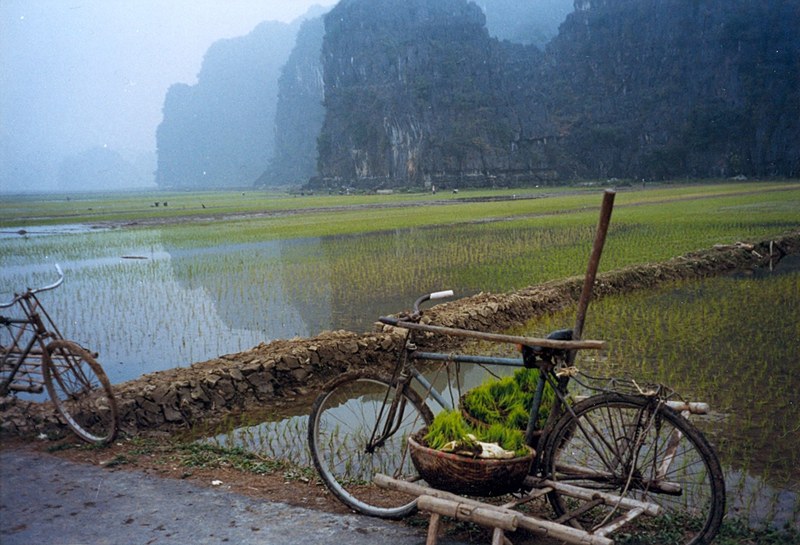
The UNESCO-listed Trang An Scenic Landscape Complex — karst towers amid flooded rice paddies, boat rides through limestone caves at Tam Coc, and the ancient capital of Hoa Lu. Climb Mua Cave for a panoramic view of the valley.
A port city with French colonial architecture and a gateway to Cat Ba Island and Lan Ha Bay — a quieter alternative to Ha Long Bay with equally dramatic limestone karsts.
Hanoi's ancient name was Thang Long — the Ascending Dragon — given by King Ly Thai To in 1010 when he moved the capital here and claimed to see a golden dragon rising from the Red River. A thousand years later the city still moves at two speeds: motorbikes weaving through the 36 guild streets of the Old Quarter, and old men bent over chessboards on the shore of Hoan Kiem Lake.
Five days trace the whole arc. Day 1 stays within walking distance of the lake — a French Gothic cathedral, a Confucian temple on an island, a colonial prison turned war museum, and an opera house modelled on the Palais Garnier. Day 2 crosses to the wide Soviet-era avenues of Ba Dinh, where a thousand years of imperial history are compressed into a single morning: the mausoleum of Ho Chi Minh, the citadel where emperors ruled, the flag tower that survived every war, and the temple that housed Vietnam's first university in 1076. Day 3 starts at the far end of a bomb-scarred steel bridge and works back through a Taoist temple, a museum unlike any other, and finishes where Hanoi always finishes — watching wooden puppets dance on water.
Day 4 moves outward from the Old Quarter. A 1932 building beside the Opera House holds 3,000 years of Vietnamese history — Đông Sơn bronze drums, Cham sandstone sculpture, and colonial-era correspondence. A walk southwest leads to the national fine arts collection in a former French girls' school: lacquer screens, silk paintings, imperial ceramics, and war-era propaganda. A taxi northwest reaches one of Southeast Asia's most admired museums, where the garden behind the bronze Trống Đồng building holds full-scale reconstructed dwellings from 54 ethnic groups. The day ends at West Lake on a causeway to a pagoda that has stood since the 6th century.
Day 5 leaves Hanoi by train. An hour south of the capital the landscape turns to limestone: flat rice paddies cut by sudden vertical cliffs. The ancient capital of Hoa Lu — Vietnam's seat of power before Thăng Long — sits in a valley ringed by karst mountains that served as its walls. Sampan boats at Tam Coc row through three cave-tunnels at water level. The last climb is 486 stone steps to a peak above the valley, with the entire Trang An landscape laid out below.