TRIP OVERVIEW
Day 1 – Trilha do Morro das Aranhas · Praia dos Ingleses
Day 2 – Dunas da Joaquina · Mirante da Lagoa da Conceição
Day 3 – Ilha do Campeche · Mirante do Morro das Pedras · Lagoa do Peri · Lagoinha do Leste
Day 4 – Catedral Metropolitana · Palácio Cruz e Souza · Ponte Hercílio Luz · Mirante do Morro da Cruz
Day 5 – Jurerê Internacional · Fortaleza de São José da Ponta Grossa · Santo Antônio de Lisboa
Day 6 – Barra da Lagoa · Praia Mole · Ribeirão da Ilha
Day 1
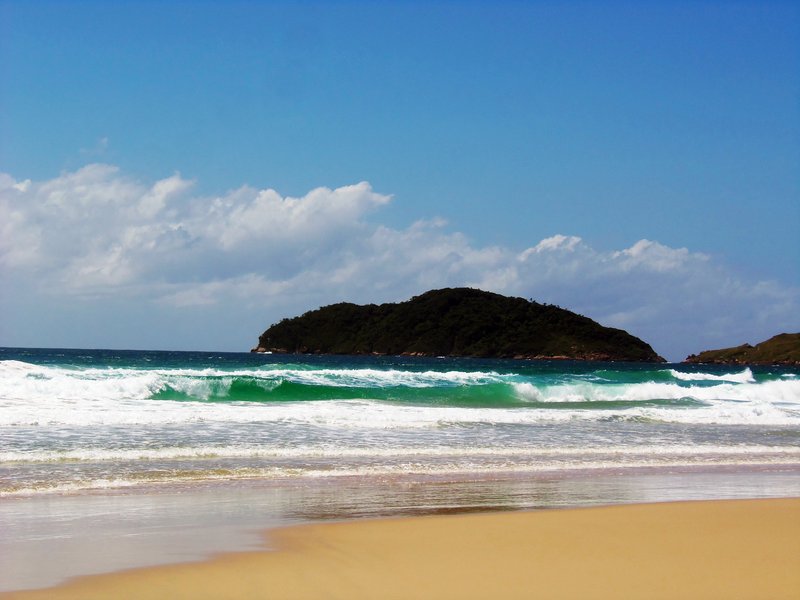
1. Trilha do Morro das Aranhas~1 hr 30 min
A 2.5 km coastal trail climbing to 246 m over a rocky headland that separates Praia do Santinho and Praia de Moçambique. The route passes through a Private Natural Heritage Reserve with views of the open Atlantic on both sides.
2. Praia dos Ingleses~2 hr
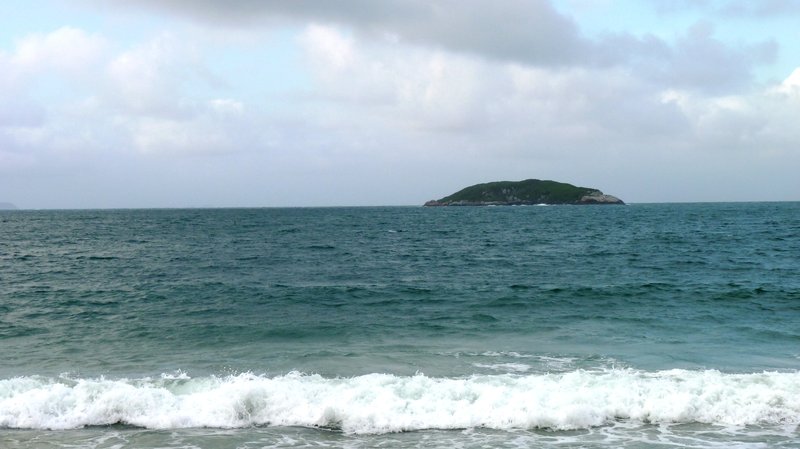
A 4.83 km open-ocean beach in the northeast of Santa Catarina Island named after an English ship that ran aground here in the colonial era. The right end of the beach has calm, shallow water ideal for families; the left end generates consistent surf for bodyboarding and stand-up paddleboarding.
Open 24/7
Day 2
1. Dunas da Joaquina~1 hr
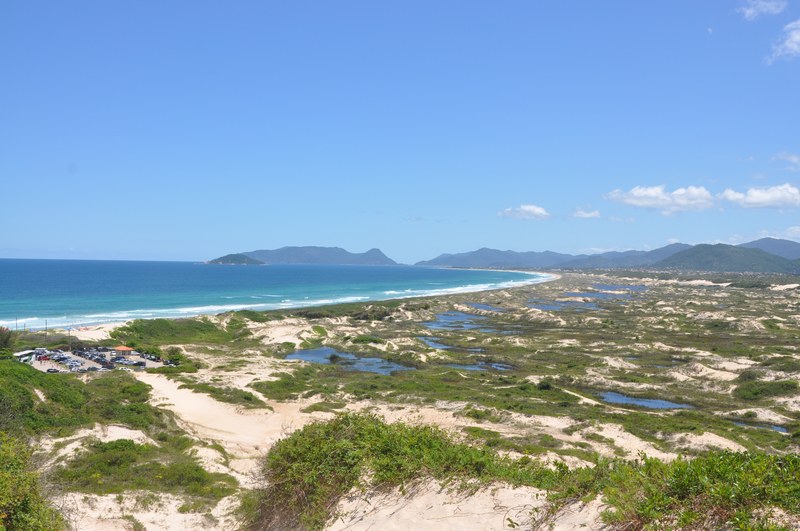
A large coastal dune system on the east side of Santa Catarina Island separating Praia da Joaquina from Lagoa da Conceição. Sandboard rentals are available from vendors at the base of the dunes.
Open 24/7
2. Mirante da Lagoa da Conceição~45 min
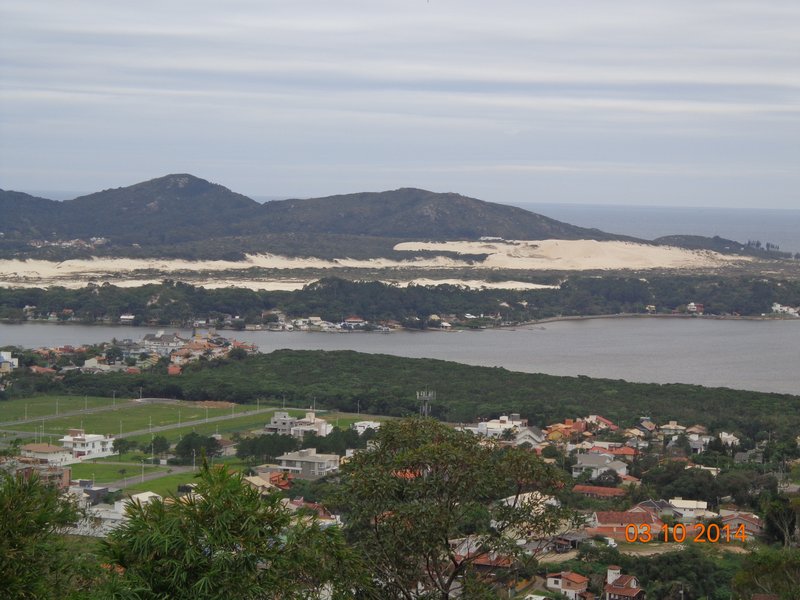
A hilltop viewpoint above Lagoa da Conceição with sweeping views over the lagoon, Praia Mole, Praia da Joaquina, and the eastern coastline. Also used as a paragliding and hang-gliding launch site.
Open 24/7
Day 3
1. Ilha do Campeche~3 hr
An uninhabited island 1.6 km long containing more than 100 pre-Columbian petroglyphs across 10 archaeological sites, listed by IPHAN as National Archaeological and Landscape Heritage since 2000. Interior trails require an accredited guide available on the island.
Daily 9:00am - 5:00pm
Daily visitor cap of 800. Book boat transfer in advance at Praia da Armação · interior archaeological trails require an on-site accredited guide.
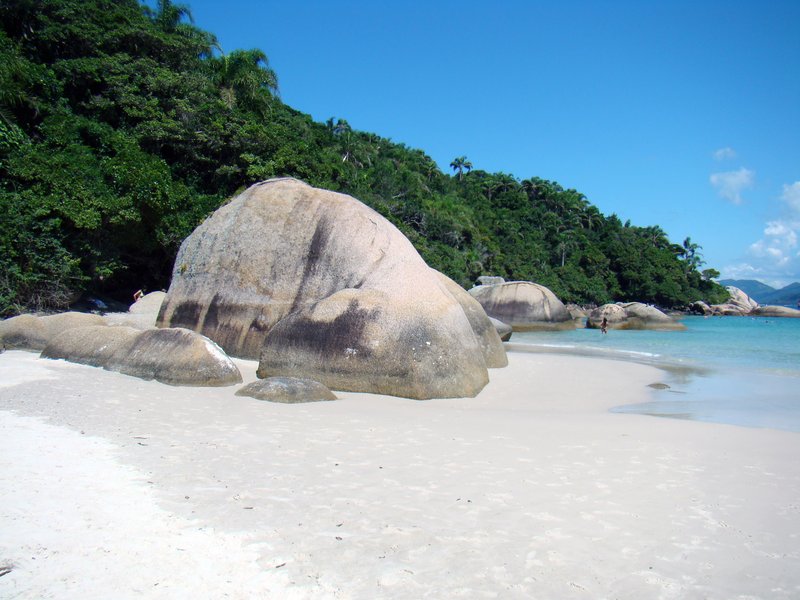
2. Mirante do Morro das Pedras~45 min
A hilltop viewpoint above the southern coast with views of Armação Beach, Caldeirão Beach, Lagoa do Peri, and Ilha do Campeche offshore. Between June and November this is the only accessible viewpoint in Florianópolis where southern right whales are spotted from shore.
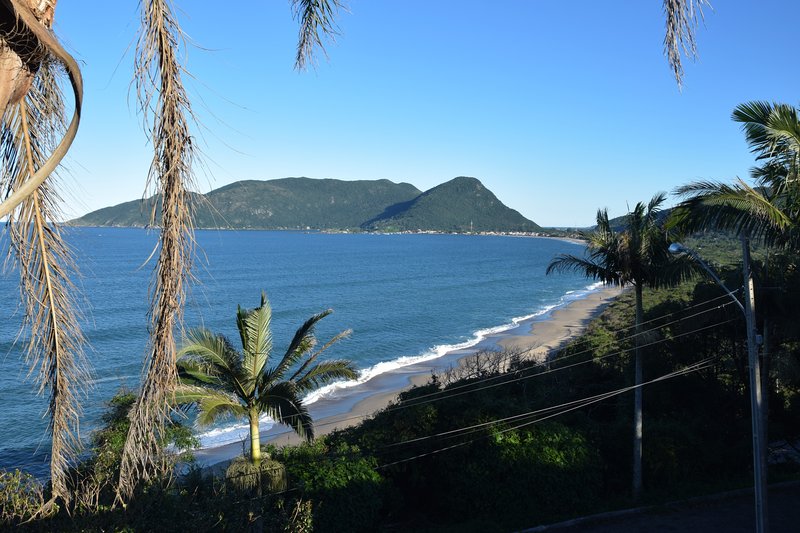
3. Lagoa do Peri~2 hr
The largest freshwater lagoon on the Santa Catarina coast at 5.2 km², set within a 4,274-hectare municipal park. Activities include swimming, kayaking, fishing, and hiking. The lagoon also supplies drinking water to several neighborhoods of the island.
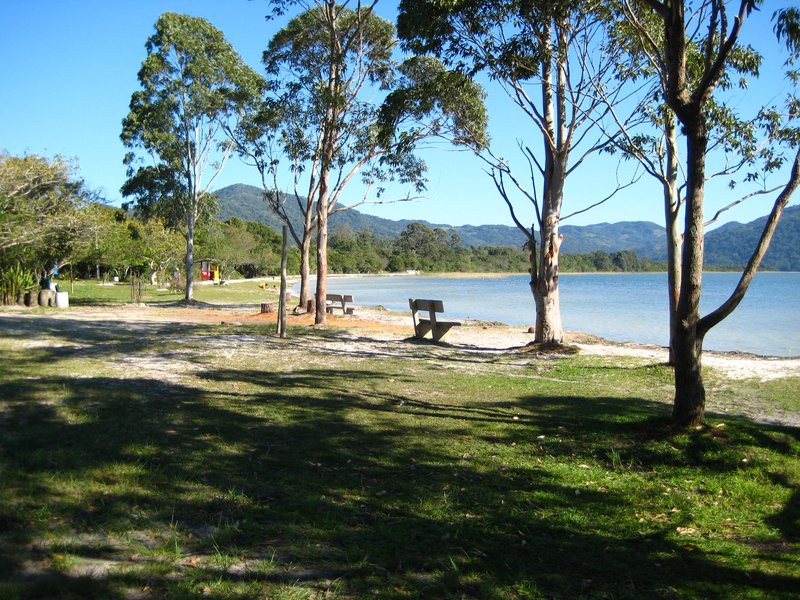
4. Lagoinha do Leste~3 hr
A remote pristine beach accessible only by a 2.3 km trail from Pântano do Sul — a 75-min hike each way. A small freshwater lagoon sits behind the beach. There is no road access, which keeps the beach uncrowded even in peak season.
Open 24/7
60 min uphill
Trail-only access · 75-min hike each way from Pântano do Sul trailhead · cash-only food kiosks open December - March and weekends only
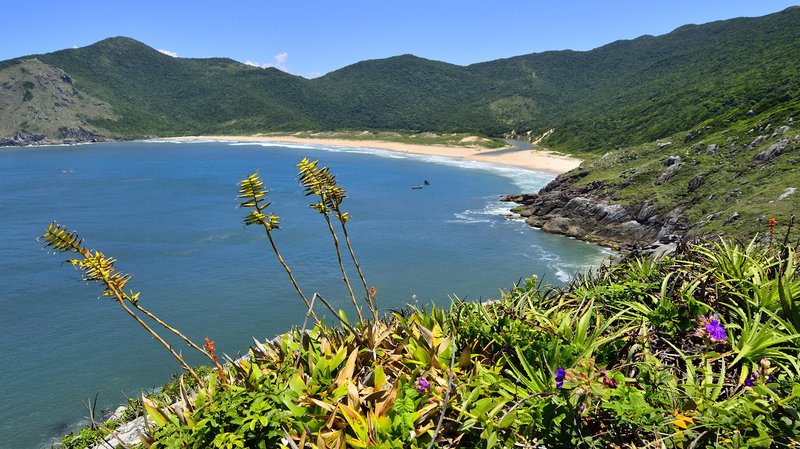
Day 4
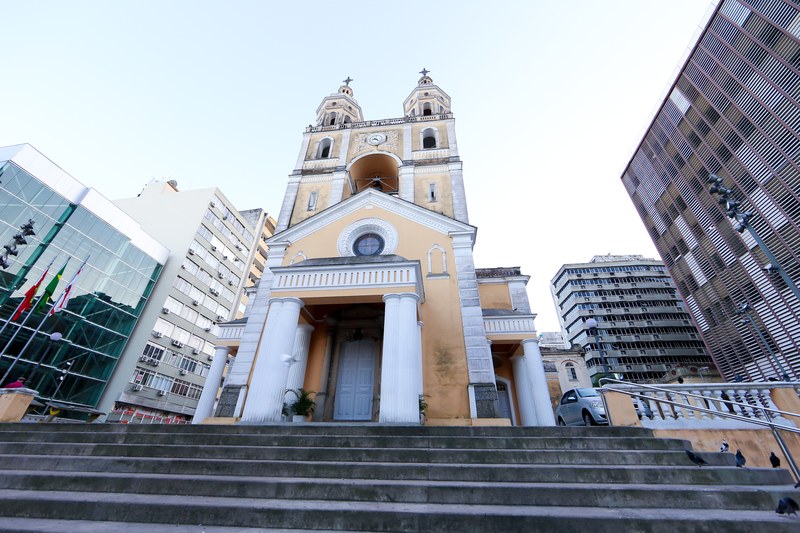
1. Catedral Metropolitana~45 min
The principal Catholic church of Florianópolis, originally founded in 1675 under the dedication to Our Lady of the Exile. Rebuilt in Neoclassical style and elevated to cathedral status in 1908, it anchors Praça XV de Novembro alongside the Palácio Cruz e Souza as the seat of the Archdiocese of Florianópolis.
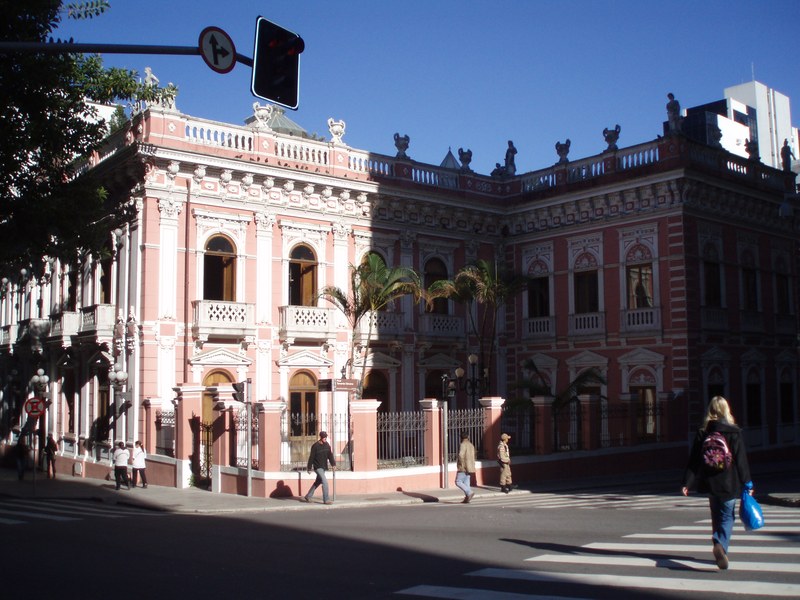
2. Palácio Cruz e Souza~1 hr 30 min
The former Santa Catarina state government palace, rebuilt 1894–1898 and converted into the Museu Histórico de Santa Catarina in 1986. Named after the Symbolist poet Cruz e Sousa, the interior features a Carrara marble staircase, bronze knight statues, and Art Nouveau stained glass.
Tuesday - Friday 10:00am - 6:00pm · Saturday - Sunday 10:00am - 4:00pm
Closed Monday
Cash Only
Free admission on Sundays
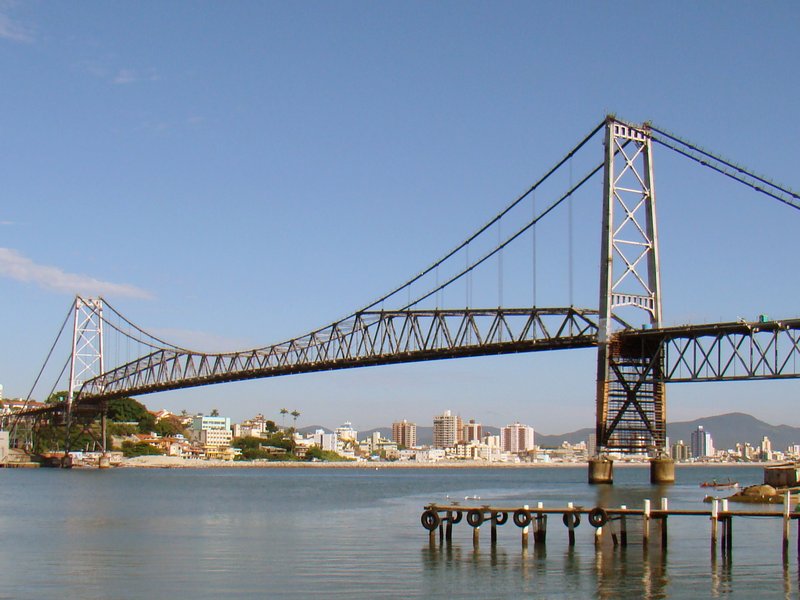
3. Ponte Hercílio Luz~1 hr
A 821 m suspension bridge inaugurated in 1926, for decades the only fixed link between Santa Catarina Island and the mainland. Closed to vehicles in 1991 and restored as a pedestrian promenade in 2019. Its twin towers are the most recognizable silhouette of Florianópolis.
Open 24/7
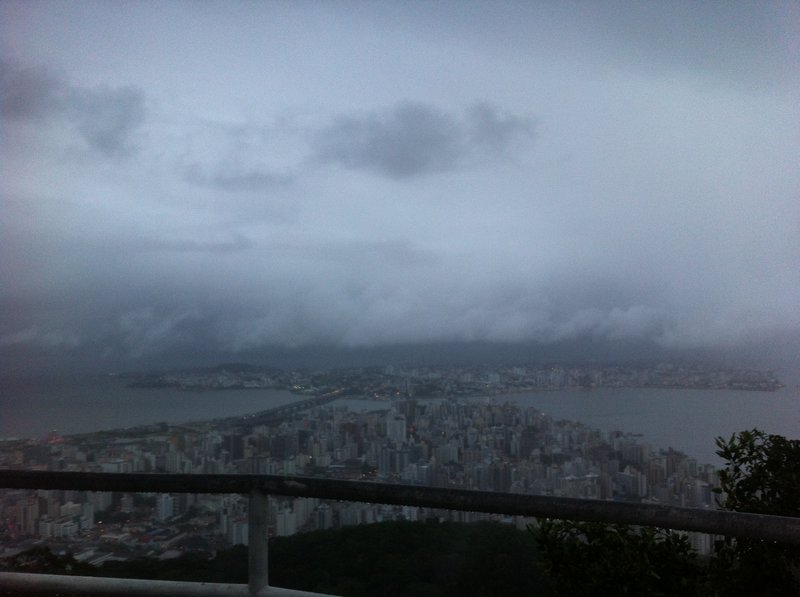
4. Mirante do Morro da Cruz~1 hr
A hilltop viewpoint at 285 m offering a 360-degree panorama of both Bays of Florianópolis, the island's bridges, the downtown skyline, and the continental mainland beyond.
Open 24/7
Day 5
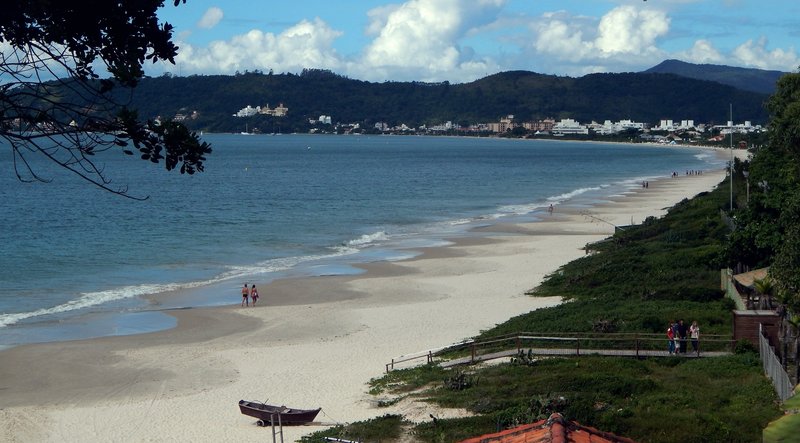
1. Jurerê Internacional~2 hr
A planned resort beach on the north coast of Santa Catarina Island with calm, clear water sheltered from Atlantic swell. The beach is known for its fine white sand, upscale beach clubs, and an open-air shopping strip — the most developed and polished stretch of coastline on the island.
Open 24/7
2. Fortaleza de São José da Ponta Grossa~1 hr 30 min
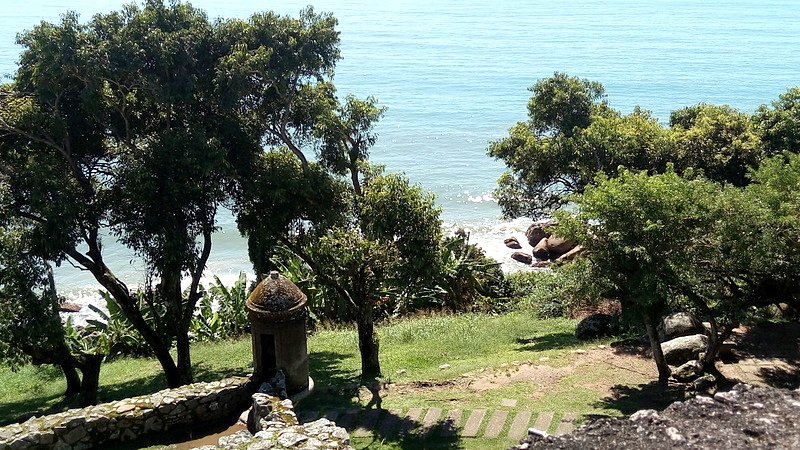
An 18th-century Portuguese military fortress begun in 1740 on a rocky headland at the north strait of Santa Catarina Island. Built as part of a triangular defensive system, it was restored in the 1990s and is managed by the Federal University of Santa Catarina.
Tuesday - Sunday 8:30am - 6:30pm
Closed Monday
Last Sunday of March - November has free admission
3. Santo Antônio de Lisboa~1 hr 30 min
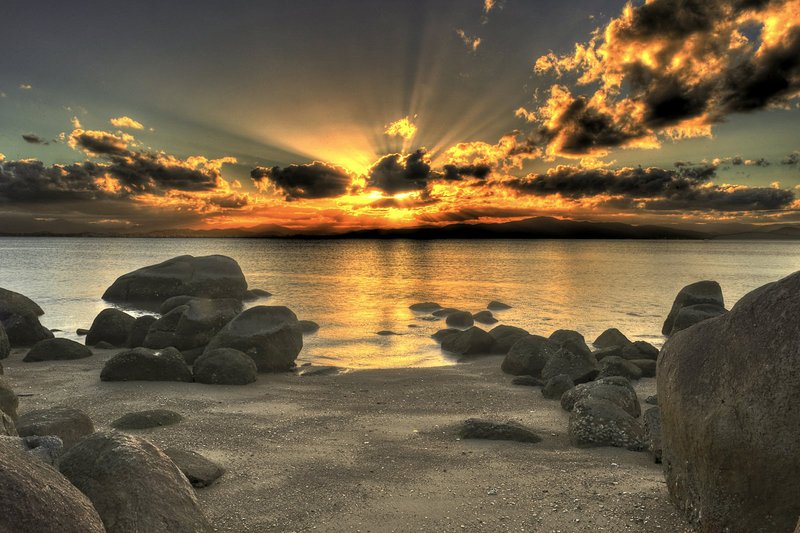
The oldest settled neighborhood on the island, founded by Azorean colonists in 1751. Cobblestone lanes, a whitewashed colonial church, and Azorean houses were spared from the redevelopment that reshaped the rest of Florianópolis. The waterfront has seafood restaurants and bobbin-lace artisans.
Day 6
1. Barra da Lagoa~1 hr 30 min
A fishing village on the tidal channel connecting Lagoa da Conceição to the Atlantic, forming a 14 km combined beach with Praia de Moçambique. Home to a TAMAR sea turtle centre. Wooden fishing boats share the channel with swimmers; the ocean-side beach has consistent surf.
2. Praia Mole~2 hr
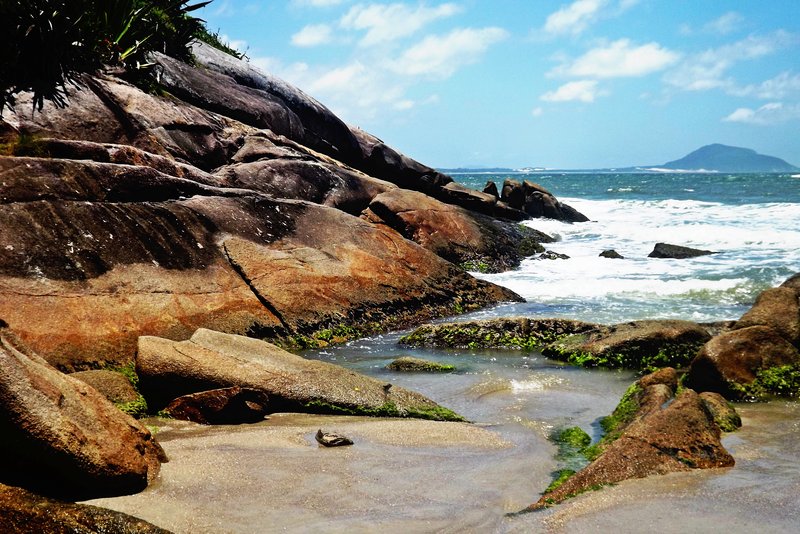
A 960 m surf beach on the eastern coast, flanked by granite headlands and backed by the Galheta hill. Praia Mole receives consistent Atlantic swells that make it the most sought-after surf spot on the island. Paragliders land on the sand from launches off the hillside above.
Open 24/7
3. Ribeirão da Ilha~1 hr 30 min
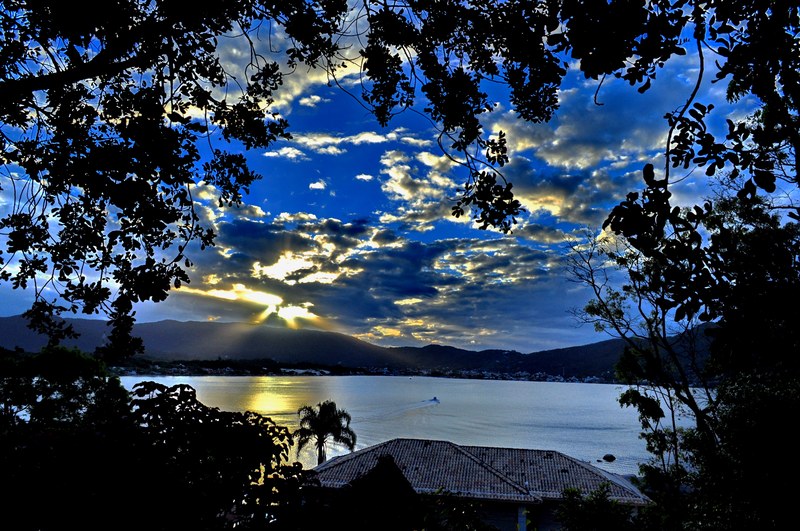
An 18th-century Azorean settlement in the southwestern bay, now Brazil's largest oyster-producing district. The main road is lined with waterfront restaurants serving oysters and shellfish farmed in the surrounding bays. Bobbin-lace making is still practised by local artisans.
Weekly Closures
Museums & Historic Sites · Closed Monday
Tours
Viator
A 2.5-hour guided walking tour through the Historic Center covering Florianópolis' indigenous history, Portuguese colonial period, and the city's contemporary art and gastronomy scene.
2 hr 30 min · Small group
A full-day guided coach tour covering the main beaches, historic forts, viewpoints, and neighborhoods of Santa Catarina Island from north to south.
8 hr 30 min · Large group
GetYourGuide
A guided city walk through the Historic Center exploring pre-Columbian, colonial, and contemporary history alongside local food and art stops.
2 hr 30 min · Small group
A guided half-day hike to Lagoinha do Leste through Atlantic Forest trails, with stops at a freshwater lagoon and a pristine beach accessible only on foot.
5 hr 30 min · Max 10
A guided 5-hour hike to Lagoinha do Leste on the lesser-known route from Bar do Arante, taking in ocean views, Atlantic Forest, and the remote beach with island history.
5 hr · Max 10
A 4-hour guided kayak and stand-up paddle session exploring sheltered coves, wildlife, and a secluded beach not accessible by road.
4 hr · Small group
A guided half-day kayak and SUP excursion from the Jurerê coast to Ilha do Francês, a small island with clear shallow water for snorkeling among tropical fish and sea turtles.
4 hr · Small group
TripAdvisor
A guided 2.5-hour walk through the Historic Center with a local guide covering the city's colonial and contemporary story, with tasting stops along the route.
2 hr 30 min · Small group
A free walking tour of the Florianópolis Historic Center led by a local "manezinho" guide, covering the city's founding, landmarks, and culture. Tip-based; no booking fee.
1 hr 30 min · Small group
A guided 4.5-hour hike and photography session to Lagoinha do Leste from Bar do Arante, with a local guide highlighting native flora, fauna, and Atlantic Forest landscape.
4 hr 30 min · Max 10
A full-day coach tour of Santa Catarina Island visiting the historic fortress, north and south beaches, the sand dunes, and the Lagoa da Conceição area.
8 hr 30 min · Large group
↔
A guided full-day minivan tour covering all four zones of the island — the historic center, southern beaches, eastern dunes and lagoon, and the northern fortress — with a maximum of 15 guests.
9 hr · Max 15
Restaurants Near Hotel
Artusi Ristorante · 4.7 · 4092+ reviews
Italian trattoria with handmade pasta, risotto, and local seafood.
Monday - Saturday 11:30am - 3:30pm · 7:00pm - 11:30pm
Closed Sunday
Taberna Ibérica · 4.7 · 3068+ reviews
Portuguese tavern with bacalhau, local oysters, charcuterie, and wine.
Monday - Saturday 12:00pm - 2:30pm · 6:00pm - 12:00am
Closed Sunday
Downtown Restaurants
Forneria Catarina · 4.8 · 3657+ reviews
Neapolitan-style pizza with a wood-fired oven and San Marzano tomatoes.
Daily 6:00pm - 12:00am
Dining Areas
Santo Antônio de Lisboa · the island's Azorean fishing village
Jurerê Internacional · along Avenida dos Búzios
Local Tastes
Ostras Nativas
Oysters farmed in the sheltered bays of Santa Catarina Island, particularly around Ribeirão da Ilha. Served fresh on the half-shell at waterfront restaurants throughout the island.
Tainha
Grey mullet fish traditionally smoked or grilled whole over open coals. A seasonal dish tied to the annual Tainha Festival in May and June when schools pass the island.
Caldeirada
A thick seafood stew with local fish, shrimp, mussels, and vegetables simmered in a tomato and dendê oil base. The definitive coastal comfort dish of Santa Catarina.
Sequilhos
Crispy crumbly cookies made from cassava starch, eggs, and sugar — a traditional Azorean-Brazilian confection baked in Florianópolis bakeries since the 18th century.
Food Delivery
iFood
Foreign number: not accepted. — a Brazilian mobile number is required to register.
The dominant delivery platform on the island with the widest restaurant coverage, from beach kiosks in Jurerê to seafood restaurants in Lagoa da Conceição. Delivery times vary by distance to the south and east beach zones.
Rappi
Foreign number: not accepted. — Rappi only accepts numbers from the countries where it operates.
A secondary option with grocery and convenience store delivery alongside restaurant options. Smaller coverage footprint than iFood in the outer beach neighborhoods.
Shows, Performances & Concerts
Teatro Álvaro de Carvalho
The historic main theater of Florianópolis hosting plays, classical concerts, dance performances, and cultural events throughout the year.
Getting Around
Uber
Foreign number: accepted. — the verification code arrives by SMS on a foreign SIM, and the app can also verify through WhatsApp.
Widely available across the island and the most reliable option for reaching distant beach zones like Praia do Campeche, Pântano do Sul, and Lagoa da Conceição. Surge pricing applies on weekend evenings leaving the Lagoa area.
99
Foreign number: not accepted. — a Brazilian mobile number is required to register.
A strong local alternative to Uber with competitive rates, particularly useful for longer cross-island trips. Generally lower surge pricing than Uber during peak beach hours.
Hiking
Lagoinha do Leste via Bar do Arante · Hard
Clifftop approach from Armação along the exposed ridge above the Atlantic.
4.5 km one way · 160 m ascent
1 hr 45 min
Lagoinha do Leste · Hard
Northern approach from Pântano do Sul through Atlantic Forest to the same beach.
2.3 km one way · 100 m ascent
1 hr 15 min
Worth Knowing
Ilha da Magia
Florianópolis earns its nickname Ilha da Magia — Magic Island — for the way it compresses an entire geography into a single destination: a 285 m hilltop looking down on two bays simultaneously, an 18th-century stone fortress at the water's edge, a coastal trail where the Atlantic wraps around both sides, a lagoon framed by dunes, and a beach that asks you to earn it with 75 minutes on foot. The three days here do not repeat themselves. Each reads differently: the north is historic and wild, the east is luminous and open, and the south is quietly remote. The city itself recedes once you leave downtown. What remains is the island.
Also on this site
Nearby Guides