INTERLAKEN
Hotel Royal St. Georges Interlaken - MGallery
Switzerland
TRIP OVERVIEW
Day 1 – Aare Waterfront · Unterseen Old Town · Höhematte · Harder Kulm
Day 2 – Jungfraujoch · Ice Palace · Sphinx Terrace · Eigergletscher Station
Day 3 – Mürren · Allmendhubel · Trümmelbach Falls · Staubbach Falls
Day 4 – Giessbach Falls · Grandhotel Giessbach · Brienz · Lake Brienz Cruise
Day 5 – Train Day · St. Beatus Caves · Cave Museum · Thun Castle · Thun old town
Day 1
1.Aare Waterfront~45 min
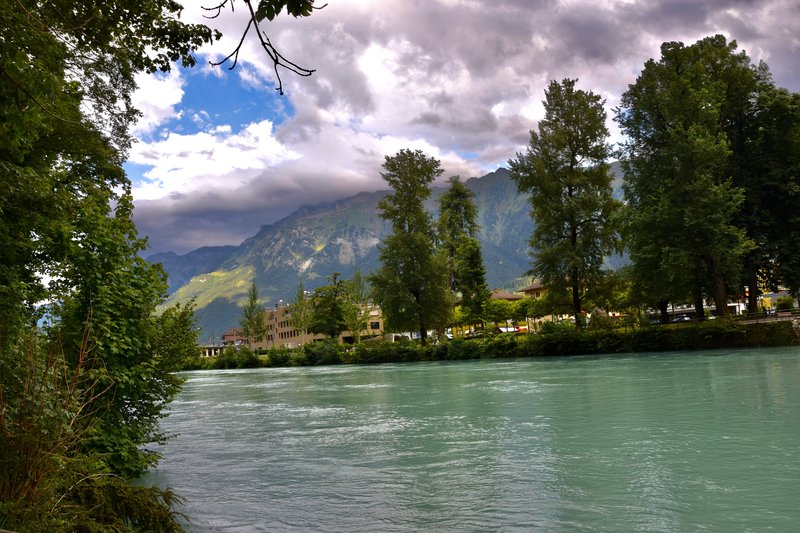
Finish beside the fast turquoise Aare on the riverside paths between Unterseen and Interlaken Ost. The level promenade supplies changing mountain views, footbridges and a calm transition back toward the centre after the steep Harder Kulm excursion.
2.Unterseen Old Town~1 hr
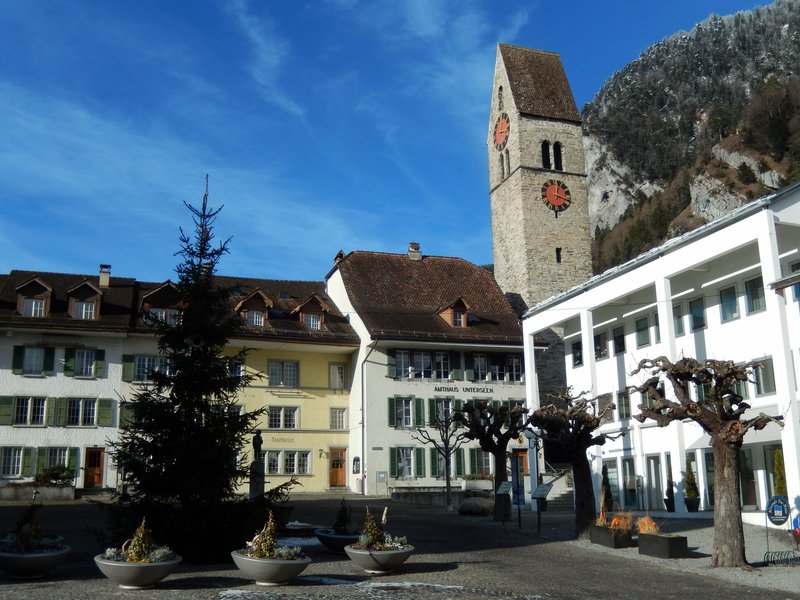
Cross the Aare into Unterseen’s quieter historic centre, where the parish church, Stadthausplatz and closely set houses preserve a scale largely absent from resort-era Interlaken. The compact lanes reward an unhurried loop rather than a checklist visit.
3.Höhematte~45 min
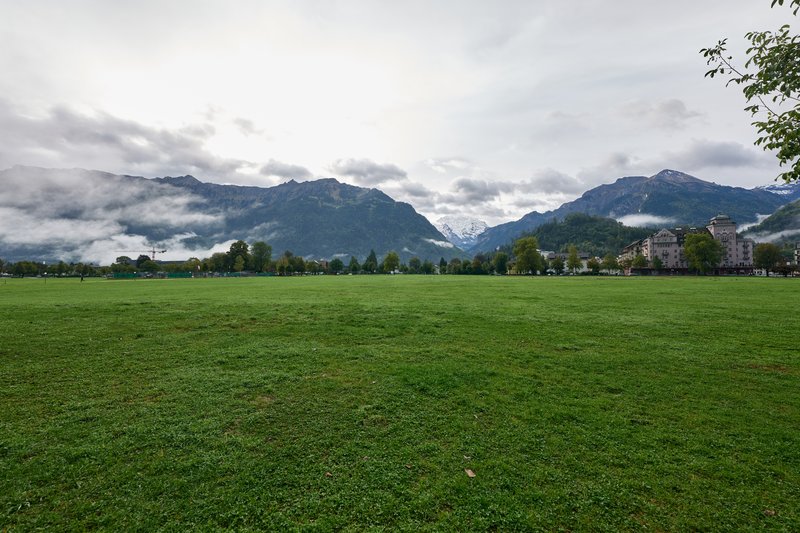
Begin on Interlaken’s broad central meadow, where the compact resort opens to an uninterrupted view toward the Jungfrau. Walking its edge provides an immediate sense of the town’s geography, with Höheweg, the hotels and the landing field framing the green.
4.Harder Kulm~1 hr 30 min
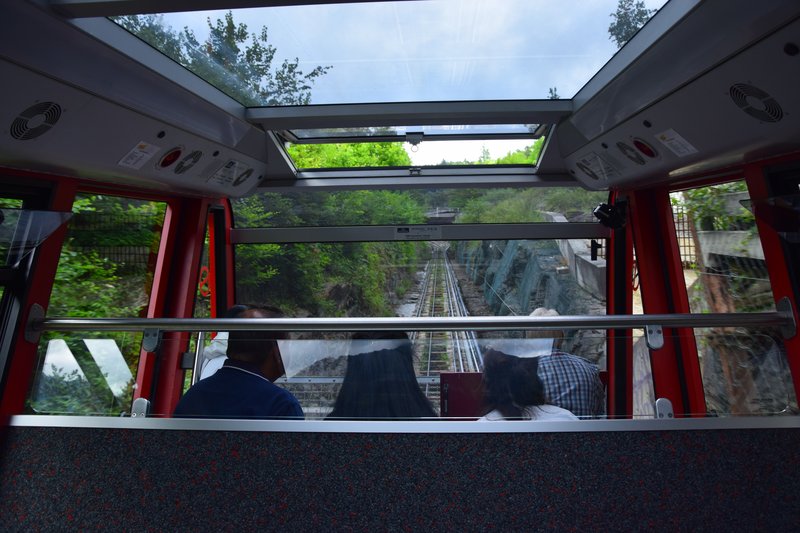
Ride the short funicular to Interlaken’s local mountain for the clearest single panorama over Lakes Thun and Brienz and the Eiger, Mönch and Jungfrau. The viewing platform turns the surrounding landscape into a readable panorama before the longer alpine excursions.
Day 2
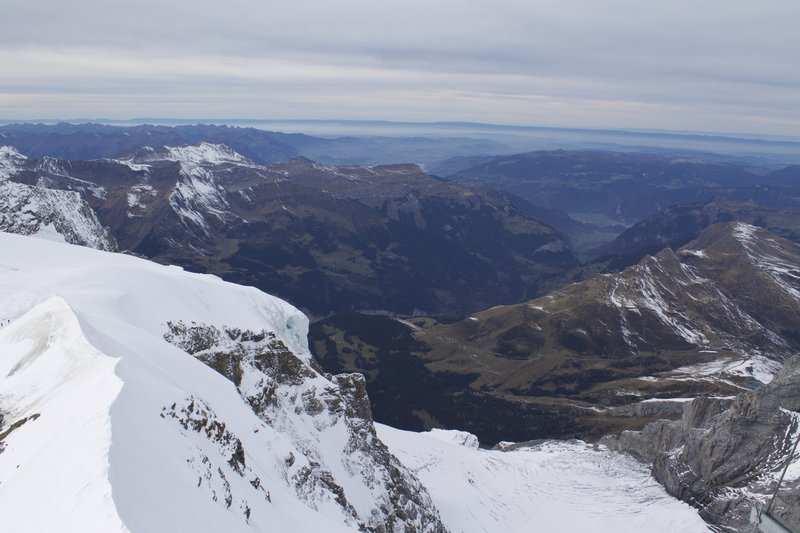
1.Jungfraujoch~1 hr
Arrive at Europe’s highest railway station in the UNESCO-listed Jungfrau-Aletsch landscape. The complex links the high-alpine exhibition, glacier outlooks and indoor visitor route, making this the anchor stop of the day rather than merely a scenic train terminus.
Daily 8:00am - 4:20pm
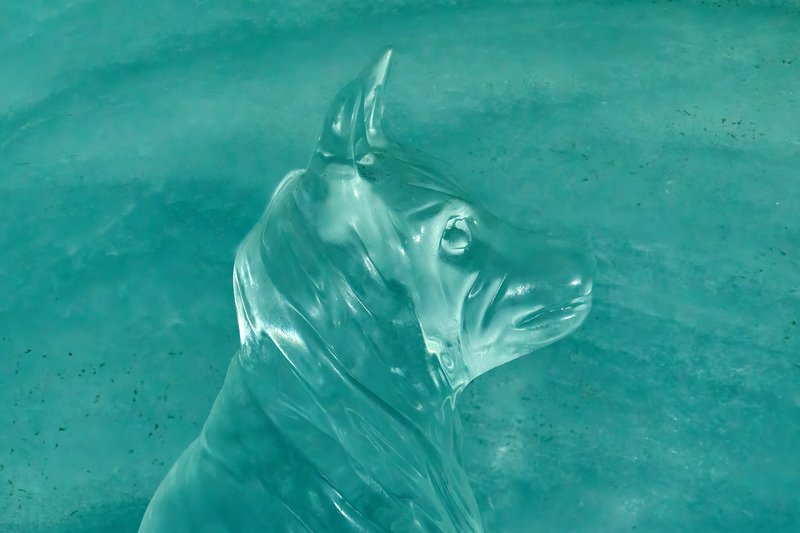
2.Ice Palace~30 min
Walk through polished passages cut into the Jungfraufirn, where ice sculptures and mirror-smooth chambers show the glacier from within. The palace is included in the Jungfraujoch ticket and provides a weatherproof finale before the long descent to Interlaken.
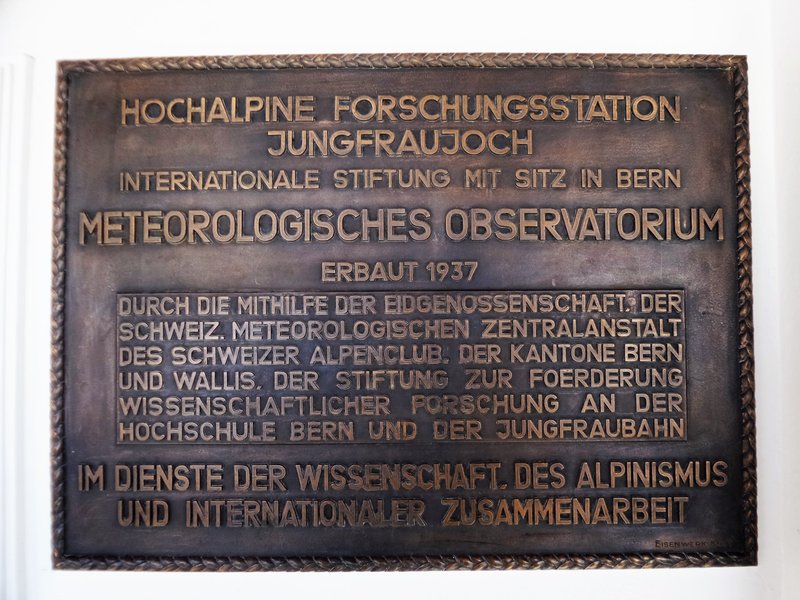
3.Sphinx Terrace~30 min
Take the lift to the Sphinx terrace, 3,571 metres above sea level, for the summit complex’s widest view across the Aletsch Glacier and surrounding four-thousand-metre peaks. Clear weather can open distant sightlines toward France, Germany and Italy.
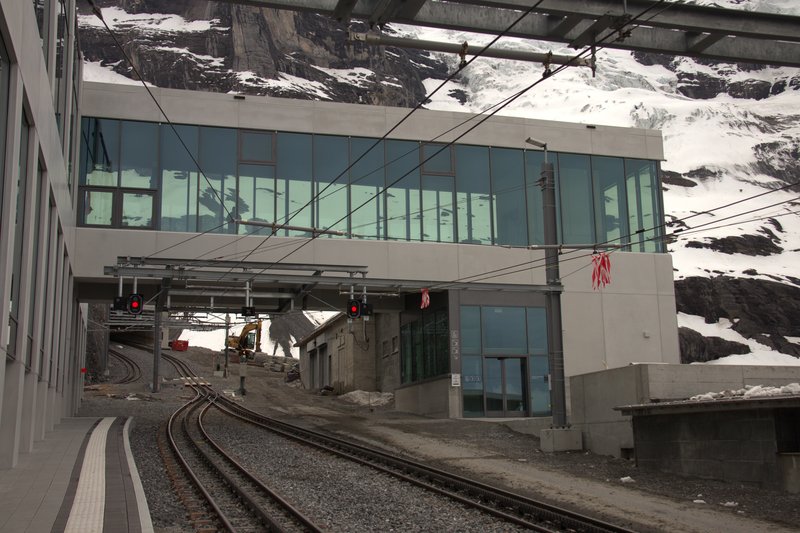
4.Eigergletscher Station~30 min
Pause at the high railway interchange beneath the Eiger before entering the summit tunnel. The exposed platforms and nearby viewpoints make the mountain’s north face tangible and help acclimatise gradually rather than rushing directly from the valley to Jungfraujoch.
Daily 8:00am - 5:30pm
Day 3
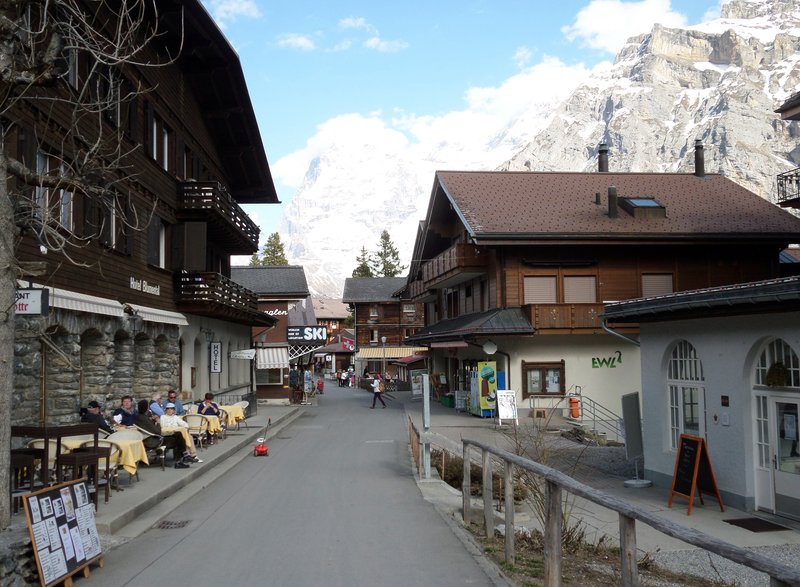
1.Mürren~1 hr 30 min
Explore the car-free village terrace above Lauterbrunnen, where timber chalets and open pasture face the Eiger, Mönch and Jungfrau. The village path is the attraction: it connects railway and cable-car stations while keeping the high-alpine skyline continuously in view.
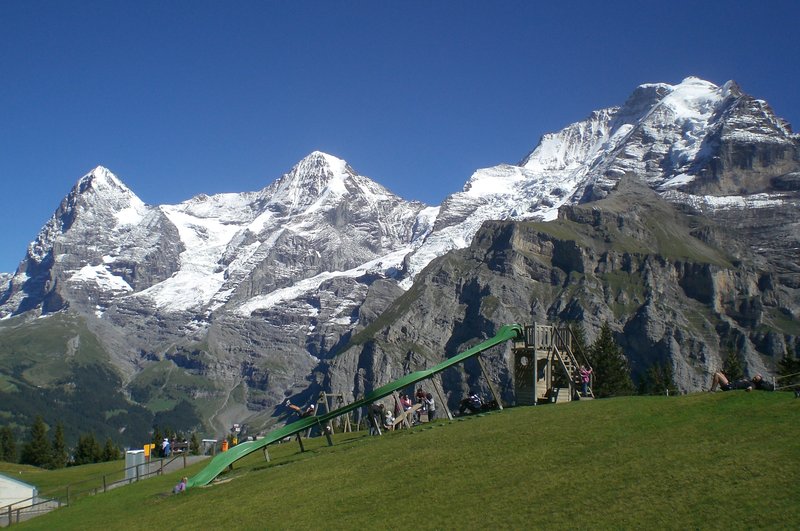
2.Allmendhubel~1 hr
Take the funicular above Mürren to a rounded meadow viewpoint facing the Bernese Alps. Short panoramic paths and the flower landscape make it a gentler high-country finish than another major summit, with an easy descent back into the village.
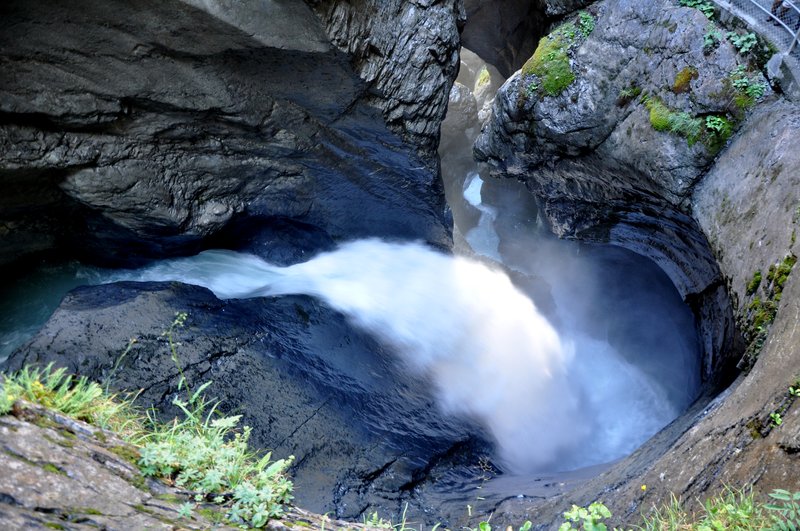
3.Trümmelbach Falls~1 hr 30 min
Enter the mountain to follow ten glacier-fed cascades draining the Eiger, Mönch and Jungfrau. Tunnels, galleries and stairways reveal the force that carved the valley, while the enclosed setting makes this a striking counterpoint to Staubbach’s open cliff face.
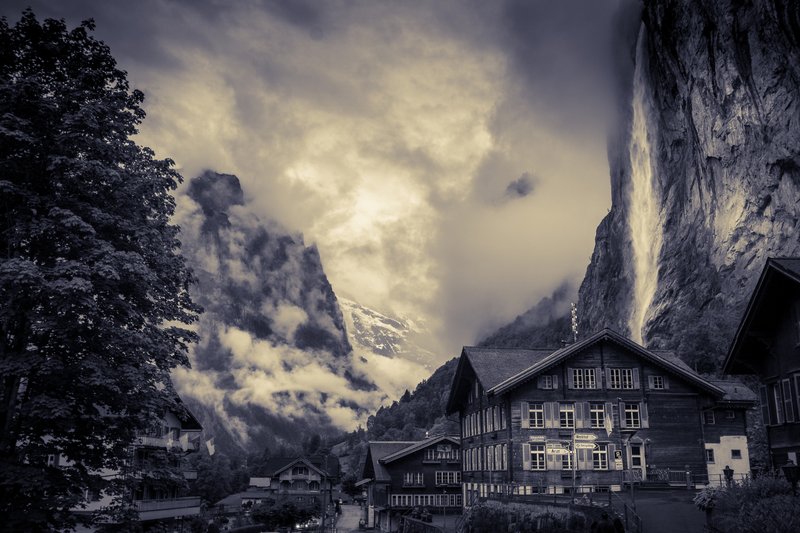
4.Staubbach Falls~45 min
Start beneath the waterfall that drops almost 300 metres from Lauterbrunnen’s western cliff. Its position immediately beyond the village makes it the natural introduction to the valley’s scale, with the church meadow providing the classic full-height view.
Day 4
1.Giessbach Falls~1 hr
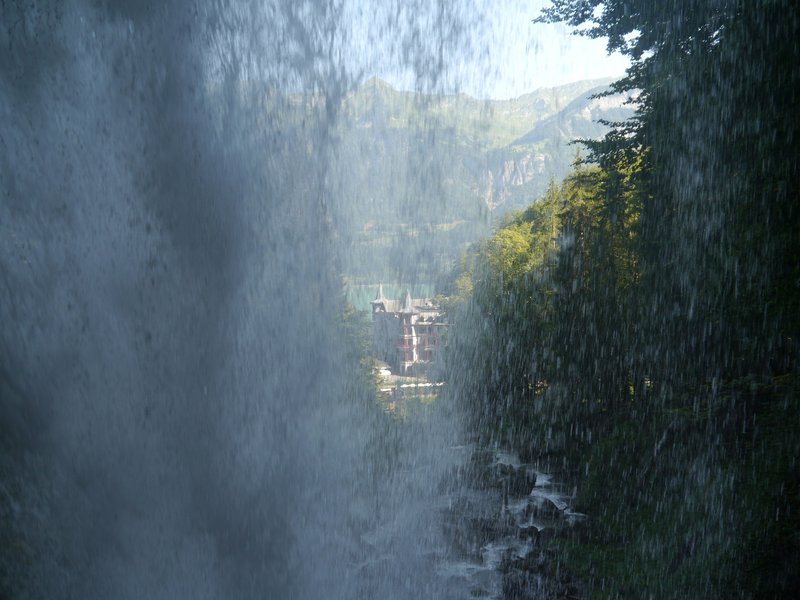
Follow the signed circuit where the Giessbach tumbles through fourteen cascades toward Lake Brienz. One section passes behind the falling water, while repeated openings frame the historic hotel and lake; sturdy shoes matter because spray can leave the path slippery.
2.Grandhotel Giessbach~45 min
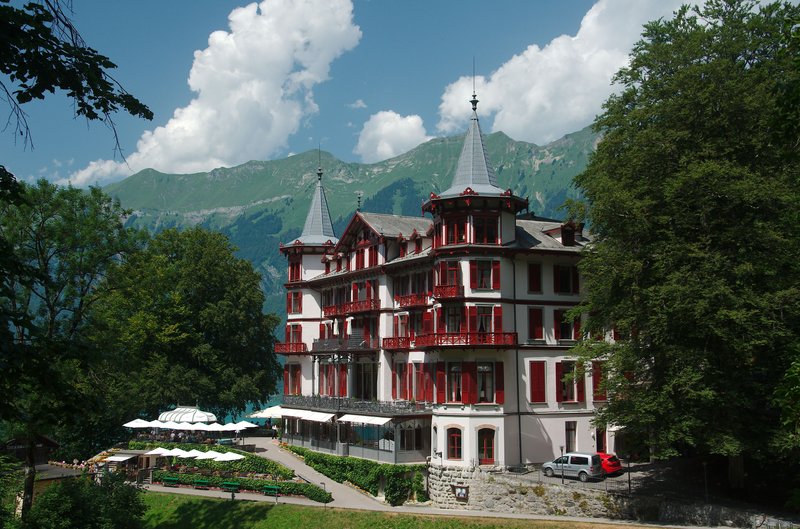
Step into the Belle Époque landmark above the falls, linked to the landing stage by one of Europe’s oldest tourist funiculars. Even without an overnight stay, its terrace and public rooms explain why this isolated waterfall site became a grand nineteenth-century destination.
3.Brienz~1 hr 30 min
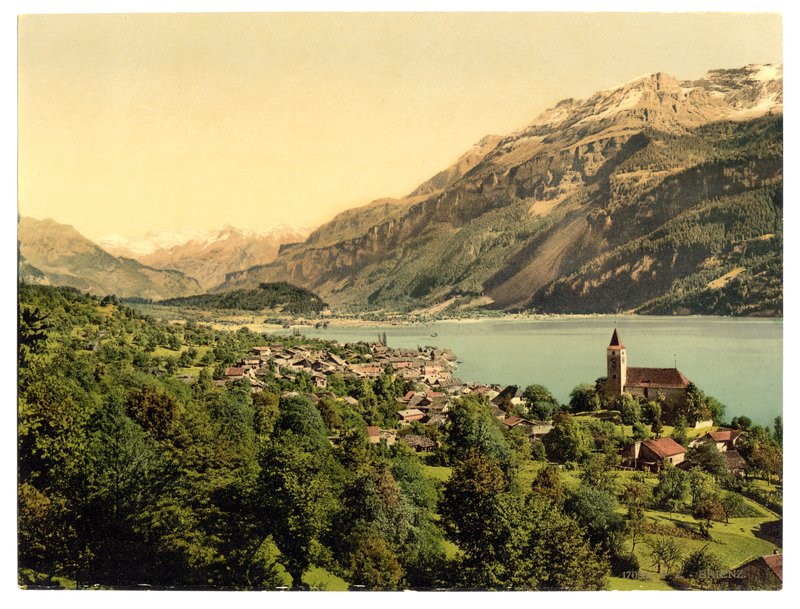
End in Brienz, a lakeside village known for woodcarving and traditional chalet architecture. Walk the waterfront and older lanes behind it, using the long lake views as a relaxed close after the more vertical landscapes at Giessbach.
4.Lake Brienz Cruise~1 hr 10 min
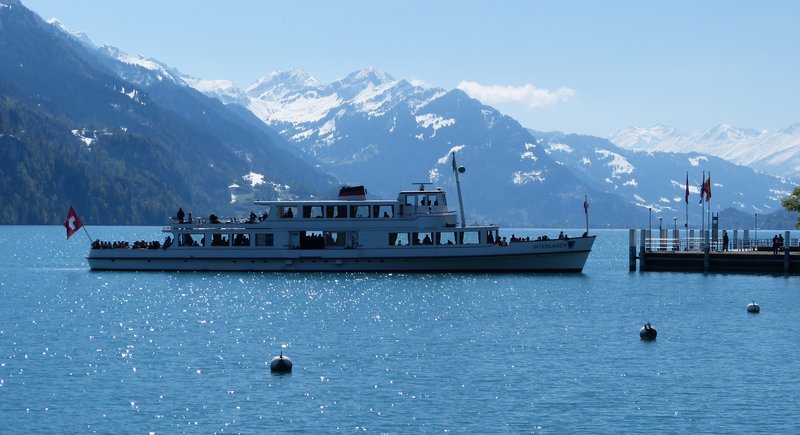
Board at Interlaken Ost for a slow passage across Lake Brienz’s intensely turquoise water. The cruise reveals the steep wooded shore, small villages and waterfall gullies in sequence, turning the transfer to Giessbach into the day’s first major experience.
Day 5
1.St. Beatus Caves~1 hr 30 min
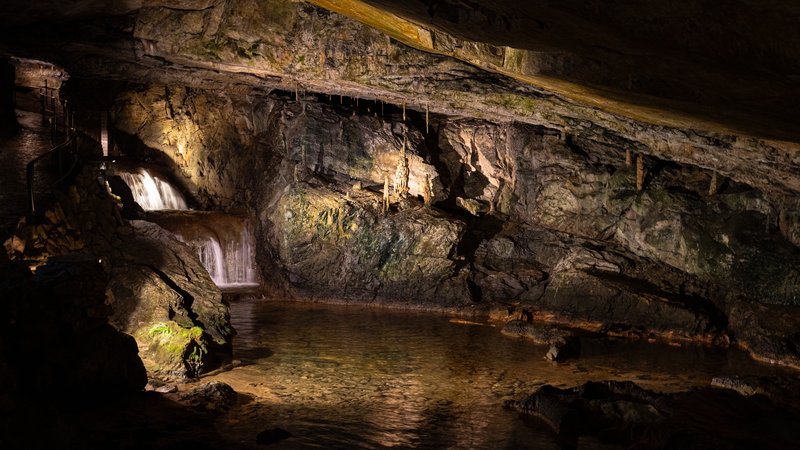
Climb beside the waterfall to a limestone cave system high above Lake Thun, then follow roughly one kilometre of illuminated passages past underground streams, chambers and formations. The cool interior and enclosed route create a dramatic final-day contrast with the open lakes.
Daily 9:00am - 5:15pm
Enclosed space
2.Cave Museum~45 min
Use the museum beside the entrance to put the cave visit into geological and cultural context. Displays on cave exploration, formation and the Beatus legend explain what the self-guided route only hints at and justify treating the museum as more than an exit corridor.
Daily 9:00am - 5:15pm
Enclosed space
No pictures available.
3.Thun Castle~1 hr 30 min
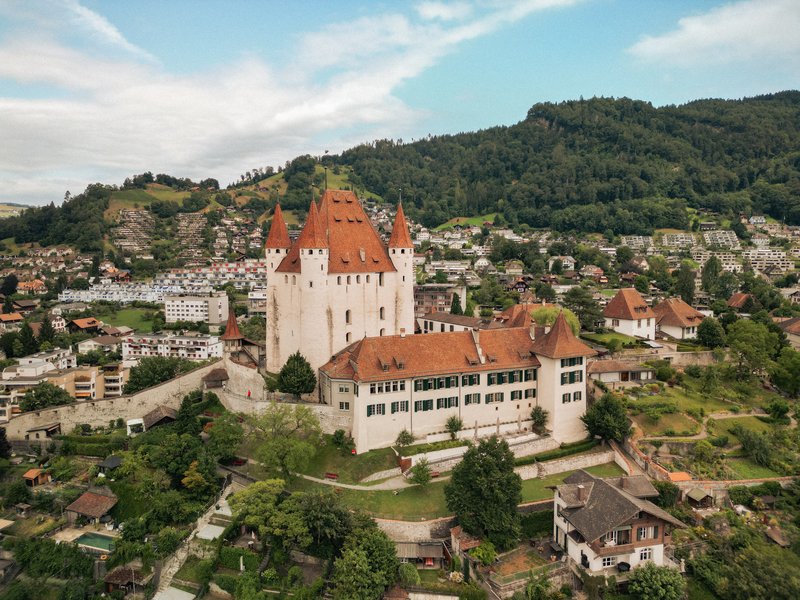
Climb to the four-towered medieval keep above Thun, built by the Dukes of Zähringen and now holding the regional history museum. The great hall and tower views connect the defensive building to the lake, old town and Bernese Oberland landscape below.
4.Thun Old Town~1 hr 30 min
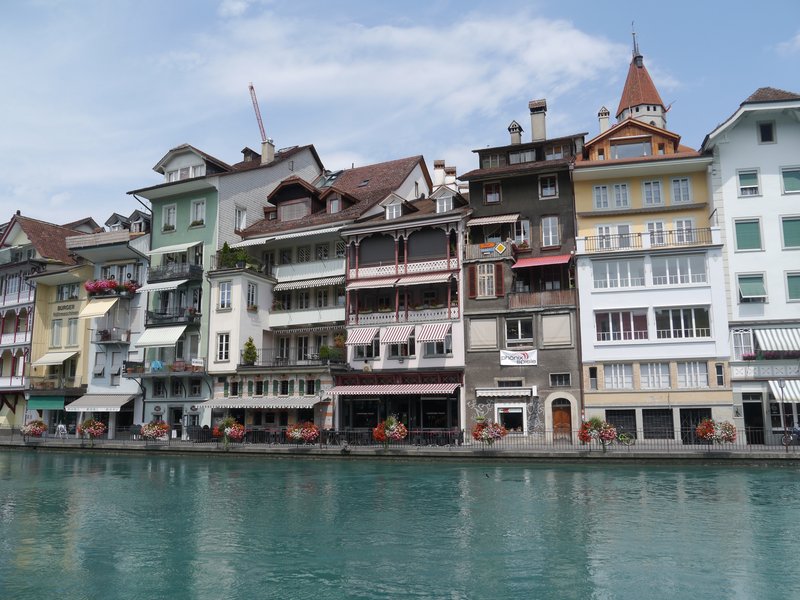
Finish among Thun’s raised pavements, arcaded streets and river islands, moving downhill from Schlossberg to Rathausplatz and the Aare. The compact centre combines medieval fabric with an active local city, making it a satisfying cultural counterweight to Interlaken’s excursion-based identity.
Weekly Closures
No itinerary stop has a fixed weekly closing day; mountain transport, caves and boats follow seasonal or weather-dependent calendars instead.
Tours
Viator
A guided rail journey to Europe’s highest railway station, with time for the Sphinx terrace, Ice Palace and Alpine Sensation.
7 hr · Max 25
An escorted day linking Lauterbrunnen Valley with car-free Mürren for travellers who prefer a guide to coordinating trains and cable cars.
7 hr · Max 12
A private driver-guide circuit through both headline valleys, with flexible photo stops and less timetable management.
8 hr · Private group
A long private outing combining the high-alpine railway with Wengen and the waterfalls in one guided day.
10 hr · Private group
Cappuccino
Sapori Caffè · 4.4 · 500+ reviews
In the hotel · ground floor
Daily 7:00am - 10:00pm
Spatz Café · 4.7 · 350+ reviews
Velo Café · 4.7 · 900+ reviews
Café de Paris · 4.4 · 1000+ reviews
Café Runft · 4.8 · 250+ reviews
Monday - Saturday 8:00am - 5:00pm
Closed Sunday
Restaurants Near Hotel
La Terrasse Brasserie · 4.5 · 250+ reviews
Refined Swiss-French brasserie cooking in a calm dining room and terrace.
Daily 12:00pm - 10:00pm
In the hotel · ground floor
Sapori · 4.4 · 1200+ reviews
Italian classics, pizza and pasta in a polished but easygoing room.
Daily 12:00pm - 10:00pm
In the hotel · ground floor
Restaurant Taverne · 4.6 · 1000+ reviews
Seasonal Swiss plates and fondue in the Hotel Interlaken’s historic setting.
Daily 6:00pm - 10:00pm
Hüsi Bierhaus · 4.6 · 2500+ reviews
Swiss comfort food, rösti and local beer in a lively chalet-style room.
Daily 11:30am - 11:00pm
Ox Restaurant & Grill · 4.5 · 900+ reviews
Steaks, burgers and grills with a broad menu suited to mixed groups.
Daily 11:30am - 11:00pm
Downtown Restaurants
Schuh · 4.8 · 120+ reviews
Swiss and European classics with an in-house chocolate shop.
Wednesday - Saturday 6:30pm - 11:00pm
Closed Sunday & Monday & Tuesday
Layaly Beirut · 4.7 · 1200+ reviews
Lebanese mezze and grills with generous vegetarian choices.
Daily 11:30am - 11:00pm
Little Thai · 4.6 · 900+ reviews
Direct, fragrant Thai curries, stir-fries and noodles.
Tuesday - Sunday 11:30am - 10:00pm
Closed Monday
Barracuda Café & Bar · 4.6 · 500+ reviews
Relaxed bar food and drinks with a sociable local crowd.
Daily 5:00pm - 12:00am
Stadthaus Restaurant · 4.5 · 700+ reviews
Seasonal Swiss cooking beside Unterseen’s old town square.
Tuesday - Saturday 11:30am - 10:00pm
Closed Sunday & Monday
Dining Areas
Central Interlaken and Höheweg
Matten and Centralstrasse
Local Tastes
Berner Rösti
Crisp grated potato cake from the canton of Bern, served plain or topped with cheese, egg or bacon.
Swiss Cheese Fondue
Melted regional cheese and white wine shared from a caquelon and eaten with bread cubes.
Raclette
Melted cheese scraped over potatoes and served with pickles and onions.
Älplermagronen
Alpine macaroni layered with potatoes, cream and cheese, traditionally balanced by apple sauce.
Meringue with Double Cream
Crisp meringue served with rich Gruyère double cream, a classic Bernese finish.
Food Delivery
Just Eat
Foreign number: accepted. — The country selector accepts foreign numbers and verification codes arrive by SMS.
Broad local coverage and direct address filtering make this the strongest first check. Choice thins quickly beyond central Interlaken.
Uber Eats
Foreign number: accepted. — Existing international accounts verify by SMS on the registered foreign carrier.
Useful for travellers with an existing Uber account and familiar payment details. Its Interlaken restaurant list is smaller and changes more often.
Shows, Performances & Concerts
Tell-Freilichtspiele · William Tell
Open-air staging of Schiller’s Swiss legend in a forest theatre, with a large local ensemble and live animals.
Kunsthaus Interlaken · Live Programme
Changing concerts, theatre and cultural events in an intimate arts venue; check the calendar because dates vary.
Getting Around
Uber
Foreign number: accepted. — Verification codes arrive by SMS on the registered foreign carrier.
Best as a weather backup or for luggage transfers. Supply is limited compared with a large city, so keep local taxis and buses as the dependable fallback.
BLS Lake Boats
Seasonal passenger boats link scenic stops on Lakes Thun and Brienz.
Interlaken has a ferry — operated by BLS. Route: Interlaken Ost → Brienz.
Train Stations Near Hotel
Interlaken West
Bern, Basel and Zurich connections; local trains continue to Interlaken Ost.
Interlaken Ost
Jungfrau-region trains to Lauterbrunnen and Grindelwald plus Luzern services.
Day Trips by Train
Spiez · 20 min
A castle, vineyard slopes and a sheltered Lake Thun bay make this the easiest slow-paced rail escape.
Bern · 50 min
Switzerland’s compact capital pairs a UNESCO-listed arcaded old town with the Zytglogge, cathedral terraces and the Aare.
Zweisimmen · 1 hr 10 min
A scenic gateway to the Simmental, reached by the GoldenPass route and suited to an unhurried village-and-landscape day.
Fribourg · 1 hr 35 min
A bilingual hill city of Gothic streets, river views and one of Switzerland’s most dramatic cathedral towers.
Lucerne · 1 hr 50 min
Michelin Restaurants
Radius by Stefan Beer · 4.8 · 120+ reviews
Creative, regionally rooted tasting menus.
In the hotel · ground floor
Wednesday - Saturday 6:30pm - 11:00pm
Closed Sunday & Monday & Tuesday
Heads Up
Jungfraujoch — Seat reservations are not the ticket
A reservation secures a train time on busy days but does not include the underlying travel fare.
Lake Brienz — The last boat shapes the day
Seasonal sailings finish early; confirm the return before leaving the boat at Giessbach or Brienz.
Hiking
Harder Kulm to Augstmatthorn · Hard
A high ridge traverse above Lakes Thun and Brienz.
16 km one way · 1,050 m ascent
6 hr
Dry, stable weather and an early start are essential.
Schynige Platte Panorama Trail · Moderate
A ridge circuit facing the Eiger, Mönch and Jungfrau.
6 km loop · 350 m ascent
2 hr 30 min
Open during the seasonal Schynige Platte Railway period.
Worth Knowing
Interlaken is a transport hub with two lakes and two stations
Interlaken Ost is the gateway for Lauterbrunnen, Grindelwald and the Jungfrau railways; Interlaken West is handier for the old town and Bern-bound trains.
Mountain weather can differ sharply from the valley. Check live webcams before Jungfraujoch or a ridge hike, then keep the lake day as your swap.
The Interlaken Guest Card comes from participating accommodation and covers local transport in its zone; it does not replace mountain-rail tickets.
For Giessbach, the historic funicular runs only when seasonal operations support it. Confirm the final boat and funicular times together.
Also on this site