TRIP OVERVIEW
Day 1 – Bahnhofstrasse · Matterhorn Museum · Hinterdorf · Mountaineers’ Cemetery
Day 2 – Gornergrat Railway · Gornergrat · Riffelsee · Riffelberg
Day 3 – Sunnegga · Leisee · Grindjisee · Stellisee
Day 4 – Furi · Trockener Steg · Glacier Palace · Matterhorn Glacier Paradise
Day 5 – Train Day: Brig · Stockalper Palace · Old Town · World Nature Forum
Day 1
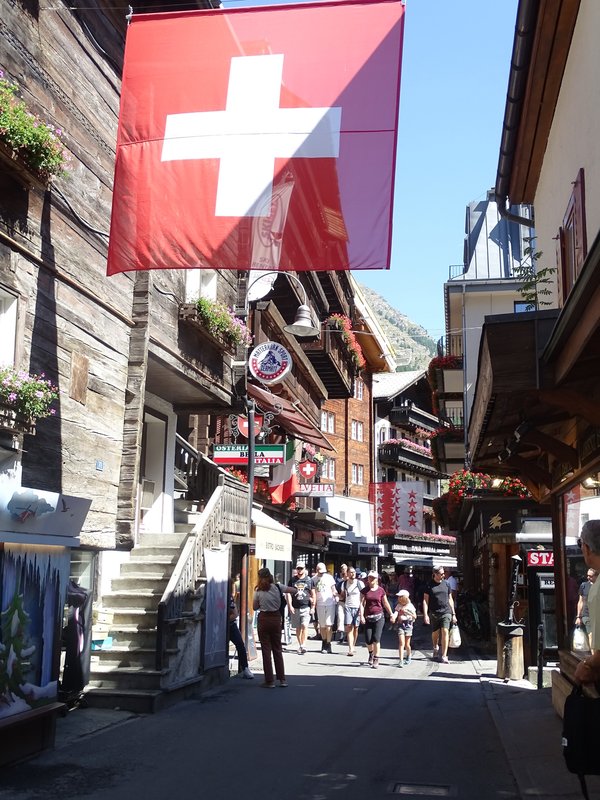
1.Bahnhofstrasse~1 hr
Zermatt’s central pedestrian street links the railway station with the historic village core. This stop adds historical or landscape context to the route, rewards time spent looking closely, and fits naturally with the surrounding sights without unnecessary backtracking.
2.Matterhorn Museum~1 hr
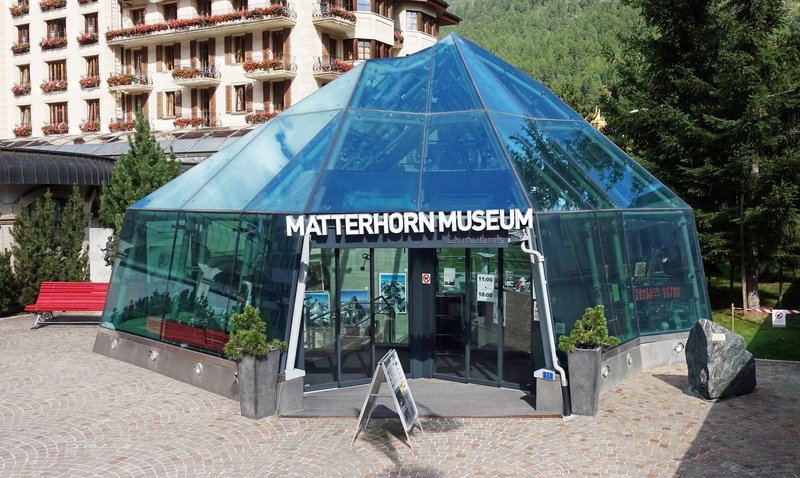
An underground museum reconstructs historic Zermatt and recounts the first Matterhorn ascent. This stop adds historical or landscape context to the route, rewards time spent looking closely, and fits naturally with the surrounding sights without unnecessary backtracking.
3.Hinterdorf~1 hr
The old village preserves dark-larch barns and houses raised on stone mushroom supports. This stop adds historical or landscape context to the route, rewards time spent looking closely, and fits naturally with the surrounding sights without unnecessary backtracking.
No pictures available.
4.Mountaineers’ Cemetery~1 hr
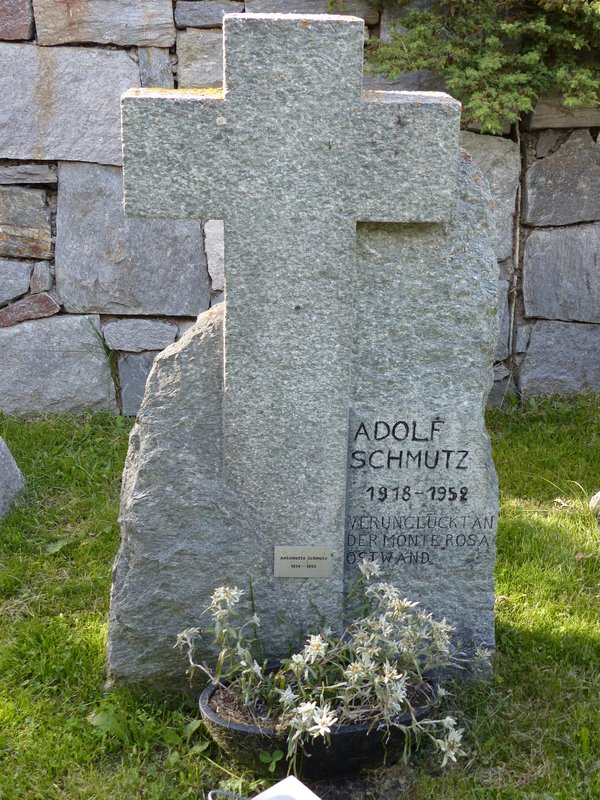
Graves beside the parish church commemorate climbers killed on the surrounding peaks. This stop adds historical or landscape context to the route, rewards time spent looking closely, and fits naturally with the surrounding sights without unnecessary backtracking.
Day 2
1.Gornergrat Railway~1 hr
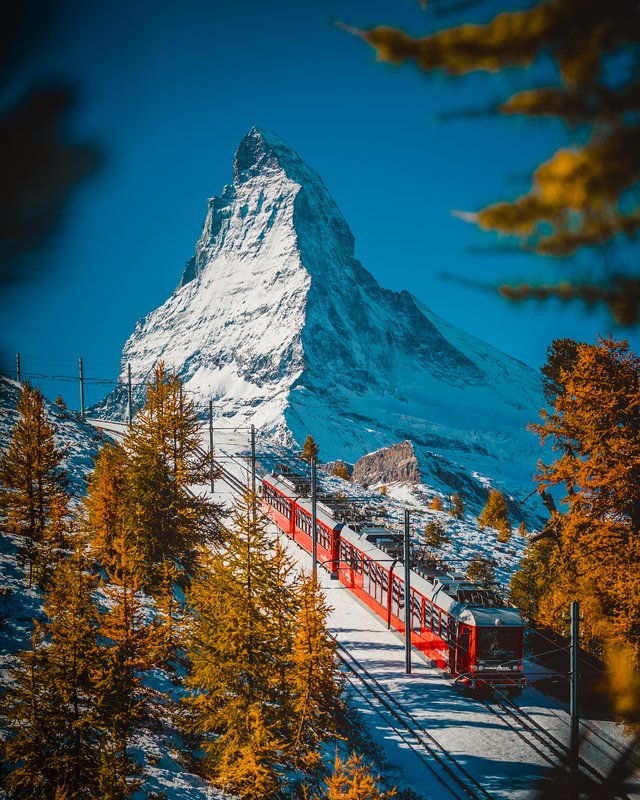
Europe’s open-air cog railway climbs from Zermatt through forest to the high Alps. This stop adds historical or landscape context to the route, rewards time spent looking closely, and fits naturally with the surrounding sights without unnecessary backtracking.
Daily 9:00am - 5:00pm
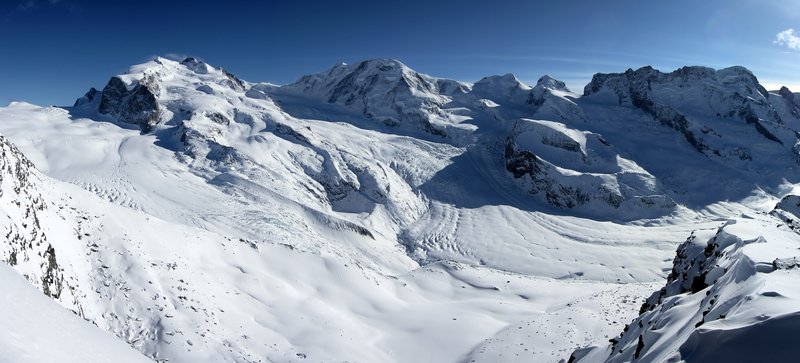
2.Gornergrat~1 hr
The 3,089-metre ridge gives a broad panorama of the Matterhorn and Monte Rosa massif. This stop adds historical or landscape context to the route, rewards time spent looking closely, and fits naturally with the surrounding sights without unnecessary backtracking.
Daily 9:00am - 5:00pm
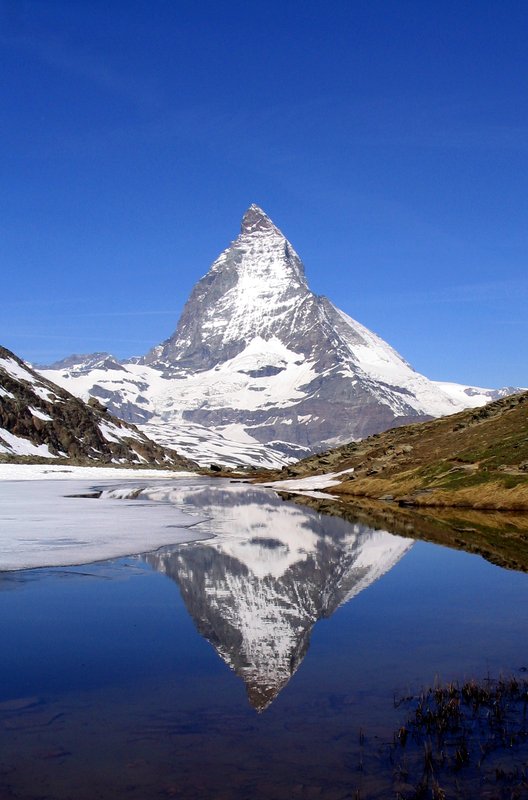
3.Riffelsee~1 hr
This small alpine lake is celebrated for calm-water reflections of the Matterhorn. This stop adds historical or landscape context to the route, rewards time spent looking closely, and fits naturally with the surrounding sights without unnecessary backtracking.
Daily 9:00am - 5:00pm
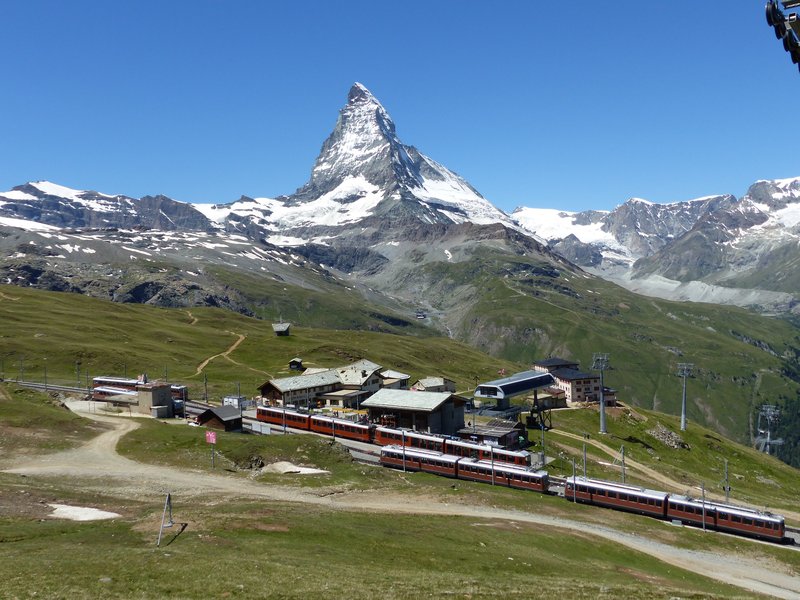
4.Riffelberg~1 hr
A high meadow and railway stop provide open views across the Gorner Glacier landscape. This stop adds historical or landscape context to the route, rewards time spent looking closely, and fits naturally with the surrounding sights without unnecessary backtracking.
Daily 9:00am - 5:00pm
Day 3
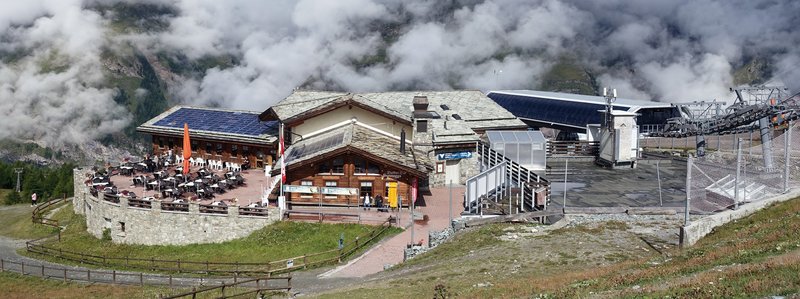
1.Sunnegga~1 hr
A funicular reaches this sunny terrace and its unobstructed Matterhorn viewpoint. This stop adds historical or landscape context to the route, rewards time spent looking closely, and fits naturally with the surrounding sights without unnecessary backtracking.
2.Leisee~1 hr
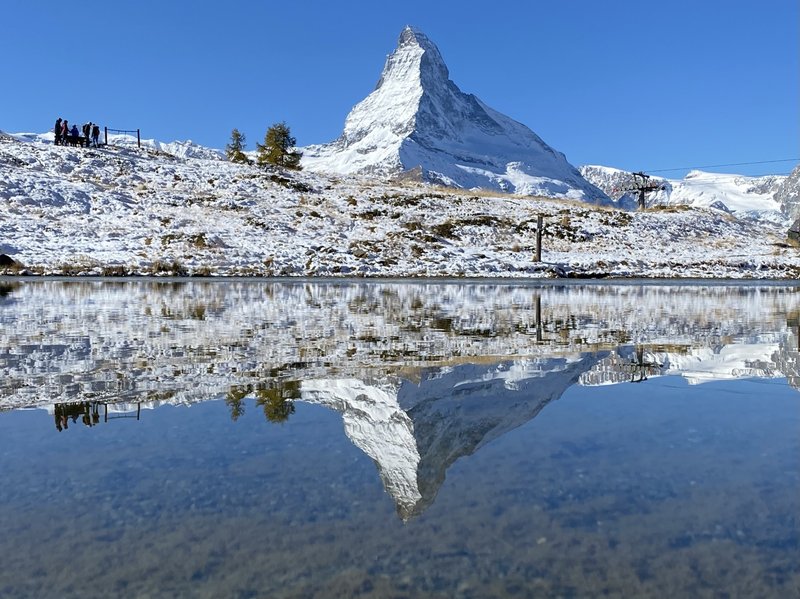
A family-friendly mountain lake sits below Sunnegga on the Five Lakes route. This stop adds historical or landscape context to the route, rewards time spent looking closely, and fits naturally with the surrounding sights without unnecessary backtracking.
3.Grindjisee~1 hr
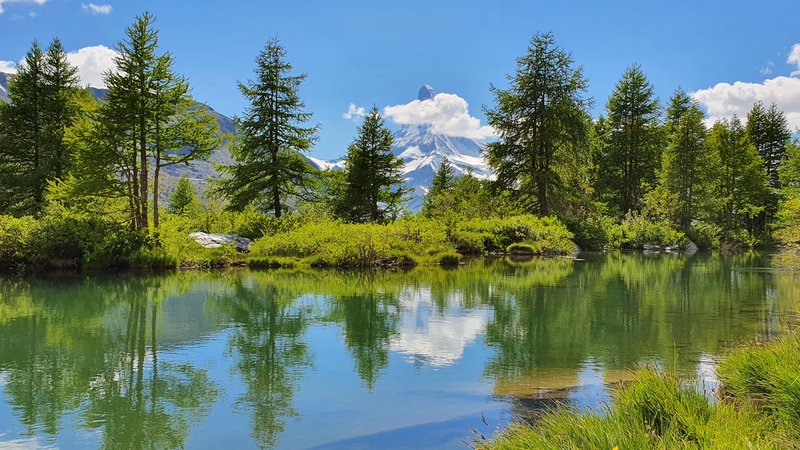
Larch woodland frames one of the Five Lakes route’s most atmospheric Matterhorn views. This stop adds historical or landscape context to the route, rewards time spent looking closely, and fits naturally with the surrounding sights without unnecessary backtracking.
4.Stellisee~1 hr
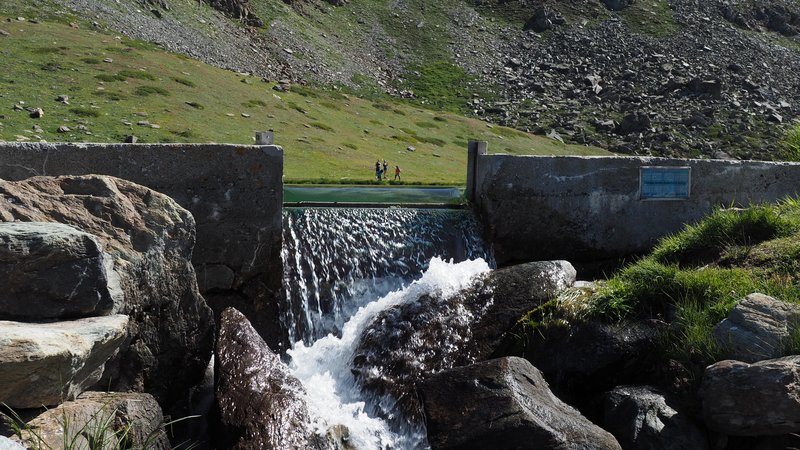
The best-known lake on the route mirrors the Matterhorn above the treeline. This stop adds historical or landscape context to the route, rewards time spent looking closely, and fits naturally with the surrounding sights without unnecessary backtracking.
Day 4
1.Furi~2 hr
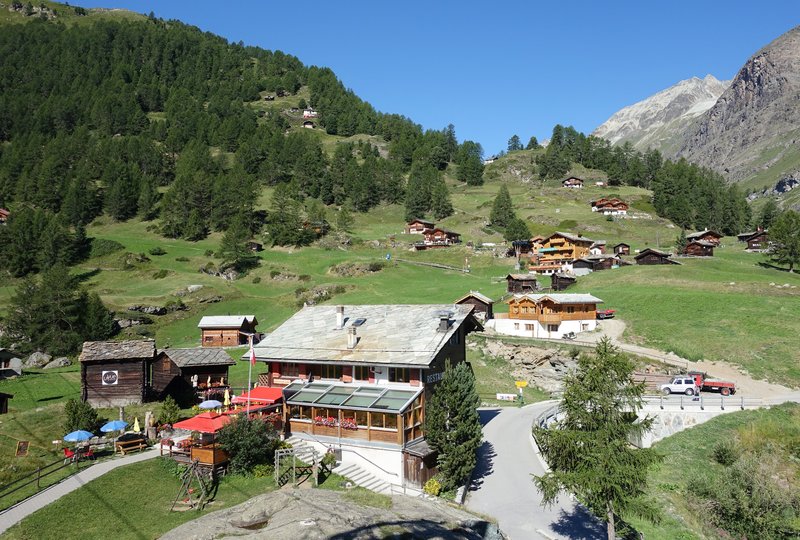
This small hamlet is the first mountain junction above Zermatt on the glacier-paradise route. This stop adds historical or landscape context to the route, rewards time spent looking closely, and fits naturally with the surrounding sights without unnecessary backtracking.
Daily 9:00am - 5:00pm
2.Trockener Steg~2 hr
A high cable-car station opens onto stark glacial terrain beneath the Klein Matterhorn. This stop adds historical or landscape context to the route, rewards time spent looking closely, and fits naturally with the surrounding sights without unnecessary backtracking.
Daily 9:00am - 5:00pm
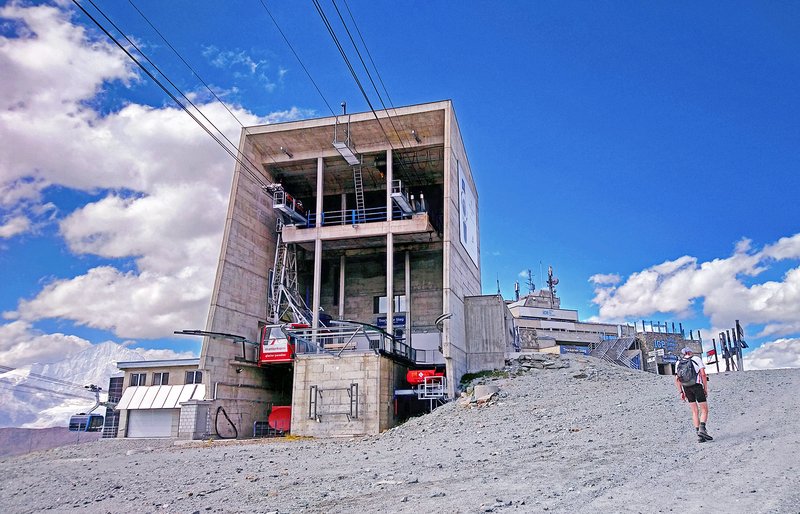
3.Glacier Palace~2 hr
Ice tunnels and carved chambers lead visitors beneath the glacier surface. This stop adds historical or landscape context to the route, rewards time spent looking closely, and fits naturally with the surrounding sights without unnecessary backtracking.
Daily 9:00am - 5:00pm
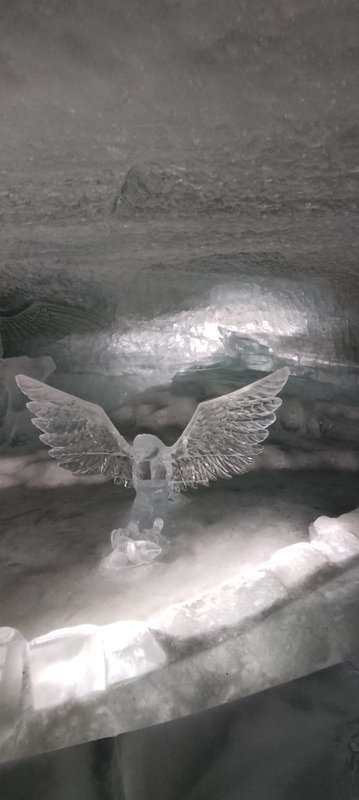
4.Matterhorn Glacier Paradise~2 hr
Europe’s highest cable-car station reaches a panoramic platform at 3,883 metres. This stop adds historical or landscape context to the route, rewards time spent looking closely, and fits naturally with the surrounding sights without unnecessary backtracking.
Daily 9:00am - 5:00pm
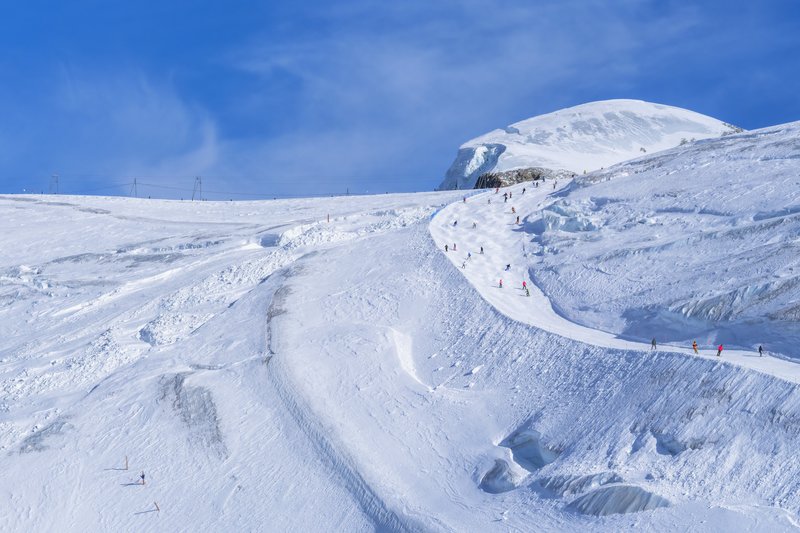
Day 5
Zermatt → Brig · Matterhorn Gotthard Bahn · 1 hr 19 min
book at: sbb.ch
8:13am Zermatt → 9:32am Brig
9:13am Zermatt → 10:32am Brig
10:13am Zermatt → 11:32am Brig
1.Stockalper Palace~1 hr
A seventeenth-century merchant palace anchors Brig with three distinctive onion-domed towers. This stop adds historical or landscape context to the route, rewards time spent looking closely, and fits naturally with the surrounding sights without unnecessary backtracking.
Daily 9:00am - 5:00pm
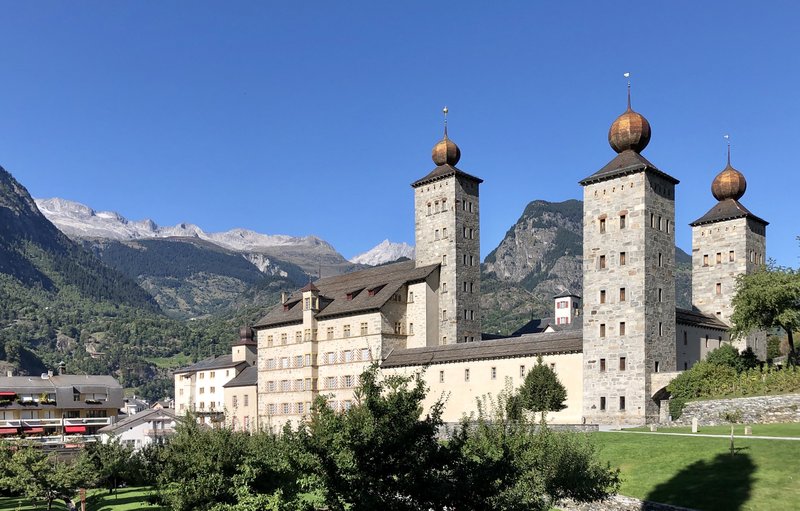
2.Brig Old Town~1 hr
Arcaded streets and historic houses form the compact centre below Stockalper Palace. This stop adds historical or landscape context to the route, rewards time spent looking closely, and fits naturally with the surrounding sights without unnecessary backtracking.
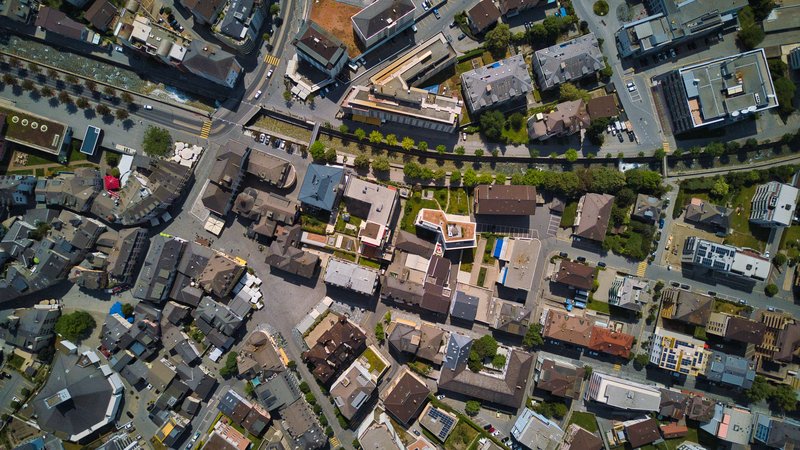
3.Sebastiansplatz~1 hr
This central square connects Brig’s old lanes, shops and civic landmarks. This stop adds historical or landscape context to the route, rewards time spent looking closely, and fits naturally with the surrounding sights without unnecessary backtracking.
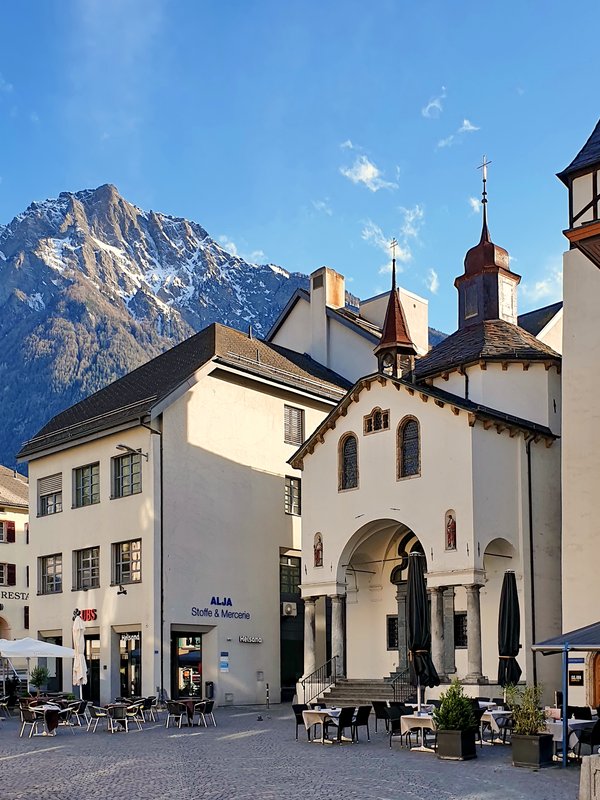
4.World Nature Forum~1 hr
The visitor centre explains the UNESCO-listed Swiss Alps Jungfrau-Aletsch landscape. This stop adds historical or landscape context to the route, rewards time spent looking closely, and fits naturally with the surrounding sights without unnecessary backtracking.
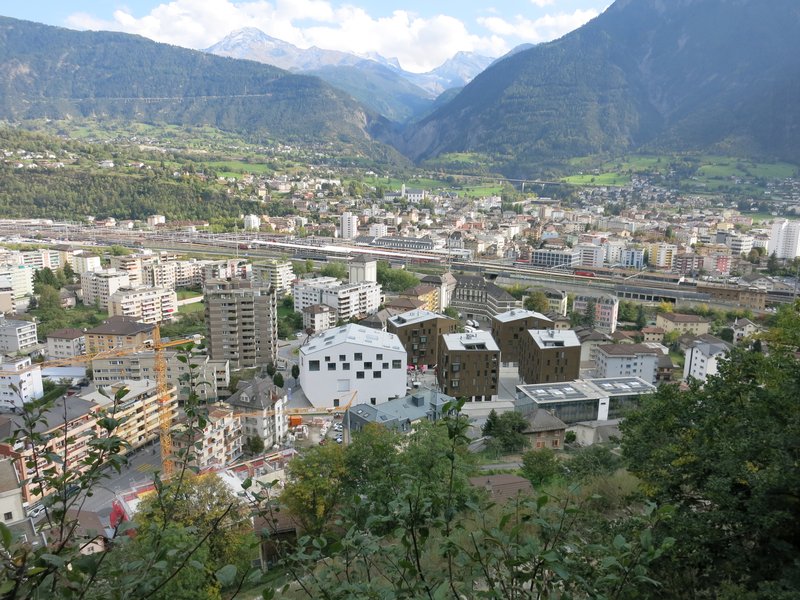
Brig → Zermatt · Matterhorn Gotthard Bahn · 1 hr 21 min
book at: sbb.ch
5:08pm Brig → 6:29pm Zermatt
6:08pm Brig → 7:29pm Zermatt
7:08pm Brig → 8:29pm Zermatt
Tours
Viator
A small-group walk through Zermatt's car-free old town, past centuries-old barns on Hinterdorfstrasse and the Mountaineers' Cemetery, ending at the Kirchbrücke Matterhorn photo point.
2 hr · Small group
GetYourGuide
The same local-guide format sold direct on GetYourGuide: a stroll through the old part of the village with its wooden houses, finishing at the Kirchbrücke viewpoint.
2 hr · Small group
TripAdvisor
A small-group guide leads a village walk before riding the cable car up to Matterhorn Glacier Paradise, Europe's highest cable-car station, with time inside the Glacier Palace ice tunnels.
4 hr · Max 15 per group
Cappuccino
Petit Royal Café · 4.8 · 178+ reviews
Two-storey café in the middle of the village known for its espresso and Matterhorn-shaped chocolates.
Daily 8:00am - 6:30pm
Bäckerei Café Fuchs · 4.3 · 92+ reviews
Local Valais bakery-café — not an American chain — serving Oberwalliser coffee alongside fresh bread and pastry.
Daily 7:30am - 6:30pm
Zermatt Kitchen Brücke · 4.1 · 82+ reviews
All-day café in the historic Haus zur Brücke building on the Vispa riverside, with French-Asian brunch fare.
Daily 8:00am - 6:00pm
Cup's Italian Coffee House · 4.6 · 25+ reviews
Small, cosy Italian-style espresso bar near the parish church — reviewers call it the best coffee in Zermatt.
Daily 8:30am - 6:00pm
Fuchs Bistro and Bakery · 4.3 · 278+ reviews
The larger Fuchs bistro location further down Bahnhofstrasse — the same family bakery, with more seating.
Daily 7:30am - 6:30pm
Restaurants Near Hotel
Golden India Zermatt · 4.8 · 628+ reviews
Indian and Asian kitchen right on Bahnhofplatz, praised for its curries and naan.
Daily 12:00pm - 2:30pm · 6:00pm - 10:30pm
Grizzly's Bar & Bistro · 4.8 · 102+ reviews
Craft-beer bar and bistro on Bahnhofplatz with a warm, informal atmosphere.
Daily 4:00pm - 12:30am
Potato Fine Food Restaurant · 4.8 · 326+ reviews
Modern Italian-French kitchen sourcing ingredients from within 50 km of Zermatt.
Daily 6:00pm - 10:00pm
Restaurant Pinte · 4.2 · 321+ reviews
Traditional Swiss dining room inside Hotel Pollux, known for its rösti.
Daily 11:30am - 2:00pm · 6:00pm - 10:00pm
Republic Zermatt · 4.8 · 56+ reviews
American-style bar and burger kitchen a short walk from the station.
Daily 5:00pm - 12:30am
Dining Areas
Bahnhofstrasse
Local Tastes
Raclette du Valais AOP
A protected semi-hard cheese native to this canton, scraped molten from the wheel over potatoes, pickles and cured meat — a tradition mountain pasture workers began in the 16th century, named for the French verb racler, to scrape.
Zermatt Lamb
Valais mountain lamb, grilled over an open wood fire — a specialty of the pastoral Upper Valais, served at the same chalet-style houses that serve raclette and fondue.
Food Delivery
No dependable app-wide delivery network serves every Zermatt address; ask the hotel to order directly from a participating restaurant.
Getting Around
No conventional ride-hailing service operates across the car-free village; walk or use the local electric taxi and mountain railway network.
Train Stations Near Hotel
Zermatt railway station
Matterhorn Gotthard Bahn regional services → Täsch, Visp, Brig and the Glacier Express route.
Day Trips by Train
Sierre · 1 hr 45 min
Gateway to the sunniest wine region in Switzerland, with a vineyard walking route above town and the side-valley villages of Val d'Anniviers beyond.
Sion · 1 hr 55 min
Valais's cantonal capital, crowned by the twin medieval hilltop castles of Valère and Tourbillon above a compact old town.
Bettmeralp · 2 hr
Train to Betten Talstation then a short cable car up to Bettmeralp, opening onto the Aletsch Glacier — the longest ice stream in the Alps and something Zermatt itself has no equivalent of.
Martigny · 2 hr 5 min
Roman ruins sit beneath the Fondation Pierre Gianadda, which pairs a Gallo-Roman temple with rotating art and vintage-car exhibitions.
Montreux · 2 hr 30 min
Michelin Restaurants
After Seven
Tasting-menu fine dining from chef Florian Neubauer; winter season only.
Ristorante Capri
Italian fine dining inside Mont Cervin Palace; winter season only.
The Omnia
Alpine tasting menus in a cliffside lodge above the village.
Heads Up
Zermatt Railway Station — Car-Free Village
Zermatt has no public road access for visitors' cars; drivers park in Täsch and ride the 12-minute shuttle train in.
Matterhorn Glacier Paradise — No Passport Needed
Despite local rumor, the lift crossing into Italy at Testa Grigia requires no passport for a same-day visit.
Gornergrat & Klein Matterhorn — Wind Can Close the Lifts
High-altitude cable cars can pause in strong wind even when the village below feels calm — build in a buffer if a summit view matters.
Zermatt — Emergency Numbers
General 112 · Ambulance 144 · Police 117 · Mountain rescue — REGA 1414.
Hiking
Trift Gorge Trail · Hard
A steep climb beside a cascading stream to a cirque of glaciated peaks.
2.25 mi one way · 2,342 ft ascent
2 hr
Zmuttweg · Moderate
A streamside walk from the village to the old hamlet of Zmutt.
1.7 mi one way · 1,083 ft ascent
1 hr 45 min
Worth Knowing
The mountains set the timetable
Cloud often builds after midday, so put the clearest panorama first and keep a village walk as the flexible fallback. Mountain lifts can pause in high wind even when conditions in Zermatt feel calm.
Zermatt is car-free, but it is not traffic-free: compact electric taxis and delivery vehicles share the narrow lanes. Listen for the quiet motors when stepping out from a shop or crossing Bahnhofstrasse.
At 3,883 metres, Matterhorn Glacier Paradise is high enough for altitude symptoms. Move slowly, hydrate, and descend promptly if headache, nausea or dizziness develops.
Also on this site