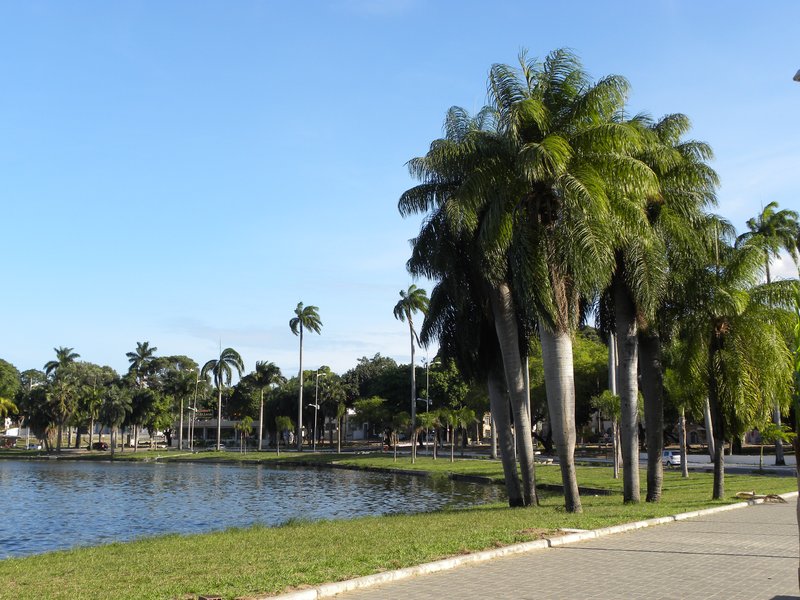
A sweeping Burle Marx landscape wrapping a vast city-center lagoon — palm-fringed promenades encircle the Lagoa do Parque, the social heart of João Pessoa, most striking at dusk when the palms reflect in still water.
18 min · 6 min → Catedral Basílica de Nossa Senhora das Neves
2.Catedral Basílica de Nossa Senhora das Neves~30 min
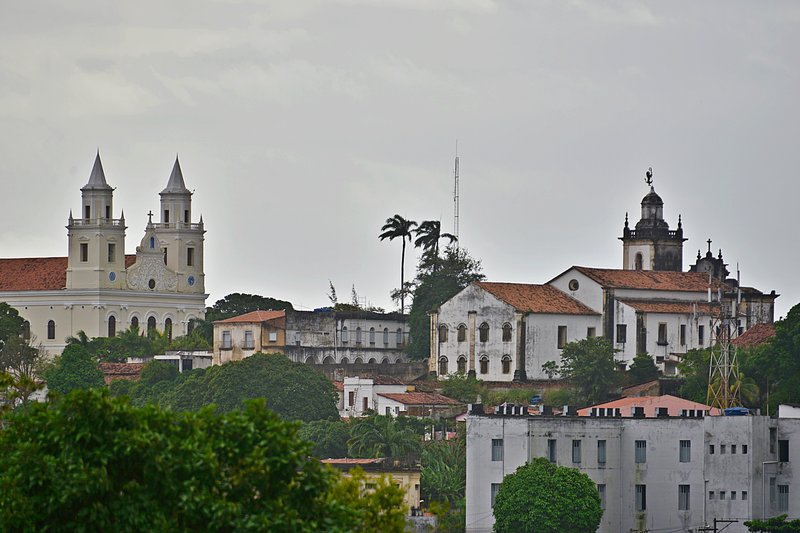
Built on the exact spot where Portuguese settlers founded João Pessoa, this hilltop cathedral is the city's oldest sacred site. The neoclassical facade rises above the oldest public square in the city.
11 min → Mata do Buraquinho / Jardim Botânico Benjamim Maranhão
3.Mata do Buraquinho / Jardim Botânico Benjamim Maranhão~1 hr 30 min
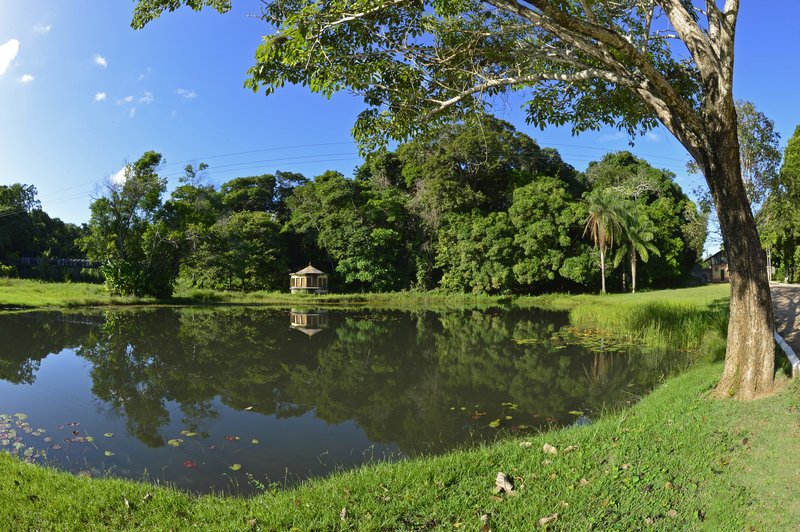
A 515-hectare Atlantic Forest remnant in the middle of a Brazilian city — one of the largest urban rainforest reserves in the world. Managed as a botanical garden, it shelters bromeliads, orchids, capuchin monkeys, and wildlife that have nowhere else to go in coastal Paraíba.
From Hotel: 20 min → Ponta do Seixas & Estação Cabo Branco
1.Ponta do Seixas & Estação Cabo Branco~1 hr 30 min
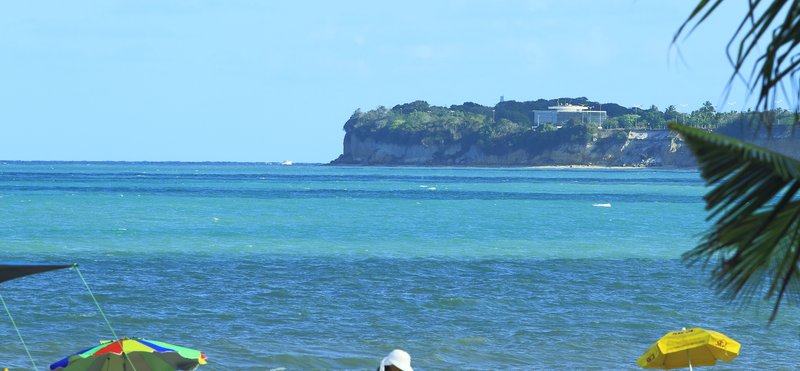
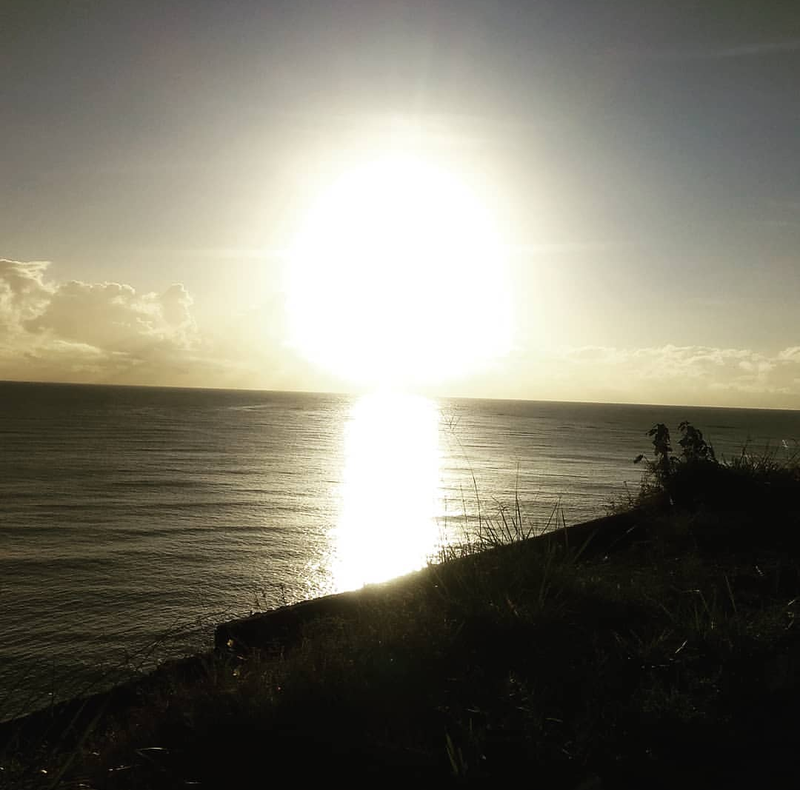
The easternmost point of the Americas — a clifftop monument marks where the continent reaches closest to Africa. Above it stands Oscar Niemeyer's Estação Cabo Branco, a cantilevered concrete building curving over the bluff with panoramic Atlantic views.
A 37-meter triangular concrete lighthouse rising above the Cabo Branco cliffs — the easternmost lighthouse in the Americas. Its distinctive geometric form stands out against the Atlantic horizon; walk the cliff path for views of the city to the north and the open ocean to the east.
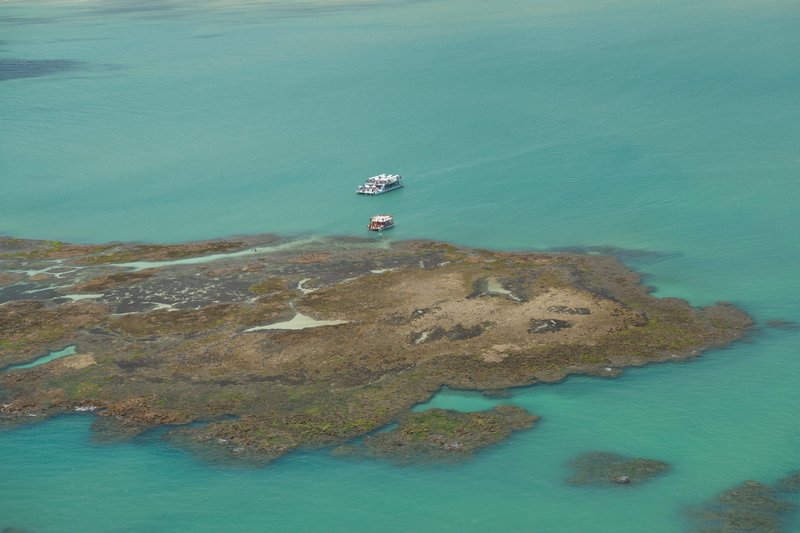
A coral reef formation 1,500 meters offshore that becomes a natural tidal pool at low tide. Catamaran from Tambaú pier brings visitors to warm, shallow water enclosed by coloured reefs — no current, clear visibility, and an abundance of tropical fish feeding in the open pools.
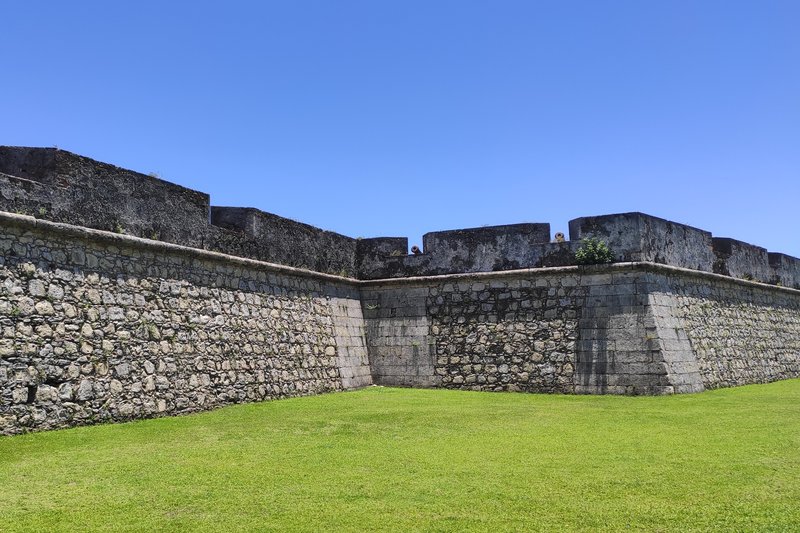
The oldest Portuguese fort in Brazil, at the tip of the Paraíba River estuary in Cabedelo. The five-sided stone structure with its original cannon batteries has guarded the river mouth for centuries, and remains one of the best-preserved examples of early colonial military architecture in the Americas.
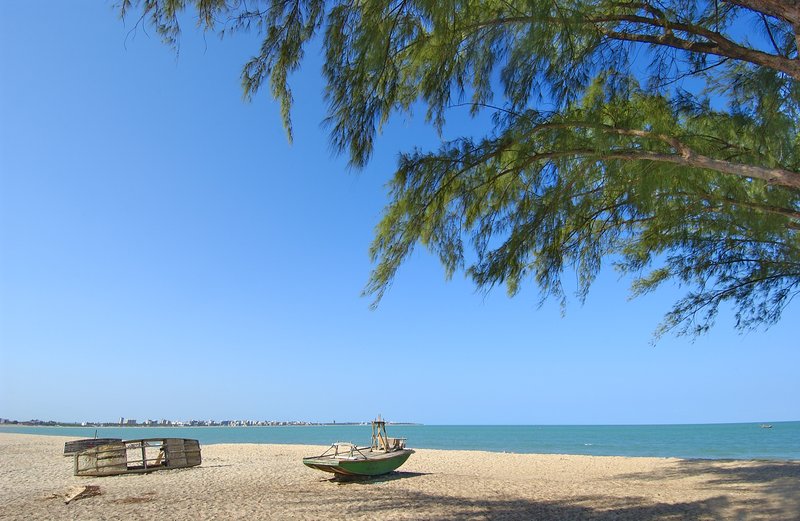
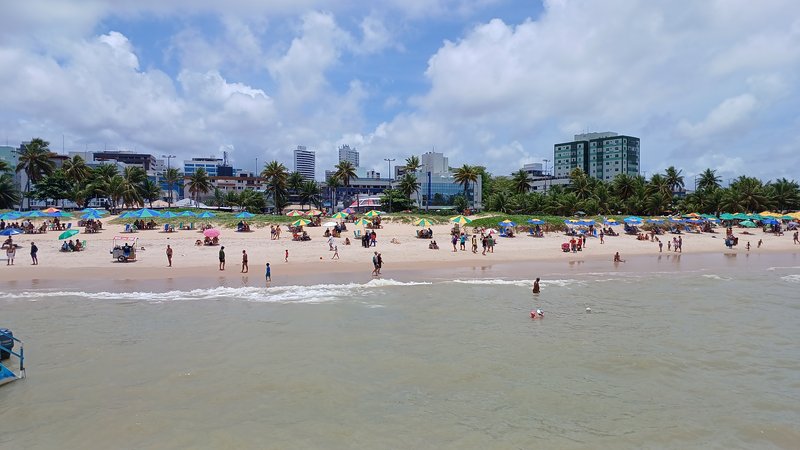
Five kilometres of light-coloured sand and calm, clear water at the northern end of João Pessoa's beach strip. Natural reefs just offshore break the swells and create safe swimming conditions; outdoor bars and restaurants line the upper beach under dense coconut palms.
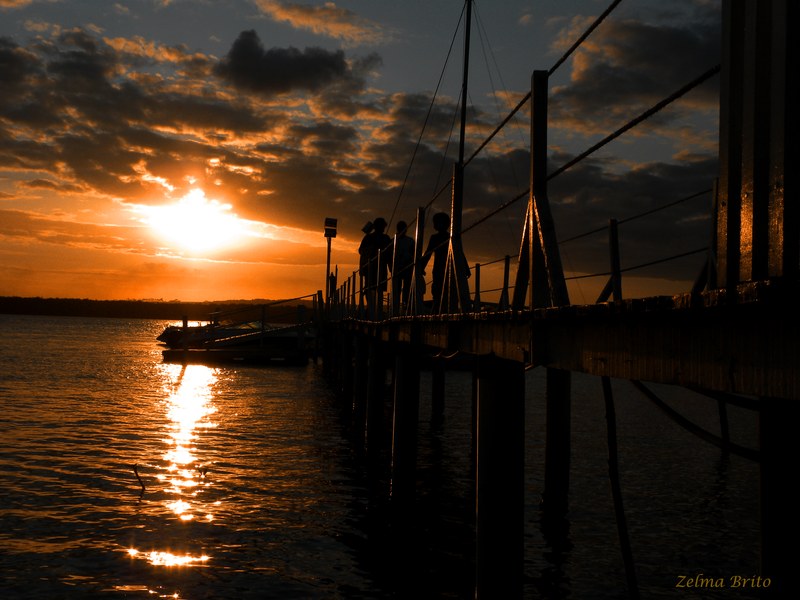
A river beach at the Paraíba estuary where one of Brazil's most unusual sunset traditions plays out nightly — saxophonist Jurandy do Sax performs Ravel's Bolero live from a floating boat at dusk, drawing crowds onto the water as the light falls over the mangroves.
The main urban beach of João Pessoa, a wide stretch of warm golden sand fronted by the orla — a shaded waterfront promenade lined with coconut palms, juice kiosks, and beach chairs. The calm, protected water makes it the social center of the city's beach life.
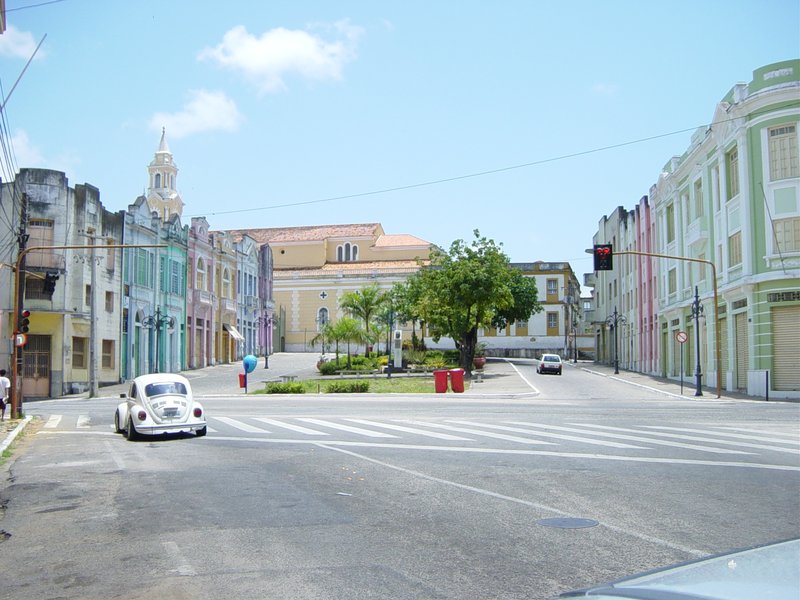
A restored Art Deco square in the historic center, ringed by two-story shopfronts from the early 20th century painted in bold colors. Built during the Vargas era, it remains the most cohesive example of 1930s eclectic architecture in João Pessoa and a lively evening gathering point.
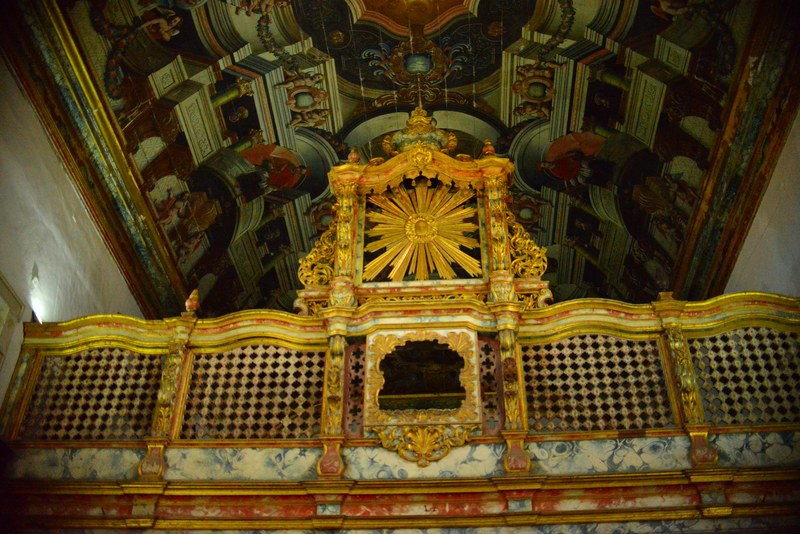
The largest Baroque complex in Latin America — a Franciscan convent and church tiled floor-to-ceiling in Portuguese azulejos, with gilded altars and a sacred art museum holding centuries of colonial ecclesiastical craftsmanship.
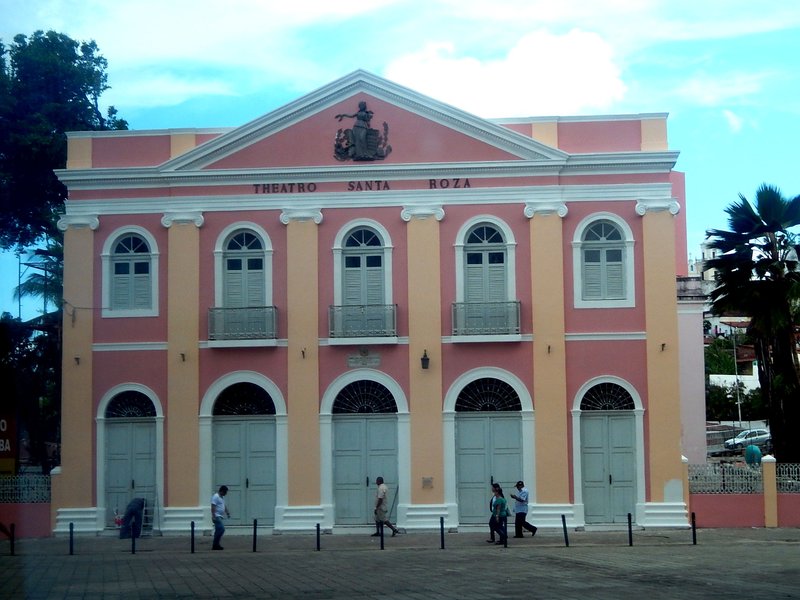
A neoclassical theater inaugurated in 1889 on Praça Pedro Américo in the historic center. The session of the Legislative Assembly that renamed the capital from Parahyba to João Pessoa was held here in 1930; an IPHAN heritage site and the principal venue for classical performances in Paraíba.
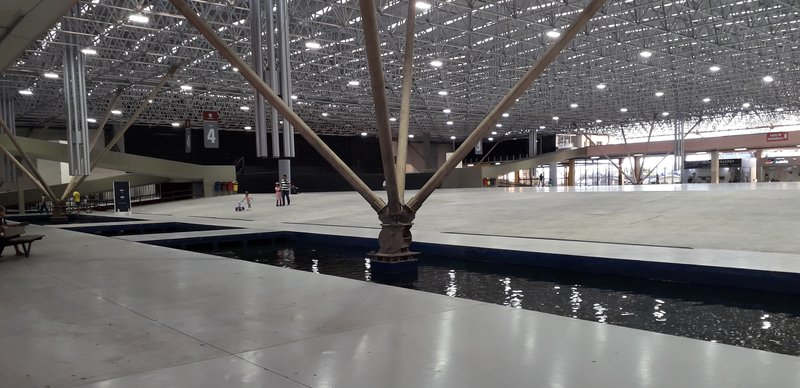
A 23,000-square-meter cultural complex designed by Sérgio Bernardes, housing a theater, art galleries, museum, cinema, planetarium, and covered plaza. The main venue for performing arts and exhibitions in Paraíba, with capacity for 15,000 in the covered square.
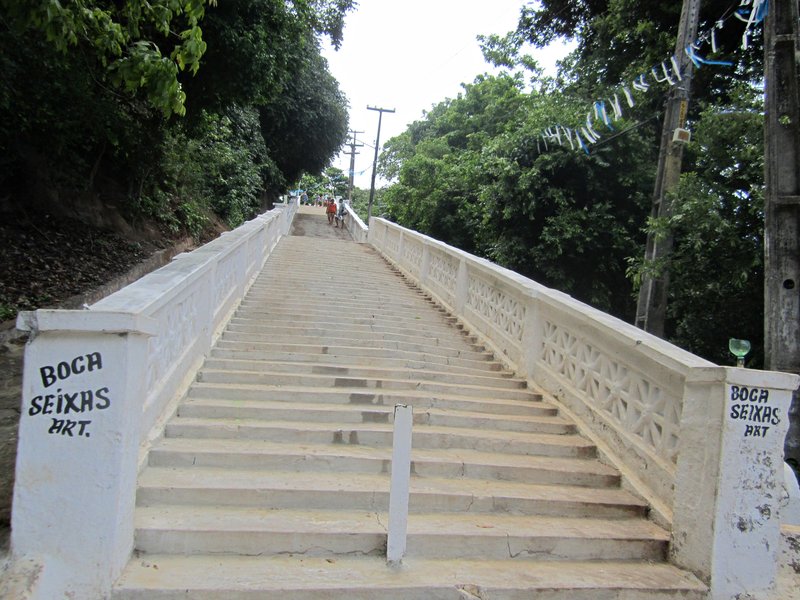
A small historic beach below the Varadouro cliffs, reached by a long wooden stairway carved into the bluffs above the port district. The stairway has been in place for over a century; the beach below sits in a sheltered cove with calm water, away from the main hotel strip.
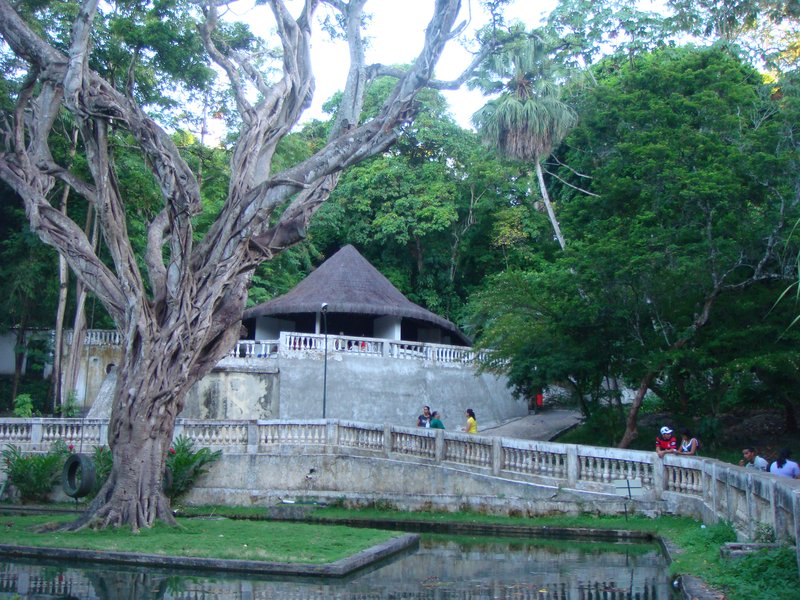
A zoobotanic park founded in 1922 on forested grounds in the Roger neighborhood. The Bica — a natural spring that has flowed continuously since colonial times — feeds a stream through native Atlantic Forest trees; capuchin monkeys, birds, and reptiles move through the canopy overhead.
The cliff-base beach below the Cabo Branco headland, stretching between the city's residential towers and the open Atlantic. Sandstone bluffs rising directly from the sand create a sheltered enclosure that separates this beach from Tambaú to the north; calmer in the mornings before the afternoon swell builds.
Full-day tour: historic center, São Francisco Cultural Center, Ponta do Seixas — easternmost point of the Americas, Solon de Lucena Park, cathedral, and the Paraíba craft market.
Day trip to three beaches on the Conde coast south of João Pessoa: Praia de Coqueirinho, Tambaba, and Tabatinga — crystal-clear warm water, coconut palms, and colored sandstone cliffs. Includes a clay bath and the Barra do Gramame river-sea encounter.
South Paraíba excursion to Praia Bela — a semi-deserted beach where the Mucatú River meets the Atlantic, forming a natural freshwater pool. Scenic coastal landscape, relaxed pace.
4x4 cultural trail north of João Pessoa: the 500,000-palm Coqueirais plantation, Nossa Senhora da Guia Church in Lucena, ruins of the Bomsucesso Church, and clifftop views. At low tide, the Moses-path sandbank at Pontinha de Lucena emerges.
Full-day trip from João Pessoa to Porto de Galinhas, one of northeast Brazil's most celebrated beaches — warm, clear water and natural tidal pools. Optional buggy rides to Pontal de Maracaípe and Muro Alto available at extra cost.
Day trip to three Conde coast beaches south of João Pessoa — Coqueirinho, Tambaba, and Tabatinga. Includes a clay bath and the Barra do Gramame river-sea encounter.
Northern coast day tour: Fortaleza de Santa Catarina in Cabedelo, Ponta de Campina beach for swimming, and Praia do Jacaré at sunset with saxophonist Jurandy do Sax performing Ravel's Bolero live on the water.
Excursion to Praia Bela where the Mucatú River meets the Atlantic — a semi-deserted beach with a natural freshwater pool. Relaxed south Paraíba coastal landscape.
Afternoon catamaran ride on the Paraíba River as the sun sets, with saxophonist Jurandy do Sax performing Ravel's Bolero live from the water. Includes a guide and drinks.
The dish most specific to Paraíba: green cowpeas cooked with white rice, coconut milk, fresh queijo coalho, and diced carne de sol or charque. Creamy and filling — distinct from any other Brazilian state's rice-and-beans canon.
Sun-dried lightly salted beef, a Northeast staple but a Paraíba obsession. Served with macaxeira · cassava, drawn butter, and queijo coalho. Paraíba's interior cut is drier and more intensely salted than the Ceará version.
Declared an Intangible Cultural Heritage of Paraíba. Goat offal — liver, kidneys, and tripe — seasoned with coriander, sewn into the stomach, and slow-cooked. A sertão ritual dish; strong flavor, not for the cautious.
Manioc starch cooked on a dry griddle into a flat disc, filled with queijo coalho, carne de sol, or sweet coconut and banana. Ubiquitous from breakfast to late afternoon throughout the city and along the southern coast.
Steamed cornflour cake — nothing like the North African version. Served savory with carne de sol, queijo coalho, drawn butter, and a fried egg. A staple breakfast across Paraíba.
A classic Northeast dessert: bananas fried in butter, topped with melted queijo coalho, finished with sugar and cinnamon. The sweet-savory combination is better than it sounds.
Foreign number: not accepted. — sign-up only takes a +55 number, so no verification code is ever sent to a foreign carrier.
The dominant delivery platform in Brazil, with the widest local restaurant selection in João Pessoa. Requires a Brazilian phone number — ask hotel staff to place an order.
Foreign number: accepted. — the six-digit code arrives by SMS or WhatsApp on a foreign number.
Available in João Pessoa for restaurant delivery, grocery runs and convenience items. Foreign numbers are accepted at sign-up, making it the accessible option for visitors.
Foreign number: accepted. — the SMS code reaches foreign carriers, and Google or Apple sign-in skips the code entirely.
The most reliable option for visitors in João Pessoa. Accepts foreign numbers and covers Tambaú, Manaíra and the city centre with consistent availability.
Ponta do Seixas is the easternmost point of the Americas — the first continental land to receive each day's light in the Western Hemisphere. From this cliff, the nearest coast of Africa is roughly 3,000 km to the east; nothing but open Atlantic lies between. The Estação Cabo Branco that Oscar Niemeyer built above the cliff — one of his last major buildings — positions a white concrete canopy over that same horizon, so the view the building frames is not just an ocean view but the view toward the other world.
The Bolero of Praia do Jacaré is easy to dismiss as a tourist gimmick until you realize it has been running continuously for decades, performed by the same saxophonist, every single evening at sunset, rain or shine, with no agenda beyond the fact that the light on the Paraíba River at that hour is exactly right for Ravel. There is something worth noting about a city that has built a daily sunset ritual not around a product or a brand but around a single piece of music, played live, for its own sake, at the water's edge.