Ljubljana's grandest square, laid out in the early nineteenth century and landscaped by Plečnik. The leafy Zvezda park is ringed by the University, the Philharmonic and the Baroque Ursuline Church — UNESCO-listed as part of Plečnik's legacy.
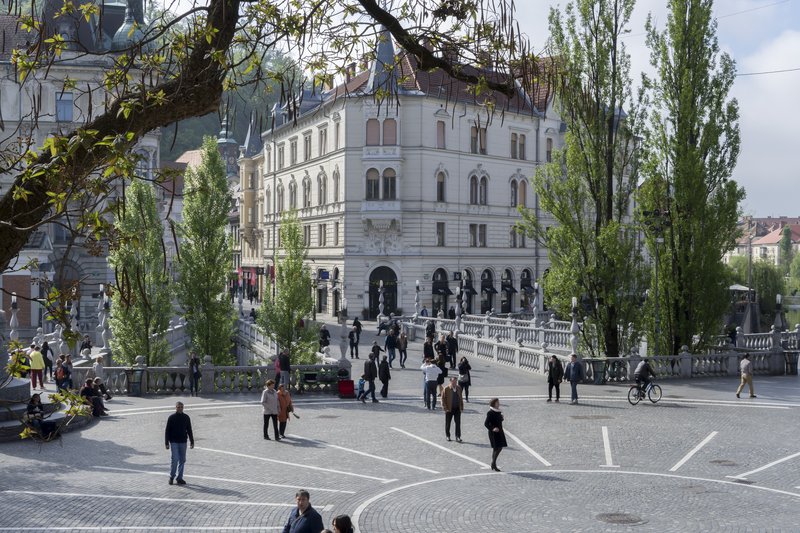
Plečnik's signature trio of bridges fans out from Prešeren Square across the Ljubljanica, the pink Franciscan Church rising behind. The two outer footbridges he added turned a single road crossing into the city's most photographed gathering place.
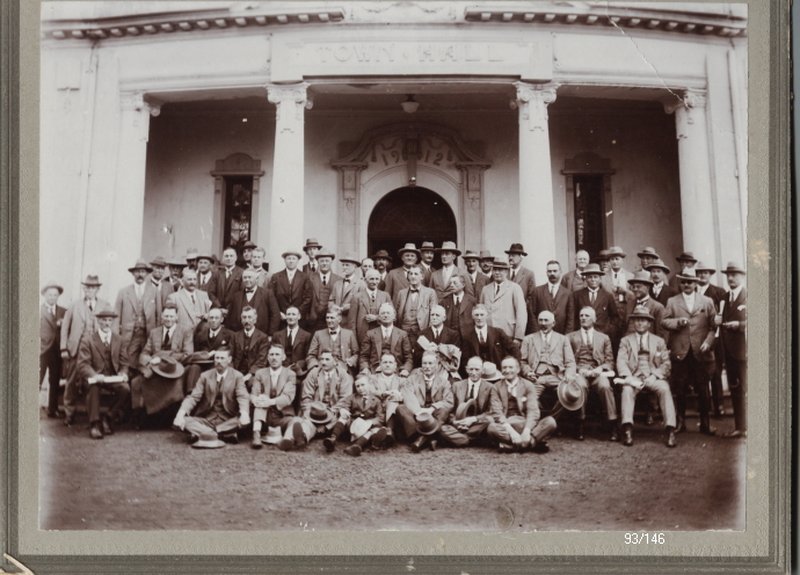
The arcaded Renaissance-Baroque seat of the city since the Middle Ages, fronting Mestni trg. A copy of Robba's Fountain of the Three Carniolan Rivers stands outside, and the painted lanes of Mestni, Stari and Gornji trg unspool the Old Town from its door.
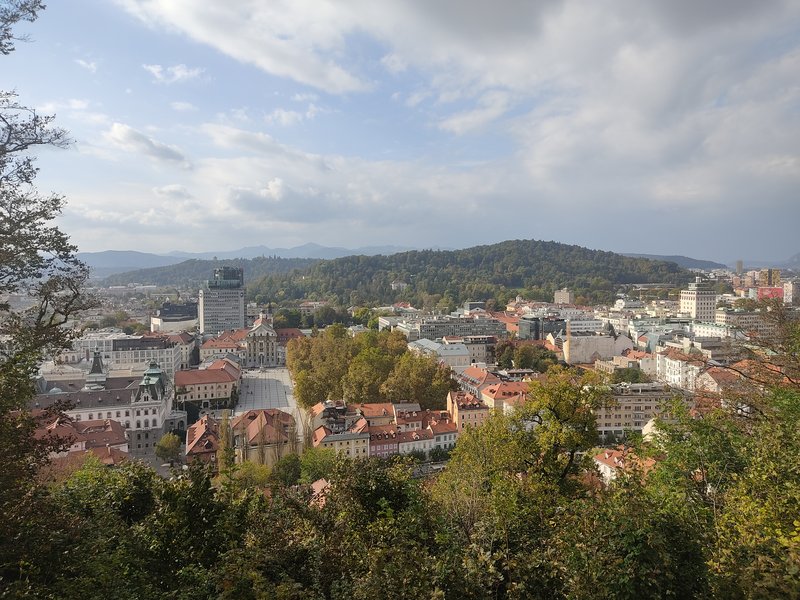
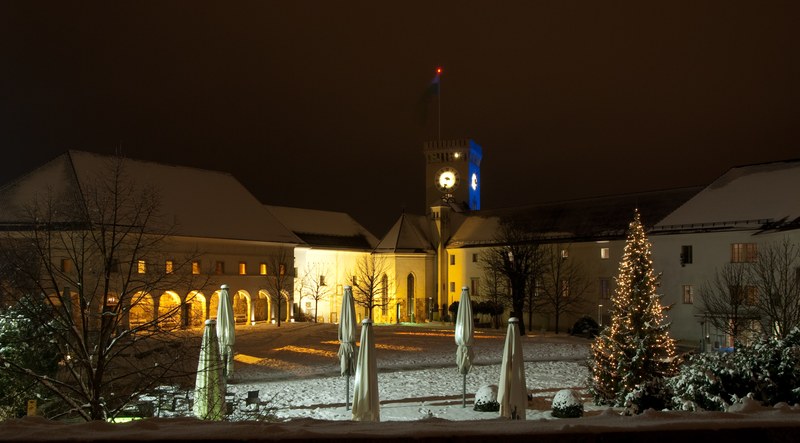
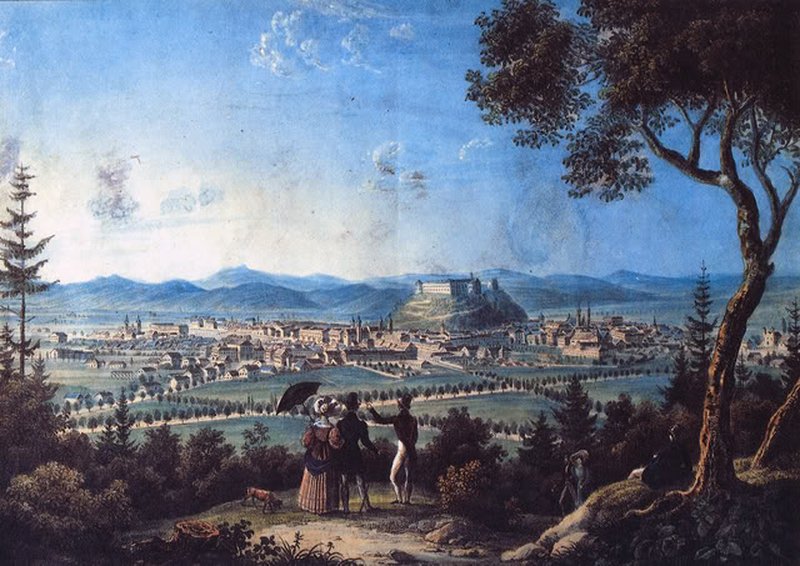
The hilltop fortress crowning the city, its oldest walls medieval. Ride the funicular up for the glass viewing tower, the Museum of Puppetry, the ramparts and a 360° sweep over the red roofs toward the Kamnik Alps.
From Hotel: 13 min · 4 min → National Museum of Slovenia
1.National Museum of Slovenia~1 hr 30 min
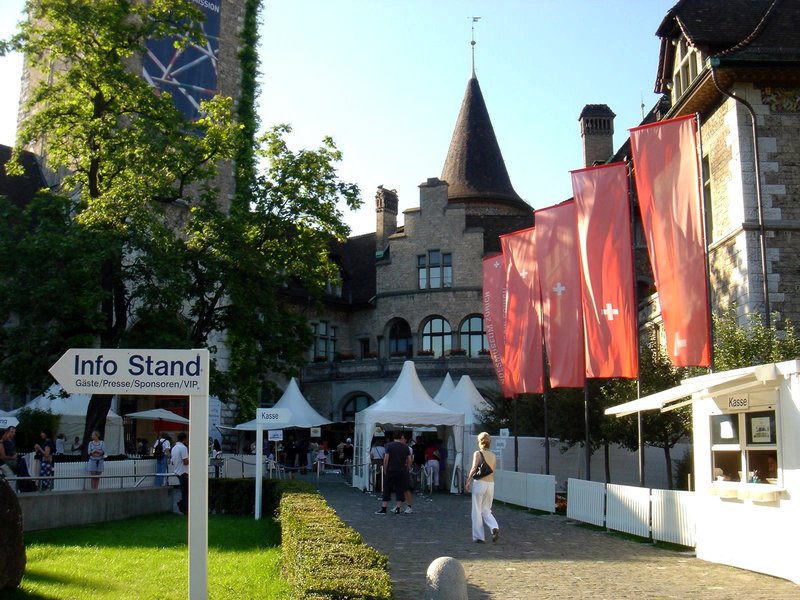
Slovenia's oldest museum, founded 1821, in a neo-Renaissance palace on Museum Square. The collection spans prehistoric bronze vessels, the Vače situla, Roman-era finds, and medieval artefacts.
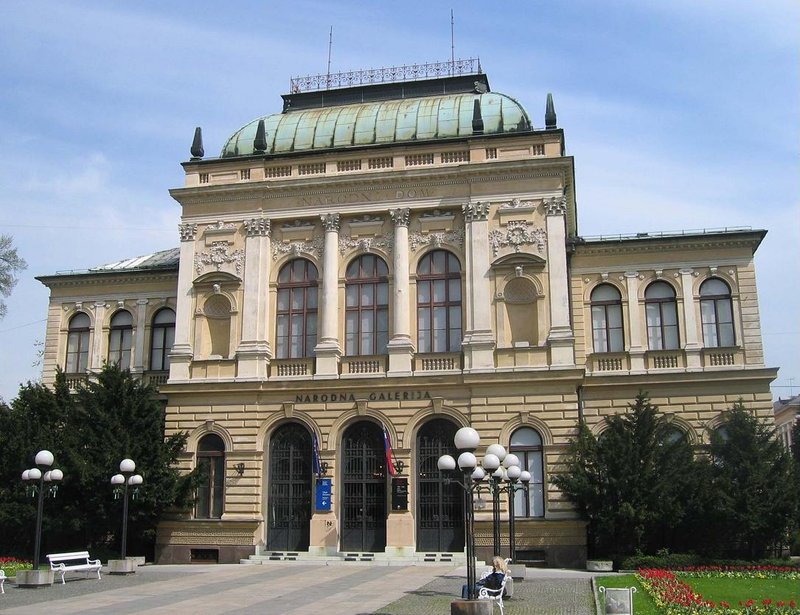
The country's primary fine-art museum, spanning Slovenian and European painting and sculpture from the Gothic period through the early twentieth century. The Baroque Narodni Dom wing connects to a modern glass extension.
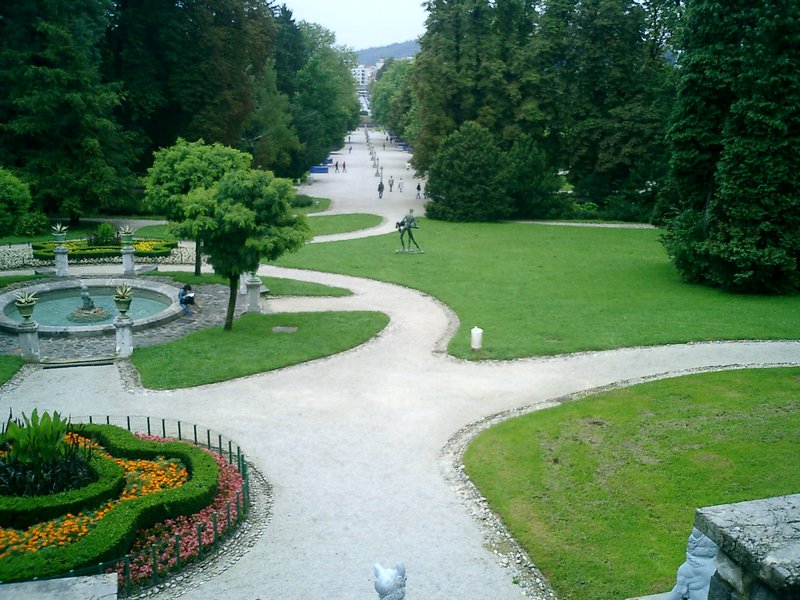
The city's great green lung — five square kilometres rolling up to wooded Rožnik hill. Plečnik's Jakopič Promenade runs its spine, lined with monumental lampposts and year-round open-air photography.
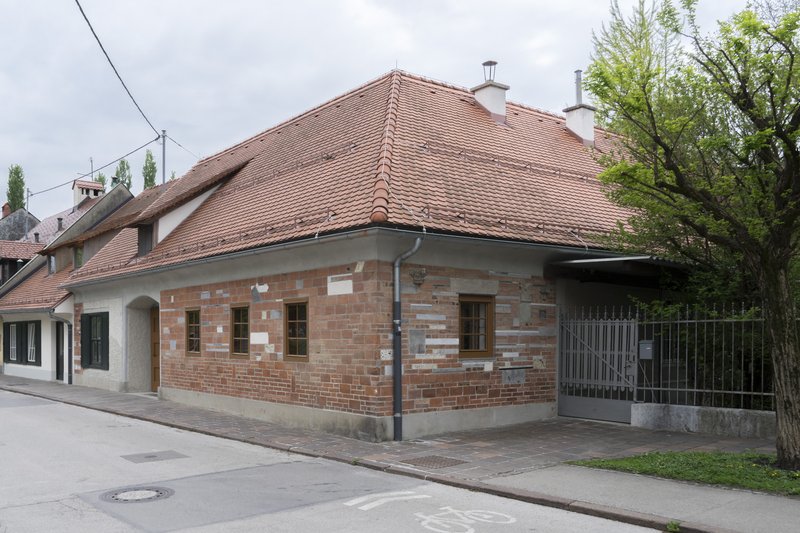
The preserved home and studio of Jože Plečnik, the architect who reshaped Ljubljana. A timed guided loop runs through his cylindrical glass-house addition, library and garden — kept exactly as he left it, now UNESCO-listed. Book the tour ahead at mgml.si.
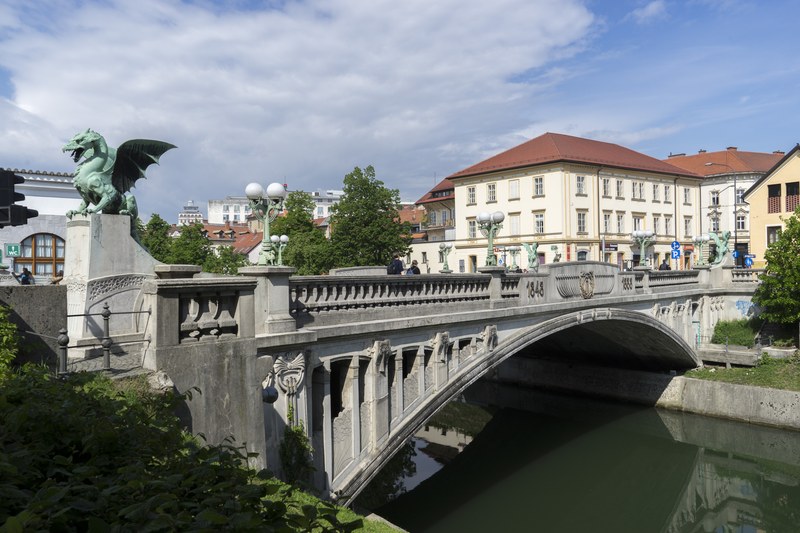
The Vienna Secession bridge guarded by four copper dragons — the winged beast that is Ljubljana's emblem. One of Europe's earliest reinforced-concrete arch bridges, and the city's most beloved photo stop.
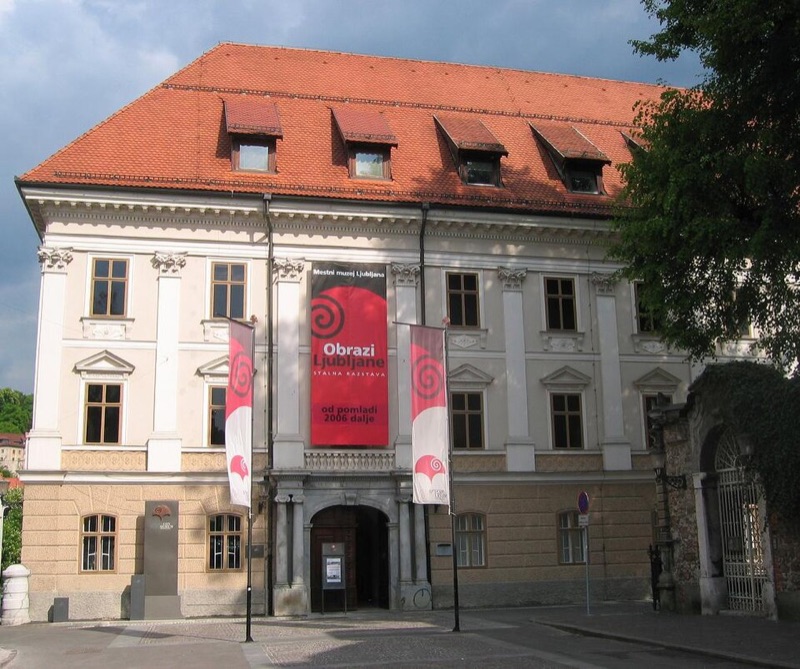
Ljubljana's primary civic museum housed in the baroque Auersperg Palace, tracing the city's history from its Roman founding as Emona through Habsburg rule to the twentieth century. Highlights include Roman floor mosaics, medieval artifacts and period rooms illustrating city life across eight centuries.
Plečnik's modernist masterpiece. A dim entrance stair of black marble climbs toward a light-filled reading room, while the facade weaves brick and stone like textile. Step into the hall to feel his idea of knowledge as ascent toward the light.
Slovenia's oldest botanical garden, established in 1810 on the edge of the Old Town. The walled grounds hold over 4,500 plant species from alpine meadows to Mediterranean terraces, with a rock garden, pond and greenhouse. One of Central Europe's most compact and well-curated city gardens.
A forested 394-metre hill at the edge of Tivoli Park. A short trail climbs through beech and oak to the Visitation of Mary Church and a traditional inn on the summit. The hill is tied to Ivan Cankar, Slovenia's most celebrated writer, who lived on its slopes.
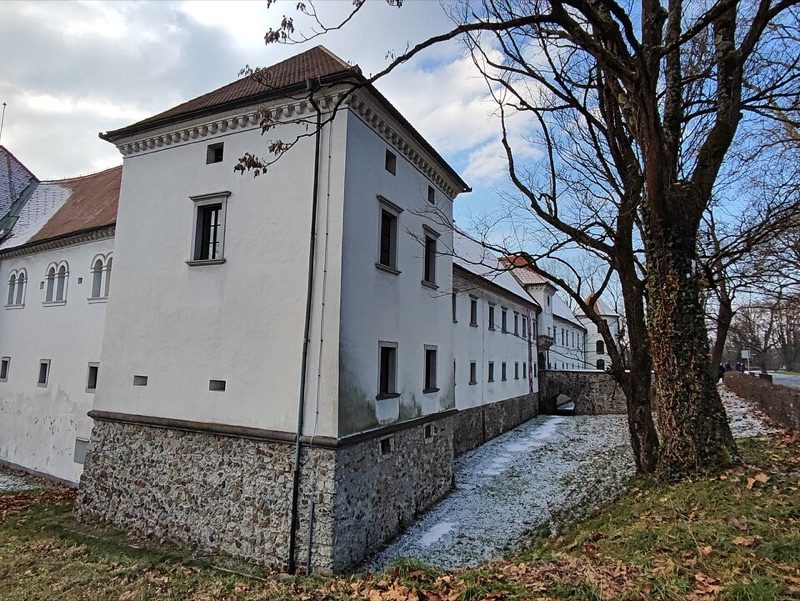
The only surviving Renaissance castle in Ljubljana, built 1528–1557. Its arcaded courtyard and moat-flanked towers house the Museum of Architecture and Design — Slovenia's premier collection of architectural drawings, models and design objects spanning five centuries.
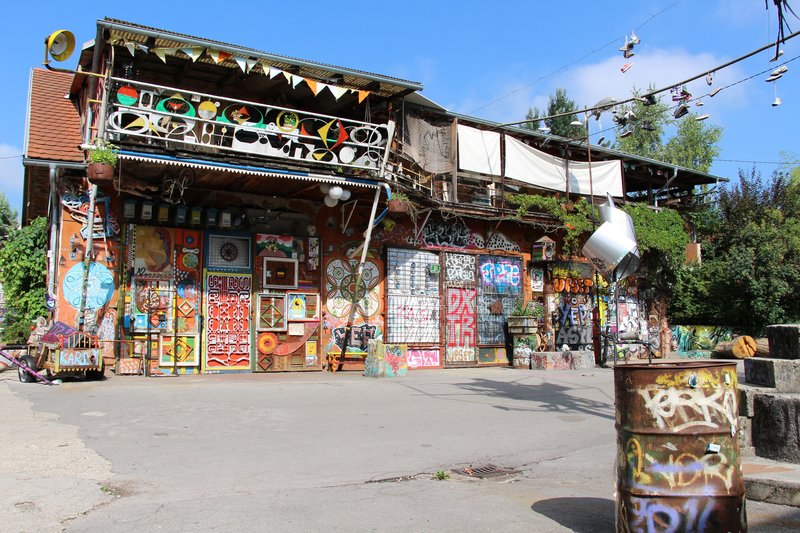
A former Austro-Hungarian barracks occupied by activists in 1993 and converted into an autonomous cultural district. The compound is covered floor-to-roofline in murals, sculptures and installations — one of Central Europe's most concentrated outdoor street-art sites.
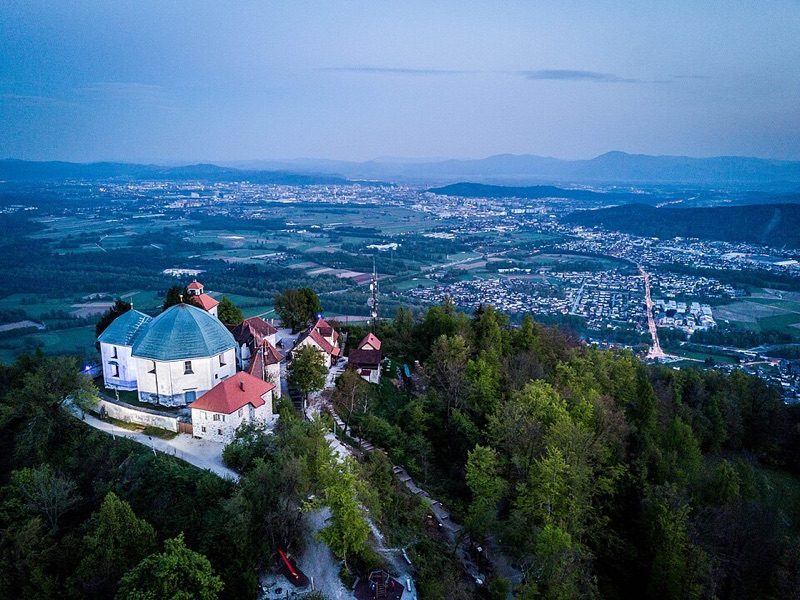
Ljubljana's most-climbed hill, 669 metres, 15 km north of the city. Bus #8 runs to the Tacen trailhead; marked trails climb through beech forest to the summit in 30 minutes. A Baroque pilgrimage church and mountain inn mark the top, with views across the Ljubljana basin to the Kamnik and Julian Alps.
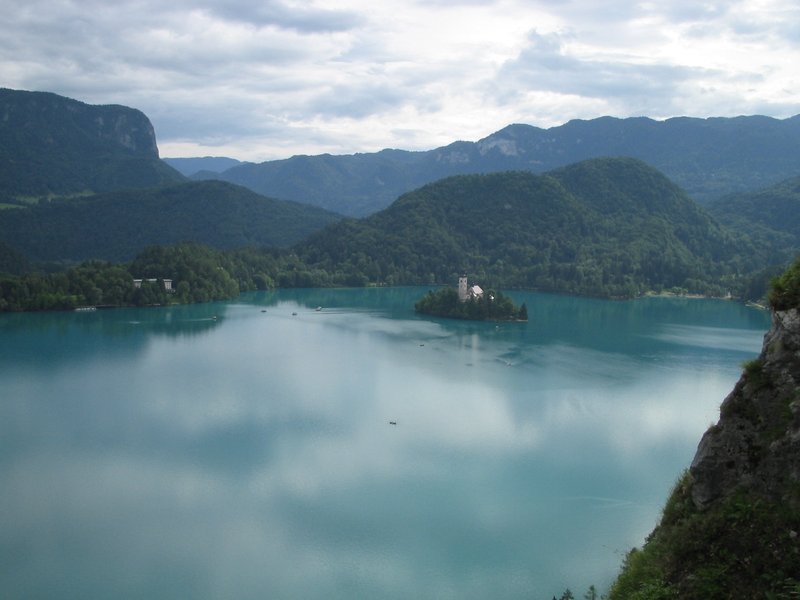
A glacial lake ringed by the Julian Alps, its tiny island topped by a Baroque pilgrimage church. Traditional wooden pletna boats row visitors across; the bell tower is climbed by a staircase of 99 steps and a ring of the wishing bell is said to grant a wish.
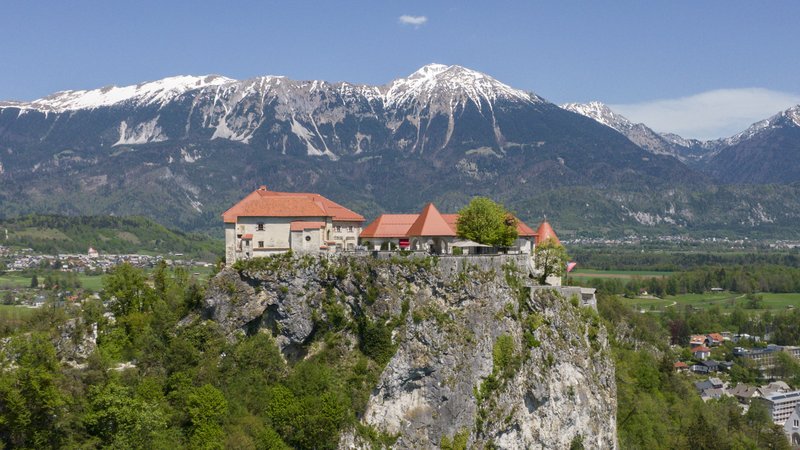
Slovenia's oldest castle, perched 130 metres above the lake on a sheer cliff. The ramparts frame the most celebrated view in the country — the lake below, the island church at its centre and the Julian Alps banking behind — and a small museum traces the castle's thousand-year history.
A small open boat glides the willow-lined Ljubljanica past the Old Town's bridges, paired with a guided walk through the Baroque centre and up a landmark skyscraper for a rooftop view over the city.
A small-group full day to the country's headline sights — island-dotted Lake Bled, the vast Postojna karst cave by electric train, and clifftop Predjama Castle — the capital's classic excursion.
A small-group day into Triglav National Park: emerald Lake Bled and its island church, the Vintgar Gorge boardwalks, and the alpine valleys of Slovenia's only national park.
Small-group minivan day to Slovenia's most famous karst cave — the electric train deep into the stalactite halls — and clifftop Predjama Castle, the Renaissance fortress built into a cave mouth, with entrance tickets included.
A small-group full day to two contrasting highlights: the vast chasm galleries of Škocjan Caves · UNESCO World Heritage and the Venetian old town of Piran on the Adriatic coast, with a local guide throughout.
A 2-hour small-group stroll through Ljubljana's historic centre — Prešeren Square, the Dragon Bridge, Congress Square, the National Library and Butchers' Bridge — with a local expert who brings the city's history and culture to life.
A small-group full day to the emerald Soča River valley and the alpine resort of Kranjska Gora — dramatic mountain scenery, turquoise glacier water, and the Triglav National Park landscape at its most vivid.
Small-group guided day from Ljubljana to Postojna Cave's electric-train ride through 24 km of stalactite halls and on to Predjama Castle built into a sheer cliff — entrance tickets included in the price.
A full-day small-group triple: the karst cave system at Postojna, the cave-mouth castle at Predjama, and the Venetian port town of Piran on the Adriatic — the country's most iconic highlights in one circuit.
A 2.5-hour small-group walk through the Old Town and up to Ljubljana Castle — the hilltop medieval fortress with panoramic views over the terracotta rooftops, guided by a local who brings the city's history to life.
A Travellers' Choice small-group trip by air-conditioned minivan to Postojna Cave and clifftop Predjama Castle, with an expert guide and entrance tickets — maximum 8 per van for a genuinely uncrowded day.
An 11-hour small-group day into Triglav National Park — alpine lakes, river gorges and mountain roads through the most dramatic scenery in Slovenia, departing from Ljubljana railway station at 8:00am.
A Travellers' Choice small-group full day to the UNESCO-listed Škocjan underground canyon and the Venetian old town of Piran — maximum 8 per vehicle, departing Ljubljana at 8:30am.
A 10-hour small-group circuit combining two hours inside the Škocjan cave chasm with a guided afternoon in Piran's Venetian piazza and salt pans — maximum 8, with pickup near Dalmatinova ulica 10.
A half-day small-group trip by air-conditioned minivan to Lake Bled — a traditional wooden pletna boat to the island church, a stop at Bled Castle for panoramic views, and the famous Bled cream cake — maximum 8 per group.
Rolled dough dumplings — sweet with cottage cheese, walnut or tarragon, or savoury, boiled or baked. A Slovenian comfort staple found in dozens of guises.
Two icons: kremšnita, the custard-and-cream slice made famous at nearby Bled, and potica, the festive rolled cake spiralled with walnut, tarragon or poppy seed.
Foreign number: not required. — sign-up runs on Google, Apple, Facebook or email with no phone field at all, so no verification code is sent.
The main delivery app in Ljubljana with strong coverage across the city center and most residential districts; selection includes local Slovenian restaurants alongside international options.
Foreign number: accepted. — Bolt accepts international phone numbers at registration; no Slovenian SIM is required to sign up or book.
The dominant ride-hailing option in Ljubljana with reliable coverage throughout the city center and surrounding neighborhoods; response times are generally short and fares are reasonable.
One of the world's great show caves: an electric train rolls deep into twenty-four kilometres of karst galleries and dripstone halls. The station sits a short walk-plus-shuttle to the cave entrance.
Slovenia's third city beneath a dramatic hilltop castle — the ruins of the Counts of Celje's medieval stronghold with panoramic views over the Savinja valley, and a well-preserved old town of Baroque houses below. Direct IC trains run several times a day on the main Ljubljana–Maribor line.
Slovenia's only commercial port and oldest coastal city — a Venetian old town of piazzas, palazzi and a cathedral overlooking the Adriatic. Direct IC trains run several times a day.
Slovenia's second city on the Drava, home to the world's oldest grapevine and a compact riverside Old Town of squares and wine cellars. Direct InterCity trains run several times a day.
The Croatian capital — a leafy Upper Town of Gothic churches and a funicular, a vibrant Lower Town of Austro-Hungarian boulevards, the Dolac farmers market, the Museum of Broken Relationships and a café culture running morning to midnight. Direct trains cross the border several times daily.
Ljubljana wears two signatures at once. One is the dragon — coiled on the city's coat of arms and cast four times in copper over the Dragon Bridge — said to descend from the Argonauts and Jason, who legend has slaying a marsh beast where the city now stands. The other is a single architect: Jože Plečnik, who in the early twentieth century quietly rebuilt his hometown into a stage set of bridges, colonnades, squares and a library that reads like a temple. Almost every stop on this two-day route is either his work or framed by it, and UNESCO has since listed the ensemble as a rare case of a city shaped by one human imagination.
For a capital, it is improbably green and small. Cars are kept out of the centre, the Ljubljanica curls through café terraces, and Tivoli's forest begins a ten-minute walk from the cathedral — which is why Ljubljana was named European Green Capital. Two unhurried days is truly enough to know it, and the river, the castle hill and the espresso are never more than a few minutes apart.
Day 4 stays inside the city but turns a corner. Slovenia's oldest botanical garden opens the morning, and the afternoon heads east to Fužine Castle — the only Renaissance castle left in Ljubljana, its arcaded courtyard housing the Museum of Architecture and Design — before ending at the City Museum of Ljubljana in the baroque Auersperg Palace, where Roman floor mosaics and Habsburg-era period rooms trace eight centuries of city life.
Day 5 is a single, deliberate escape. The bus north to Šmarna Gora takes twenty minutes; the trail through beech forest to the 669-metre summit takes thirty more. At the top, a Baroque pilgrimage church and a mountain inn look back over the entire Ljubljana basin, the Kamnik Alps banking east and the Julian Alps banking west — a view that is quietly one of the finest in Central Europe and almost never crowded.
Day 6 belongs to the most iconic lake in Central Europe. The SŽ train from Ljubljana reaches Lesce-Bled in under an hour; from the station, a short bus or taxi covers the four kilometres to the water. Lake Bled is a glacial mirror ringed by the Julian Alps, its island topped by a Baroque pilgrimage church reached by a traditional wooden pletna boat — a journey unchanged in centuries. In the afternoon, the climb to Bled Castle takes twenty minutes and delivers the finest viewpoint in Slovenia: the lake below, the island church centred within it and the Alps banking blue behind.