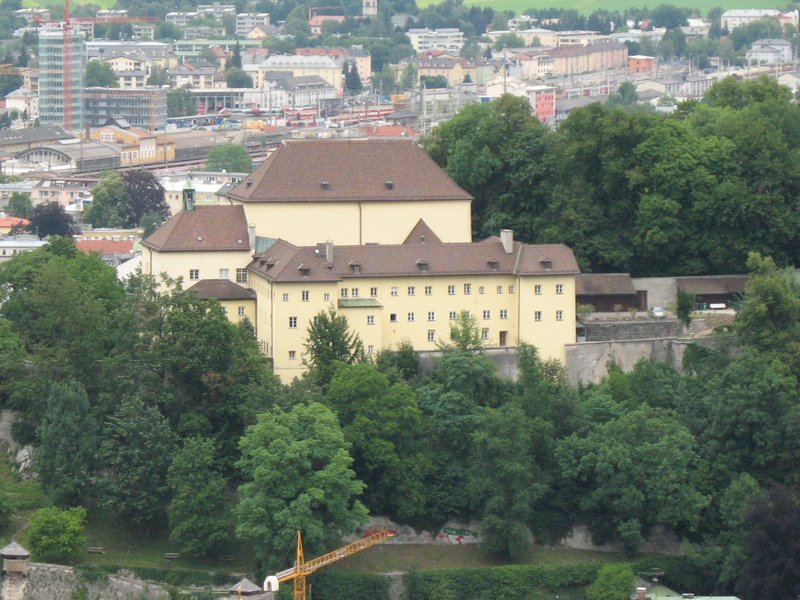
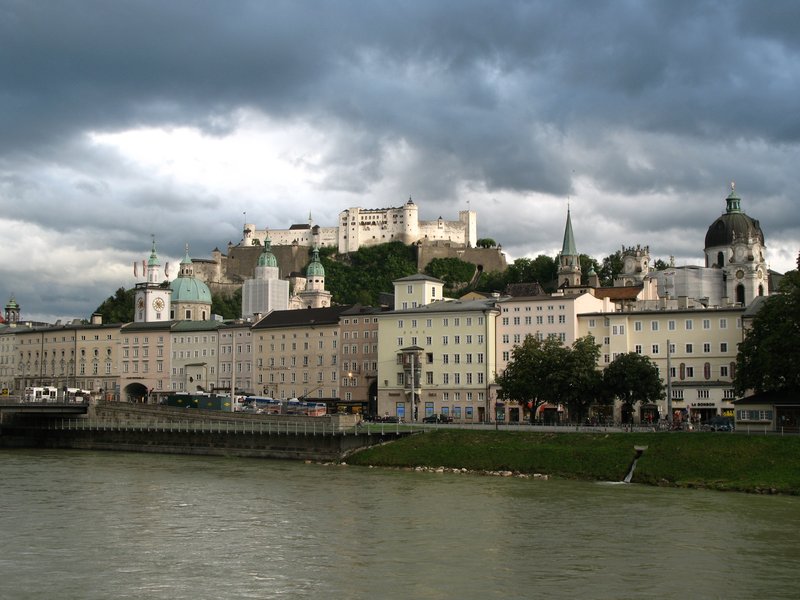
A forested hill rising directly above the Salzach — stone steps climb past 17th-century fortification walls and the Capuchin Monastery to the Hettwer Bastei, a wide terrace with an uninterrupted view over the Altstadt rooftops to the Hohensalzburg Fortress and the Alps.
One of the largest fully preserved medieval fortresses in Europe, crowning the Festungsberg above the old town; the FestungsBahn funicular carries you up to ramparts, state rooms and sweeping views.
May - September hours for the grounds; the museums, Prince’s Rooms and Magic Theatre run 9:00am - 7:00pm. The FestungsBahn funicular from Festungsgasse is included in the all-inclusive ticket.
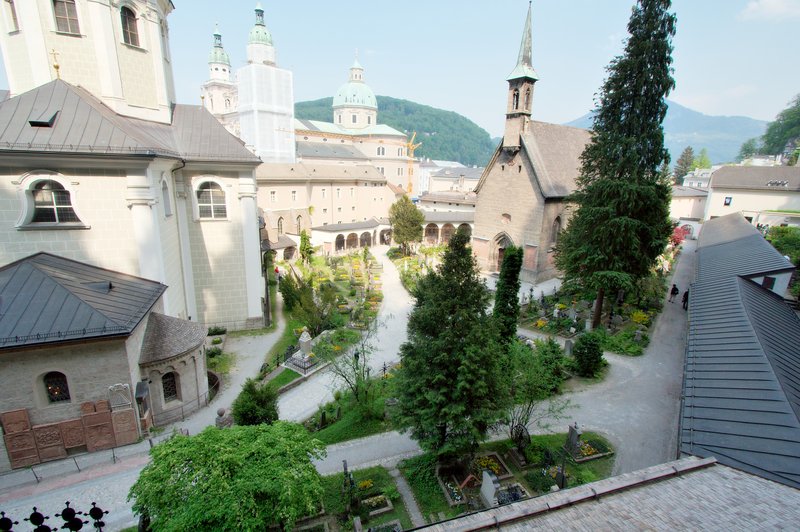
Founded around 696, the oldest monastery in the German-speaking world; its catacombs are hewn into the Mönchsberg cliff above a baroque cemetery of wrought-iron crosses and arcades.
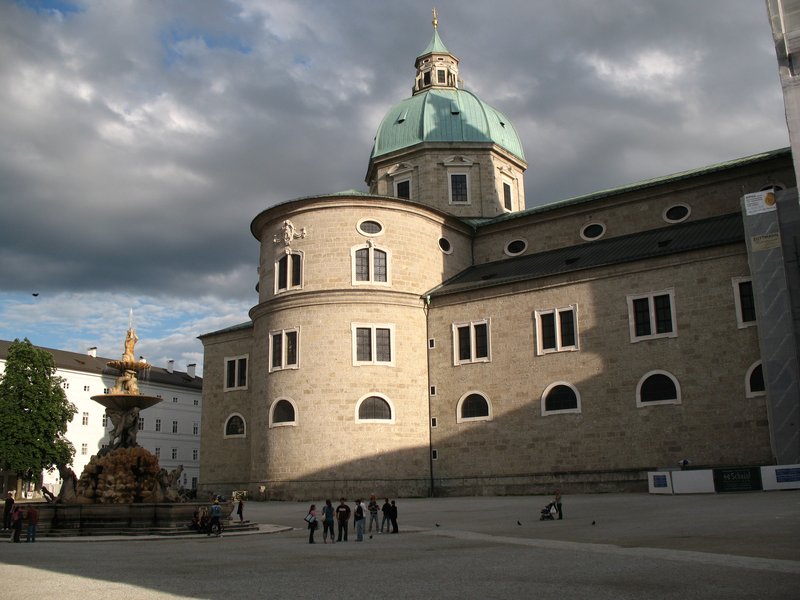
A single grand circuit through the Prince-Archbishops' Residenz state rooms, the cathedral's organ gallery and arcade terraces, and the abbey's art collections — baroque Salzburg's seat of power, all under one ticket.
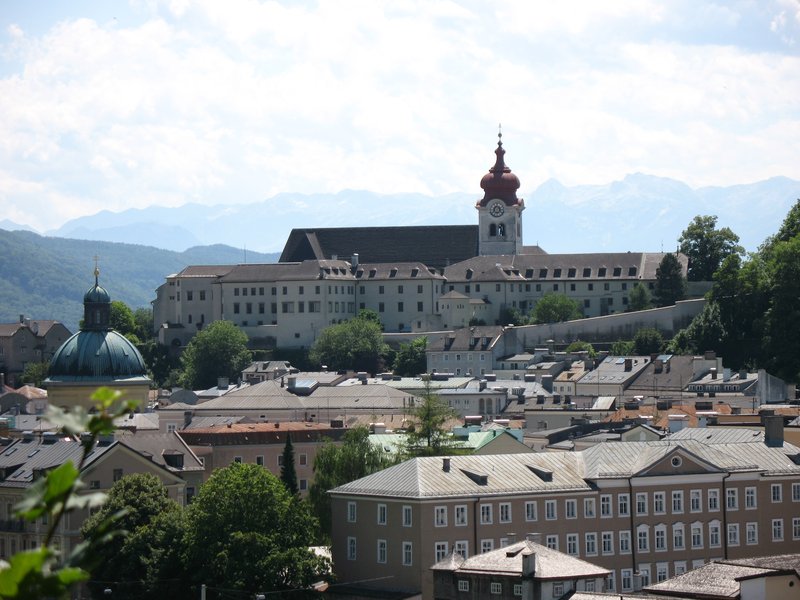
Founded around 714 AD and still an active Benedictine community, this is the oldest continuously occupied convent north of the Alps — the Romanesque church with its gilded Gothic altar, the graveyard and the terrace above the Altstadt rooftops are open to visitors.
From Hotel: 12 min → Hellbrunn Palace & Trick Fountains
1.Hellbrunn Palace & Trick Fountains~2 hr
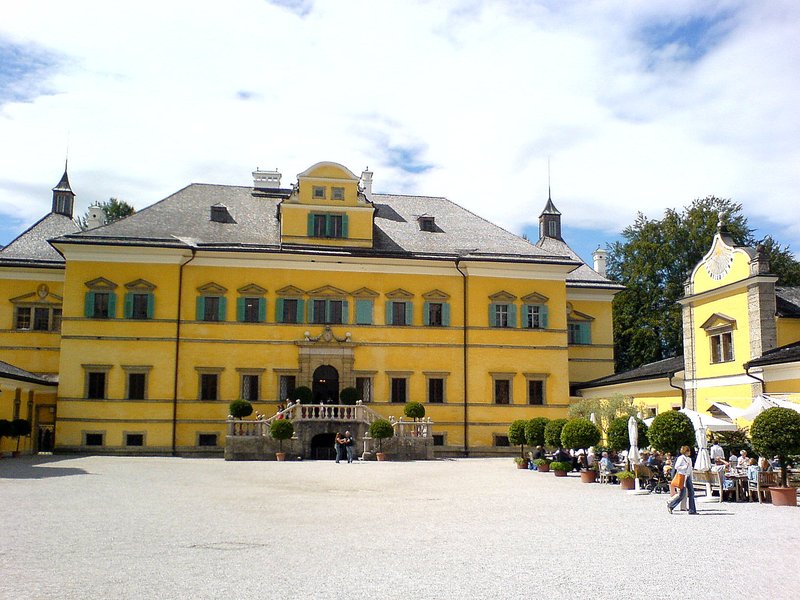
A 1615 prince-archbishop's summer villa built for play — hidden water jets soak the unwary, a water-powered mechanical theatre turns 200 figures, and grottoes still ambush visitors four centuries on.
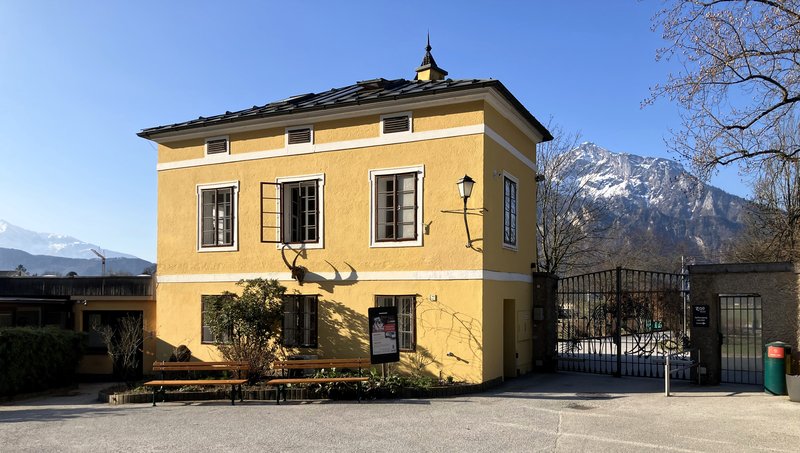
Fourteen hectares of open valley enclosures pressed against the Hellbrunn cliff — white rhinoceros, snow leopards, jaguars and a free-flight alpine ibex range, with the rock face itself forming the boundary of the big-cat and vulture enclosures; around 1,500 animals share the site with the palace park next door.
August hours; last admission 5:00pm. A combined Zoo + Hellbrunn Palace ticket is sold at either gate. Night Zoo runs every Friday and Saturday in August.
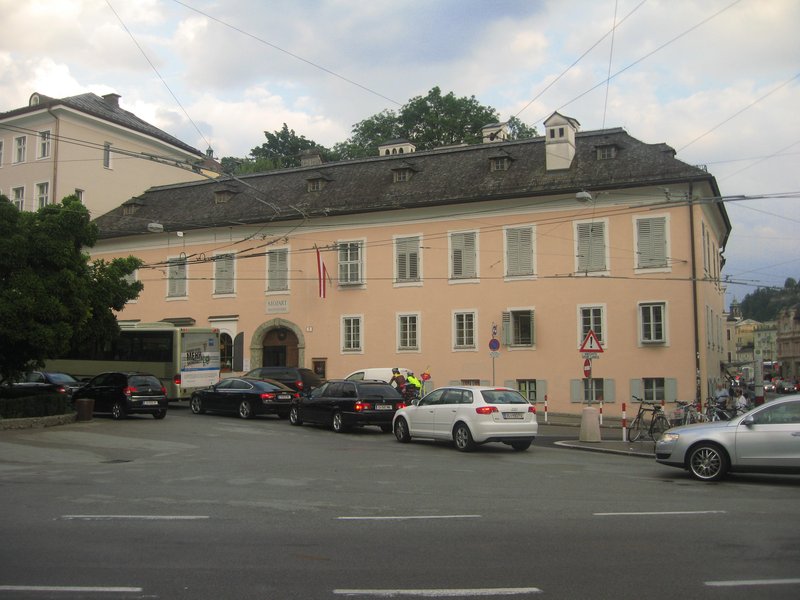
The spacious apartment on the Makartplatz where the family lived from 1773 — original fortepianos, letters in Mozart's hand and the Sound & Film Museum show how the composer's work spread from Salzburg to the world.
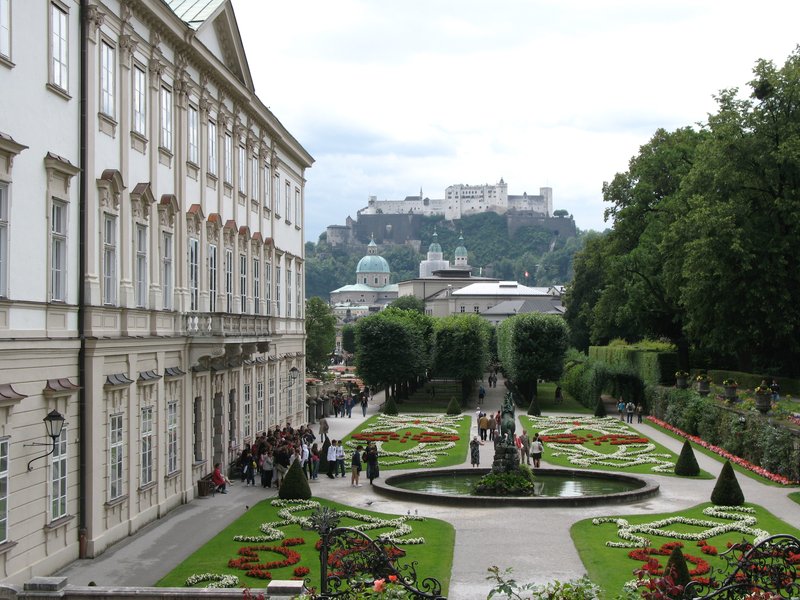
Baroque pleasure gardens laid out in 1690 — the flowered parterre, Pegasus fountain and Grand Staircase frame a postcard view of the fortress, and the steps and arbours feature in The Sound of Music.
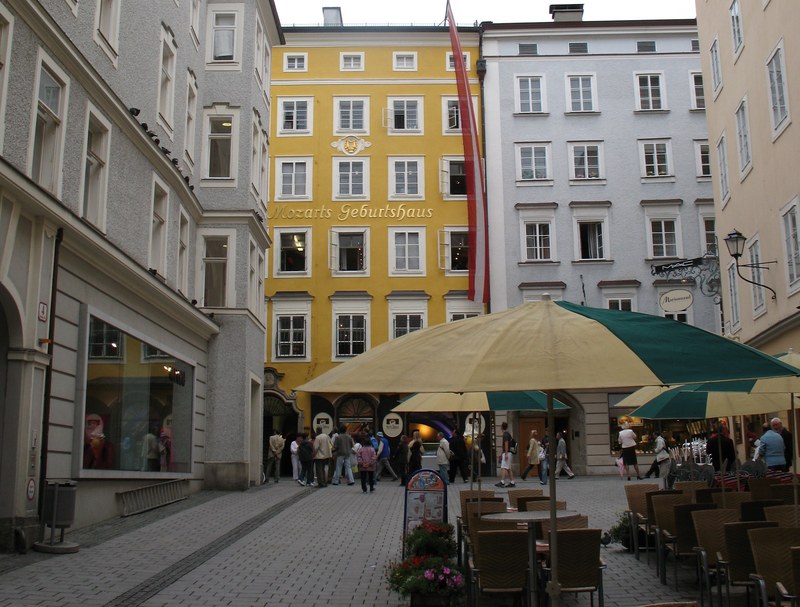
The yellow house at Getreidegasse 9 where Wolfgang Amadeus Mozart was born on 27 January 1756 — six rooms display his childhood violin, family portraits, original scores and the keyboard he played as a prodigy of five.
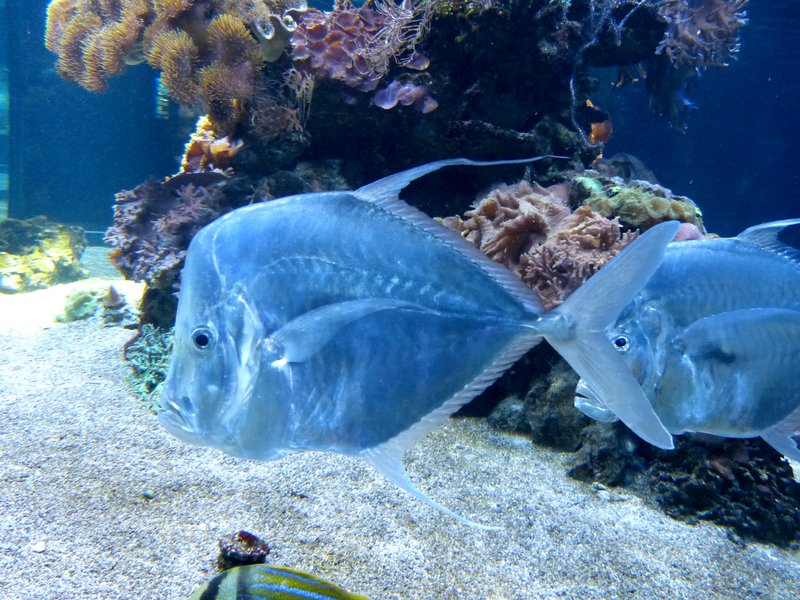
One of Austria's top natural history museums — 80 exhibition rooms across 7,300 sq m: a life-sized moving Allosaurus, an aquarium with forty tanks of exotic fish and reptiles, a whale skeleton in the palaeontology wing, a space hall, and a three-floor Science Center.
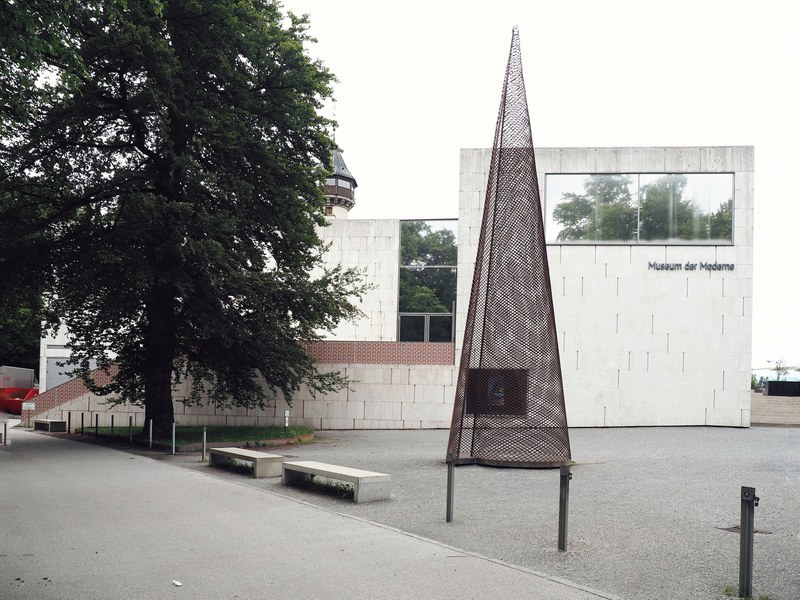
A clifftop gallery clad in fine-grained Untersberg marble, reached by a glass-walled lift from the Altstadt — the permanent collection and rotating international exhibitions hang above a panoramic terrace with a sweeping view of the city.
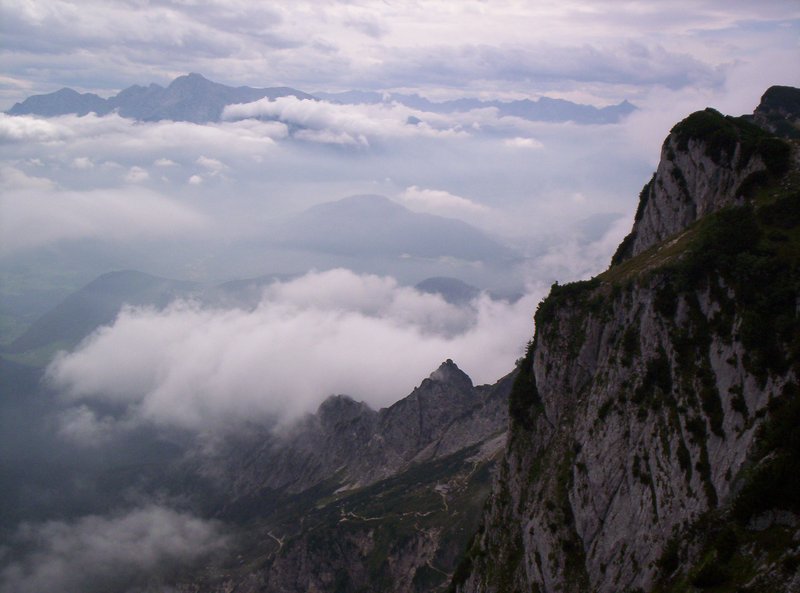
A cable car climbs from St. Leonhard to the 1,776 m Geiereck summit in under nine minutes, opening a panorama over Salzburg, the Salzkammergut lakes and the peaks of Berchtesgaden.
May 1 - September 30 hours; cars run every 30 min. Last ride up 5:00pm, last ride down 5:30pm. Bring a layer — the summit is markedly cooler than the valley.
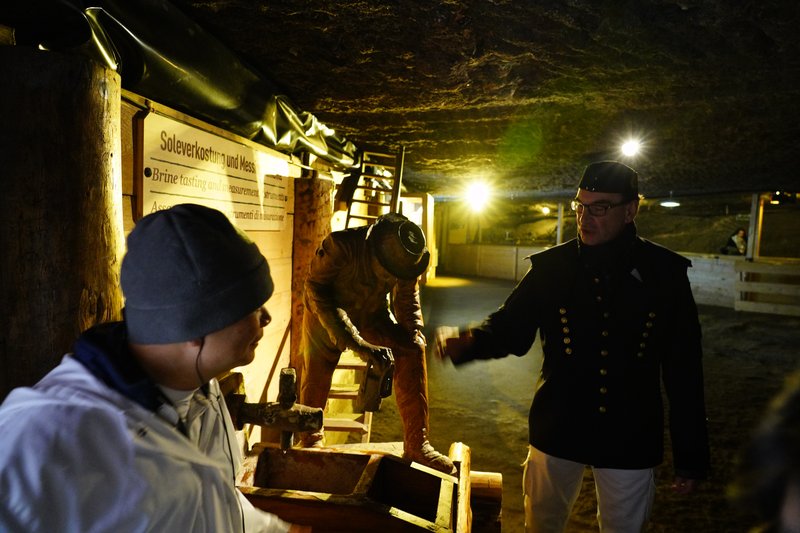
An underground world of shimmering salt galleries beneath the Dürrnberg plateau — the guided tour takes you through tunnels by wooden mine slide, crosses a briny underground lake by boat and tells the story of the Celtic salt trade that made Salzburg rich.
Season March 28 - November 1. The last guided tour departs at 5:00pm. Overalls are provided; the tour includes two wooden miners’ slides and a boat crossing of the underground salt lake.
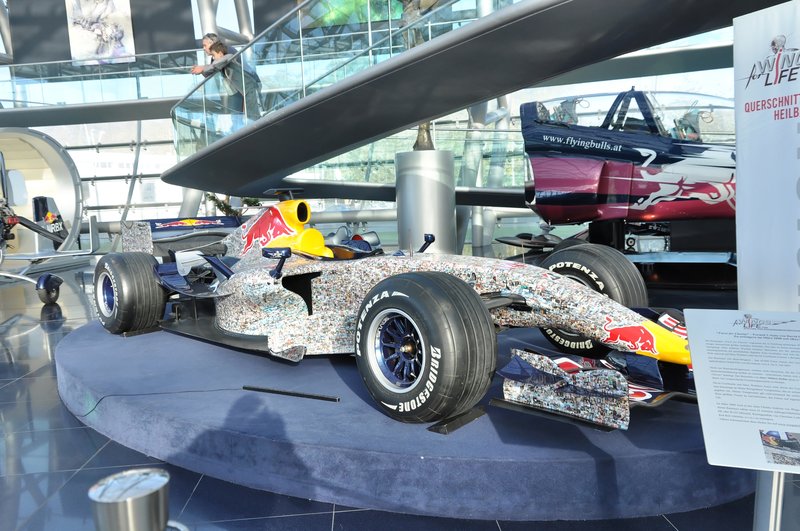
Red Bull's aviation and racing museum at Salzburg Airport — the glass-and-steel hangar houses historic aircraft from inter-war biplanes to Cold War jets alongside Formula 1 cars and World Rally Championship vehicles; admission is free and the terrace overlooks the apron.
Austria's largest private brewery opens 5,000 sq m of itself to visitors — a 270-degree cinema, the world's tallest beer tower, the malt and hop rooms, and a walk along the working production route, closing at a tasting bar where the day's brews are poured beneath the copper kettles.
Museum entry is self-guided. Guided brewery tours with the production route and a tasting run daily at 10:30am, 1:00pm and 3:30pm — the 1:00pm departure is the English-language one.
ARRIVE Innsbruck Hbf: 13 min · 5 min → Goldenes Dachl
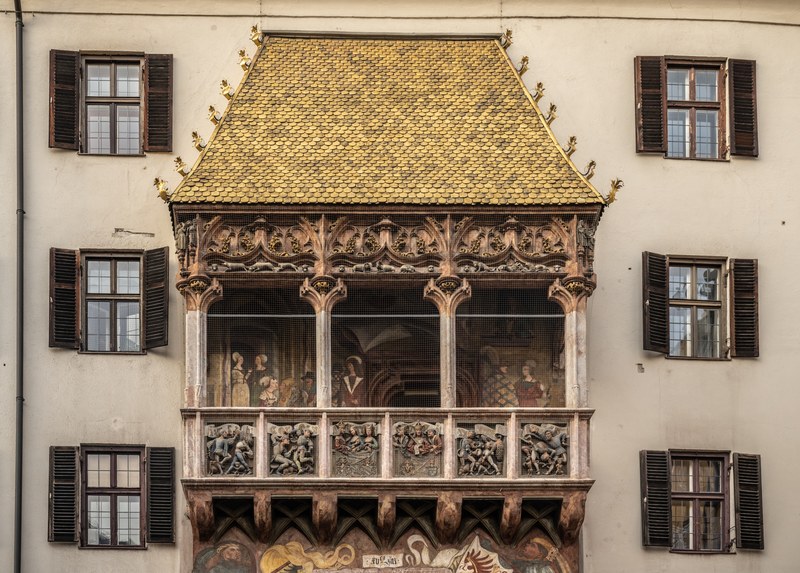
1.Goldenes Dachl~45 min
Built in 1497 for Emperor Maximilian I, this gilded oriel of 2,657 fire-gilded copper tiles juts over Herzog-Friedrich-Straße — the Innsbruck Museum inside the balcony tells the Habsburg story, while the glittering canopy above is one of Austria's most recognisable medieval landmarks.
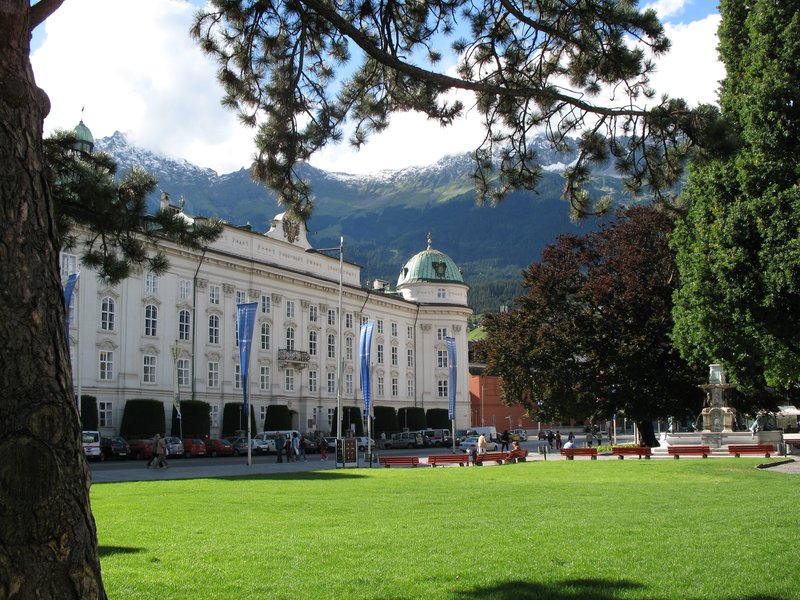
An alpine Habsburg palace rebuilt on Maria Theresa's orders in the 1770s — the White Hall is one of the grandest Rococo rooms in Austria, and the Imperial Apartments are hung with full-length portraits of her sixteen children arranged in order of birth.
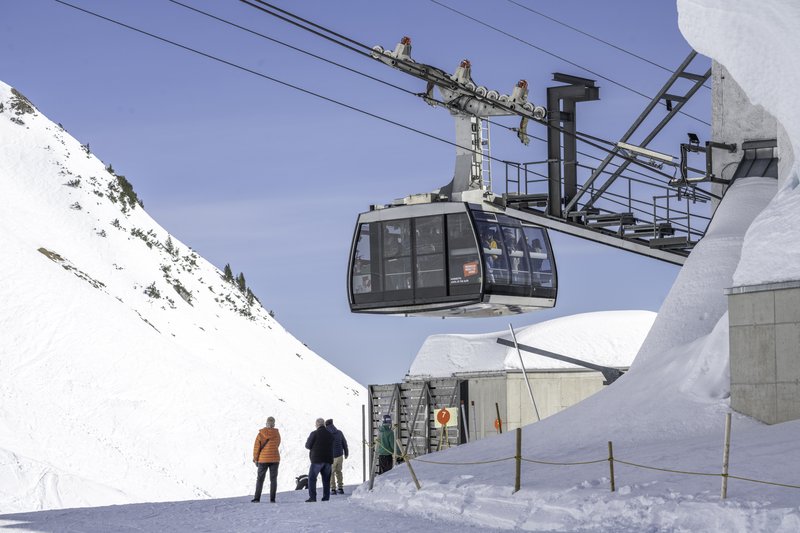
Zaha Hadid-designed stations carry you from the city-centre Congress stop up to the 2,269 m Hafelekar summit in three linked segments — the top opens a 360-degree panorama over the Inn Valley, the Ötztal peaks and the glaciers of the Stubai Alps stretching to the horizon.
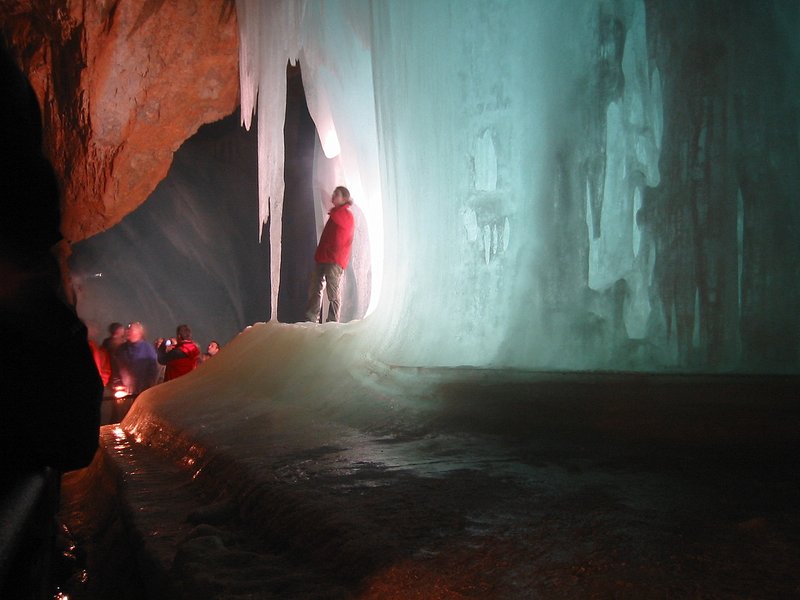
The world's largest accessible system of ice caves — 42 km of passages carved into the Tennengebirge by meltwater, where a guided tour by magnesium lamp leads through vaulted chambers of ice columns, frozen waterfalls and the vast ice cathedral of the Alexander Mörk-Dom.
Season May 1 - November 1. The ticket desk shuts at 3:00pm, the cable car at 3:20pm and the last cave tour leaves at 3:45pm — arrive by early afternoon. The combi ticket is cheaper booked online than at the desk and skips the queue. From Werfen Bahnhof: shuttle bus to the cable car base station, cable car to the Bergstation, then a 20-min walk to the cave entrance. The cave stays below freezing all year — bring a warm layer and grippy shoes.
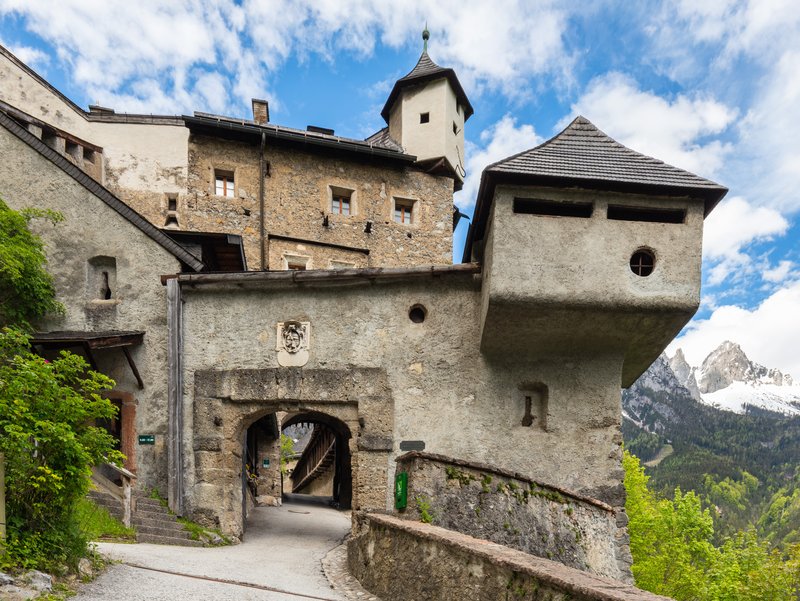
A 900-year-old rock fortress on a wooded cone above the Salzach, ringed by the Tennengebirge — the castle tour climbs through the bell tower and armoury, and the falconers of Europe's oldest working falconry centre fly eagles, vultures and falcons from the lower courtyard against the valley below.
July 20 - August 21 opens to 6:00pm. Birds of prey demonstrations 11:15am and 3:15pm — plus 2:15pm and 4:30pm from July 20 to August 21. Castle interior is by guided tour only, 50 min, included in the ticket. Season April 1 - November 2.
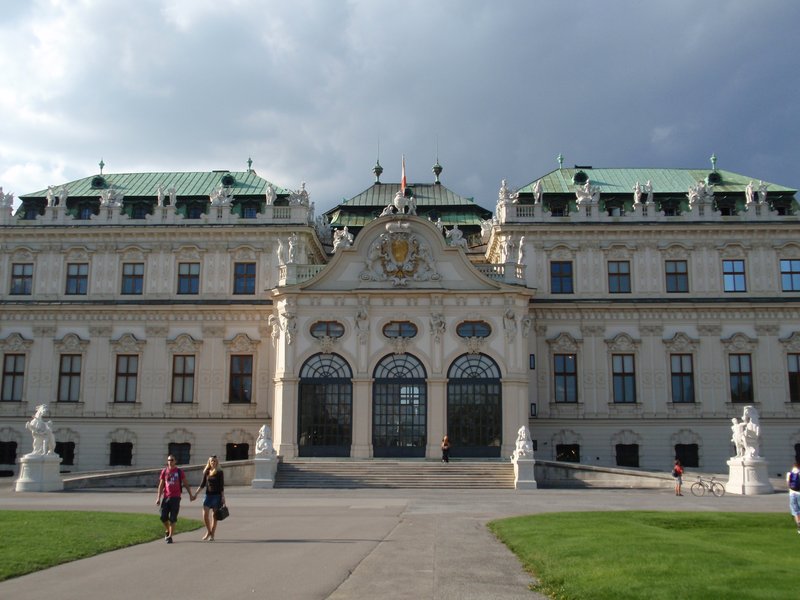
Prince Eugene of Savoy's 1722 baroque summer palace — the permanent collection centres on Gustav Klimt's The Kiss, displayed in its original gold-leaf oil on a gallery wall lit for the painting alone, surrounded by works by Schiele, Kokoschka, Monet and Van Gogh.
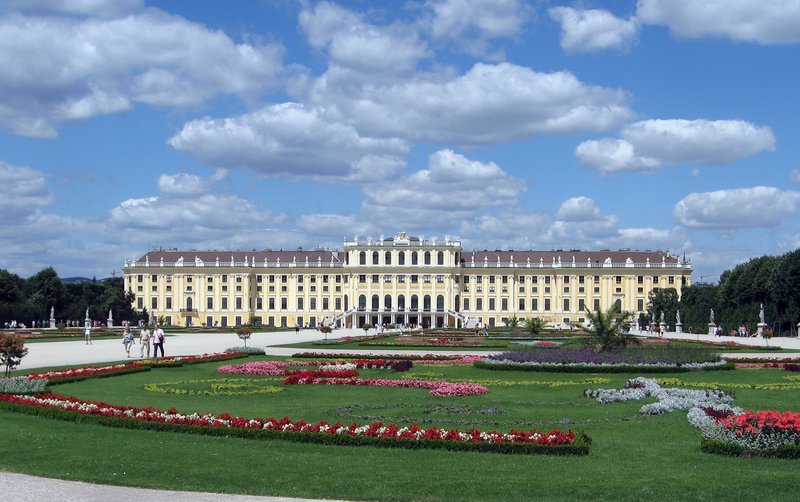
The Habsburg summer residence in imperial yellow — 1,441 rooms with state apartments where Mozart played at age six, Marie Antoinette grew up and Franz Joseph I died; the Grand Parterre gardens climb to a hilltop Gloriette with the best panorama of Vienna.
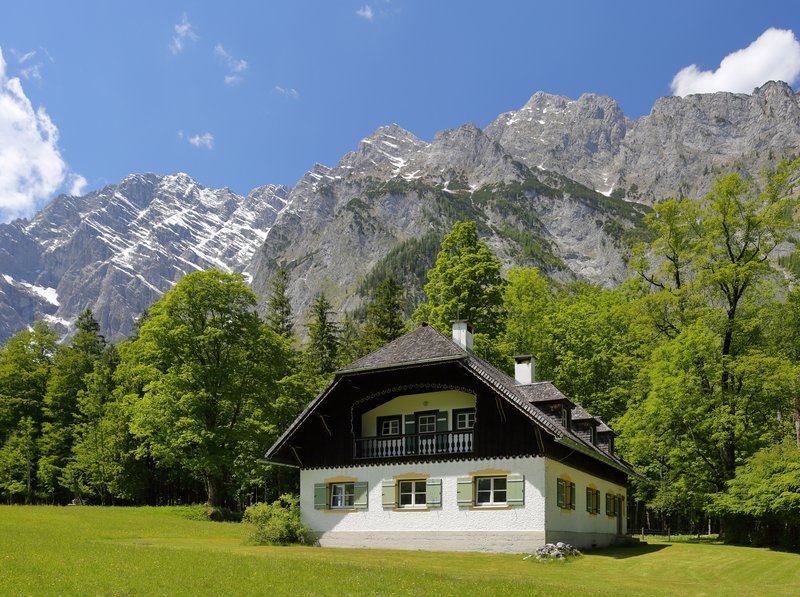
Bavaria's most pristine glacial lake, set entirely within Berchtesgaden National Park — electric-powered boats glide across the emerald water to the onion-domed St. Bartholomä church on the western shore, where the boatman demonstrates the natural echo off the canyon walls with a trumpet call.
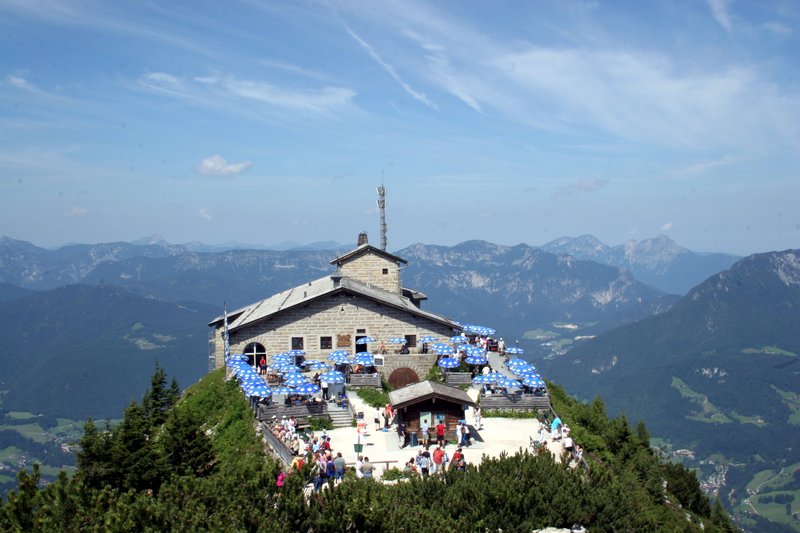
Hitler's Alpine retreat at 1,834 m above Berchtesgaden — reached by the original 1938 mountain road and a 124 m elevator bored into the Kehlstein rock; the summit terrace opens a panorama over the Berchtesgaden Alps into Austria, and the historic rooms now house a restaurant.
Season mid-May to late October. The bus ticket — elevator included — is compulsory; no private car may use the Kehlsteinstraße. Buy online or at the Dokumentation Obersalzberg terminal. Bus RVO 849 departs every 25 min; last return 5:00pm.
The classic half-day tour to the film's settings — Leopoldskron and Hellbrunn, the Nonnberg convent, Mondsee's wedding church and the lakes of the Salzkammergut, with a guided pass through the old town.
A small-group full day by minivan to Hallstatt and the 5 Fingers steel viewing platform cantilevered over the Dachstein glacier — the picture-perfect lakeside village and a short hike to a panoramic viewpoint. Maximum 8 per van.
A small-group full day to Hallstatt including the world's oldest salt mine — prehistoric mine tunnels, the miner's slide and the Dachstein alpine scenery — maximum 8 passengers.
A small-group minivan tour to the real Von Trapp story locations — the family villa, Leopoldskron Lake and the filming sites — with a guide who separates the true family history from the Hollywood legend. Maximum 7 passengers.
A small-group coach tour from Salzburg across the German border to the Eagle's Nest — Hitler's mountain retreat atop the Kehlstein at 1,834 m — with the Obersalzberg Documentation Centre, Berchtesgaden village and panoramic Alpine views.
A shared coach trip to the Eagle's Nest above Berchtesgaden — the panoramic terrace at 1,834 m reached by the original elevator carved into the mountain, with views across the Bavarian Alps, departing Mirabellplatz at 8:45am.
A 5.5-hour coach half-day to the world's most photographed lakeside village — Hallstatt — with 2.5 hours of free time to explore the salt-miners' old town, the lake promenade and the church of Hallstatt on your own.
A full-day combo ticket covering both of Salzburg's most popular day trips in one circuit — the alpine village of Hallstatt and the mountaintop Eagle's Nest above Berchtesgaden — with entrance tickets included.
A small-group day south of Salzburg to the Werfen Ice Caves — the world's largest accessible ice cave system — and the medieval Hohenwerfen fortress on the cliff above the Salzach valley.
A 2-hour licensed-guide walk through the Old Town — Mirabell Palace gardens, Getreidegasse, Mozart's Birthplace, Salzburg Cathedral, and Residenzplatz — ending at Kapitelplatz with views of the fortress.
A 5.5-hour coach half-day to Hallstatt departing from Mirabellplatz — 2.5 hours of free time in the lakeside village, with the option to enter the salt works or simply walk the lake promenade and the old town.
A 4-hour small-group minibus tour by Bob's Special Tours to the real Von Trapp filming locations — the family villa, Leopoldskron Lake and the convent — maximum 8 passengers.
A small-group full day to Hallstatt including the prehistoric salt mine — the mine tunnels, the miner's slide, and the alpine scenery — maximum 8 passengers in an air-conditioned minivan.
A full-day small-group minivan to Hallstatt and the 5 Fingers steel platform above the Dachstein glacier — the village, the lake and the vertiginous mountain viewpoint — maximum 8 passengers.
A two-hour guided walk through Salzburg's UNESCO-listed Altstadt — Mozart's birthplace, the Getreidegasse, the cathedral square, St Peter's cemetery and the old market — with a small-group local guide.
A hand-rolled sphere of pistachio marzipan and nougat dipped in dark chocolate, invented by Paul Fürst in 1890 and still made by hand to the original recipe.
Salzburg's own street-food sausage — bratwurst in a griddled white roll with onions, parsley and a curry-spiced mustard, born at the Balkan Grill on Getreidegasse.
Upper Austria's third city — the Lentos Museum of modern art on the Danube, the vast Ars Electronica Center on digital culture, and the old city around Hauptplatz. Fast Railjet trains run direct on the Westbahn corridor.
Emperor Franz Joseph's summer retreat on the Traun river — the Kaiservilla where he hunted for 60 summers, the Imperial Salt Spa and the lakeside market town that anchors the Salzkammergut; change at Attnang-Puchheim.
Tyrolean market town on the Inn River dominated by a medieval hilltop fortress — the Heldenorgel is the world's largest outdoor pipe organ, 4,948 pipes bored into the Bürgerturm, playing a daily noon concert; also a military history museum, cobblestone old town, and alpine views into Bavaria.
Storybook lakeside village of pastel houses below alpine cliffs; the train runs to a pier where a short ferry crosses the Hallstättersee to the old town, changing at Attnang-Puchheim.
Salzburg rewards looking up. The fortress watches the whole city, the Mönchsberg and Untersberg ring it in green and grey, and from the Mirabell parterre the castle lines up perfectly above the flowerbeds.
The city itself is small and the hotel sits on the Neustadt side of the river, so Days 1, 3 and 5 are walkable and the Altstadt is fifteen minutes away on foot over the Staatsbrücke. Everything south and east — Hellbrunn, the Untersberg, the salt mine, the ice caves — is a car ride, and the days are built that way.
Time each day around the light. The Altstadt is at its best before ten, when the day-trip coaches have not yet emptied onto Getreidegasse; the south — Hellbrunn's water gardens and the Untersberg summit — holds the long afternoon. Carry cash for St. Peter's catacombs, expect to be soaked at the trick fountains, and book Eisriesenwelt and the Kehlstein bus online the night before: both sell out in August and both stop selling long before they close.