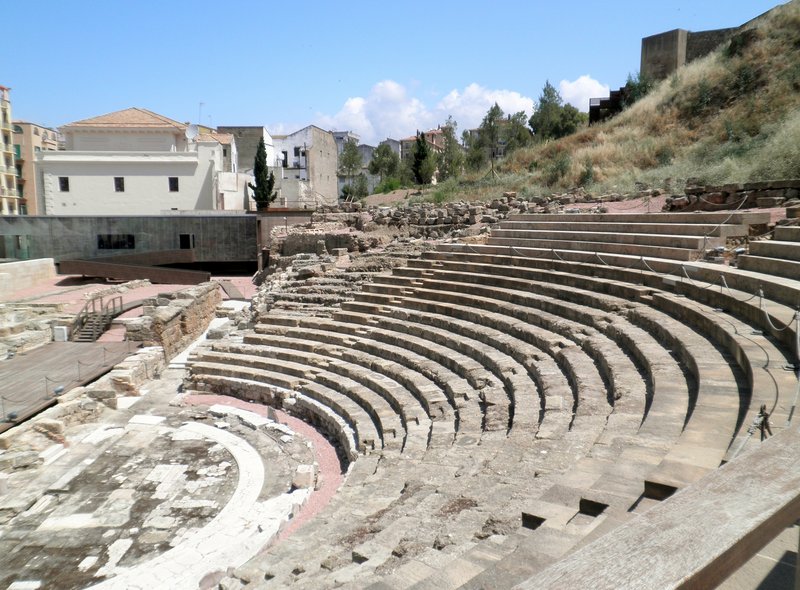
A 1st-century BC theatre built under Augustus, buried for centuries and rediscovered during mid-20th-century roadworks. The cavea, orchestra pit, and stage backdrop survive in remarkable condition at the foot of the Alcazaba.
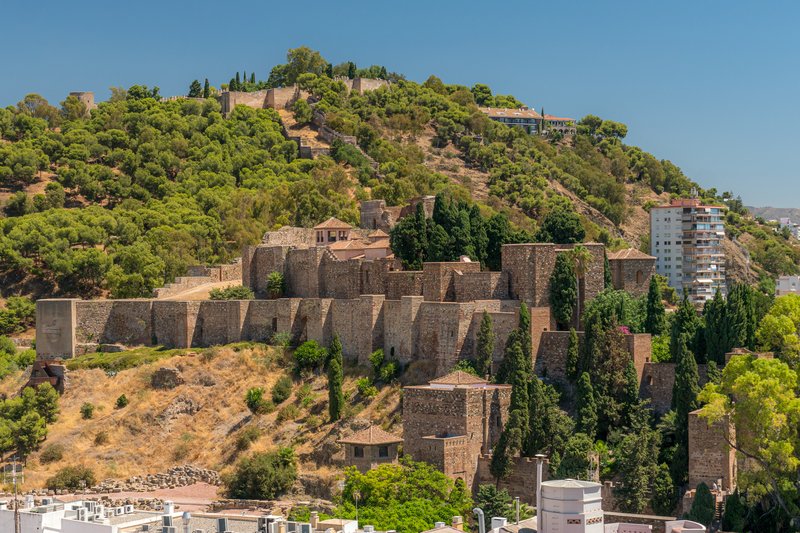
An 11th-century Moorish fortress-palace with layered defensive walls, horseshoe arches, tranquil courtyards with flowing water, and sweeping views over the port and city from its ramparts.
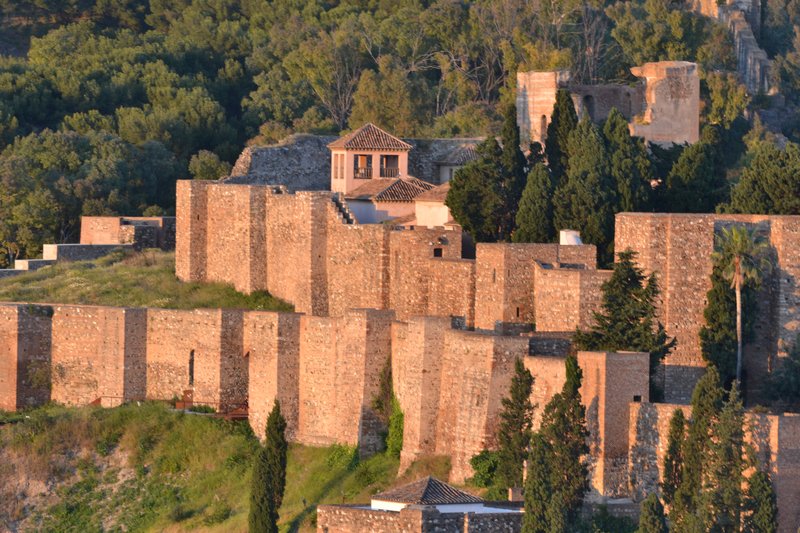
A 14th-century hilltop castle built by the Nasrid dynasty to protect the Alcazaba below. The walkable ramparts offer the best panoramic views in Málaga — the port, the bullring, the cathedral, and the coastline stretching toward Africa.
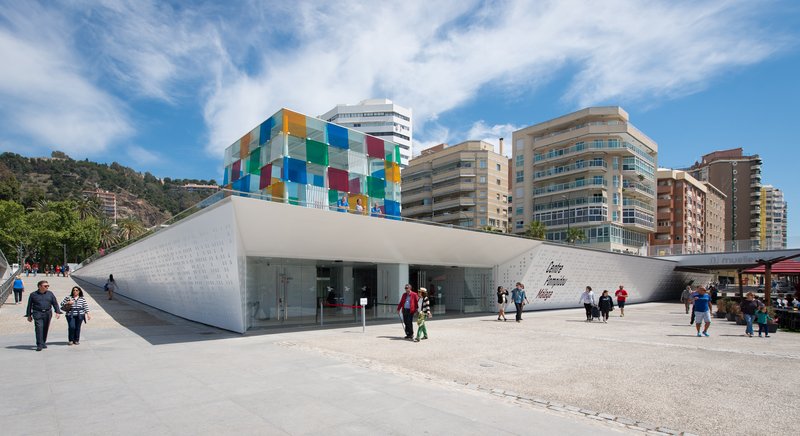
The only Centre Pompidou outside France, housed beneath a striking multicolored glass cube on the port. The rotating collection draws from over 100 works by Picasso, Frida Kahlo, Francis Bacon, and Magritte.
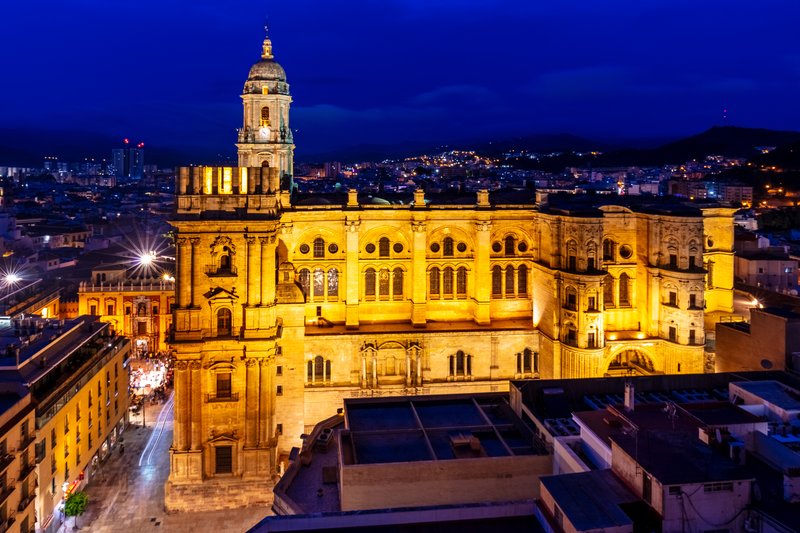
Known as La Manquita — the one-armed lady — for its unfinished south tower. This Renaissance cathedral took over 200 years to build and blends Gothic, Renaissance, and Baroque styles under soaring 40-meter vaults.
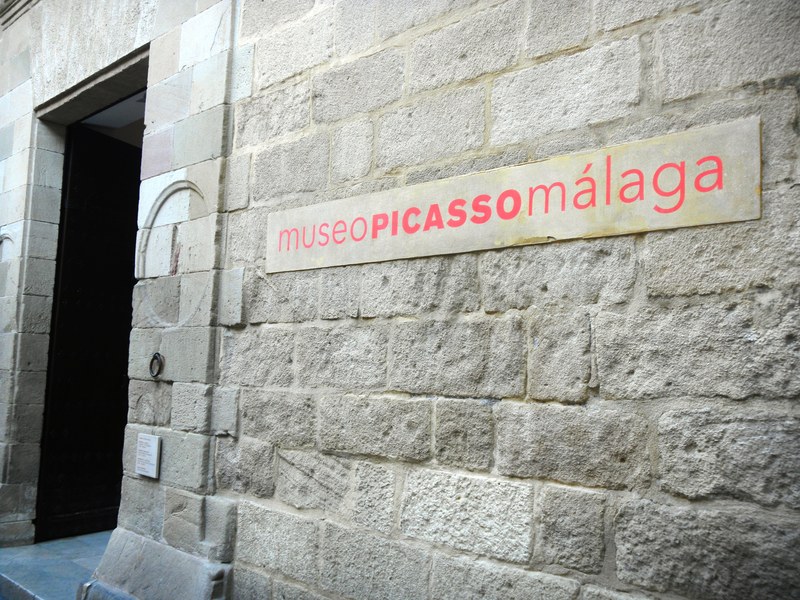
Housed in the 16th-century Palacio de Buenavista, this museum holds over 200 works spanning Picasso's career — from early academic sketches to late Cubist ceramics — in the city where he was born.
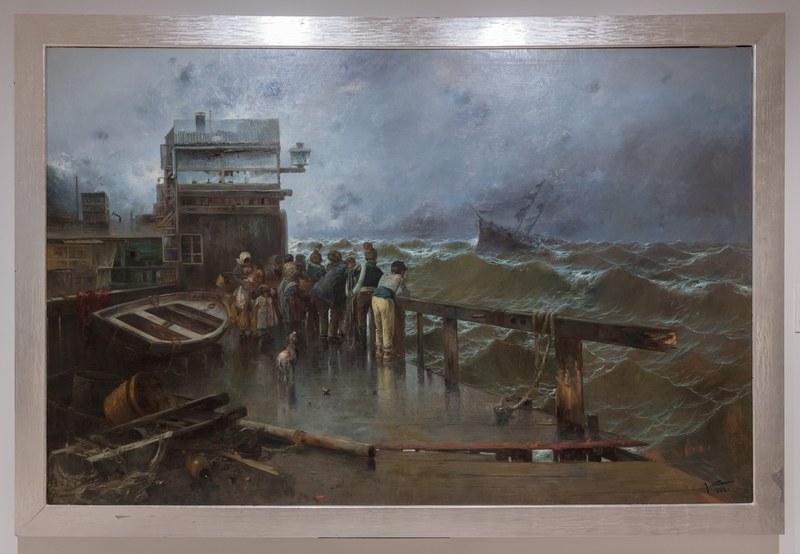
Spain's most comprehensive collection of 19th-century Andalusian painting, displayed inside the restored Palacio de Villalón — a 16th-century palace with Roman mosaic floors discovered during renovation.
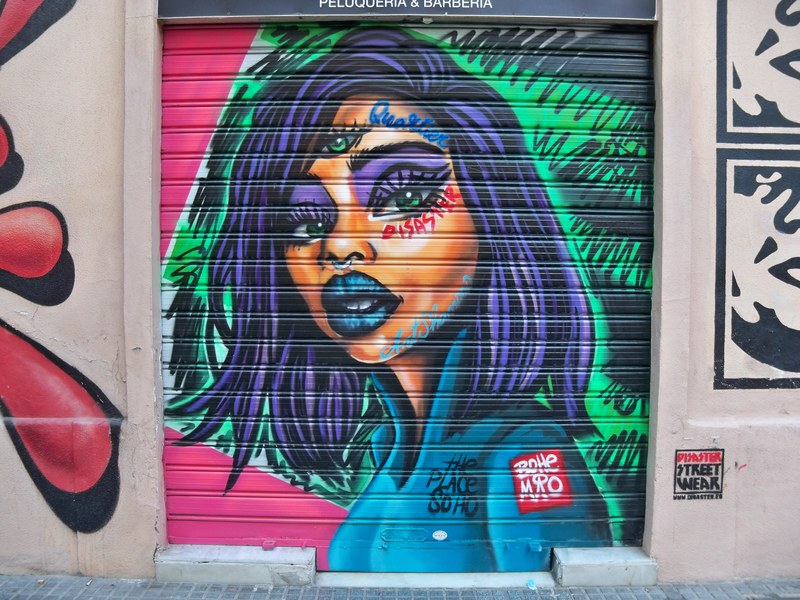
A former industrial neighborhood transformed into Málaga's open-air gallery, with building-scale murals by Shepard Fairey, D*Face, and ROA. The street art project covers over 30 facades across the neighborhood.
From Hotel: 22 min → La Concepción Botanical Garden
1.La Concepción Botanical Garden~1 hr 30 min
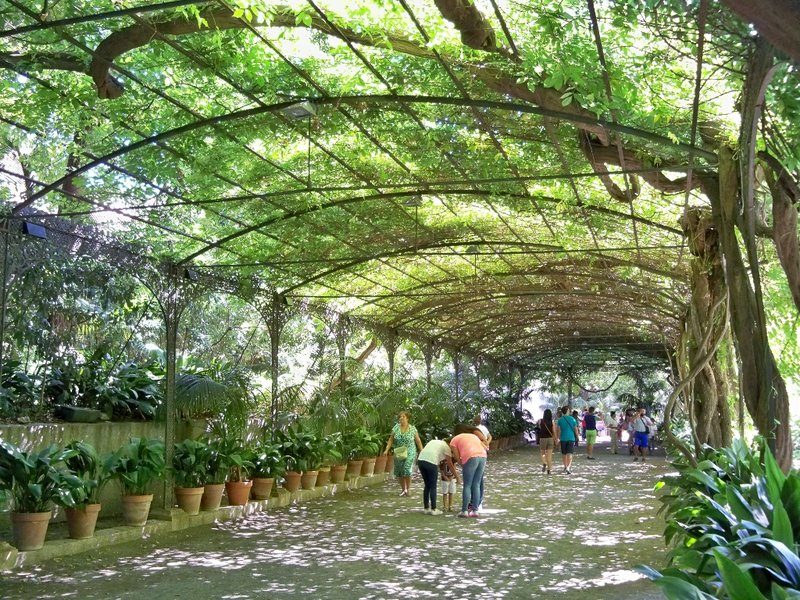
A 19th-century subtropical paradise in the hills north of the city, with over 2,000 plant species including towering palms, centuries-old wisteria, bamboo groves, and a romantic English-landscape design created by a marquis and his wife.
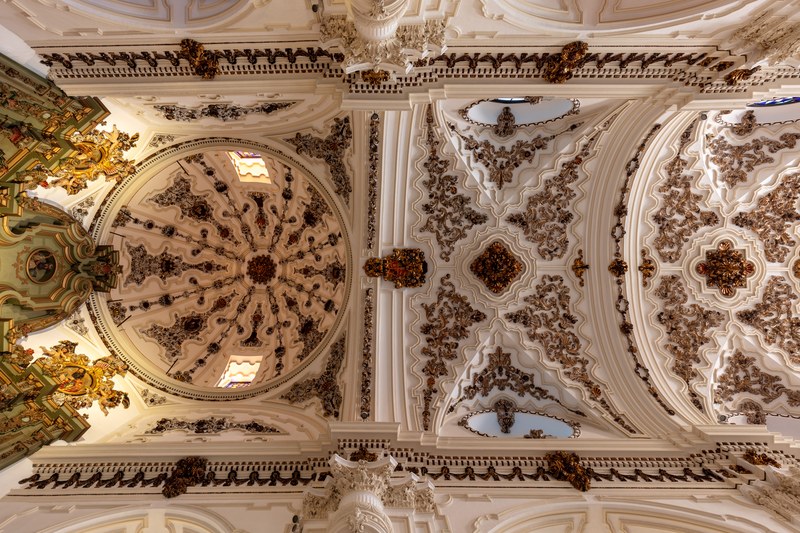
Málaga's patron saint basilica, built on the site where the Catholic Monarchs camped during the siege. The interior houses a lavishly decorated Camarín and a crypt with painted ceiling depicting death and the afterlife.
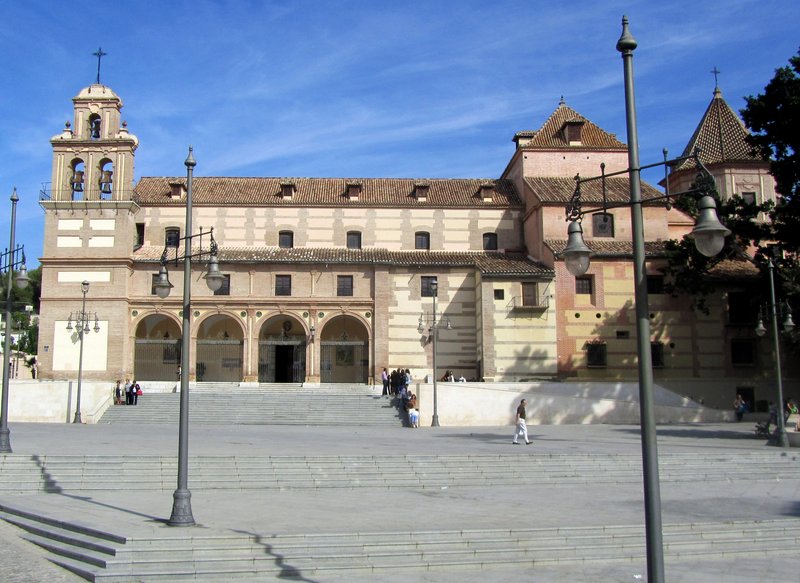
The oldest church in Málaga, built in the years immediately after the Christian reconquest. Its Mudéjar bell tower is one of three surviving in the city, and the baptismal font inside is where Pablo Picasso was christened.
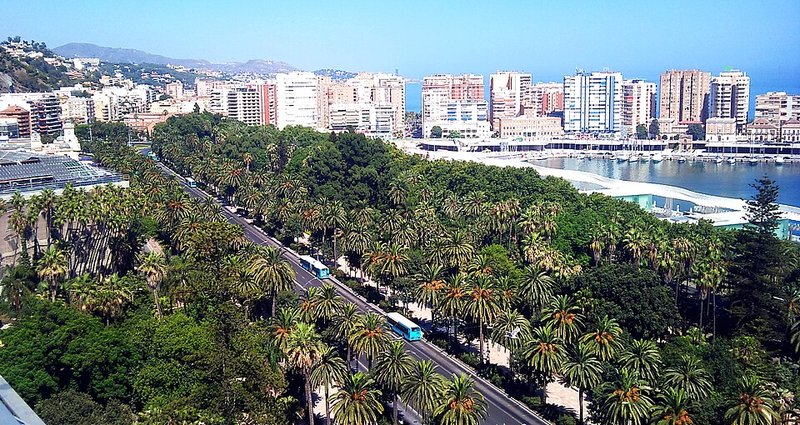
A lush subtropical garden along the seafront promenade, laid out in 1897 over what was once beach. Over 300 exotic species — fig trees, araucarias, dragon trees, and towering palms — shade shaded benches and fountains beside the Paseo del Parque.
10 min · 4 min → Muelle Uno & Palmeral de las Sorpresas
2.Muelle Uno & Palmeral de las Sorpresas~45 min
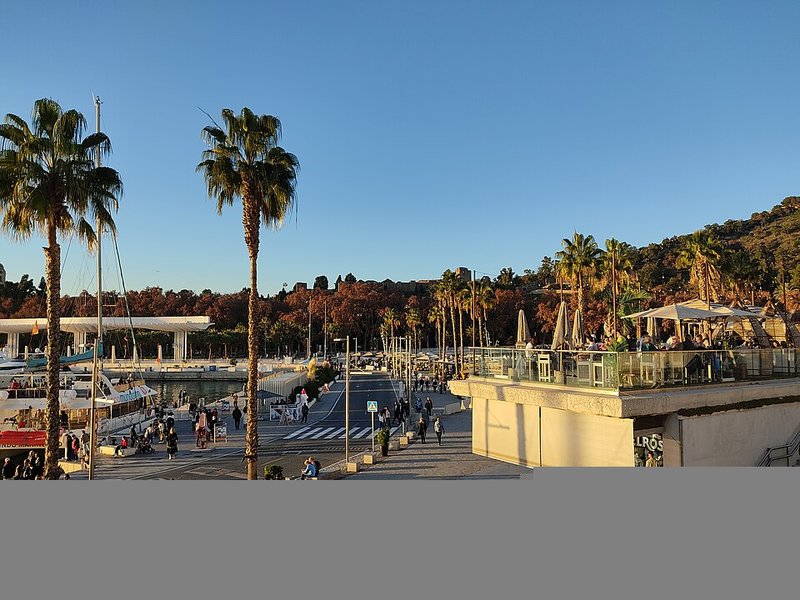
A striking waterfront promenade on the revitalized port where 156 giant stainless-steel palm trees create a surreal canopy over boutiques, cafés, and a broad boardwalk. A calm counterpoint to the historic centre just steps away.
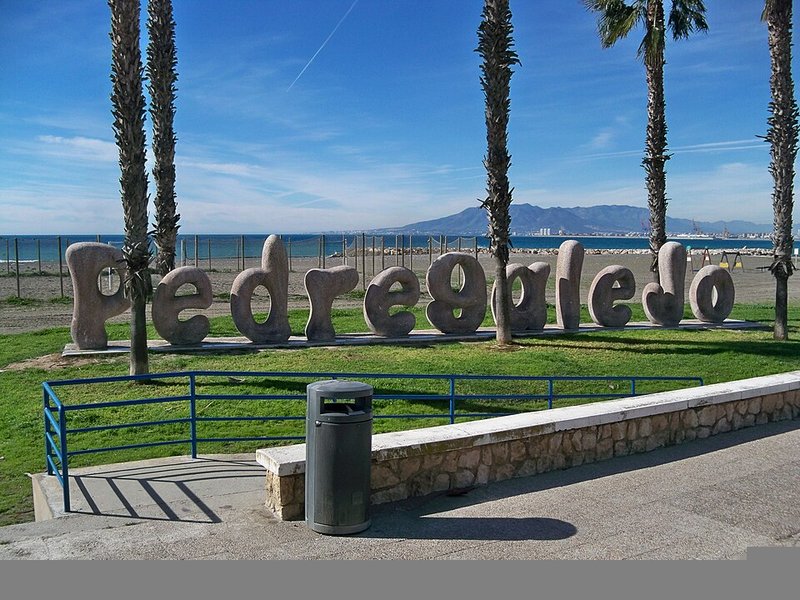
Málaga's city beach: a 1.2-kilometre Blue Flag stretch of dark sand and calm water within walking distance of the historic centre. The promenade is lined with chiringuitos serving espetos — sardines skewered on cane and grilled over open fires.
A former fishing village turned relaxed neighbourhood east of the city, known for its string of small beaches and the finest espeto restaurants in Málaga. The beachside chiringuito strip runs for nearly a kilometre of fresh seafood, cold beer, and local families.
Marbella's medieval old town, with whitewashed lanes draped in bougainvillea converging on the Plaza de los Naranjos — a 15th-century orange-tree square surrounded by outdoor restaurants. Utterly at odds with the resort Marbella outside its walls.
A seven-kilometre seafront promenade lined with tropical gardens, sculptures, and beach chiringuitos. One of the most beautiful coastal walks on the Costa del Sol — follow it west from the old town toward the Avenida del Mar for its famous Dalí sculptures.
The Costa del Sol's most glamorous marina: rows of superyachts alongside Versace, Gucci, and Ferrari dealerships, with a broad esplanade of terrace restaurants and bars. Come for a drink, a stroll, and the spectacle — the yachts are free to admire.
Evening tour through the Old Town to the best sunset viewpoint · then winding through illuminated streets past the Cathedral · Roman Theatre · and Alcazaba.
Off-the-beaten-path tour with a local guide showing the city's authentic character — hidden courtyards · street art · and neighborhoods tourists never find.
Comprehensive tour of Old Málaga covering the Cathedral · Roman Theatre · Alcazaba · Picasso's birthplace · and the vibrant Atarazanas Market neighborhood.
Comprehensive city tour from the port to the hilltop castle path · covering all major landmarks with cultural and historical context from an expert local guide.
Guided heritage tour through Roman · Moorish · and Renaissance Málaga with stops at the Theatre · Alcazaba entrance · Cathedral · and the Picasso quarter.
A cold soup made from raw almonds · garlic · bread · olive oil · and vinegar — a Moorish-era recipe predating gazpacho. Served with grapes or melon in summer.
Foreign number: not required. — it signs in with Google, Facebook or email, and a phone sign-up takes any prefix with the code by SMS or WhatsApp.
The dominant delivery platform in Málaga, covering restaurants, supermarkets and pharmacies across the centre; reliable choice for anything from tapas to groceries.
Foreign number: accepted — it uses the same Uber account and number as the ride app.
Good selection of restaurants in the historic centre and La Malagueta; delivery windows in the city centre typically run 25–40 min and the app is straightforward for a first-time user.
Foreign number: not required. — the account is made with Google, Facebook or an email address — there is no phone field, so no code has to arrive.
Spain's longest-established delivery platform with a strong roster of independent local restaurants; useful for neighbourhood spots that are not on Glovo or Uber Eats.
Foreign number: accepted — international numbers receive the SMS verification code without any additional steps.
The easiest option in Málaga for visitors; good coverage across the centre and the beach district, with consistent wait times and in-app payment that needs no cash or local card.
Foreign number: not accepted — requires a Spanish or European number to register.
Premium alternative to Uber with newer vehicles and professional drivers; registration requires a Spanish or European number, so it is not available to visitors without a local SIM.
UNESCO-listed dolmens among Europe's oldest monumental structures. The town offers a Renaissance old town · the Alcazaba fortress · El Torcal's surreal limestone karst formations.
A relaxed Costa del Sol beach town by Cercanías rail — the Sohail Castle · the long promenade · the old fishermen's quarter for a slower-paced half-day alternative.
The Mezquita-Catedral — 856 double-arched columns in an endless forest of red-and-white striped stone. The Jewish Quarter and Alcázar de los Reyes Cristianos are within distance.
The Alhambra palace complex — Nasrid Palaces · Generalife gardens · the Alcazaba fortress — set against the Sierra Nevada. The Albaicín quarter offers whitewashed streets and Mirador de San Nicolás views.
Spain's largest cathedral · the Real Alcázar palace complex · the sweeping Plaza de España — Seville's monumental center and vibrant Triana quarter across the river.
A dramatic clifftop town split by the El Tajo gorge · spanned by the Puente Nuevo. One of Spain's most scenic rail approaches through the Serranía de Ronda mountains.
There's a quiet thread that runs through this trip. On Day 2 you'll stand in the Palacio de Buenavista looking at Picasso's earliest works — sketches he made as a child in this city. On Day 3 you'll walk into Iglesia de Santiago and find the exact baptismal font where he was christened Pablo Diego José Francisco de Paula Juan Nepomuceno María de los Remedios Cipriano de la Santísima Trinidad Ruiz y Picasso, shortly after his birth. The museum and the church are five minutes apart. One holds the art; the other holds the beginning.
The Alcazaba's double-walled design — where you walk between two parallel fortified walls before ever reaching the interior — was a defensive innovation that the Moors brought from Damascus. When Ferdinand and Isabella finally took Málaga after one of the longest sieges of the Reconquista, it wasn't the walls they broke through. They starved the city for three months. The Basílica de la Victoria on Day 3 was built on the exact camp where Ferdinand pitched his tent during that siege — the same spot where he made a vow to the Virgin if the city fell.