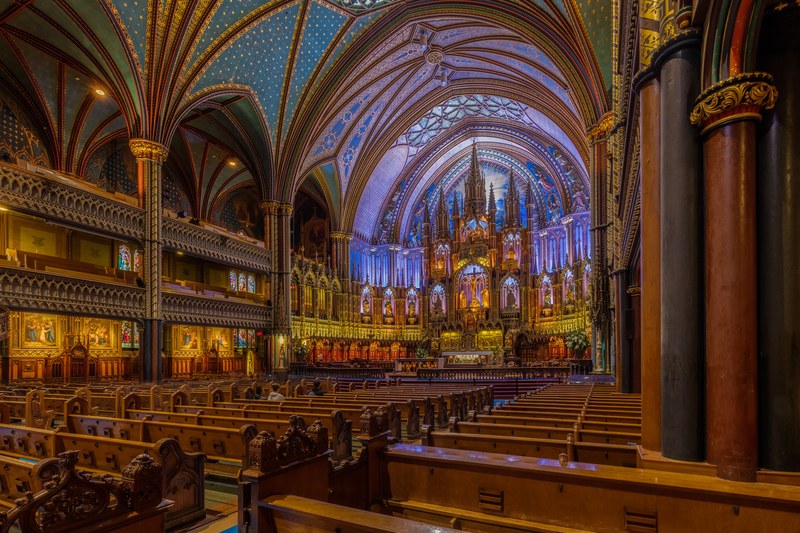
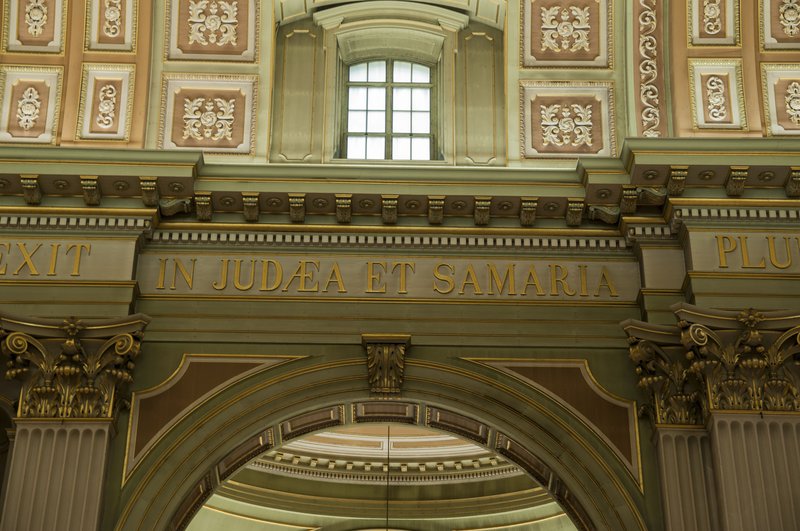
Gothic Revival masterpiece built by architect James O'Donnell. The interior — hand-carved wood, gilded altarpiece, and deep blue polychrome vaulting — is among the most celebrated in North America. The AURA evening light show illuminates the main altar.
Montreal's archaeology and history museum, built directly over the city's founding point. Glass floors reveal 18th-century sewers, cemetery foundations, and the original confluence of the St. Lawrence and the Little St. Pierre rivers — the only place in North America where layers of settlement are visible this way.
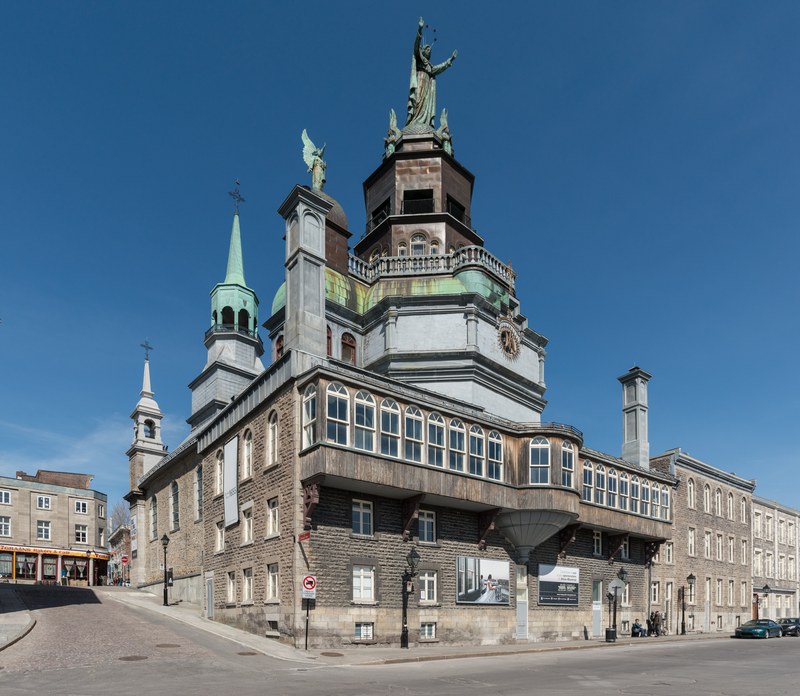
One of Montreal's oldest churches, the stone "Sailors' Chapel" just north of the old market, hung with model ships left by mariners giving thanks for safe passage. The Marguerite Bourgeoys Museum adjoins it, and the spire climb opens a sweeping view over the Old Port and the river.
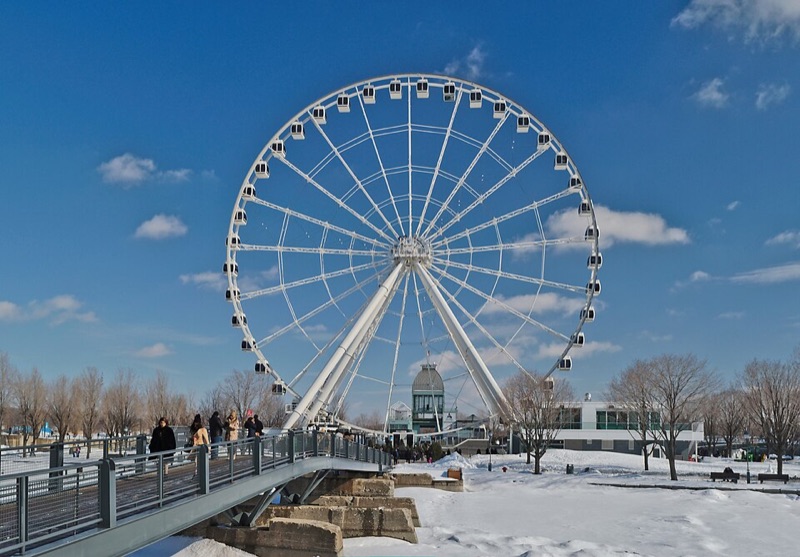
Canada's largest observation wheel at 60 metres, located on the Old Port waterfront. 42 climate-controlled glass cabins, each rotation lasting 18 to 20 minutes. Views sweep across Old Montreal, the St. Lawrence River, Mount Royal, and the downtown skyline — particularly striking at dusk.
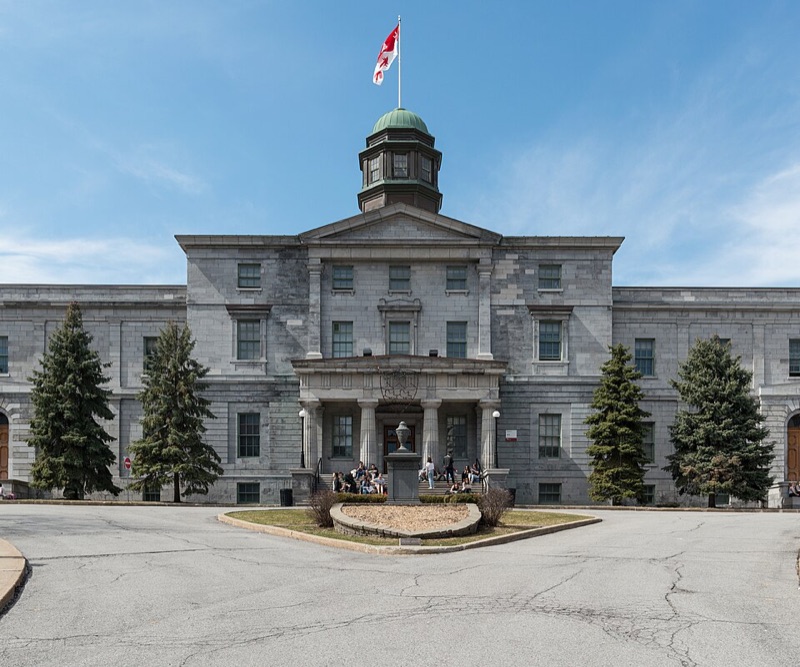
Founded on the McGill farm, the campus occupies a wide greensward at the foot of Mount Royal. The Roddick Gates on rue Sherbrooke frame a view up the central walk to the neoclassical Arts Building, with the mountain rising directly behind. Set within the Golden Square Mile historic district.
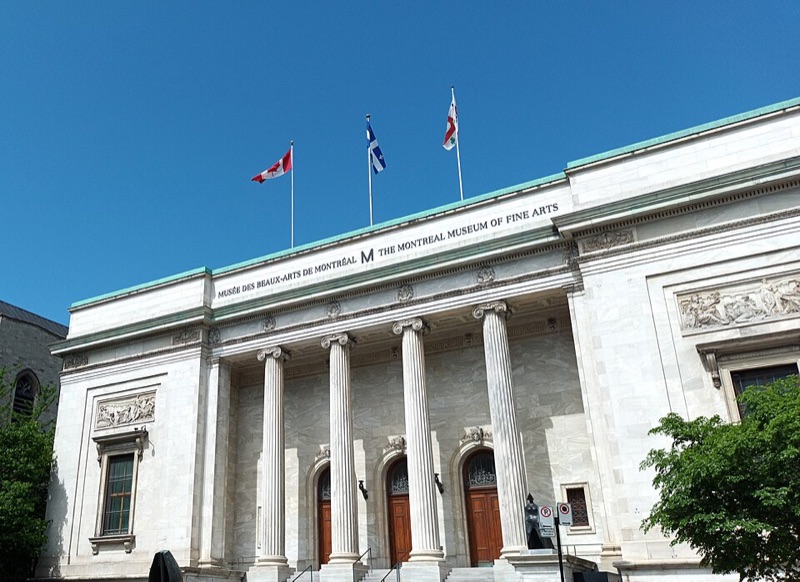
Canada's most-visited art museum — 44,000 works across five interconnected pavilions spanning both sides of rue Sherbrooke Ouest. Collections cover Quebec contemporary art, European Impressionism, African art, and Inuit carvings. Permanent collections free; temporary exhibitions ticketed.
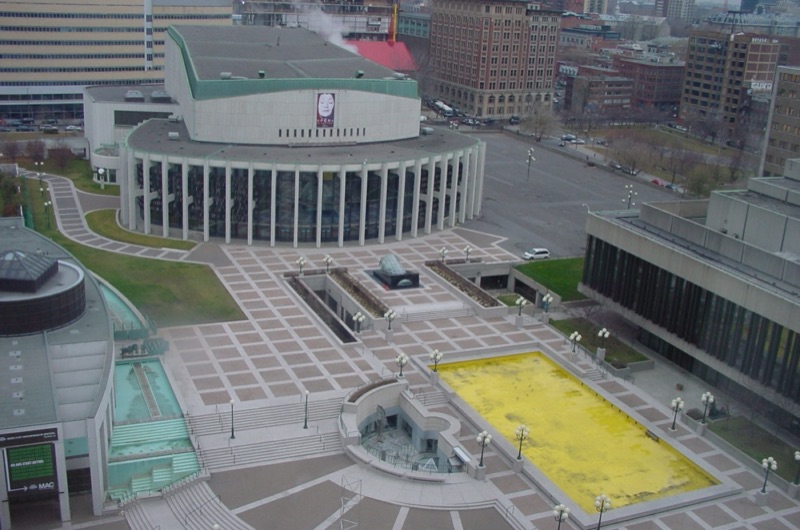
Montreal's largest performing arts complex — 6 concert halls anchoring the Quartier des Spectacles. The outdoor esplanade becomes the main stage of the Festival International de Jazz de Montréal in late June through early July, with dozens of free outdoor performances drawing millions of attendees.
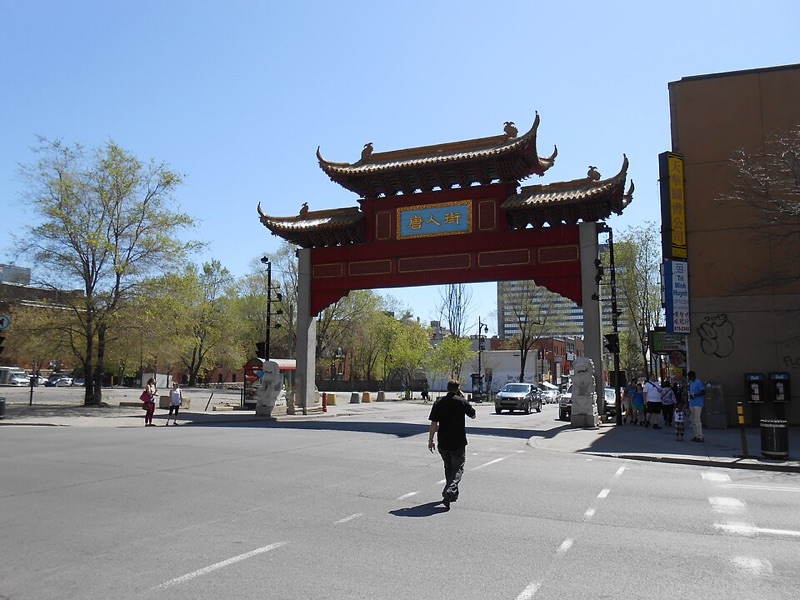
One of the oldest Chinatowns in North America, established by railroad workers in the 19th century. Ceremonial gates on rue de la Gauchetière mark the pedestrian zone of dim sum restaurants, herbal shops, bubble tea cafés, and Asian grocery stalls. The main street is pedestrianized.
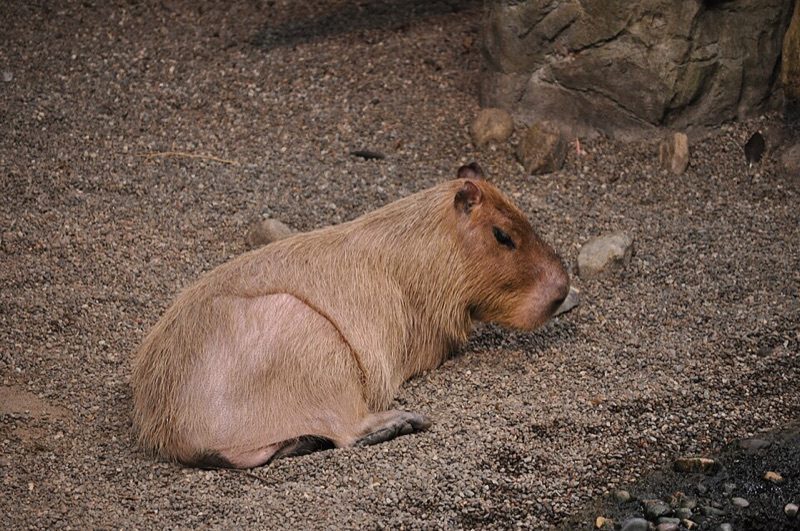
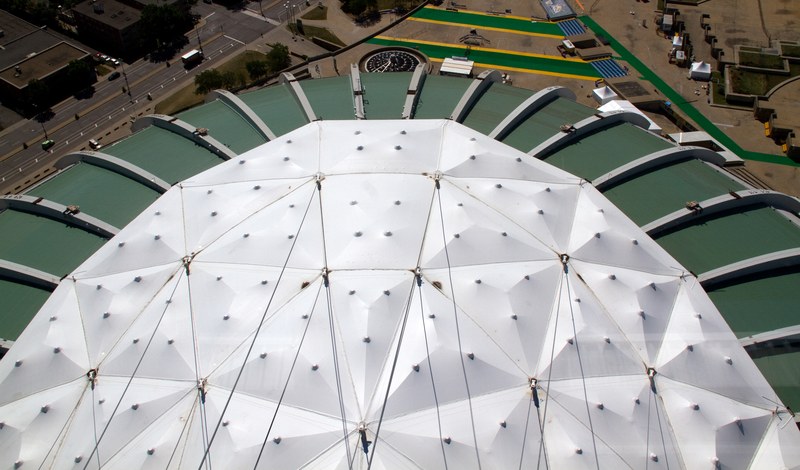
Converted from the Olympic cycling velodrome, the Biodôme replicates five complete ecosystems under a single roof: Tropical Rainforest, Laurentian Maple Forest, Gulf of St. Lawrence, Labrador Coast, and Sub-Antarctic Islands — 4,500 animals and 750 plant species across 6,500 square metres.
The world's tallest inclined tower at 175 metres, angled at 45 degrees. An exterior funicular climbs the tower's inclined spine to an open observatory platform. On clear days views extend 80 km, covering the entire island, the St. Lawrence, and the Laurentian Mountains to the north.
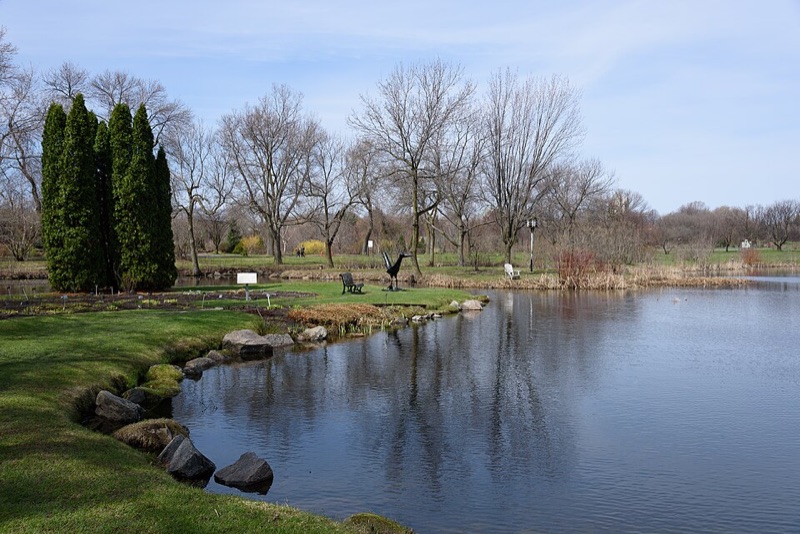
The third-largest botanical garden in the world — 22,000 plant species across 75 hectares and 10 exhibition greenhouses. The Chinese Garden is the largest authentic Ming-dynasty garden outside China; the Japanese Garden with its traditional pavilion and tea garden is equally exceptional.
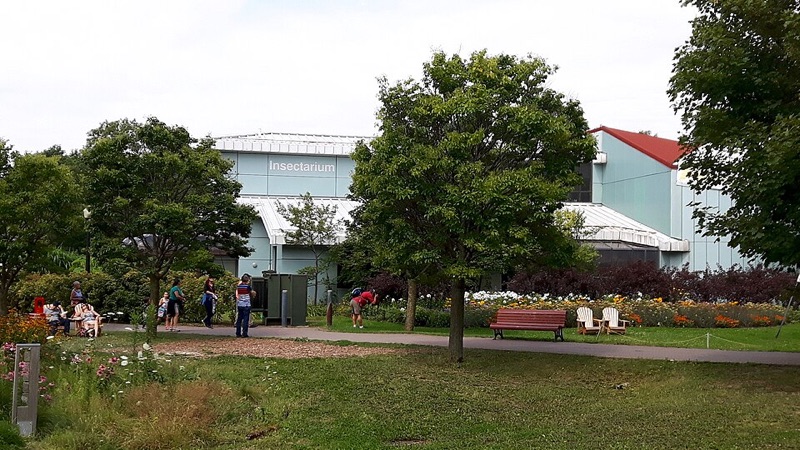
The largest insect museum in North America — 160,000 specimens and 250 live species. A recent renovation introduced immersive experiences: an underground burrowing simulation, a tropical butterfly greenhouse, and a room where visitors handle live insects.
Designed by Frederick Law Olmsted — the landscape architect behind Central Park. The 190-metre summit lookout delivers a full panorama of Montreal, the St. Lawrence, and on clear days the Adirondacks. The Tam-Tams drumming circle gathers at the George-Étienne Cartier monument every Sunday afternoon in summer.
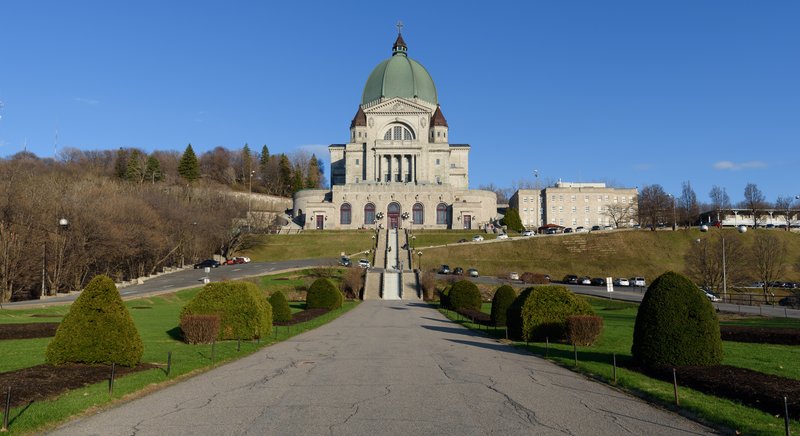
The largest church in Canada by volume, capping the north slope of Mount Royal. Built around Brother André's original chapel, the copper-domed basilica was enlarged six times. Brother André, now canonized, is buried here; his reliquary draws two million pilgrims annually. The Crypt Museum traces the full history.
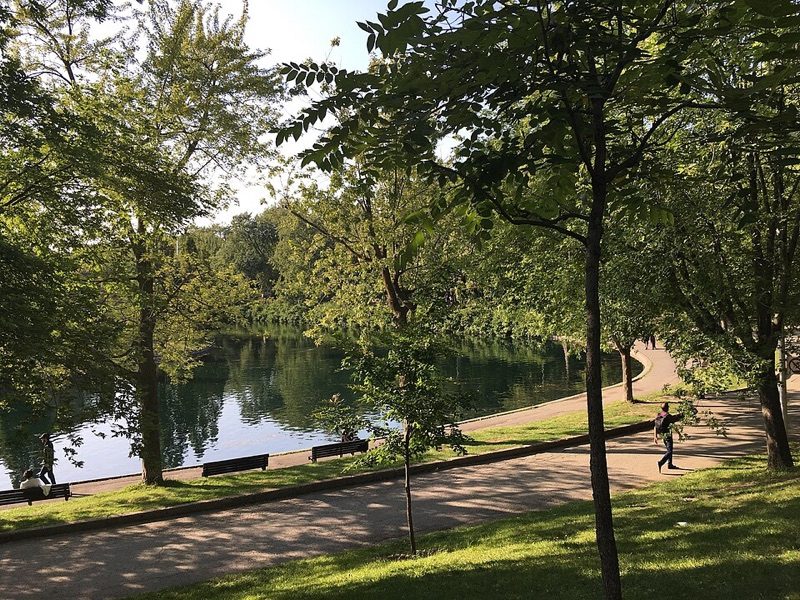
Montreal's best-loved neighborhood park — 36 hectares in the Plateau Mont-Royal with two lakes, summer pedal boats, and the Théâtre de Verdure open-air theater hosting free concerts from June through August. Sunday afternoons gather impromptu crowds with food vendors and picnics.
25 min · 10 min → Church of the Madonna della Difesa
4.Church of the Madonna della Difesa~30 min
The spiritual heart of Little Italy, raised by immigrants from Molise and decorated by Guido Nincheri, the "Michelangelo of Montreal." A Romanesque cupola crowns the Greek-cross nave, and a famous fresco of an equestrian Mussolini — painted before the war — looks down from behind the altar.
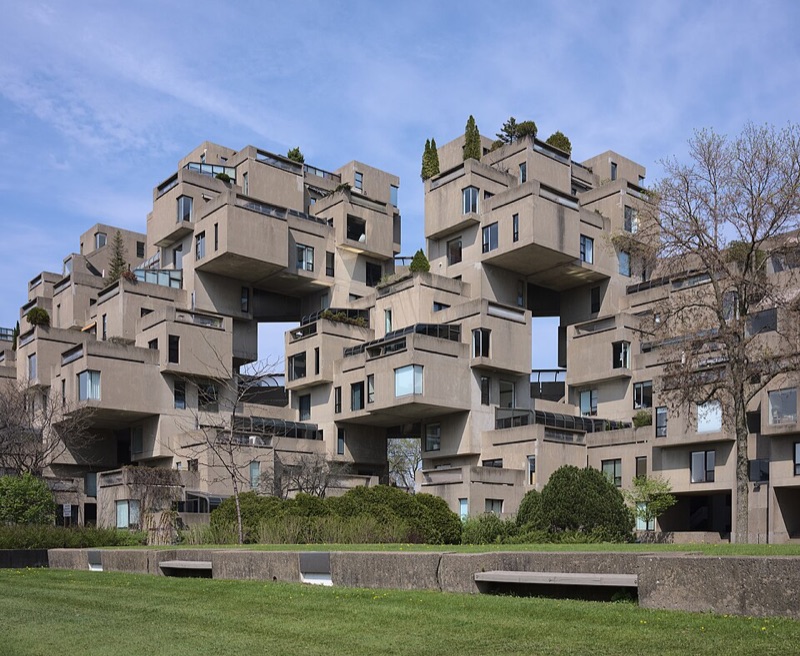
Moshe Safdie's 1967 Expo housing project — 354 prefabricated concrete modules stacked to create 158 individual homes, each with a private terrace. Built to prove that high-density urban living need not sacrifice privacy or outdoor space, it remains one of the most-visited architectural landmarks in Canada.
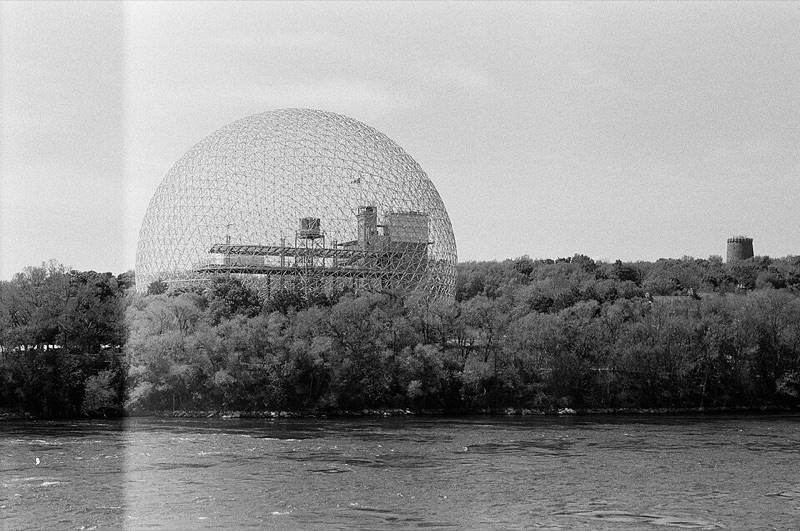
Buckminster Fuller's geodesic dome from the US Pavilion at Expo 67, now Environment Canada's environmental museum on Île Sainte-Hélène. The 62-meter steel structure is visible from across the river; exhibits explore climate change, water systems, and ecosystems.
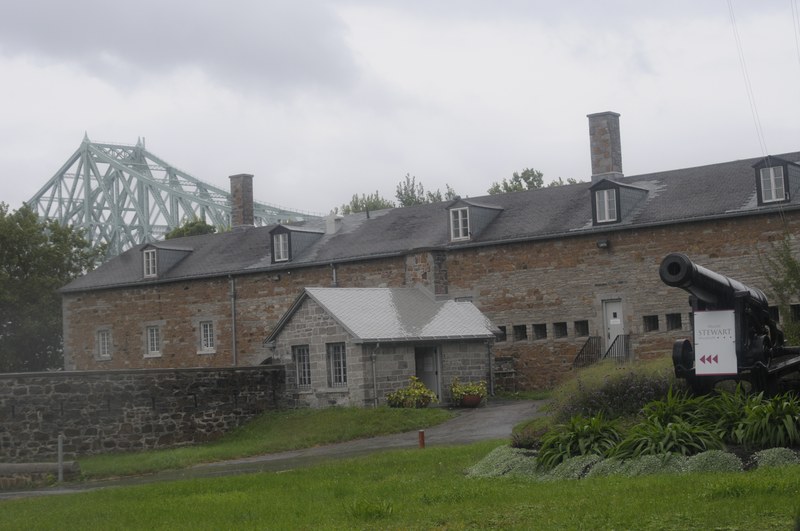
An 1825 British Imperial fort, arsenal, and powder magazine built to guard the approach to Montreal. The museum once housed inside it has permanently closed, its collection of New France and colonial artefacts now moved to the McCord Stewart Museum downtown — but the stone courtyard and ramparts remain open to walk through as part of Parc Jean-Drapeau.
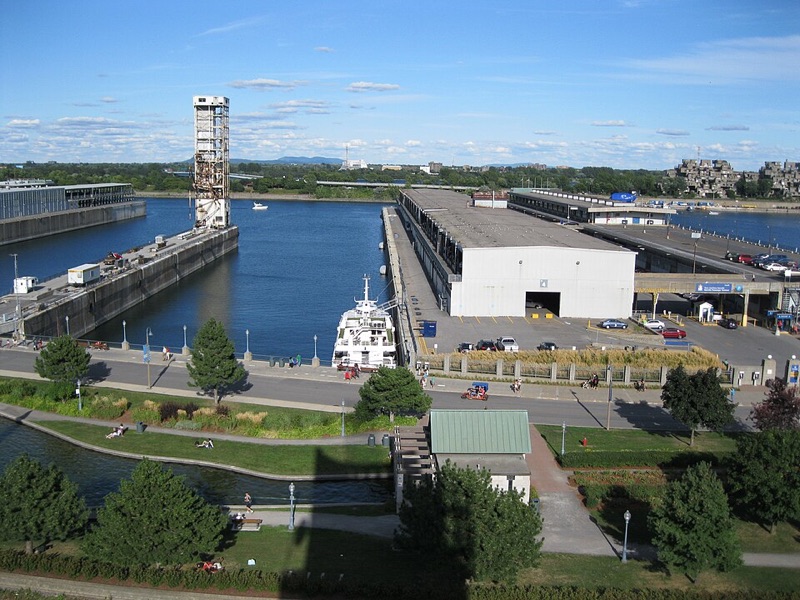
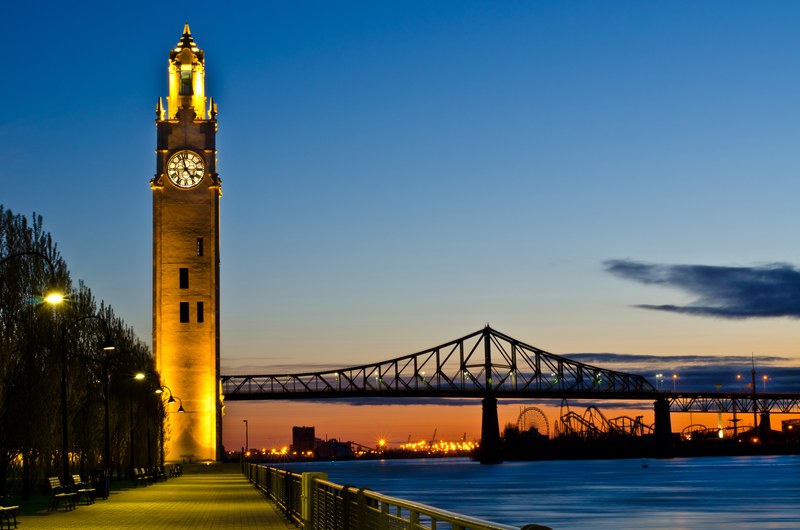
An 1922 Art Deco clock tower at Quai de l'Horloge, built as a memorial to merchant mariners who died in WWI. The 45-meter tower has 192 steps to a free observation deck with views of the St. Lawrence River, the Jacques Cartier Bridge, and the Old Montreal skyline.
Built in 1705 as the residence of Montreal's governor, one of Old Montreal's oldest surviving stone buildings. The 25,000-piece collection covers colonial Montreal — furniture, portraits, and everyday objects from the New France era through the American occupation of 1775.
5 min · 3 min → Sir George-Étienne Cartier National Historic Site
2.Sir George-Étienne Cartier National Historic Site~1 hr
The former home of Sir George-Étienne Cartier — a principal architect of Canadian Confederation — preserved as a Parks Canada museum. Two joined Victorian townhouses contain fully restored period interiors from the dining room to the music parlour, showing how an affluent francophone family lived in 1860s Montreal.
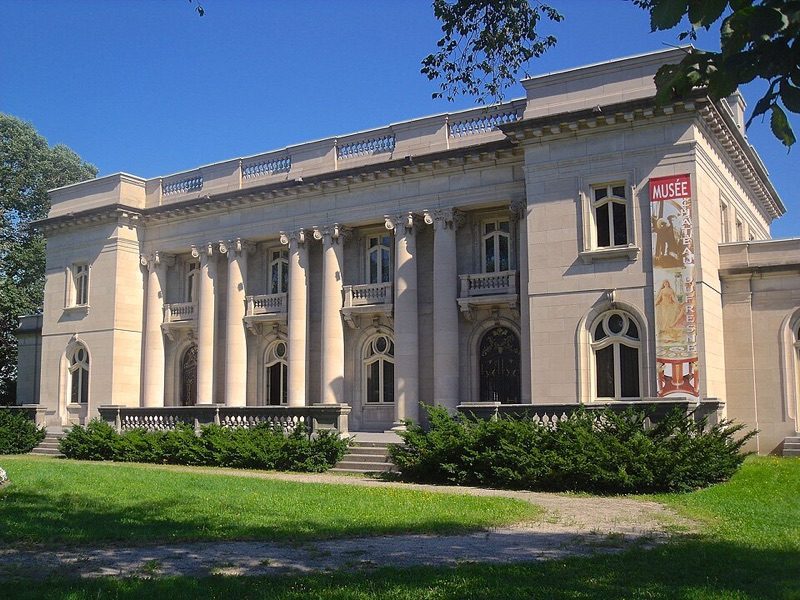
A 1916 Beaux-Arts double mansion built for brothers Oscar and Marius Dufresne, each half mirroring the other. The 22 rooms feature murals and ceiling paintings by religious artist Guido Nincheri, ornate plasterwork, and original furnishings at the edge of Parc Maisonneuve.
A 14-km canal opened in 1825 to bypass the Lachine Rapids, now a National Historic Site with a bicycle and walking path running its full length. The canal powered Montreal's industrial revolution; former warehouses and mills along the banks have been converted into residences and studios.
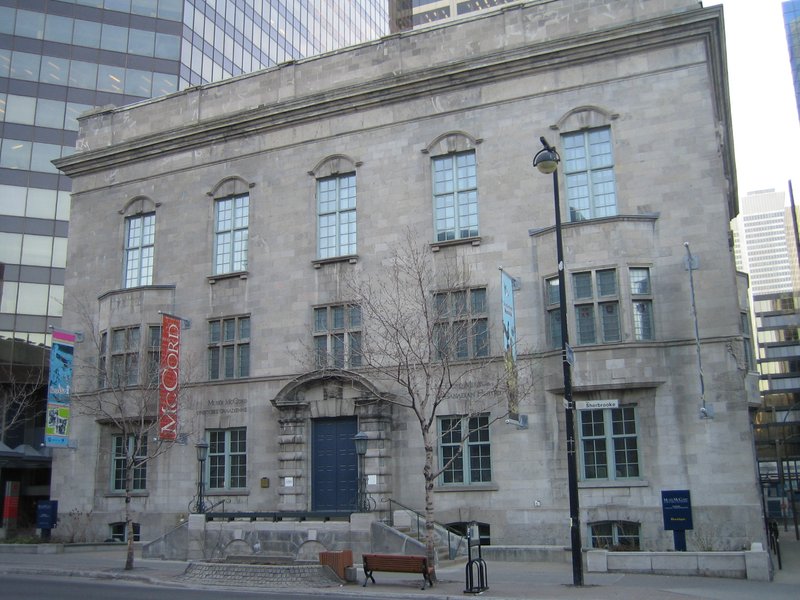
Canada's foremost museum of social history — 2.5 million objects including the Notman Photographic Archives of 2.15 million images, 27,000 historic garments, and 16,000 Indigenous artifacts. Five floors of permanent and rotating galleries in the former McGill Students' Union building on Sherbrooke Ouest.
A deliberate scaled-down replica of St. Peter's Basilica in Rome, built 1875–1894 as the cathedral seat of Montreal's archdiocese. The 77-metre copper dome rises over Dorchester Square; inside, a hand-carved neo-baroque baldachin, a 93-stop organ, and nine paintings of Montreal's Catholic history.
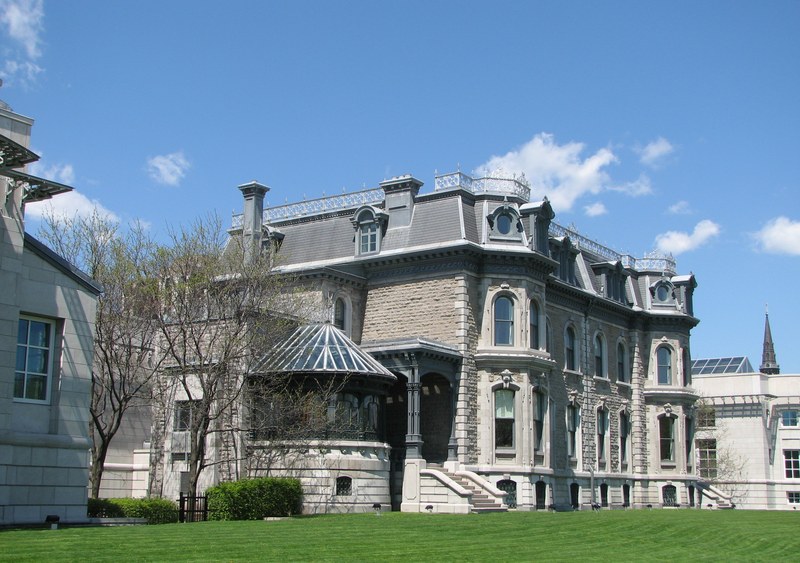
World-class architecture research institution opened in 1989 by Phyllis Lambert. The building encloses the 1874 Shaughnessy House limestone mansion; the Melvin Charney Sculpture Garden occupies a former embankment. Collections of drawings, photographs, and archives trace architectural history.
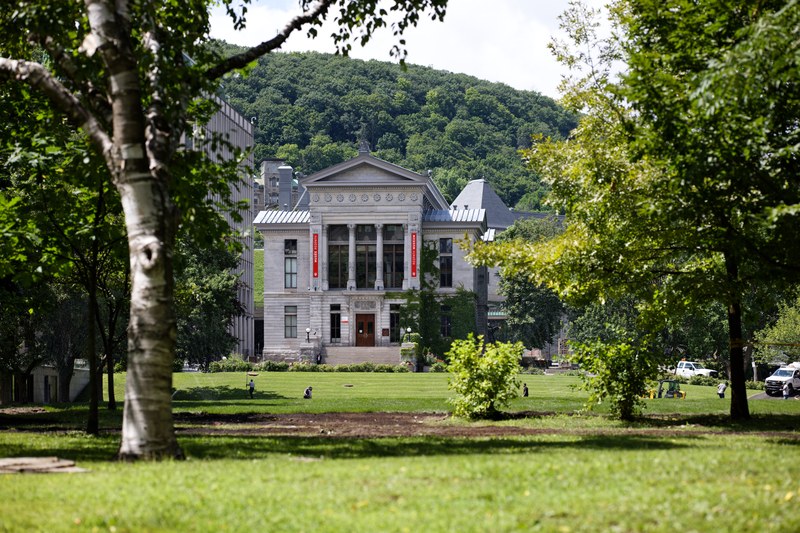
Built in 1882 as a gift from sugar baron Peter Redpath, Canada's oldest purpose-built museum. The Victorian Classical structure on McGill campus houses Burgess Shale fossils, Egyptian mummies, an 1830s Haida totem pole, Mesoamerican ceramics, dinosaur casts, and 16,000 geological specimens across three floors.
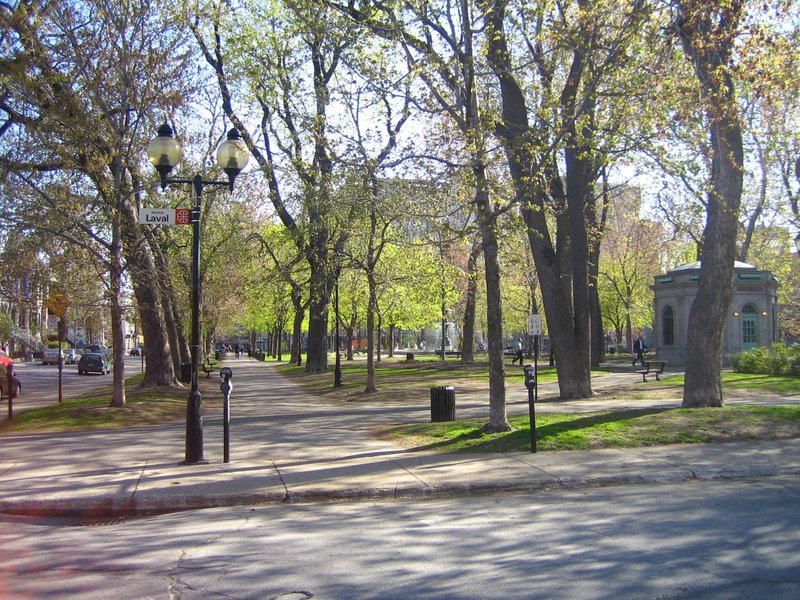
Laid out in 1876 on the site of Montreal's former reservoir. The central cast-iron fountain is framed by a row of ornate Second Empire row houses — the longtime homes of Québécois poets and writers, including Émile Nelligan, whose bust stands in the park.
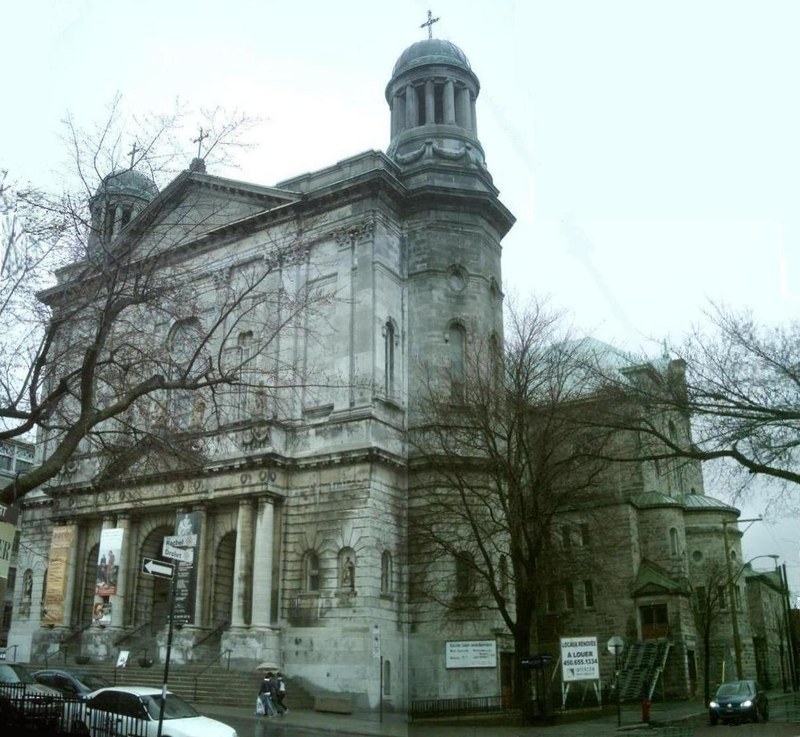
Montreal's third-largest church, completed in 1912 after two fires. The Baroque revival exterior rises over rue Rachel with five sculptures on the facade; inside, Guido Nincheri's 1932 stained glass and two Casavant Frères organs, one restored in 1995. Capacity 2,800.
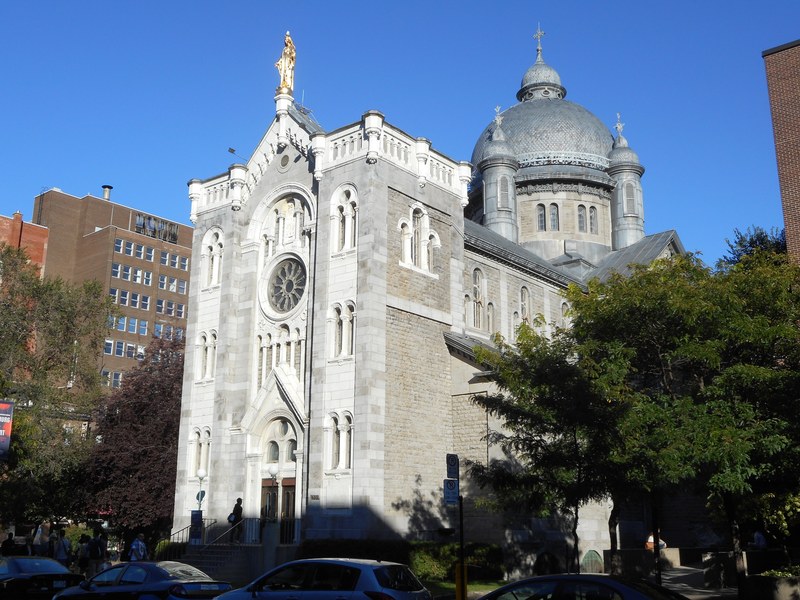
Built 1873–1881 by architect-painter Napoléon Bourassa, the first church in the Americas dedicated to Our Lady of Lourdes. The Byzantine-Romanesque chapel is notable for its painted interior — walls, ceilings, and arches entirely covered by Bourassa's devotional frescoes and scenes from Genesis.
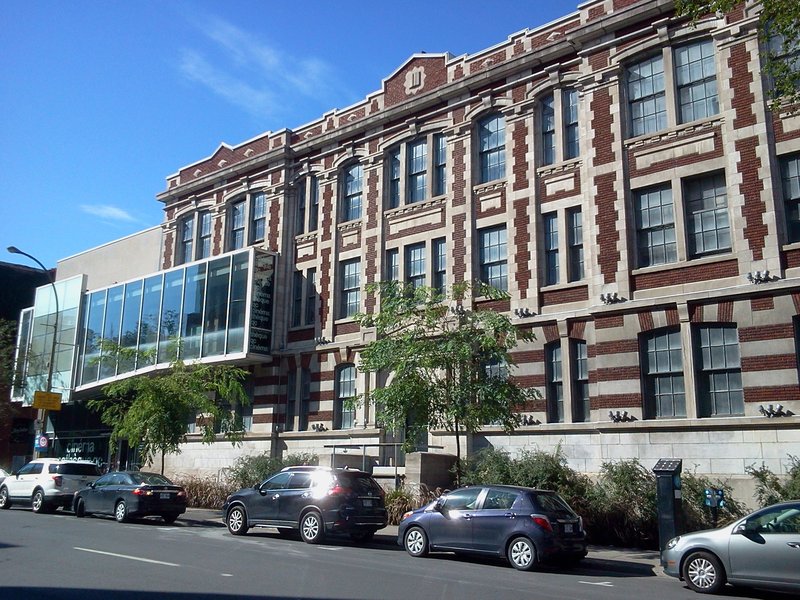
Quebec's national film archive, opened in 1963 — the only cinematheque in North America dedicated entirely to Quebec and Canadian cinema. The collection holds 35,000 films and 600,000 photographs. The public cinema runs daily repertory screenings of retrospectives, world classics, and Quebec auteur films.
2-hour small-group walk through Old Montreal's cobblestone streets with a certified MTL Detours guide — Place d'Armes, Château Ramezay, the Old Port, and the historic borough's layered French and British colonial history. Max 10 guests.
Full-day coach tour from Montreal to Canada's capital — Parliament Hill, the Canadian Museum of History, and the Canadian War Museum, with a bilingual guide providing historical and cultural commentary throughout. Air-conditioned vehicle.
3-hour afternoon van tour through Montreal's highlights: Westmount mansions, Saint Joseph's Oratory, Old Montreal, Notre-Dame Basilica, and the Mount Royal belvedere — with a certified guide providing city-wide historical and cultural context.
Full-day van excursion through southern Quebec's Eastern Townships — scenic drives past Brome-Missisquoi vineyards, stops in the charming lakeside town of Magog and the boutiques of Knowlton, with a bilingual guide sharing the region's history and culture.
3-hour certified guide van tour through Montreal's most culturally vibrant neighborhoods — Outremont, Plateau Mont-Royal, Mile End, and Little Italy — covering the city's linguistic, ethnic, and architectural diversity.
2-hour guided walk through Old Montreal uncovering iconic sights and off-the-beaten-path spots — Place Jacques-Cartier, the World Trade Centre arcade, an avant-garde art gallery, and a section of the Underground City. No two tours identical.
Guided walk through Old Montreal's historic streets combining Québécois classics — smoked meat, local cheeses, maple treats, and craft beer — with cobblestone architecture and history narrated by a certified local guide.
3-hour van tour through Montreal's highlights — Saint Joseph's Oratory, Mount Royal Park with a stop at Beaver Lake, the Camillien-Houde panoramic belvedere, and Westmount, with a bilingual certified guide.
5-hour small-group tour combining a narrated van drive through the city — McGill, Chinatown, Mount Royal belvedere, Westmount — with Notre-Dame Basilica and a cruise along the Saint Lawrence River. from downtown Montreal.
Full-day coach trip from Montreal to Quebec City — Place Royale, Petit-Champlain, Notre-Dame Basilica, the Quebec Citadel, and Château Frontenac, with a stop at the 83-metre Montmorency Falls on the way. Montreal.
Full-day small-group city tour covering Old Montreal, Mount Royal, Saint Joseph's Oratory, Notre-Dame Basilica, Westmount, and the Plateau — ideal for first-time visitors wanting a comprehensive overview of Montreal in a single day.
3-hour commented driving tour in an air-conditioned vehicle through Montreal's highlights — Westmount, Saint Joseph's Oratory, Mount Royal, Parc Jean-Drapeau, and Old Montreal waterfront — with complimentary hotels when booked 24 hours ahead.
Small-group evening driving tour through Montreal's illuminated neighborhoods — Old Montreal, Mount Royal, and the Quartier des Spectacles — finishing with a ride on the Grande Roue observation wheel above the lit-up Old Port.
Full-day guided coach tour from Montreal to Quebec City — the walled historic district, Château Frontenac, Dufferin Terrace, Quartier Petit-Champlain, and a stop at Montmorency Falls before returning to Montreal.
Gourmet walking tour through Old Montreal with five tasting stops — French baked goods, locally roasted coffee, Quebec cheese, smoked meat, and a maple sugar shop, with a bilingual guide narrating the neighbourhood's French and British colonial history.
French fries topped with fresh cheese curds and hot brown gravy — the curds must squeak when bitten. Born in rural Quebec, now omnipresent from diners to fine-dining riffs. The original: just fries, curds, and sauce.
Brisket dry-cured in a black pepper and coriander rub, then smoked and hand-sliced thin to medium on rye bread with yellow mustard. Distinct from New York pastrami in brine, cure time, and cut. Schwartz's on Saint-Laurent is the original.
Hand-rolled, boiled in honey water, and baked in a wood-fired oven — smaller, denser, and sweeter than a New York bagel, with a larger hole. Sesame and poppy are the two canonical types. St-Viateur and Fairmount bake them around the clock.
Quebec meat pie — ground pork, veal, and beef spiced with cloves, cinnamon, and allspice in a double-crust pastry. A Christmas Eve staple across Quebec for generations. In Montreal it appears year-round on bistro menus.
Quebec produces 72% of the world's maple syrup — from pure syrup in graduated amber grades to maple butter and tire d'érable pulled over ice. Jean-Talon Market has the best selection of small-producer maple goods.
Foreign number: accepted — the verification code reaches most foreign carriers.
Excellent coverage across Plateau-Mont-Royal, Mile End, Old Montréal and the Golden Mile. Strong on Québécois restaurants, poutine and late-night delivery; active until 2:00am in the central neighbourhoods. Delivery times average 30–45 minutes from downtown.
Foreign number: accepted — the verification code reaches most foreign carriers.
Wide coverage across the island, including Westmount, NDG and Rosemont-La-Petite-Patrie. Good selection of French bistros, smoked meat delis and Asian restaurants alongside mainstream chains. A useful alternative if DoorDash shows long waits; similar delivery times of 30–45 minutes from the Golden Mile.
The world's largest jazz festival — 500+ concerts over 10 days. Free outdoor stages at Place des Arts; ticketed indoor shows at Salle Wilfrid-Pelletier.
Foreign number: accepted — the verification code reaches most foreign carriers.
The dominant rideshare option in Montréal, available across the island. Reliable coverage in downtown, Old Montréal and the Plateau; surge pricing applies during Jazz Festival and F1 Grand Prix weekend.
Foreign number: accepted — the app and phone booking both work on any carrier.
Montréal's largest licensed taxi company, bookable via app or phone call with metered fares and no surge pricing. A reliable alternative to Uber for late-night trips; typically available with shorter waits than Uber in the Old Port and near the Bell Centre during events.
Canada's capital — Parliament Hill and the Peace Tower, the Rideau Canal, the Byward Market neighborhood, and three world-class free national museums: the Canadian Museum of History, the National Gallery, and the Canadian War Museum.
UNESCO World Heritage walled city on the St. Lawrence — Château Frontenac, the Dufferin Terrace boardwalk, the historic Quartier Petit-Champlain below the cliff, and the Plains of Abraham. North America's most European city.
A Church Covered Up Its Own Mussolini Fresco — Then Left the Nail Holes Showing
The Church of the Madonna della Difesa wasn't Guido Nincheri's idea to paint Mussolini into its frescoes — the clergy asked him to fit the Duce in among the saints, and in 1931 Nincheri obliged with a mounted portrait commemorating the signing of the Lateran Accords. It hung in plain view through most of the decade, but once Canada went to war against Italy, the parish nailed a covering over the painting rather than risk what a fascist portrait meant to display inside a church. Attempts to have it removed permanently kept surfacing for decades afterward and never succeeded, and when the church underwent restoration work, the parish made a deliberate choice: they left the nail holes from the wartime covering visible in the plaster, a small physical record of the moment the fresco went dark.
Across the river, Habitat 67 started life as a school assignment. Moshe Safdie was in his final year at McGill, working on a thesis called "A Case for City Living" that proposed stacking modular housing units to give every apartment a private terrace, and it earned him his degree — nothing more was expected of it. Two years later his former thesis advisor, working on Expo 67's planning committee, remembered the design and invited Safdie to develop it into a real pavilion. A twenty-something with no completed buildings to his name ended up delivering one of the most influential housing projects of the 20th century, built from an assignment he'd already turned in and forgotten about.