From Hotel: 30 min · 12 min → University Avenue Palo Alto
1.University Avenue Palo Alto~1.5 hr
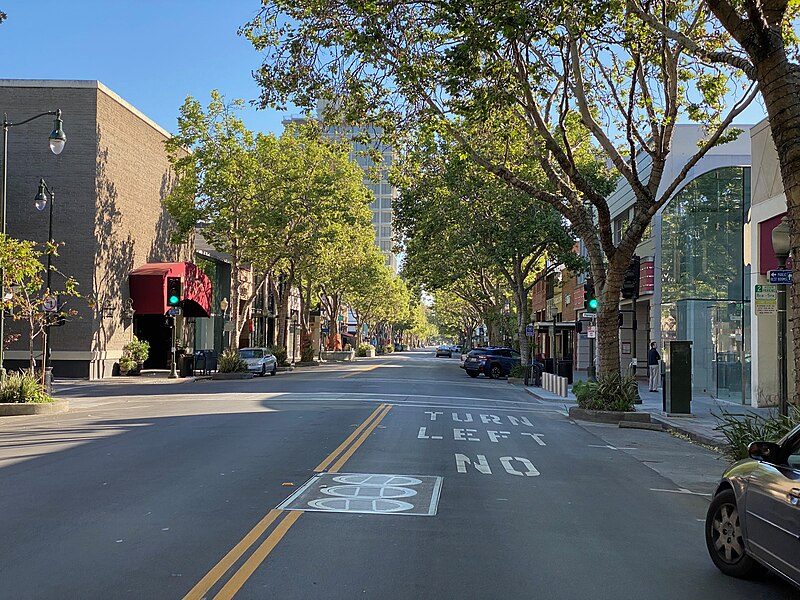
The main spine of Palo Alto — Google, Facebook, and PayPal all started on this corridor. Best at lunch: Coupa Café for Venezuelan arepas and single-origin coffee, Baumé for French tasting menus, Sushi Tomi for Tsukiji-trained sashimi.
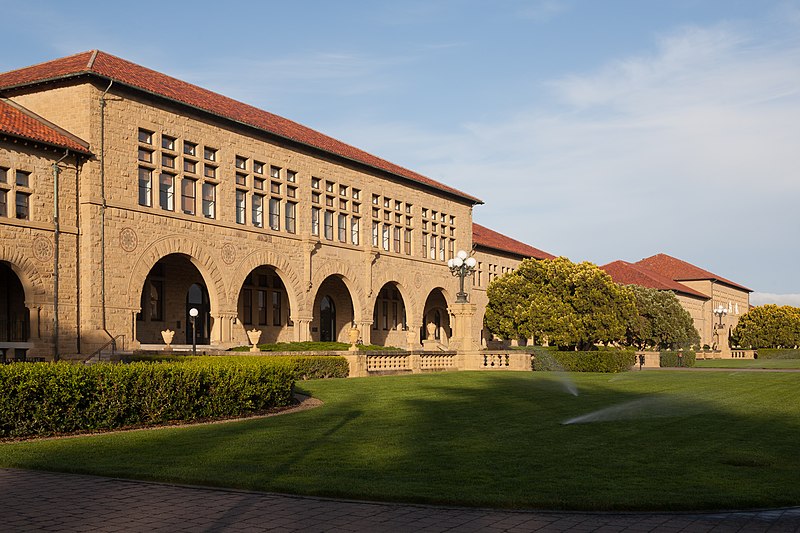
Stanford's 1890s sandstone Romanesque quad, designed by Olmsted's firm, frames Memorial Church at its center. The church's mosaic façade is the campus's most photographed image; the Sermon on the Mount mosaic in the apse is 58 feet wide.
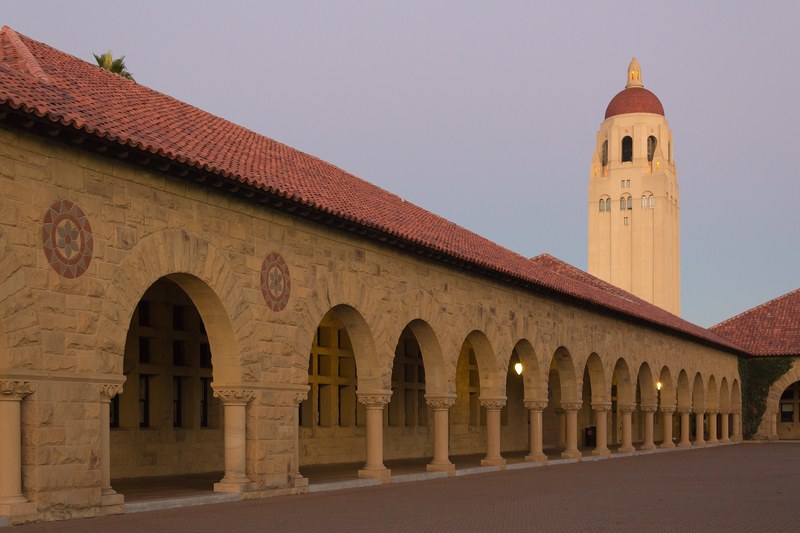
Stanford's 285-foot Spanish Colonial tower · 1941, home to the Hoover Institution. The observation deck delivers a 360° panorama: SF Bay, Mount Tamalpais north, Santa Cruz Mountains south, and on clear days the Sierra Nevada east.
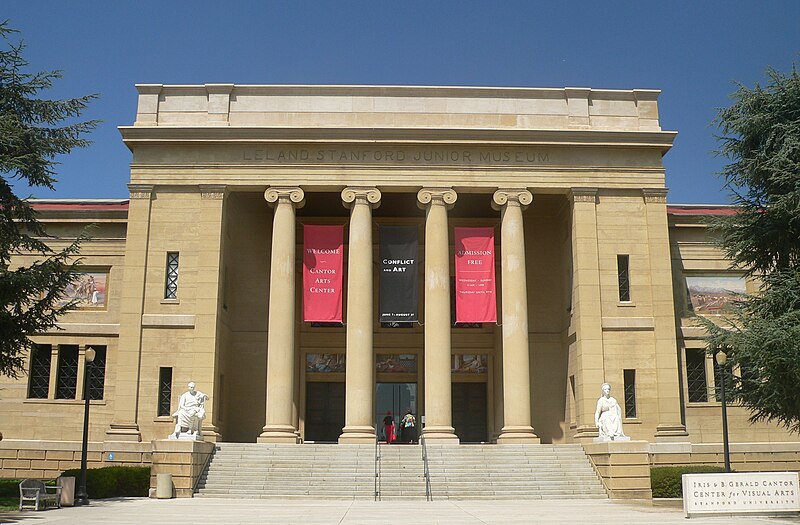
Stanford's art museum · 38,000 works, 5,000 years is anchored by the outdoor Rodin Sculpture Garden — largest Rodin bronze collection outside Paris, with a full cast of The Gates of Hell, The Thinker, and The Burghers of Calais.
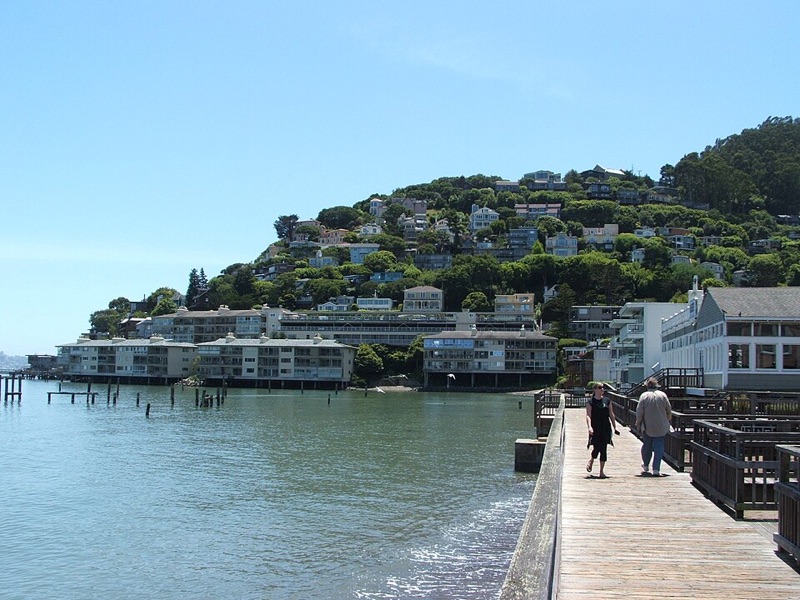
A Mediterranean-feeling waterfront town across the Golden Gate from SF, with the city skyline framed across the bay. Bridgeway's galleries and cafés line the marina, and the Gate 5 houseboat community — a 1960s artists' colony — floats at the north end.
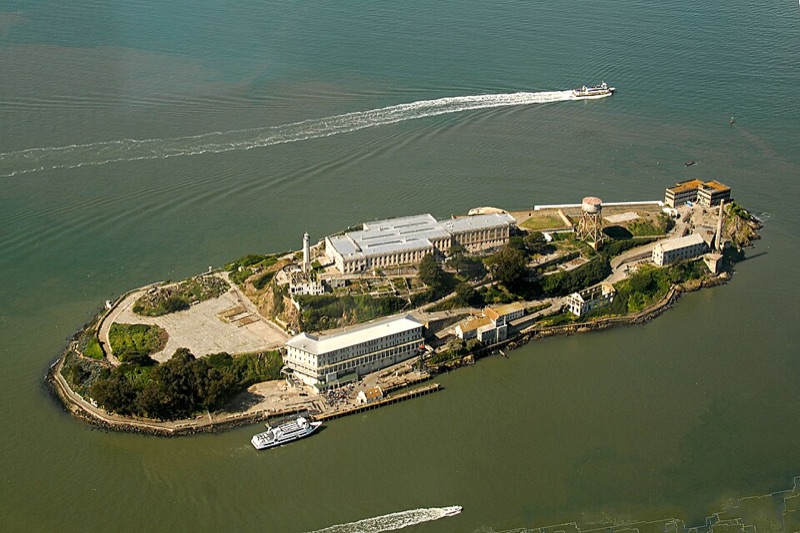
Federal penitentiary 1934–1963, housing Al Capone, the Birdman, and Machine Gun Kelly. The cellhouse audio tour narrated by former guards and inmates is among the finest in the US. Ferry from Pier 33, a 15 minute crossing. Book two weeks ahead from May through October.
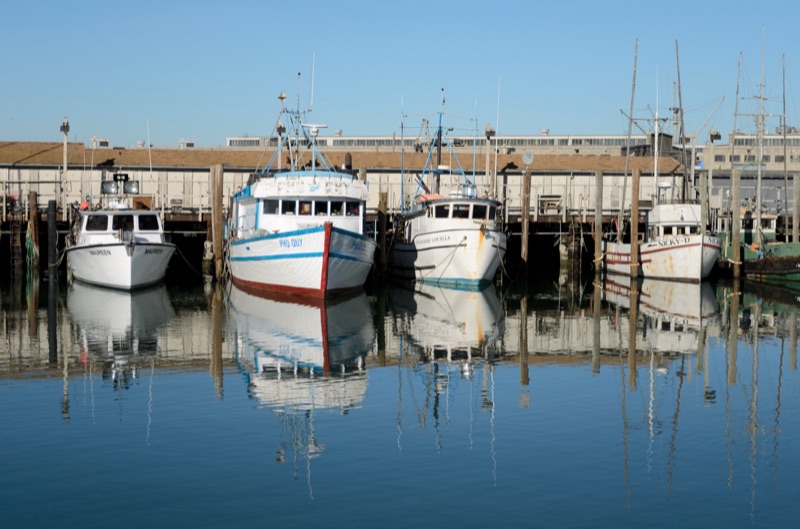
Pier 39 hosts 300–1,000 sea lions on floating docks year-round. Live Dungeness crab from Jefferson Street tanks and chowder in sourdough bowls are the authentic visit. The Powell–Hyde cable car turnaround is worth the queue.
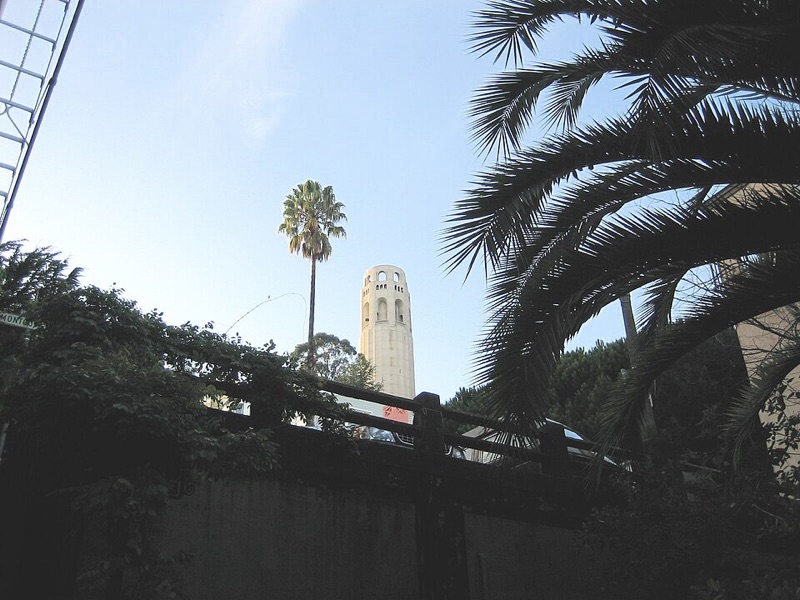
A 210-foot column on Telegraph Hill with a view to Alcatraz. Inside: 19 WPA murals · 1934 by 26 artists depicting California farm workers. The Filbert Steps trail from the base passes a garden with a wild flock of cherry-headed conures.
From Hotel: 1h 15min → Muir Woods National Monument
1.Muir Woods National Monument~2 hr
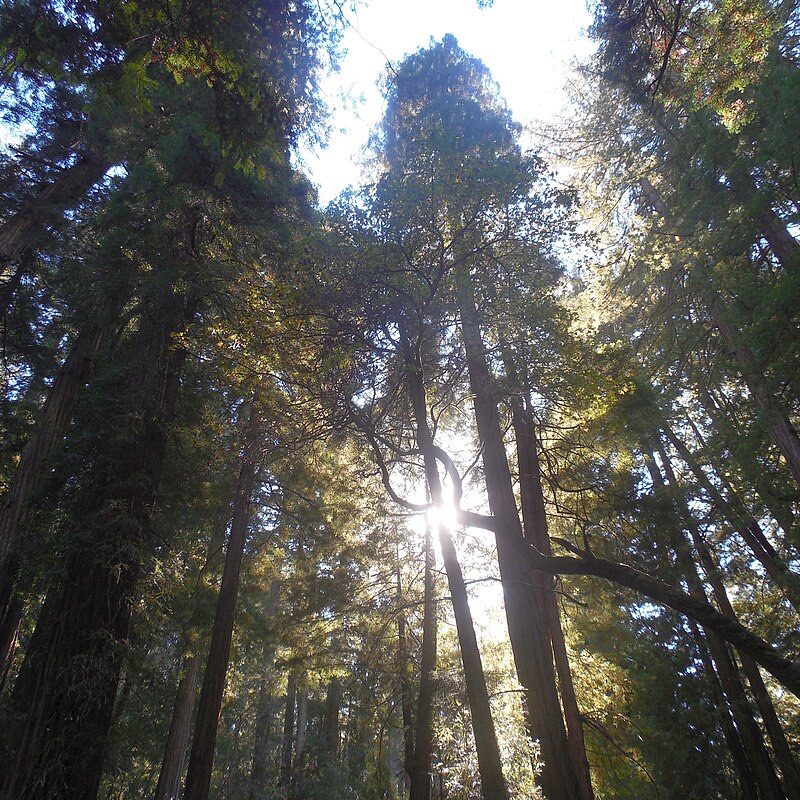
Old-growth coast redwoods reaching 258 feet in a quiet canyon at the foot of Mount Tamalpais. The boardwalk loops past Cathedral Grove and Redwood Creek. The tallest trees germinated around 1,000 years ago — already mature when the Crusades began.
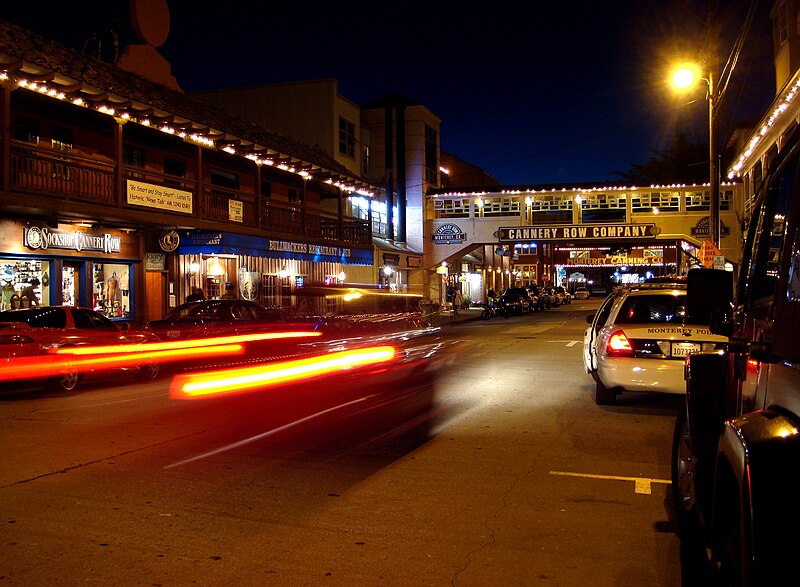
The sardine-packing waterfront John Steinbeck made famous, on Monterey Bay. The old Hovden Cannery now houses the Monterey Bay Aquarium, and the boardwalk runs past tide pools, sea otters, and the recreated cannery façades along the bay.
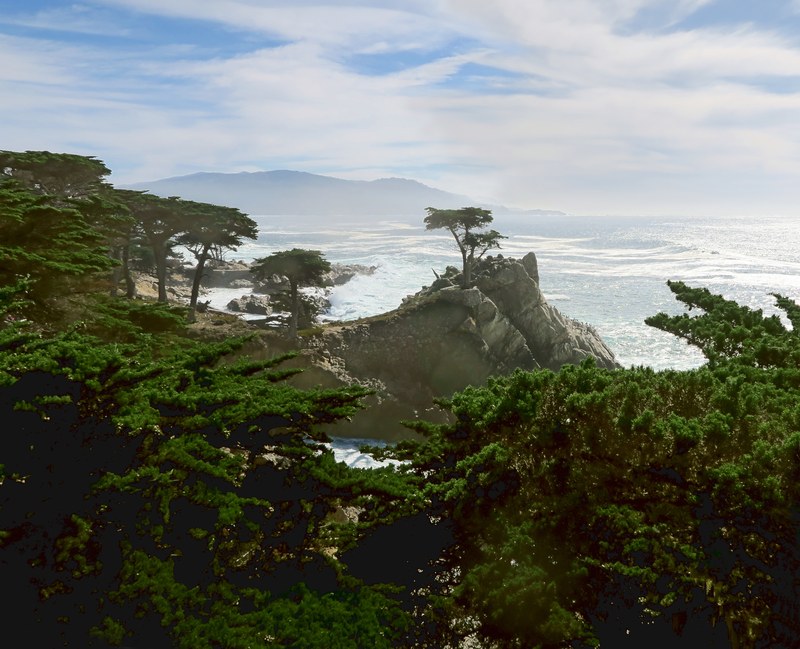
A scenic toll road looping through Pebble Beach between Pacific Grove and Carmel-by-the-Sea. The Lone Cypress on its granite headland is the defining image; the drive passes Bird Rock, Spanish Bay, and Pebble Beach Golf Links, ending near storybook Carmel.
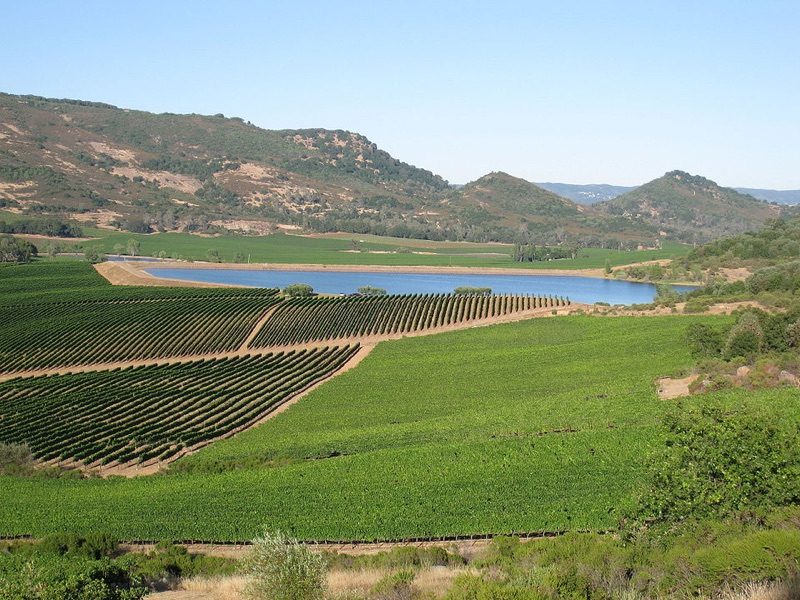
California's most celebrated wine appellation, 30 miles of rolling vineyard hills along the Silverado Trail and Highway 29. It made its name at the 1976 Paris Tasting, outscoring top Bordeaux and Burgundy blind. The scenic drive between Napa, Yountville, and Oakville is the day.
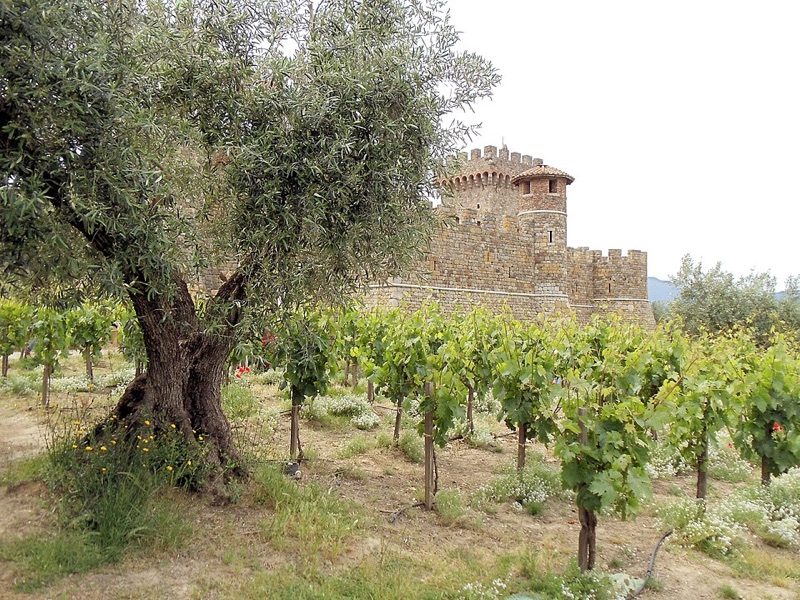
A faithful 13th-century Tuscan castle built over 14 years on a Calistoga hillside — 107 rooms, a moat, drawbridge, frescoed great hall, and a genuine dungeon. The architecture and the valley views from the ramparts are the draw, beyond the working winery inside.
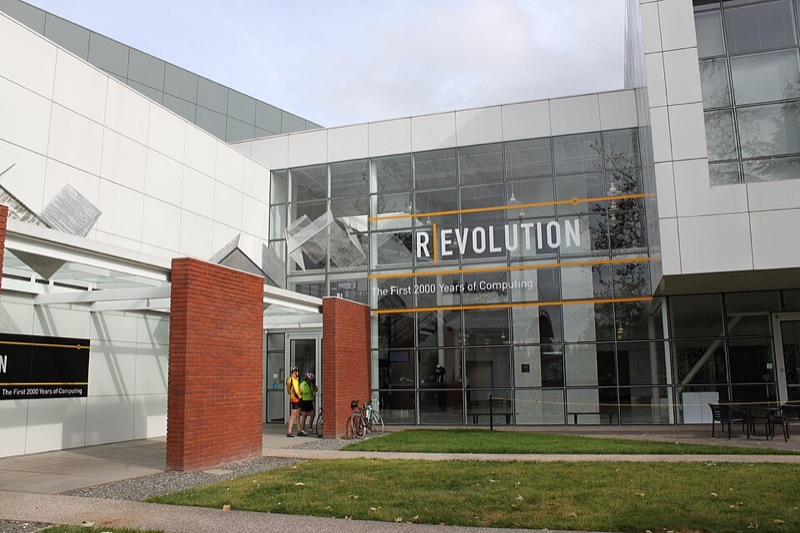
100,000 objects, 2,000 years of computing — from a Sumerian clay tablet to the original Google servers. Highlights: a working Babbage Difference Engine, the PDP-1 · first video game, a Cray-1 supercomputer, and Alan Turing materials.
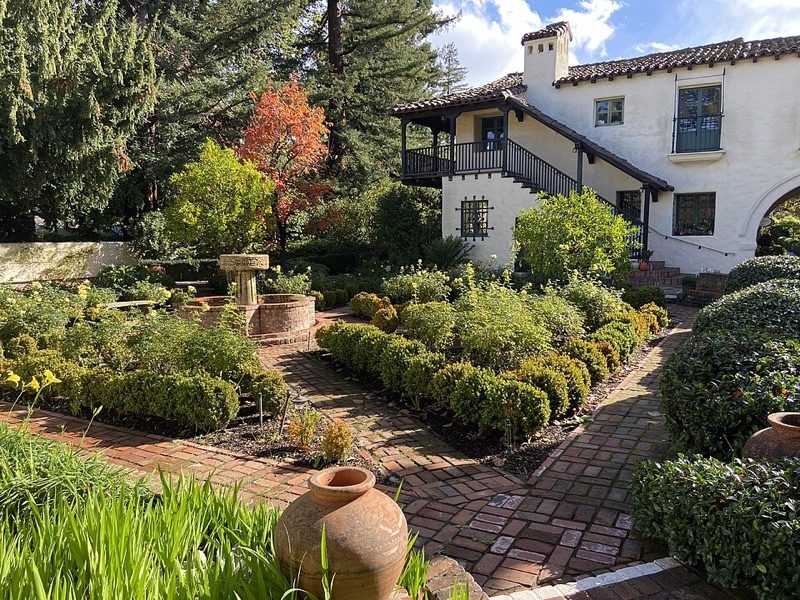
A 1929 Spanish Colonial complex in Menlo Park — two Stanford graduates built whitewashed studios and courtyards modeled on the Alcázar of Seville. A dozen artisan studios · potters, weavers, jewelers are still active.
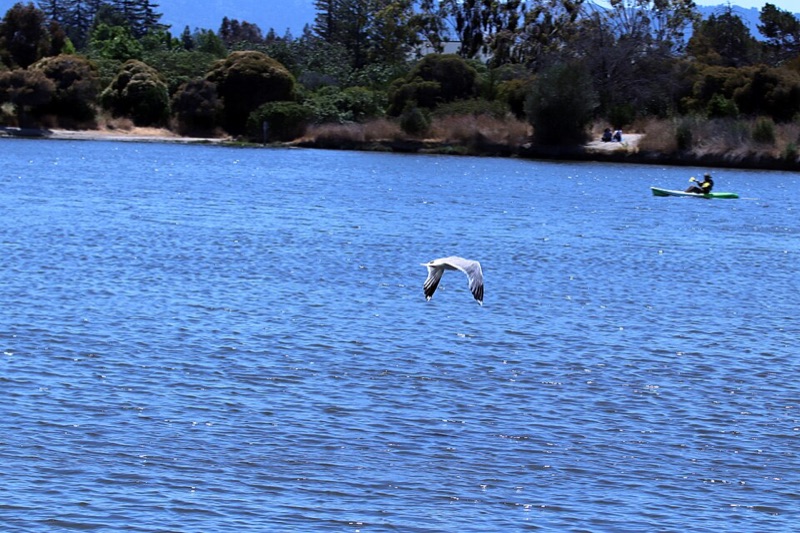
A 750-acre wildlife refuge on SF Bay — reclaimed landfill now wetland habitat for 300+ bird species. The lake loop trail runs along Shoreline Lake with unbroken Santa Cruz Mountains views. Google's campus borders the park to the south.
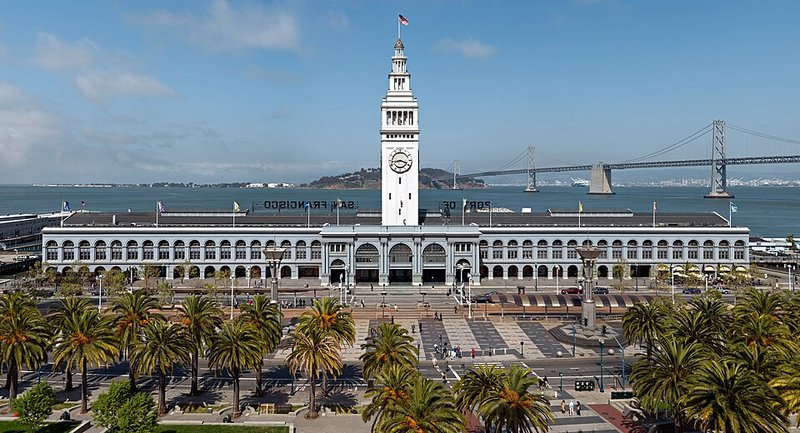
The 1898 Embarcadero landmark — a sandstone clock tower modeled on the Giralda in Seville. Inside is SF's anchor public market hall · artisan cheeses, oysters, Acme bread, Blue Bottle Coffee; a producer-only farmers market fills the plaza Tuesday, Thursday, and Saturday.
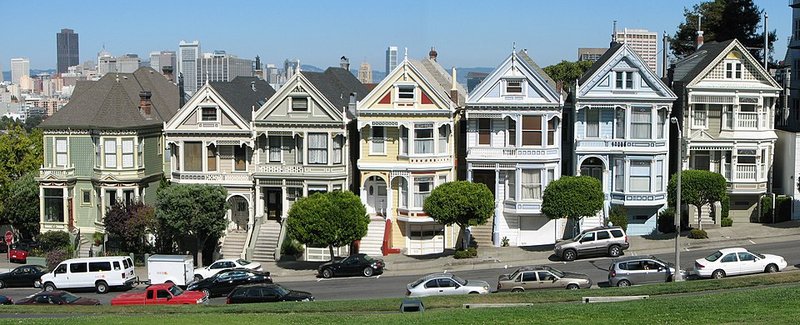
Seven Queen Anne–style Victorians on the east side of Alamo Square · 1892–1896 — the postcard view frames the row against the modern SF skyline rising behind them. Famous from the opening credits of Full House. Alamo Square Park is a hilltop with 360° city views.
3.Lombard Street & Powell-Hyde Cable Car~1 hr 30 min
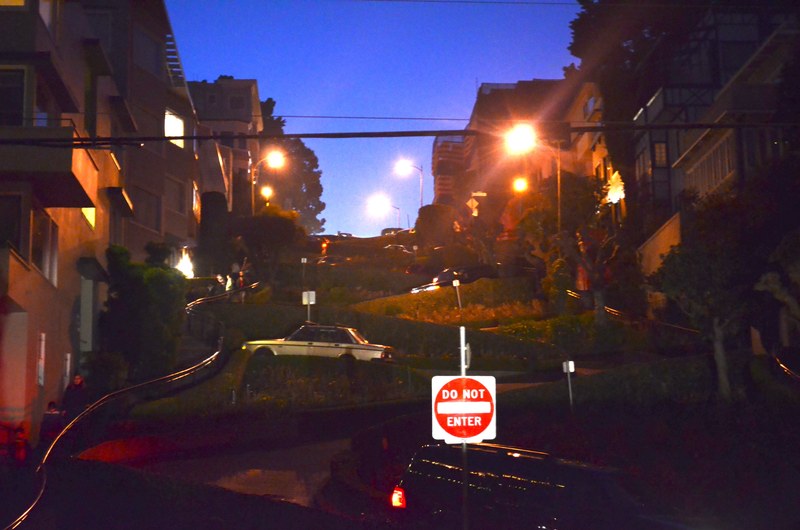
The "crookedest street in the world" — eight switchback turns dropping down Russian Hill between Hyde and Leavenworth, lined with hydrangeas. Reach it via the Powell-Hyde Cable Car · itself a National Historic Landmark, which climbs Nob Hill and crests right at the top of the Lombard zigzag.
Safari-style open-air van loops the Golden Gate, Lombard Street, and SF's neighborhoods with a guide, then drops you at Pier 33 for the Alcatraz cellhouse audio tour. Capped at 12.
Small-group van north over the Golden Gate to the old-growth redwoods of Muir Woods, then the waterfront town of Sausalito for bay views back at the city. Park entrance fee included.
Full-day small-group run down the coast: two hours on Cannery Row in Monterey, the scenic 17-Mile Drive past Bird Rock and the Lone Cypress, and storybook Carmel-by-the-Sea to finish.
Full-day small-group tour through the vineyards of Napa and Sonoma, capped at 12, with skyline photo stops at Treasure Island and Battery Spencer and time on the historic Sonoma Plaza.
2-hour walking tour through SF Chinatown with an insider guide — historic landmarks, herbal pharmacy, Waverly Place alley, Stockton Street food markets, and fortune cookie factory sampling.
SF's original haunted history walking tour since 1998 — lantern-lit 90-min walk through Victorian Nob Hill past the Chambers Mansion, Atherton Mansion, and California Street ghost bride sites.
A small-group ride through San Francisco's neighborhoods and landmarks aboard a restored vintage VW bus, with a local guide and stops at the city's best photo spots.
Small-group trip across the Golden Gate to walk the redwood loops of Muir Woods, then down to the bayfront town of Sausalito for lunch and skyline views.
3.5-hour guided van tour through SF's diverse neighborhoods — Golden Gate Bridge views, Union Square, Haight-Ashbury, the Castro, Sea Cliff, and Richmond, with a driver-guide commentary throughout.
A one-hour narrated bay cruise from Fisherman's Wharf out under the Golden Gate Bridge and past Alcatraz, with open-deck views of the skyline and the bridge towers.
A combined small-group day pairing the Alcatraz cellhouse audio tour with the redwoods of Muir Woods and the waterfront at Sausalito — two of the bay's signature sights in one trip.
The official Alcatraz ferry and cellhouse experience, paired with a free guide app that adds layered audio and history as you cross the bay and walk the former federal penitentiary.
A small-group city tour built around the Painted Ladies of Alamo Square, weaving in the cable cars, Lombard Street, and the neighborhoods that frame San Francisco's most photographed Victorians.
A five-hour small-group escape to the redwood canyon of Muir Woods and the bayfront town of Sausalito, with a local guide and the park entrance fee included.
A full day in California's premier wine country, crossing the Golden Gate to the rolling vineyard hills of Napa and Sonoma with valley views, historic plazas, and scenic stops along the way.
A small-group city tour in a restored vintage VW bus, hitting the Golden Gate, the Painted Ladies, and the hidden corners of San Francisco with a guide who knows the back streets.
Sweet firm Pacific cold-water crab with a distinctive brininess. Season runs November through June; May is prime. SF's crab tradition goes back to Italian immigrant fishermen at the waterfront. Served cracked with butter and sourdough.
Chemically distinct from other sourdough: wild yeast and Lactobacillus sanfranciscensis produce the sharp sourness and thick crust. Boudin Bakery has maintained a continuous starter since 1849 — the same culture from the gold rush.
Invented in SF's Mission District in the 1960s — a large flour tortilla steamed and wrapped around rice, beans, meat, salsa, guacamole, and sour cream in a foil sleeve. Bigger than a standard burrito, with rice, always foil-wrapped.
Thick New England-style chowder in a hollowed-out sourdough boule — the bread soaks up the chowder as you eat. Popularized at Fisherman's Wharf walk-up stands in the 1970s. Good chowder: fresh clams and enough cream to coat a spoon.
Foreign number: accepted. — the SMS code reaches a foreign number with roaming on, and an email code is offered if it does not arrive.
The deepest roster on the Peninsula — University Avenue and Castro Street restaurants, Mountain View chains and grocery runs — with live tracking and DashPass for fee-free delivery; the Residence Inn sits on El Camino Real, so drop-offs are quick and rarely surcharged.
Foreign number: accepted. — it is the same Uber account as the ride app, so a foreign number already verified there signs straight in.
Thinner than DoorDash on the Peninsula but strong on the University Avenue and Castro Street chains, and it shows the real delivery fee before checkout; late in the evening the list shrinks fast outside Palo Alto and Mountain View.
Foreign number: accepted. — the verification code arrives by SMS on a foreign carrier, and an existing Uber account from home signs straight in.
Dense coverage from Mountain View up the Peninsula into San Francisco, with a car at the Residence Inn in under five minutes most of the day; the Muir Woods, Sausalito and Napa legs are long surge-prone rides, so price them before committing and keep the return in mind.
Foreign number: accepted. — the SMS code is sent to a foreign number with roaming on; verification is by text only, so there is no email route if it stalls.
Runs neck and neck with Uber on the Peninsula and is often a few dollars cheaper into San Francisco; worth a side-by-side check on every longer ride. Coverage thins on the Marin side, so a Muir Woods pick-up can mean a wait.
A University Built From Grief, a Tower That Was Never a Nozzle
Stanford exists because of a fifteen-year-old's death. Leland Stanford Jr. fell ill with typhoid while touring Europe with his parents in 1884 and died in Florence before he made it home. His father, railroad baron Leland Stanford, told his grieving wife that "the children of California shall be our children" — and within weeks the two of them decided to found a university in their only son's memory rather than build a private monument. The Main Quad you're walking through today is, in a very literal sense, a grave marker that grew into one of the world's leading research universities.
Coit Tower looks so much like an old brass fire-hose nozzle that most visitors assume it was built that way on purpose, as a tribute to the fire-obsessed socialite Lillie Hitchcock Coit who funded it. The tower's actual architect, Arthur Brown Jr., said explicitly and repeatedly that the resemblance was coincidental — pure architectural styling, not a firefighting reference. The myth took hold anyway, fed by newspapers that liked the story too much to check it, and it's outlived every correction issued since the tower opened in 1933.