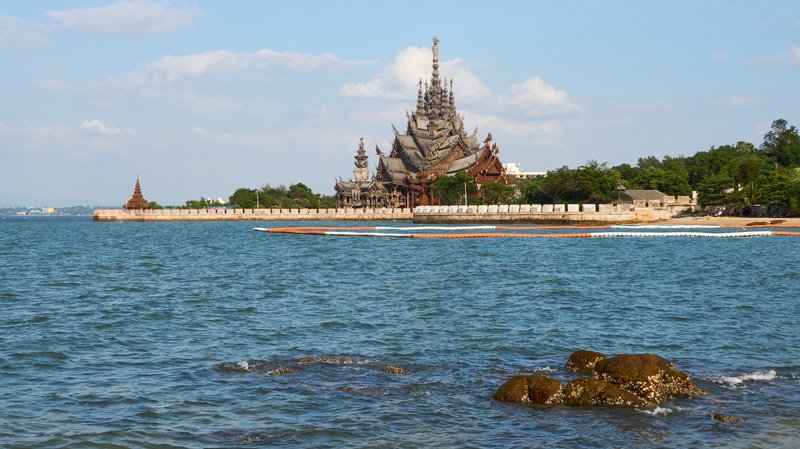
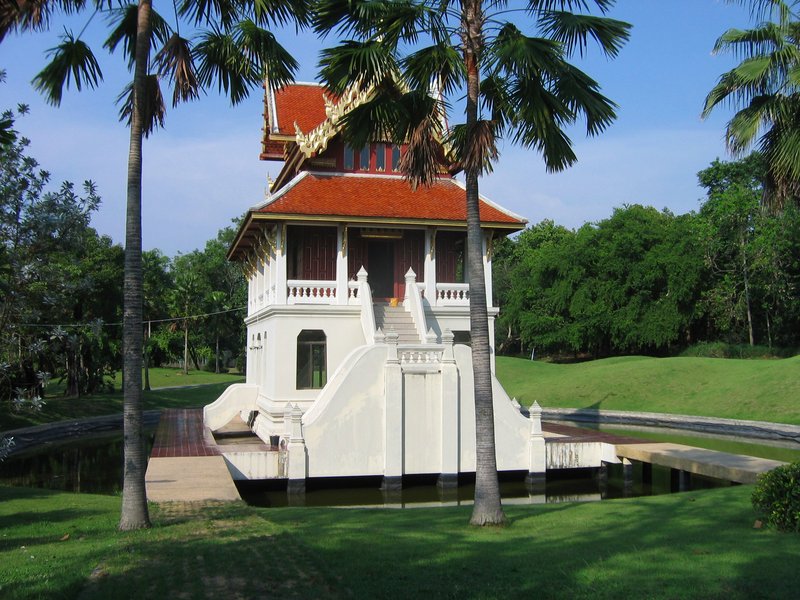
A 105-metre sanctuary carved entirely from wood with no metal nails, its four wings covered in hand-carved Thai, Khmer, Chinese, and Indian religious imagery above the Gulf of Thailand.
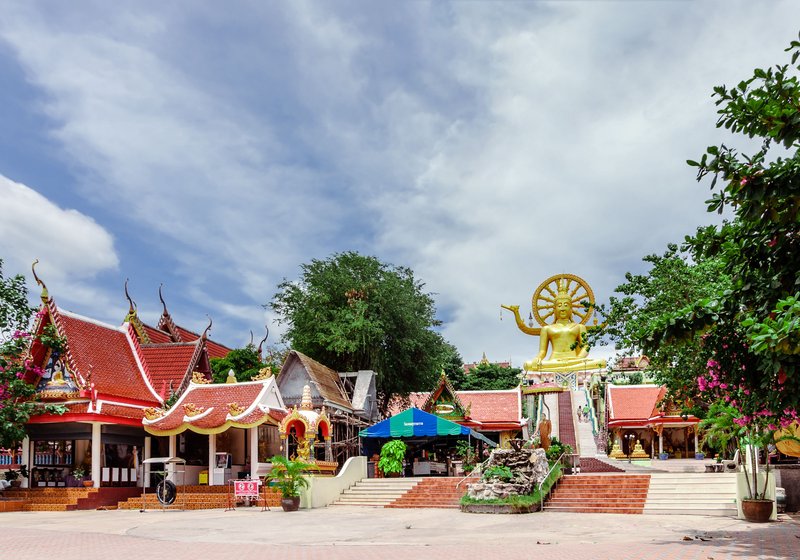
An 18-metre golden Buddha statue crowning Pratamnak Hill, guarded by two seven-headed Naga serpents and looking out over the whole curve of Pattaya Bay — one of the city's most popular free sunset viewpoints.
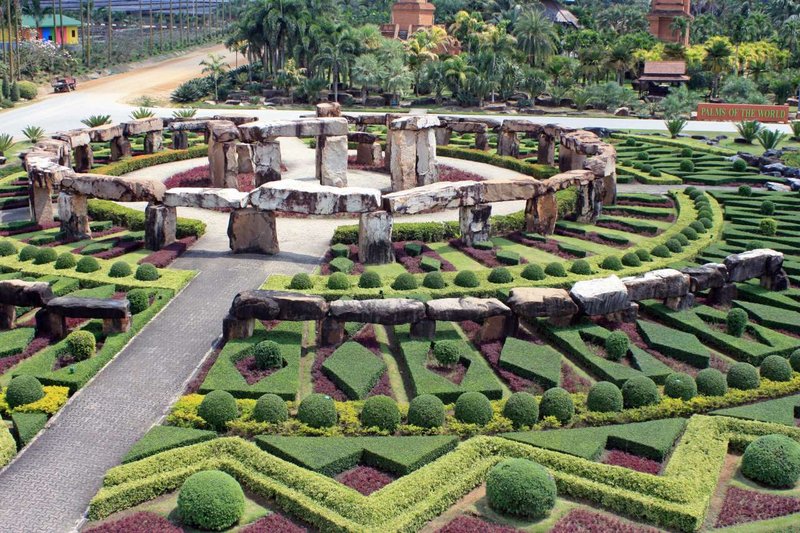
A 500-acre botanical garden — the largest in Southeast Asia — laid out in manicured topiary rooms, a French formal garden, a life-size Stonehenge replica, and a dedicated cycad research collection.
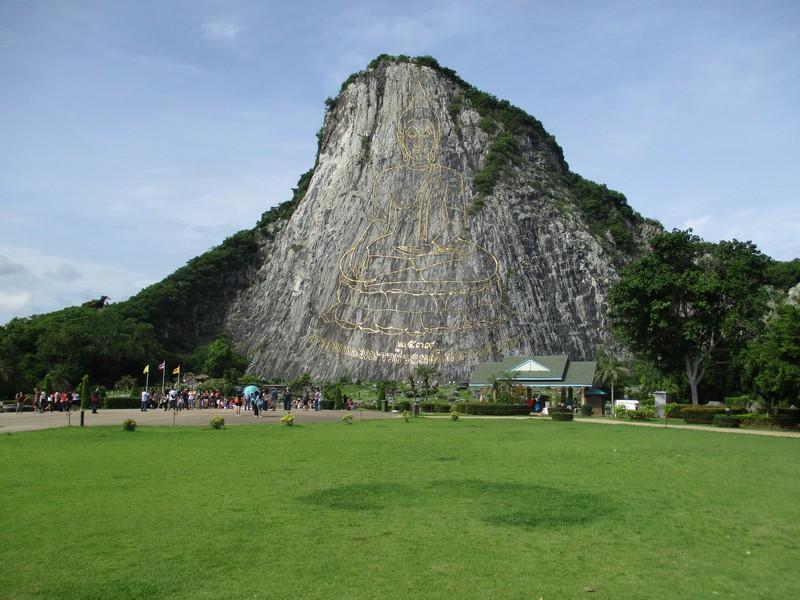
A 109-metre seated Buddha image laser-etched into a limestone cliff face and filled with gold leaf, cut in 1996 to mark the King's Golden Jubilee — the largest carved Buddha image in the world.
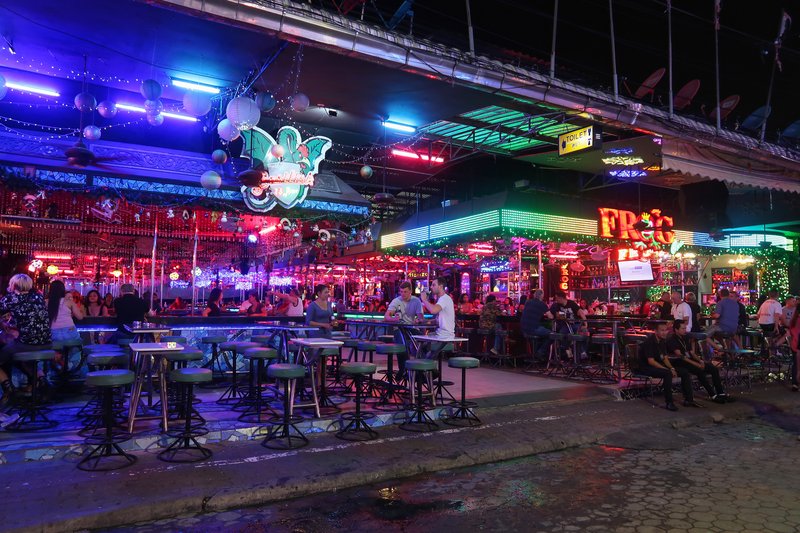
Pattaya's central entertainment strip, closed to vehicles every night for a run of seafood restaurants, live-music venues, beer bars, and neon signage that has defined the city's after-dark identity since the name was coined in the 1990s.
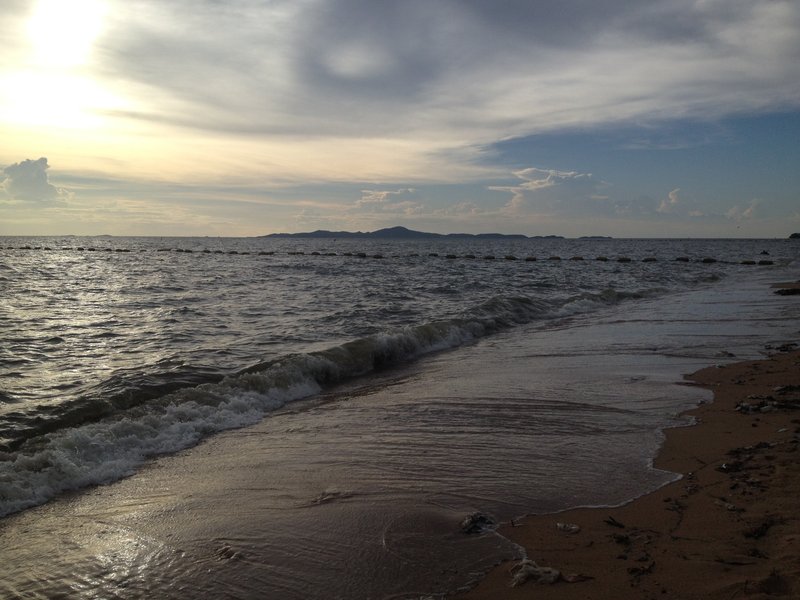
A 6-kilometre stretch of sand on the Gulf of Thailand south of central Pattaya, backed by condominium towers and known for parasailing, kite-surfing, and a calmer shoreline than Pattaya Beach itself.
A 145-acre Buddhist temple complex built in 1976 by the 19th Supreme Patriarch of Thailand, combining Thai, Chinese, Japanese, Indian, and Swiss architectural styles around a lake, its main hall a replica of the Mahabodhi Temple in Bodh Gaya, India.
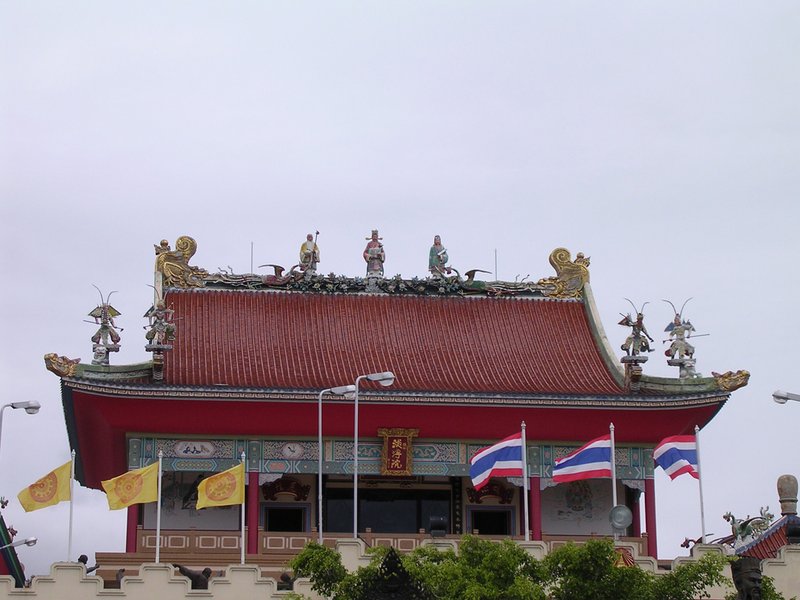
A Chinese-style museum and shrine completed in 1993 on land granted by King Bhumibol Adulyadej, holding one of the largest collections of Chinese art and antiquities outside China, including a full replica regiment of the Terracotta Army.
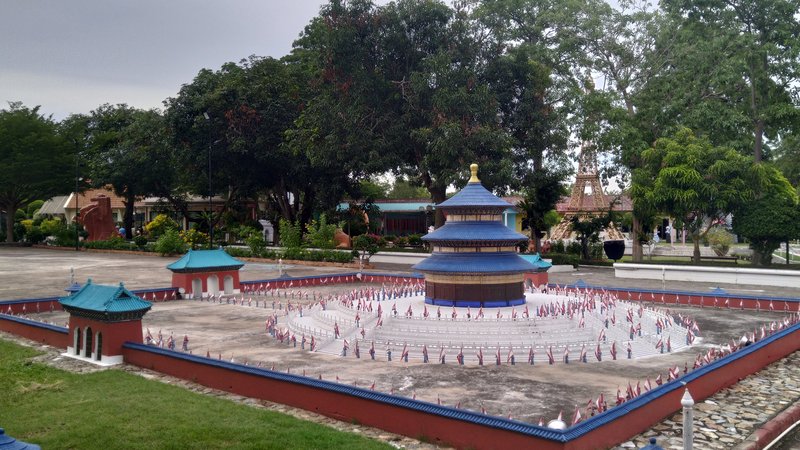
A 46,000-square-metre miniature park opened in 1986, displaying more than 100 scale replicas of Thai landmarks alongside a Mini Europe section of famous buildings from outside Thailand, including the Temple of the Emerald Buddha and the Bridge over the River Kwai.
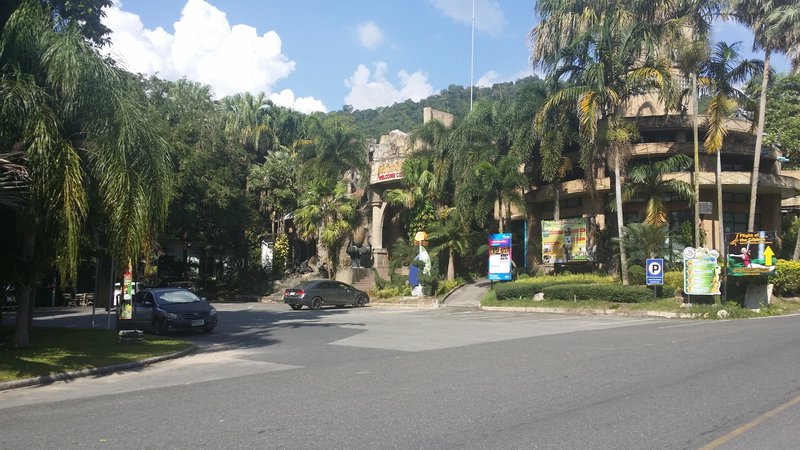
Thailand's largest open-concept zoo, spanning about 800 hectares in the foothills of Khao Kheow and holding more than 8,000 animals across 300-plus species, including the pygmy hippopotamus Moo Deng.
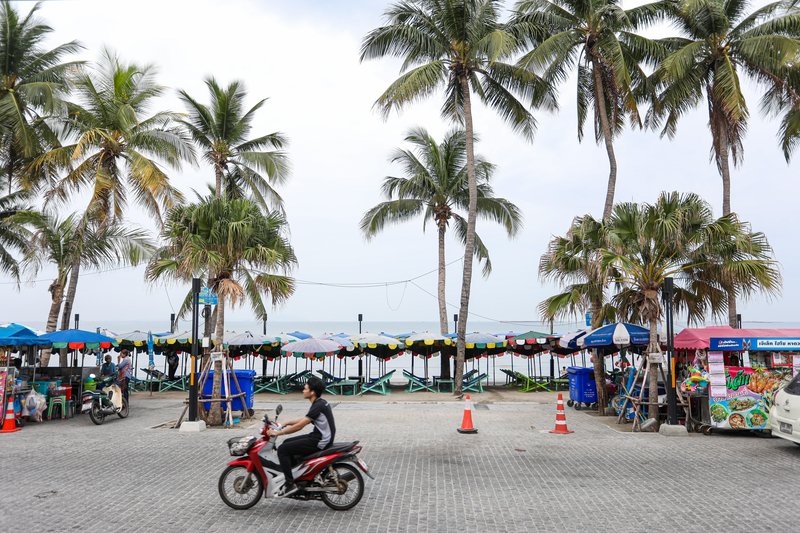
A 2.5-kilometre municipal beach in Saen Suk that grew from a fishing village into Chonburi's most popular seaside escape, its name drawn from local folklore about two ill-fated young lovers, Saen and Sam Muk.
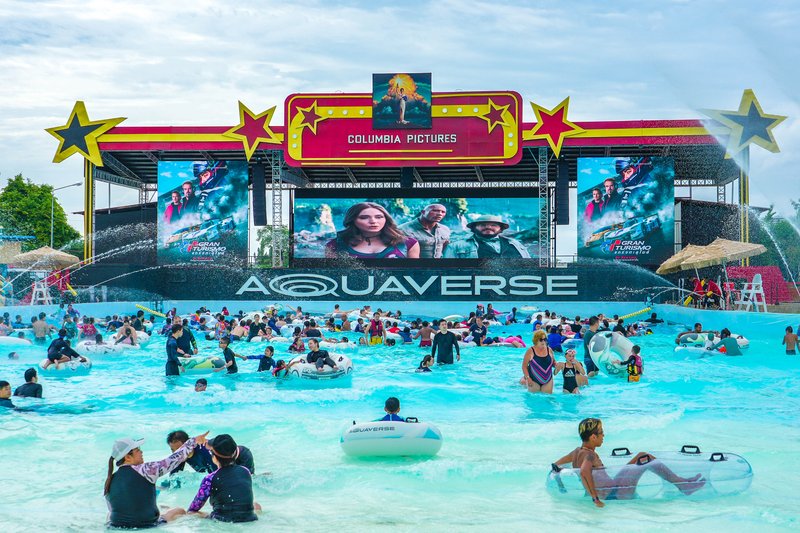
A 14-acre water and theme park built around licensed Columbia Pictures properties, opened originally as Cartoon Network Amazone and relaunched under its current identity, with zones themed to Ghostbusters, Jumanji, Hotel Transylvania, and Zombieland alongside a wave pool used for outdoor movie screenings.
From Hotel: 29 min · 13 min · 26 min → Koh Larn · Ko Lan
1.Koh Larn · Ko Lan~5 hr
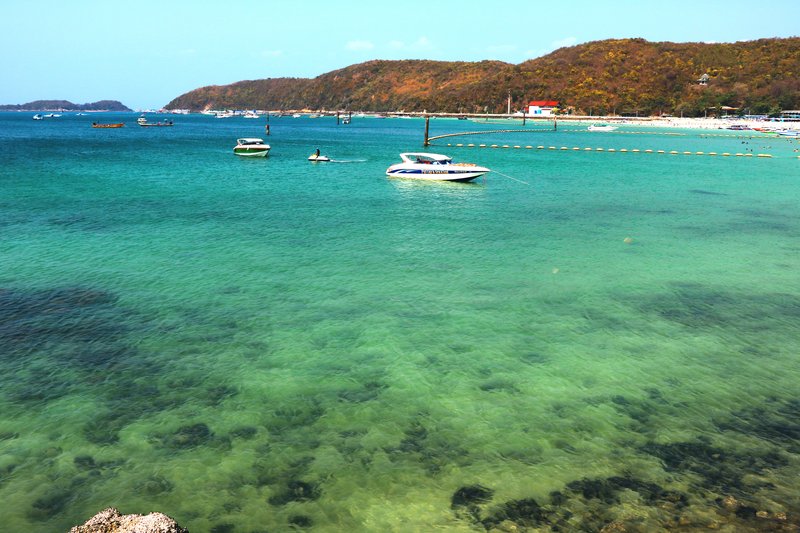
An island 7.5 kilometres off Pattaya's coast, reached by public ferry from Bali Hai Pier, ringed by eight beaches including Tawaen Beach, with steep interior roads linking two villages, Ban Ko Lan and Ban Krok Makham, and clear water over coral reefs just offshore.
A yacht cruise to Koh Phai, Koh Rin, and Monkey Island for snorkeling, paddleboarding, and a Thai buffet lunch, with a stop to watch wild monkeys on the beach.
A visit to a Chonburi elephant sanctuary that never allows riding — walk alongside the herd, help prepare their food, and watch them bathe in a mud pool.
A minibus loop past Pattaya's temples and hillside viewpoints with a stop at the floating market and a set lunch, aimed at a first orientation to the city.
A yacht day out to an island stop for snorkeling over coral, with a buffet lunch and a sunset return leg that reviewers single out as more relaxed than the standard daytime run.
A Mediterranean and Spanish-leaning rooftop menu — tapas, paella, grilled meats — with an open sunset view over the city reviewers rate as the best in Pattaya.
A family-run Uzbek and Russian kitchen serving plov, shashlik, and fresh-baked non bread — reviewers call it the best Central Asian cooking in the city.
Rice noodles wok-fried with egg, tamarind, palm sugar, and fish sauce, topped with crushed peanuts and lime — cooked fresh at street carts across the city.
Foreign number: accepted. — the verification code arrives by SMS on most foreign carriers, with WhatsApp offered as a fallback when the SMS is delayed.
The dominant delivery platform in Thailand and the widest restaurant coverage in Pattaya, with an English-language interface and card payment that needs no Thai bank account; peak-hour surge pricing is the main complaint.
Foreign number: not accepted. — sign-up requires a Thai mobile number for the SMS verification code; a foreign SIM is rejected at registration.
Deep restaurant coverage and tight integration with the LINE chat app locals already run their lives on, but a visitor without a Thai SIM cannot create an account at all.
Foreign number: accepted. — the verification code arrives by SMS on most foreign carriers, with WhatsApp offered as a fallback when the SMS is delayed.
The widest driver network in Pattaya and the most reliable option outside the Beach Road/Walking Street core; fares run 10-25% above inDrive and card payments carry a foreign-payment surcharge.
Foreign number: accepted. — the verification code arrives by SMS on most foreign carriers, matching sign-up reports from travellers using the app elsewhere in Thailand.
A name-your-own-fare alternative to Grab that regularly comes in cheaper for the same trip, with a smaller driver pool that can mean a longer wait late at night or outside the tourist strip; Bolt's Thailand operating licence has lapsed, leaving inDrive as the standing second option.
Pattaya was a quiet fishing village until the early 1960s, when American servicemen stationed in the region during the Vietnam War began using its beaches for rest-and-relaxation leave. The hotels, bars, and nightlife that followed grew directly out of that R&R economy, and the city has kept building on the same footprint ever since — the hard cut from fishing hamlet to resort skyline happened within a single generation.
Beach Road and Sukhumvit Road are both run by blue songthaews, shared pickup trucks known locally as baht buses. There's no schedule and no marked stop: flag one down anywhere along its route, ride in the open back with other passengers, and press the buzzer to signal a stop. The fare — 15-20 baht, paid to the driver on the way out — is separate from the Grab and inDrive apps covered under Getting Around, and often the faster option along the beachfront strip.