From Hotel: 9 min · 5 min → Royal Palace & Silver Pagoda
1.Royal Palace & Silver Pagoda~2 hr
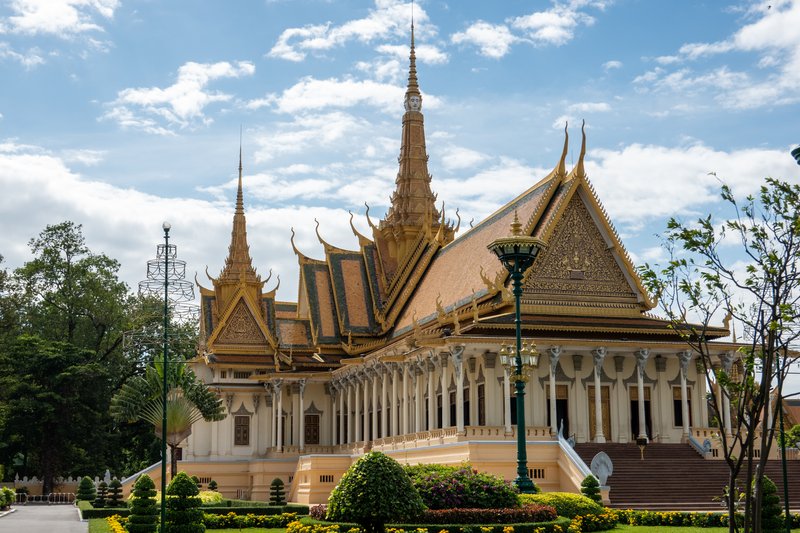
The current residence of the King of Cambodia, a walled compound of gilded, multi-tiered Khmer pavilions that also holds the Silver Pagoda and its floor of 5,329 silver tiles.
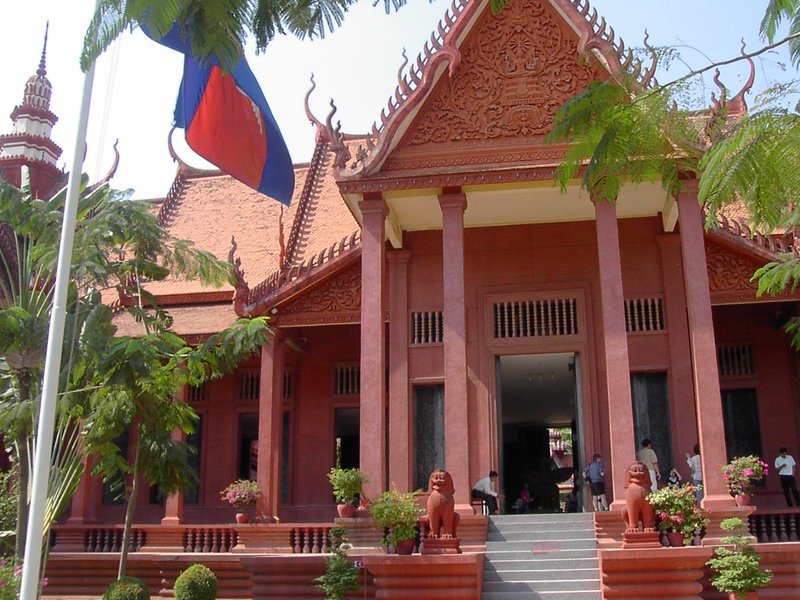
Cambodia's principal archaeological and cultural museum, holding bronze and sandstone Khmer sculpture spanning the pre-Angkorian, Angkorian and post-Angkorian periods, including works pulled from Angkor itself.
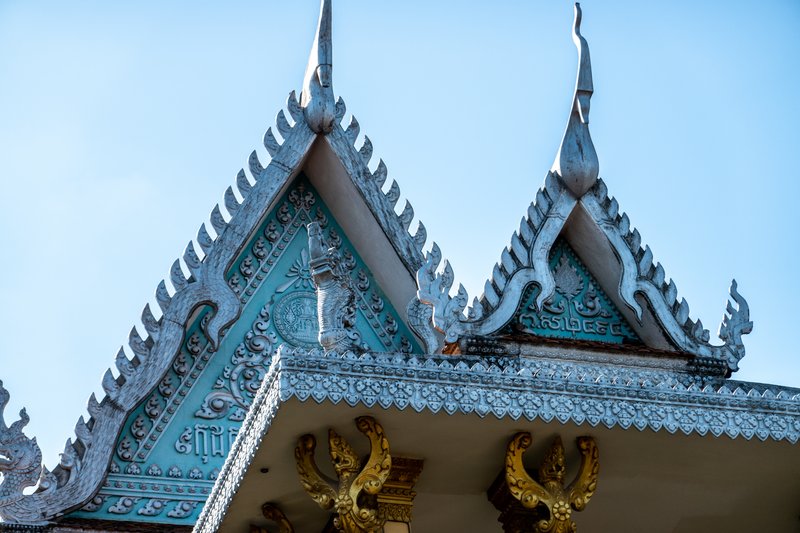
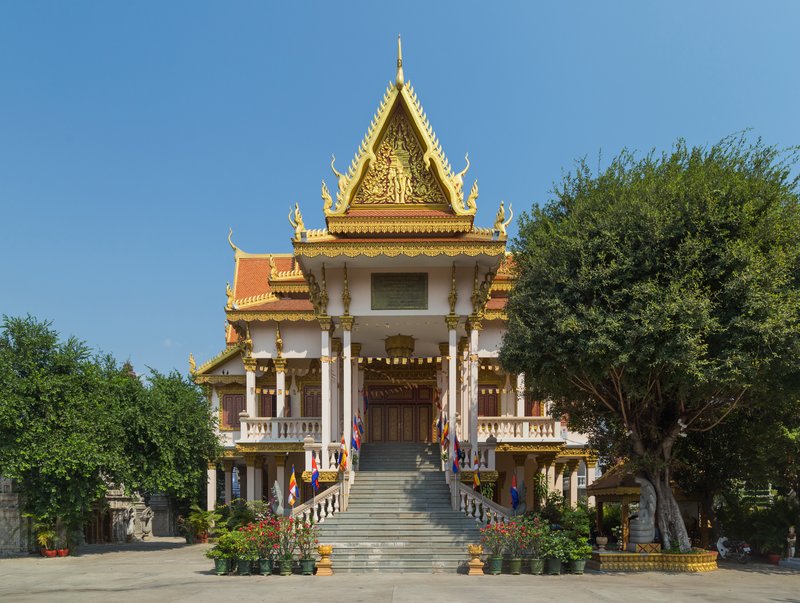
The historic headquarters of Cambodian Buddhism, founded in 1443 on the Tonle Sap riverfront and rebuilt after the Khmer Rouge era, with 44 structures around its central stupa.
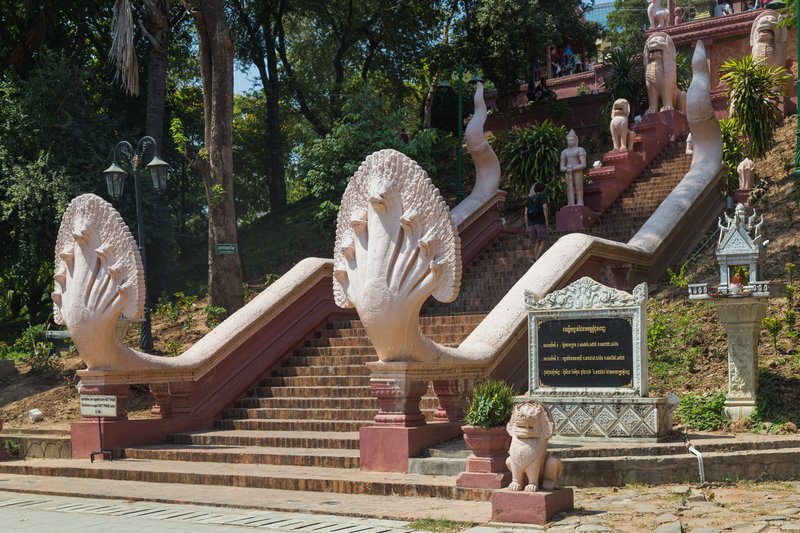
A 27-metre wooded hill crowned by a stupa and vihara, traditionally dated to Lady Penh’s founding of the city in 1372 — the only rise on an otherwise flat riverside skyline.
From Hotel: 26 min · 6 min → Tuol Sleng Genocide Museum
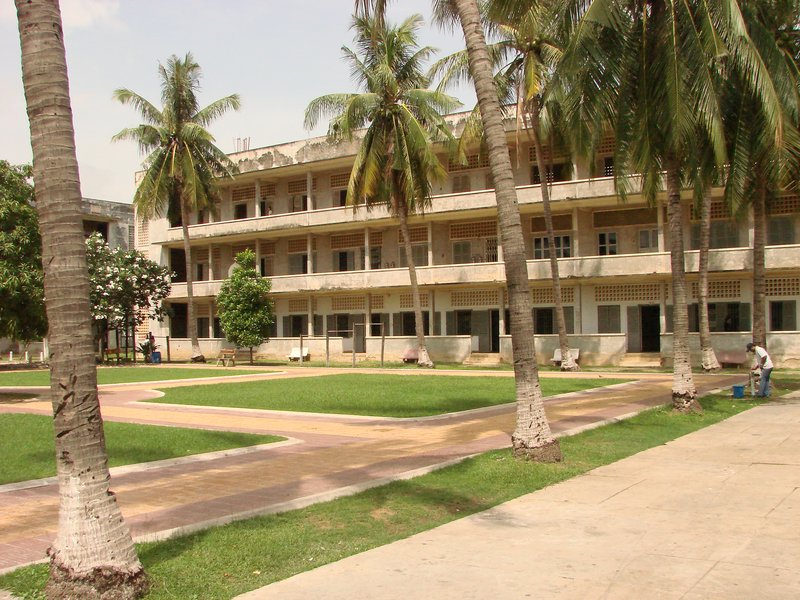
1.Tuol Sleng Genocide Museum~2 hr
A former high school converted into Security Prison 21 by the Khmer Rouge, now a museum documenting the roughly 20,000 prisoners held and tortured here between 1975 and 1979.
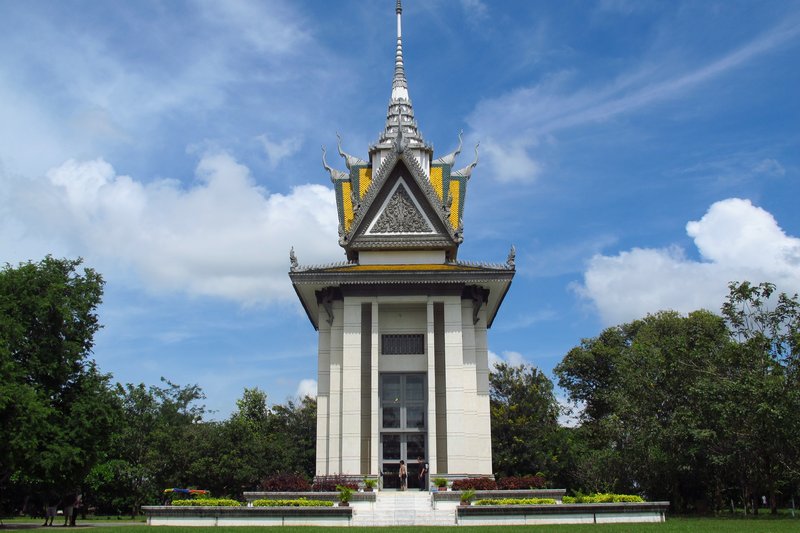
The most visited of the Khmer Rouge's mass killing sites, marked by a 62-metre memorial stupa holding thousands of excavated skulls, roughly 15km southwest of central Phnom Penh.
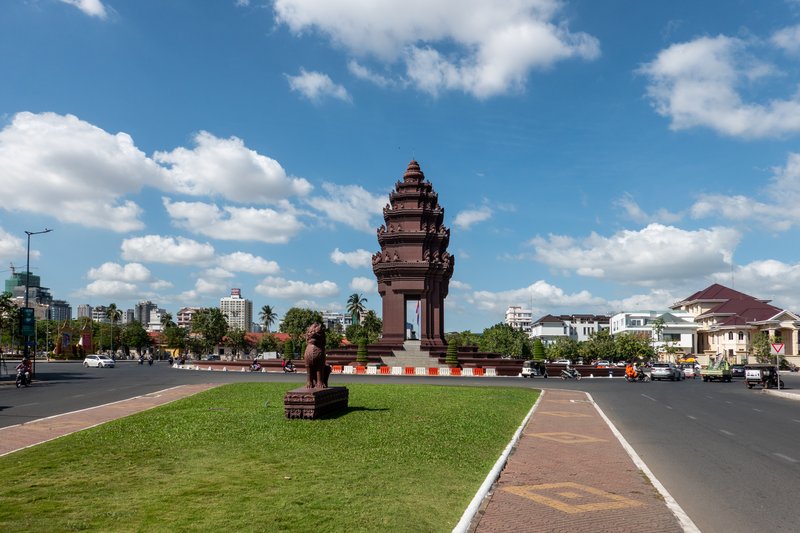
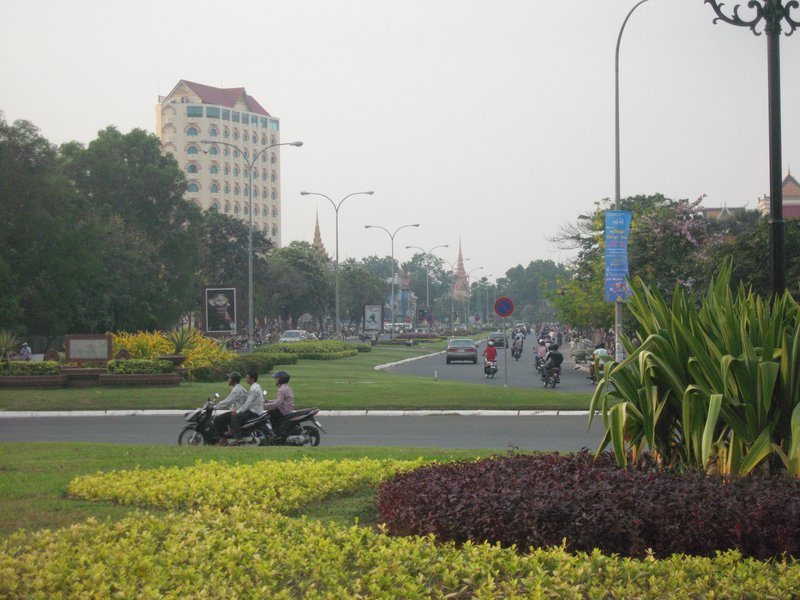
A 20-metre lotus-shaped obelisk designed by Vann Molyvann and opened in 1962 to mark Cambodia's 1953 independence from France, floodlit gold after dark on its central roundabout.
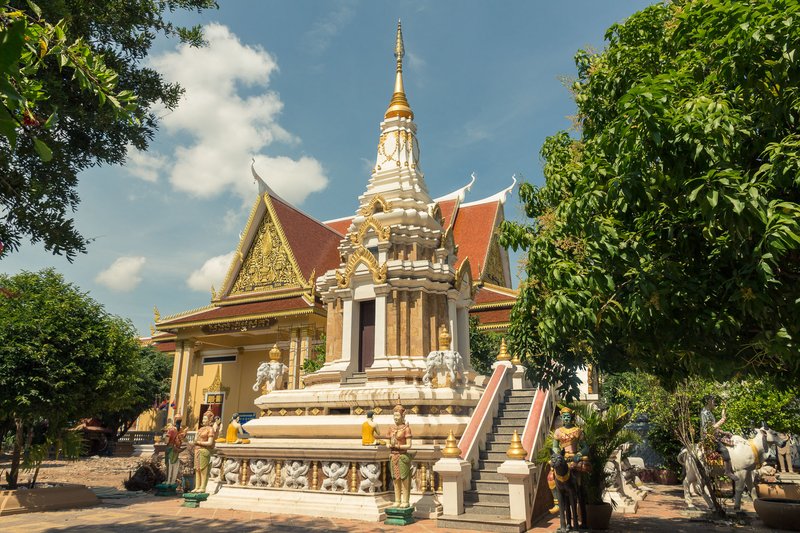
One of Phnom Penh's five oldest pagodas, founded by King Ponhea Yat in the 15th century, its temple grounds opening onto a shaded public park favoured by locals at dusk.
One of the five oldest pagodas in Phnom Penh, founded in 1442 for Sri Lankan and Khmer monks to study together; used as a Khmer Rouge-era warehouse, which is what saved it from destruction.
A 3-kilometre riverfront promenade facing the Tonle Sap, lined with parks, cafés and food stalls, and the busiest social space in the city from late afternoon on.
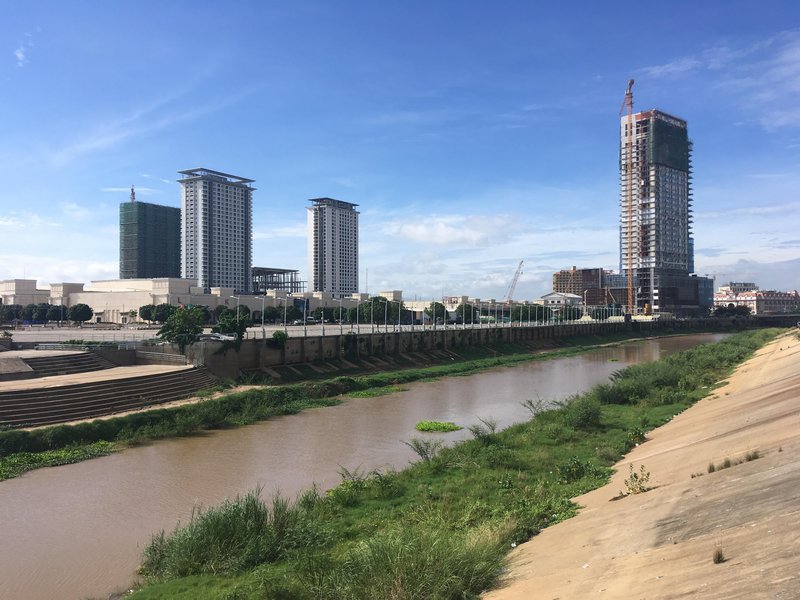
A reclaimed sandbar at the Bassac and Mekong confluence, rebuilt since 2007 into a riverside district of plazas, an Arc de Triomphe replica and a landscaped promenade.
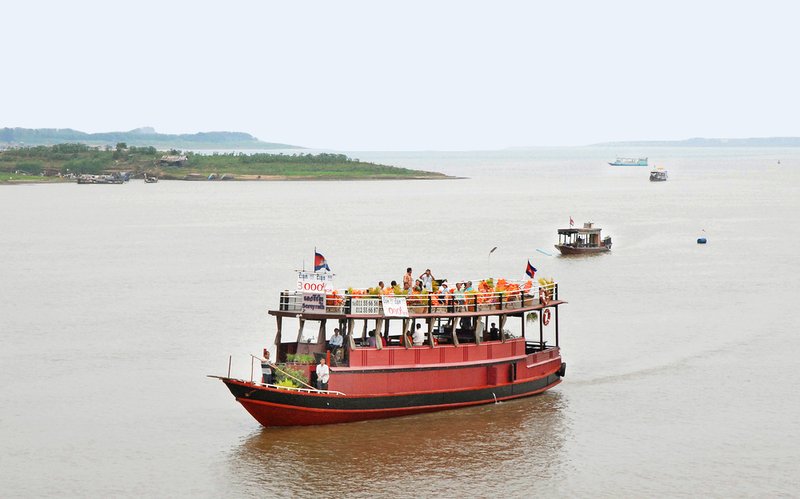
A riverboat cruise from a Sisowath Quay pier out to Chaktomuk, the four-river confluence where the Tonle Sap, Mekong and Bassac meet, timed to the sunset over the Royal Palace skyline.
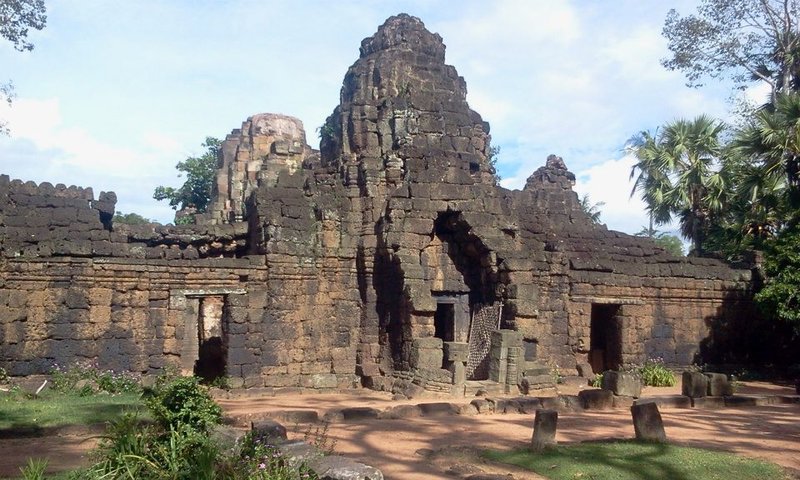
A riverside lake roughly 30km south of Phnom Penh, best known for the 12th-century Angkorian-era Ta Prohm temple on its banks and weekend picnic pavilions built out over the water.
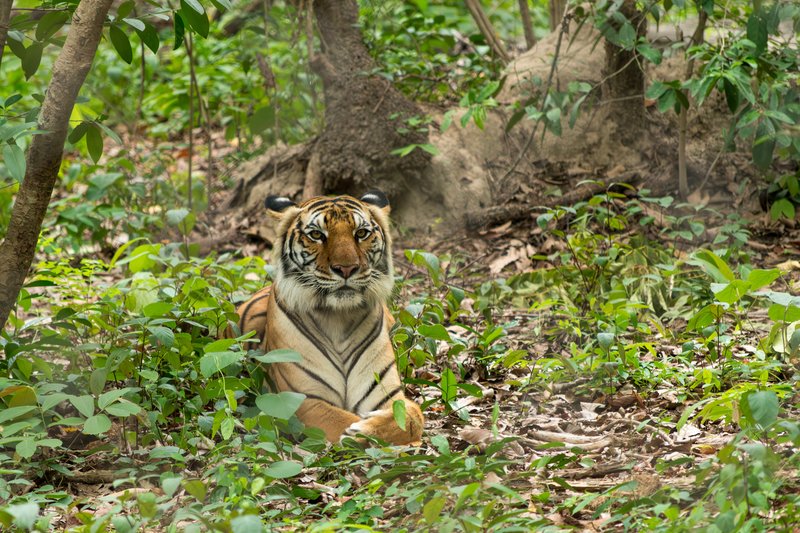
Cambodia's largest wildlife rescue centre, home to tigers, elephants, sun bears and gibbons rescued from the illegal wildlife trade, run by the Wildlife Alliance in partnership with the Forestry Administration.
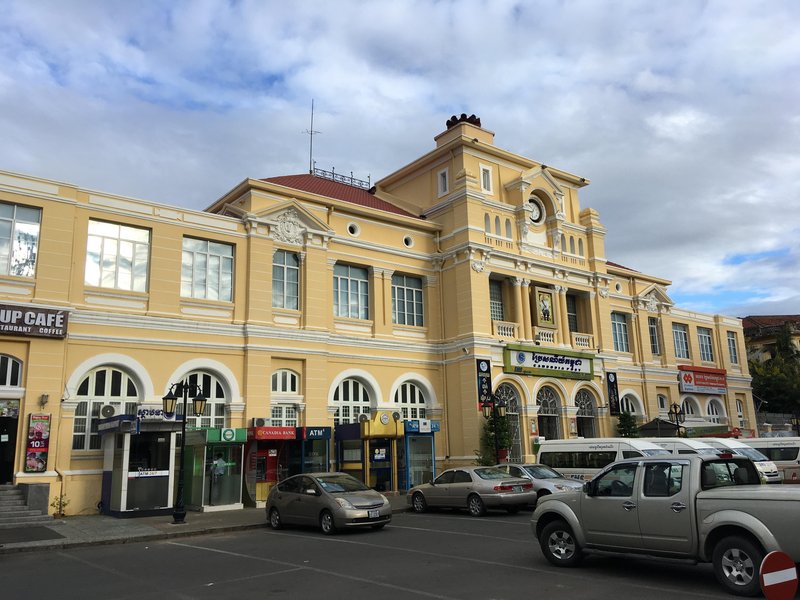
A grand 1895 Neo-Classical building by French architect Daniel Fabre, still Phnom Penh's working main post office and one of the best-preserved civic buildings from the colonial era.
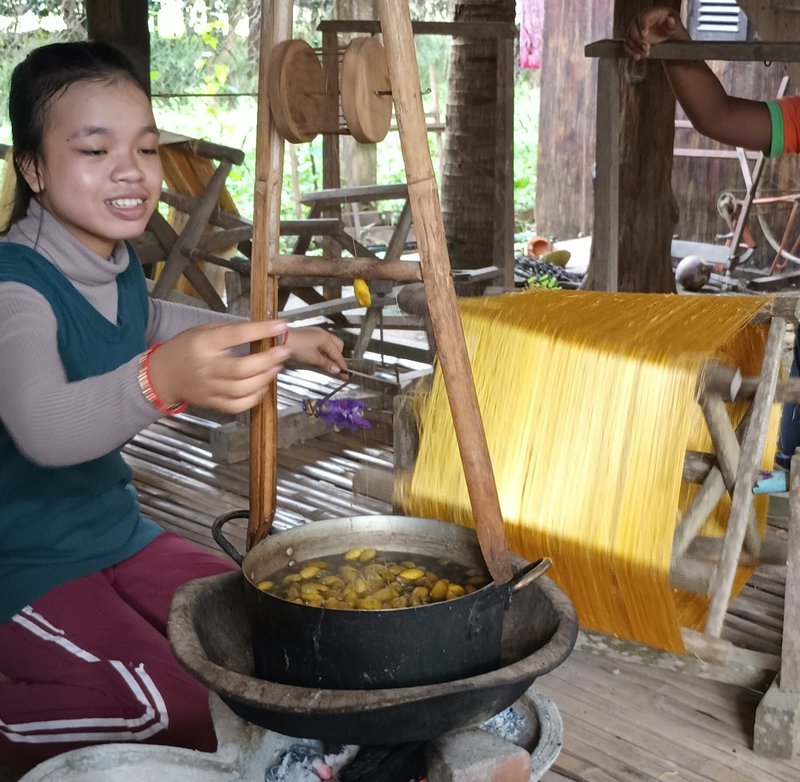
A Mekong river island reached by car ferry from Chroy Changvar, its villages still weaving silk on traditional wooden looms much as they have for generations, with a quiet, unhurried rural pace a world from the city centre.
An evening tuk-tuk crawl through 7 hidden stops for 20+ tastings of Cambodian street food and free-flow local drinks, finishing with a cocktail in a hidden garden speakeasy bar.
A guided evening food crawl by Vespa or tuk-tuk through street food stalls, local restaurants and a craft-beer stop, with unlimited local beer or soft drinks along the way.
A guided walk from Wat Langka past the Independence Monument, the Royal Palace exterior, back alleys and markets, pairing street-level history with local food stops.
A tablet-and-headphone audio walking tour of 22 French-protectorate-era sites across 19 stops, from the old Post Office to the Royal Palace, narrated with archival films and vintage photos.
A shared tuk-tuk or air-conditioned van circuit of the Royal Palace, Silver Pagoda, Genocide Museum and Killing Fields, with cold water, local snacks and a coffee break included.
A small-group circuit of the Royal Palace, Silver Pagoda, Tuol Sleng Genocide Museum and the Choeung Ek Killing Fields, tracing Cambodia's royal history and the Khmer Rouge years in one day.
A small-group, air-conditioned-van day covering 18 of the city's landmarks alongside S21 Prison and the Killing Fields, paced without set timings and with an audio guide at both memorial sites.
A local guide leads a 3-hour evening walk through quiet neighborhoods and family-run stalls off the main tourist paths, customizing tastings to dishes unmistakably Cambodian.
A full day by air-conditioned van covering the Royal Palace, Wat Phnom, the Cambodia–Vietnam Friendship Monument, S21 Prison and the Killing Fields with an audio guide, finishing at Central Market.
A guided drive out to a range on a military base southwest of the city for a supervised shoot across a range of firearms, with a safety briefing, earmuffs and unlimited beer included.
A tuk-tuk and ferry crossing to Koh Dach's silk-weaving villages, with stops at a tofu workshop, a local market and family-run silk houses, guided by a Phnom Penh local.
A market walk to pick fresh Cambodian ingredients followed by a hands-on class preparing dishes such as fish amok, under Chef Lom Ang at Banana Cooking Class.
A donation-based 3-hour walk through the city center's history, culture and night market with a local guide, ending with tips on where to eat and how to catch a river boat.
Cambodia's national dish — freshwater fish in a coconut-milk curry thickened with kroeung — lemongrass, galangal, turmeric — and steamed in a banana-leaf cup until it sets like a custard.
A breakfast noodle soup of rice vermicelli in a slow-simmered pork or beef bone broth, topped with sliced meat, herbs and bean sprouts — the everyday start to a Phnom Penh morning.
Foreign number: not accepted. — GrabFood shares the Grab app's unreliable foreign-number SMS verification; register with a home-country number before arrival.
The widest restaurant selection in Phnom Penh, from street-food stalls to hotel-district fine dining, with live rider tracking and cashless in-app payment.
Foreign number: not accepted. — sign-up is built around a Cambodian mobile number, the same restriction foodpanda applies across its other Southeast Asian markets.
A Delivery Hero platform covering Phnom Penh's main dining districts, strong on chain restaurants and bubble-tea and dessert shops alongside local kitchens.
Foreign number: not accepted. — the Cambodian-founded super-app is built for the domestic mobile network and does not verify foreign numbers.
A homegrown Cambodian app bundling food delivery with groceries, flowers and courier drops; strongest for authentic Khmer kitchens that skip the international platforms.
Foreign number: not accepted. — the sign-up form takes a foreign number, but the SMS verification code frequently never arrives; register with a home-country number first.
Cambodia's most-used ride-hailing app, covering cars and tuk-tuks across Phnom Penh with in-app fare estimates and cashless payment; the same app also carries GrabFood deliveries.
Foreign number: not accepted. — verification is built around Cambodian mobile numbers only; a local SIM card is required before registering.
Cambodia's homegrown ride app, strong for tuk-tuks and often with better coverage than Grab outside the Riverside and BKK1 core once a local SIM is in hand.
A laid-back riverside town of French colonial shophouses beneath the Bokor plateau, famous for its pepper plantations and slow sunsets over the Preaek Tuek Chhu river.
Cambodia's best-preserved French colonial riverside town, a base for the hand-pushed bamboo train and hillside temple ruins on the northern Poipet line.
Motorbike thieves grab phones and bags from pedestrians near Sisowath Quay and Central Market; carry bags on the shoulder away from the road.
Worth Knowing
A city built on a river that runs backwards
Phnom Penh sits at Chaktomuk, the four faces, where the Mekong, Bassac and Tonle Sap rivers cross in an X in front of the Royal Palace. For half the year the Tonle Sap drains south into the Mekong like any ordinary river — but each monsoon the swollen Mekong pushes back so hard it forces the Tonle Sap to reverse and flow north instead, refilling the Tonle Sap Lake and quadrupling its size before the cycle reverses again months later.
Prices around the city are quoted in US dollars, but change under a dollar comes back in Cambodian riel — a split system that dates to the Khmer Rouge years, when money was abolished outright between 1975 and 1979. The riel restarted from zero after 1980 and never fully displaced the dollar that flooded in with the UN transitional mission of the early 1990s; both currencies are still legal tender side by side today.
Nearly all of Cambodia's Buddhist monks and senior clergy were killed or forced to disrobe during the Khmer Rouge period, and the wats a visitor walks through today — including the ones on this itinerary — were rebuilt and re-staffed almost entirely after 1979, in a single generation, rather than continuously across the centuries their founding dates suggest.